Disney Junior toys help you match favorite shows with playful moments your child already knows and loves. You can compare character franchises, toy types, skill-building play, and age ranges in one place.
How to choose Disney Junior toys by Disney Junior characters
You may start with the show your child often asks for during playtime. You can narrow choices by Bluey, Mickey Mouse, Spidey and His Amazing Friends, Doc McStuffins, or SuperKitties.
Bluey toys often fit pretend family play and everyday storytelling scenes. You can use them for make-believe games that mirror episodes your child remembers.
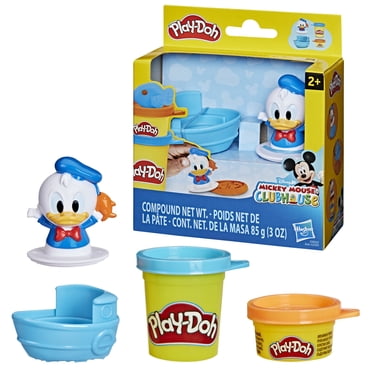
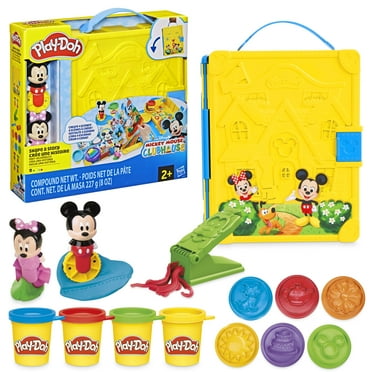
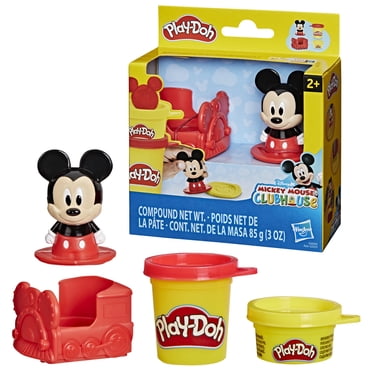
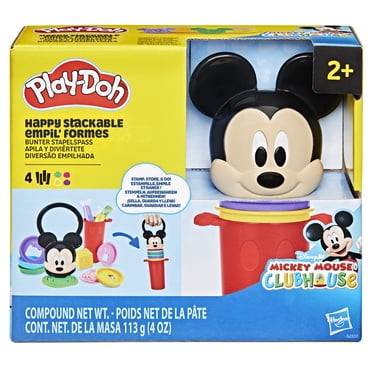
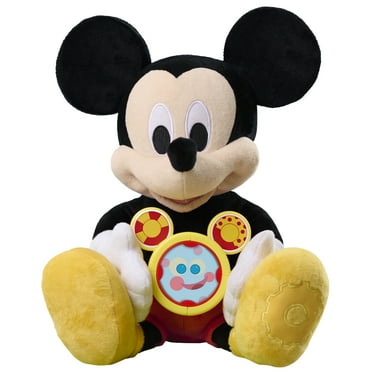
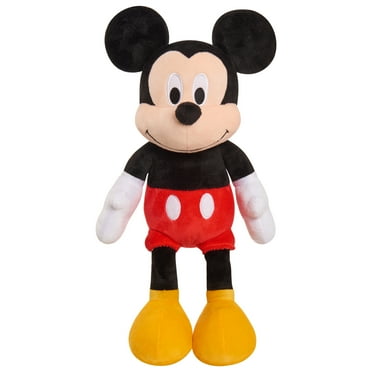
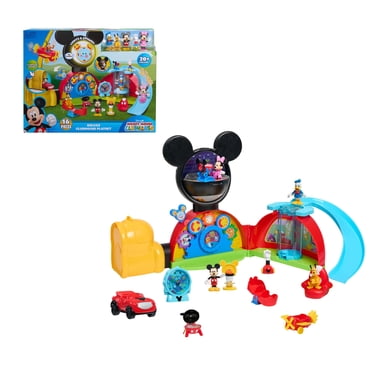
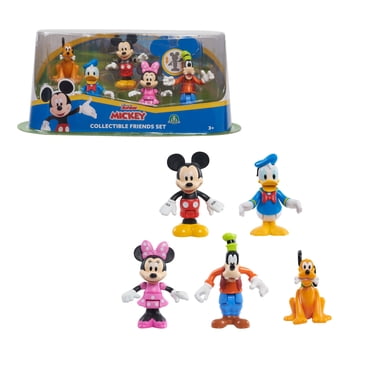
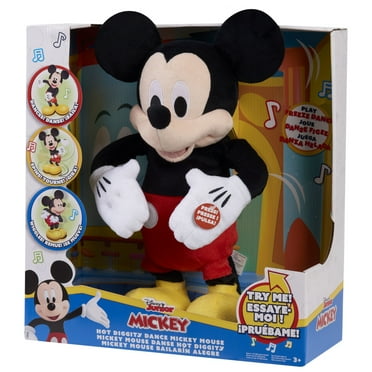
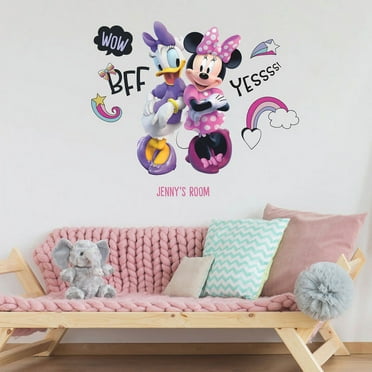
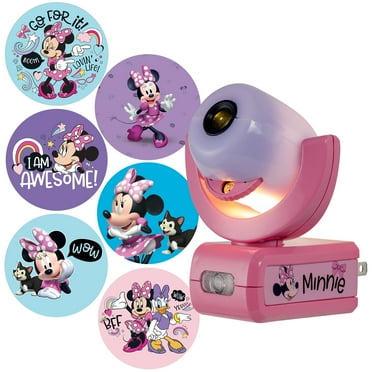
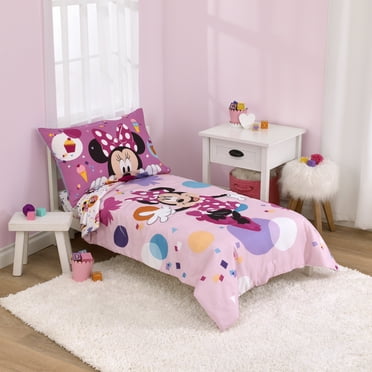
Mickey Mouse Clubhouse toys usually center on familiar friends, bright colors, and easy play patterns. You may prefer them when your child likes recognizable faces and simple hands-on fun.
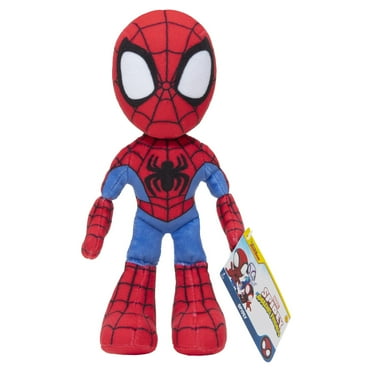
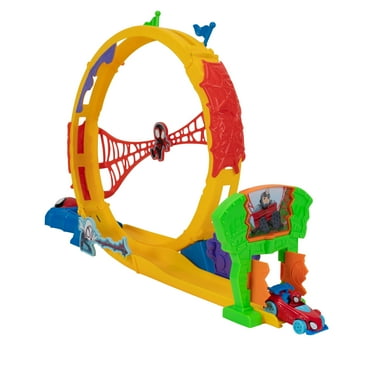
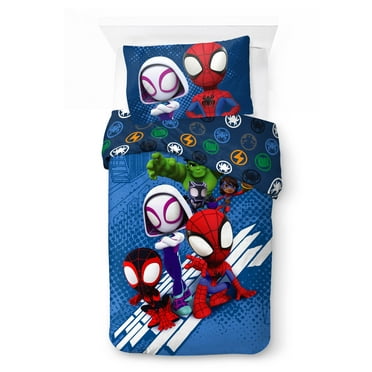
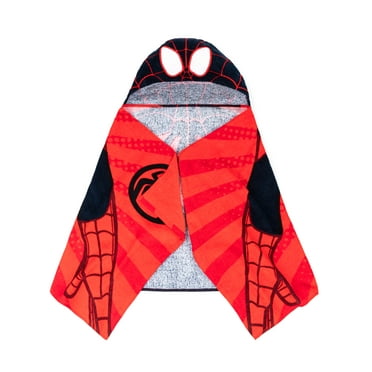
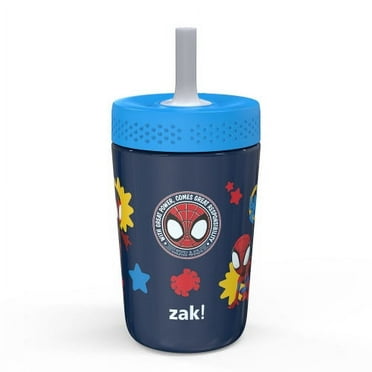
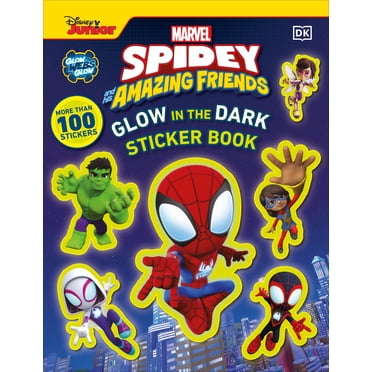
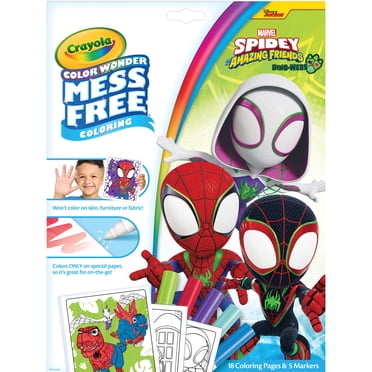
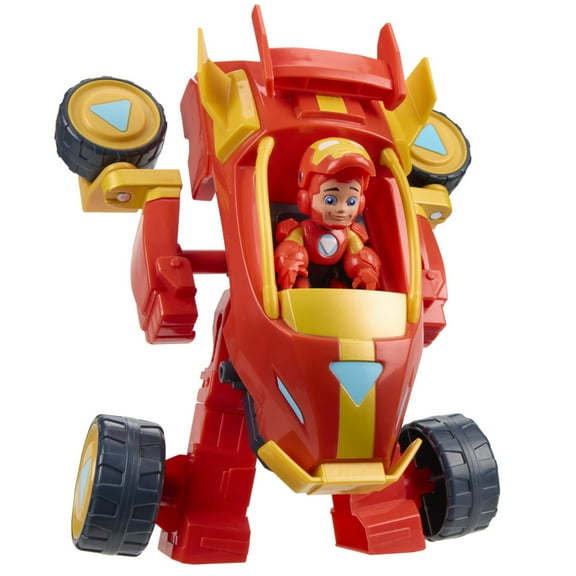
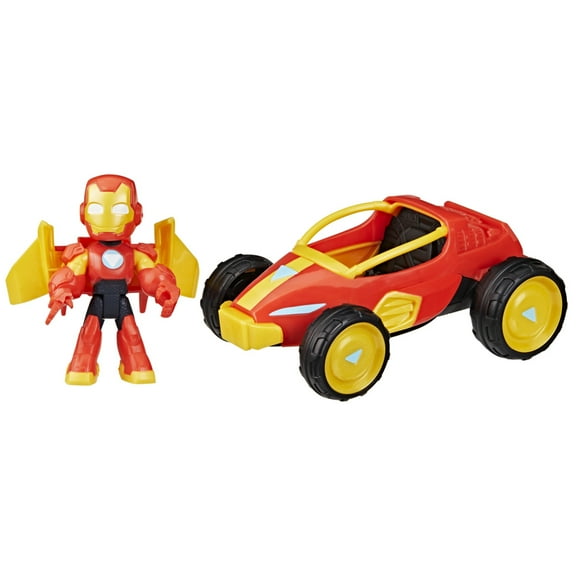
Spidey and His Amazing Friends toys often lean into action play with heroes, vehicles, and team missions. You can choose them when your child enjoys fast-moving adventures and character groups.
Doc McStuffins picks can support caring role-play with dolls, plush, and clinic-style accessories. You might choose that direction when your child enjoys checkups, helping scenes, and nurturing stories.
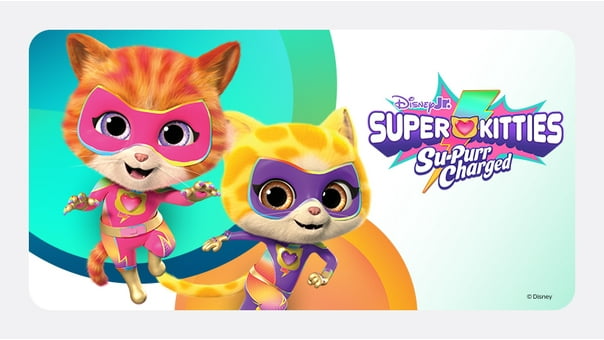
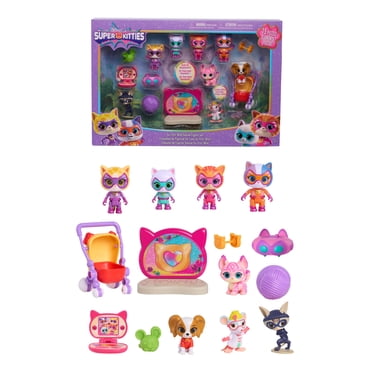
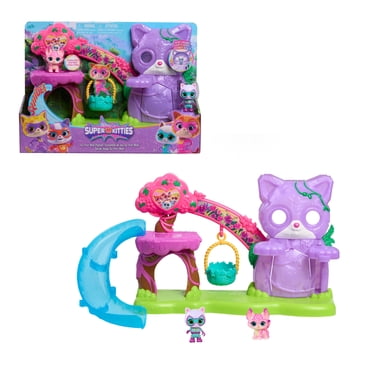
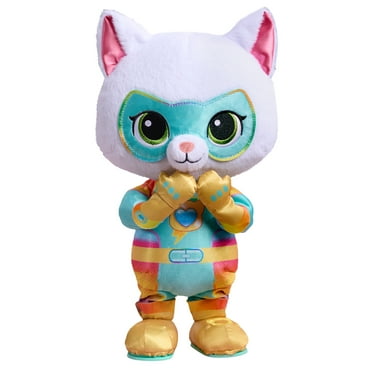
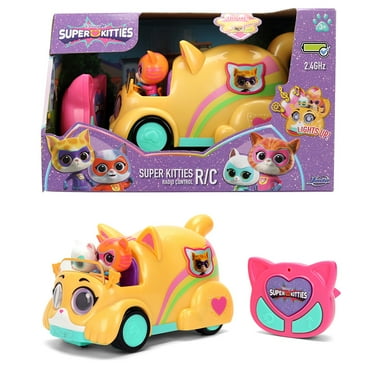
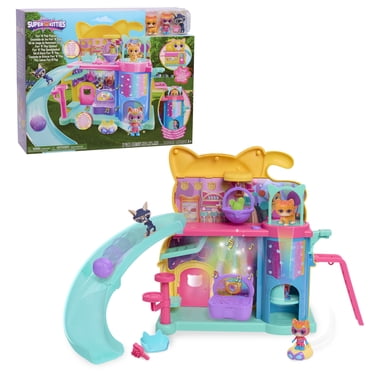
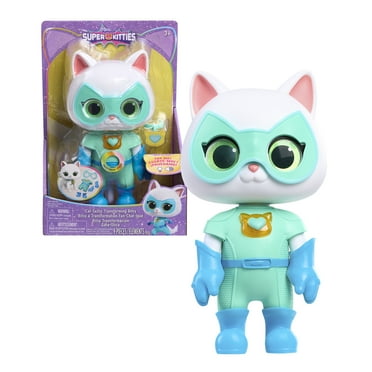
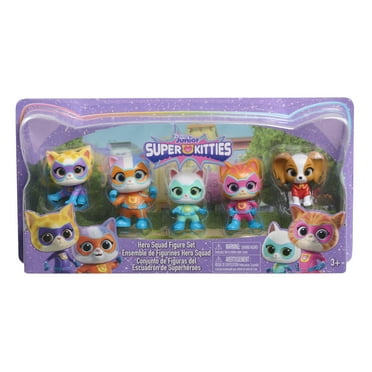
SuperKitties toys can bring playful rescue themes, cat characters, and upbeat teamwork into daily play. You may like that option when your child responds to animated action with a soft look.
Choosing the right toy category for play style
You should compare toy category first if your child plays in very different ways each day. You can look at plush, action figures, playsets, vehicles, and puzzles as distinct play experiences.
- You can choose plush when your child likes cuddly companions during quiet time or travel.
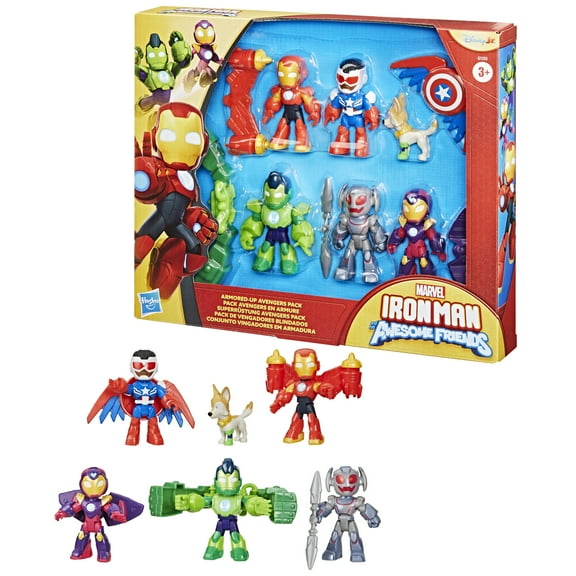
- You may pick action figures when your child acts out scenes with poses, partners, and simple accessories.
- You can use playsets when your child builds expansive stories with rooms, ramps, hideouts, or themed locations.
- You might select vehicles when your child enjoys rolling motion, chases, and quick character-based adventures.
- You can try puzzles when your child likes matching shapes, pictures, and repeatable hands-on challenges.
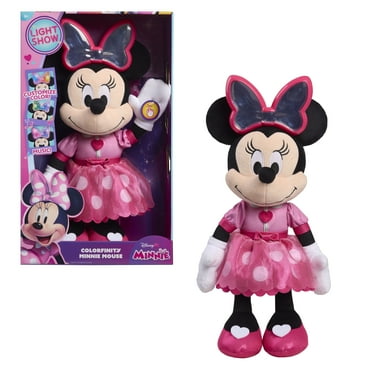
Plush options work well when you want comfort and easy carrying from room to room. You may also find they fit bedtime routines, stroller rides, or calm moments.
Action figures and vehicles suit active floor play with movement and repeat character scenes. You can rotate them easily when your child likes short bursts of imaginative play.
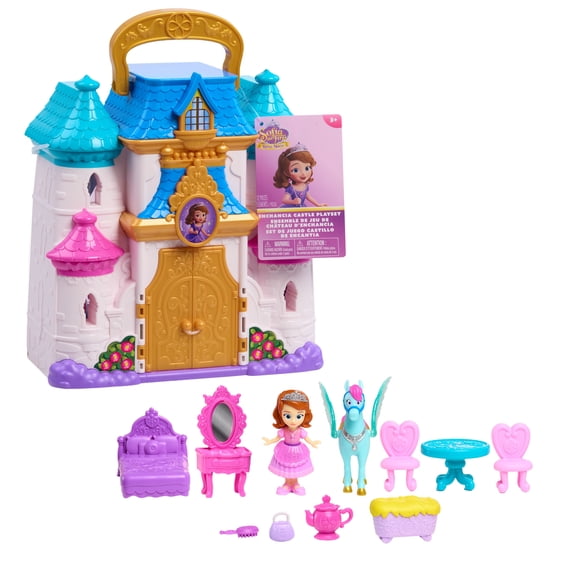
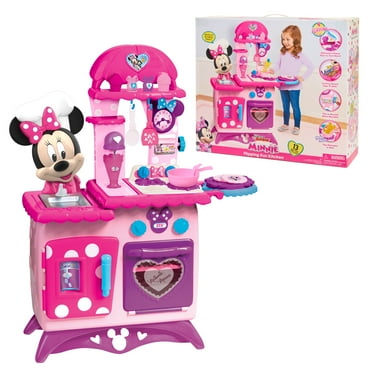
Playsets give you added scene detail, which helps when your child wants a clubhouse, clinic, or rescue setup. You can add characters over time for wide pretend stories.
Puzzles offer a different pace and can fit table play, rainy afternoons, or quiet transitions. You may prefer them when your child enjoys completing pictures from favorite Disney Junior characters.
What to look for in Disney Junior games and skill-building play
You can use Disney Junior games and toys to support play patterns that feel familiar and engaging. You should compare motor skills, creative expression, social-emotional learning, and problem solving as buying cues.
For motor skills, you can look for chunky pieces, rolling vehicles, or easy-to-hold figures. You may notice these formats fit small hands and simple movement during active play.
For creative expression, you can consider playsets, plush, and character-led role-play themes. You might like these choices when your child invents voices, stories, and everyday adventures.
For social-emotional learning, you can look for friendship themes, caregiving scenes, and teamwork characters. You may find Bluey, Doc McStuffins, and SuperKitties especially useful for cooperative pretend moments.
For problem solving, you can compare puzzles and mission-based figure play with simple goals. You can use these options when your child likes matching, sorting, and step-by-step play.
You should also check whether surfaces look easy to wipe and whether pieces seem sized for repeated handling. You may appreciate that practical detail during busy daily play.
Matching Disney Junior toys to age and everyday routines
You can narrow Disney Junior toys by recommended age so play feels engaging without feeling complicated. You should compare toddler, ages two to four, and ages five to seven options carefully.
For toddlers, you can look for larger shapes, soft materials, and simple actions. You may prefer plush, easy vehicles, or basic character toys that support quick success.
For ages two to four, you can consider simple playsets, beginner puzzles, and familiar figure packs. You might choose these when your child starts acting out scenes from favorite episodes.
For ages five to seven, you can look for detailed play patterns and large story setups. You may lean toward action figures, multi-part sets, or puzzles with additional pieces.
You should also match the toy to your routine, not just the age label. You can keep plush for car rides, puzzles for quiet time, and playsets for longer weekend play.
Durability matters when your child plays hard, carries toys around, or repeats the same scene often. You can look for sturdy construction, easy-grab parts, and surfaces that clean up simply.
If your child follows one franchise closely, you can stay within that show for instant recognition. If your child mixes favorites, you may combine Mickey Mouse, Bluey toys, and SuperKitties toys for wide variety.
You can also mix Spidey and His Amazing Friends toys with calm puzzles or plush for balanced play. You can create a character-led setup that fits action time and quieter moments.
When you compare franchise, toy type, skill focus, and age range together, you can choose with added confidence. You can bring home Disney Junior merchandise that fits your child’s routines and favorite stories.