

Acids & Bases for Lab & Industrial Use


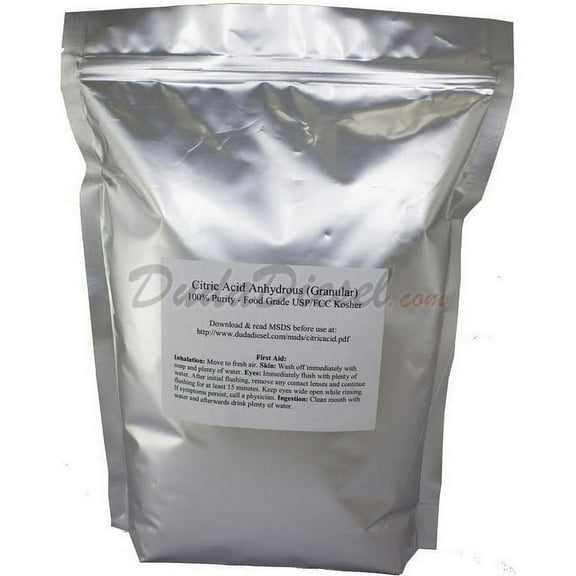
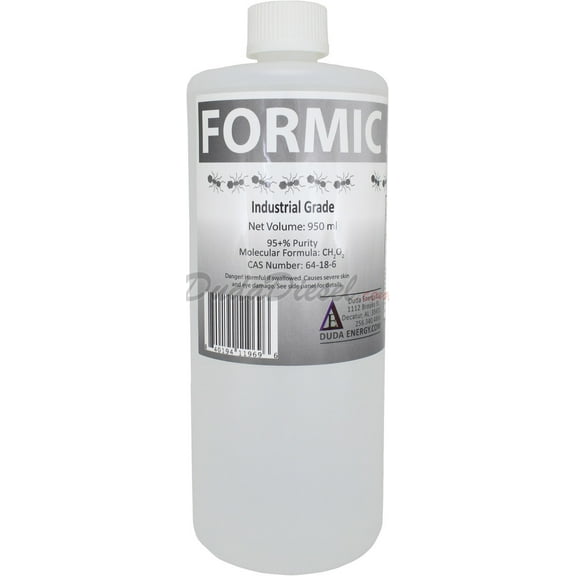
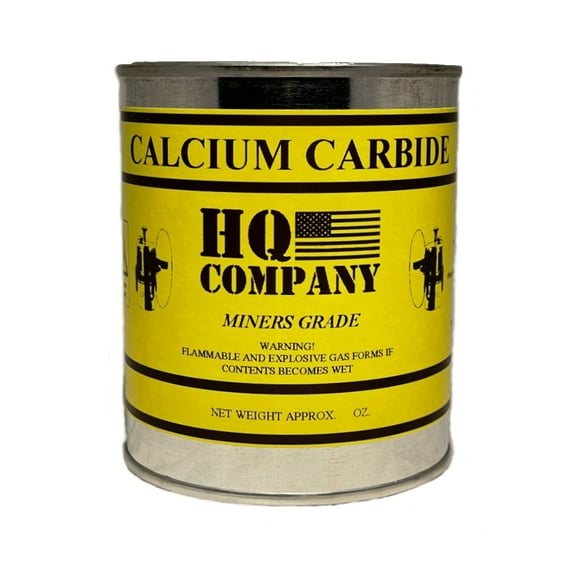


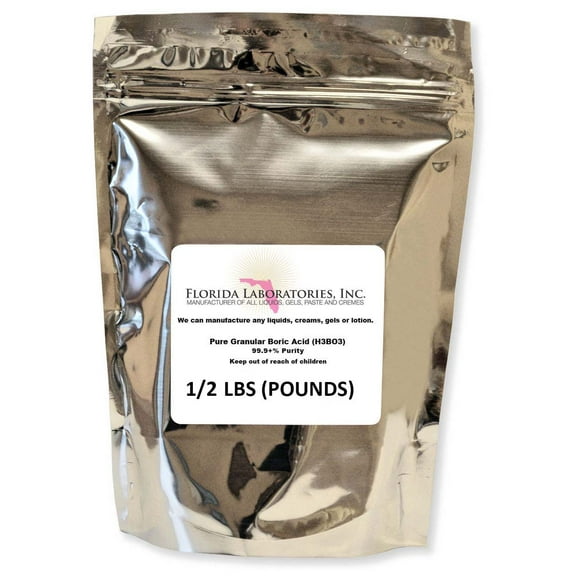









About Acids & Bases for Lab & Industrial Use - Walmart.com
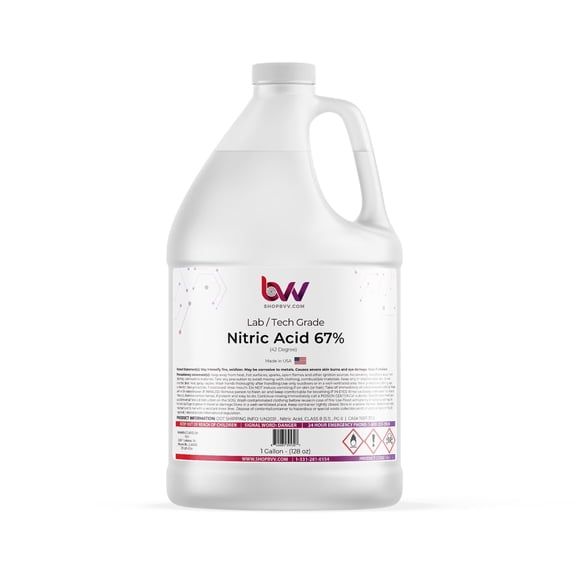
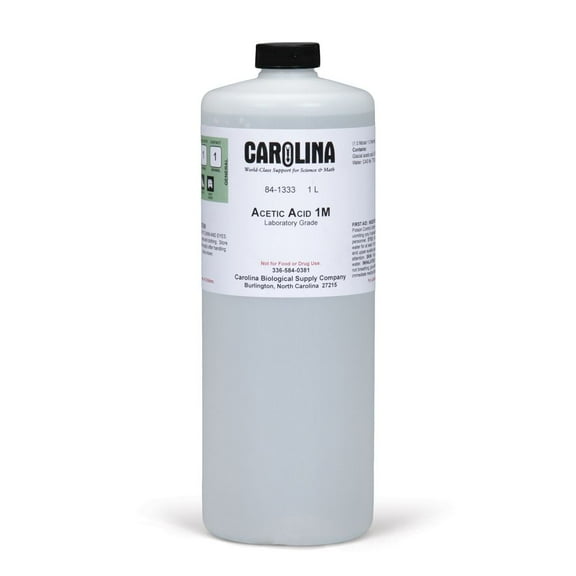
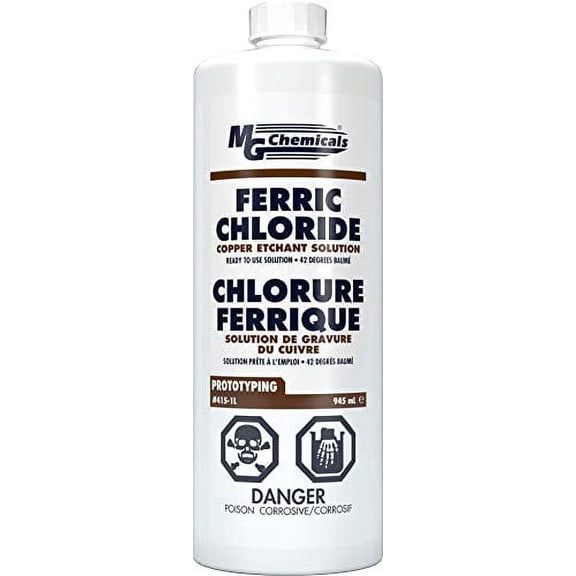
When you need to know where to buy acid, you can compare acids and bases by grade, concentration, and package size. You can also narrow your options by application, from laboratory research to pH regulation and metal etching.
You’ll find this category useful when your work needs explicit sourcing details and liquid chemistry options. You can review chemical type, molarity, shipping information, and handling support before choosing materials for your process.
Where to buy acid by chemical type and use
Start with chemical type. Your process often depends on whether you need a mineral acid, organic acid, strong base, or weak base.
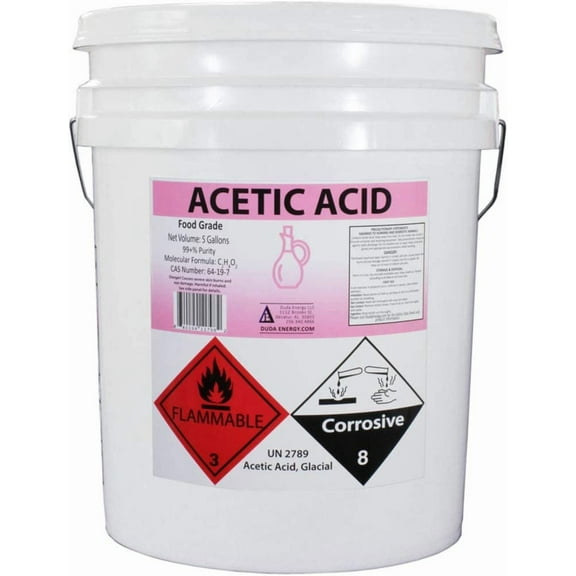
You may compare hydrochloric, sulfuric, or acetic options when your work needs specific reactivity and concentration ranges. You can also compare sodium or ammonium base solutions when your process calls for pH adjustment or controlled alkalinity.
- You can choose mineral acids for many lab and industrial procedures.
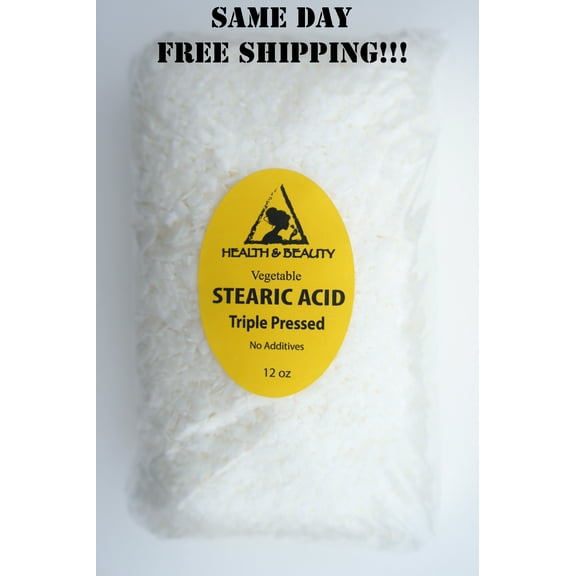
- You may select organic acids when your formula requires that chemistry family.
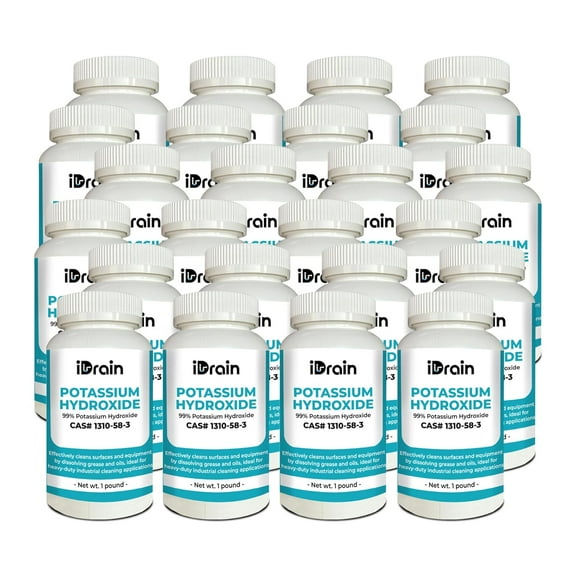
- You can compare strong bases and weak bases by pH target and handling needs.
- You’ll find liquid formats that fit measuring, dispensing, and mixing tasks.
If you’ve searched where can i buy acid or acid where to get, you’re often matching chemistry to application. You can use chemical type as an efficient way to narrow options for your intended use.
Choosing the right grade standard for where to buy acid
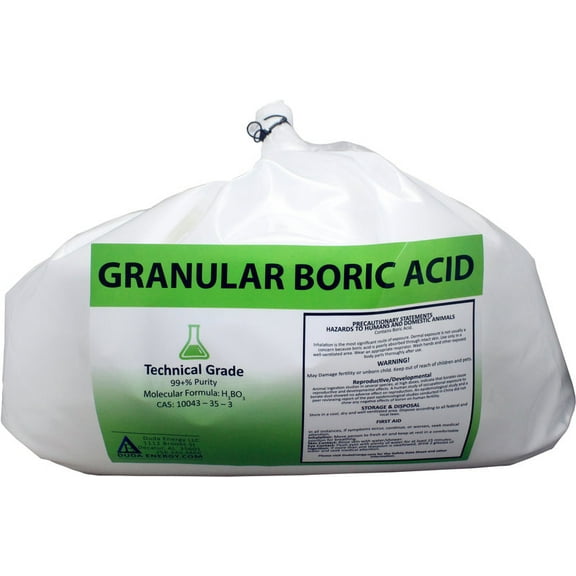
You should compare grade standard early, because purity affects how consistently your process performs. You’ll often see ACS Reagent Grade, USP Grade, Technical Grade, and Food Grade as important decision points.
ACS Reagent Grade often matters when you need strict purity expectations for laboratory research and measured procedures. Technical Grade often fits industrial manufacturing, where your process may prioritize practical use over analytical work.
USP Grade can matter when your workflow requires that recognized standard and related documentation. Food Grade may matter when your process involves food-related handling and ingredient contact.
If you’re asking can you buy acid for a specific task, you should check the grade first. You can reduce mismatches by comparing the listed standard with your application requirements and documentation needs.
Understanding concentration, molarity, and pH
You should compare concentration next, because strength changes how a liquid measures, dilutes, and reacts in your process. You may see high purity, diluted, concentrated, or standardized molarity options across this category.
Standardized molarity helps you when your procedure depends on exact measurements and repeatable results. Concentrated options may suit workflows that require later dilution, while diluted options can simplify routine preparation.
You can also use the pH scale to separate acidic and basic solutions before you buy acid or base materials. You’ll want that distinction when your application depends on neutralization, cleaning, etching, or controlled formulation.
When you compare listings, check whether concentration appears as percent, normality, or molarity. You can then match that format to your equipment, measuring method, and written procedure.
Matching acids and bases to your application
You can narrow choices quickly when you connect each chemical to the job you need done. Laboratory research, industrial manufacturing, pH regulation, and metal etching each call for different grades, strengths, and container sizes.
For laboratory research, you may prefer reagent-focused options with explicit concentration details and smaller bottles. For industrial manufacturing, you may need larger jugs or drums that support repeated use and planned storage.
If you’re managing pH regulation, you should compare both acids and bases with attention to molarity and dosing control. If you’re handling metal etching, you may focus on concentration, compatibility, and dispensing size for your setup.
You can also pair your chemical order with support items for your workspace. You may want goggles, gloves, spill containment supplies, beakers, flasks, and storage containers that fit your handling routine.
Checking packaging size, shipping, and handling
You should review packaging size carefully, because your usage rate affects convenience, storage, and refill timing. You may choose a 100mL bottle, 1L bottle, 4L jug, or bulk drum based on testing volume or production scale.
Smaller containers can help you with bench work, sample preparation, and limited-run procedures. Larger formats can support higher-volume operations where you need fewer container changes.
You should also check shipping details, because many chemical liquids follow DOT shipping rules and hazard class requirements. You’ll want to confirm SDS availability, packaging format, and handling instructions before choosing your materials.
If you’re wondering where to get acid from a source that supports industrial and lab needs, those details matter. You can make an informed choice when packaging, documentation, and shipping information align with your site requirements.
How to choose acids and bases with confidence
You can choose with more confidence when you compare chemical type, grade standard, concentration, application, and package size together. You’ll make an informed selection when each detail matches your procedure, storage plan, and documentation needs.
Whether you’re sourcing a mineral acid, an organic acid, or a base solution, you can use these decision points clearly. You’ll end with materials that fit your workflow, handling routine, and measurement requirements.