

Activewear
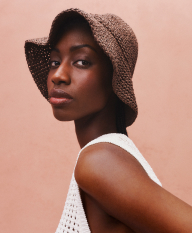
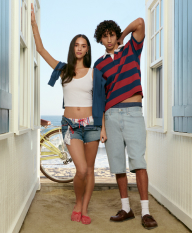


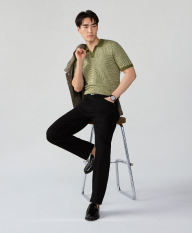
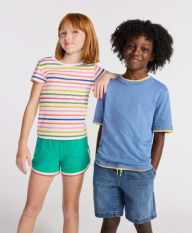
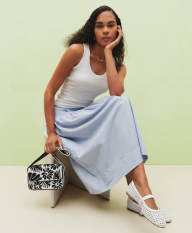


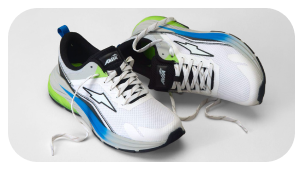
The active edit
Peak performance meets next-level style.






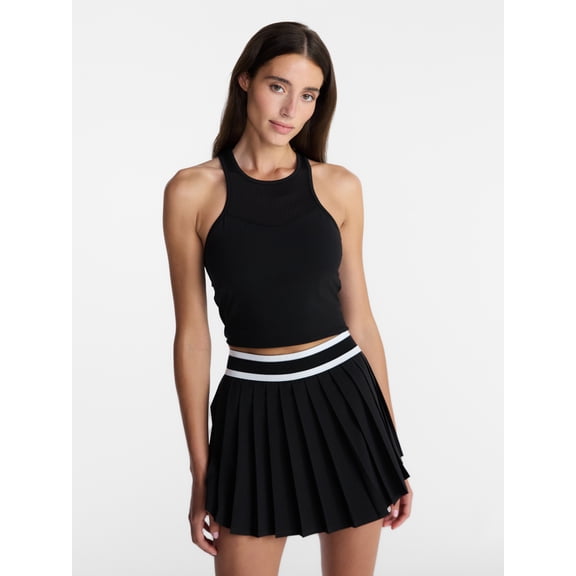

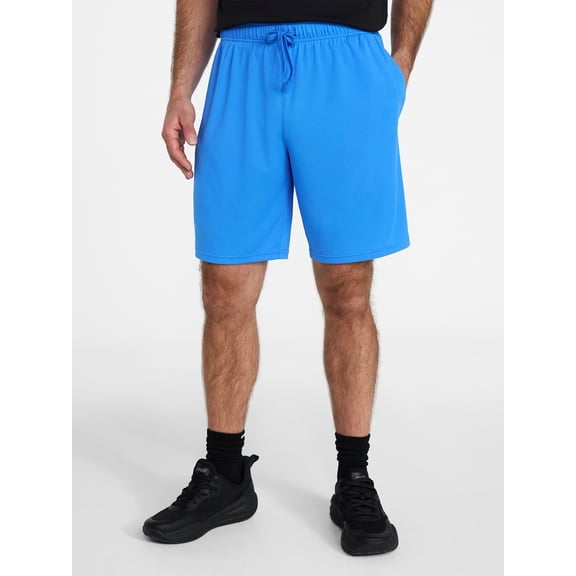
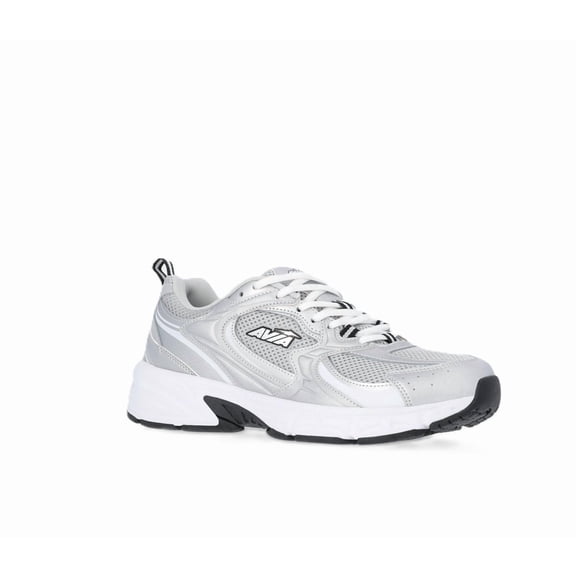
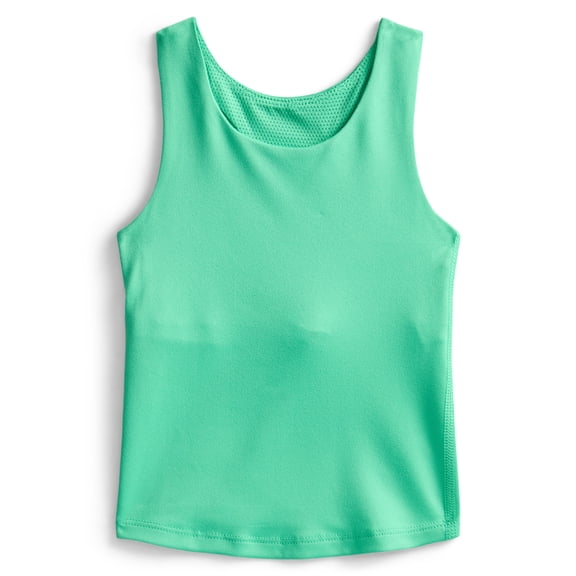


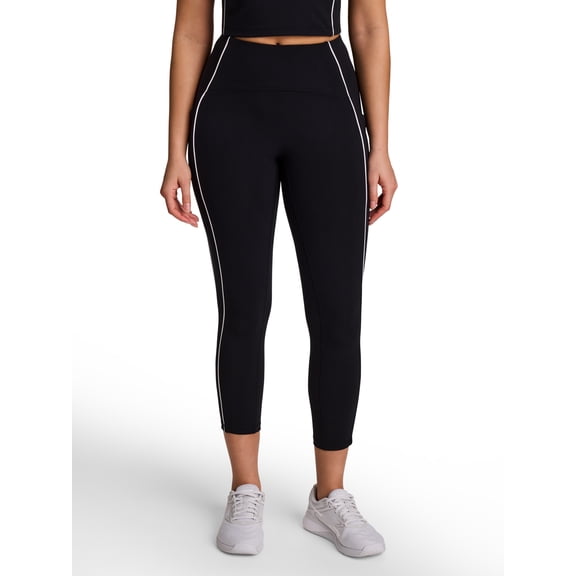
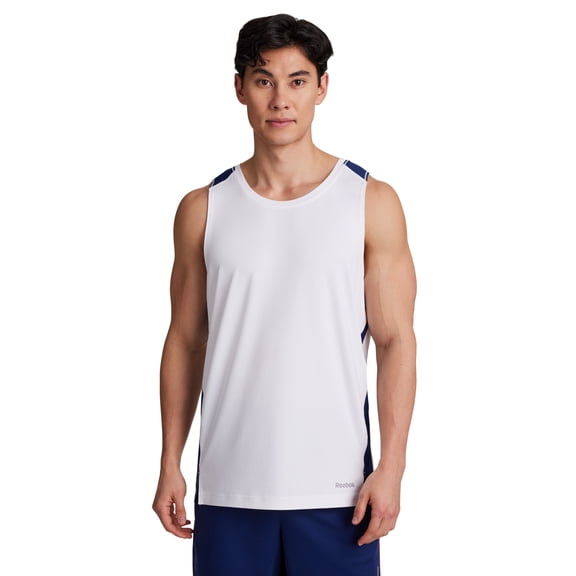
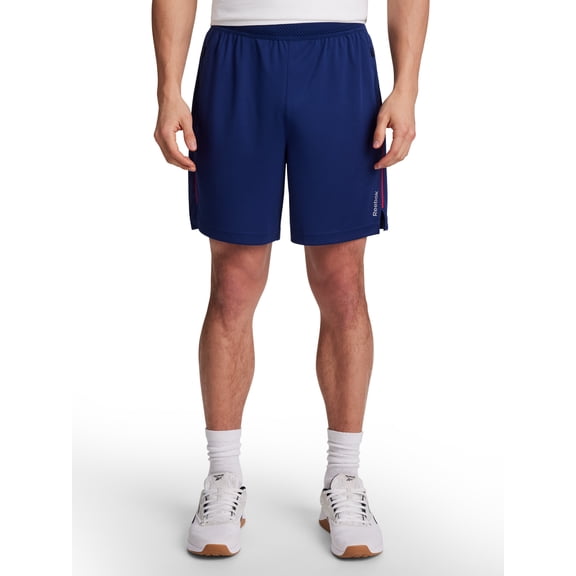

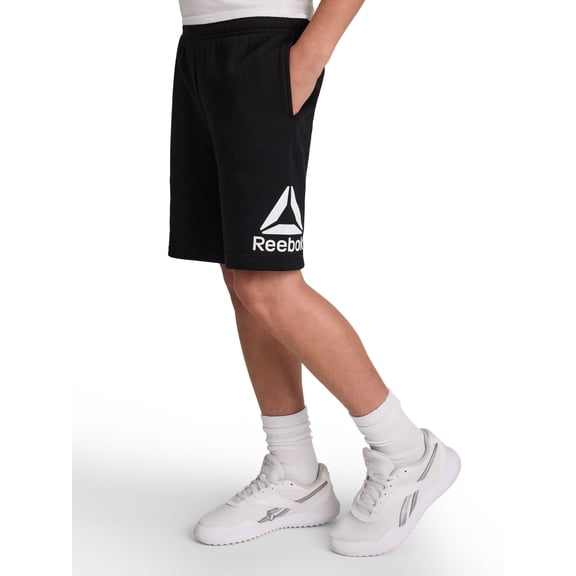
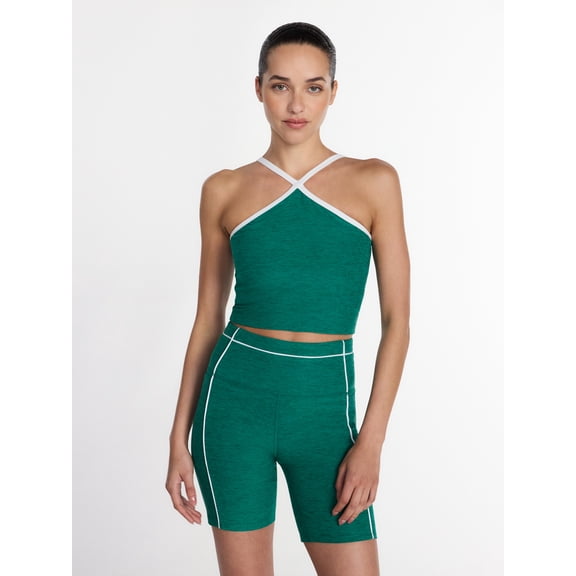
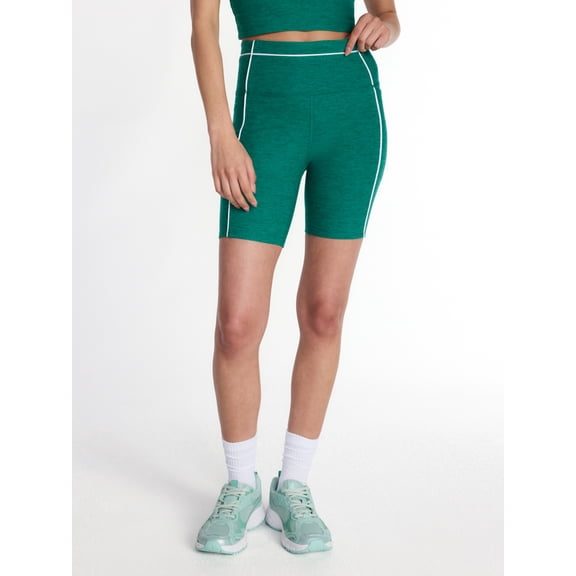
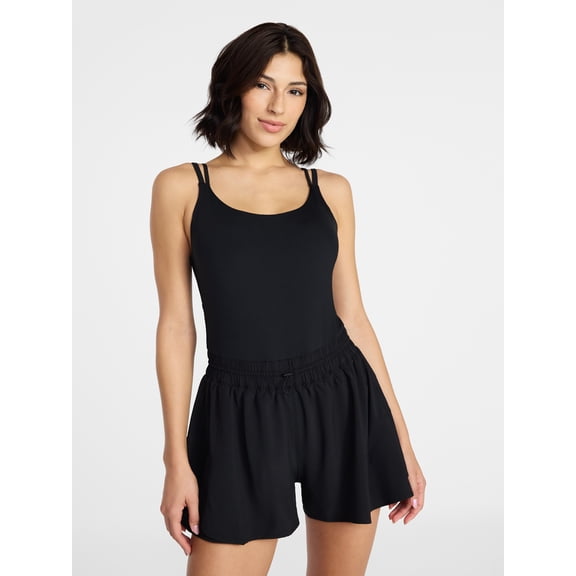
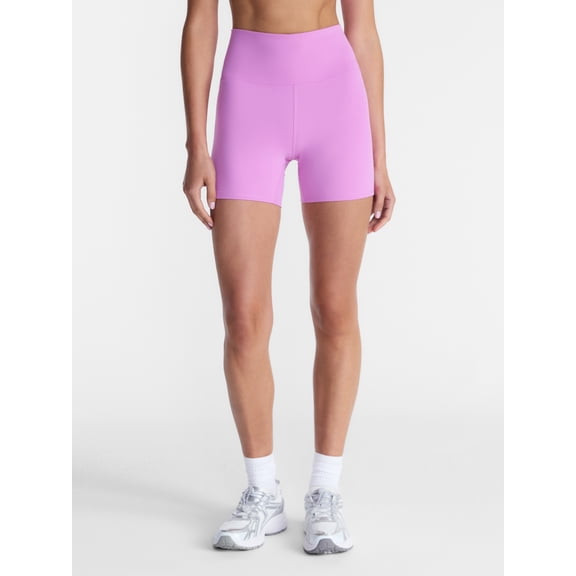

FAQ
About Activewear - Walmart.com
Activewear helps you move through workouts, errands, and downtime with comfort and flexibility. You can compare fabrics, fits, and activity needs here, so your choice feels right for running, yoga, or casual wear.
If you're building a gym wardrobe or refreshing basics, activewear gives you options that work across more than one routine. You'll find choices for womens activewear, men's athletic apparel, and unisex layers that support steady movement and easy outfit planning.
How to choose activewear by product type
You can start with product type, because shorts, pants, shirts, jackets, and hoodies solve different needs. Your warm-weather training may call for mens shorts, while your cooler mornings may need pants or a light jacket.
For fast workouts, you may prefer shorts and shirts that feel light and easy to layer. For commuting or outdoor sessions, you might choose hoodies and jackets that add coverage without making your outfit feel bulky.
- You can wear shorts for running, training, or warm gym sessions.
- You can choose pants when your routine needs added coverage and easy movement.
- You can use shirts as base layers for workouts or casual wear.
- You can add jackets or hoodies when your day includes outdoor time or changing temperatures.
When you compare product types this way, you can build outfits that match your schedule instead of one single activity. Your wardrobe feels more useful when each piece works alone and layers easily.
Choosing activewear fabric and stretch
You should compare materials closely, because fabric changes how your active wear feels during movement. Your options may include moisture-wicking blends, spandex, polyester blend styles, and cotton choices.
If you want a lighter feel during sweat-heavy sessions, you may look for moisture-wicking fabric. You'll notice it helps move moisture away from the surface, so your outfit feels less heavy during long workouts.
When your routine includes lunges, stretching, or floor work, you should check for 4-way stretch. You'll get easier movement in multiple directions, which matters for yoga, training circuits, and active days.
You can also compare GSM weight when you want a clearer sense of fabric feel. Your lower GSM options often feel lighter, while your higher GSM options can feel denser and more structured.
If softness is your priority, you may reach for cotton or cotton-rich pieces on lighter days. Your polyester blend options often suit frequent wear, because they keep shape well and dry faster after washing.
What to look for in fit and sizing
You should use fit as a main decision point, because sizing affects comfort as much as fabric. Your preferred feel may be compression, streamlined, relaxed, or loose depending on how you move.
If you like a held-in feel, you may choose closer-fitting styles for training or layering. If you want easy airflow, you may prefer looser cuts for walking, casual wear, or lower-intensity sessions.
You can also think about where you want room through your waist, hips, thighs, or shoulders. Your comfort often improves when your fit matches your movement pattern instead of following one standard shape.
For womens activewear, you may focus on support, stretch, and how a waistband stays in place. For men's athletic apparel, you may look for leg room, easy mobility, and tops that layer cleanly.
Comparing details for running, yoga, and gym workouts
You can narrow your choices faster when you match details to your main use case. Your running gear may need pockets, lighter fabric, and reflective elements for early or late outings.
For gym workouts, you may want pieces that stretch easily and stay comfortable through repeated movement. Your training outfit may also benefit from pockets that keep small essentials close without extra bulk.
If yoga is part of your routine, you may prefer soft fabric, smooth seams, and flexible fits. Your poses and floor work usually feel easier in styles that bend with you instead of pulling tight.
When casual wear matters just as much as exercise, you can choose clean silhouettes and simple layers. Your shirts, joggers, hoodies, and athletica shorts can move from errands to light activity without a full outfit change.
How durability and care affect your routine
You should check care needs before you choose, because easy maintenance keeps your routine simple. Your active clothing brand options may vary in fabric feel, but you can still focus on pieces that wash easily and hold shape.
If you wear activewear often, you may prefer materials that handle frequent laundering well. Your polyester blend and spandex styles often suit repeat use, while your cotton pieces may serve lighter training or lounge days.
You can also look at stitching, waistbands, and pocket construction when you want longer-lasting wear. Your daily rotation works harder when seams stay flat and fabric keeps its fit after repeated washes.
Building a versatile activewear wardrobe
You don't need every style for every activity when you choose pieces with overlap. Your core wardrobe may start with shirts, mens shorts or pants, and one hoodie or jacket for layering.
From there, you can add options based on your routine, your climate, and your fit preference. Your mix of athletic brands feels easier to compare when you focus on movement, care, and fabric performance first.
With the right activewear, you can handle workouts, errands, and downtime in pieces that feel comfortable and easy to wear. Your final choice should support your movement, fit your routine, and stay useful across the week.