

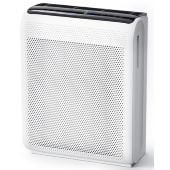
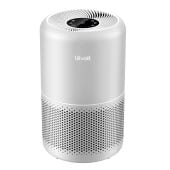
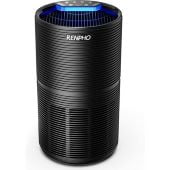
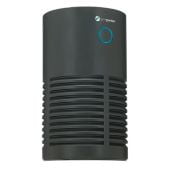
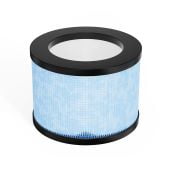
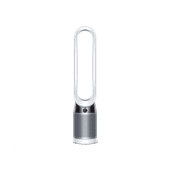
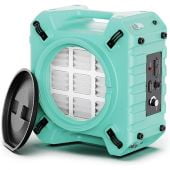


Air Purifiers























About Air Purifiers - Walmart.com
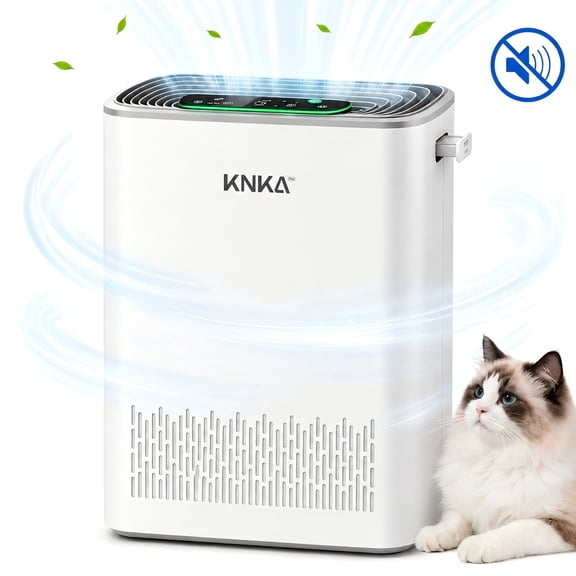
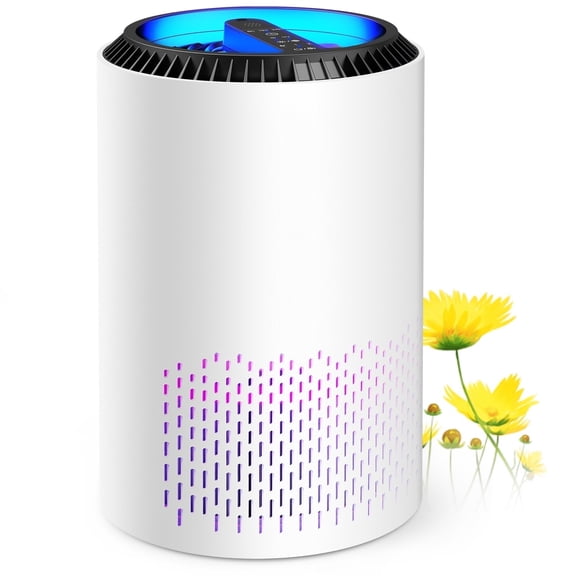
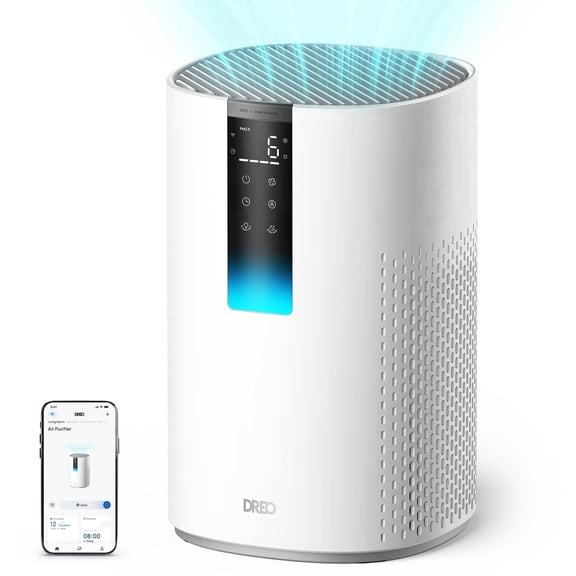
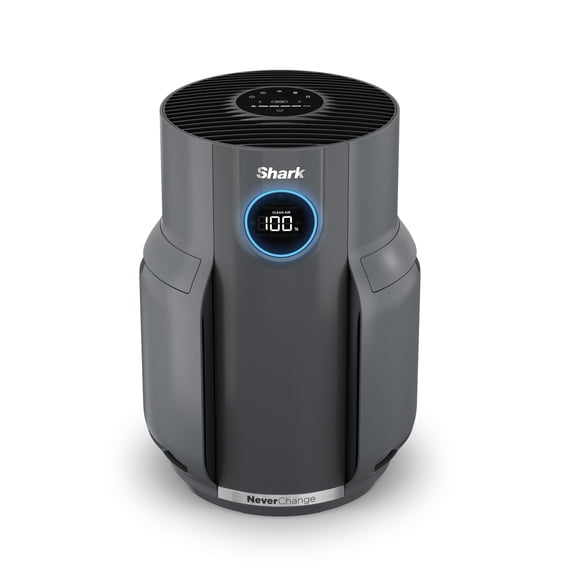
Air ionizers help you target airborne particles in specific spaces, and you can compare coverage, power, and technology before you choose. You can use this guide to sort through home air ionizers for bedrooms, offices, living rooms, and larger shared areas.
How to choose air ionizers for your space
You should start with coverage area because room size changes how an ionizer fits your daily routine. You can compare small room, medium room, large room, and whole house options based on where you plan to place it.
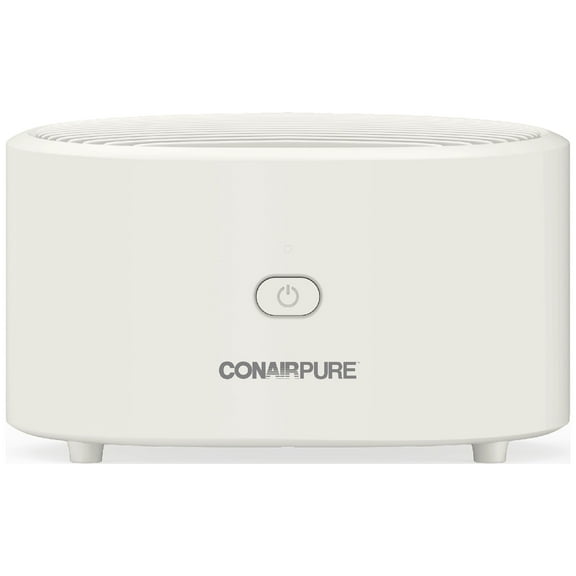
For a small room, you may want a compact unit for a bedroom, nursery, or home office. You can usually place these on a desk, shelf, or nightstand without taking up much room.
If you need medium room coverage, you can focus on spaces like dens, kitchens, or shared bedrooms. You’ll get a more practical fit when you match square footage to the room type you use most.
Large room and whole house models work for open layouts, busy family rooms, or broader home coverage. You can narrow your choice faster when you check whether the listed coverage matches your floor plan.
Key differences in ionic air purifiers
You’ll notice that technology type affects upkeep, placement, and everyday use. You can compare ionic air purifiers, electrostatic units, ozone-free models, and HEPA hybrid designs based on how hands-on you want maintenance to be.
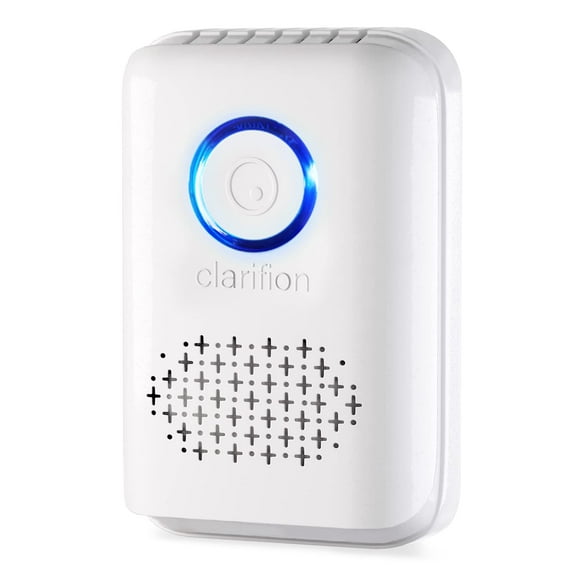
An ionic design releases charged ions that attract airborne particles, so you can reduce visible dust settling in active rooms. You may prefer this style when you want a simple unit with a compact footprint.
An electrostatic option uses charged collection surfaces, which can change how often you clean the unit. You should check the cleaning steps first, because your routine matters as much as the device size.
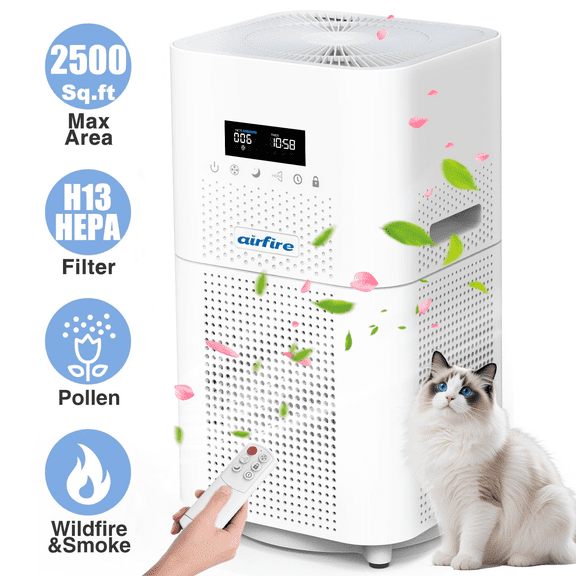
If you want a more traditional mixed setup, you can look at HEPA hybrid models that pair ionization with filter capture. You may like this option when you want ion technology plus filter-based particle collection.
- You can match ionizer coverage to a bedroom, office, living room, or whole home layout.
- You can compare filterless and hybrid designs based on your preferred maintenance routine.
- You can choose compact, desktop, wall-mounted, or tower formats for your available space.
- You can check ozone output details and CARB certification when those specs matter to your decision.
What to look for in power source and portability
You should compare power source next, because it changes where and how you use the unit. You can choose a plug in air ionizer, a battery-operated model, or a USB powered unit.
A plug in air ionizer can make sense when you want steady use in a bedroom, hallway, or living area. You won’t need to recharge it, and you can keep it in one spot for consistent operation.
Battery-operated styles give you more flexibility when you move between rooms or travel often. You may prefer them when you want quick placement without staying close to an outlet.
USB powered units fit desks, dorm rooms, and workstations where you want a smaller footprint. You can connect them easily near computers or bedside tables without adding a larger appliance.
Portability also shapes your experience, especially when floor space is limited. You can compare portable air ionizer models, desktop designs, wall-mounted options, and towers for the layout you have.
A desktop unit works well when you want targeted use close to where you sit or sleep. A tower format gives you a taller profile that fits corners and open floor areas.
Choosing safety, maintenance, and bedroom-friendly features
You should review ozone output information before you choose, because this detail is decision-critical in this category. You can look for ozone-free wording and check whether CARB certification appears in the product details.
CARB certification helps you confirm that a model meets a recognized emissions standard for sale in California. You can use that detail as a clear comparison point when you’re narrowing options.
Maintenance needs can vary widely, so you should decide whether you want filterless convenience or hybrid filtration. You may spend less time on replacements with filterless units, while hybrids may require scheduled filter changes.
If you’re placing a unit in a bedroom, you should also think about everyday noise. You’ll usually want quieter operation for sleep spaces, reading corners, and nurseries where steady background sound matters.
Room air ionizers can also fit different routines across your home. You can place one in an entryway, office, or guest room when you want coverage that matches how each space gets used.
When you compare air ionizers by coverage, power, technology, and upkeep, you can choose with more confidence. You’ll end up with a model that fits your room size, maintenance preferences, and placement needs.