

Guitar Processors, Amplifiers & Effects - Walmart




















About Guitar Processors, Amplifiers & Effects - Walmart - Walmart.com
Your guitar processor search gets easier when you compare musical instrument amplifiers & effects by compatibility, power, and setup. You can narrow your choices faster when you understand combo amps, pedalboards, and multi-effects units in plain language.
How to choose a guitar processor and effects setup
You should start with your instrument, because input design shapes how your gear responds. You’ll want to compare electric guitar, acoustic guitar, bass, and keyboard compatibility before you choose an amplifier or processor.
If you use active pickups, you may prefer inputs that handle stronger signals cleanly. If your instrument uses passive pickups, you may look for responsive input stages and clear impedance matching.
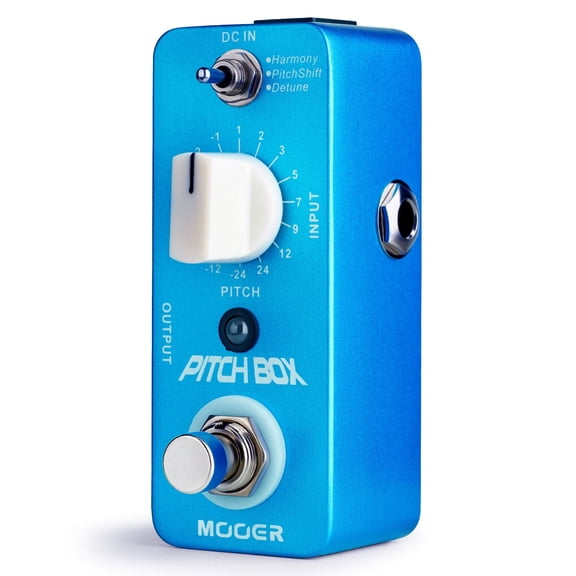
You can also compare built-in effects against separate pedals when you plan your signal chain. You’ll usually get quicker setup from multi-effects, while individual pedals give your board a more customized layout.
- You can simplify rehearsals with one processor that combines amp models, delay, reverb, and chorus.
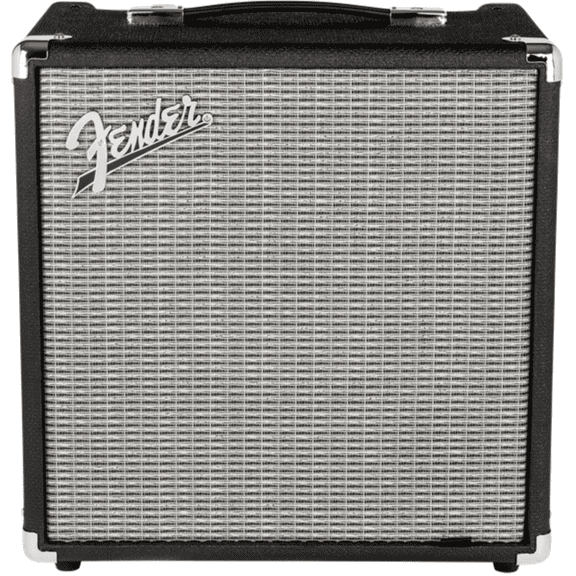
- You can keep your rig lighter with a combo amp instead of carrying a separate head and cabinet.
- You can match your instrument faster when you check compatibility, wattage, and effect type together.
- You can shape practice, recording, and stage tones with digital modeling or analog-style paths.
Choosing amplifier type, configuration, and power output
You should compare amplifier type first, because each design changes feel and control. You may prefer tube response for touch sensitivity, solid-state for consistency, digital modeling for variety, or hybrid designs for balance.
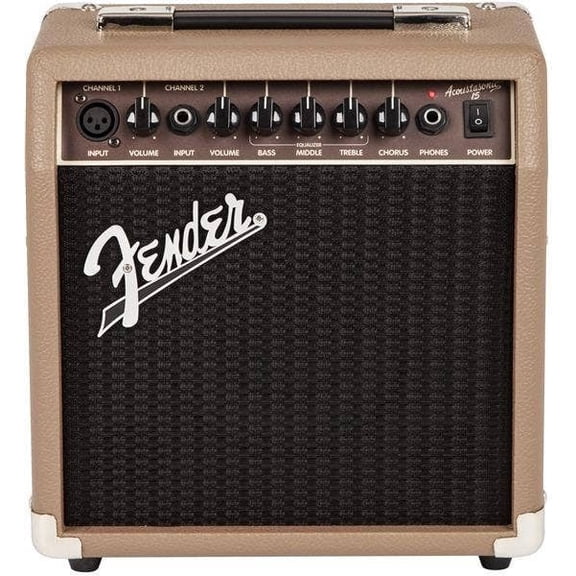
When you compare configuration, you’ll notice combo amps keep everything in one box. You may choose an amp head and cabinet when you want separate pieces for larger rooms or changing speaker setups.
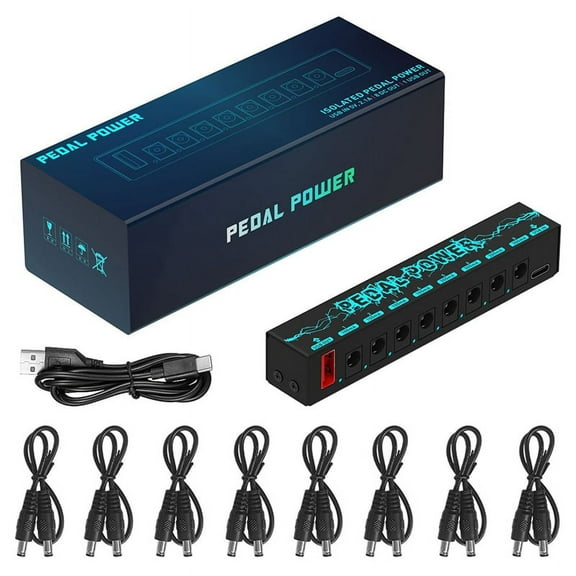
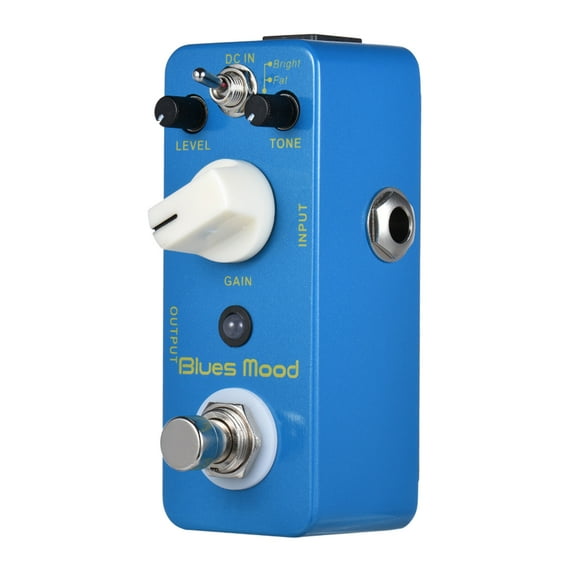
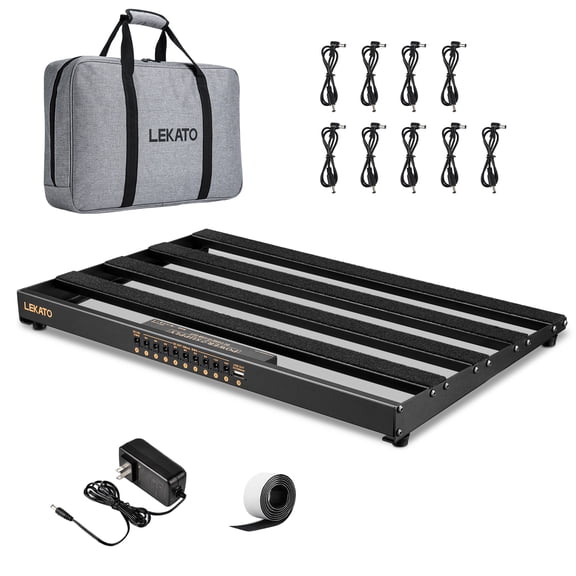
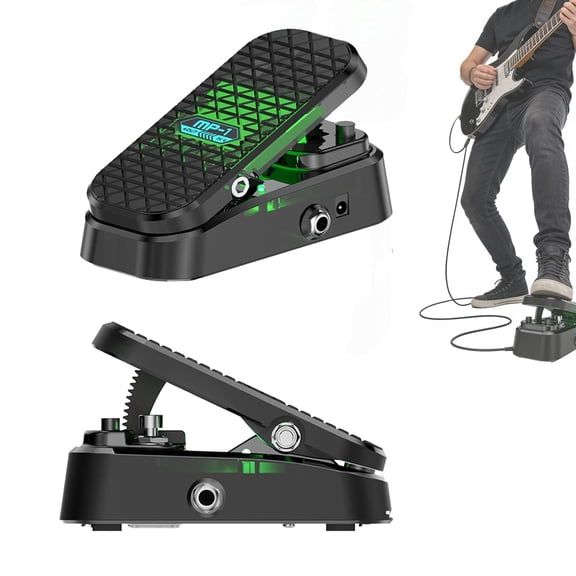
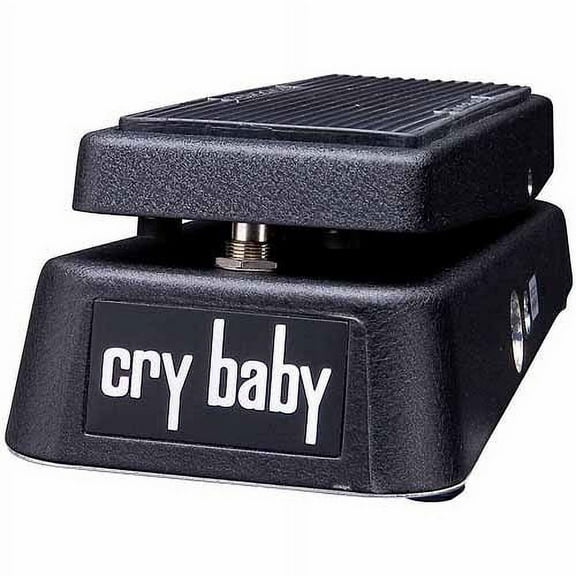
You can treat a pedalboard as your control center when you already have an amp you like. You’ll often appreciate that setup when you want to swap distortion, delay, or chorus in a specific order.
Power output matters because you need enough headroom for your room size and playing style. You can use one to 15 watts for home practice, 15 to 50 watts for rehearsals, and 50 watts or more for performance spaces.
If you play with a drummer, you may want extra clean headroom before your sound starts to compress. If you practice at home, you may prefer lower wattage that stays manageable at lower volume.
Key differences between effect types and signal paths
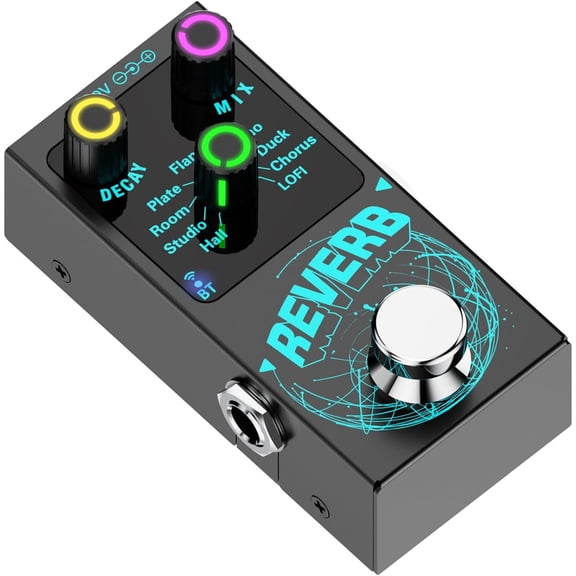
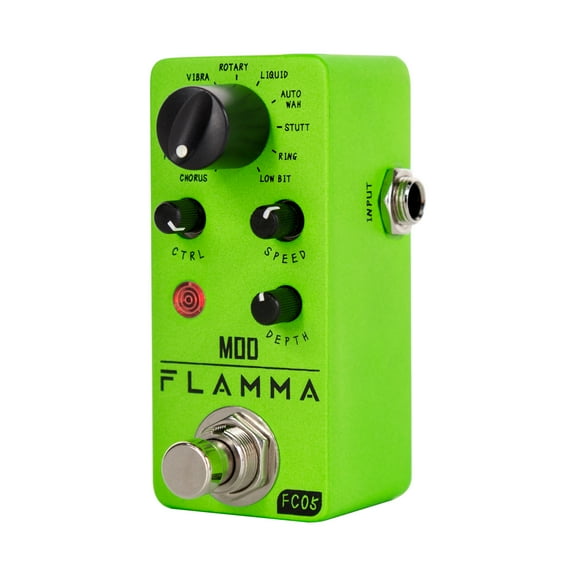
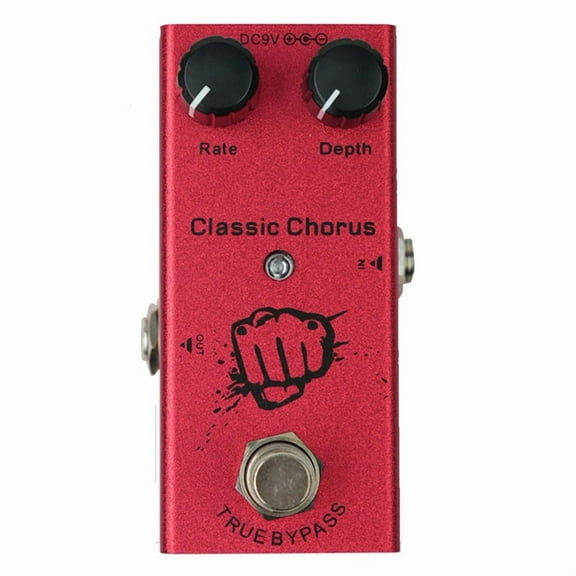
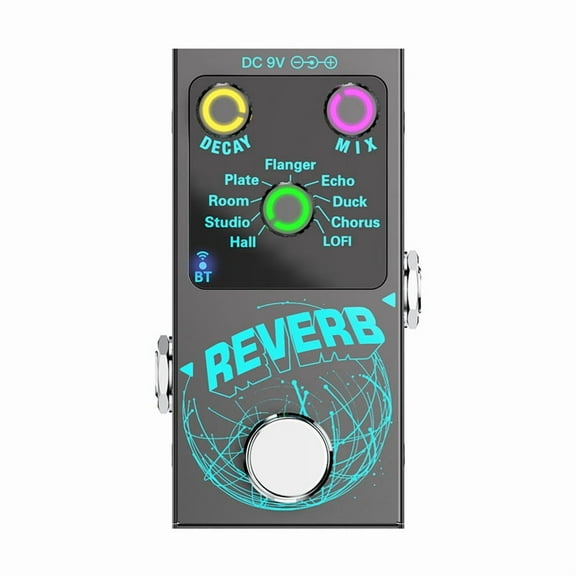
You can shape your sound by comparing distortion, delay, reverb, chorus, and multi-effects units. You’ll hear distortion add grit, delay repeat notes, reverb create space, and chorus widen your tone.
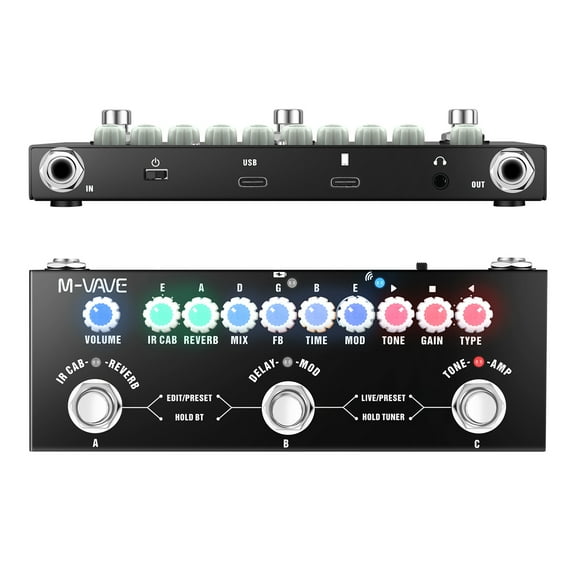
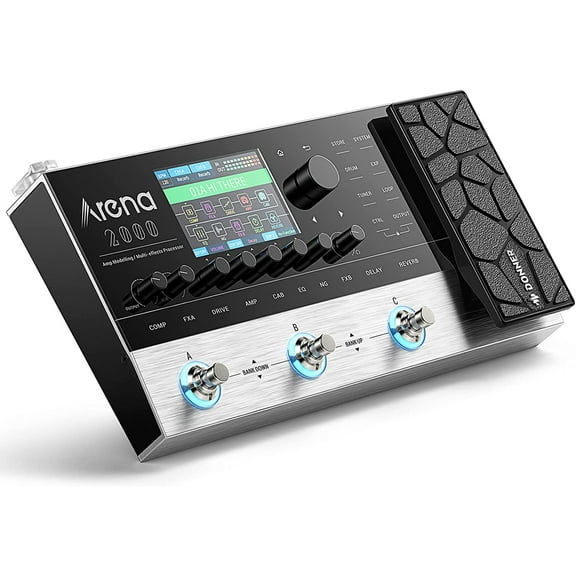
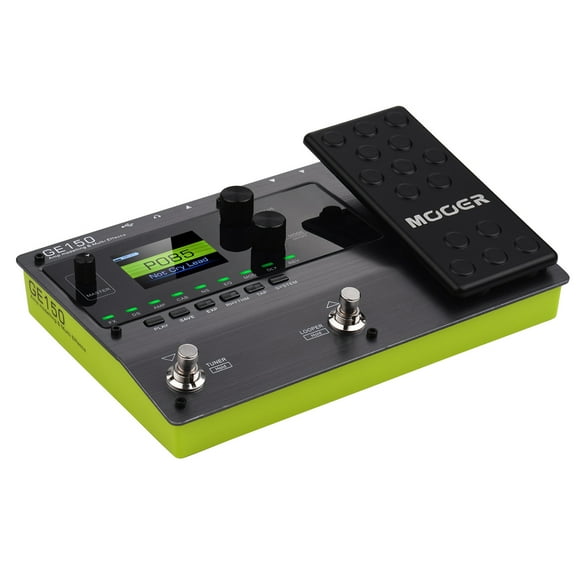
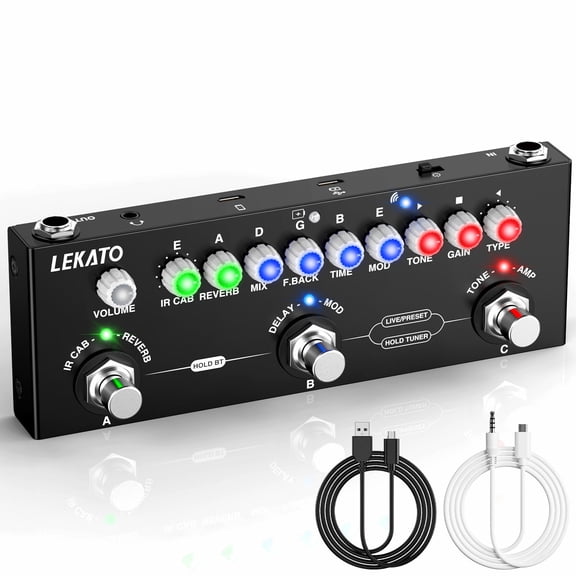
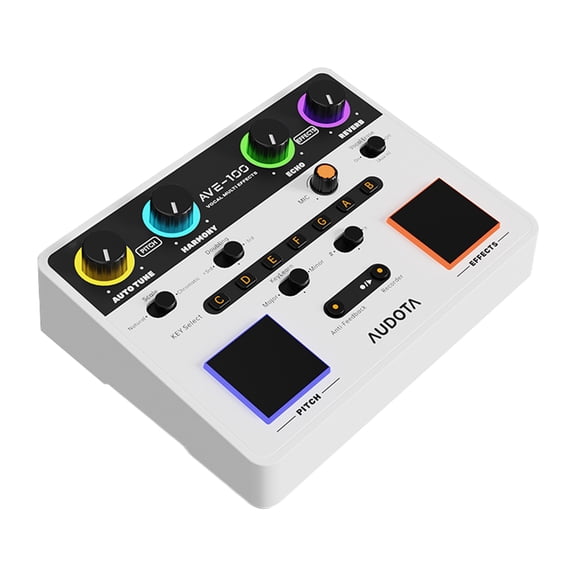
Built-in digital effects can help you move between sounds without adding several separate pedals. You may prefer that route when you want presets for practice, church, school ensembles, or quick set changes.
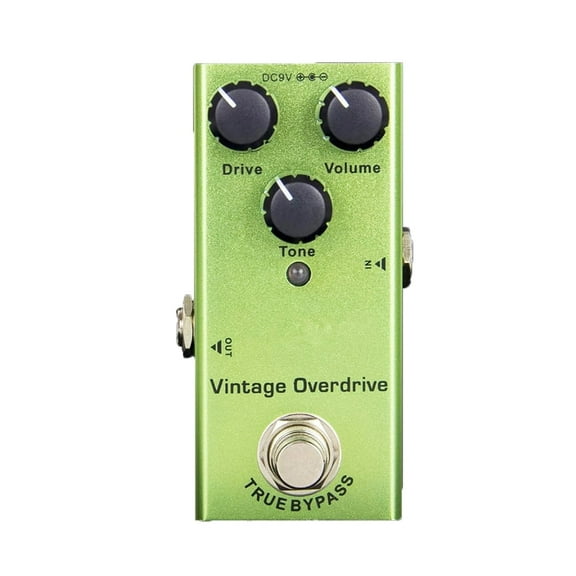
Analog-style signal paths can appeal to you when you want simpler controls and direct interaction. You’ll often find that approach useful when you like adjusting each effect by ear instead of scrolling menus.
If you’re comparing a guitar processor with standalone pedals, you should think about convenience first. You can get broader tonal range from one unit, while separate pedals can make each function easier to tweak.
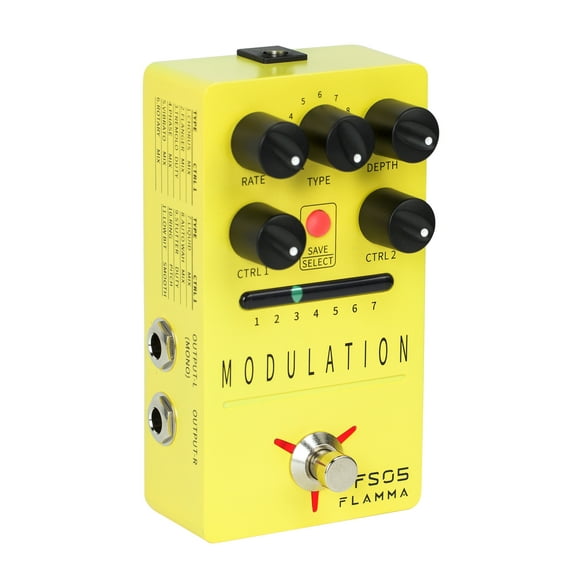
You may also notice model series references like fs02-03 when you compare features across listings. You should use those references as one checkpoint, then confirm inputs, outputs, and onboard controls match your setup.
Matching your gear to practice, recording, and performance
You can build a smarter setup when you match gear to where you actually play. You may want a compact combo amp for bedrooms, a pedalboard for studio flexibility, or a stack for larger stages.
For home practice, you’ll usually want manageable wattage and easy controls that don’t slow you down. You can benefit from headphone outputs, onboard tuners, and simple preset access when space feels limited.
For recording, you may prefer digital modeling that gives you several amp voices in one place. You can move from clean rhythm to ambient lead sounds without rearranging your entire signal chain.
For live performance, you should compare footswitch access, output options, and how quickly you can change patches. You’ll appreciate clear controls when stage lighting is low and your transitions need to stay smooth.
If you explore maker's row or broader musical instrument amplifiers & effects collections, you should keep your core needs in view. You can narrow choices faster when you compare portability, compatibility, and power before cosmetic details.
You’ll feel more confident choosing amplifiers and effects when you understand how wattage, configuration, and effect type work together. You can land on gear that fits your instrument, your space, and your playing routine.