

MSI Arabesque Tile & Arabesque Backsplash Tiles




















About MSI Arabesque Tile & Arabesque Backsplash Tiles - Walmart.com
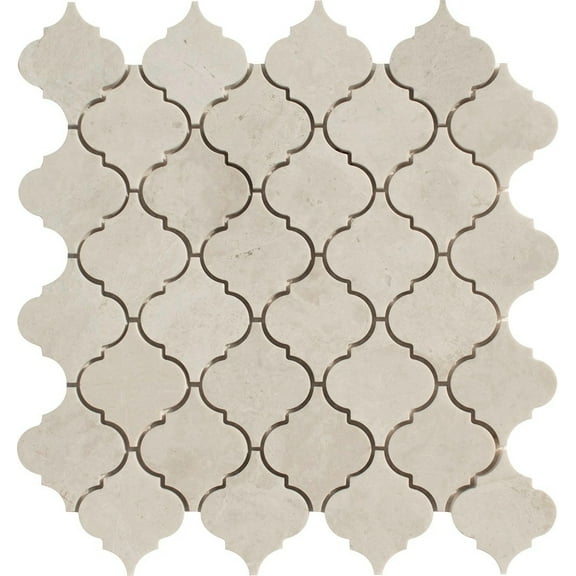
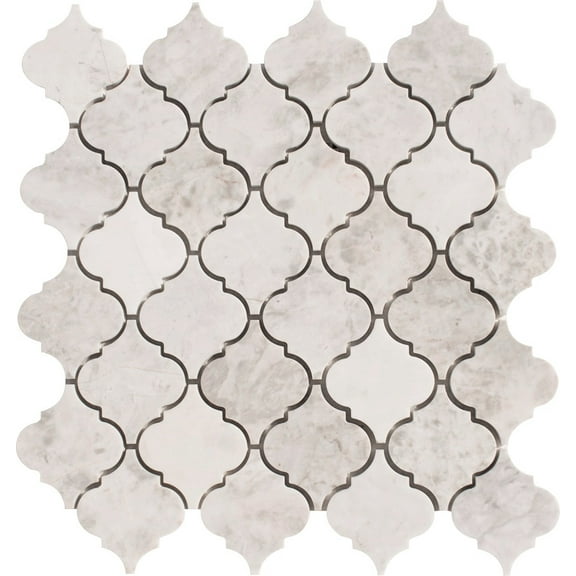
You can bring pattern-rich style home with msi arabesque tile options that suit backsplashes, shower walls, and accent floors. You’ll notice the lantern-shaped layout adds movement that square tile layouts can’t mimic.
When you compare arabesque tile, you should focus on material, finish, installation type, and room placement. You can use those decisions to narrow options for kitchens, bathrooms, and decorative wall sections.
How to choose msi arabesque tile
You should start with the material because each surface changes how your room looks and how much upkeep you handle. You’ll often see ceramic, porcelain, glass, marble, and vinyl across this category.
If you want easy everyday cleaning, you may prefer glass or porcelain for splash zones and shower walls. If you want natural variation, you might choose marble and plan for sealing and gentler maintenance.
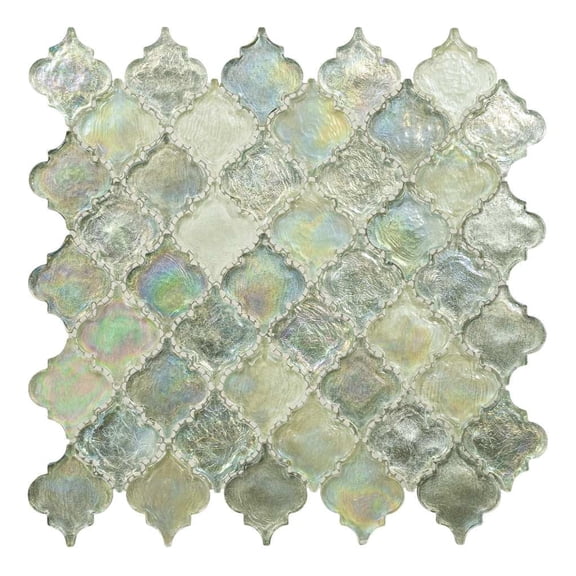
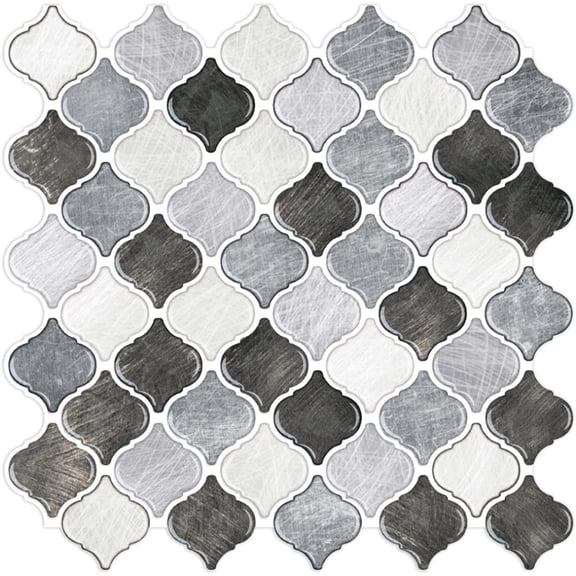
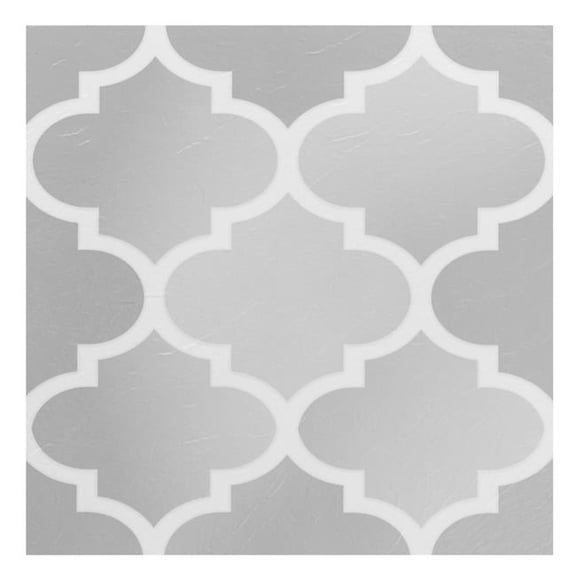
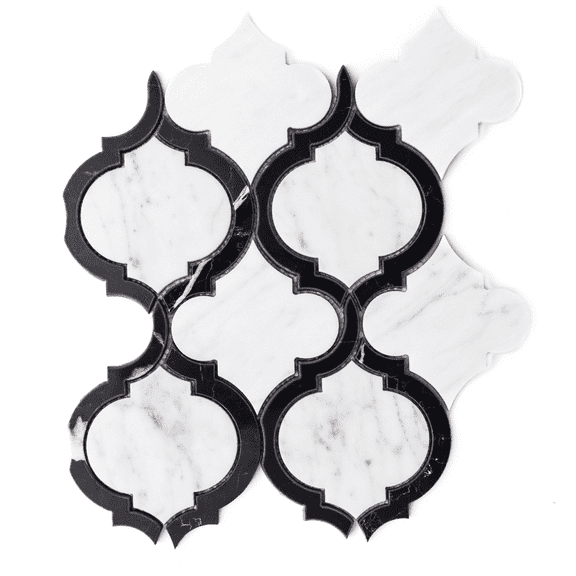
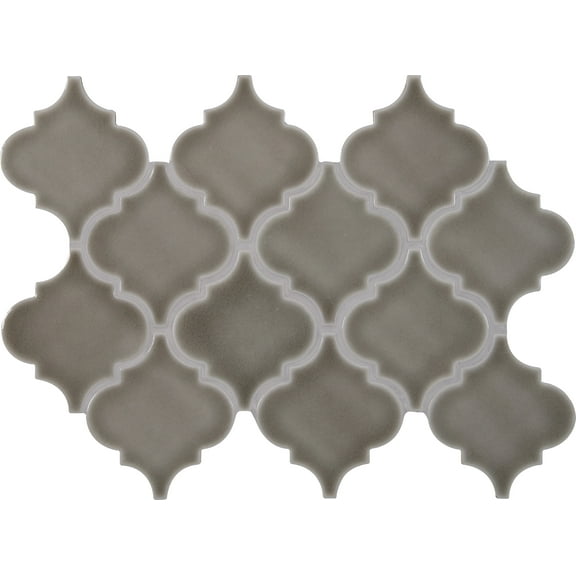
You should also compare finish and color before you match grout and surrounding fixtures. You’ll often see gray arabesque tile, white tones, blue accents, glossy surfaces, and matte finishes.
- You can use glossy finishes when you want light to bounce around a smaller backsplash.
- You may prefer matte finishes when you want a softer look on a vanity floor or bathroom floor.
- You can choose gray tones when you want a flexible match for chrome, black, or brushed nickel hardware.
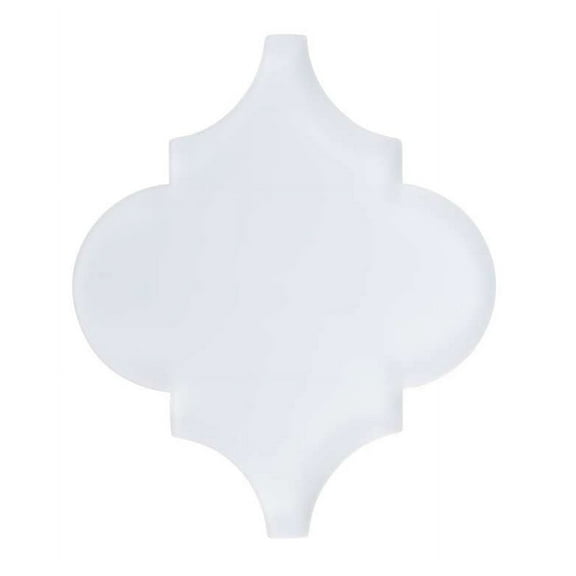
- You might pick blue or white shades when you want the lantern shape to stand out without heavy contrast.
You should measure your square footage before you choose sheet counts or tile packs. You’ll want to add a 10% waste factor because cuts around outlets, corners, and edges use extra material.
Choosing materials, finish, and installation type
You can compare ceramic and porcelain when you want a classic tile installation with thinset and grout. You’ll usually find porcelain helpful in wet areas because its non-porous build handles moisture exposure well.
If you’re selecting grey shower tile, you should check water absorption rate and the intended application on the label. You’ll want non-porous options for direct water areas, while sealed stone works when you maintain it properly.
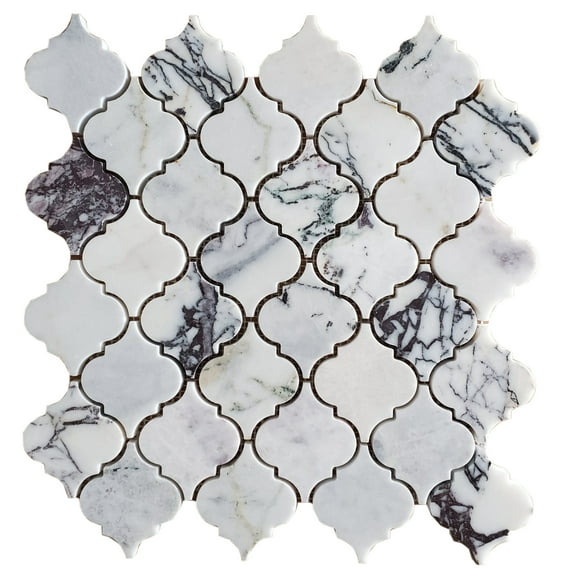
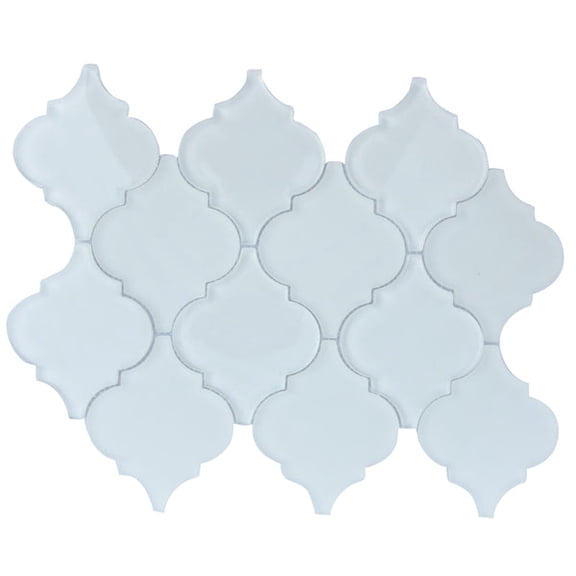
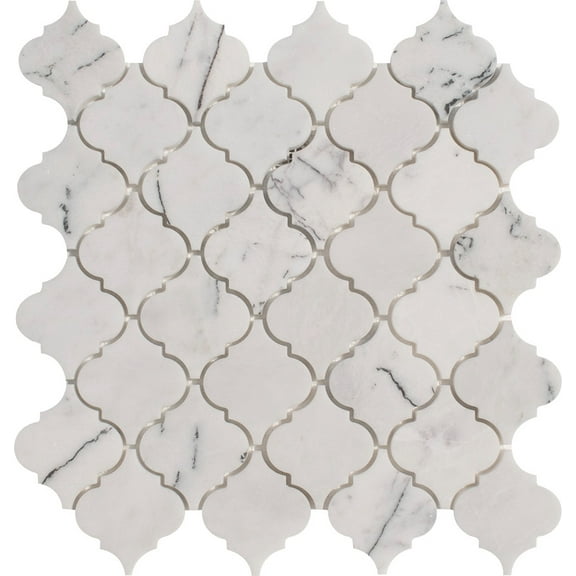
You may choose glass when you want crisp reflection and easy wipe-clean care on a kitchen backsplash. You’ll notice marble gives you natural veining, but you should expect sealing and more careful cleaning.
If you want a quicker refresh, you can compare peel and stick formats with traditional tile installation. You’ll get a simpler setup with peel and stick, while thinset and grout give you a permanent built-in finish.
You should also look at the tile format before planning cuts and layout lines. You may see interlocking mosaic sheets for faster alignment, or individual tile pieces for more custom placement.
When you want mid century peel and stick tile, you should check pattern repeat and surface finish. You’ll get a clean geometric feel when arabesque curves meet walnut tones, brass accents, and simple cabinet lines.
Matching arabesque tile to kitchen, shower, and vanity floor spaces
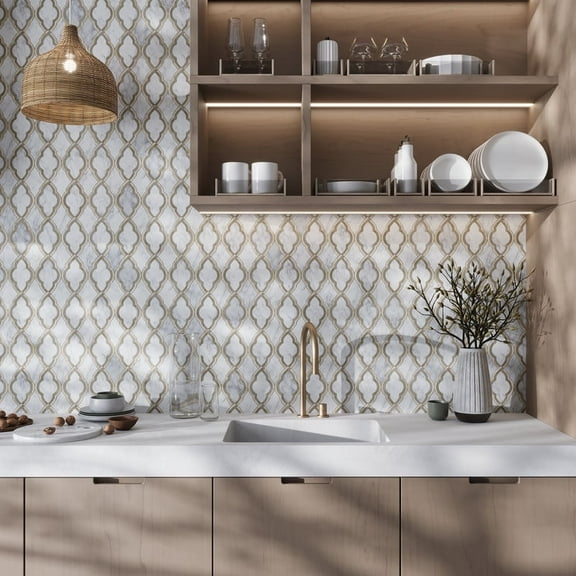
You can use arabesque tile on a kitchen backsplash when you want visual movement behind ranges, sinks, or open shelving. You’ll find the curved silhouette softens straight cabinet lines and rectangular countertops.
If you’re planning floor kitchen updates, you should confirm slip considerations, grout line maintenance, and room traffic first. You’ll usually reserve smaller arabesque mosaics for accent areas instead of broad open kitchen floors.
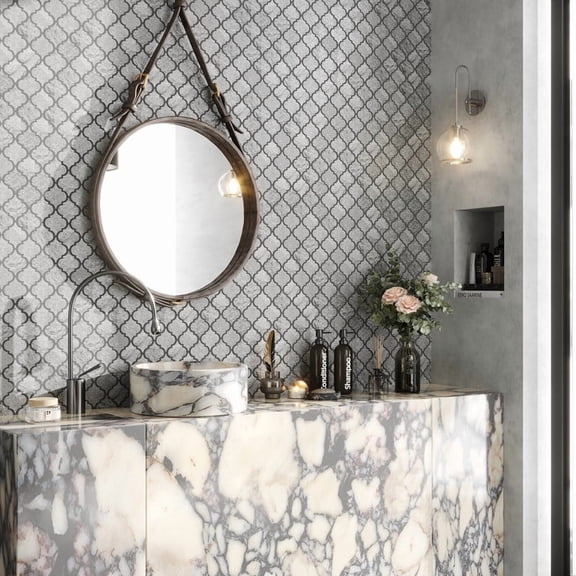
You can choose a grey shower tile look when you want a calm backdrop with strong pattern detail. You’ll often pair gray or white lantern shapes with niche shelves, chrome fixtures, and light grout for clear definition.
For flooring for bathroom projects, you should compare porcelain, sealed marble, and vinyl based on moisture exposure and cleaning habits. You’ll want to check whether the product is intended for walls, floors, or both.
If you’re designing a vanity floor, you can use matte gray arabesque surfaces to ground a compact bathroom. You’ll get a decorative focal point without relying on busy wallpaper or oversized color blocks.
You may also use arabesque shapes for fireplace surrounds, bar backs, or laundry accent walls. You’ll keep the category-specific look while adapting material and finish to the room’s moisture and wear needs.
What to look for in maintenance and project planning
You should think about maintenance before you lock in a material and grout color. You’ll usually clean glass and porcelain with less effort, while natural stone asks for more routine care.
When you compare grout choices, you should consider whether you want the lantern outline to blend in or stand out. You’ll get a sharper pattern with contrast grout, while matching grout gives a smoother visual field.
You should plan your layout from the center of the focal area when the arabesque shape needs balanced symmetry. You’ll reduce awkward edge cuts when you dry-fit sheets and mark outlets, trim, and corners first.
If you’re balancing style with convenience, you can compare interlocking mosaic sheets against peel-and-stick panels. You’ll usually choose sheets for a tile-and-grout finish, while adhesive-backed options simplify a decorative refresh.
You can shop this category with more confidence when you understand how shape, finish, and installation work together. You’ll end up with an arabesque surface that fits your room, your upkeep routine, and your layout plan.