









Injured Arm Support & Shoulder Immobilizer Slings























About Injured Arm Support & Shoulder Immobilizer Slings - Walmart.com
With injured arm support, you can compare slings, stabilizers, and immobilizers by hold level, fit, and one-handed adjustment. Your choice gets easier when you compare shoulder control, forearm positioning, and breathable comfort for daily wear.
When your routine calls for steady support, you can use this guide to compare key buying details. Your decision may come down to body straps, pouch depth, closure style, and fabric feel.
How to choose injured arm support
Start by comparing the level of control your day calls for. You may prefer mild support for lighter positioning, moderate stabilizing for guided movement, or maximum immobilization for closer control.
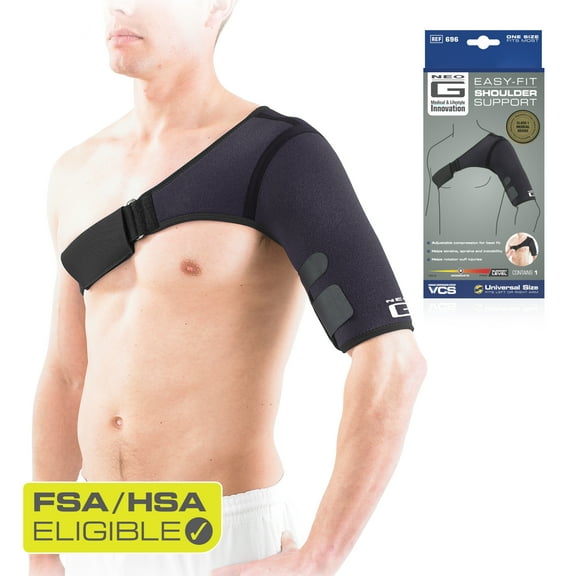
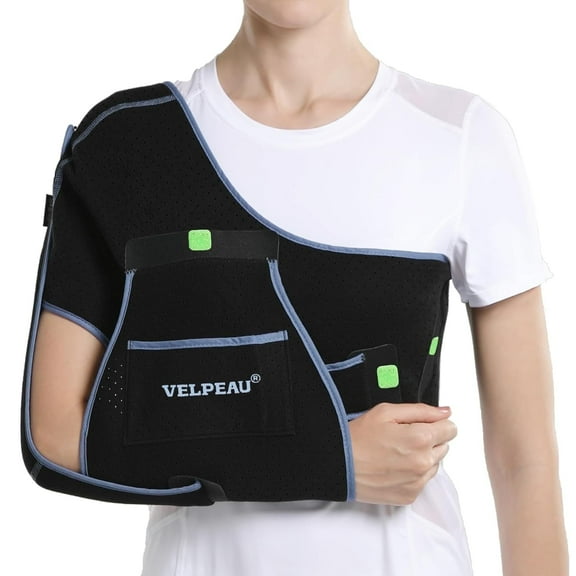
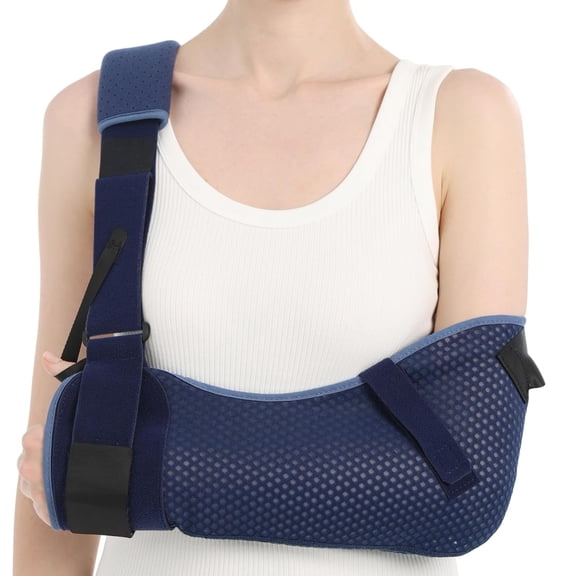
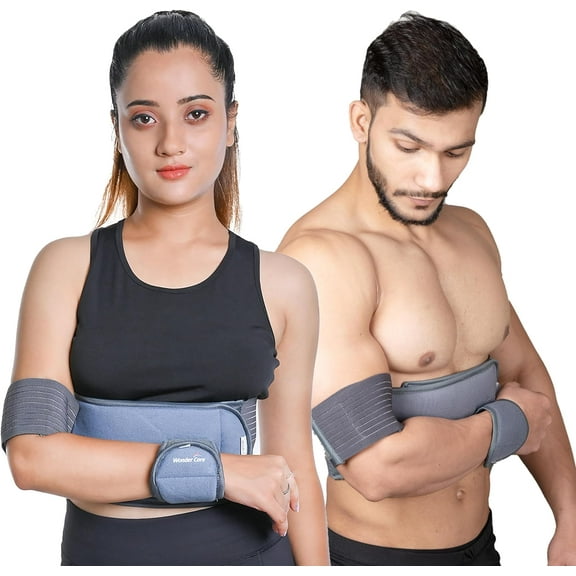
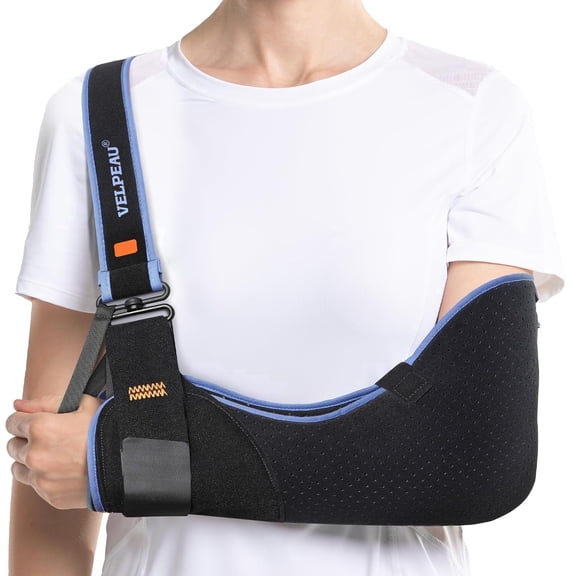
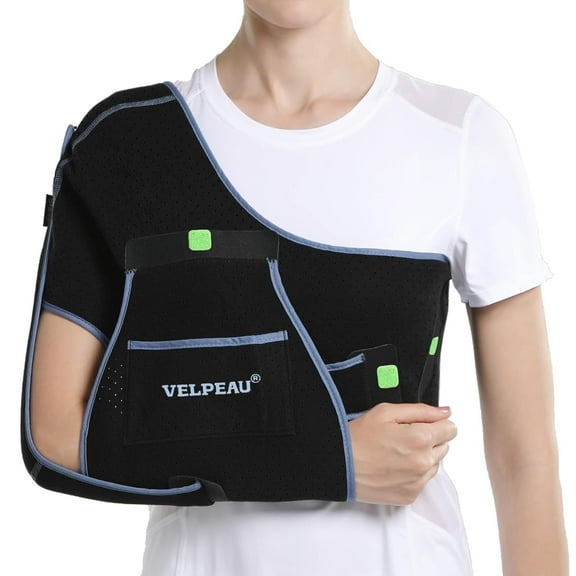
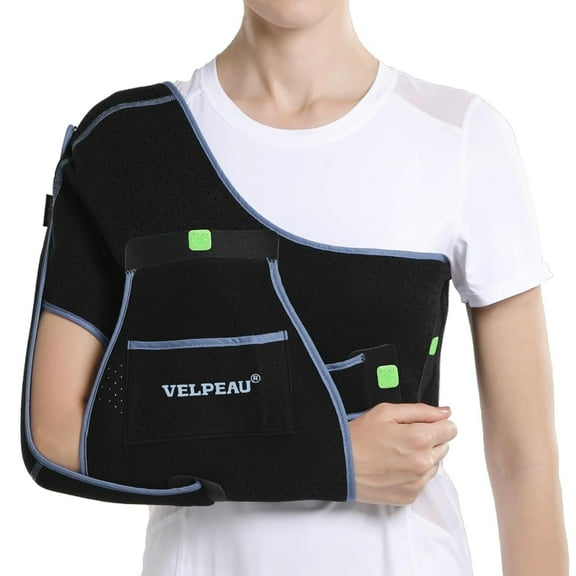
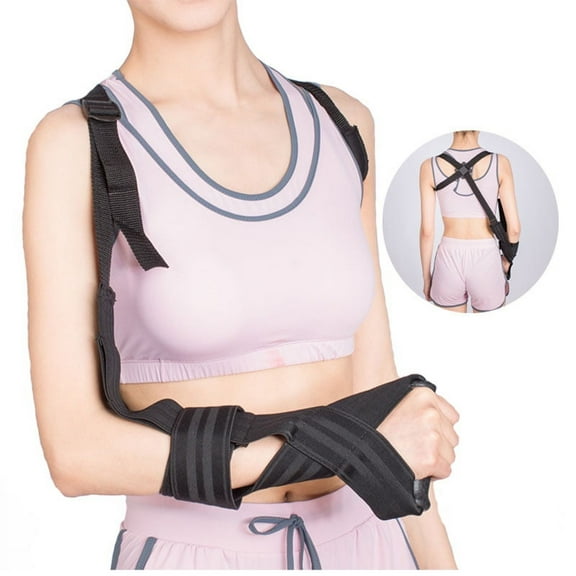
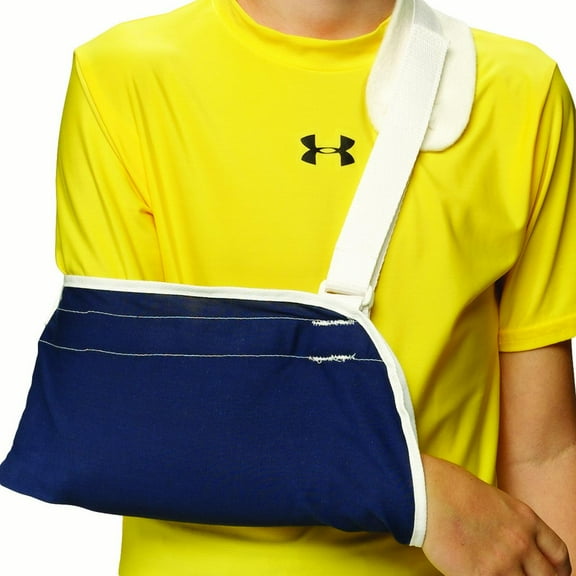
When you need more shoulder control, compare a standard sling with an arm sling shoulder immobilizer. You'll notice an immobilizer usually adds a body strap that keeps your arm closer to your torso.
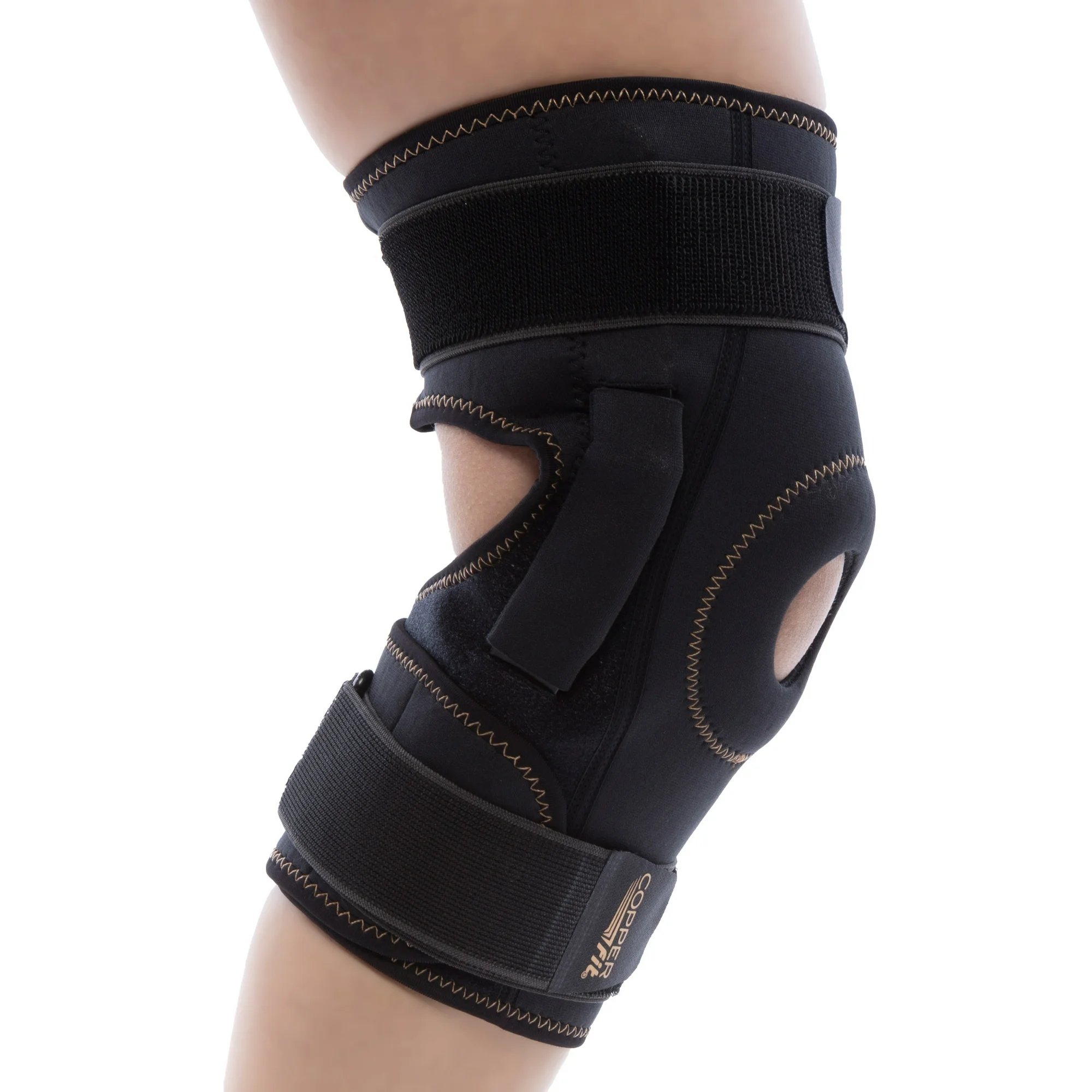
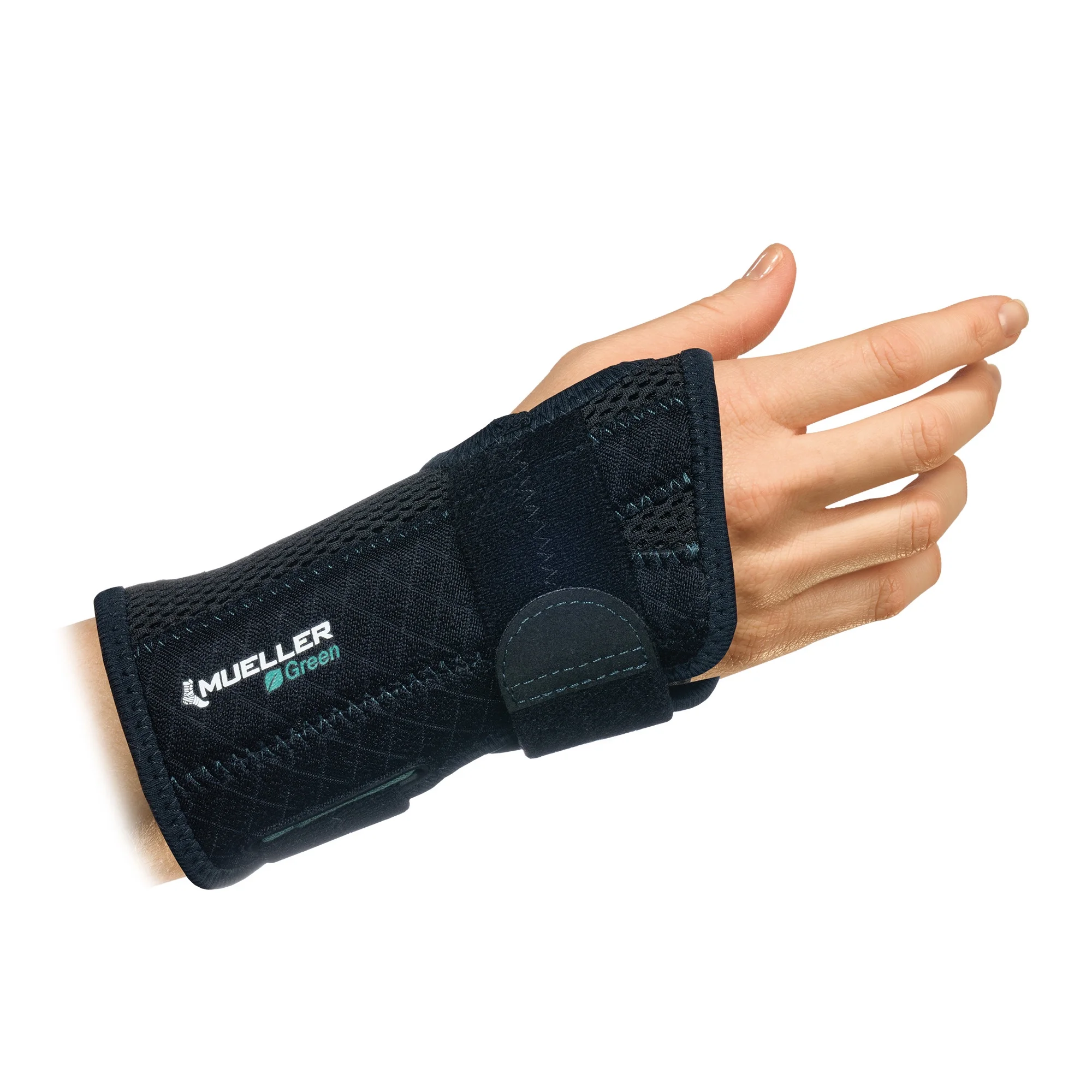
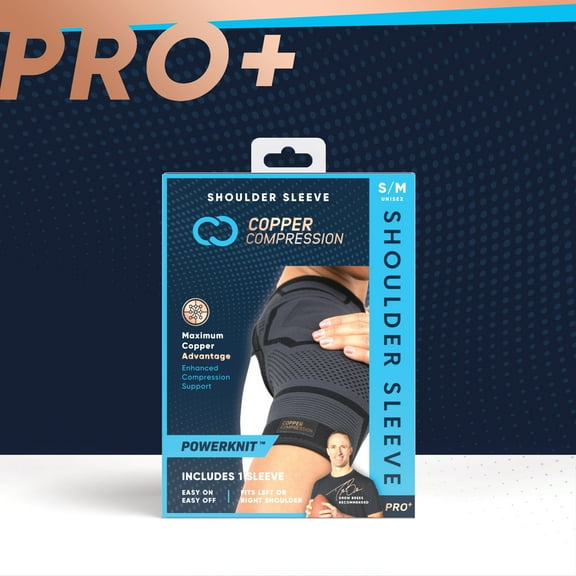
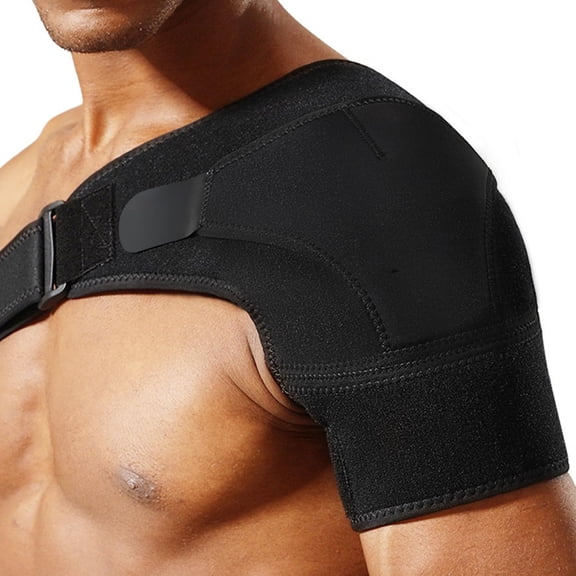
Target area matters just as much as hold level. You should check whether your support focuses on your shoulder, elbow, forearm, or wrist for steadier positioning.
- You can choose mild support when your routine calls for lighter positioning and simpler on-and-off wear.
- You can choose moderate stabilizing when your day needs added control with some flexibility.
- You can choose maximum immobilization when you want extra strap stability and closer torso hold.
- You can look for front-facing adjustments when your routine calls for easier one-handed changes.
Choosing an arm stabilizer and arm stabilizer brace
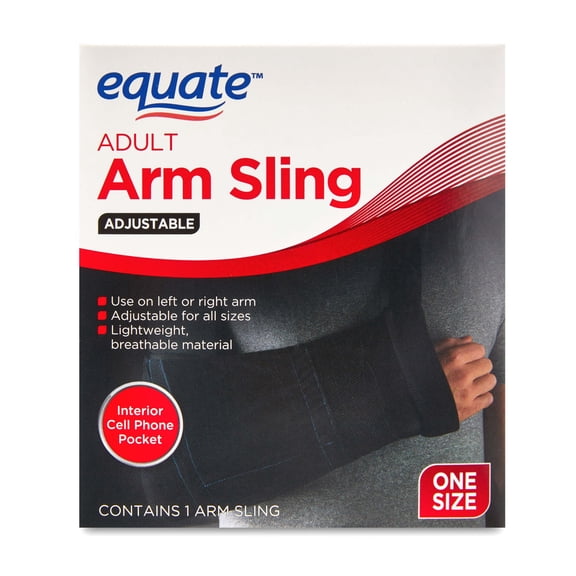
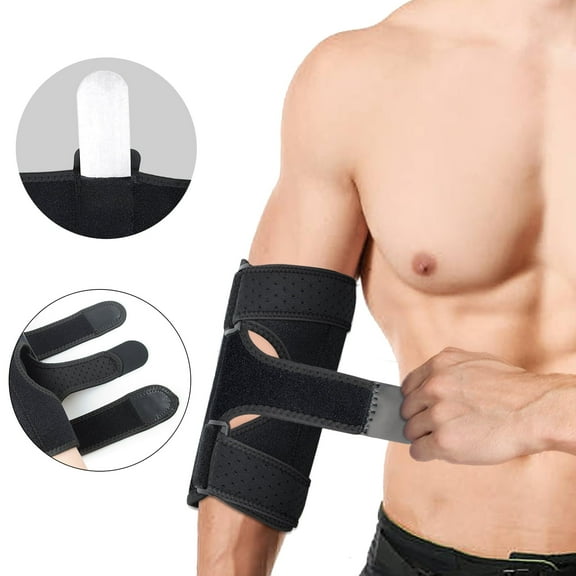
Structure should guide your choice before smaller details do. You may find an arm stabilizer or arm stabilizer brace gives your arm more guided positioning than a basic pouch sling.
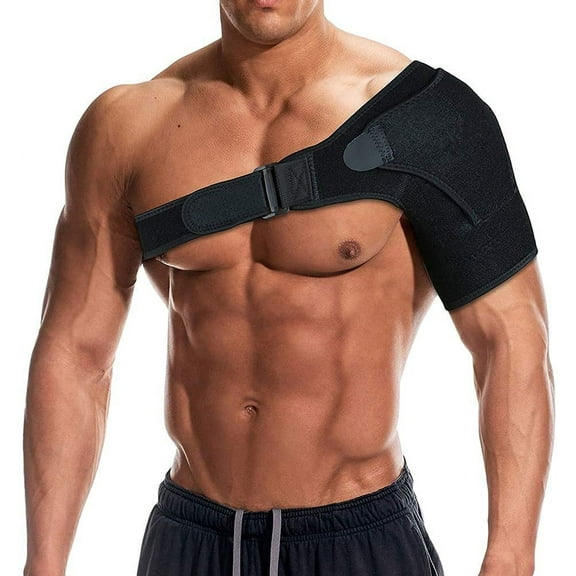
For a closer fit, consider adjustable straps and a universal fit range. You'll want to check whether your strap path tightens support without twisting or bunching fabric.
Closure style shapes how easily you adjust support during the day. With quick-release buckles, you may find one-handed on-and-off wear simpler and more predictable.
Before choosing a size, measure your forearm length and compare it with the listed fit range. You'll want your elbow seated well in the pouch and your wrist supported comfortably.
Padding around your neck and shoulder can shape all-day comfort. If your support stays on longer, you'll likely notice strap width and softer contact points.
Comparing materials and breathability
Material choice works as a comfort decision, not just a fabric detail. If your support stays on for hours, you'll notice airflow, warmth, softness, and bulk much more.
Mesh, neoprene, and padded cotton each create a different wearing experience. If you run warm, you may prefer mesh because your support can feel lighter and airier.
Neoprene can give your support a more structured feel with a closer wrap. Padded cotton may suit your routine when you want a softer surface over clothing.
You should also compare how the inner panel feels during movement. When your fabric feels smoother and less bulky, you may find layering easier under jackets or sweatshirts.
Matching support level to your routine
A clearer choice starts when you match your support style to your routine. If you're comparing fracture recovery, a rotator cuff tear sling, or sprains and strains, hold level matters.
For fracture recovery, you may want to hold your arm in a steadier position with less shifting. You should compare wider torso straps and secure forearm placement for closer control.
With a rotator cuff tear sling, you may focus more on shoulder positioning and reduced arm swing. You should check whether your design keeps your upper arm closer to your body.
For sprains and strains, lighter support may fit your day more easily. You can compare simpler builds that still cradle your forearm and maintain comfortable positioning.
Your schedule also shapes the right choice. If you need support at home, at work, or during appointments, you may prefer faster readjustment and simpler removal.
Choosing fit, adjustability, and arm support details
Fit affects how steady and comfortable your arm support feels through the day. You'll want a pouch depth that supports your forearm and helps keep your wrist aligned.
Front pull-tabs and reachable buckles can make adjustments simpler. When you need one-handed changes, you'll appreciate hardware you can reach without twisting straps.
Left and right arm compatibility also matters before you choose. You may prefer a universal design when your routine calls for simpler setup and more flexible strap routing.
When you compare support level, target area, material, and adjustability together, your choice becomes clearer. You'll end with support that fits your routine and feels easier to wear consistently.
Your category choice works better when you measure carefully and compare support styles with purpose. You'll feel more confident choosing an option that holds your arm comfortably and adjusts easily.