



Artesian Water Brands & Natural Bottled Water | Walmart





















About Artesian Water Brands & Natural Bottled Water | Walmart - Walmart.com
Artesian water gives you a crisp, clean option when you want bottled water sourced from protected underground formations. You can use this guide to compare source type, packaging, pH level, and pack size with more confidence.
How to choose artesian water by source
When you compare natural artesian water, you should start with the source listed on the label. You’ll often see confined aquifer, underground spring, or natural well descriptions that help explain how the water reaches the bottle.
If you choose water from a confined aquifer, you’re selecting water drawn from pressurized underground layers. You may prefer that source because you want naturally filtered water with a distinct, crisp taste.
When you review underground spring or natural well options, you should check how the brand describes the collection method. You can use those details to understand whether your artesian spring water matches your taste and sourcing preferences.
You may also notice technical terms like aquifer depth or natural filtration process in product details. Those terms matter because they help you compare how water moves through rock layers before bottling.
What to look for in bottled artesian water packaging
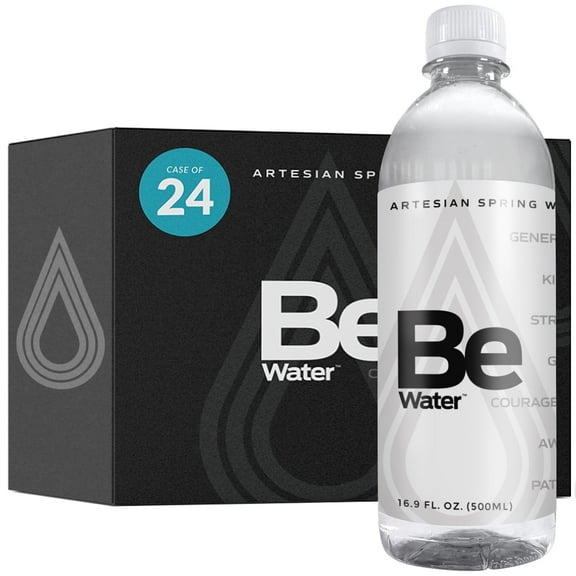
Packaging affects how you store, carry, and serve bottled artesian water throughout your day. You should compare single bottles, multi-packs, and bulk cases based on where and how often you drink water.
If you need something portable, you may prefer single bottles for commutes, workouts, lunches, or quick errands. You can keep them in your bag, cup holder, or desk without taking much space.
When you stock your pantry, you may lean toward multi-packs or bulk cases for easier household planning. You can keep more bottles ready for guests, family meals, or busy weekly routines.
You should also compare bottle materials because they affect portability, storage, and serving style. You may see BPA-free plastic, glass, or aluminum, and each option supports a different routine.
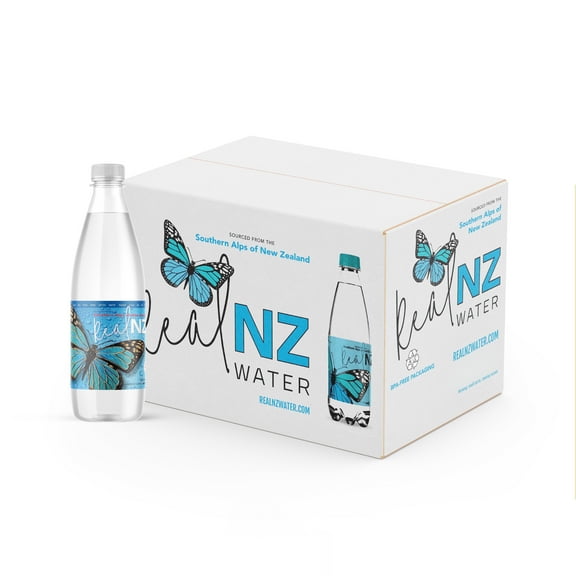
- You can choose BPA-free plastic when you want lighter bottles for travel, lunch bags, or sports gear.
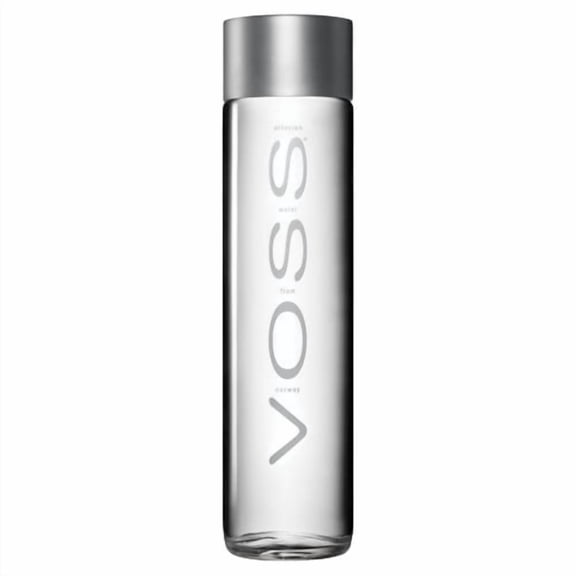
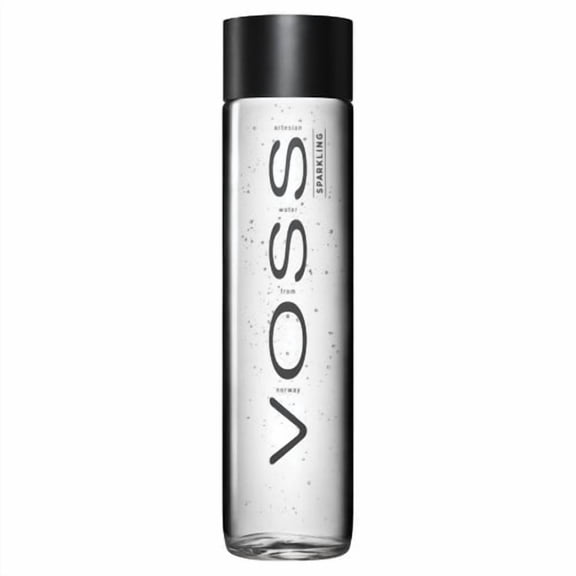
- You may prefer glass when you want a refined serving option for meals, meetings, or entertaining.
- You can consider aluminum when you want a sturdy container that chills quickly in the fridge or cooler.
Comparing taste, minerals, and alkaline artesian water
Taste often shapes your final choice, so you should compare mineral profile and pH information carefully. You may notice some artesian water tastes soft and smooth, while other options taste brighter or more mineral-forward.
If you see neutral pH on the label, you’re usually looking at a straightforward, clean-drinking option. You may prefer that style when you want water that pairs easily with meals or daily sipping.
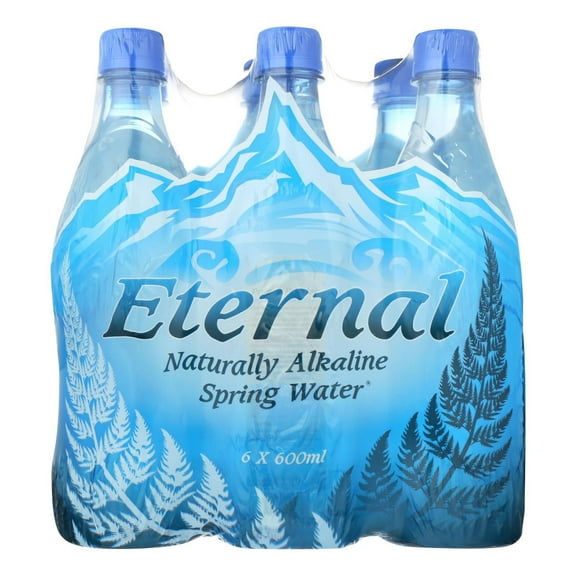
When you compare naturally alkaline or alkaline artesian water, you should check the listed pH range. You can use that detail to find a taste profile that feels smoother or slightly different from neutral options.
You may also see TDS information, which refers to total dissolved solids in the water. That number helps you understand mineral presence, and it often connects to taste, mouthfeel, and overall drinking experience.
If you’re comparing artesian water brands, you should read both source notes and mineral details together. You’ll make a clearer choice when taste expectations match the source and pH information on the package.
Matching artesian water to your routine
Your routine should guide the type of artesian water you choose for home, work, travel, or entertaining. You can narrow your options faster when you match source, bottle material, and pack size to specific occasions.
For commuting or gym sessions, you may want a single bottle in lightweight plastic or aluminum. You’ll get easy portability and simple grab-and-go convenience during busy parts of your day.
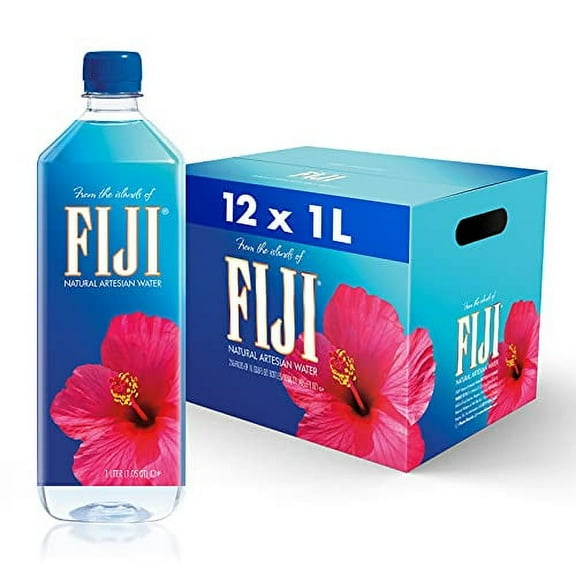
At home, you may prefer a bulk case that keeps bottled water ready for family use. You can place it in a pantry, garage shelf, or kitchen corner for quick daily access.
If you’re setting a table for guests, you may choose glass bottles with a clean, polished look. You’ll create a more elevated presentation for dinners, meetings, or small celebrations.
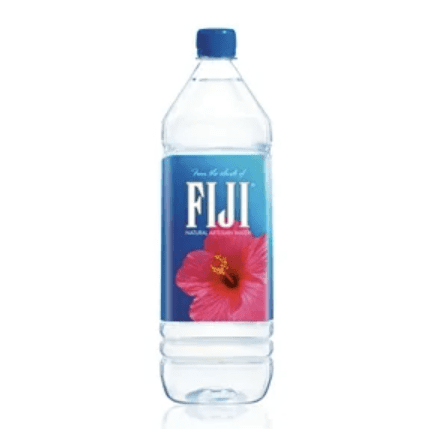
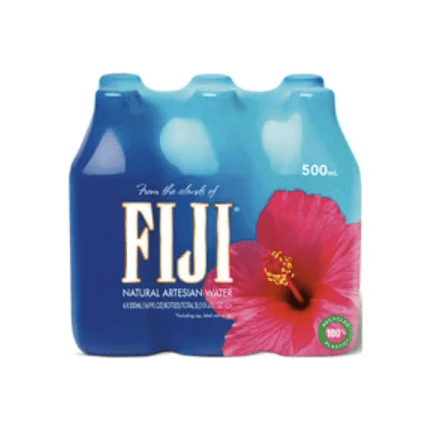
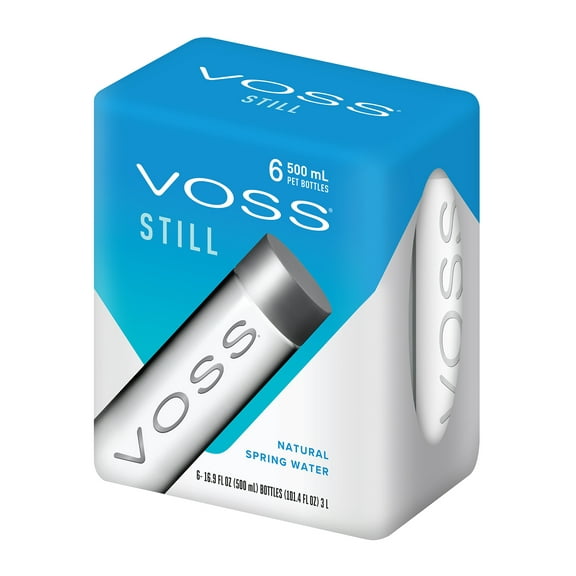
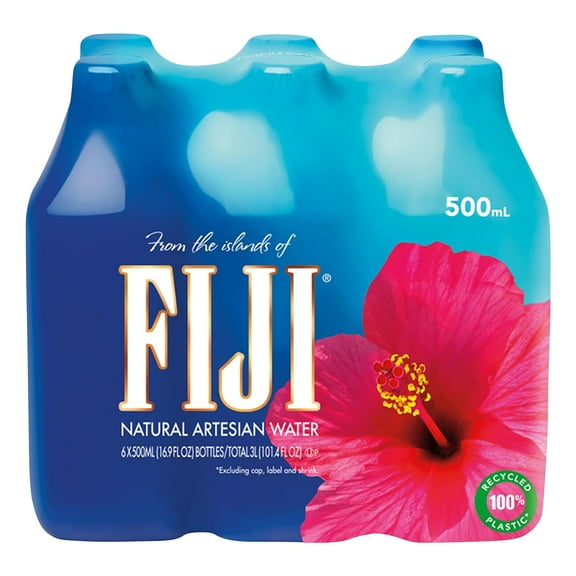
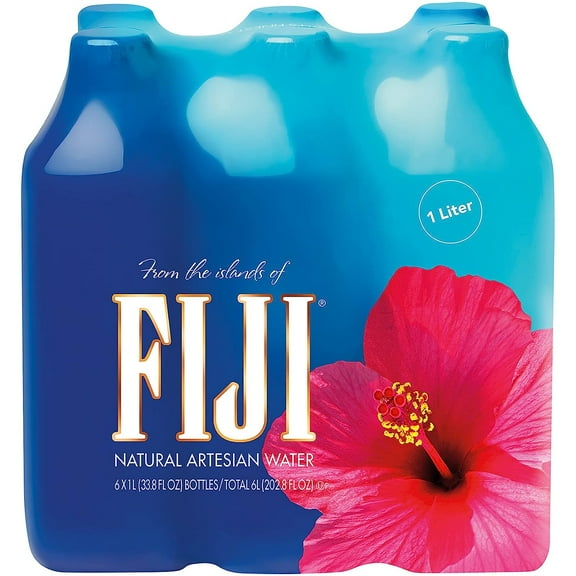
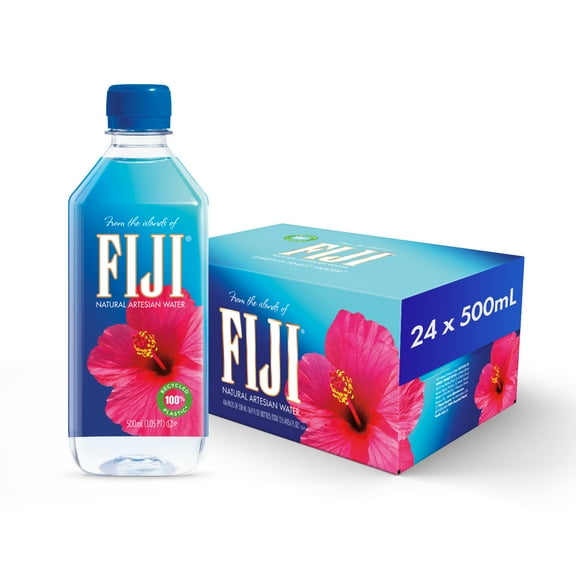
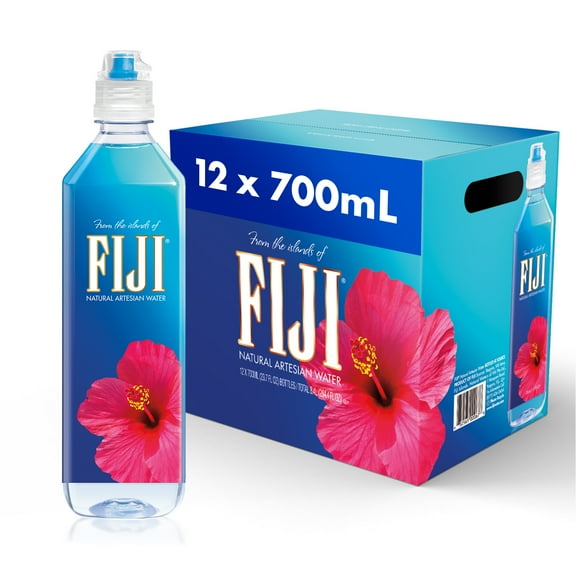
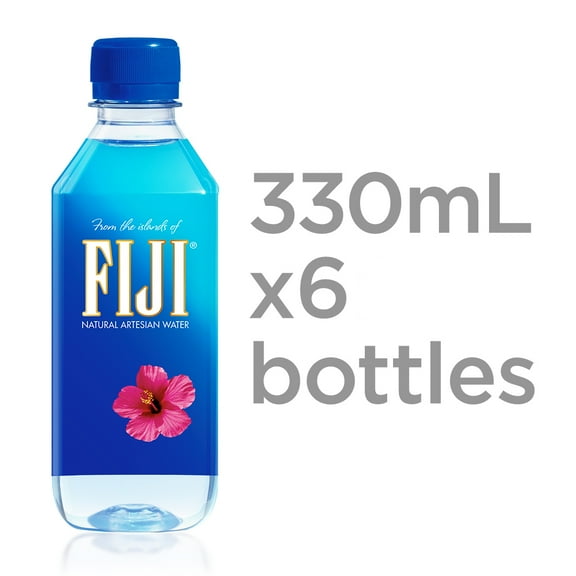
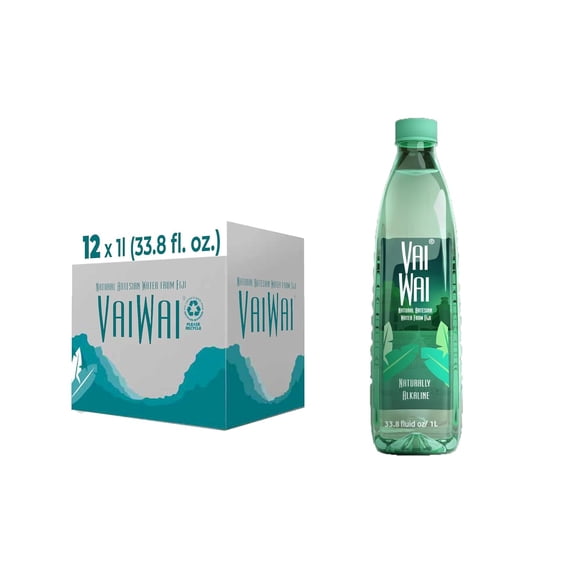
When you’re exploring options like fiji artesian water or other recognized labels, you should compare source type first. You can then check pack format, bottle material, and pH level to find your preferred fit.
You might also compare this category with spring, mineral, or alkaline water when you want a different source story. You’ll get the clearest match by focusing on aquifer sourcing, taste profile, and bottle format.
Why these artesian water details matter
When you understand source type, packaging size, bottle material, and pH level, you can choose artesian water with less guesswork. You’ll end up with water that fits your taste, storage space, and daily routine more naturally.