


Find auto parts that fit
Let’s search for parts that fit your vehicle.ATV Electronics in Auto Electronics





















About ATV Electronics in Auto Electronics - Walmart.com
ATV electronics help you turn every trail ride into a connected, audio-ready experience. You can compare fitment, weather protection, and wiring details here, so your off-road setup feels dialed in from the start.
If you ride through mud, dust, or sudden rain, you need gear built for powersports conditions. You’ll also want options that match your machine’s bar size, dash space, and 12V power system.
How to choose ATV electronics for your ride
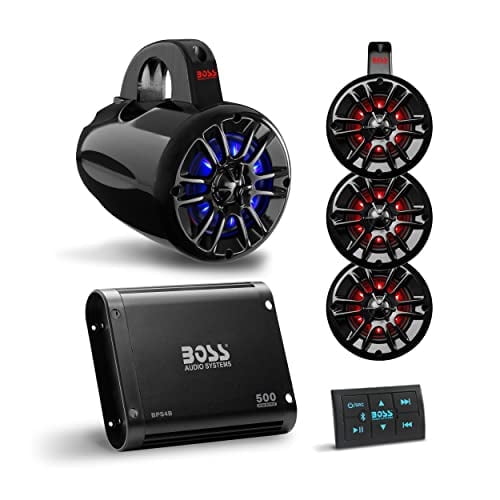
You should start with the electronics category that fits your riding style and vehicle layout. You may prefer speakers or soundbars for open cabins, while your dash may suit single DIN or double DIN stereos.
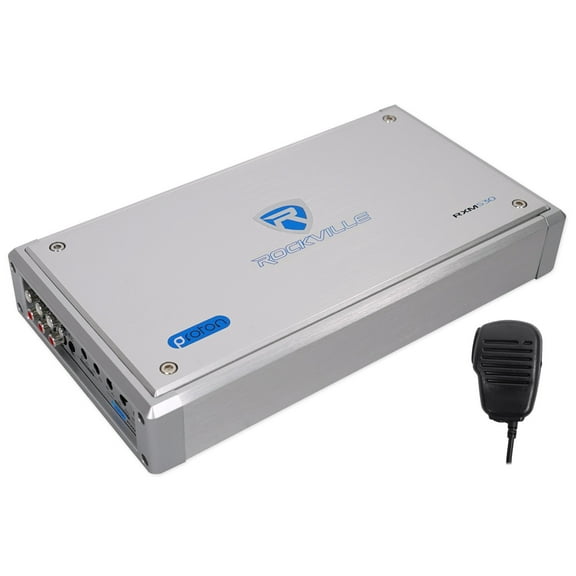
When you compare audio types, think about how much space your machine gives you. You can use amplifiers to support fuller sound, or choose compact units when your mounting area is tight.
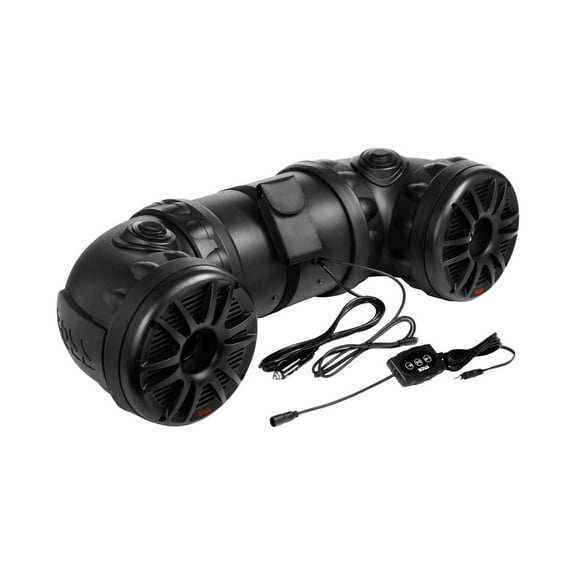
- You can add trail audio with speakers, soundbars, or ATV stereos.
- You can match your setup to roll bars, dash openings, and available 12V power.
- You can choose weather-focused designs that handle mud, dust, and rain.
- You can pick Bluetooth, AUX, or AM/FM options based on how you listen.
Your setup can feel cleaner when you match the component type to your machine first. You’ll avoid guesswork when you compare mounting style, wiring needs, and control access together.
Choosing waterproof ratings and weather protection
You should check waterproof ratings early, because trail conditions can change fast. You’ll often see weatherproof, water-resistant, IP66, and IP67 labels across powersports audio products.
If you compare IP66 and IP67, you’re looking at different levels of dust and water protection. You can think of IP66 as strong defense against spray, while IP67 adds protection for temporary water exposure.
Your electronics also need to handle vibration, road grime, and outdoor storage between rides. You’ll want sealed controls, covered ports, and housings designed for mud-heavy routes.
When you ride in open-air conditions, weather protection matters as much as sound output. You can keep your system more trail-ready when you prioritize rugged construction and clear rating details.
Comparing vehicle compatibility and mounting points
You should measure your machine before you choose any audio component. You’ll need the right fit for Polaris RZR, Can-Am, Yamaha, and some golf cart configurations.
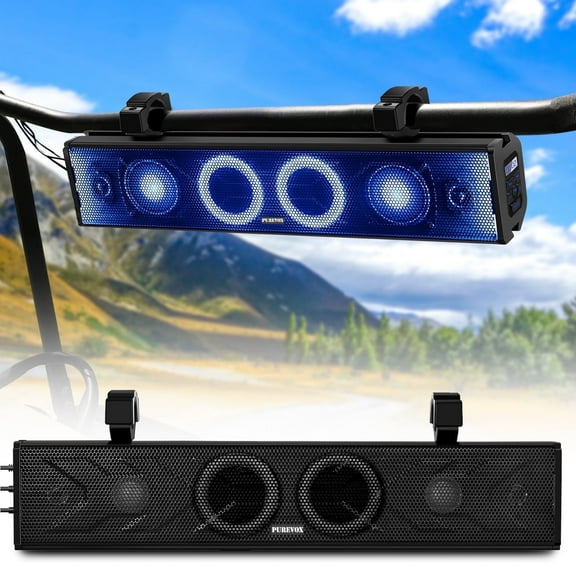
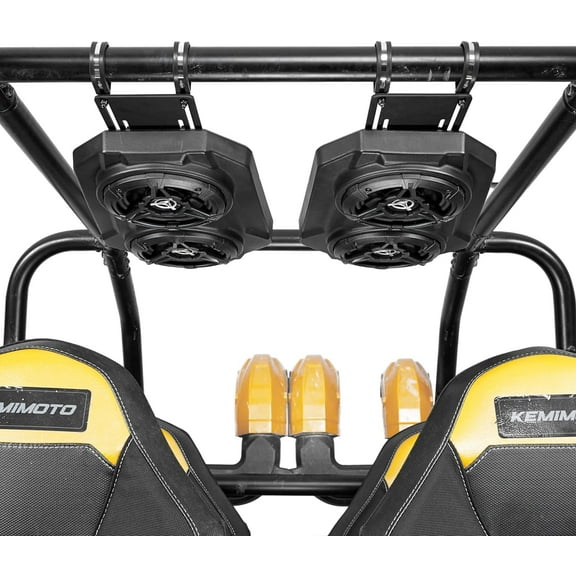
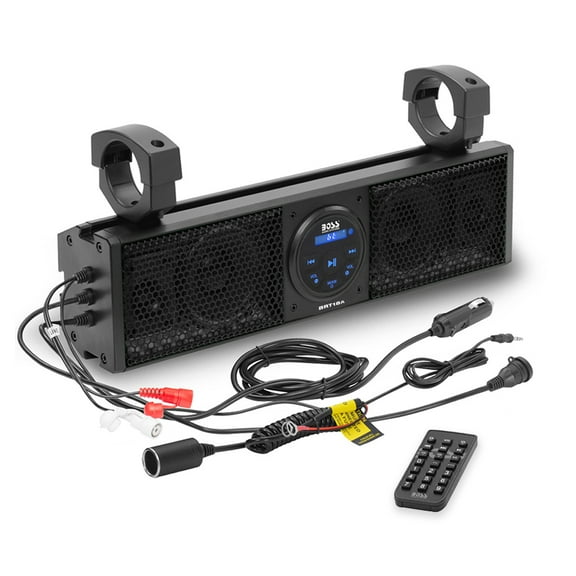
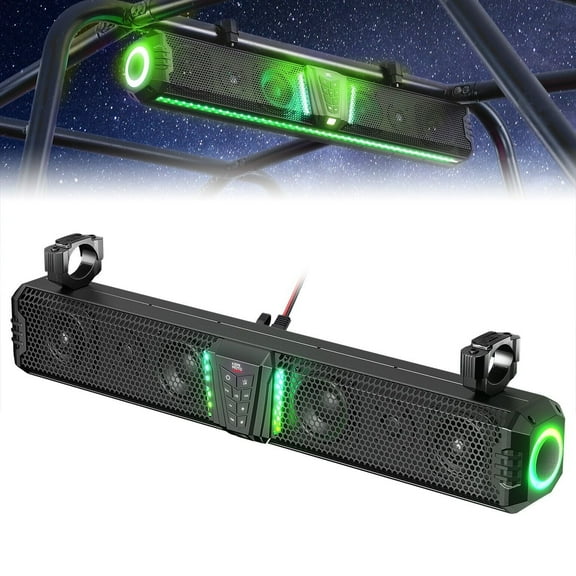
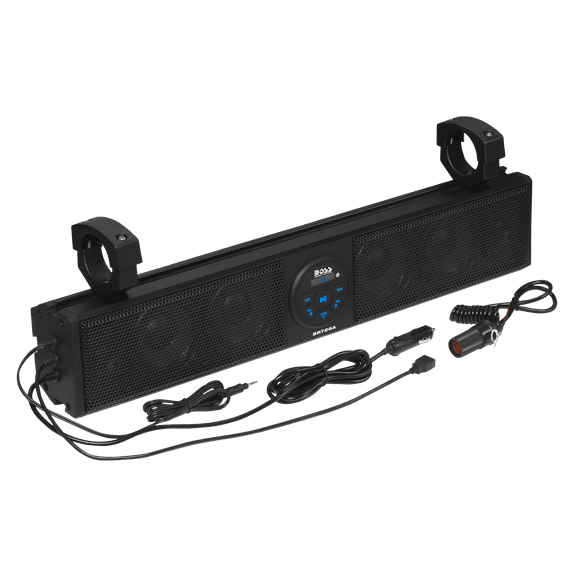
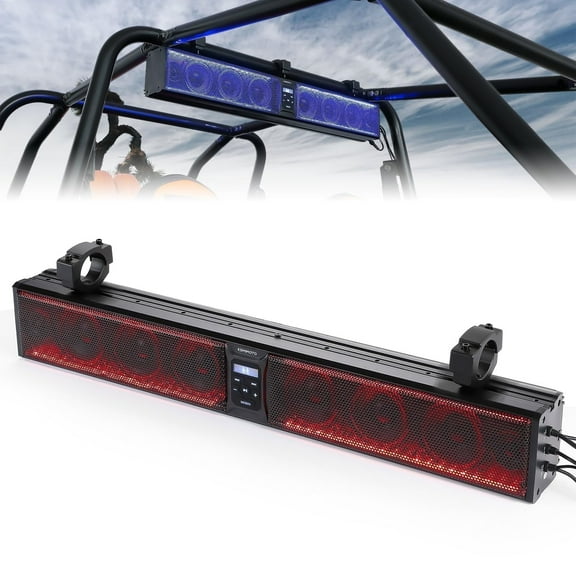
If you’re adding utv speakers or an ATV soundbar, check roll bar diameter first. You can compare bracket compatibility, clamp style, and mounting position before you commit to a size.
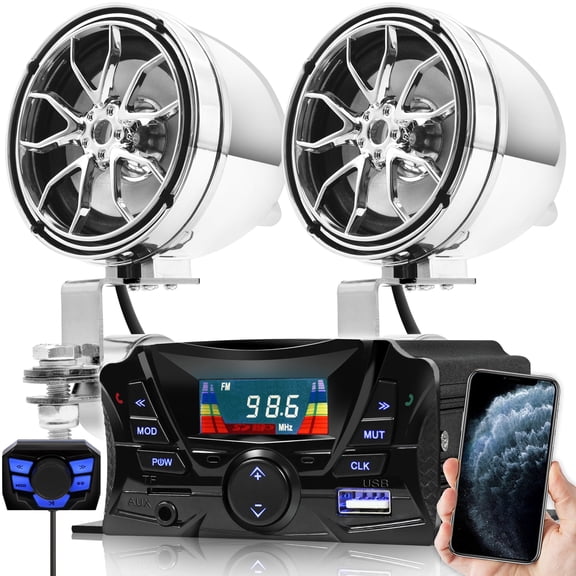
Your dash layout matters when you’re considering single DIN or double DIN stereos. You’ll want to confirm opening dimensions, depth, and nearby switch clearance for a smoother install.
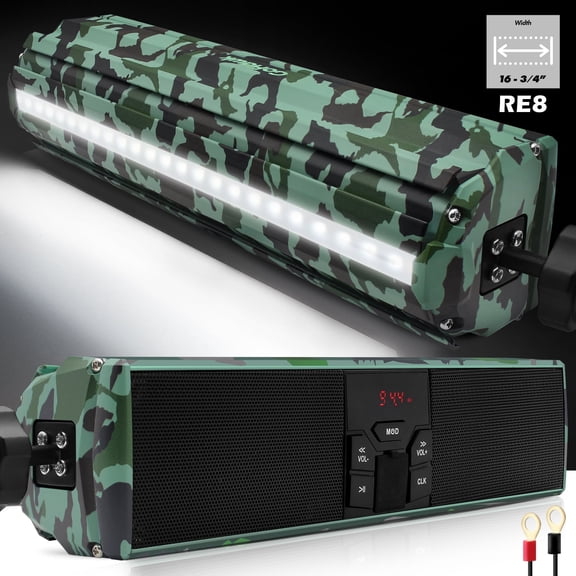
Some riders need a 20 inch or 25 inch soundbar to suit their available space. You can choose the length that fits your cage width without crowding lights, mirrors, or other accessories.
When you check fitment details up front, your installation plan becomes much simpler. You’ll reduce returns and get a setup that looks integrated instead of improvised.
Understanding power, wiring, and connectivity
You should confirm that your vehicle uses a 12V system before selecting powered audio gear. You’ll also want to review amp draw, because power demands can vary by soundbar, stereo, or amplifier.
If you add amplifiers or larger speaker systems, your wiring plan becomes more important. You can look for harness compatibility, fuse access, and straightforward routing along your frame or dash.
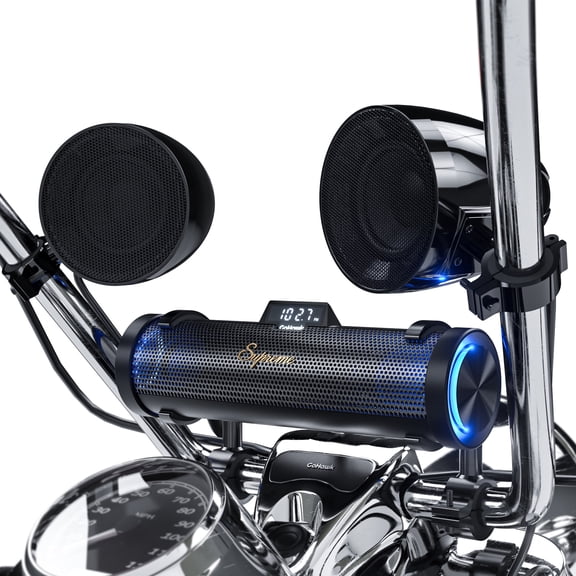
Your listening habits should guide the connections you choose. You may want Bluetooth for wireless streaming, AUX for direct playback, or AM/FM radio for simple on-ride listening.
When you compare controls, think about glove-friendly buttons and easy visibility in daylight. You’ll appreciate layouts that let you adjust volume or source without slowing your ride routine.
Matching ATV stereos, soundbars, and speakers to real use
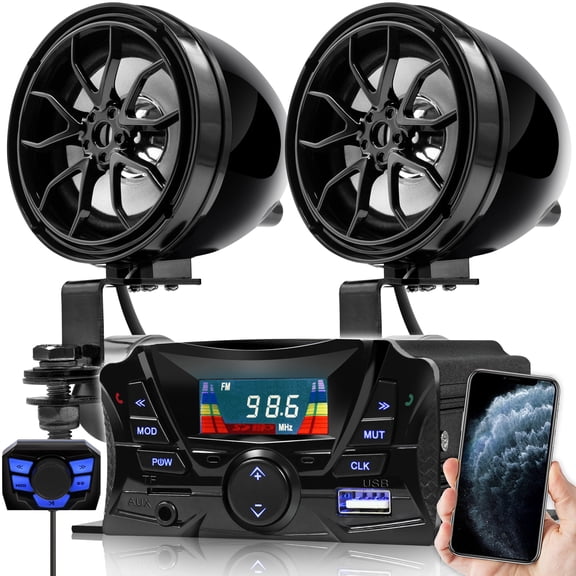
You may want ATV stereos when your machine has a dash opening and a more built-in look. You can choose this route when you want radio features, direct wiring, and centralized controls.
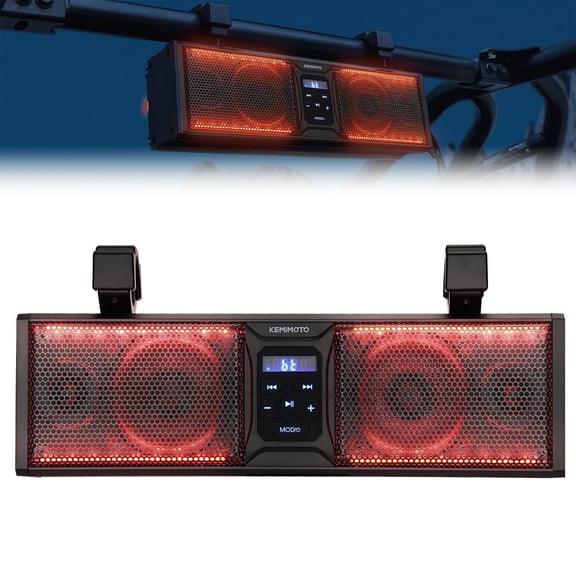
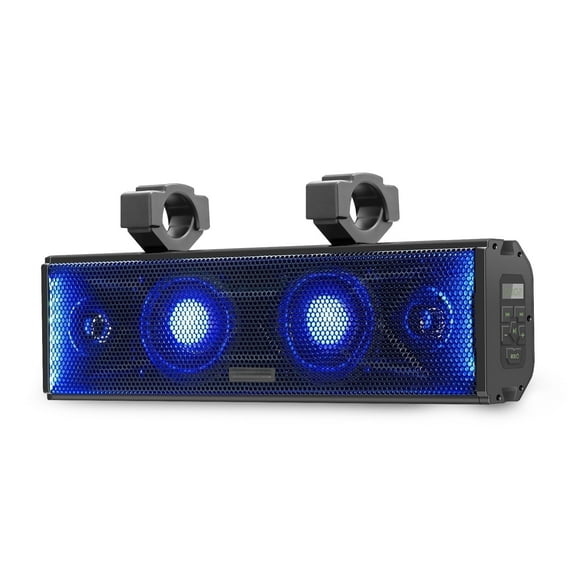
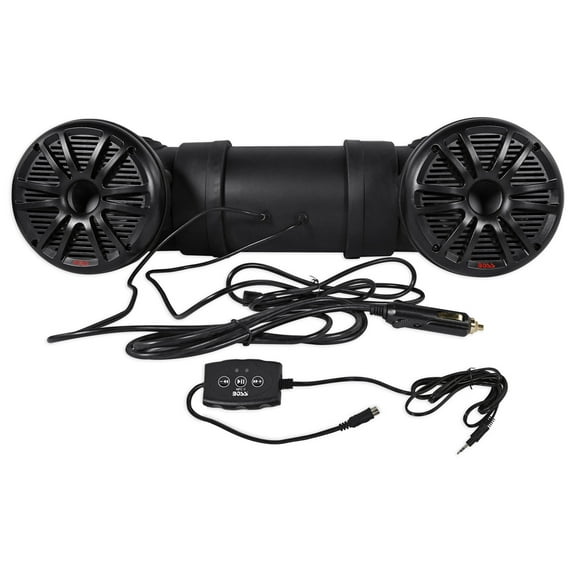
If your vehicle has limited dash space, a soundbar can simplify your setup. You’ll often mount one above or around your cabin area for all-in-one audio and easier placement.
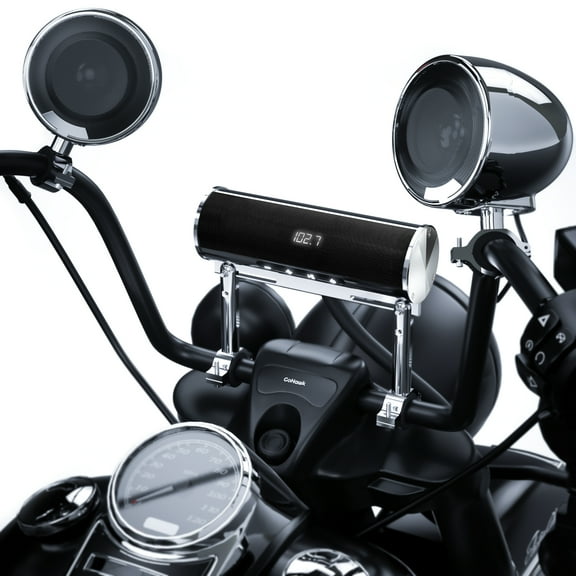
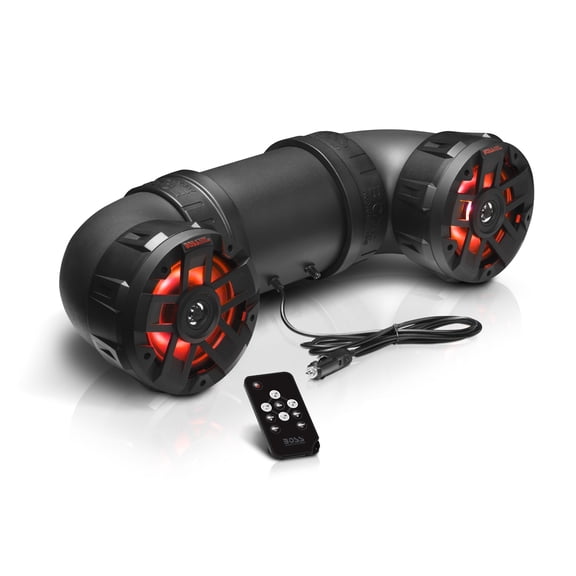
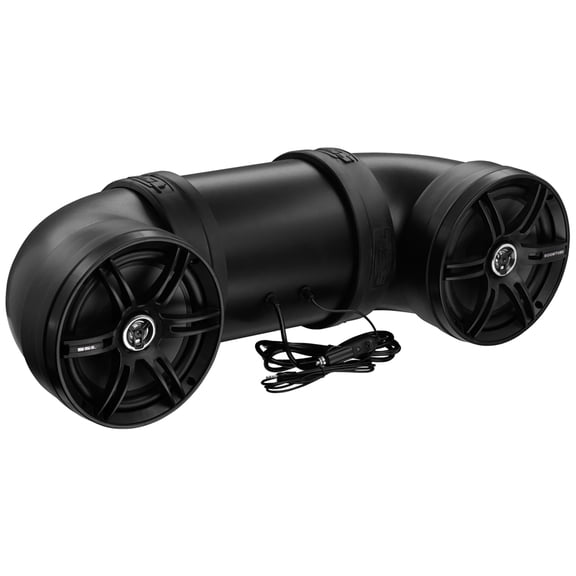
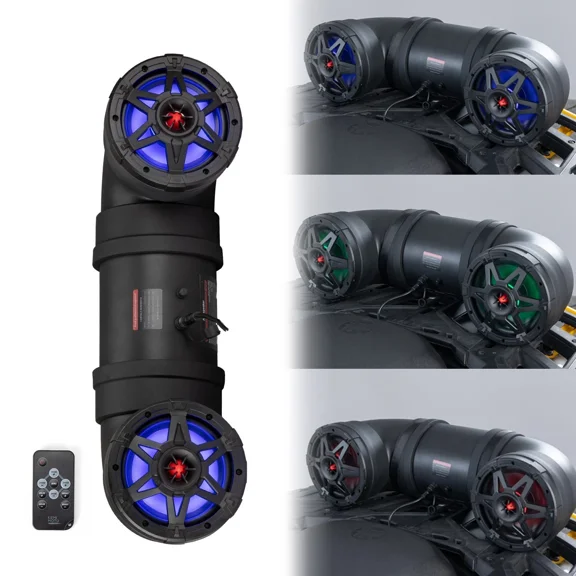
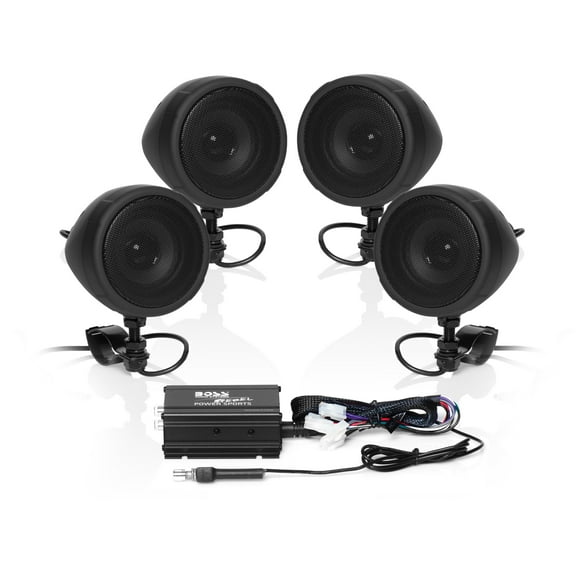
Your ride style also affects the speaker format that makes sense. You may prefer separate speakers when you want flexible positioning around the cage or body panels.
For group rides and open trails, you might focus on output and broad sound coverage. You can pair speakers with an amplifier when you want a stronger system that fills more outdoor space.
If you use your machine for work around property lines or campgrounds, connectivity may matter most. You’ll benefit from Bluetooth or AUX options that keep your playlists and podcasts easy to access.
When you compare these choices by fitment, weather rating, and power needs, your decision gets clearer. You’ll end up with ATV electronics that match your vehicle and your riding routine with less trial and error.