








Back and Abdominal Support Belts & Binders | Walmart



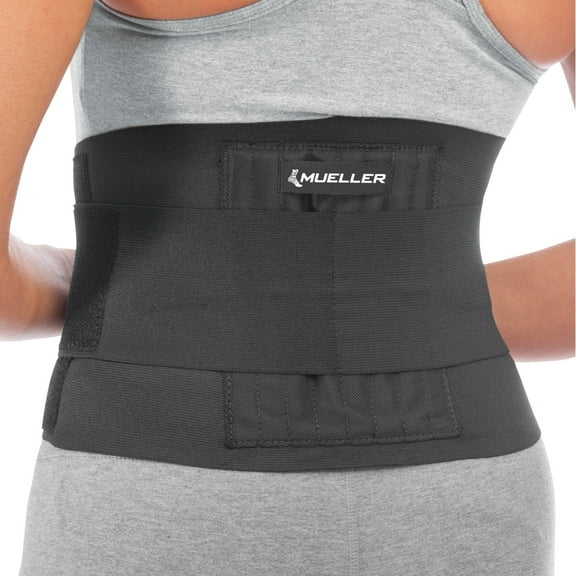
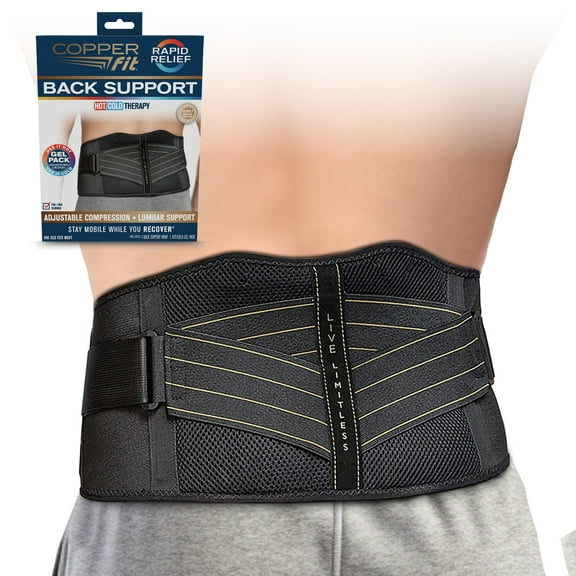
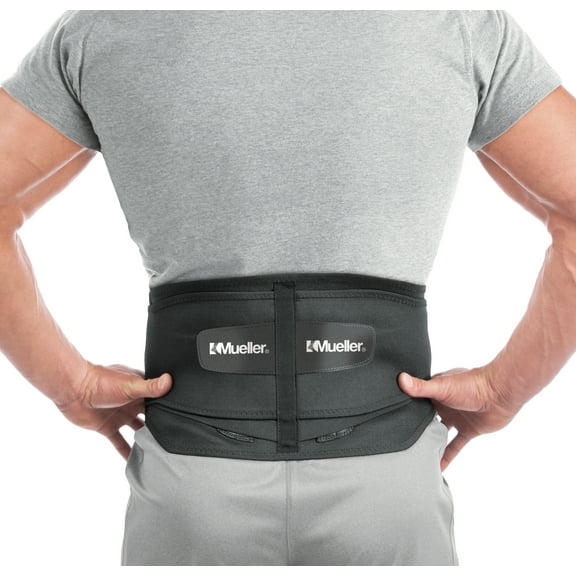
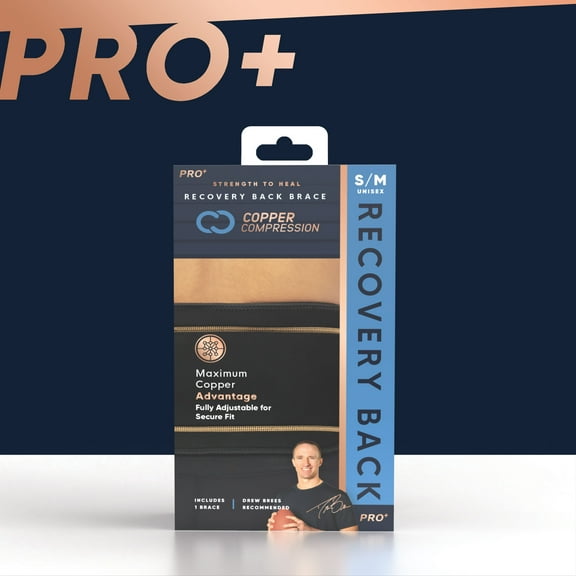





















About Back and Abdominal Support Belts & Binders | Walmart - Walmart.com
Back and abdominal support helps you compare braces, binders, and belts for daily wear, recovery, and movement. You can narrow your choice quickly when you focus on support level, target area, sizing, and material.
If you're choosing between a lumbar brace and an abdominal wrap, you need clear differences that match your routine. You'll also want closure styles and profile details that fit comfortably under your clothing.
Choosing back and abdominal support by support level
You should start with the amount of hold your routine needs. Light support feels flexible for errands, while moderate support gives you more structure through longer wear.
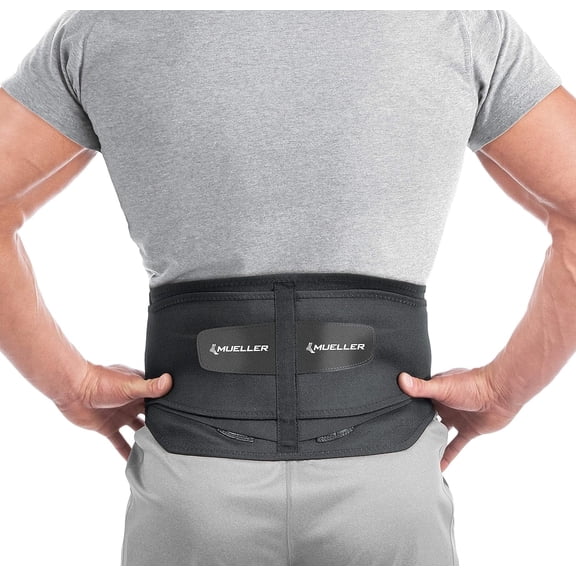
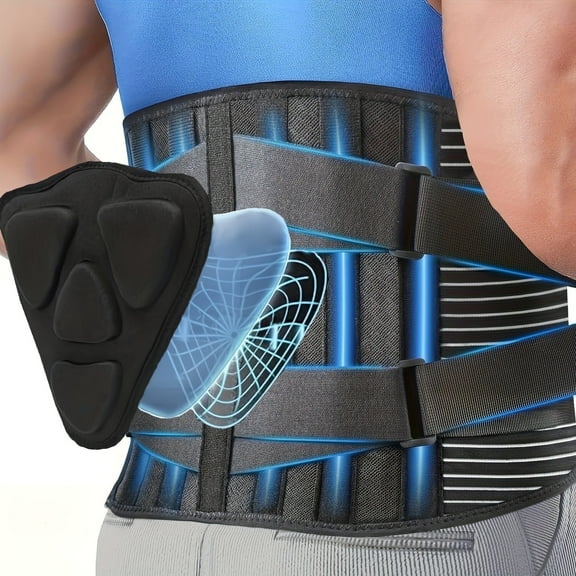
If your day includes lifting, extended standing, or repetitive motion, you may compare firm support with more stabilizing panels. You can also look for rigid inserts or boning when you want less flex.
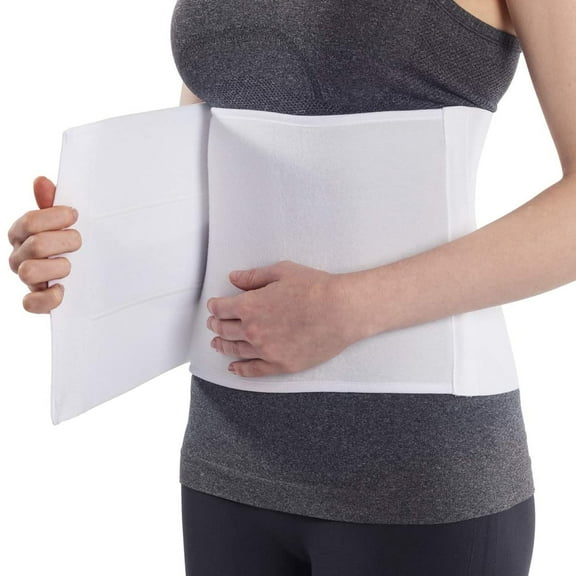
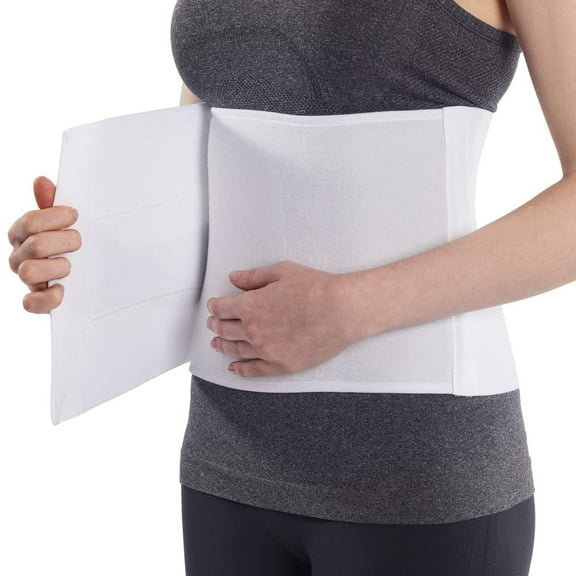
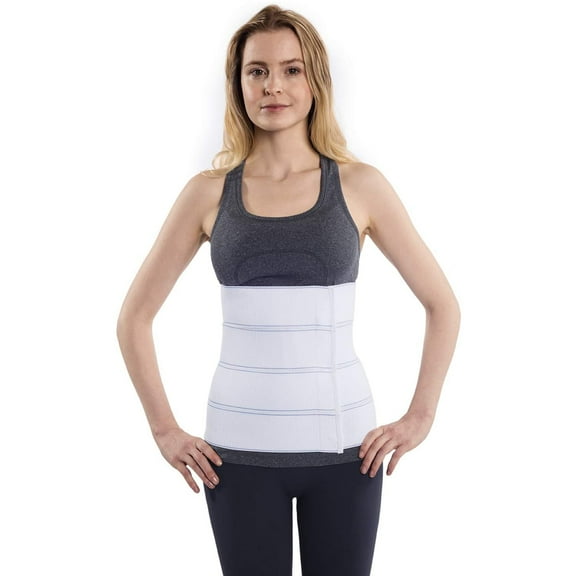
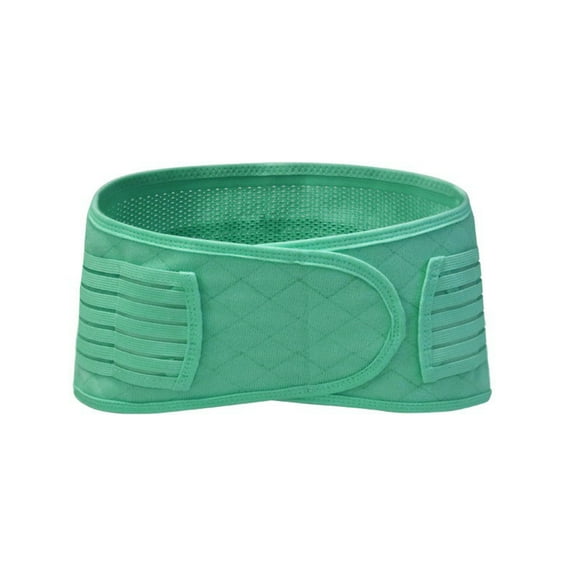
For abdominal support binder styles, compression level changes how close and secure the wrap feels. You'll notice that wider panels often create steadier coverage across your midsection.
- You can choose light support for flexible daily wear and a lower-profile fit.
- You may prefer moderate support when you want balance between movement and structure.
- You can compare firm support when your routine calls for steadier hold through work or recovery.
- You should check closure design if you want quick tightening or small fit adjustments.
How to compare a lumbar support brace and abdominal support binder
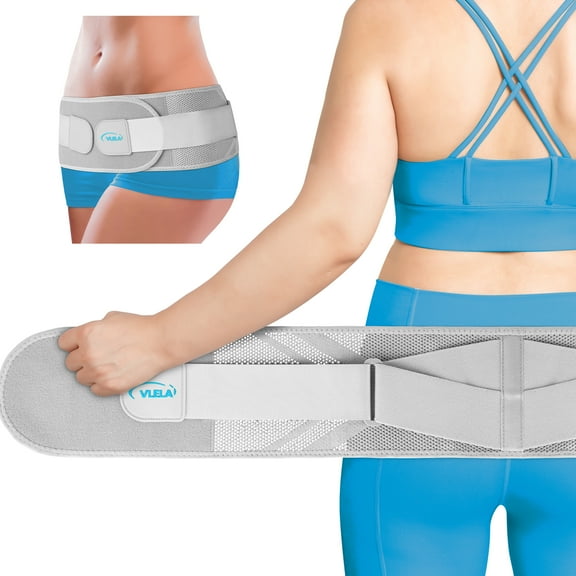
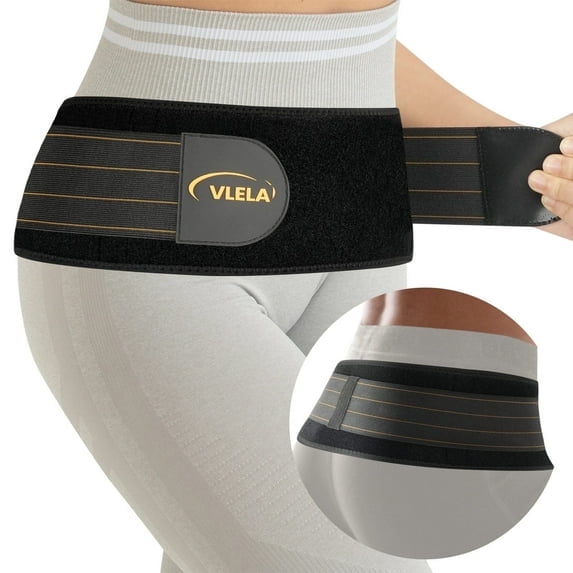
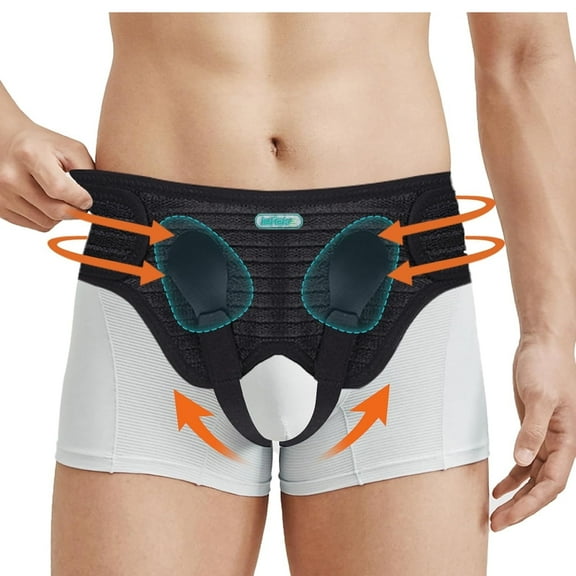
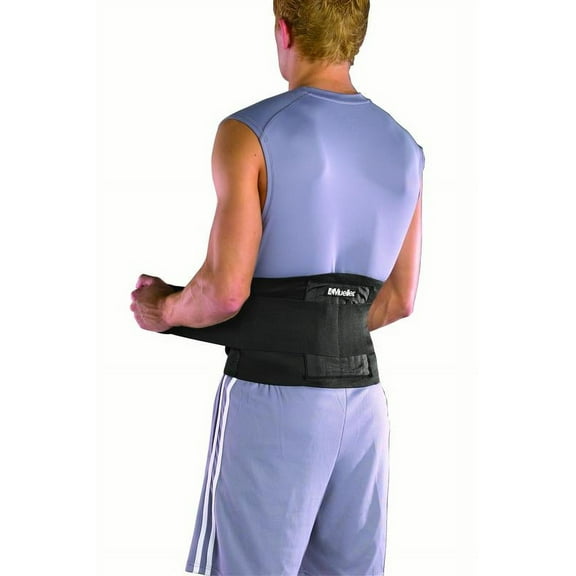
You should match the brace to the area you want to support. A lumbar support brace focuses on the lower back, while an abdominal support binder wraps your midsection.
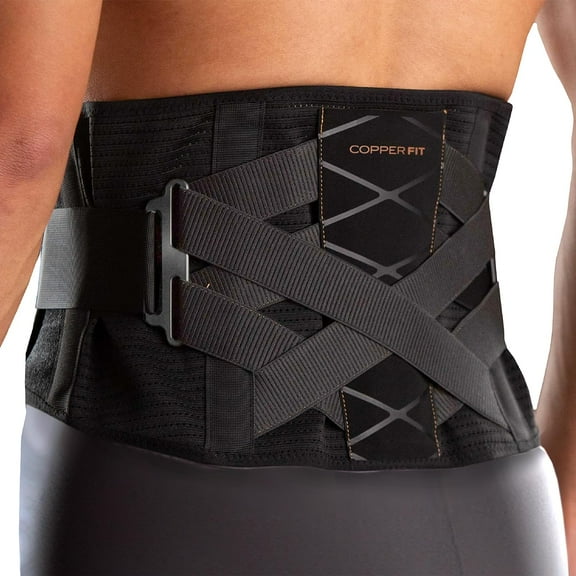
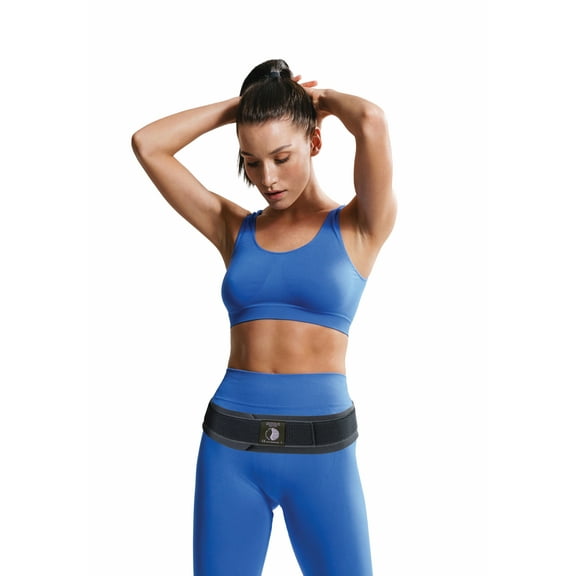
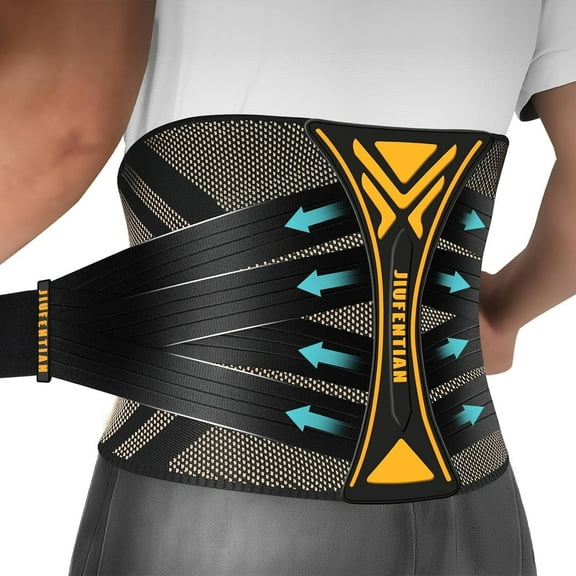
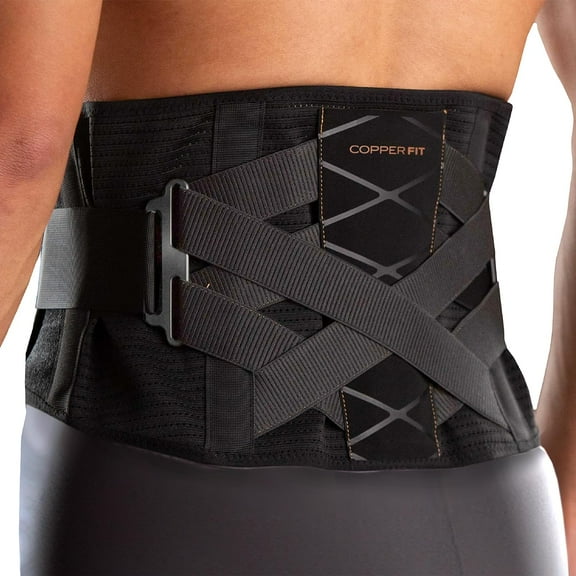
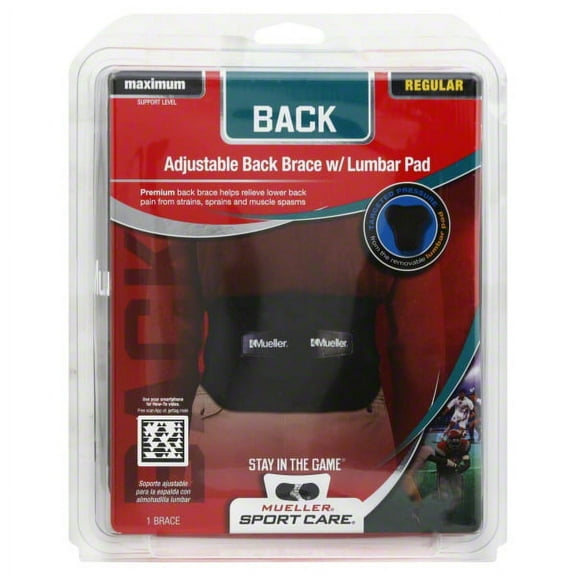
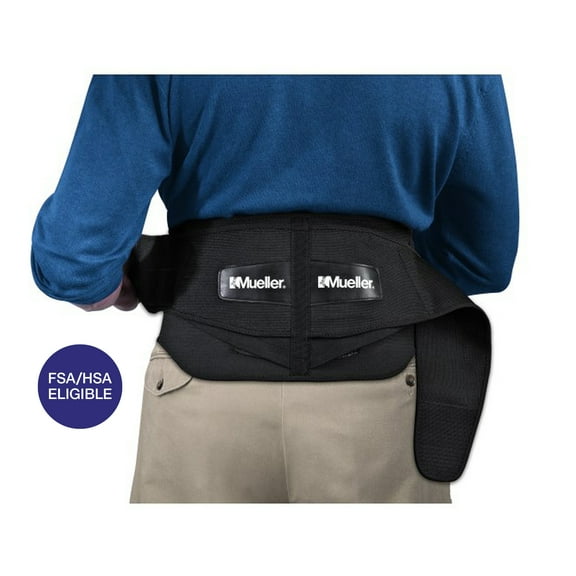
If you want targeted lower back structure, you can compare a lower back support belt with contoured lumbar panels. If you want broader torso coverage, you may prefer a full-wrap abdominal design.
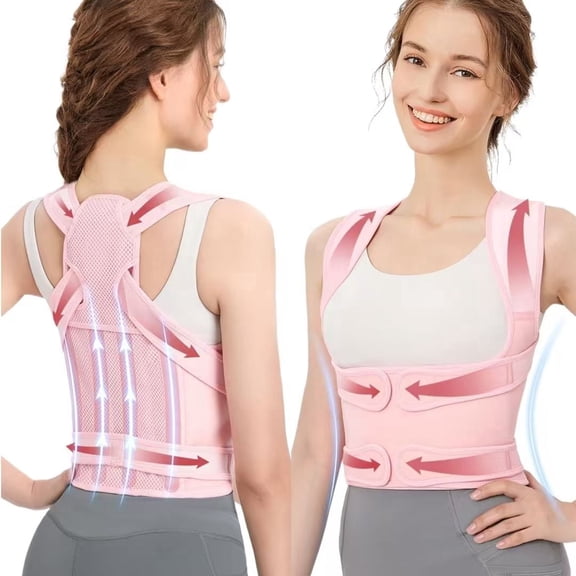
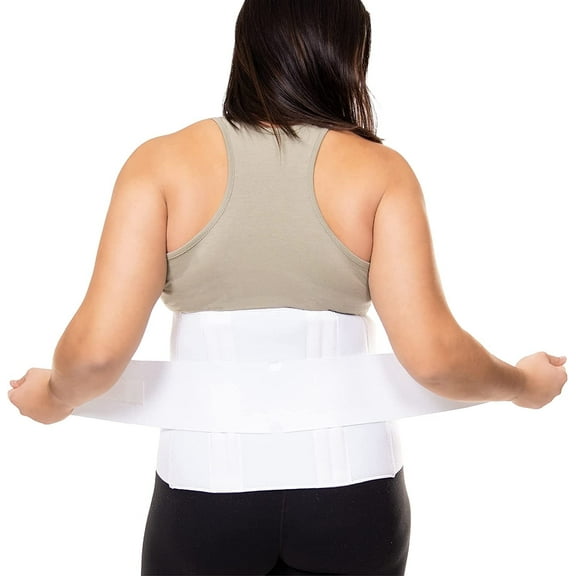
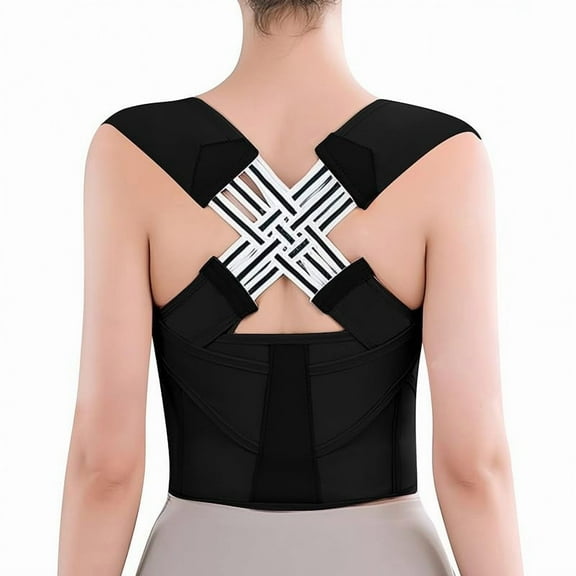
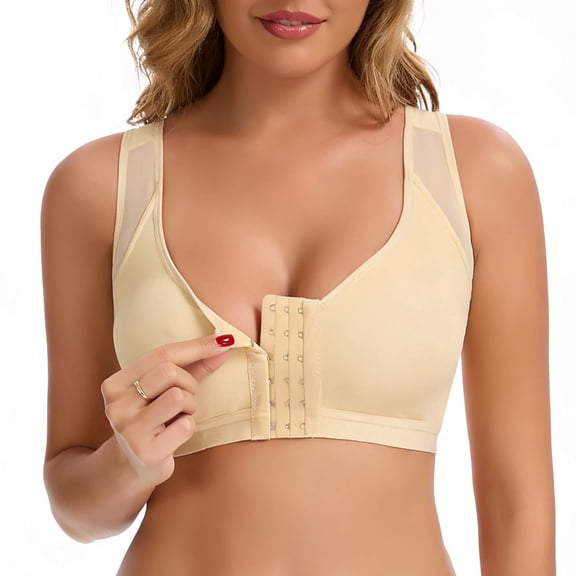
You can also compare full back styles when you want coverage that extends above the waistline. You'll usually find these helpful when you want shoulder-to-lumbar coverage in one piece.
For postpartum use, you may look at a postpartum belly wrap that provides adjustable abdominal compression. For weightlifting, you may prefer designs that allow a tighter, performance-focused fit around your core.
What to look for in material and closure design
You should compare materials based on breathability, stretch, and thickness. Neoprene feels more substantial, while breathable mesh can feel cooler and less bulky under layers.
If you want a discreet profile, you can look for elastic or mesh construction with flatter seams. You'll often notice these options slide more smoothly under workwear or casual clothes.
You should also check whether the material is latex-free if that matters to your preference list. You'll want that detail confirmed before you narrow down sizes or support levels.
Closure type affects how precisely you can tighten the fit during the day. Hook and loop tabs feel simple, while double pull straps let you fine-tune compression across two directions.
If you want a more uniform front closure, you can compare zipper styles. If you want a corset-style adjustment, you may prefer lace-up designs with a more customized feel.
Choosing the right size and fit
You should measure carefully before you choose back and abdominal support. Your waist, hips, or lumbar circumference can guide you toward the right range on each size chart.
If you're between sizes, you should compare the brand chart with your intended use. You may want a closer fit for compression, while you may prefer extra adjustability for layering.
You can look for adjustable sizing when your measurements span more than one range. S/M and L/XL options can feel more specific, while plus size options can offer broader panel coverage.
When you wear a binder or brace under clothing, profile matters as much as inches. You'll want enough overlap for secure closure without creating extra bulk at the front.
Matching use cases to the right support style
You should compare use case first when your choices seem similar. Post-surgery recovery often calls for steadier abdominal wrapping, while daily wear may favor lighter, more flexible compression.
If you need support during work, you may look for an adjustable back support with breathable fabric. You'll likely appreciate easier on-and-off wear and a shape that stays in place.
For athletic routines, you can compare a lower back support belt with a streamlined cut. You'll want movement-friendly compression that doesn't feel overly bulky during training.
If postpartum comfort is your focus, you may consider a postpartum abdominal support style with broad overlap panels. You can then adjust the wrap as your preferred fit changes through the day.
You should also think about clothing layers before you decide. Thinner mesh and elastic styles can feel less noticeable, while thicker neoprene styles can feel more substantial and structured.
How you can choose with more confidence
You can make a clearer choice when you compare target area, support level, material, closure, and size together. That approach helps you find a brace or binder that fits your routine, your clothing, and your preferred level of compression.
If you use these decision points first, you can spend less time guessing between similar options. You may also be more likely to choose support that feels secure, practical, and comfortable for everyday wear.