




Find auto parts that fit
Let’s search for parts that fit your vehicle.Trailer Hitch Ball Mounts & Towing Accessories - Walmart


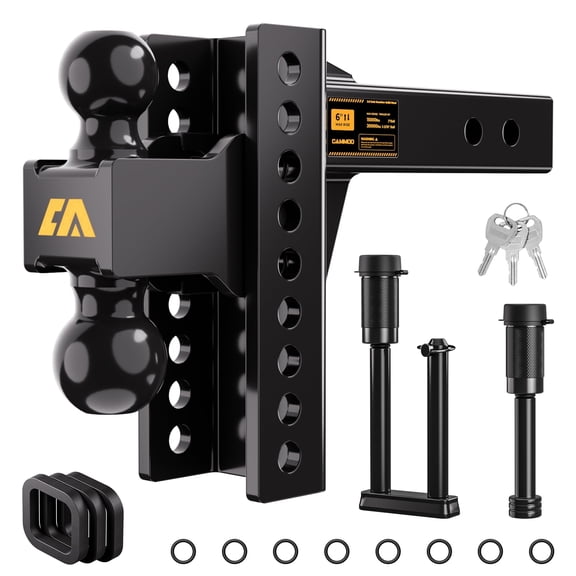

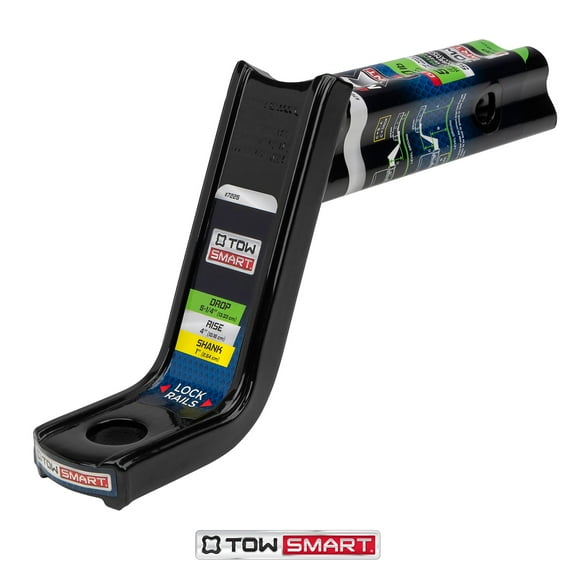

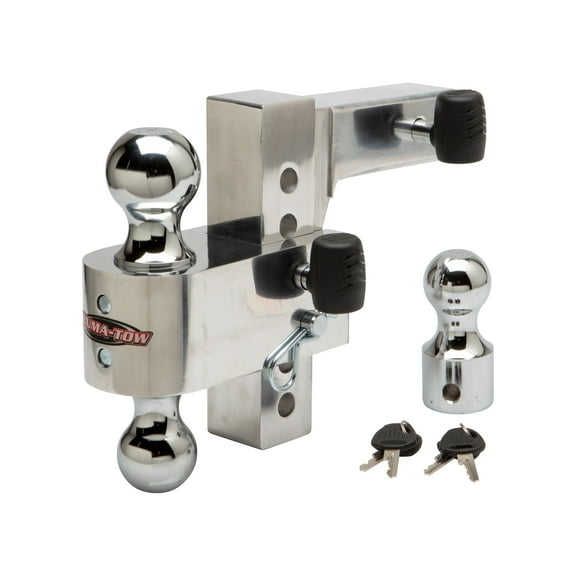
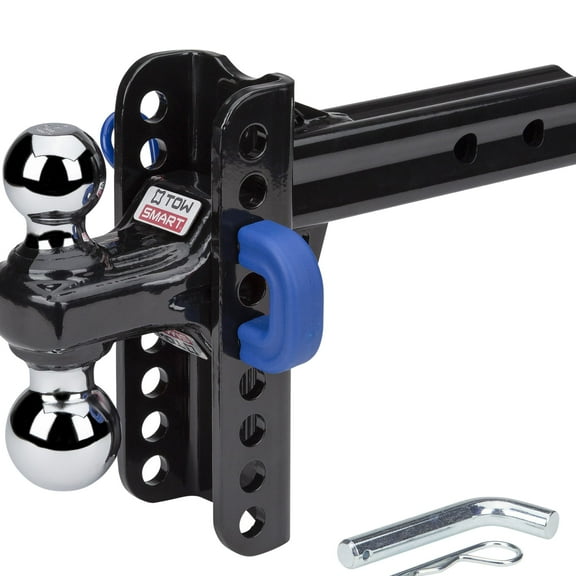



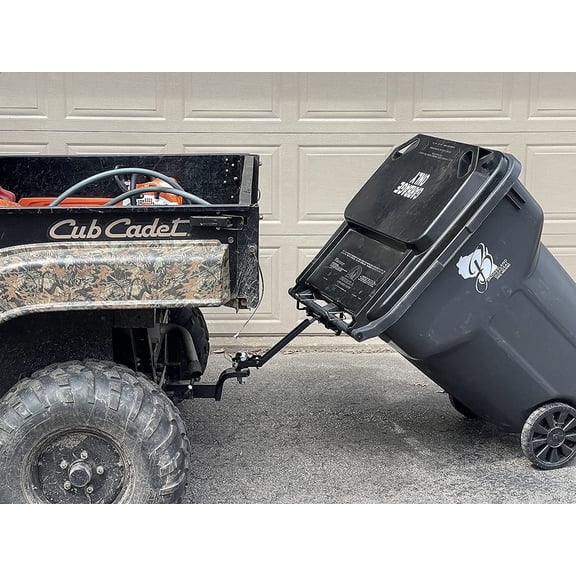
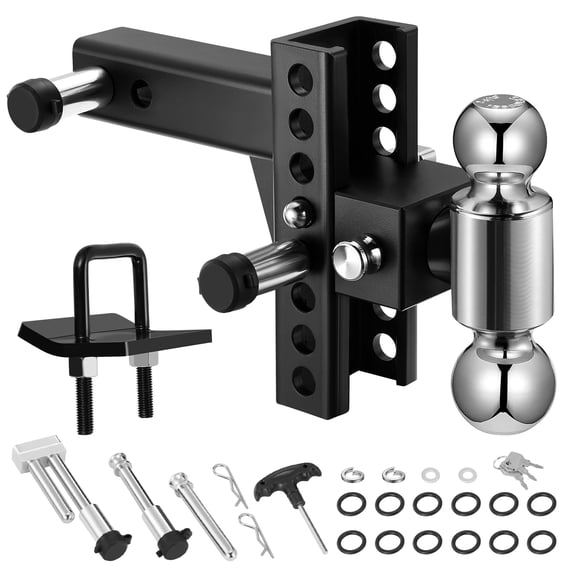
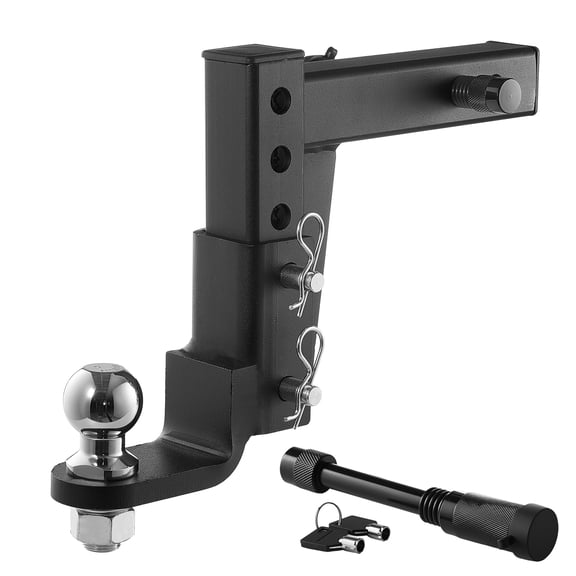
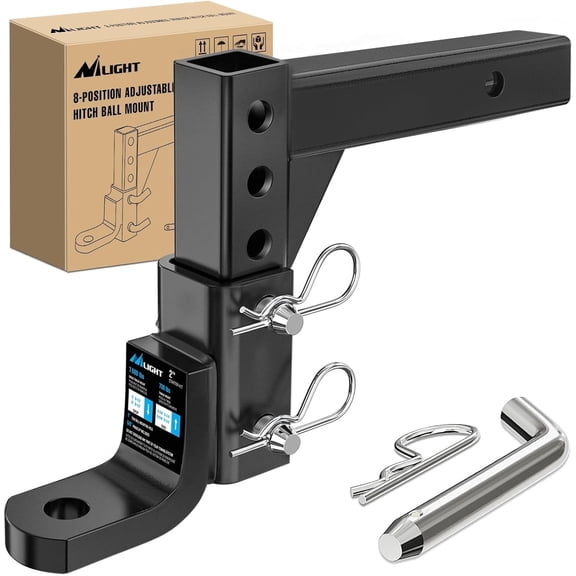


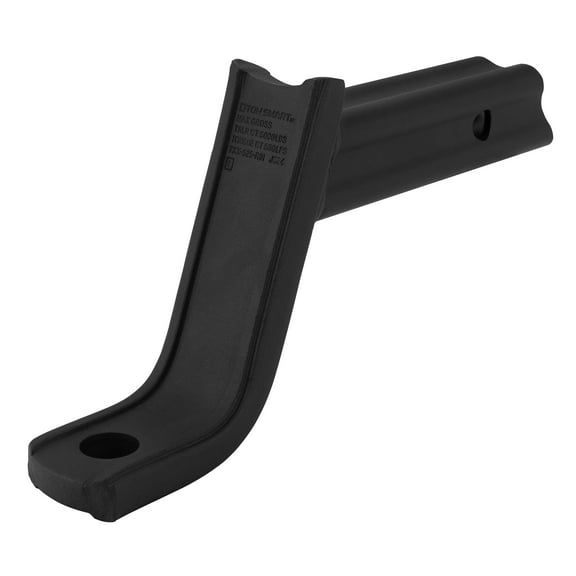

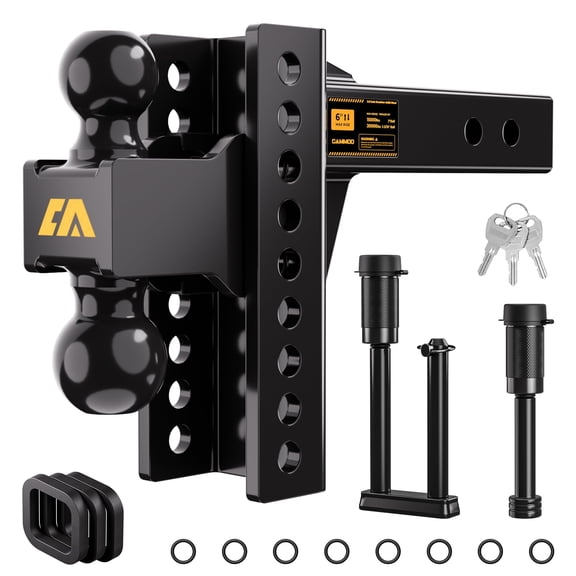

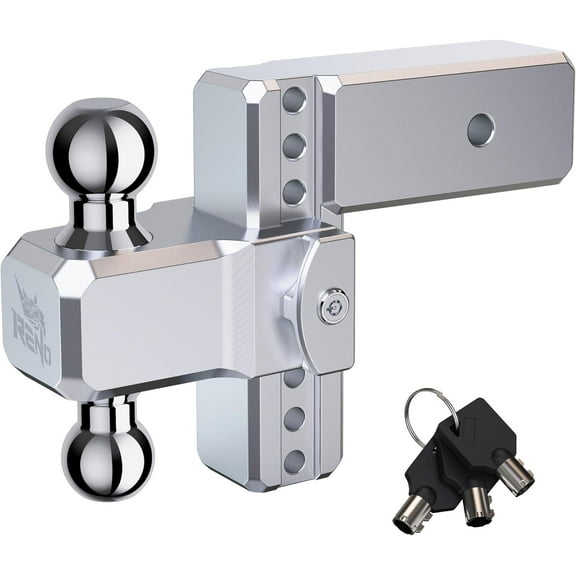
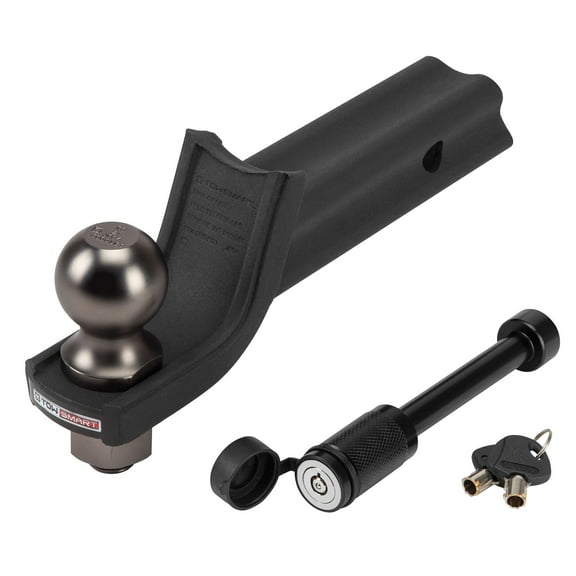



About Trailer Hitch Ball Mounts & Towing Accessories - Walmart - Walmart.com
Ball mounts help you match your hitch height, receiver size, and trailer weight with less guesswork. You can use this guide to compare fit, drop, and towing capacity before you choose.
Choosing the right ball mounts
When you compare ball mounts, you should start with your receiver tube size and your loaded trailer weight. You’ll want a mount that fits your hitch opening and your towing setup.
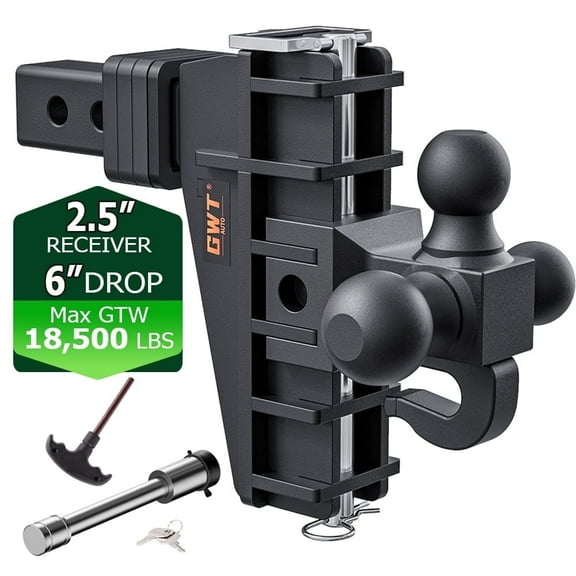
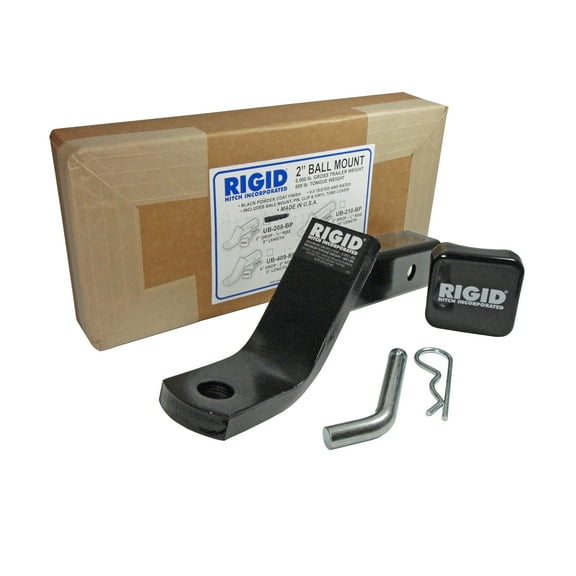
For lighter towing, you may use a 1.25-inch receiver with a smaller trailer setup. For larger trucks, you may need 2-inch receiver hitch ball mounts or 2.5-inch options.
You should also check Gross Trailer Weight, called GTW, and Tongue Weight, called TW. Those ratings help you choose towing ball mounts that fit your trailer’s loaded weight and hitch load.
- You can match your receiver size for a secure fit in your hitch.
- You can compare GTW and TW ratings with your towing setup.
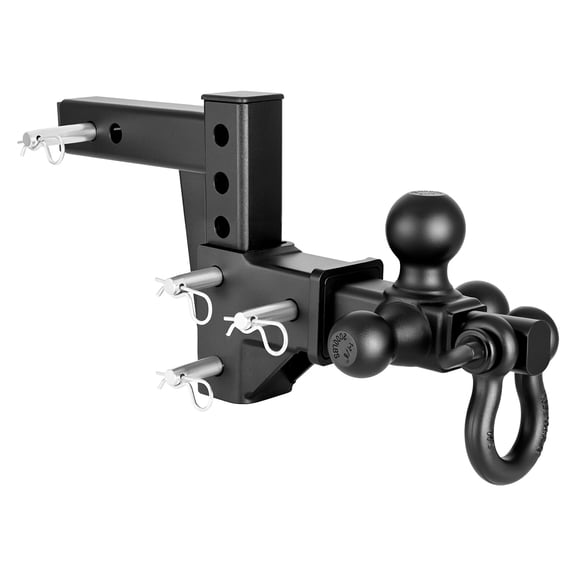
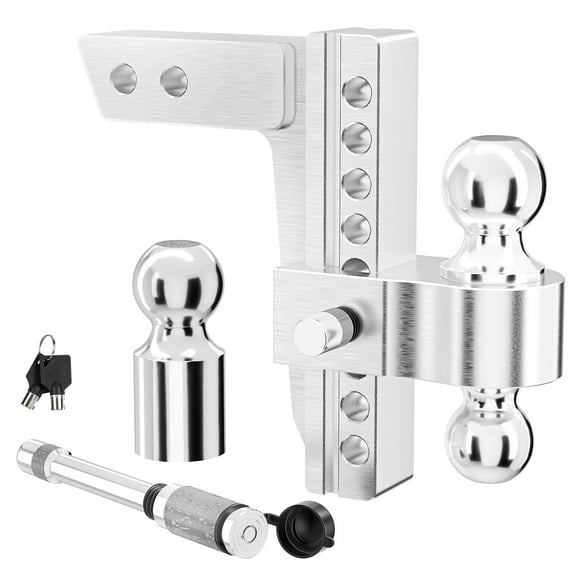
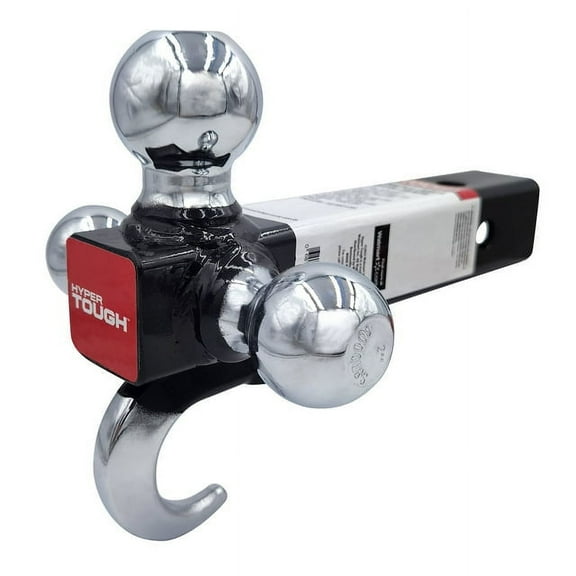
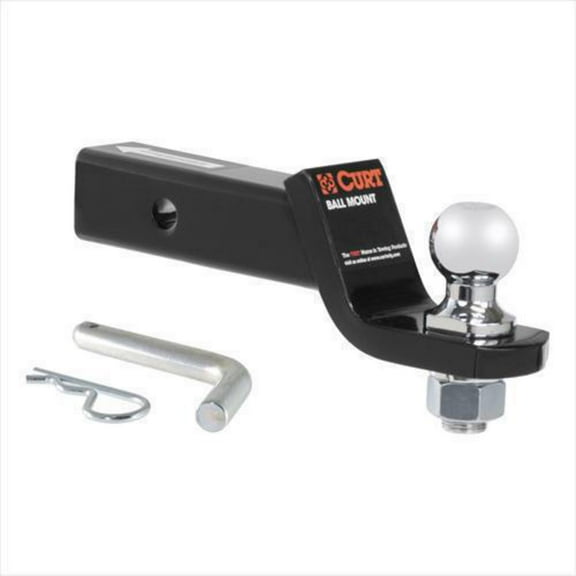
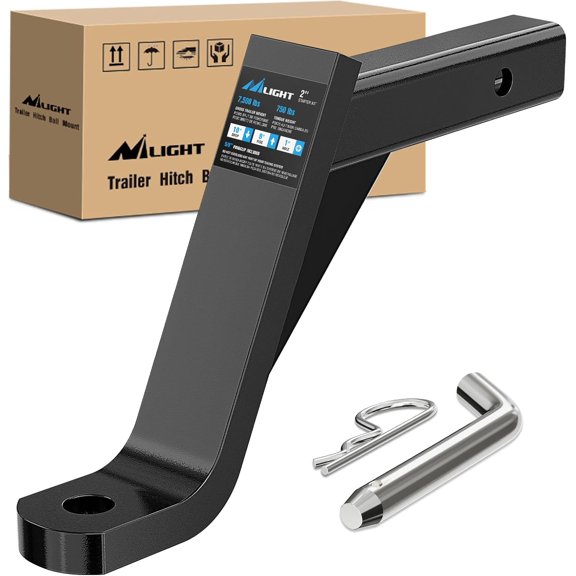
- You can choose fixed, dual-ball, multi-ball, or adjustable designs.
- You can select the drop or rise that helps level your trailer.
Those details matter because your towing setup works as a complete system. You should match your ball mount to the component with the minimum weight rating.
How to compare adjustable ball mounts and fixed designs
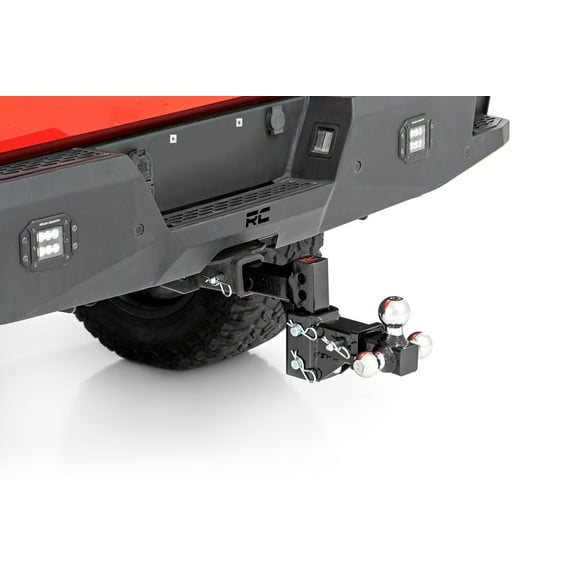
If you tow more than one trailer, adjustable ball mounts can give you more flexibility. You can change height positions instead of switching hardware every time your coupler sits differently.
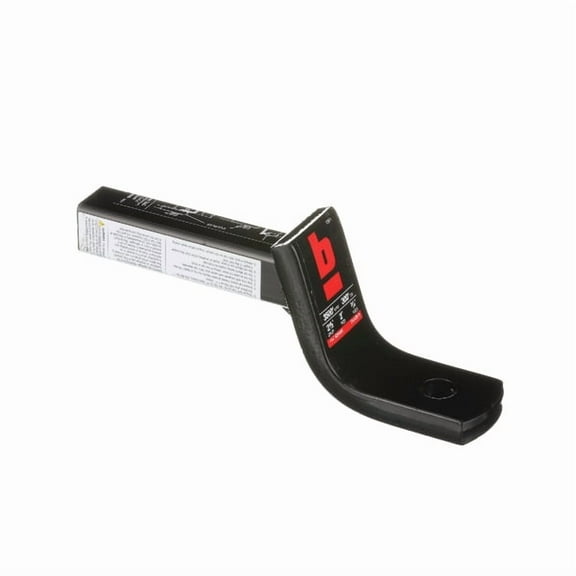
With fixed mounts, you get a straightforward choice when your trailer height stays consistent. You can pick a set drop or rise and keep your setup simple.
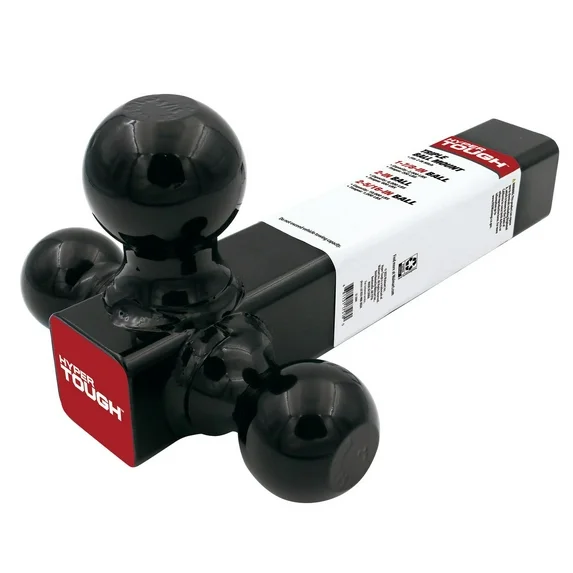
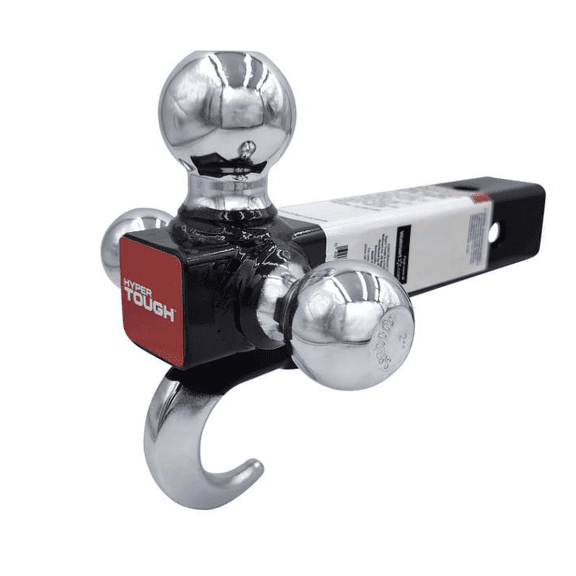
Dual-ball and multi-ball styles help you handle different coupler sizes with fewer swaps. You can keep one mount ready for utility trailers, campers, or work trailers.
You should compare how often you change trailers during the year. If you switch often, you may prefer trailer ball mounts with more height or ball options.
Understanding drop ball mounts and rise measurements
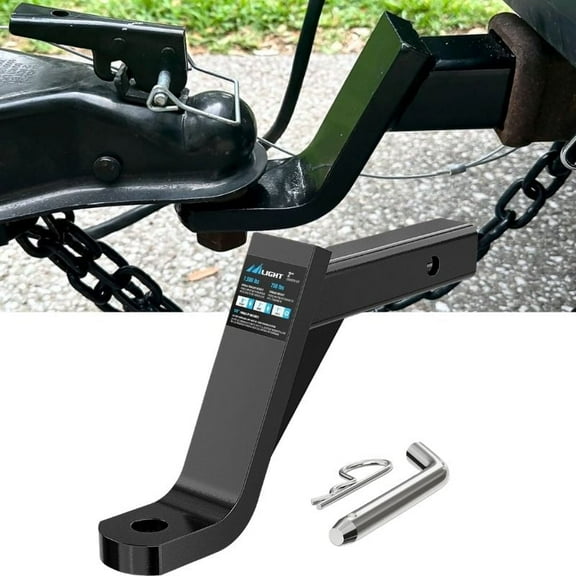
You’ll want your trailer to sit level when it connects to your vehicle. That’s why drop ball mounts and rise options matter when your receiver and coupler heights don’t match.
To measure, you can check the distance from the ground to your receiver opening. Then you can measure from the ground to your trailer coupler and compare the difference.
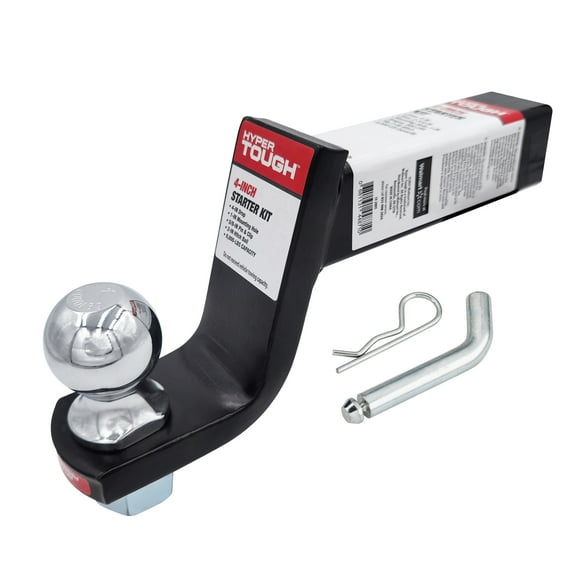
If your hitch sits higher than your coupler, you’ll usually need drop ball mounts. Common ranges include 2-inch drop, 4-inch drop, 6-inch drop, and 8-inch drop.
If your coupler sits higher, you may need rise instead of drop. You can use that measurement to narrow your options before you choose a mount.
You should take those measurements with your vehicle and trailer on level ground. You’ll get a clearer match when your trailer sits closer to level behind your vehicle.
What to look for in receiver hitch ball mounts
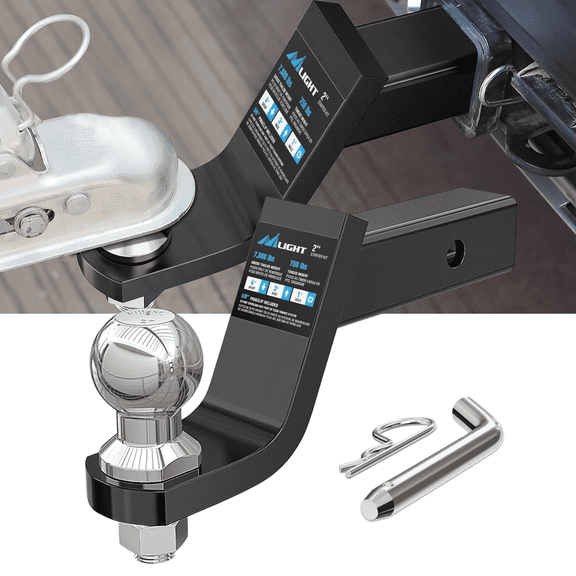
Receiver hitch ball mounts vary by shank size, length, and weight class. You should confirm that the mount fits your hitch opening before you compare other details.
Class III mounts often suit towing setups up to 5,000 pounds GTW. Class IV options fit heavier setups up to 10,000 pounds when your vehicle and hitch allow it.
For larger trailers, heavy duty ball mounts can support up to 20,000 pounds GTW. You should compare those ratings with your trailer, hitch, and vehicle limits.
You may also compare finish details that affect long-term use. Powder-coated steel helps you handle weather exposure, while chrome finishes give your setup a polished look.
Shank length can also affect how your trailer clears bumpers or accessories. You should check your vehicle layout if you need extra space behind your hitch.
Matching trailer hitch ball mounts to your towing routine
If you tow a boat in summer and a utility trailer during the week, adjustable ball mounts can simplify your routine. You can change height positions without keeping several separate mounts.
When you use one trailer most of the time, fixed trailer hitch ball mounts may fit your needs. You can choose the exact drop or rise and keep your hitch setup consistent.
If you haul equipment, landscaping gear, or a larger camper, heavy duty ball mounts may suit your towing demands. You can focus on higher GTW and TW ratings plus a receiver size that matches your truck.
For compact vehicles or smaller trailers, you may prefer lighter receiver options with a shorter drop. You can still get the alignment you need without choosing an oversized mount.
When you switch between coupler sizes, dual-ball or multi-ball mounts can reduce setup changes. You can keep the right connection point available for different trailers you already own.
With the right measurements, trailer hitch ball mounts help you tow with a level trailer and a compatible fit. You can choose with more confidence when your receiver size, drop, and GTW ratings line up.