

Where to Buy a Barometer for Home & Weather | Walmart




















About Where to Buy a Barometer for Home & Weather | Walmart - Walmart.com
Barometers help you track changing pressure at home while adding classic style to your space. You can compare dial and digital formats, mounting options, and finishes that fit your room.
How to choose barometers for your home
When you choose barometers, you should start with the reading style you prefer every day. You may want a traditional dial for visual charm or a digital screen for quick checks.
A home barometer often works as both a weather tool and a decorative accent. You can match wood, brass, oak, cherry, or chrome details to your furniture and wall color.
Your setup also matters before you pick a model. You should measure your wall or shelf space and check whether you want a wall barometer or tabletop design.
- You can monitor pressure changes before planning outdoor time.
- You can add a classic instrument look to an office, den, or entryway.
- You can choose a display style that feels easy to read at a glance.
- You can match mounting and finish options to your home layout.
Choosing mechanism types and display styles
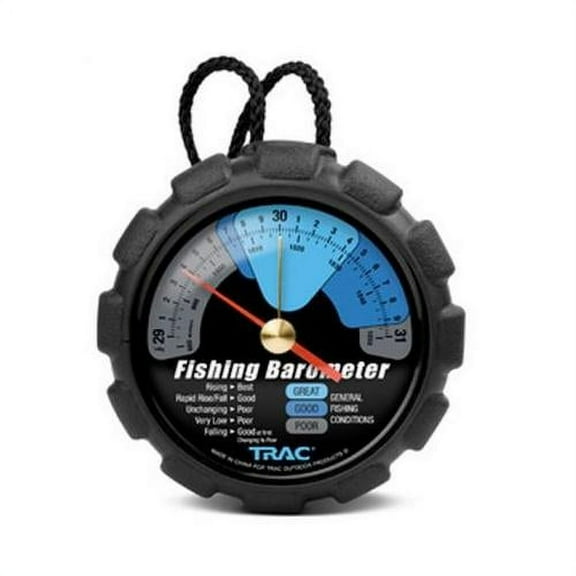
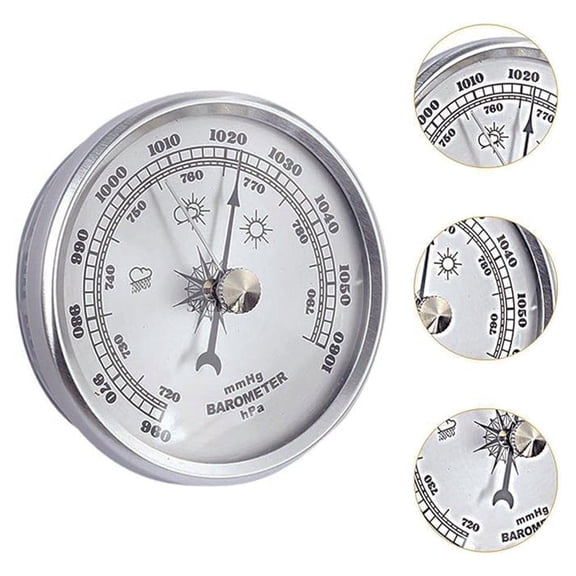
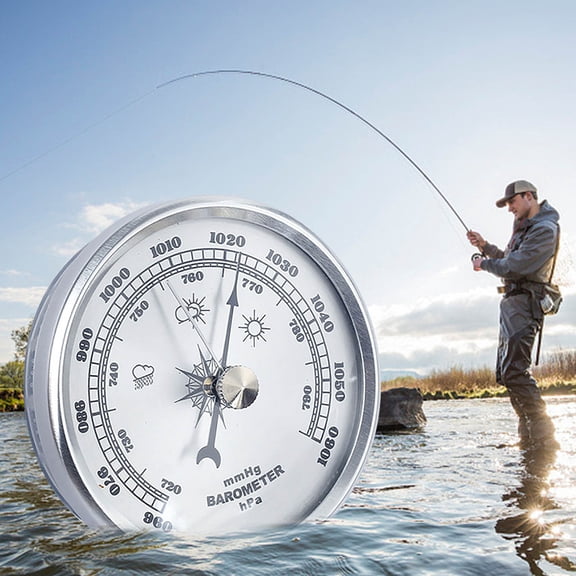
You should compare mechanism types first because they change how your weather barometer reads pressure. You may prefer an aneroid barometer if you like a mechanical dial with no batteries.
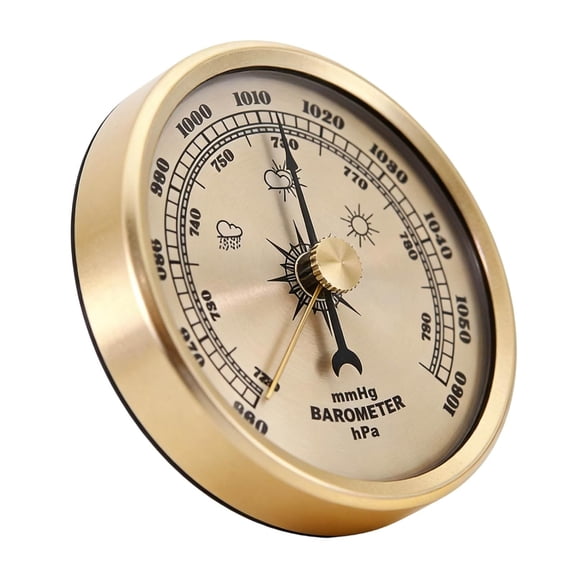
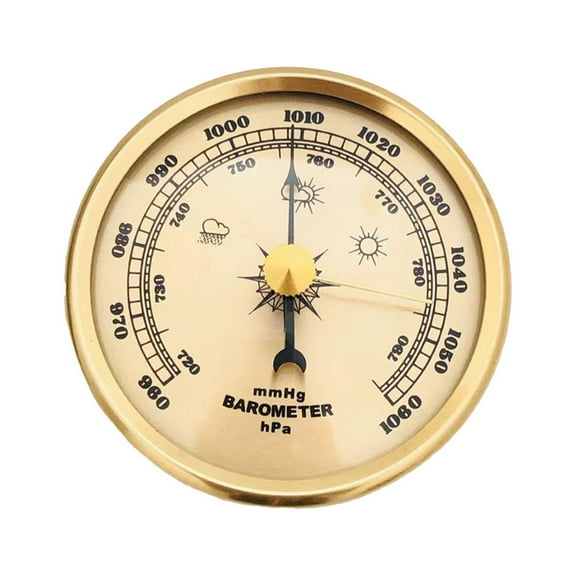
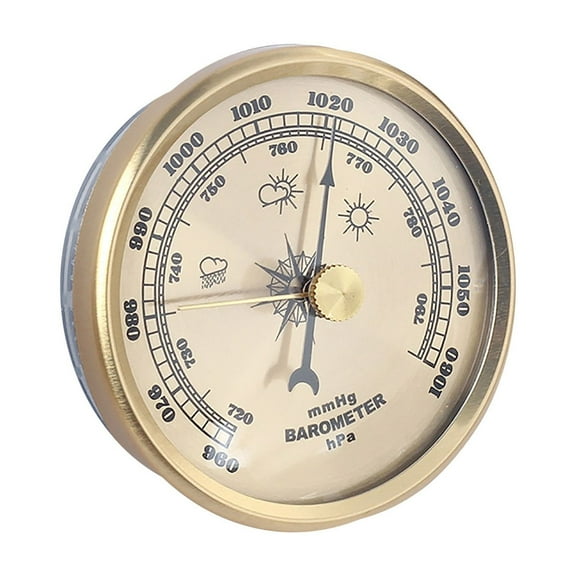
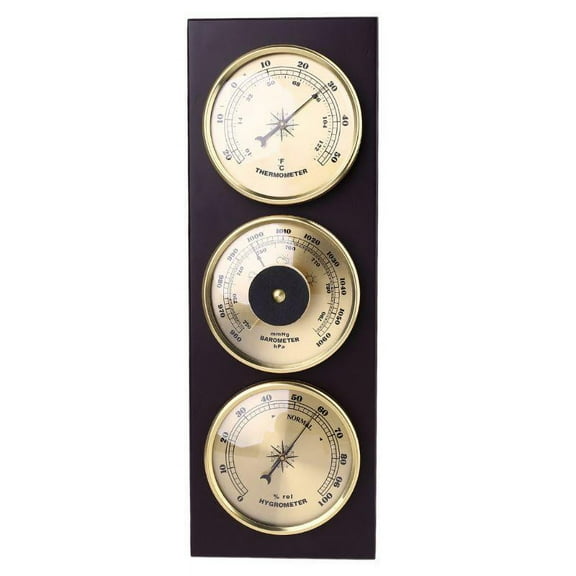
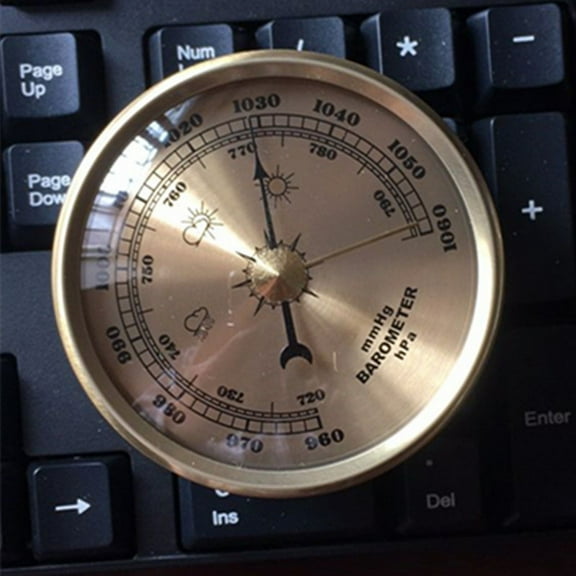
An aneroid design uses a sealed metal chamber that responds to air pressure changes. You can read those changes on a dial that often shows pressure ranges and forecast symbols.
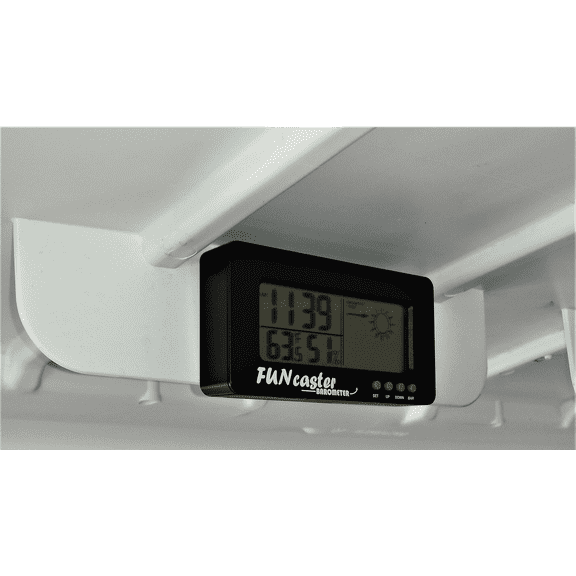
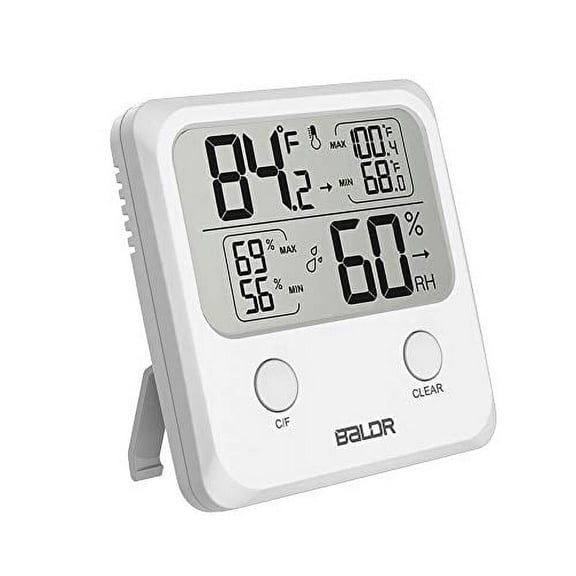
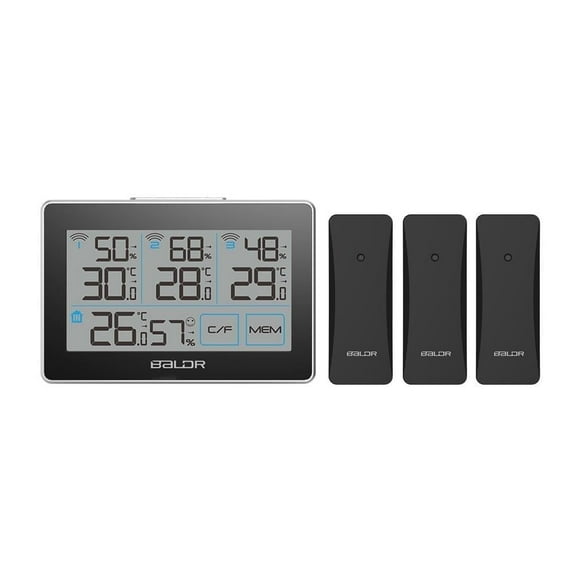
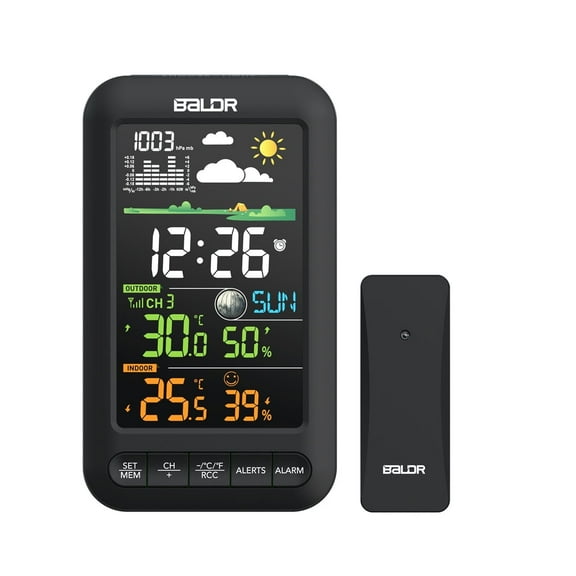
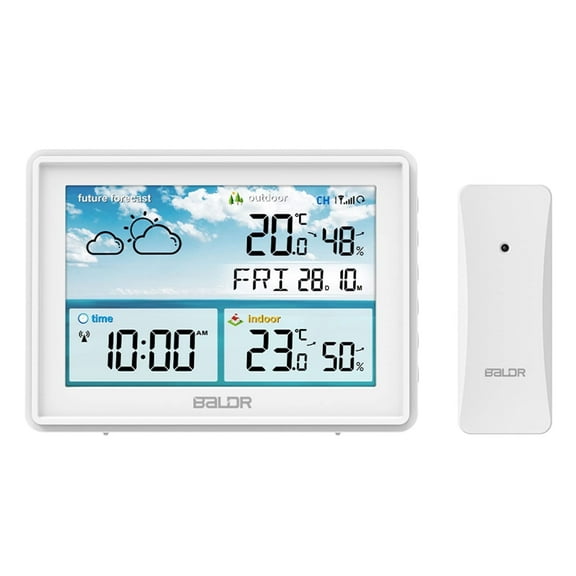
You may prefer digital options if you want numbers on a screen instead of a pointer. You can often read pressure values faster when your display shows clear digits.
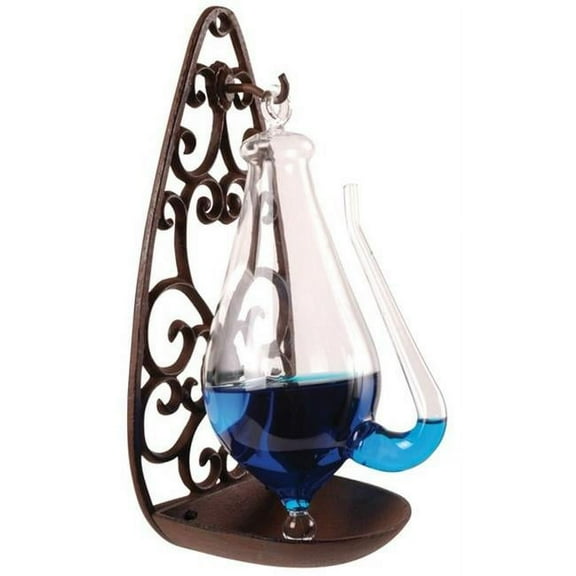
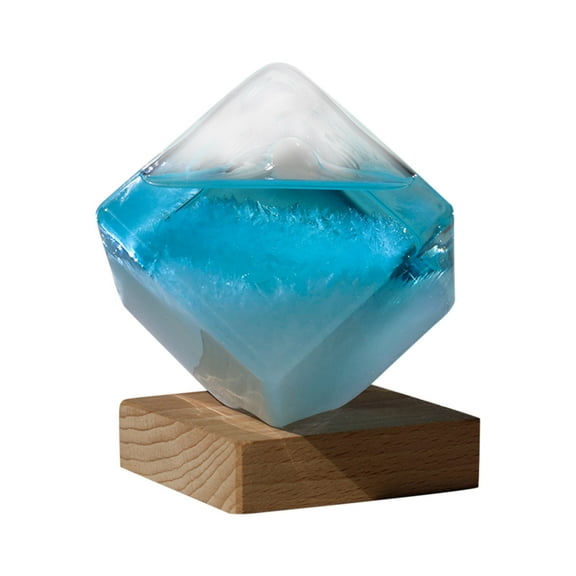
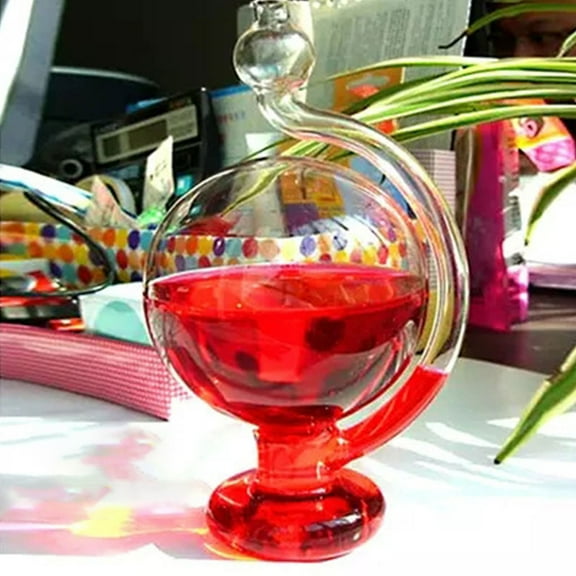
Some shoppers look for mercury or eco-gilli styles when they want a specific instrument format. You should check the display type, care needs, and intended placement before you choose either style.
A traditional dial works well when you want a wall barometer with classic character. A digital screen fits spaces where you want a cleaner, more modern look.
Understanding calibration and reading details
You should pay close attention to calibration because pressure readings depend on your local altitude. You can often adjust an indoor barometer with a small screw on the back.
Look for hPa or inHg scale markings when you compare dials and screens. You should choose the scale you find easiest to read during daily checks.
Your first setup may include matching the reading to a trusted local pressure report. You can then make small altitude adjustment changes until your barometer aligns closely.
Once your calibration is set, you can watch for rising, steady, or falling pressure patterns. You’ll often use those changes to understand short-term weather shifts around your home.
You should also check dial size, pointer contrast, and number spacing before you buy. You can read pressure trends faster when your markings look clear from across the room.
Choosing mounting type and room placement
You should decide where your instrument will live before you choose a size or frame. You can mount a wall barometer in an office, kitchen, hallway, or covered porch area.
Wall mounted styles work well when you want your instrument visible at eye level. You should check hanging hardware, frame depth, and nearby decor before you install one.
Tabletop options fit desks, bookshelves, and mantels where you want flexible placement. You can move them more easily when you rearrange your room or seasonal displays.
Hanging styles give you another decorative option for narrower spaces. You should measure the drop length and surrounding clearance so your instrument looks balanced.
Your room conditions can also affect where you place your weather barometer. You should keep it in a stable indoor spot for more consistent readings and easier viewing.
Comparing finishes for decor and daily use
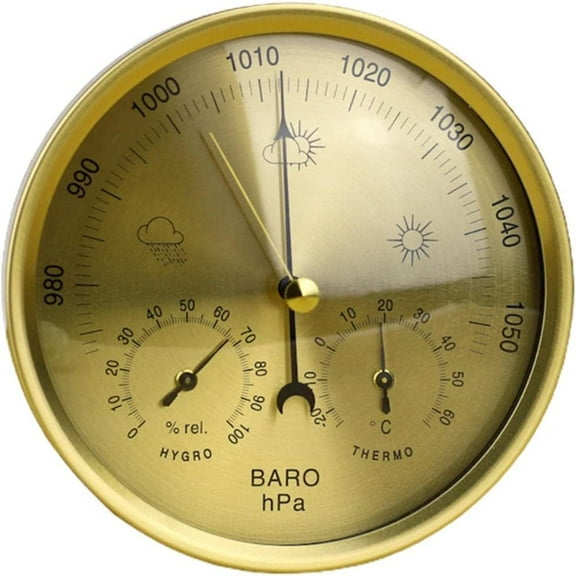
You can narrow your options quickly by choosing a finish that suits your room. A brass barometer brings a nautical or traditional look, while chrome feels more contemporary.
Wood frames can soften the look of a functional instrument in living spaces. You may lean toward oak for a classic appearance or cherry for a warmer, richer tone.
Your finish choice also affects how the instrument stands out on the wall. You should compare dial color, bezel tone, and frame width with your existing decor.
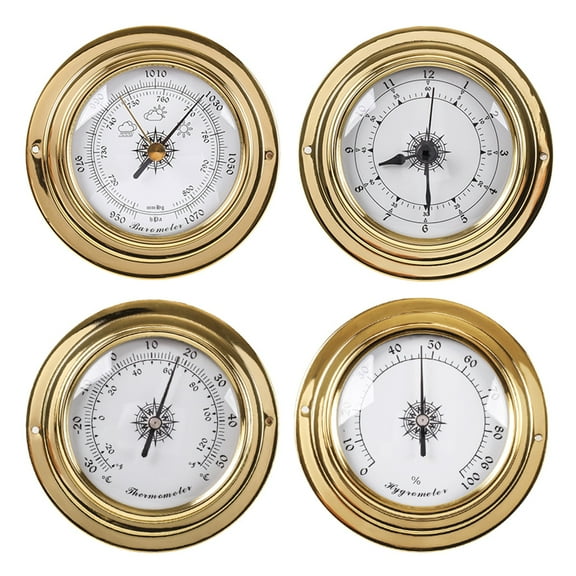
A home barometer in wood or brass can anchor a study, library, or entryway display. You can pair it with thermometers or hygrometers when you want a coordinated weather station look.
Using barometers in everyday spaces
You can use barometers in several ways depending on your routine and room style. You may want one near a back door, in a workshop, or beside a desk.
If you check conditions before gardening or outdoor projects, you’ll appreciate a readable weather barometer nearby. You can spot pressure trends without opening an app.
If your space has traditional decor, you may want an aneroid barometer with a dial and ornate trim. You can use that look to complement wood furniture, framed maps, or maritime accents.
If your room feels modern, you may prefer cleaner lines and a digital display. You can place that style on a shelf where you want quick readings and less visual detail.
You should compare mechanism, mounting, material, and calibration features together before you decide. When those details fit your space, you get a useful reading tool with lasting display appeal.