


Find auto parts that fit
Let’s search for parts that fit your vehicle.Base Layers in Heated Motorcycle Gear







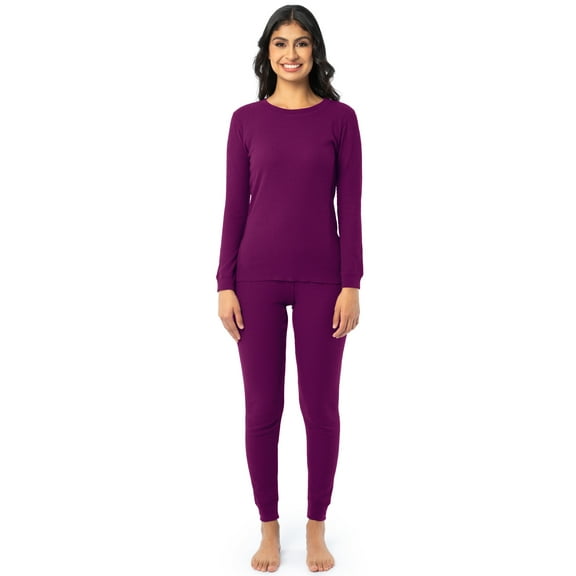


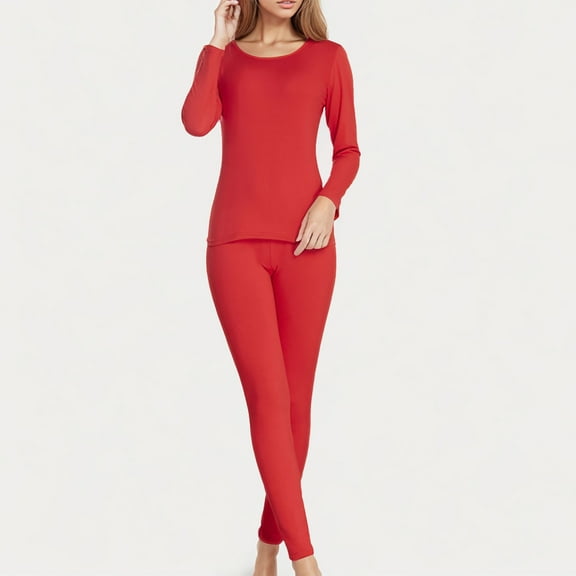


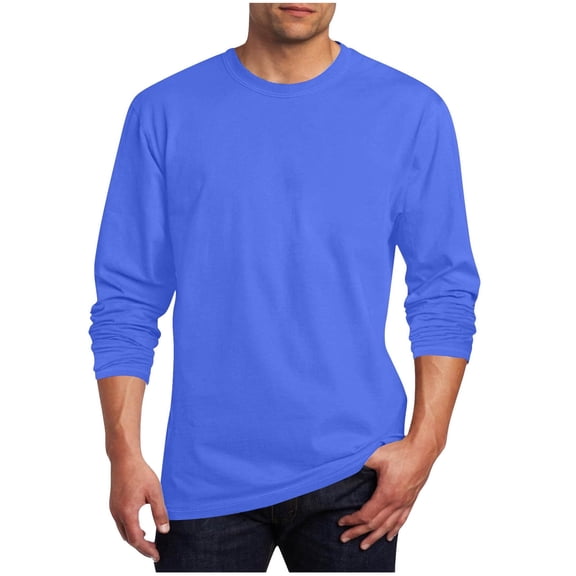


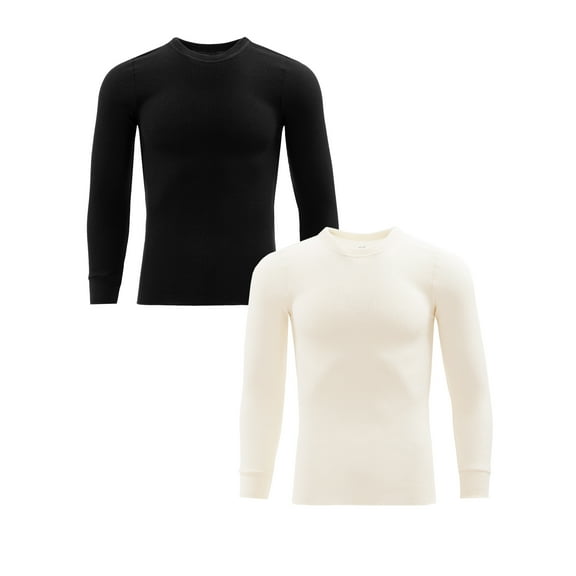






























About Base Layers in Heated Motorcycle Gear - Walmart.com
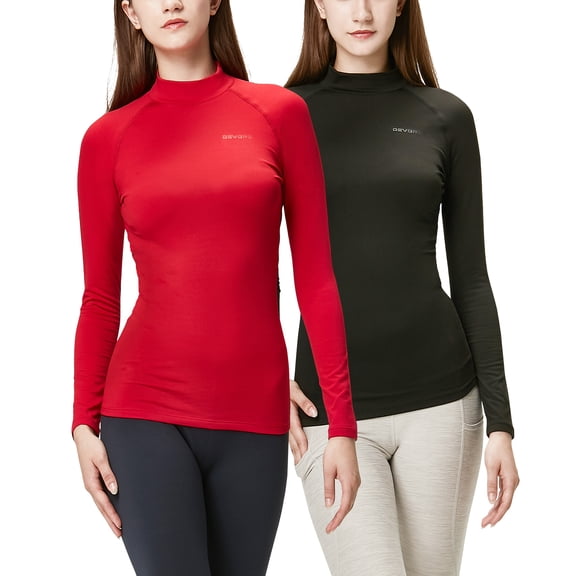
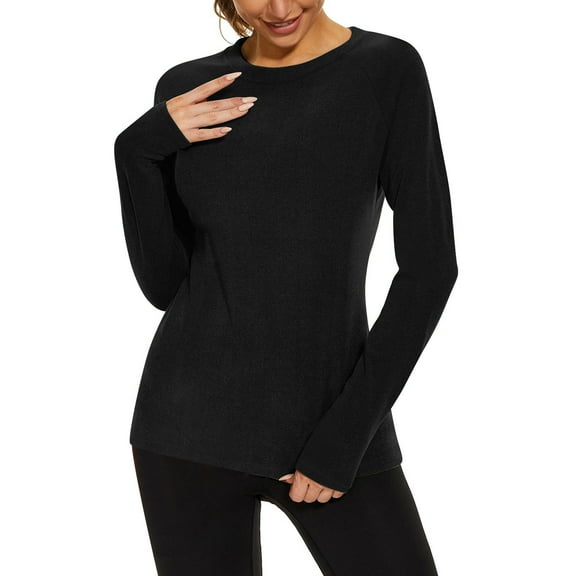
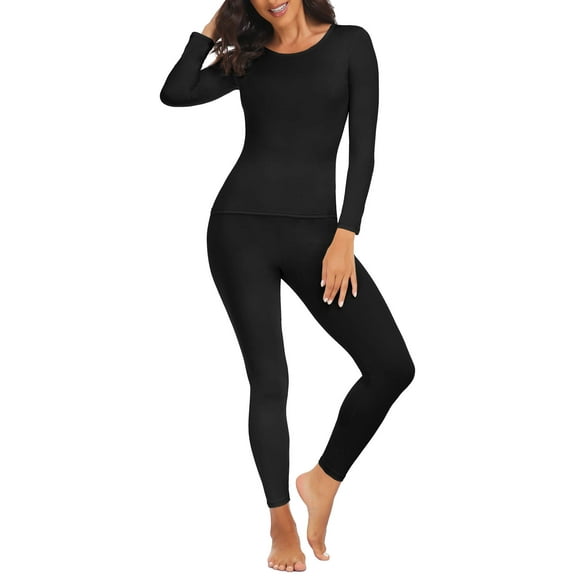
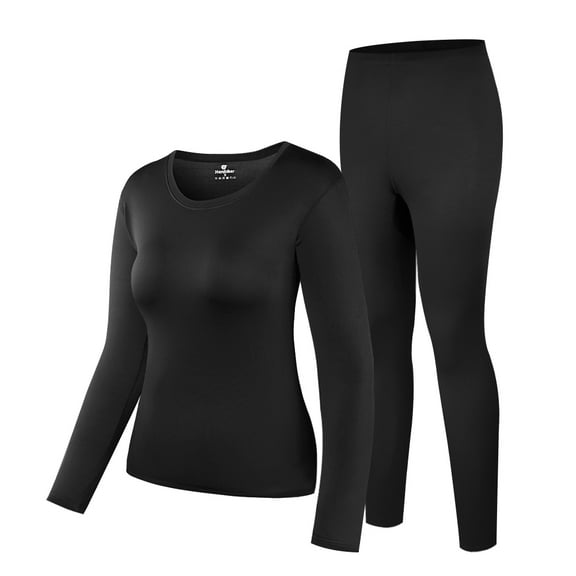
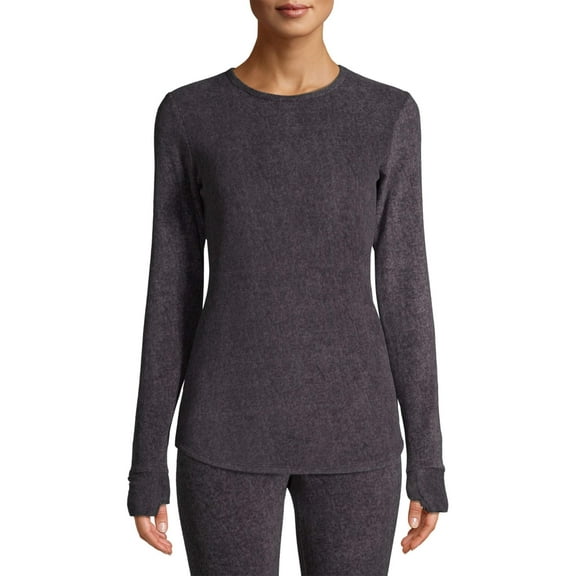
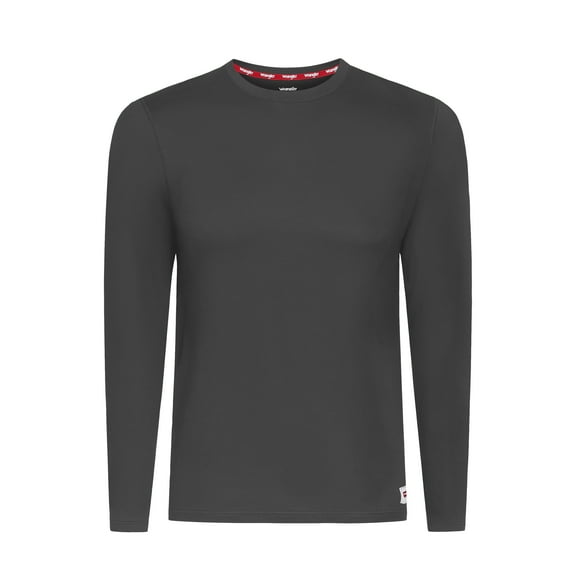
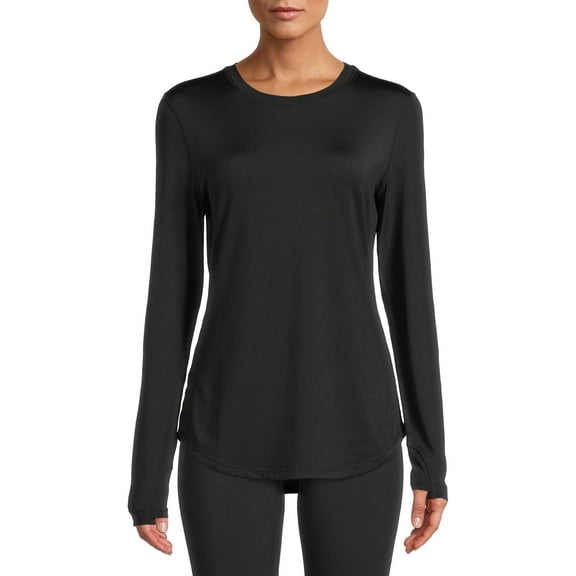
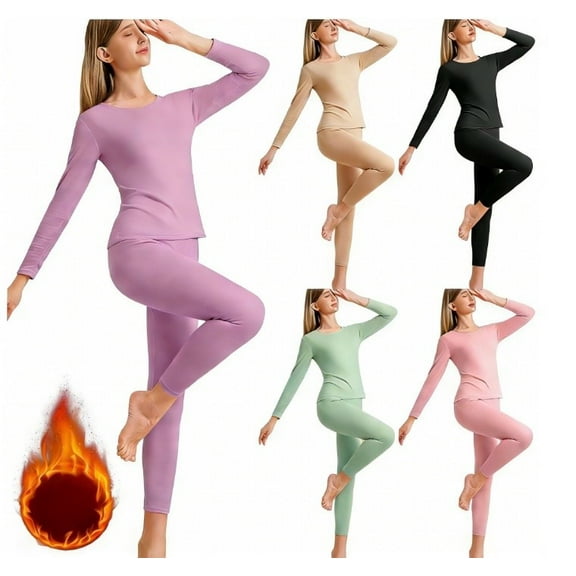
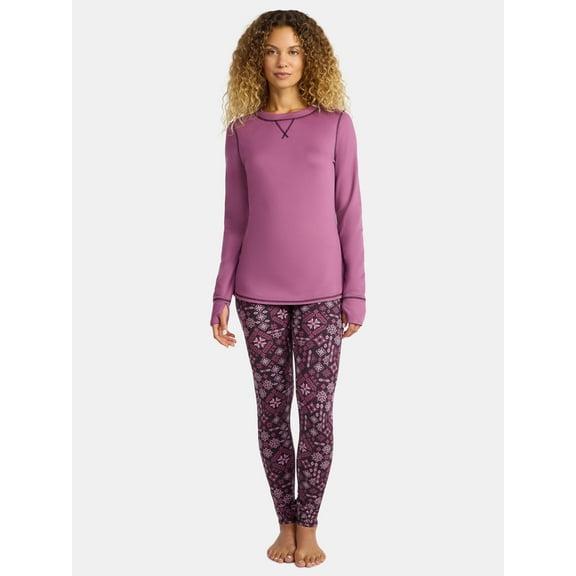
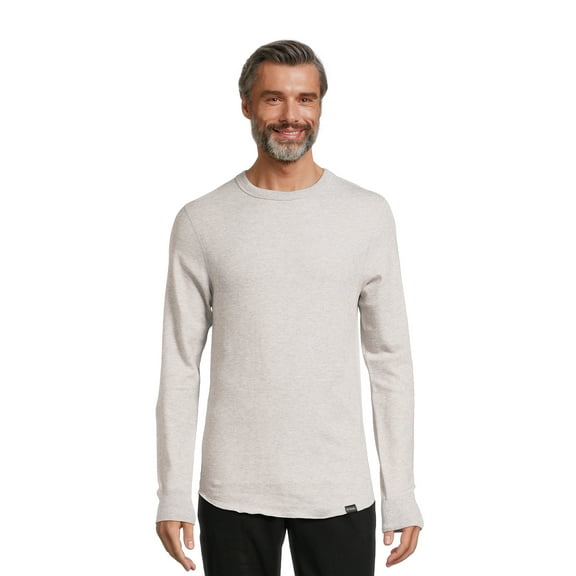
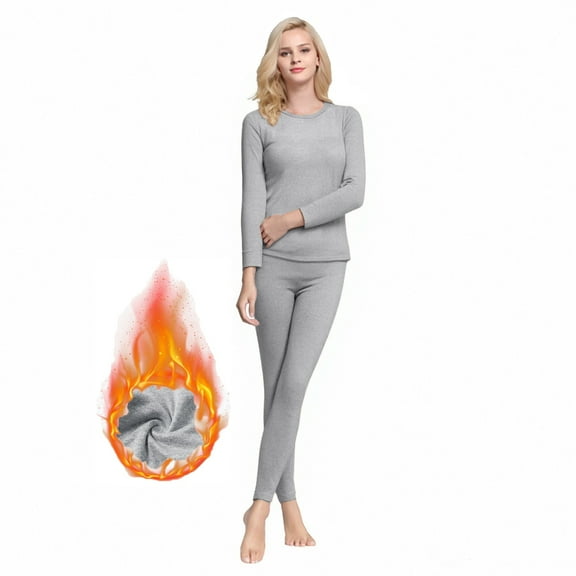
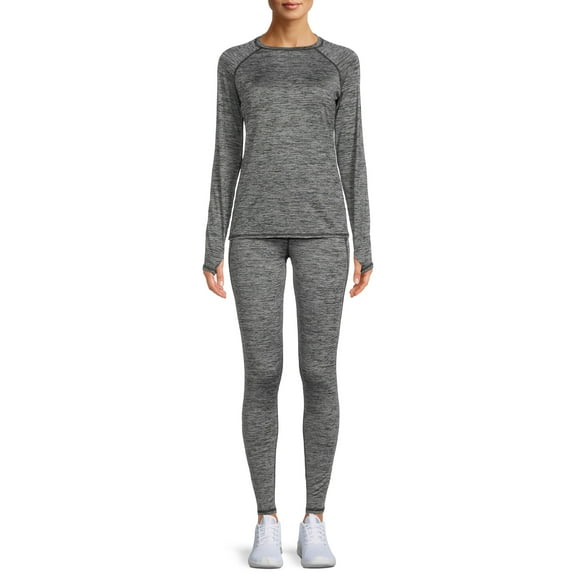
A motorcycle thermal shirt helps you stay comfortable on cold rides while fitting smoothly under your jacket and riding gear. You can compare fabric, weight, fit, and moisture control here, so your layers match your route.
Why choose a motorcycle thermal shirt
When you ride in low temperatures, you need a base layer that adds warmth without bulky seams or extra pressure points. You’ll notice the right layer helps your jacket sit more naturally and move more cleanly.
On longer rides, you want fabric that handles sweat before it turns clammy at highway speeds. You can also use these layers across changing weather, from cool mornings to colder evening returns.
- You get close-to-body warmth that fits under armored jackets and riding pants.
- You can reduce bunching at the waist, sleeves, and knees during longer rides.
- You keep a steadier feel when your route shifts between stops, open roads, and colder air.
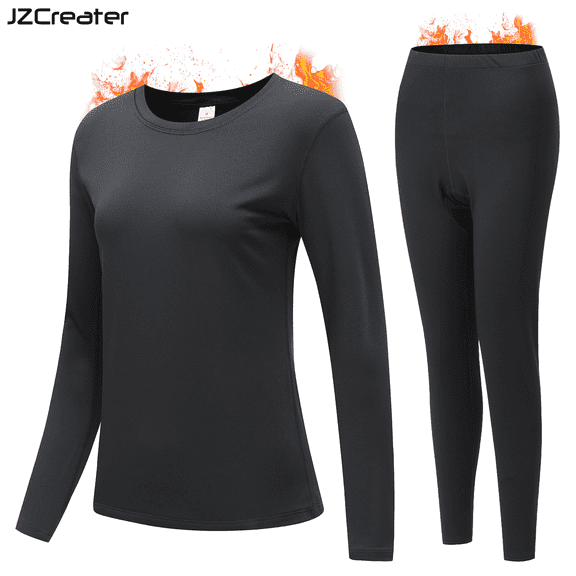
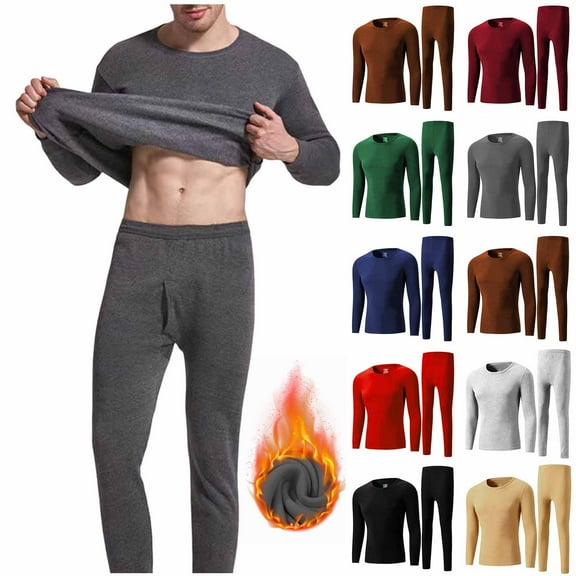
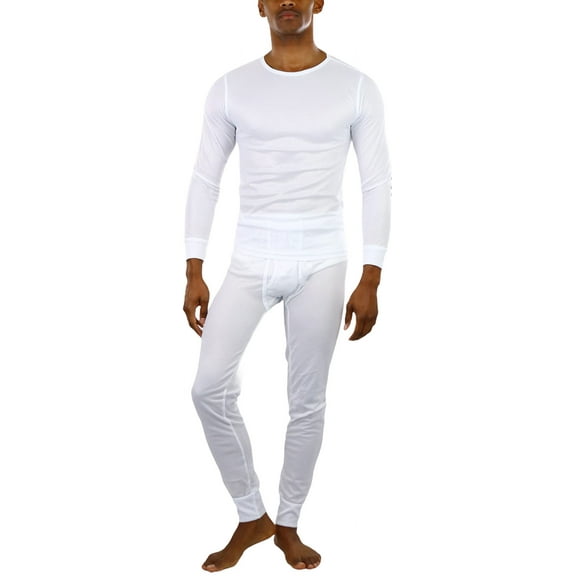
- You can choose matching tops, pants, or one-piece options for fuller coverage.
Because riding gear already adds structure, you need underlayers that stay smooth under leather or textile shells. You’ll appreciate flat, flexible designs that help you focus on throttle, clutch, and body position.
Choosing motorcycle thermal shirt materials
When you compare materials, you should start with how each fabric feels during movement and changing temperatures. You can use that choice to balance warmth, stretch, and day-long comfort.
If you prefer natural temperature regulation, you may consider merino wool for soft comfort during cool rides. If you want quick-drying performance, you might prefer polyester blend fabrics for active commutes.
Nylon can give you a smooth, durable feel that layers easily under fitted riding jackets. Spandex can add stretch, so your shirt moves with your shoulders, elbows, and torso.
You should also compare moisture control because cold-weather comfort depends on staying dry inside your gear. You may want moisture-wicking fabrics for active riding, breathable builds for mixed conditions, or windproof panels for stronger airflow.
Choosing thermal weight and garment type
Thermal weight matters because your ride conditions can change from chilly city streets to freezing highway miles. You should match lightweight, midweight, or heavyweight options to the weather and your outer gear.
If you ride in cool weather or layer under a heavier jacket, you may prefer a lightweight shirt. If you ride through steady winter cold, you might choose midweight or heavyweight layers for extra coverage.
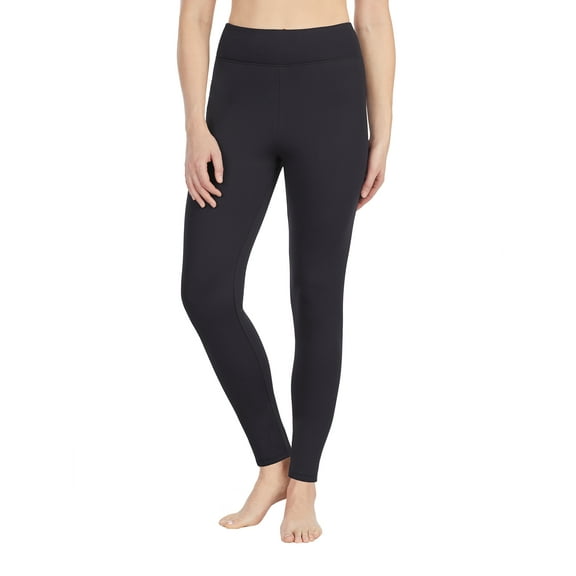
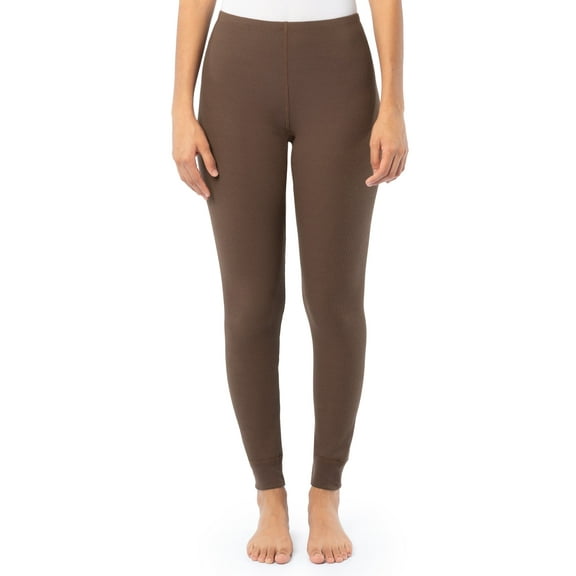
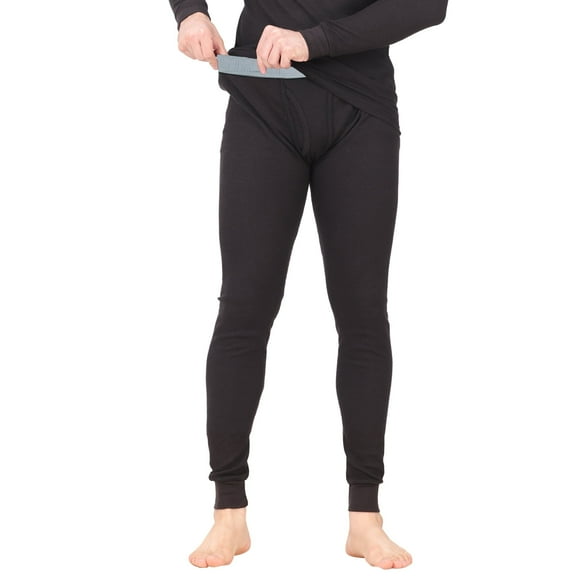
Garment type also changes how you build your setup for the day. You can choose a thermal shirt for upper-body warmth, thermal pants for lower-body layering, or a one-piece suit for full-body coverage.
A one-piece style can help you avoid gaps between your jacket and pants during seated riding. Separate pieces can give you easier mixing when your route, outerwear, or temperature needs change.
Choosing fit for layering under riding gear
Fit affects how your base layer works once you add armor, jacket liners, and riding pants. You should look for a shape that stays close without pulling, twisting, or bunching.
If you want a close hold under snug outerwear, you may choose a compression fit. If you want balanced movement, you might prefer an athletic fit that follows your shape without feeling restrictive.
If you wear roomier outer layers or want a less clingy feel, you may consider a loose fit. You should still check that your layer stays smooth under cuffs, collars, and waistbands.
You’ll want enough stretch for reaching handlebars and leaning through turns without extra fabric shifting around. You can also look for longer hems and sleeves when you want better overlap under riding gear.
Using base layers for real riding conditions
For daily commuting, you may want a motorcycle thermal shirt with breathable, moisture-wicking fabric and a close fit. You can keep your morning ride comfortable without adding too much bulk for the trip home.
For weekend highway rides, you might choose midweight or heavyweight layers with wind-blocking features. You can pair a thermal shirt and pants when open-road airflow makes lighter layers feel insufficient.
For cold trail or dual-sport riding, you may want stretch, breathability, and dependable moisture control. You can stay more comfortable when your pace changes between standing, sitting, and frequent movement.
If you ride in very cold conditions, you may prefer a one-piece suit for continuous coverage. You can reduce exposed gaps around your lower back and waist while staying easier to layer under outer gear.
Care matters too because regular washing affects how your layer feels on the next ride. You should check fabric instructions, drying guidance, and stretch recovery if you ride often in winter weather.
When you choose by material, weight, garment type, fit, and moisture control, your cold-weather setup becomes easier to build. You’ll end up with a layer that sits neatly under your gear and supports steadier comfort on every ride.