

Basement Dehumidifiers in Dehumidifiers
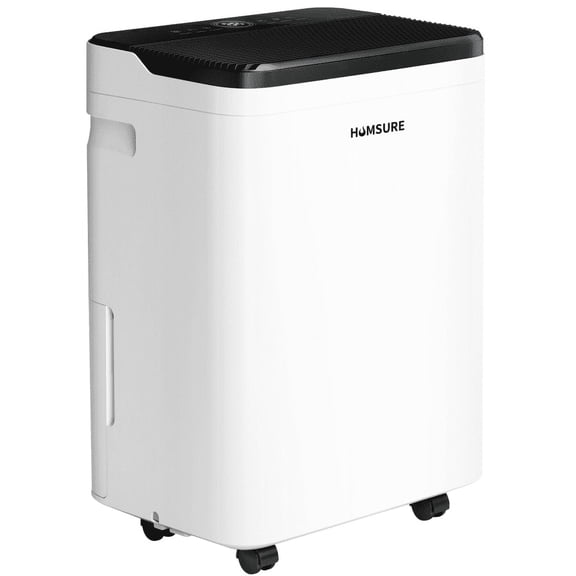

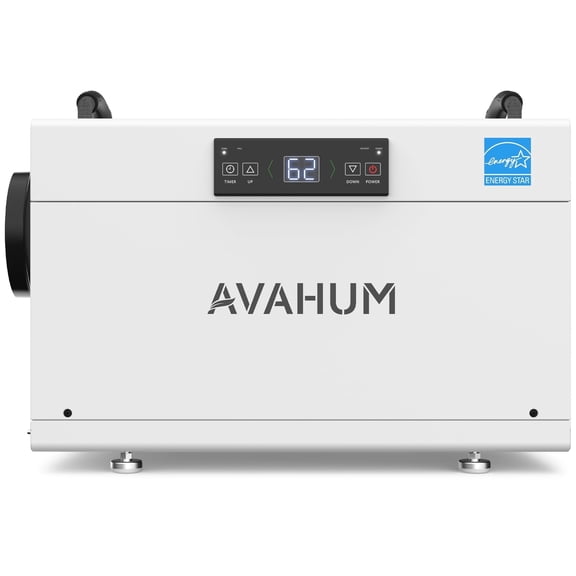

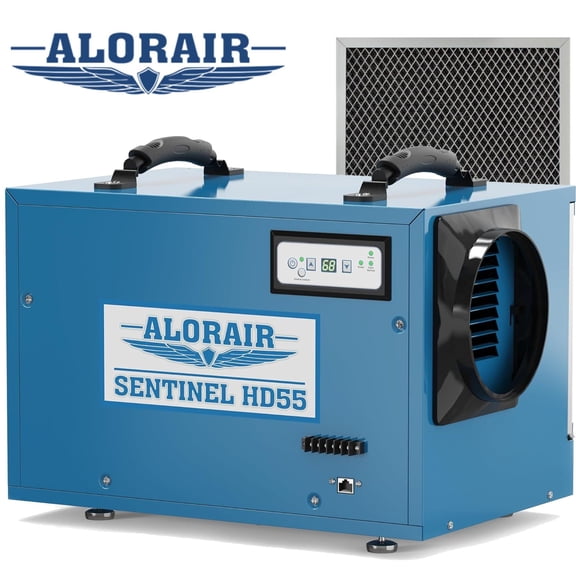

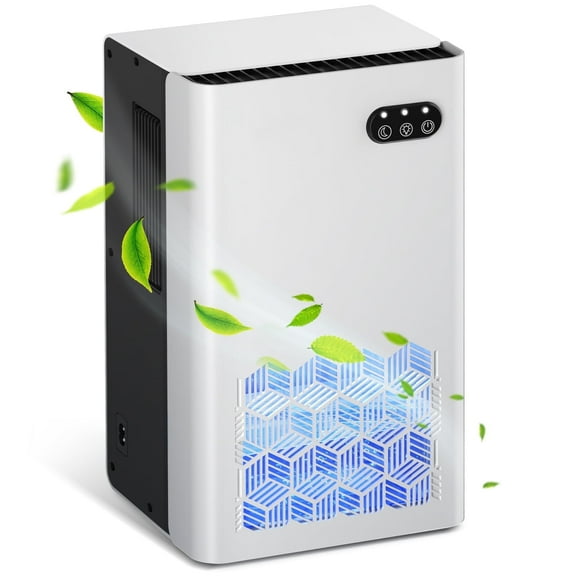








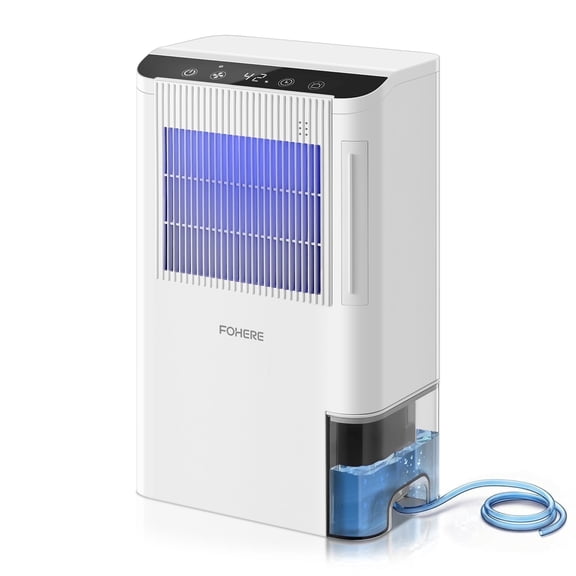


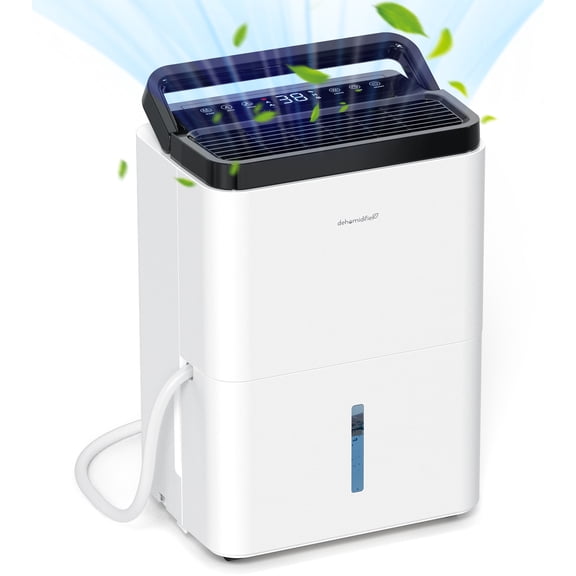
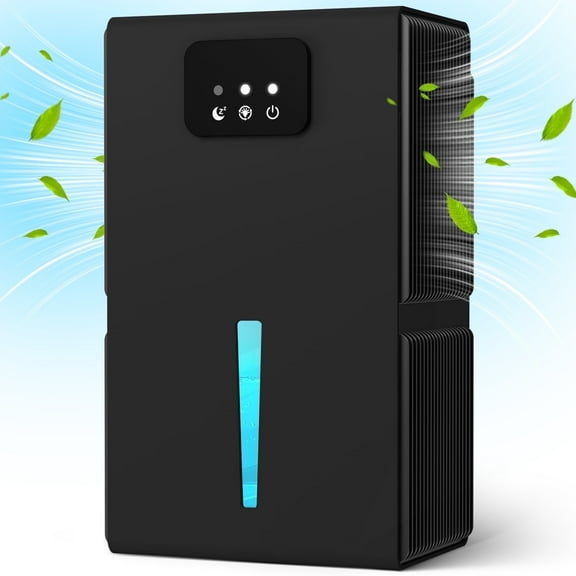


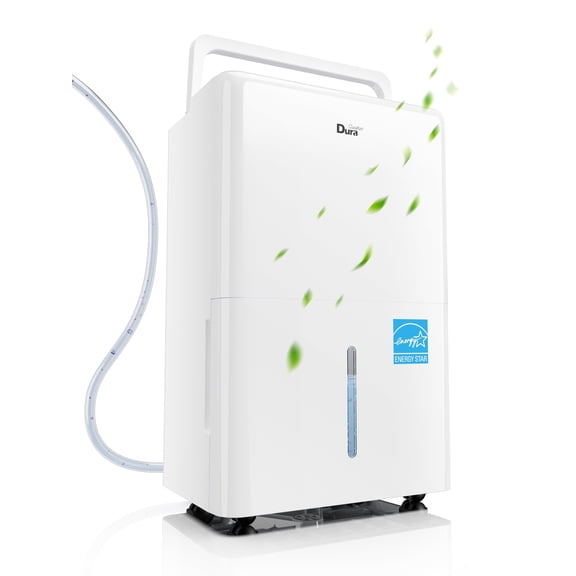







About Basement Dehumidifiers in Dehumidifiers - Walmart.com
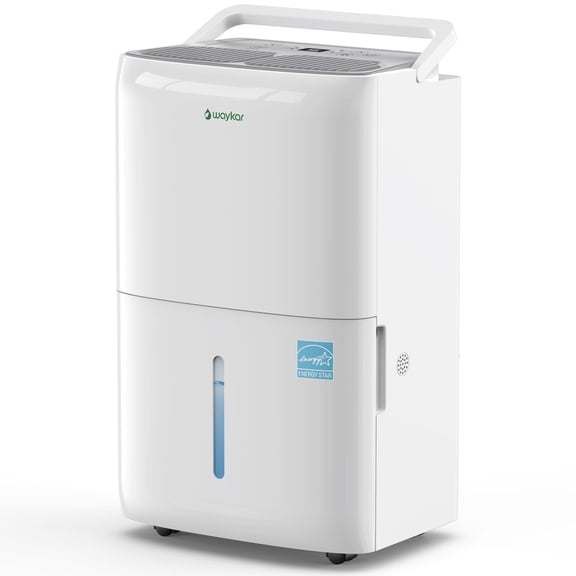
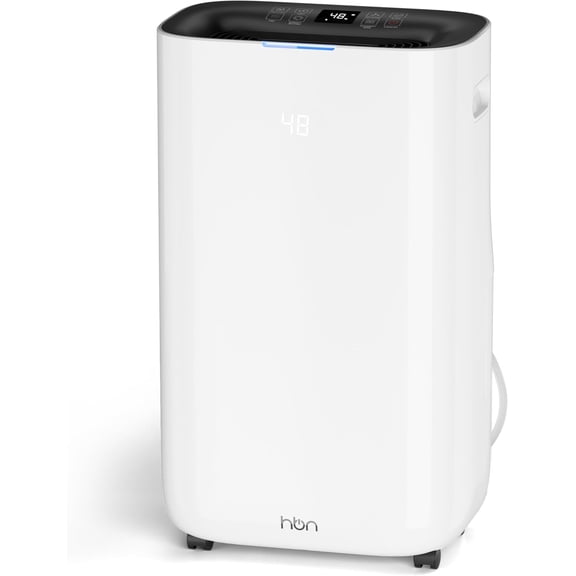
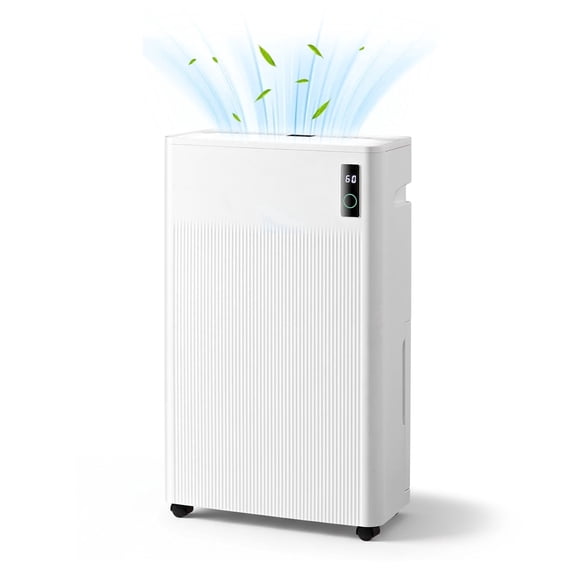
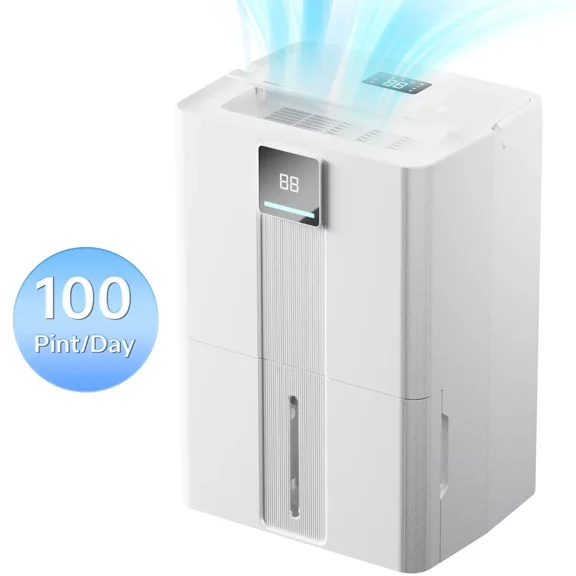
Basement dehumidifiers help you manage damp lower levels with options built for cooler spaces, larger coverage areas, and easier draining in everyday use. You can compare pint capacity, drainage type, and low-temperature features to match your basement layout and moisture level.
How to choose basement dehumidifiers
When you compare basement dehumidifiers, you should start with capacity because it affects how much moisture your unit can remove each day. You can use pint ratings to narrow choices for light dampness, steady humidity, or wetter basements.
For smaller areas under 1,500 square feet, you may prefer 20 to 35 pint models if your basement feels mildly damp. You can move up to 50 pint options when your lower level feels muggy more often.
If you have a larger finished basement, you may want a large basement dehumidifier with coverage up to 3,000 or 4,500 square feet. You can also consider 70 pint or larger units when your space feels consistently humid.
- You can choose lower pint capacities for smaller rooms and lighter moisture.
- You can select 50 pint models for medium basements and regular humidity.
- You can look for 70 pint or larger units for bigger spaces and heavier dampness.
- You can match coverage area to your floor plan for more consistent operation.
As you compare capacities, you should also think about how often your unit may run during humid months. You can often narrow your options faster when you match pints and coverage together.
Choosing a dehumidifier for basement drainage
You should compare drainage styles early because your setup affects daily upkeep and where you can place the unit. You can pick a manual bucket, gravity drain hose, or built-in condensate pump based on your layout.
If you don't mind emptying collected water, you may like a manual bucket model for flexible placement. You can check bucket size and shutoff features so your routine feels more manageable.
When you have a floor drain nearby, a gravity drain hose can give you continuous drainage without frequent emptying. You can use this setup in utility areas where a downward drain path is easy.
If your drain sits higher or farther away, basement dehumidifiers with pump features can move collected water upward or across a room. You can place these units with more flexibility in finished or unfinished basements.
You may also compare hose connection details and pump distance guidance before you choose a dehumidifier for basement use. You can avoid setup surprises by checking whether your drain route fits your room.
What to look for in cold basement operation
You should pay close attention to operating temperature because many basements stay cooler through fall and winter. You can look for low-temperature operation and auto-defrost when your lower level runs cold.
Auto-defrost matters because you want steady moisture removal without constant stopping in chilly spaces. You can think of this feature as extra support for cooler conditions and seasonal basement use.
If you also shop for a crawl space dehumidifier, you may notice similar language around low-temp performance and compact placement. You can use that comparison when your basement has storage zones, utility corners, or narrow access areas.
You should also review airflow direction, filter access, and wheel design if you plan to move your unit between rooms. You can make routine use easier when those practical details fit your space.
Key features that affect everyday use
You can compare controls and efficiency features to find a unit that fits your routine, not just your room size. You may want digital humidity settings, timer functions, and clear water level alerts.
Energy Star certification can matter if you expect long run times during humid months. You can use it as a simple way to compare operating efficiency across similar capacities.
You may also look for washable filters because they can make regular maintenance simpler in dusty basement environments. You can check whether the filter slides out easily from the front or rear.
If noise matters in a finished lower level, you should review fan settings and placement options before choosing. You can often get more comfort by matching unit size and airflow to your actual room.
Matching basement dehumidifiers to your space
You can use your basement layout to narrow the field faster when several sizes and features seem similar. You may prefer a small basement dehumidifier for a laundry corner, workshop, or single storage room.
For a wide open lower level, you may lean toward a large basement dehumidifier with higher pint removal and broader coverage. You can pair that capacity with continuous drainage for less hands-on upkeep.
If your basement includes bedrooms, media space, or frequent foot traffic, you should consider caster wheels and easy controls. You can make day-to-day adjustments faster when the display stays readable and accessible.
When your setup includes stairs, utility sinks, or distant drains, you may prefer basement dehumidifiers with pump features for placement flexibility. You can keep the unit where moisture collects instead of parking it by a drain.
You should choose with your room size, dampness level, drain access, and seasonal temperature in mind. You can feel more confident when your dehumidifier matches how your basement actually works.