

Basketball in Sports



























About Basketball in Sports - Walmart.com
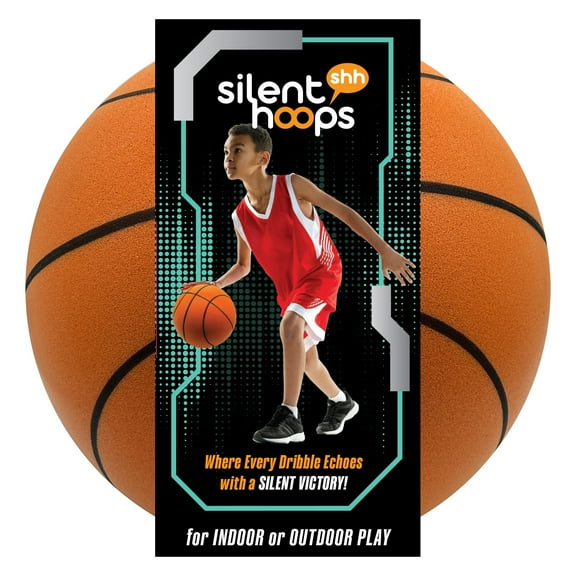
Basketball choices become clearer when you compare size, surface use, and cover material first. You can match your court, your practice style, and your player with less guesswork.
You may shop this category for gym runs, driveway games, or league practice. You can also compare basketball gear and basketball equipment that support drills, setup, and regular play.
How to choose a basketball for your court
Your court surface should guide your first decision. You can narrow options quickly by choosing indoor, outdoor, or indoor outdoor basketball use.
On hardwood, you may want an indoor basketball with a soft cover and steady grip. You may often notice composite leather or genuine leather surfaces feel controlled during gym drills.
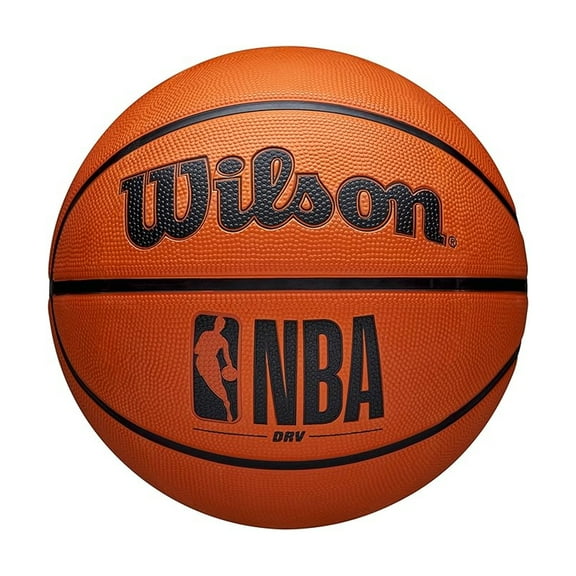
For concrete or asphalt, you should look for an outdoor basketball with a durable rubber cover. You can expect rubber to handle rough surfaces and repeated dribbling consistently.
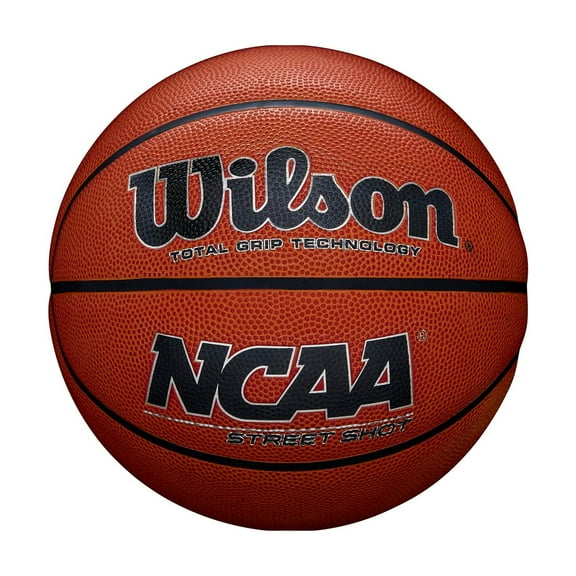
An indoor outdoor basketball works well when your routine includes both school gyms and driveway games. You can use a hybrid cover when your week mixes practice, pickup runs, and home shooting.
- You can choose rubber when your court surface is rough and abrasive.
- You can choose composite leather when your play centers on indoor training and game-like handling.
- You can choose genuine leather when your focus is break-in feel and hardwood use.
- You can compare indoor basketball and outdoor basketball options by grip, bounce, and cover durability.
Choosing the right basketball size
Size matters early, because the wrong diameter can change your control and shooting rhythm. You can use a simple size guide before you compare materials or covers.
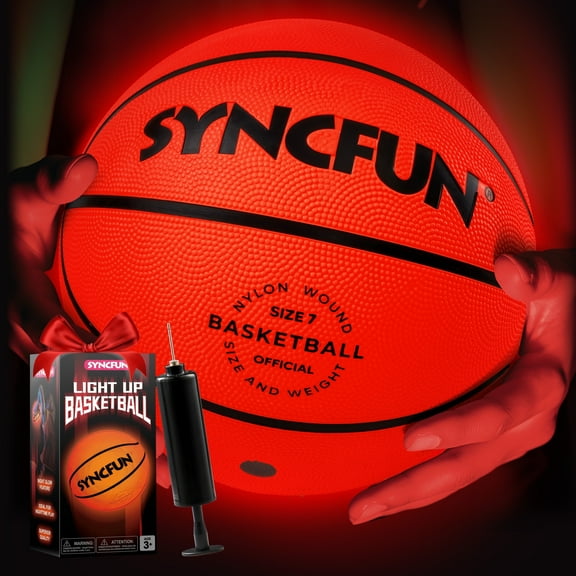
For many adult and high school games, you can usually look for a regulation basketball in basketball size 7. You can identify size 7 by its 29.5-inch circumference used in many competitive settings.
If your league or training plan calls for an intermediate fit, you may choose size 6. You can use the 28.5-inch circumference when your player needs a slightly smaller grip.
You may prefer size 5 for younger players who need manageable control during passing and shooting drills. You can also choose mini options when your focus is casual play, skills work, or display.
What to look for in basketball materials and construction
Material affects grip, bounce feel, and surface compatibility, so you should compare it early. You can narrow choices quickly by deciding between rubber, composite leather, and genuine leather.
A rubber basketball suits outdoor sessions when you want an easy-care cover for blacktop or driveway practice. You can usually get a textured surface that supports park runs and repeated dribbling.
Composite leather fits indoor training when you want a game-like touch for passing and shooting work. You can expect a soft hand feel that supports gym practice and controlled ball handling.
Genuine leather may appeal to you when hardwood play and break-in feel are a priority. You should keep that material focused on indoor use, where the cover matches gym surfaces.
Technical details can also guide your choice when organized play matters to you. You can check regulation basketball measurements and NFHS approval when competitive high school specs are decision-critical.
Channel depth and pebble texture shape how the ball sits in your hands during drills. You can check whether the surface supports crossover moves, free throws, and rebounding practice.
Checking inflation type and basketball equipment needs
Inflation type affects convenience, so you should check it before you decide. You can compare traditional designs that need a pump with never flat basketball options.
With a traditional ball, you should plan for a pump and needle in your basketball equipment setup. You can adjust air pressure to match your preferred bounce and court feel.
A never flat basketball can suit grab-and-go practice when you want less routine upkeep. You can keep one ready for school breaks, driveway sessions, or quick shooting work.
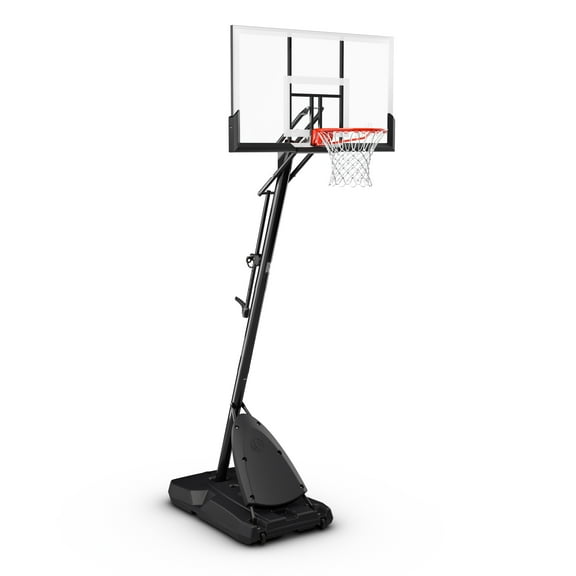
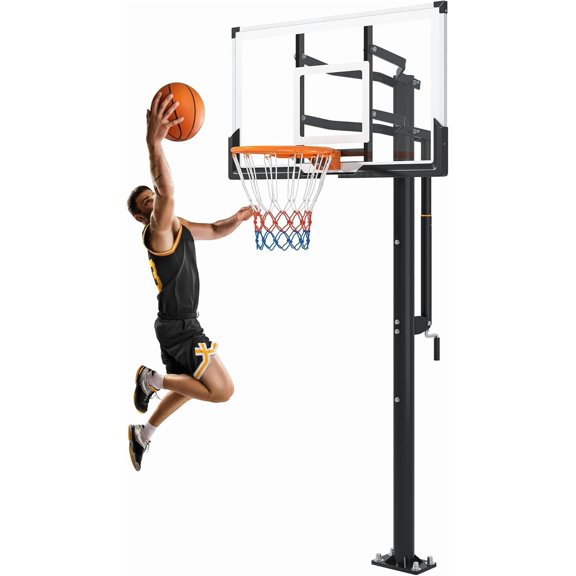
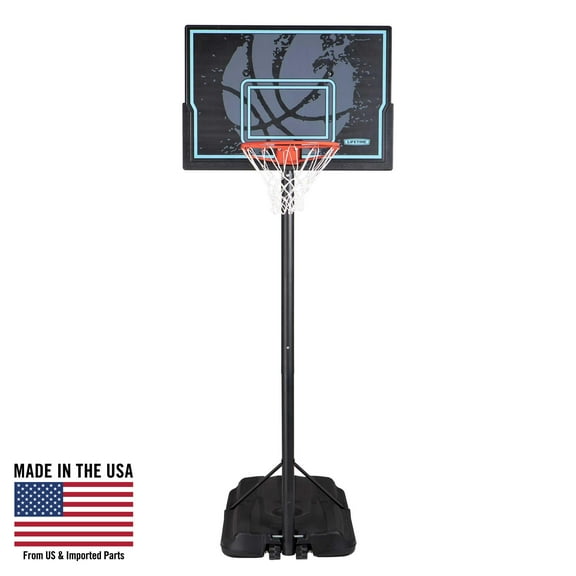
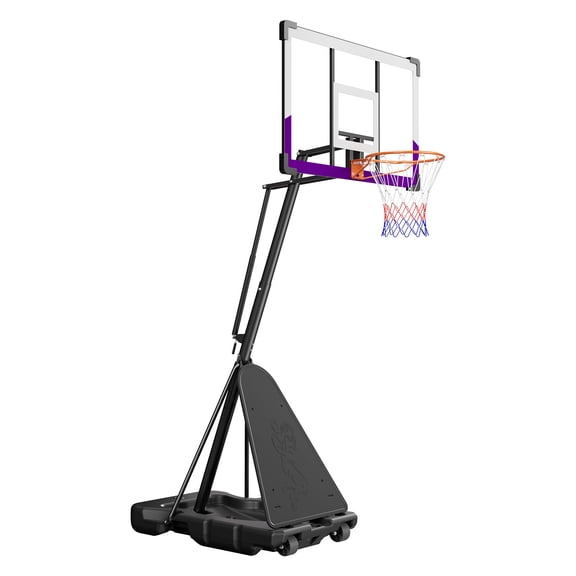
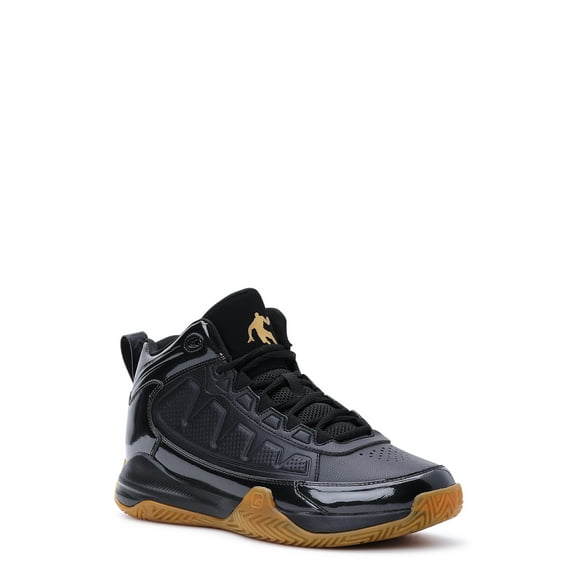
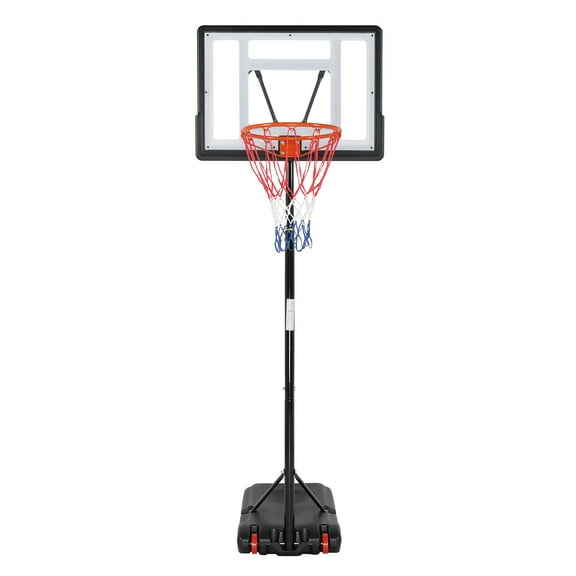
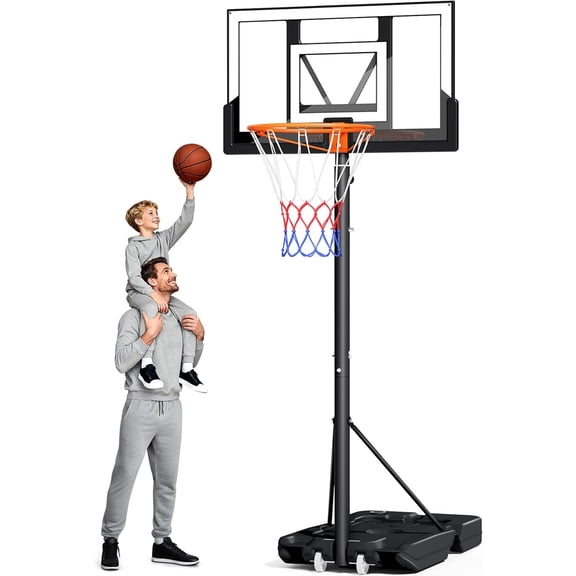
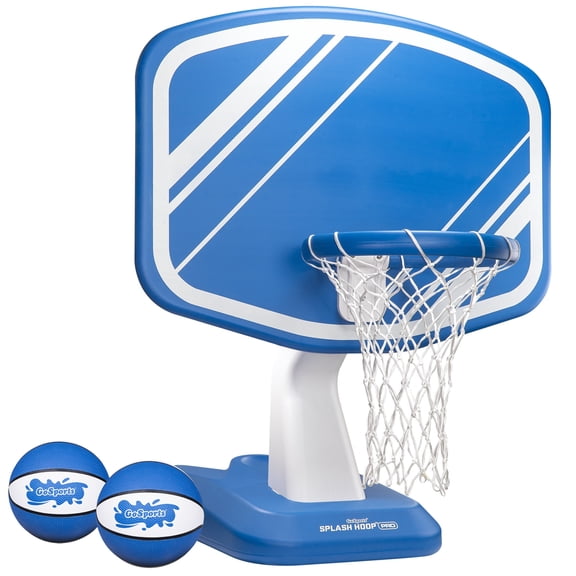
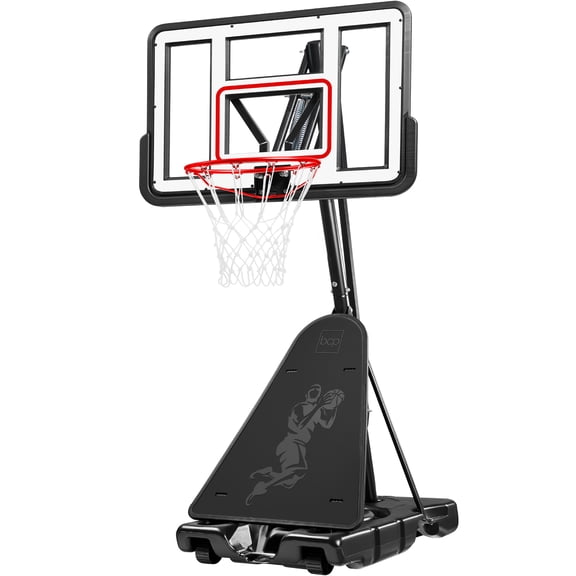
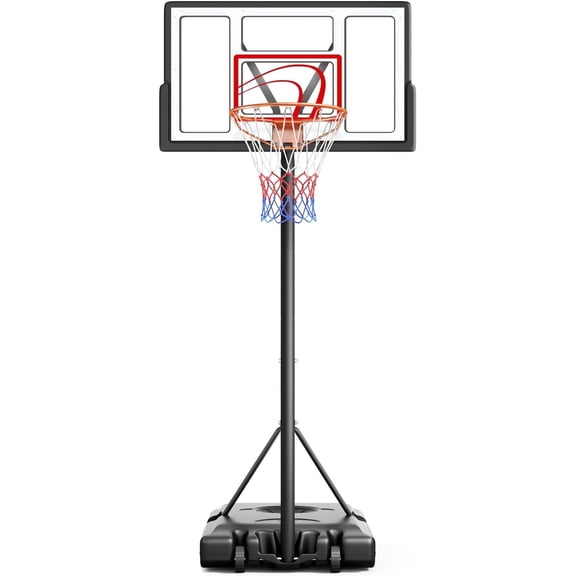
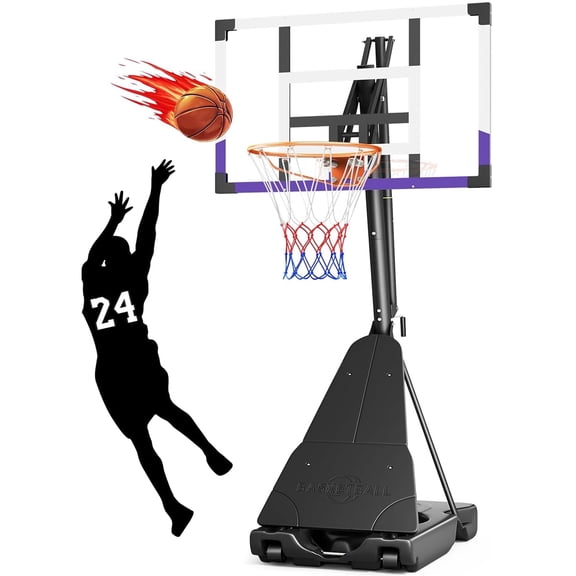
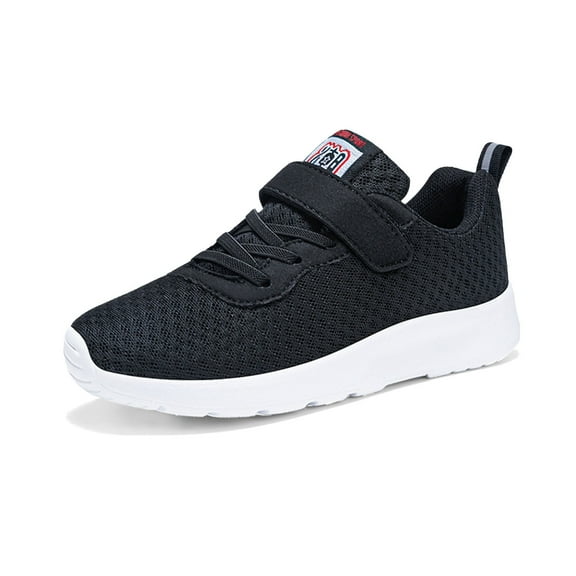
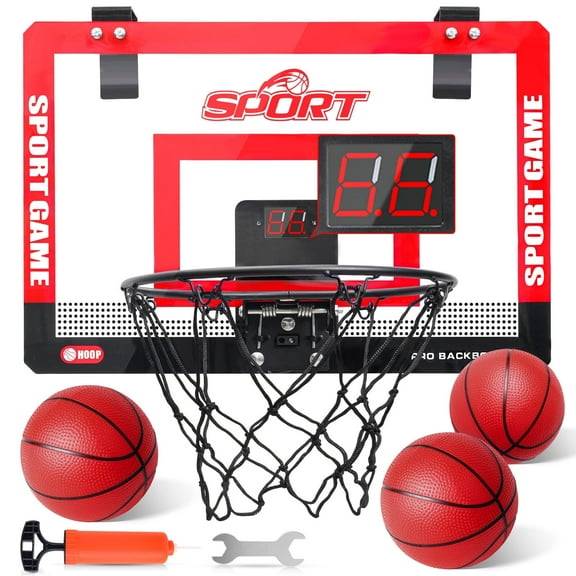
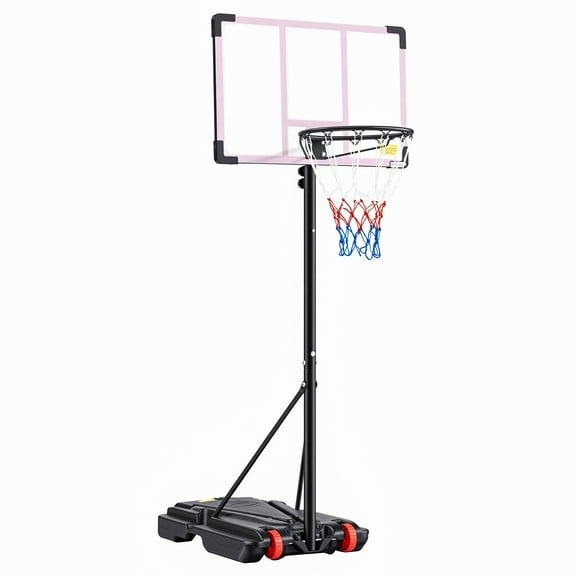
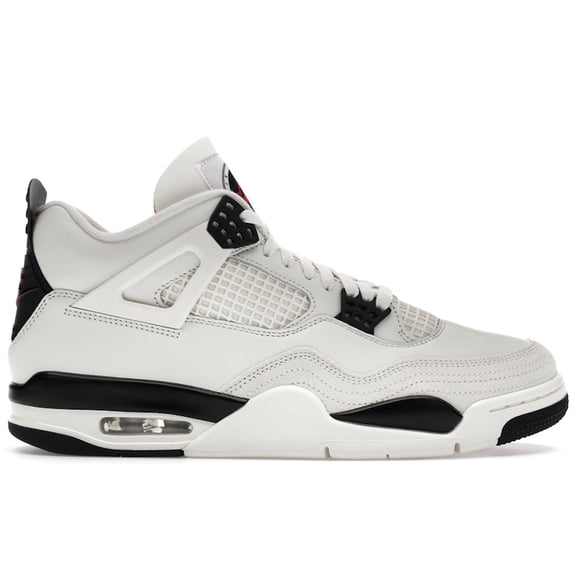
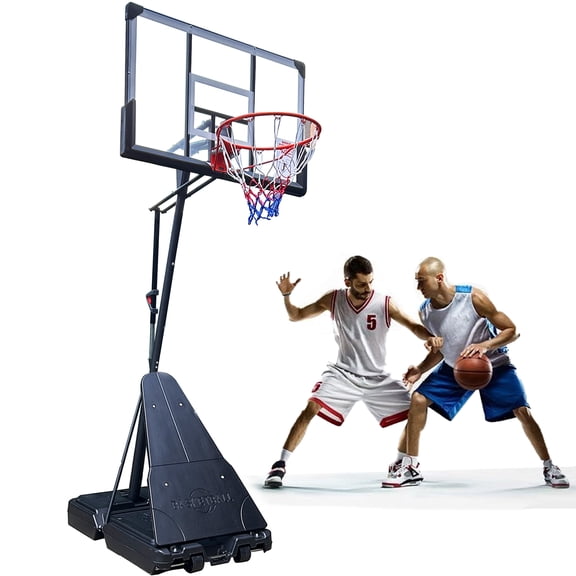
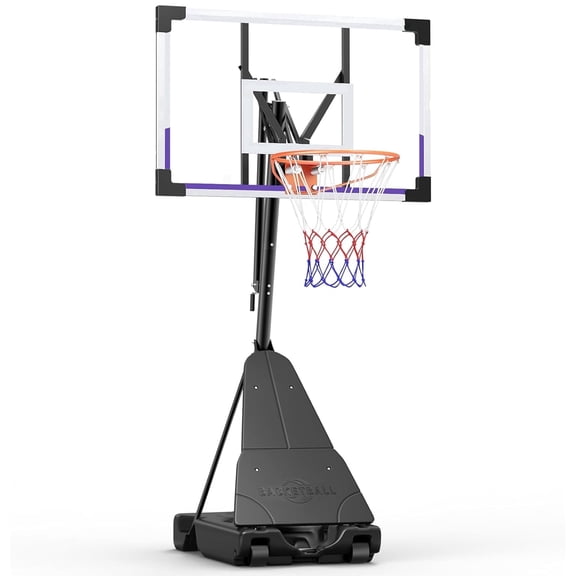
Your setup may also include basketball gear that supports regular practice and game prep. You can pair your ball with a portable basketball hoop, backyard basketball hoop, nets, and basketball shoes.
Matching basketball choices to how you play
Solo drills call for the right circumference, steady grip, and bounce that matches your court. You can build shooting habits efficiently when your basketball fits your hands and surface.
Team practice changes what you should compare before choosing a game ball or training ball. You can weigh league specs, cover feel, and repeated-use durability during weekly gym sessions.
Outdoor play demands a durable cover that stands up to rough courts and repeated contact. You can keep your dribble predictable when your outdoor basketball matches concrete and asphalt use.
School athletes should measure their ball against team rules before practice or competition begins. You can check whether size, weight, and NFHS approval line up with your high school requirements.
A full setup works well when each piece supports the way you train. You can compare basketball gear across balls, hoops, nets, and accessories to keep practice organized.
Basketball decisions feel simpler when you compare size, surface use, material, and inflation type first. You can choose equipment that fits your court, your routine, and your next session.