

Bathroom Tile & Bathroom Wall Tiles


































About Bathroom Tile & Bathroom Wall Tiles - Walmart.com
Bathroom tile helps you build a space that handles moisture, daily traffic, and frequent cleaning with style that fits your bathroom. You can compare bathroom floor tile options by material, finish, shape, and wear rating before you start your project.
How to choose bathroom tile by material
When you compare materials, you should start with where your tile will go and how much water it will face. You’ll usually notice porcelain suits busy bathrooms, while ceramic can simplify many wall and light-traffic updates.
If you’re choosing bathroom floor tiles, you should look at water absorption and surface strength first. You may prefer porcelain for floors and shower areas because you get a denser body and a durable finish.
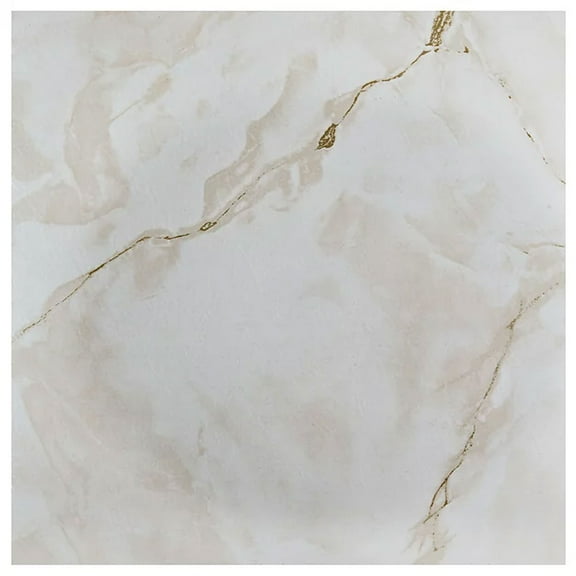
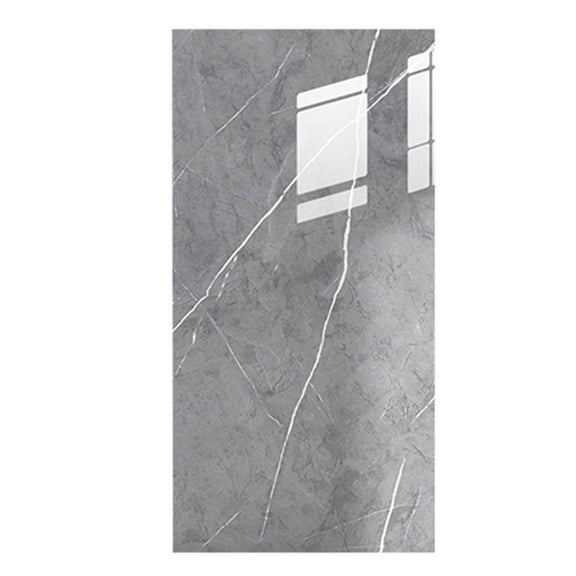
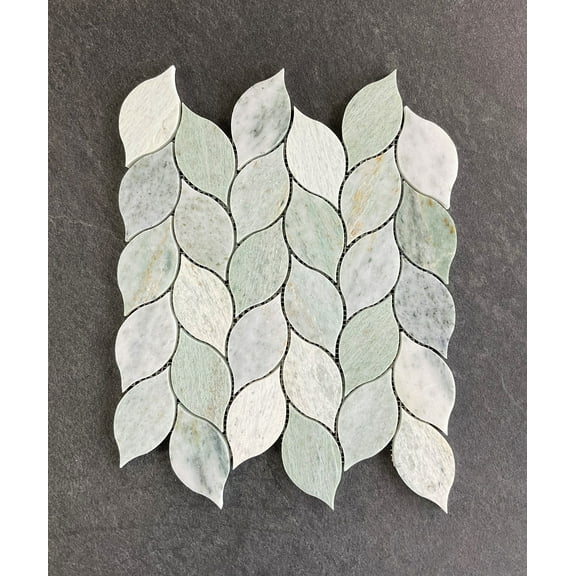
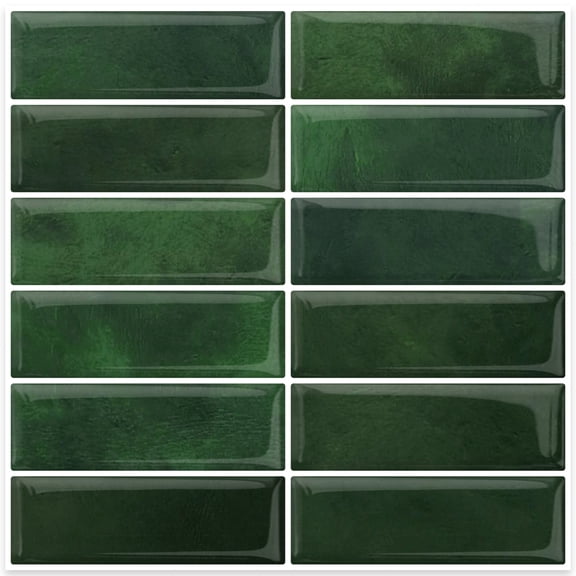
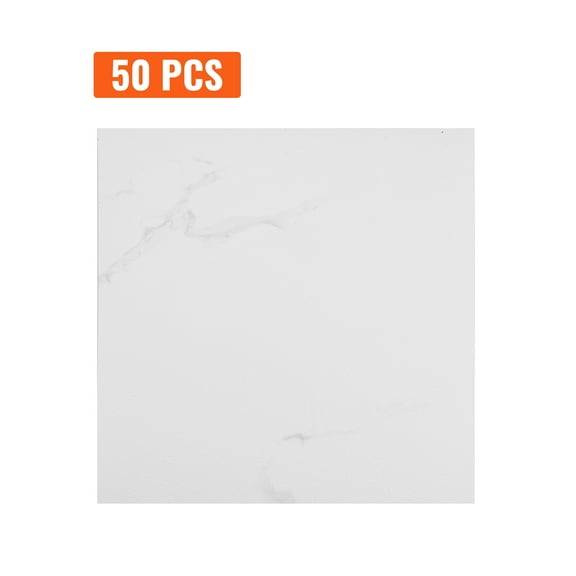
Glass can give your walls or backsplash a bright, reflective look that helps smaller bathrooms feel more open. Natural stone and marble can add distinct variation, but you should check sealing needs before you choose them.
Choosing the right application area
You should match your bathroom tile to the exact surface you’re covering, because floors, walls, showers, and backsplashes need different performance traits. You’ll get a smoother decision when you compare tile by use instead of color alone.
- You should choose bathroom floor tile with traction, wear resistance, and easy-clean surfaces for daily foot traffic.
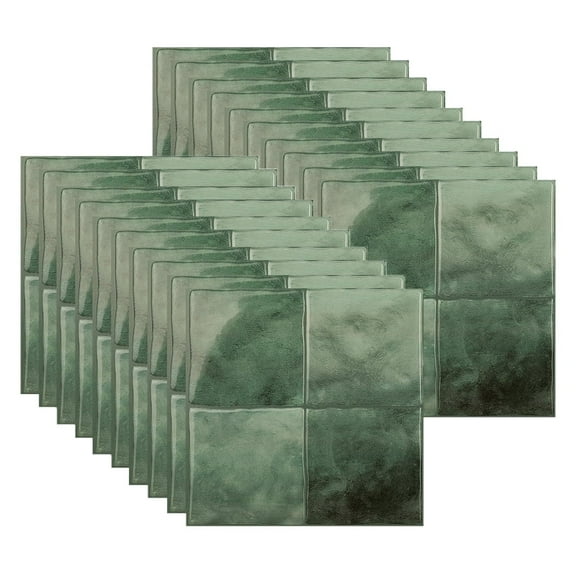
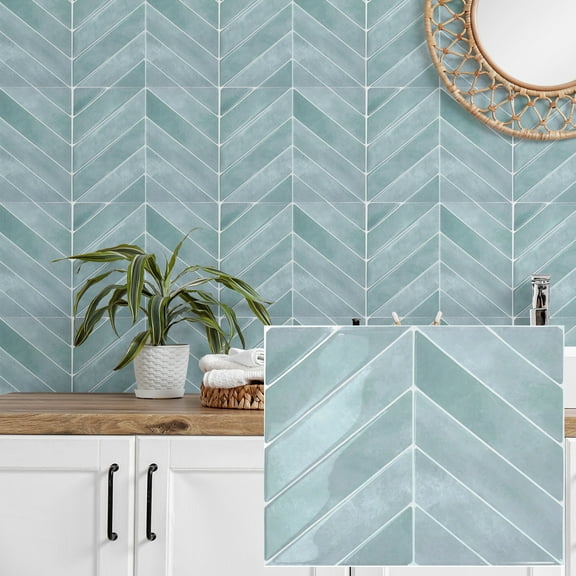
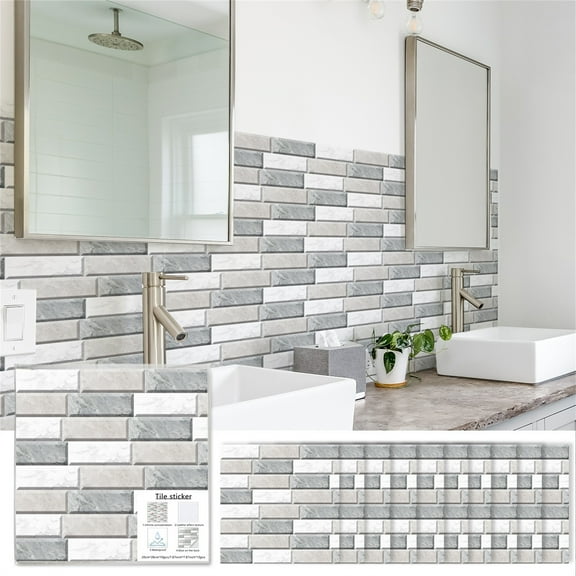
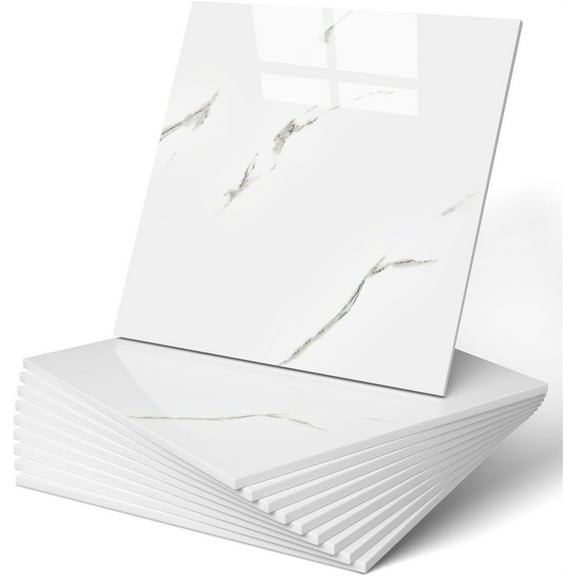
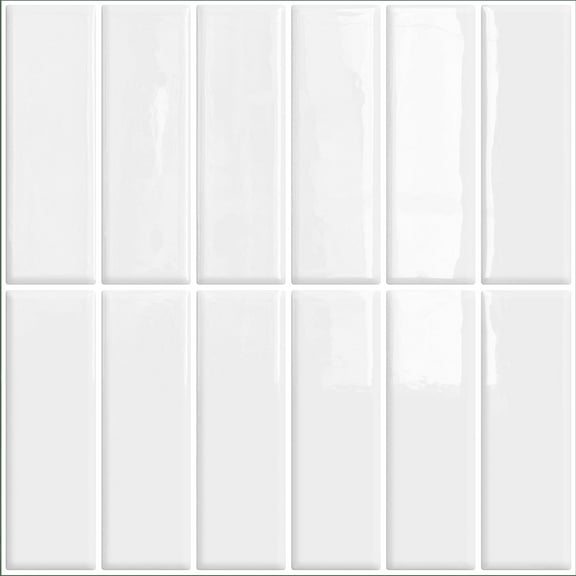
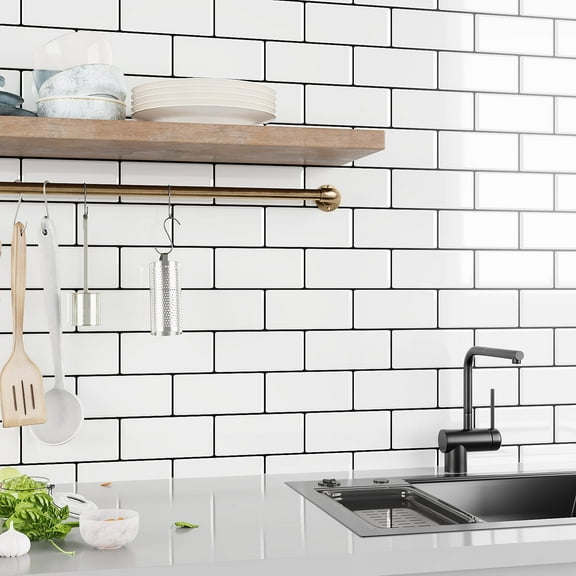
- You may use wall tile to create a lighter visual look, especially with subway, mosaic, or glossy finishes.
- You should check shower tile for wet-area suitability, including slip-focused textures for shower floors.
- You can use backsplash tile to add contrast behind sinks, mirrors, and vanities without covering the whole room.
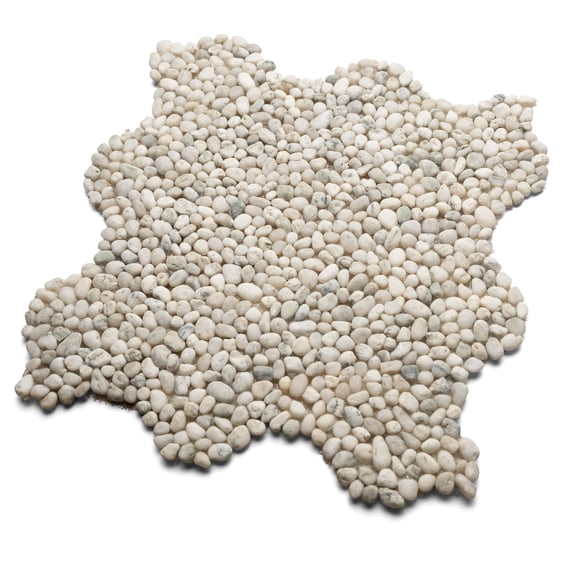
For shower floors, you should consider smaller formats like mosaic or penny shapes because you get more grout lines underfoot. You’ll often find those layouts easier to fit around drains and shower slopes.
What to look for in finish and texture
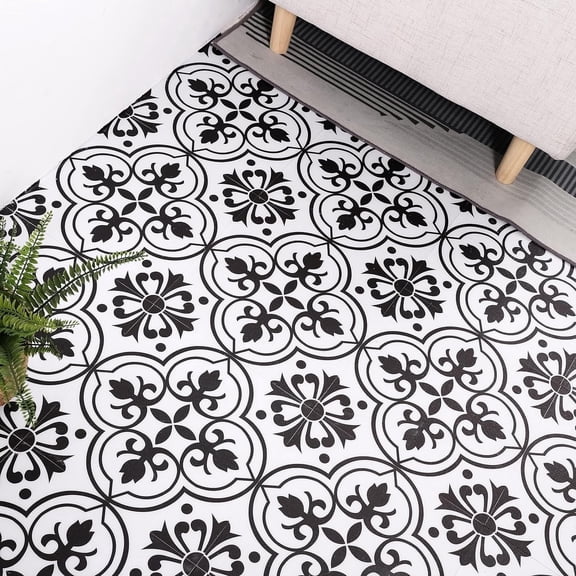
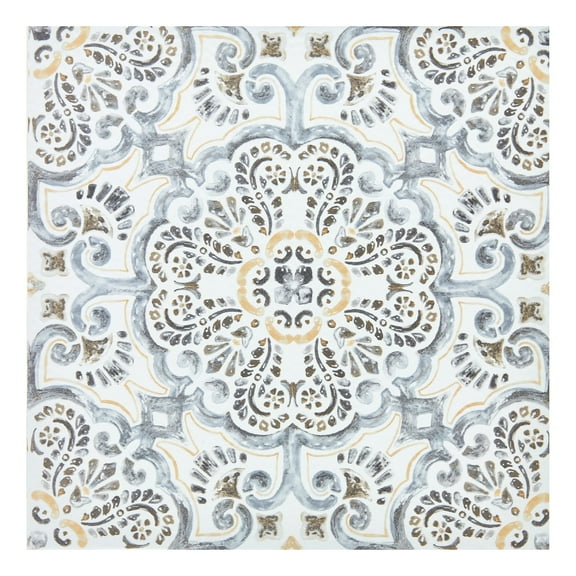
Finish changes how your tile looks and how it feels underfoot, so you should compare matte, glossy, textured, and polished surfaces carefully. You’ll often want one finish for bathroom floor tile and another for walls.
Matte and textured surfaces can give your bathroom floor tile a steadier feel in wet spaces. Glossy and polished options can brighten walls, but you should confirm they fit your floor plans before you install them.
If wet shower floors are part of your project, you should also check DCOF slip-resistance information when it’s provided. You’ll use that rating to compare traction in plain terms before you commit to a tile style.
Comparing shapes and styles for your layout
Shape affects both style and installation, so you should compare subway, mosaic, hexagon, penny, and large format options with your room size. You’ll often notice each layout changes grout lines, visual scale, and pattern direction.
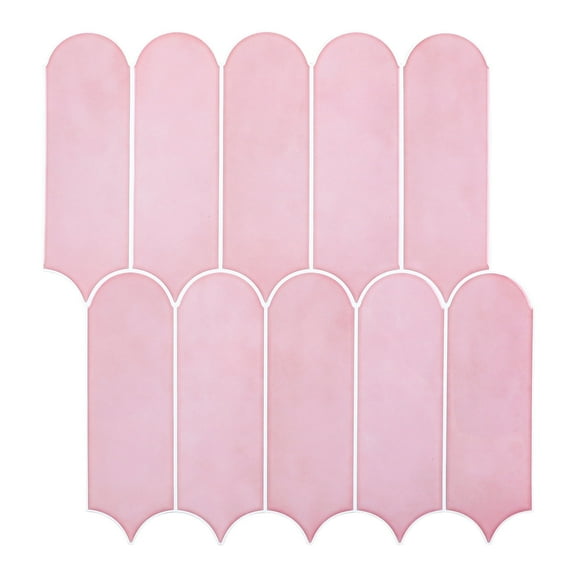
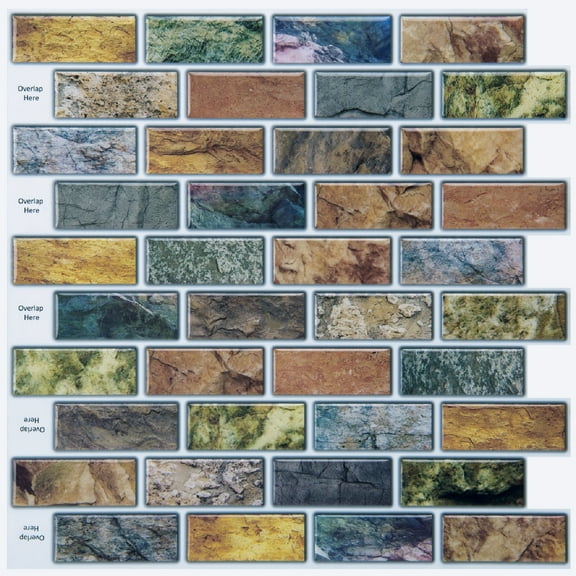
Subway tile can help you create a clean wall pattern that works around vanities, tubs, and shower surrounds. Mosaic and penny designs can add detail in niches, shower pans, and accent strips where you want more movement.
Hexagon tile can give your bathroom a geometric look, while large format pieces can reduce visible grout lines on broad surfaces. You should measure carefully, because larger tiles may need flatter substrates and tighter layout planning.
Understanding water resistance and PEI ratings
When you choose bathroom floor tiles, you should check PEI ratings because they indicate how the glazed surface handles wear. You’ll generally use PEI 1 for walls, while PEI 3 or PEI 4 often fits active bathroom floors.
If you’re comparing shower and floor options, you should treat PEI as one part of the decision. You also need to consider texture, tile size, and DCOF details when water will be present every day.
Porcelain and ceramic differ here in ways you can see during planning. You’ll often pick porcelain when your bathroom needs lower water absorption and stronger performance in wet zones.
Planning quantities, grout, and installation details
You should measure the length and width of each area, then multiply them to estimate square footage. After that, you should add about 10% extra so your project covers cuts, breakage, and pattern matching.
If your room has a niche, bench, or angled wall, you should measure those sections separately for a clearer total. You’ll avoid frustrating gaps when your order includes enough material for edge cuts and future touchups.
Grout and sealant choices also depend on your tile type, so you should check product guidance before installation. You may need different grout considerations for glass, while natural stone and marble may require sealing support.
Tile spacers, thinset, backer board, and trim pieces can affect your finished look just as much as the tile itself. You should compare these setup details early, so your bathroom tile layout stays consistent from wall to floor.
How bathroom tile choices fit real projects
If you’re updating a small guest bath, you might pair glossy subway wall tile with matte bathroom floor tile for contrast. You’ll get light-reflecting walls and a steadier surface where people step out of the shower.
For a primary bath remodel, you may choose porcelain on floors and shower walls when you want a coordinated look. You can add mosaic flooring in the shower area to follow the slope and create added traction.
When you want a decorative vanity wall, you might use glass or marble mosaic as a backsplash feature. You’ll create texture around mirrors and sinks without committing to a full-room pattern.
If your bathroom sees frequent daily use, you should compare PEI 3 and PEI 4 options for floors first. You’ll narrow your choices faster when your shortlist already matches moisture, wear, and cleaning expectations.
With the right bathroom tile decisions, you can create a bathroom that feels cohesive and works for everyday routines. You’ll get a finish that fits your layout, moisture level, and style goals with fewer installation surprises.