

Beakers Near Me: Glass & Plastic Science Beakers | Walmart




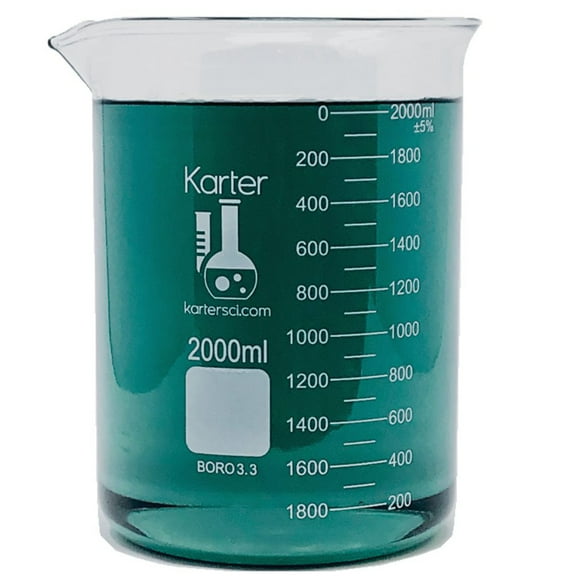
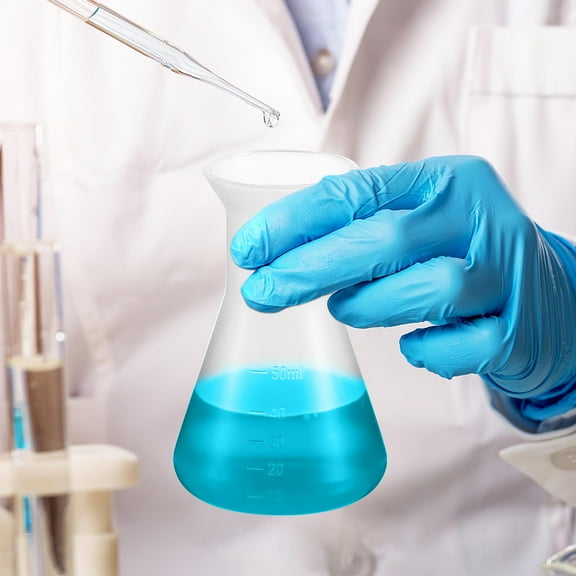

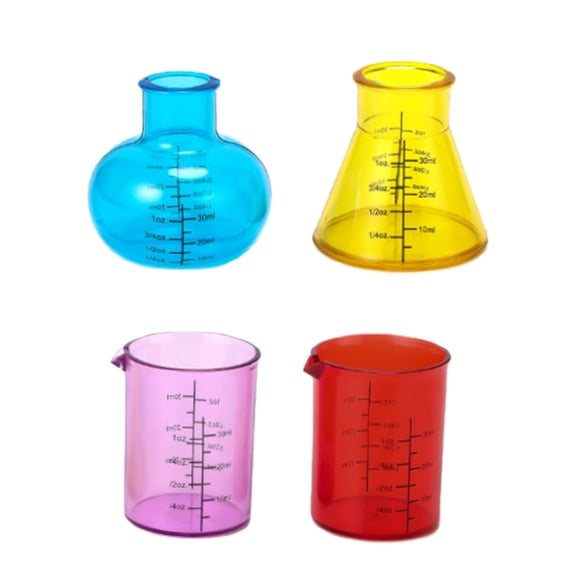
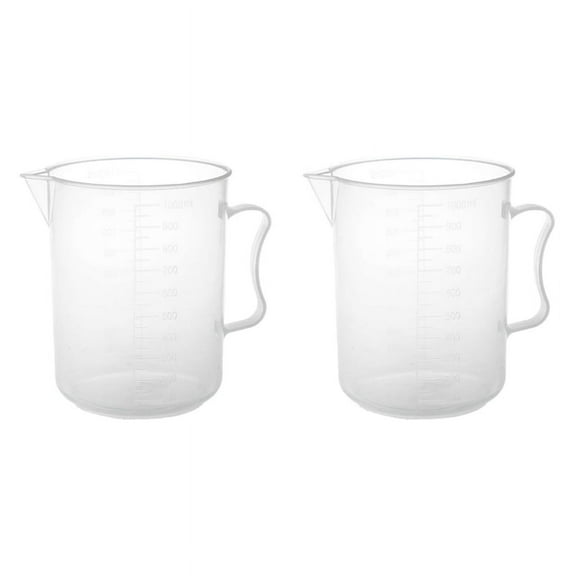








About Beakers Near Me: Glass & Plastic Science Beakers | Walmart - Walmart.com
Beakers help you measure, mix, and pour with more control in labs, classrooms, and craft spaces. You can compare materials, capacities, and graduations here, so your setup matches your exact task.
If you're choosing laboratory beakers for repeated use, you should focus on material behavior and readable markings first. You can also narrow options faster when you compare spouts, rims, and size ranges together.
How to choose beakers by material
When you compare glass beakers and plastic beakers, you should start with the liquids, temperatures, and handling needs in your space. You can often match the right material by deciding whether clarity, heat handling, or lighter weight matters more.
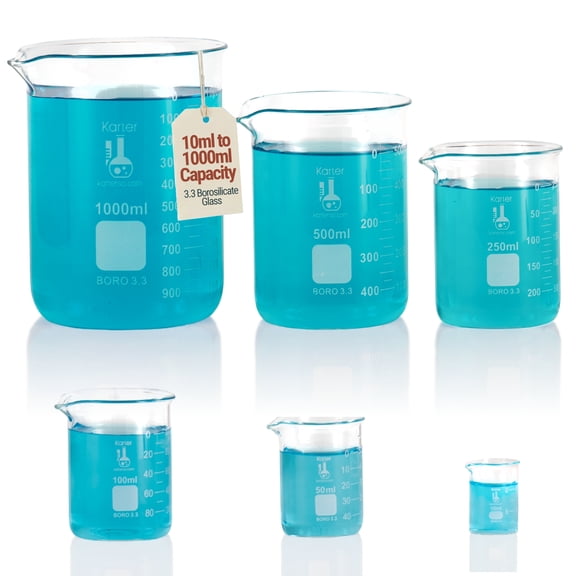
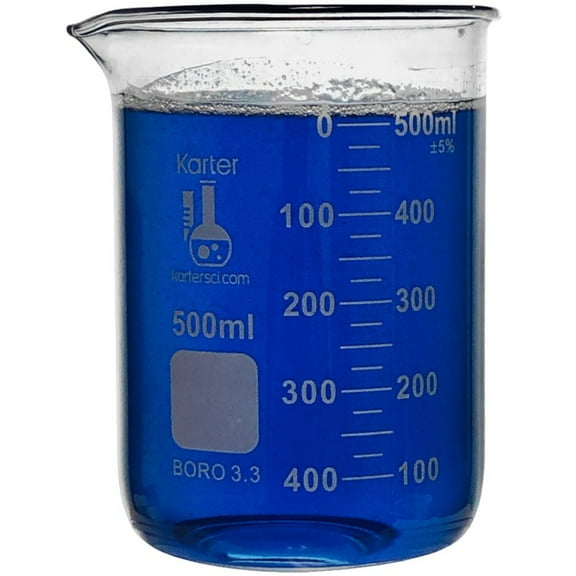
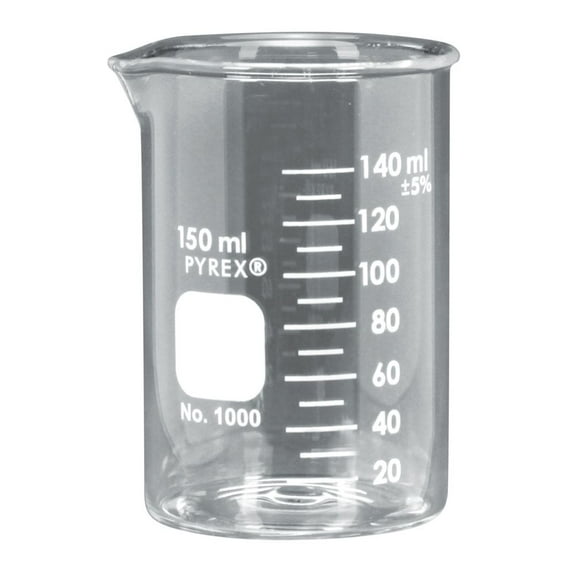
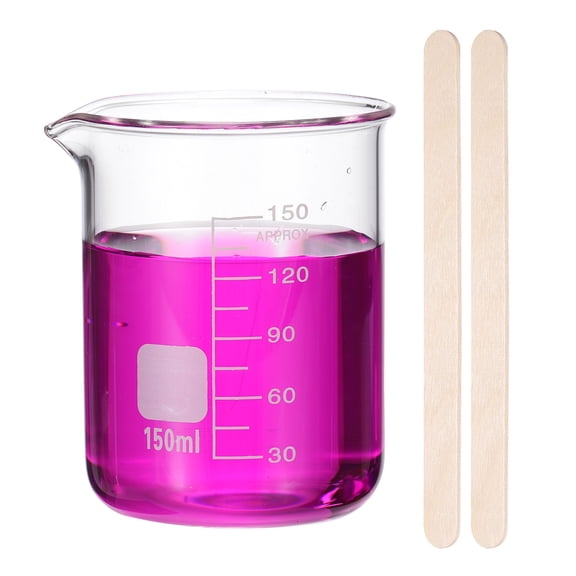
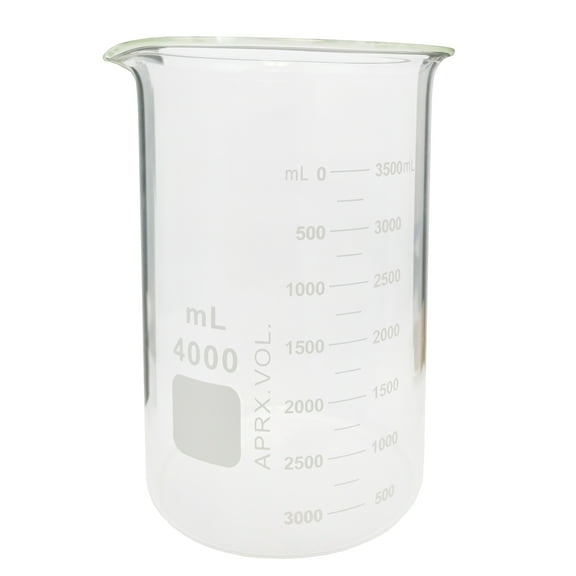
If you want strong heat performance, you may prefer borosilicate glass for many lab tasks. You’ll notice borosilicate glass handles thermal changes well and gives you clear visibility during mixing.
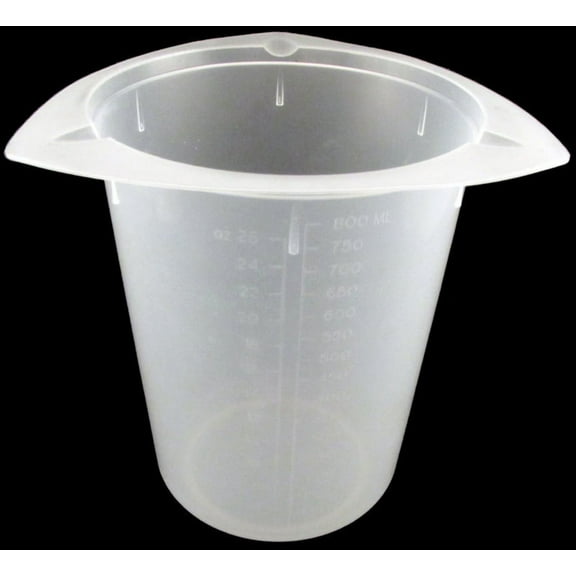
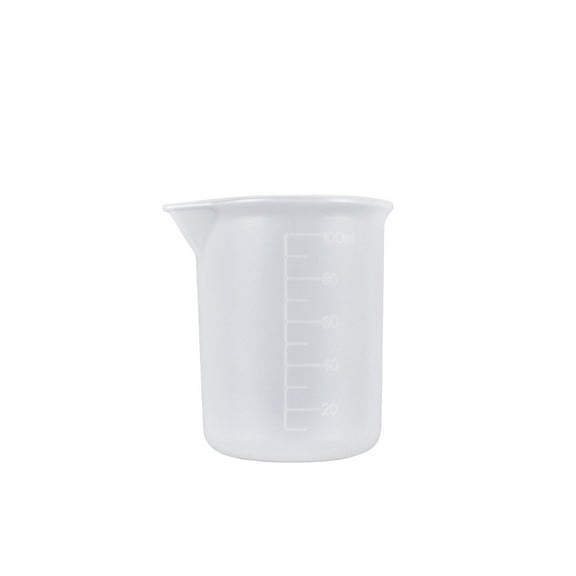
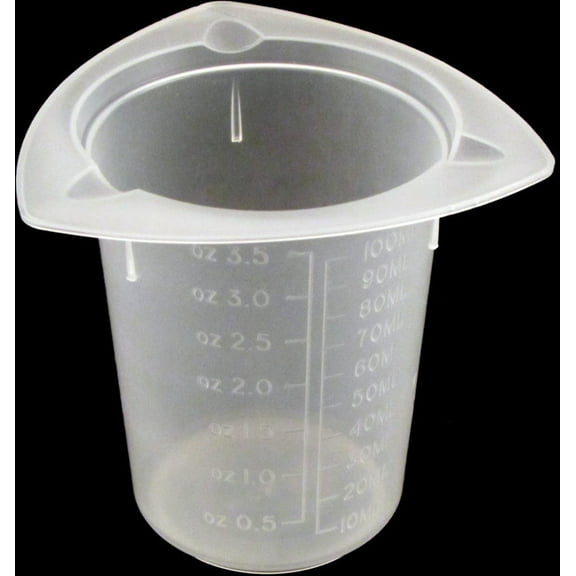
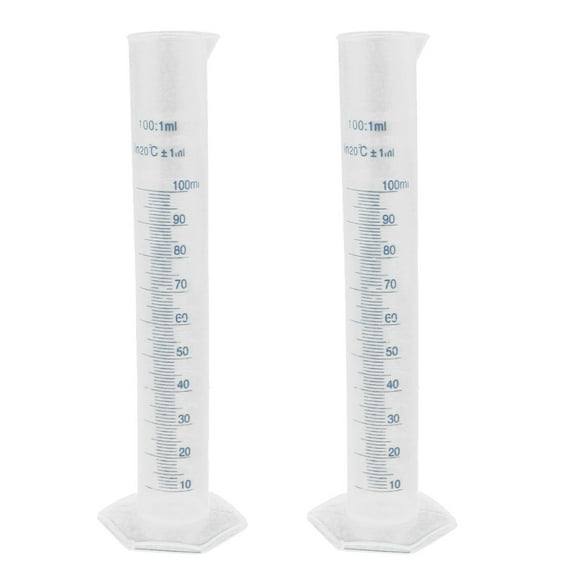
If you need lighter handling, you may prefer polypropylene plastic for busy classrooms or shared work areas. You can carry and stack plastic beakers more easily, especially during group projects or routine transfers.
When you need broad chemical compatibility, you may also compare PTFE options for specialized setups. You can use this material as a decision point when your process calls for a more specific container surface.
- You can choose borosilicate glass when you want clear viewing and dependable heating performance.
- You can choose polypropylene plastic when you want lighter weight and easier handling.
- You can compare PTFE when your process needs a more specialized material surface.
- You can narrow choices faster by matching material to your environment before comparing sizes.
Choosing glass beakers, plastic beakers, and graduated beakers
After material, you should compare capacity because volume affects accuracy, pouring control, and workspace fit. You can often avoid extra transfers when you choose a beaker size that matches your batch.
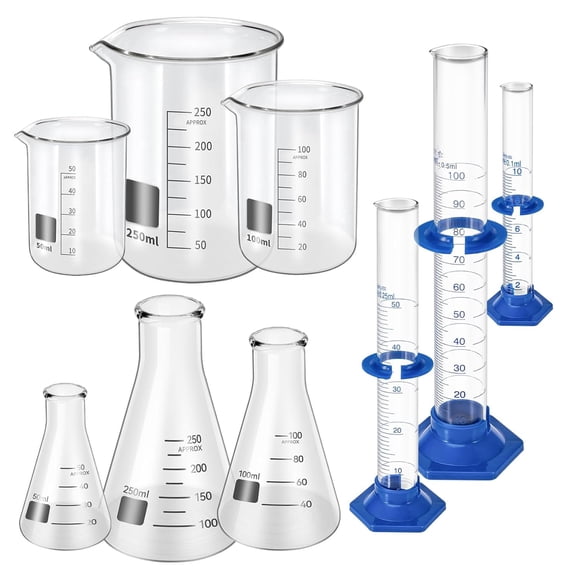
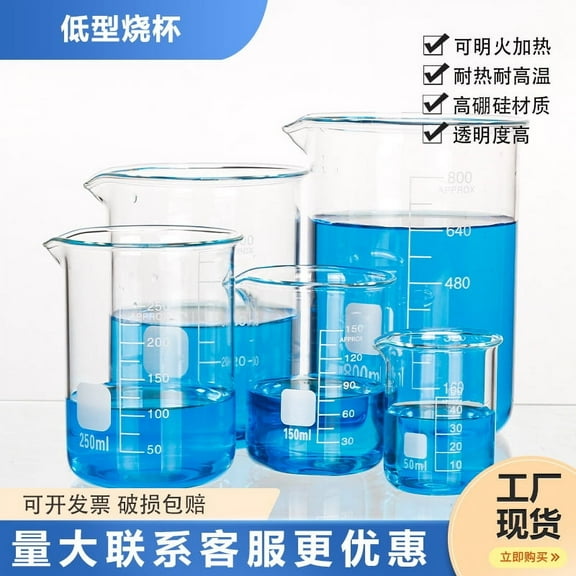
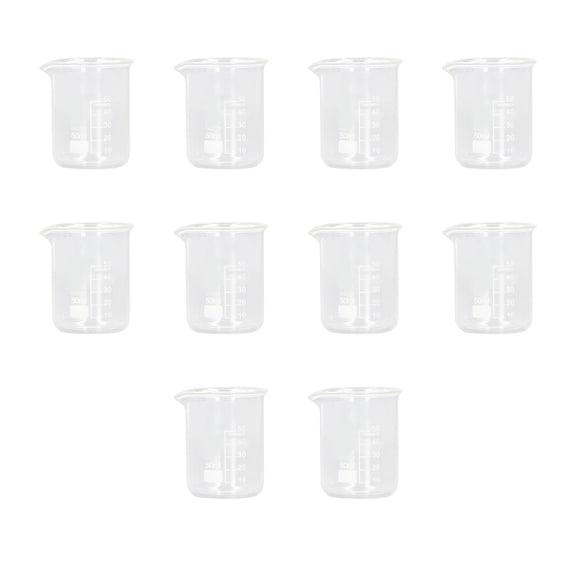
If you handle small samples, you may reach for 50ml sizes that fit compact tasks and quick observations. You can use them when you need a smaller footprint and closer visual control.
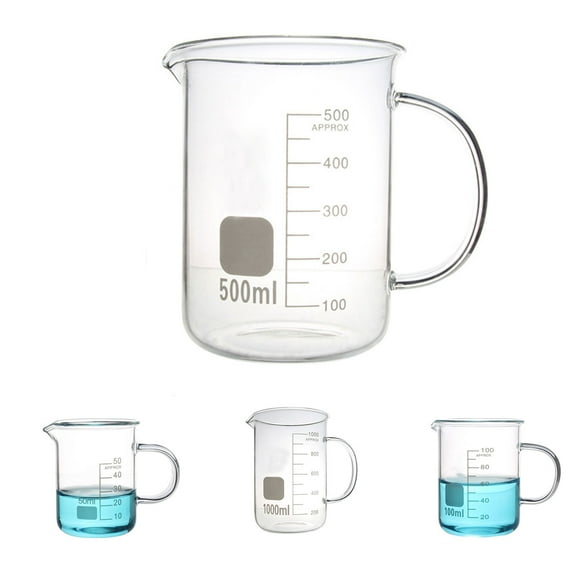
For standard bench work, you may compare 250ml and 500ml options for mixing and measuring. You can keep these sizes on hand when your tasks vary through the day.
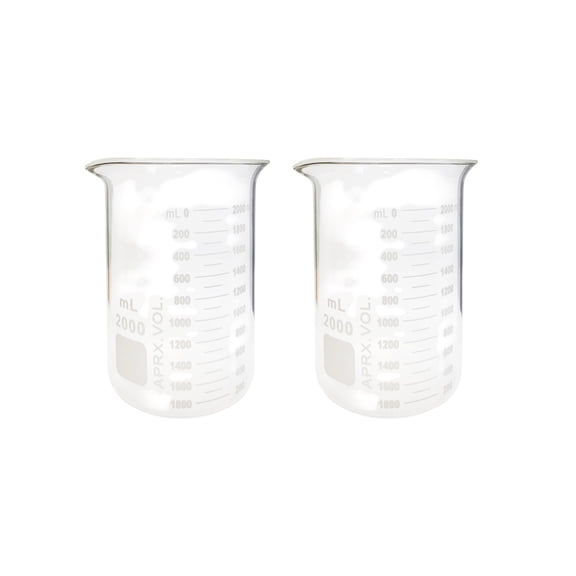
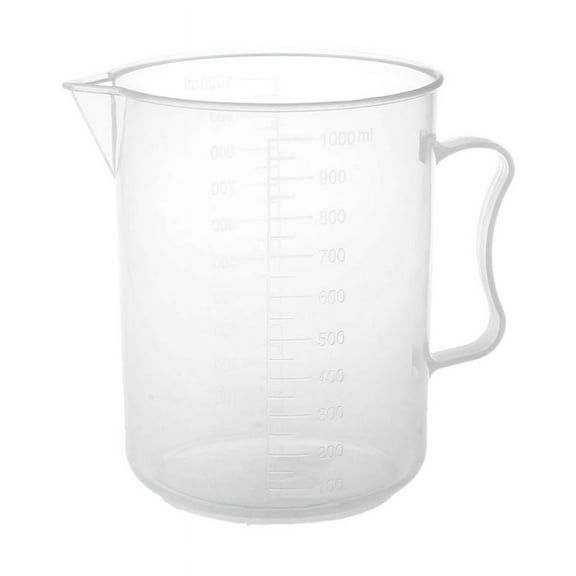
If you prepare larger volumes, you may need 1000ml capacity for broader mixes or repeated pours. You can reduce interruptions when your container holds the full amount at once.
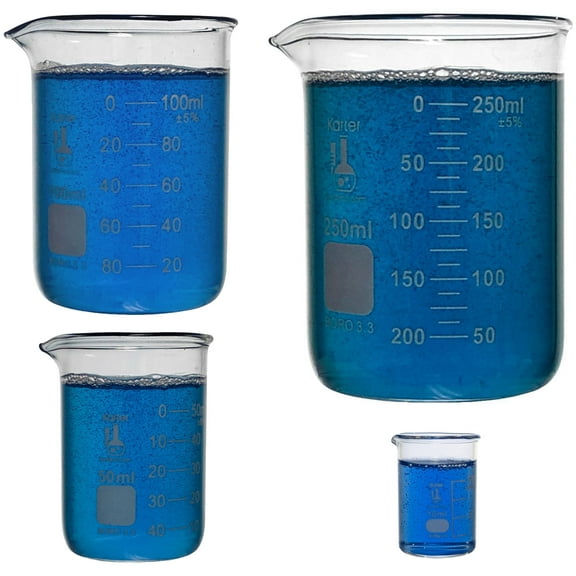
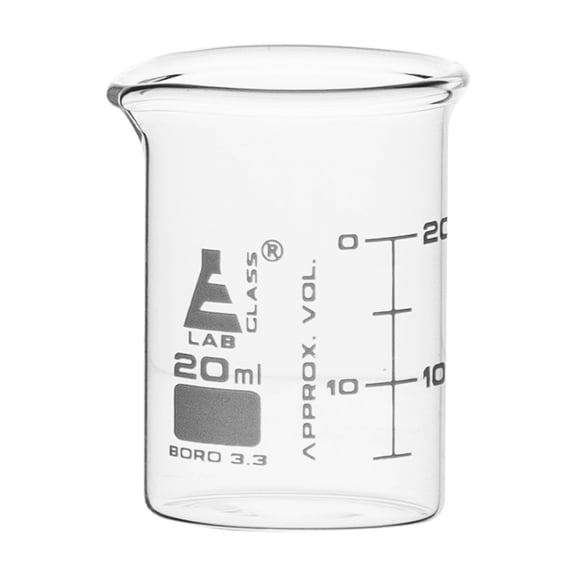
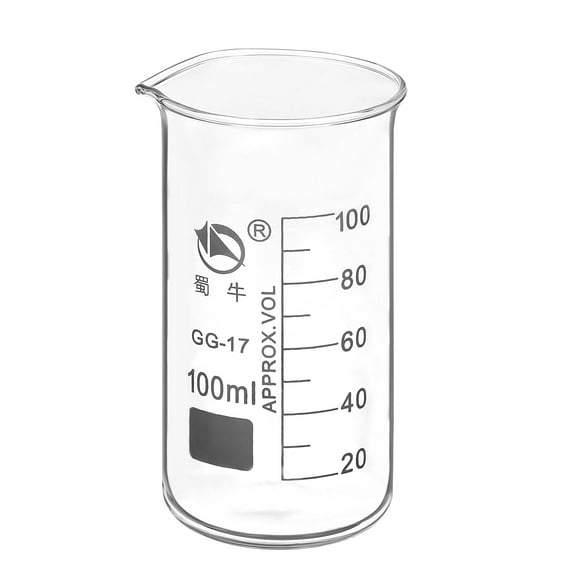
Graduated beakers also deserve close attention because scale style changes how quickly you read measurements. You can compare single scale, double scale, and raised graduations based on your workflow.
If you want a straightforward reading format, you may prefer single scale markings for simple checks. You can compare double scale markings when your process benefits from reading in more than one direction.
Raised graduations can help you spot markings faster during frequent handling and repeated pours. You should also check whether graduation tolerance, Class A, or Class B markings fit your precision needs.
What to look for in laboratory beakers
When you compare laboratory beakers, you should look past capacity alone and review shape details that affect daily use. You can often make cleaner transfers when your beaker includes a defined spout.
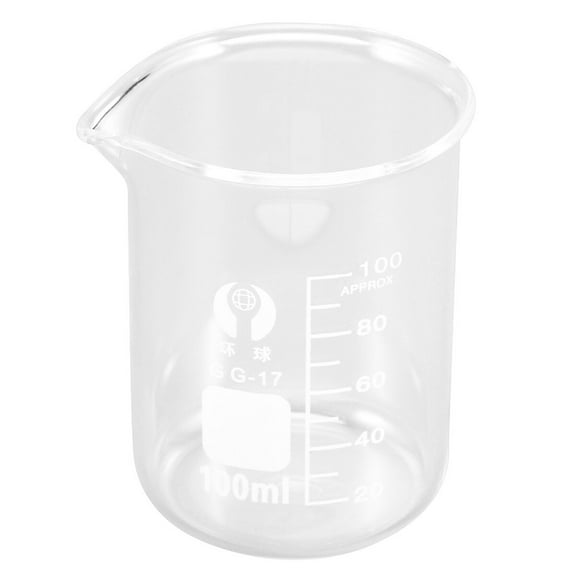
A shaped spout helps you pour with more control into flasks, graduated cylinders, or smaller containers. You can also reduce drips around your work area when the pour edge is clearly formed.
Rim construction matters too because heavy-duty rims can feel steadier during repeated handling. You may want that added structure when your classroom or lab setup includes frequent passing and washing.
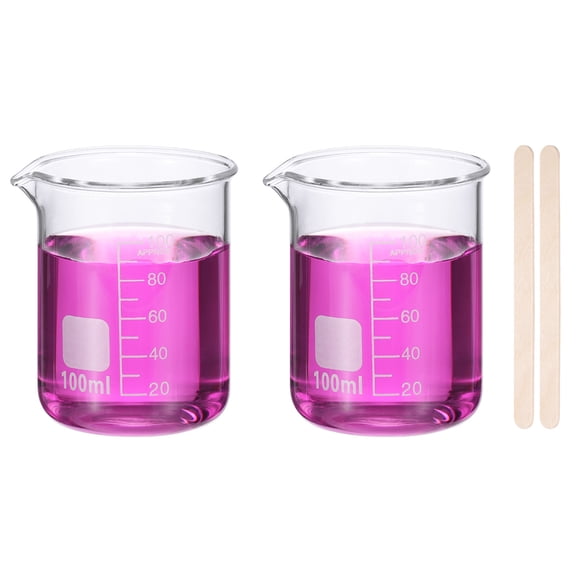
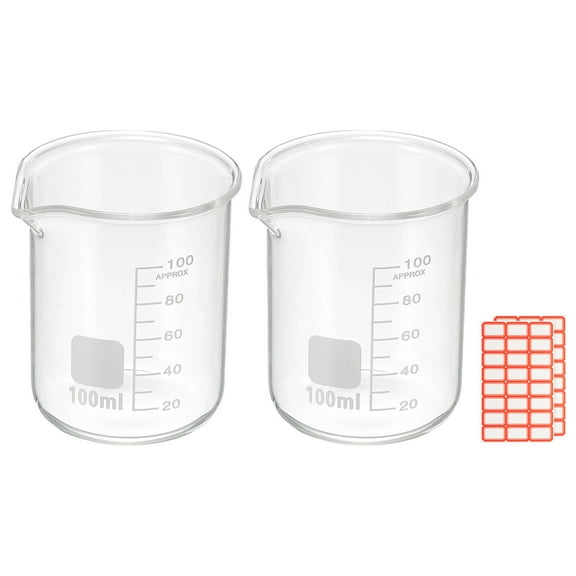
If you rely on science beakers for demonstrations, you should also compare marking visibility under bright lights. You can read clear graduations faster when printed or raised scales stand out against the container wall.
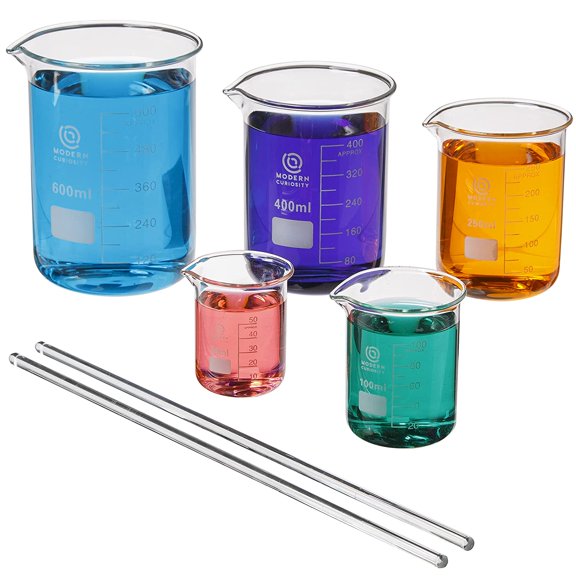
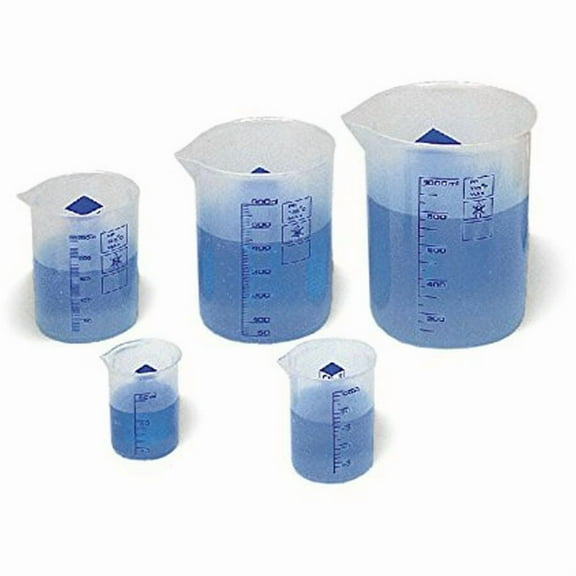
A beaker set may suit you when you need multiple sizes ready for one station or lesson plan. You can move between sample prep, mixing, and pouring without stopping to rinse one container repeatedly.
Matching beakers to your use case
You should choose by use case because classroom work, laboratory prep, home science, and crafting all create different demands. You can avoid mismatches when you connect each task to material, capacity, and graduation style.
For laboratory use, you may prioritize borosilicate glass, readable graduations, and a controlled spout for transfers. You can support routine measuring steps with sizes that align with your standard volumes.
For classroom use, you may lean toward plastic beakers that feel lighter and easier to distribute. You can simplify group activities when students handle clearly marked containers in practical sizes.
If your home science setup changes often, you may prefer a beaker set with mixed capacities. You can switch between 50ml tests and 500ml mixes without rebuilding your basic tools.
For crafting, you may want graduated beakers that help you portion liquids, colorants, or batch components consistently. You can keep pours neater when you choose a beaker with an easy-pour spout and visible markings.
When your work calls for repeated measuring, you should compare capacities side by side before choosing. You can get a smoother workflow when your container size, graduation type, and material all fit the same task.
With the right beakers, you can measure more clearly, pour with less mess, and match each task with confidence. You’ll get more consistent results when your material, graduations, and capacity work together.