

Bedding & Bedding Sets


Shop by bedding category
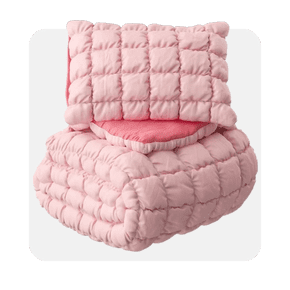

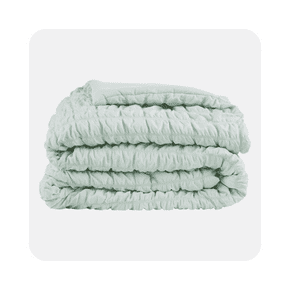

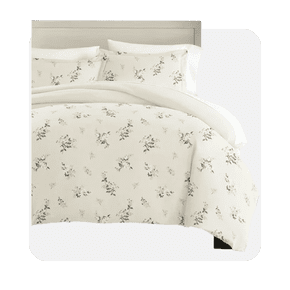
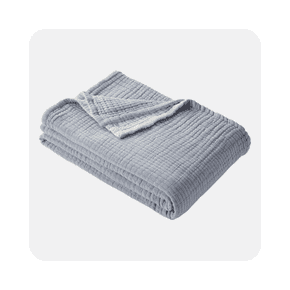
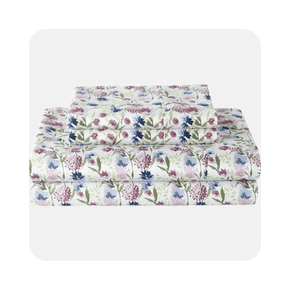

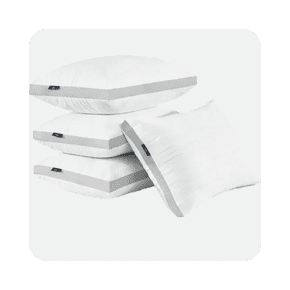
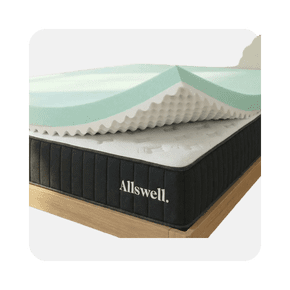

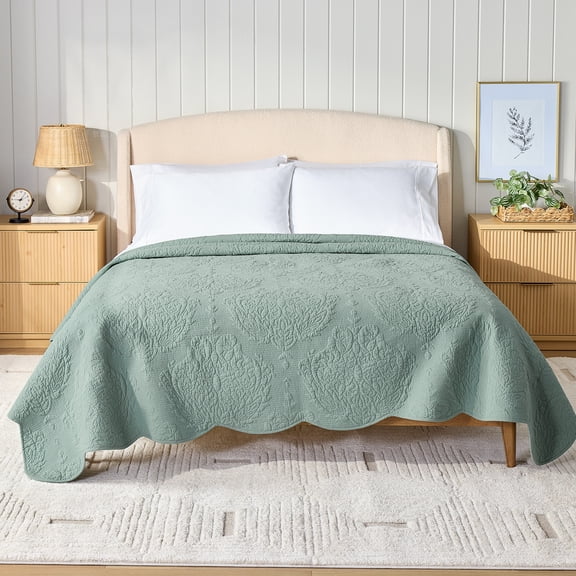
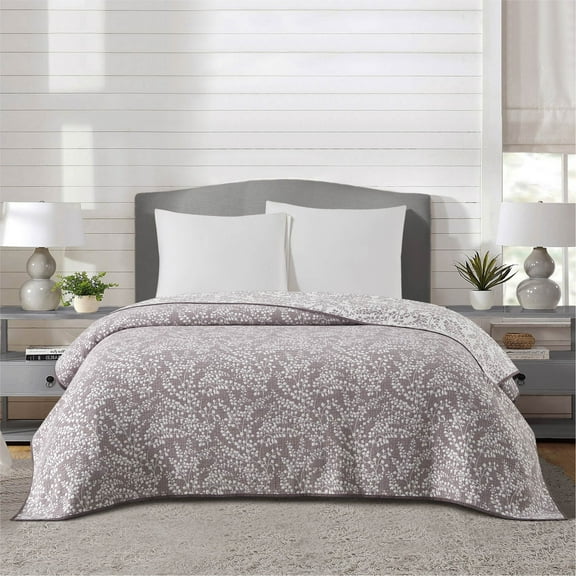
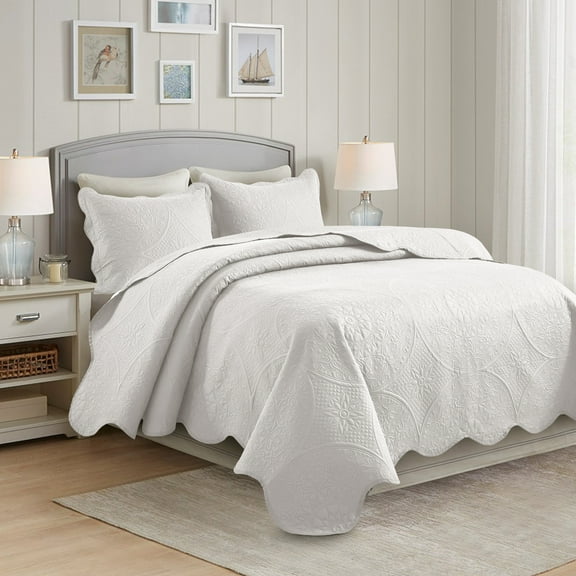
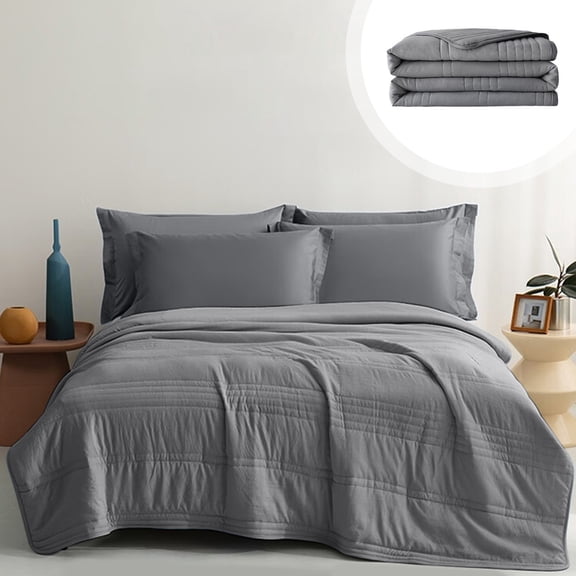
Summer quilts



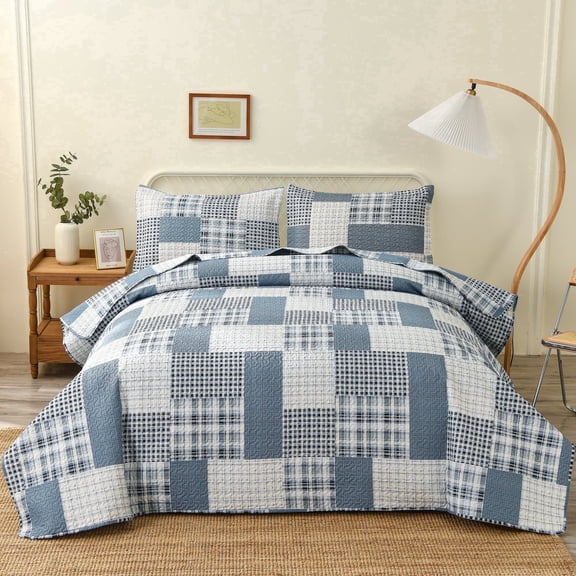


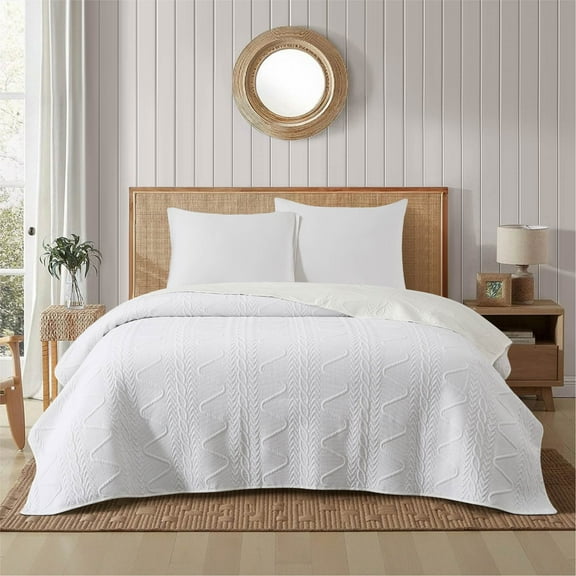
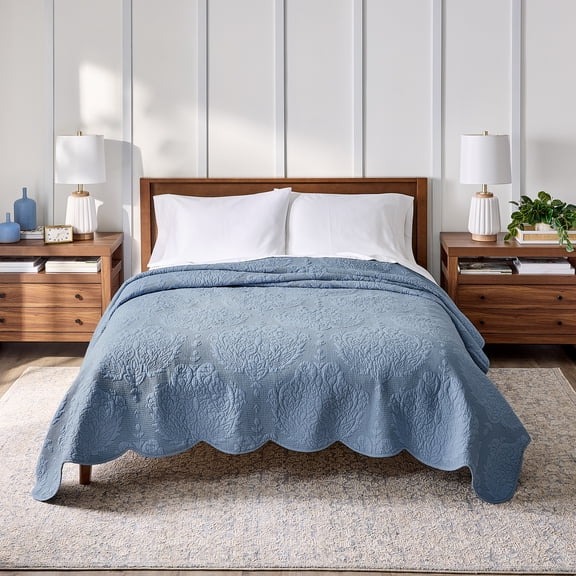

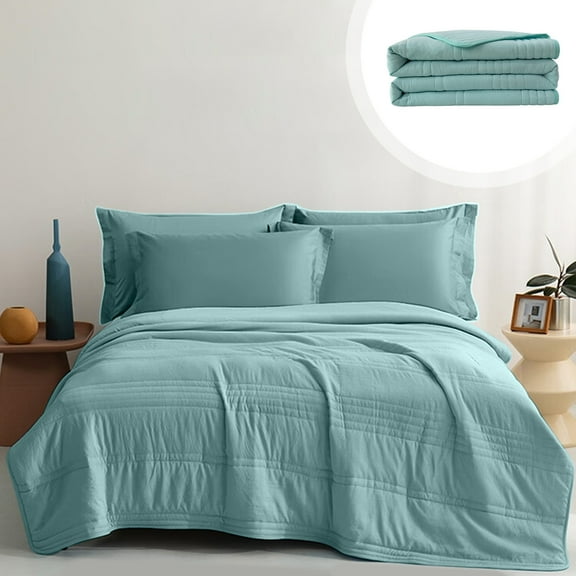






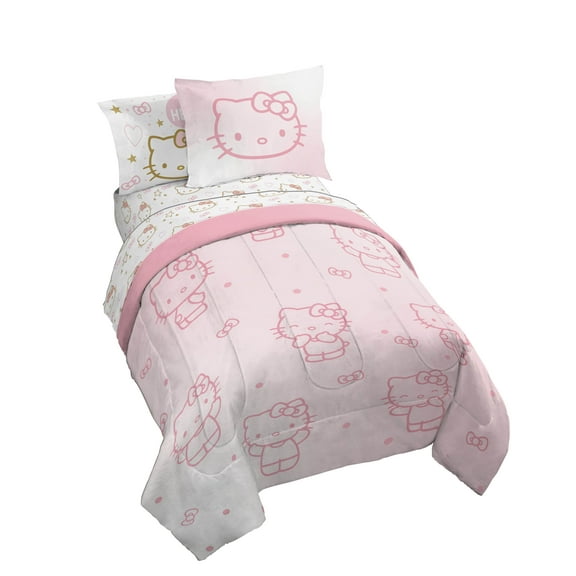






Find your perfect sheets


Brands We Love












FAQ
About Bedding & Bedding Sets - Walmart.com
Walmart bedding helps you build a comfortable bed with sizes, materials, and set types that match your room and routine. You can compare twin bedding, bed linens, and comforters in one place, which makes your choice feel simpler.
If you're updating a guest room or refreshing your main bedroom, you can use a clear buying guide to narrow your options fast. You'll find it easier to compare thread count, warmth, and deep pocket fit before you choose.
How to choose Walmart bedding for your bed
You should start with your mattress size, because bedding fit shapes how neat and comfortable your bed feels. You'll want Twin, Full, Queen, King, or California King options that match your mattress dimensions closely.
If your mattress has extra height, you should check deep pocket sheets for a more secure fit. You'll notice that exact dimensions matter when you use pillow-top or thicker mattresses.
- You can match sheet depth to tall mattresses for a smoother fit.
- You can choose bedding sets when you want coordinated pieces in one purchase.
- You can compare warmth levels for all-season, lightweight, or heavier coverage.
- You can use thread count as one clue for feel and durability.
When you compare bedding sets, you should check what each set includes before you decide. You'll often want to confirm whether you get sheets, pillowcases, a comforter, or only a duvet cover.
If you prefer a layered bed, you can pair sheet sets with quilts or comforters for more flexibility. You'll get a setup that works through changing seasons and different room temperatures.
Choosing bedding sets by material and feel
You should compare fabric first, because material changes how your bed feels at night and after washing. You'll usually notice cotton feels breathable, while microfiber often feels smoother and warmer.
If you like a crisp finish, you can look for percale for a cooler, airy feel. If you prefer a smoother surface, you can consider sateen for a softer drape.
You may want linen when your room needs a relaxed look and light texture. You'll often choose Egyptian cotton when your focus is a softer hand and a refined finish.
When you shop for bed linens, you should use thread count as a guide, not the only measure. You'll often find 200TC feels lighter, while 400TC can feel smoother and more balanced.
If you want a denser feel, you can compare 800TC and 1000TC options carefully. You'll still want to check material and weave, because those details shape comfort and care.
Choosing twin bedding and other bed sizes
You should think about who uses the bed before you choose size and set type. You'll often pick twin bedding for kids' rooms, dorm spaces, bunks, and smaller guest rooms.
If you're furnishing a primary bedroom, you can move up to Queen or King for broader coverage. You'll want California King when your mattress needs extra length rather than extra width.
You can also match set type to the room's purpose for easier everyday use. You'll often choose sheet sets for quick refreshes, comforter sets for coordinated style, and duvet covers for simple swapping.
When you compare quilts and comforters, you should think about loft and layering. You'll usually use quilts for a flatter profile, while comforters create a fuller, cushioned look.
If your room runs warm, you can choose lightweight layers that feel easier across seasons. If your room feels cooler, you can look for heavyweight options with fuller coverage.
What to look for in comforters, care, and bedding cost
You should check warmth level before you choose comforters for everyday use. You'll often prefer all-season options when you want one layer that works through most of the year.
If you're buying for a warmer climate or heated room, you can choose lightweight bedding for easier layering. If you want more coverage, you can select heavier options for a fuller feel.
You should also review care instructions, because easy care can shape your routine over time. You'll want fabrics and weaves that fit how often you wash bedding and how much upkeep you prefer.
When you think about bedding cost, you should compare what you get in the set first. You'll make a clearer choice when you weigh material, thread count, included pieces, and bed size together.
You can also use room type to guide your decision with fewer second guesses. You'll often want durable microfiber for kids' spaces, breathable cotton for daily use, and layered quilts for guest rooms.
If you want a more polished look, you can choose matching pieces that create a finished bed quickly. You'll appreciate coordinated colors and textures when you want the room to look pulled together.
With Walmart bedding, you can compare bed size, material, set type, thread count, and warmth in a practical way. You'll end up with bedding that fits your mattress, matches your routine, and feels right every night.