

Benches in Furniture










































About Benches in Furniture - Walmart.com
Benches help you add seating, storage, and style in one smart furniture piece. You can use benches to organize busy spaces while keeping your rooms polished and easy to use.
If you're furnishing an entry, dining area, bedroom, or living room, you can compare shapes and materials that fit your layout. You'll also find indoor benches that handle everyday routines without taking up the footprint of larger seating.
How to choose benches by room
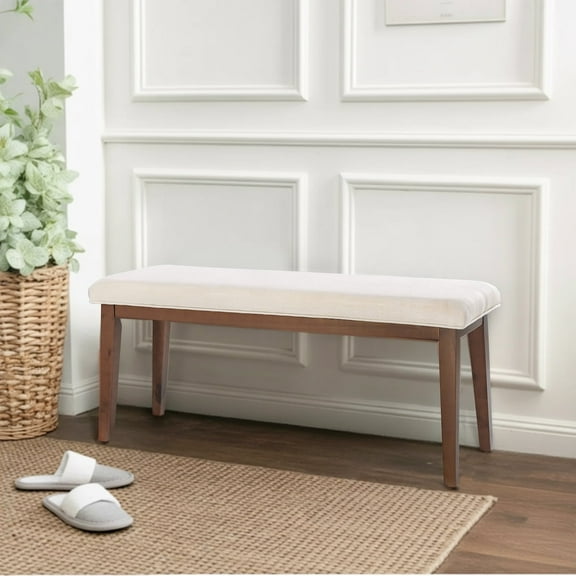
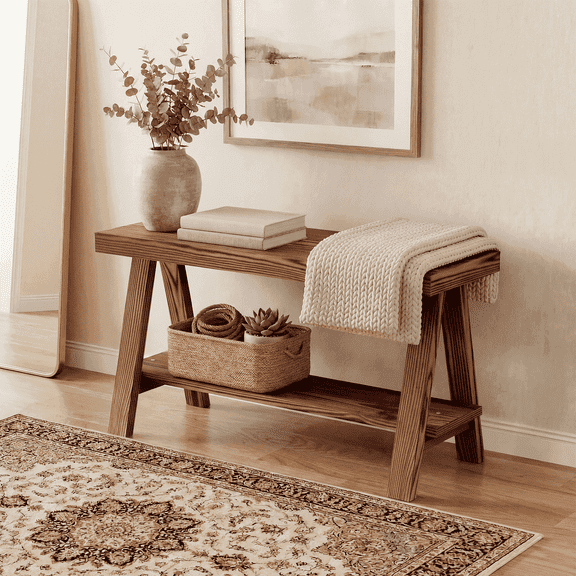
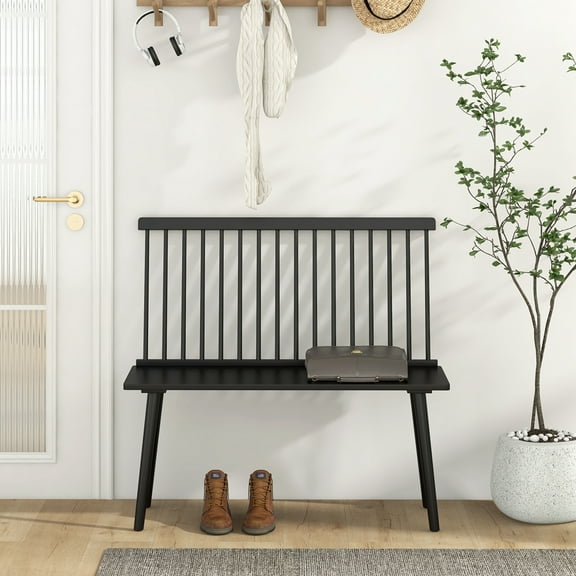
You should start with your intended location and your available floor space. If your hallway is narrow, you may want entryway benches that leave enough walking room.
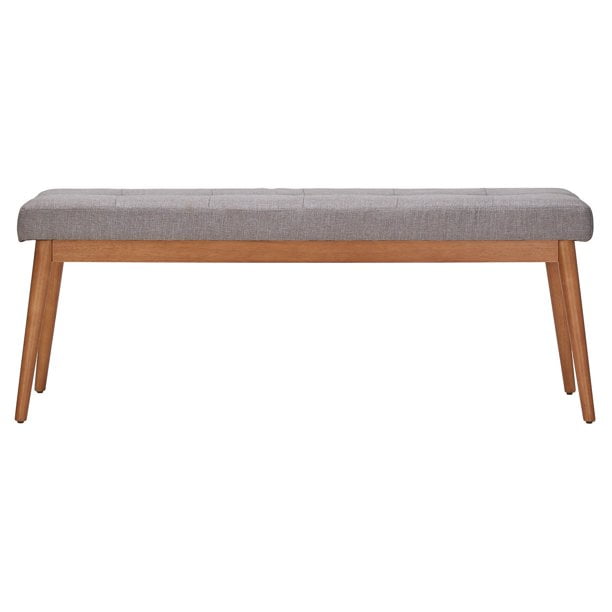
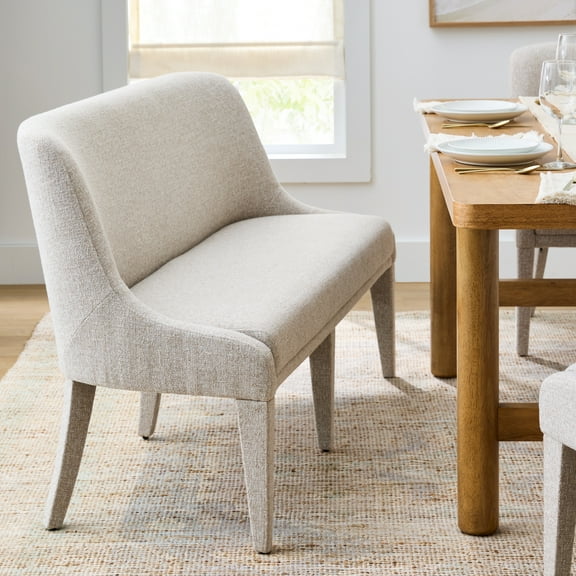
In a dining room, you should measure your table length and leg placement before you choose dining benches. You'll want a seat height that pairs comfortably with your table for everyday meals.
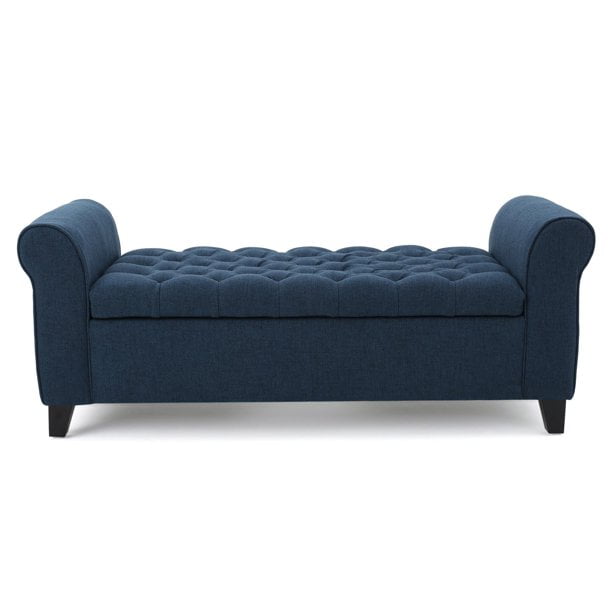
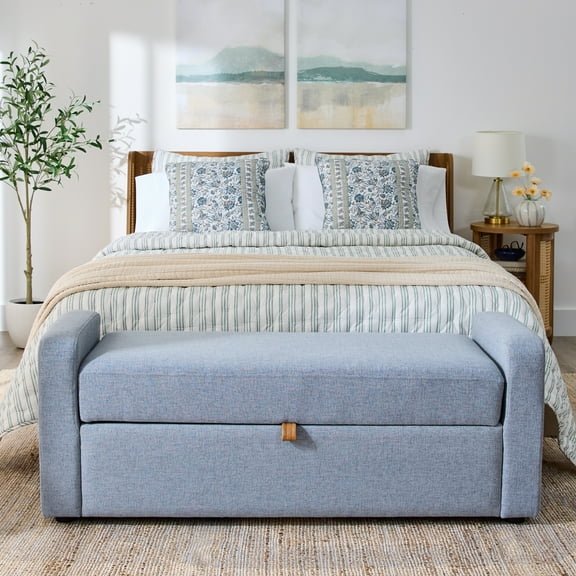
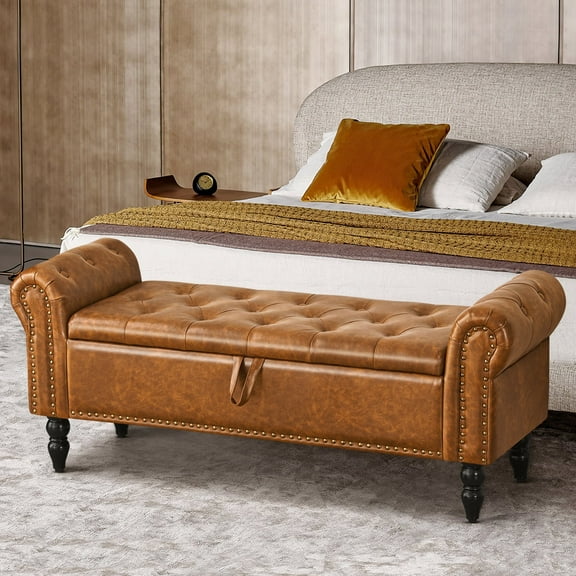
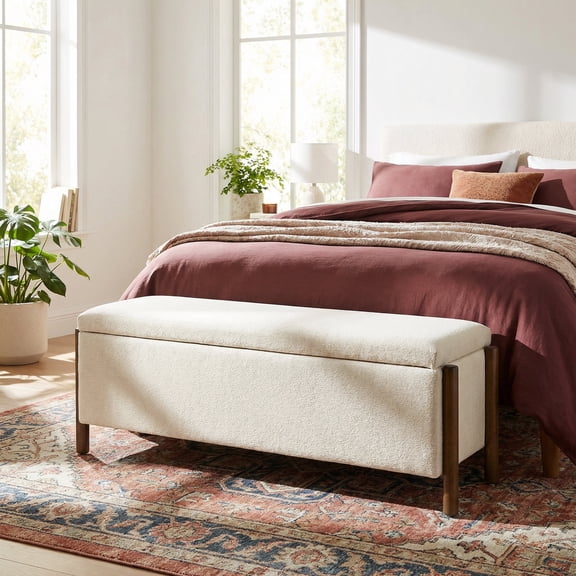
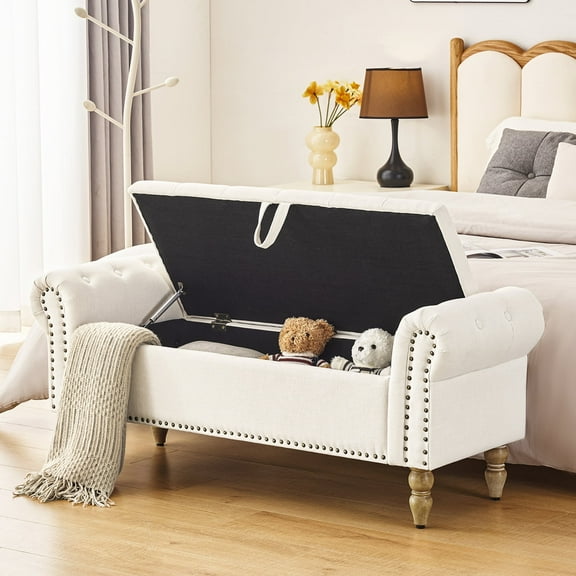
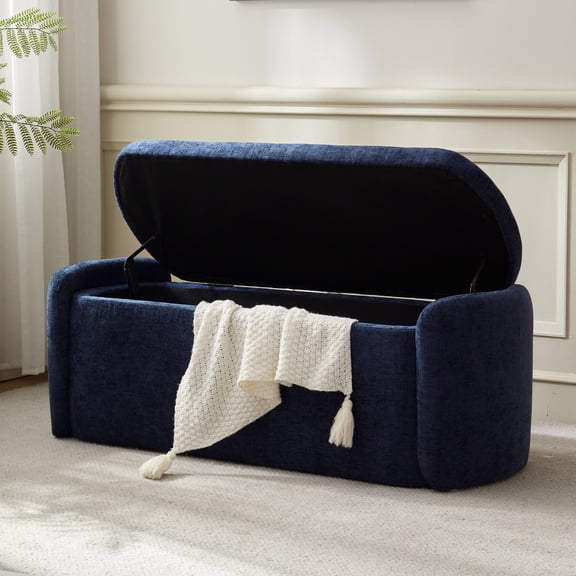
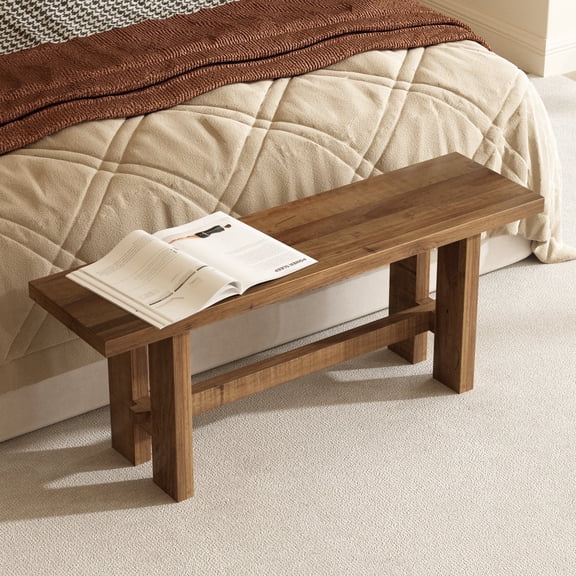
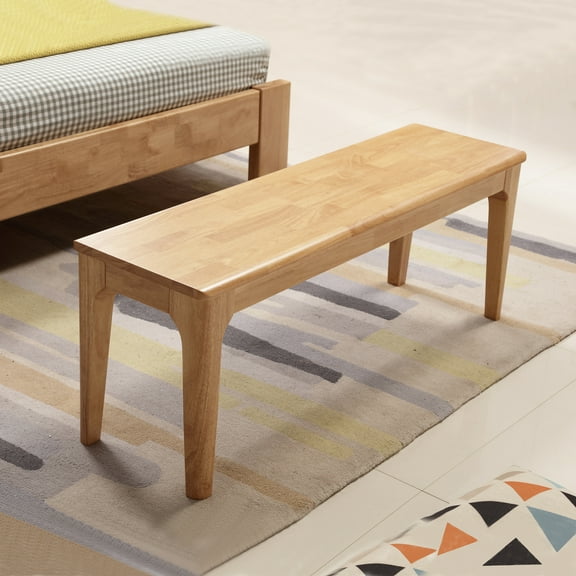
For a bedroom, you may place bedroom benches at the foot of your bed for a finished look. You can also use them for extra seating when you're dressing or laying out clothes.
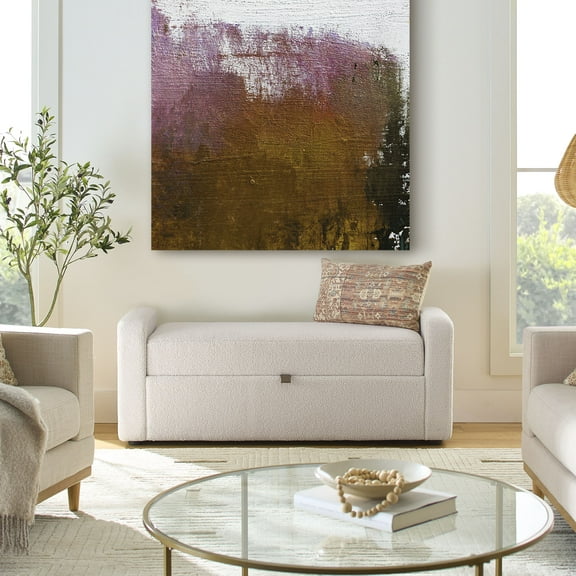
In a living room, you might use a bench under a window or along an open wall. You'll get flexible seating that can move more easily than a full accent chair set.
Choosing entryway benches and storage benches
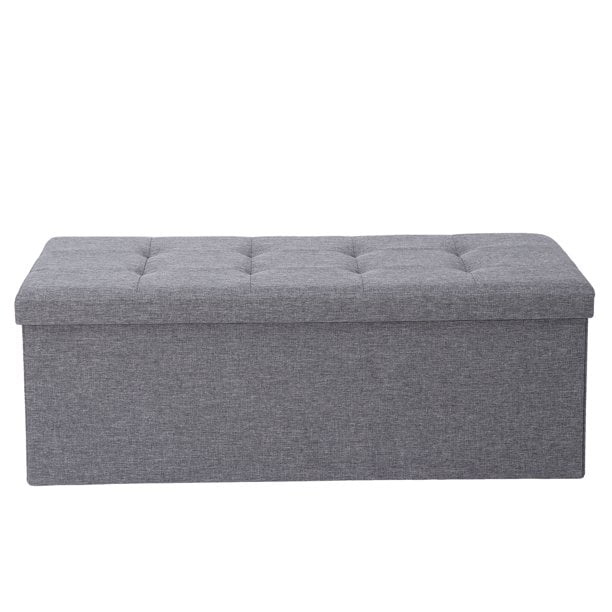
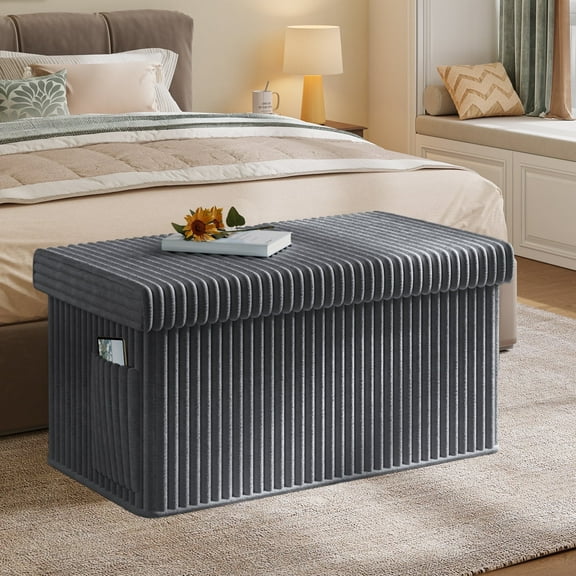
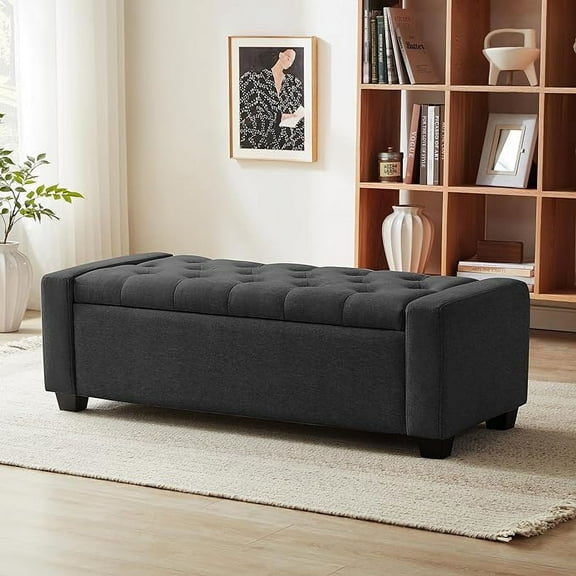
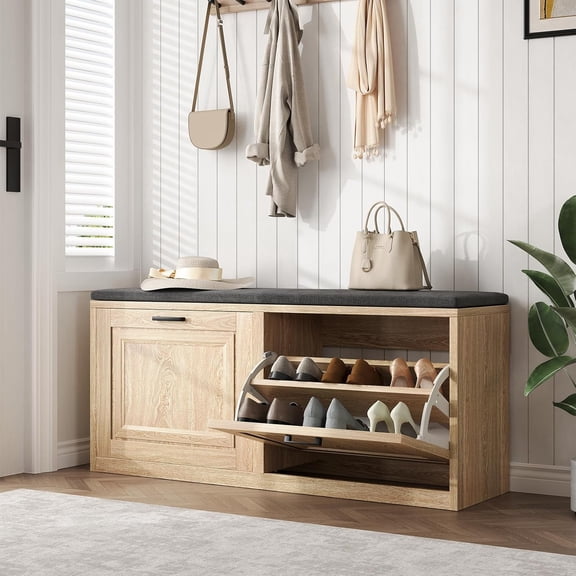
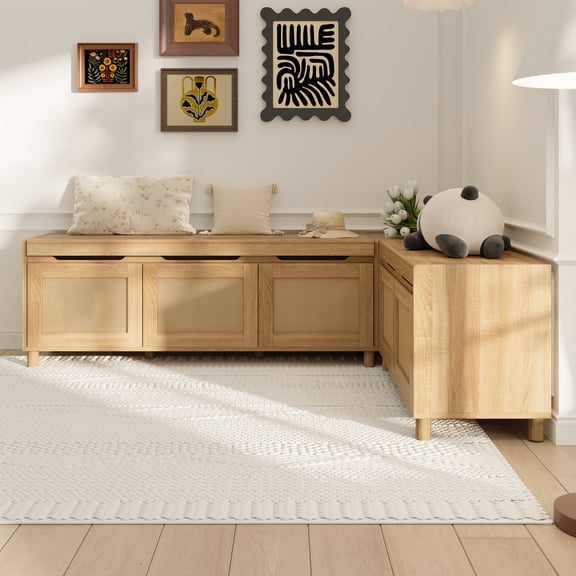
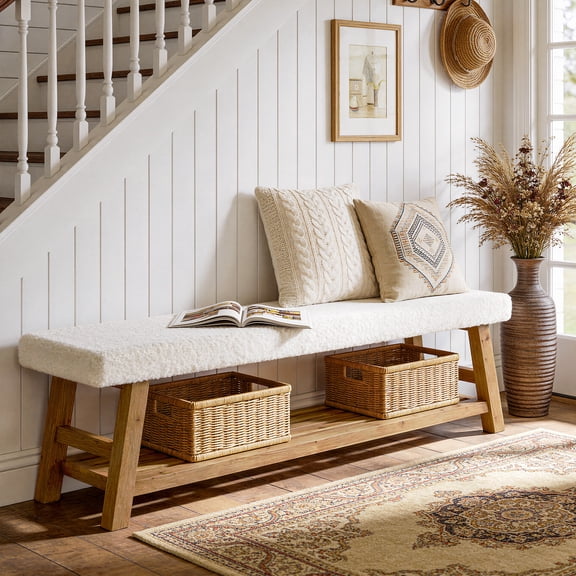
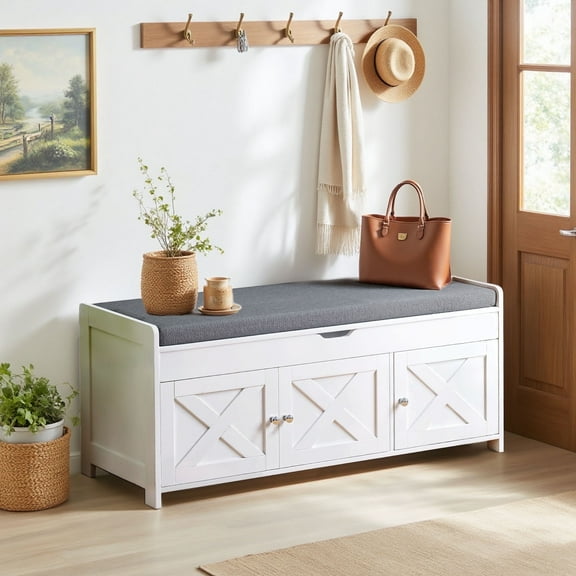
You should decide whether you need seating only or hidden organization. If shoes, bags, or pet gear collect by the door, storage benches can help you keep daily clutter contained.
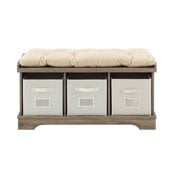
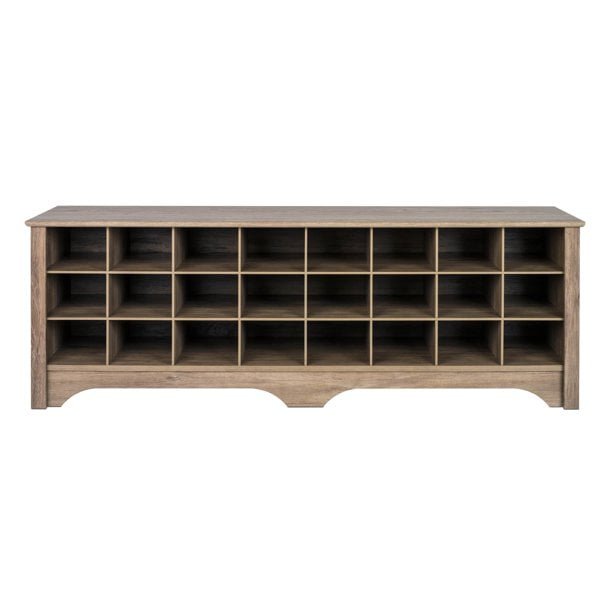
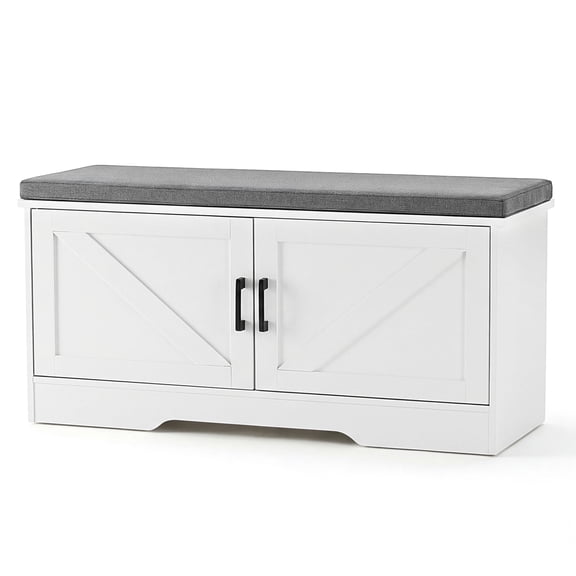
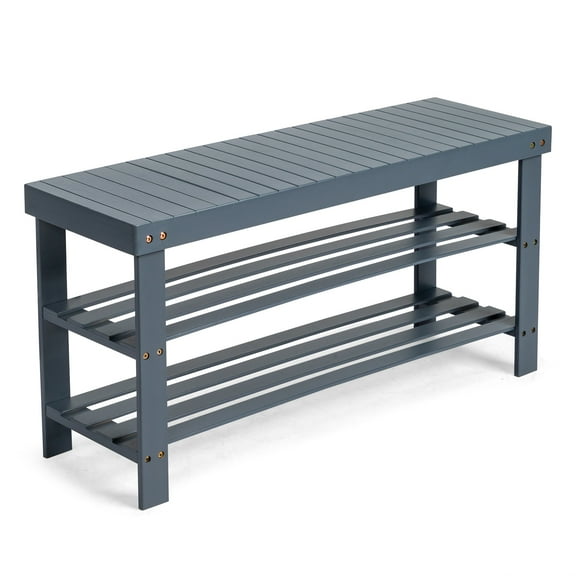
A flip-top design gives you a concealed compartment for scarves, gloves, and small accessories. Shoe storage benches often add lower shelves or cubbies, so you can sort pairs where you need them.
- You can use entryway benches to create a landing spot for shoes, bags, and jackets.
- You can choose storage benches when your space needs both seating and organization.
- You can pick dining benches to fit more guests along one side of a table.
- You can add bedroom benches for extra seating and a finished furniture layout.
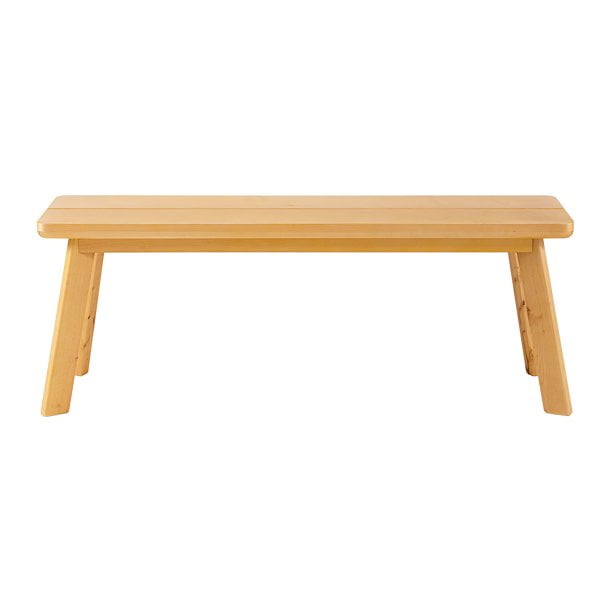
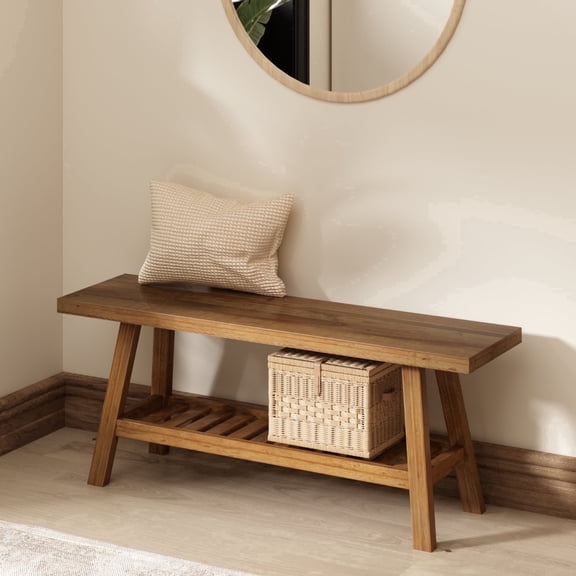
If you don't need compartments, you may prefer a bench without storage for a lighter visual footprint. You'll often find that open-base designs feel cleaner in smaller rooms.
What to look for in wooden benches and upholstered benches
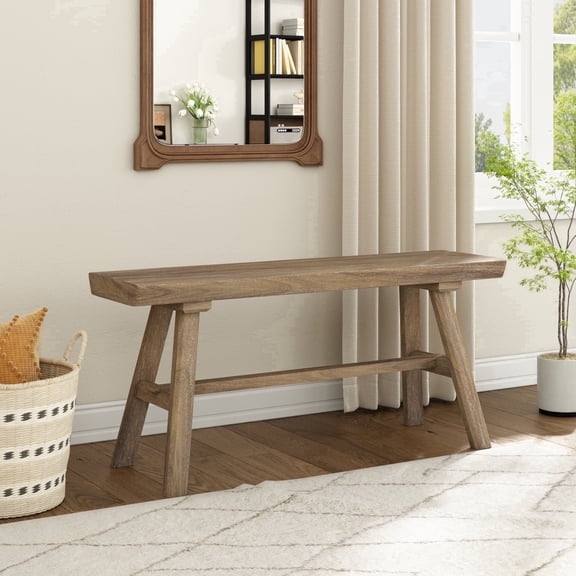
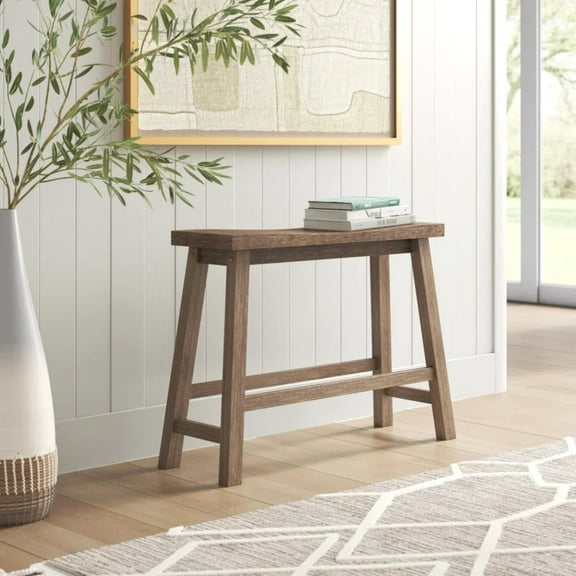
You should compare materials based on traffic, cleanup, and the look you want. Wooden benches usually give you a structured feel that works well in entryways, dining rooms, and farmhouse spaces.
If your home sees frequent comings and goings, you should look for a durable finish that handles regular touch points. You'll want surfaces that wipe clean easily after muddy shoes, backpacks, or daily use.
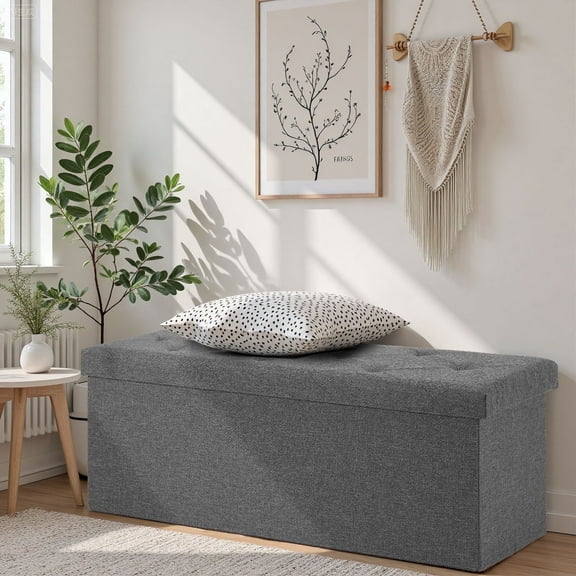
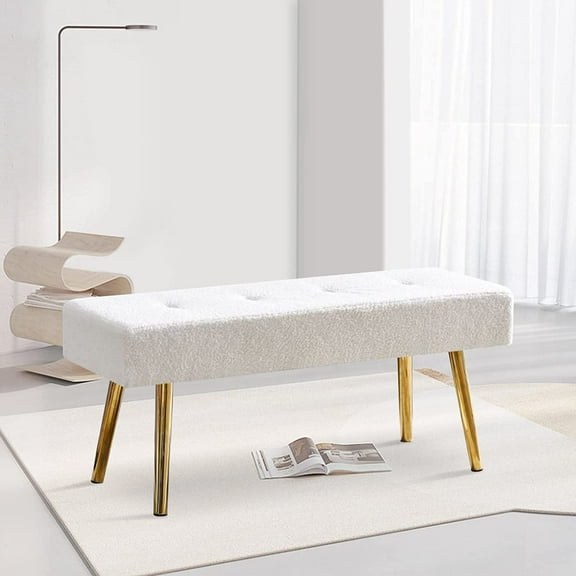
Upholstered benches can give you a softer seat for bedrooms and living rooms. If comfort matters most, you may prefer padded tops with textured fabric or leather-like upholstery.
When you compare fabric options, you should check cleaning guidance and surface feel. You'll want stain-resistant fabric descriptions when your bench will sit in a high-traffic entry or breakfast nook.
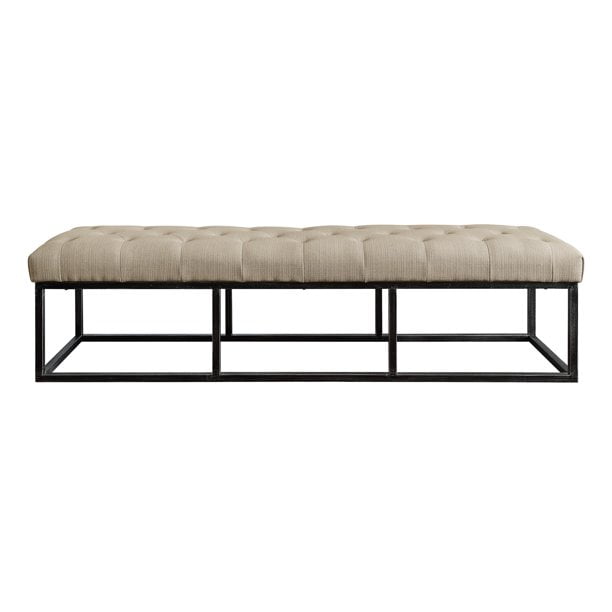
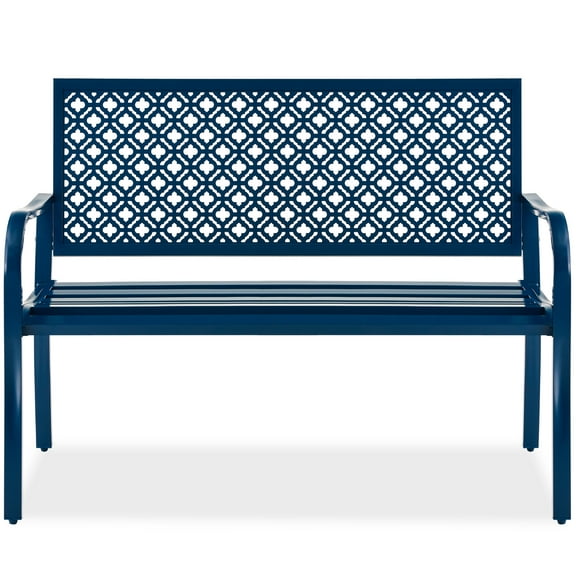
Metal benches can suit industrial rooms or compact spaces where you want a lighter look. If you like mixed materials, you can pair metal frames with wood seats for added visual contrast.
Checking size, weight capacity, and stability
You should measure width, depth, and height before you choose a bench. If you're placing it in an entryway, you need enough clearance for doors, rugs, and daily foot traffic.
At a dining table, you should compare bench length with table dimensions and seating goals. You'll want enough knee room and enough seat space for the number of people you expect.
You should also review weight capacity because it helps you judge everyday performance. A solid frame, balanced legs, and reinforced supports can give you a steadier seat during daily use.
If assembly is required, you should check how the frame connects and where supports sit. You'll often notice that crossbars, stretchers, and center supports help benches feel more grounded.
Matching style with your home
You can narrow your options faster when you choose a style direction first. Modern benches usually feature clean lines, slim frames, and simple finishes that suit open layouts.
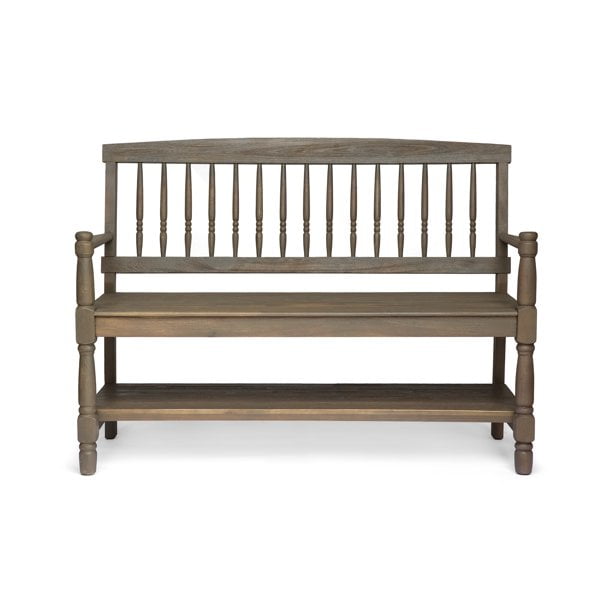
If you prefer warmth and texture, farmhouse benches often include wood tones and classic silhouettes. Traditional styles can bring turned legs, tufted details, or shaped arms to formal rooms.
Industrial benches often mix metal and wood for a practical, loft-inspired look. If your room already has black hardware or exposed finishes, you can create a more connected design.
You should also think about how your bench works with nearby furniture. A wooden bench can echo your dining table, while an upholstered bench can soften a bed frame or console area.
Using benches in everyday spaces
You can use entryway benches as a daily drop zone that keeps routines moving. If your mornings feel rushed, a seat by the door can make shoes and bags easier to manage.
In dining spaces, you can use benches to seat kids or guests along one side of the table. You'll often gain a flexible setup that slides under the table when you need extra floor room.
For bedrooms, you can use a bench to hold throw pillows at night or folded blankets during the day. You'll get a practical finishing piece that supports both storage and style.
You may also use a bench in a living room for occasional seating or display space. If you like seasonal flexibility, outdoor benches can inspire a similar casual look on covered patios.
When you compare benches by room, storage, material, and style, you can choose with more confidence. You'll end up with seating that fits your space, supports your routine, and keeps your home organized.