

Bible Study Guides & Workbooks | Walmart
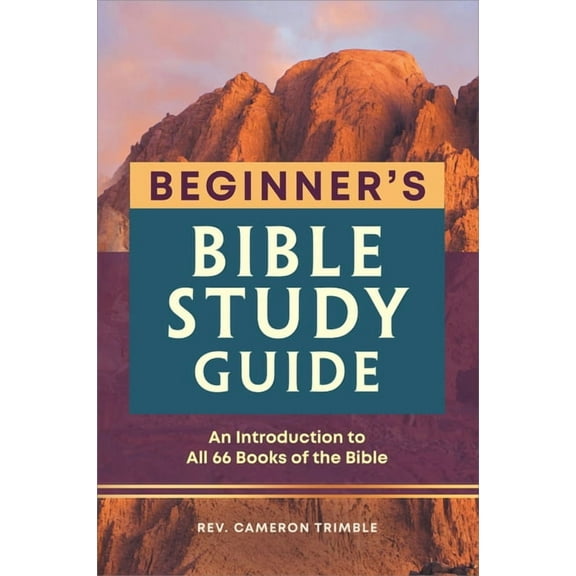

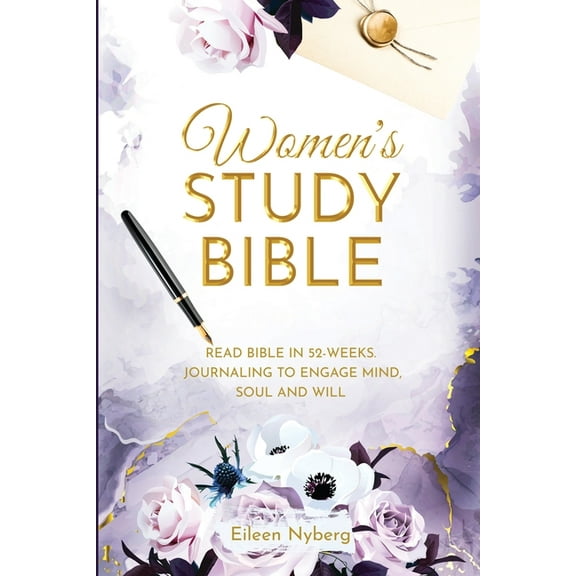
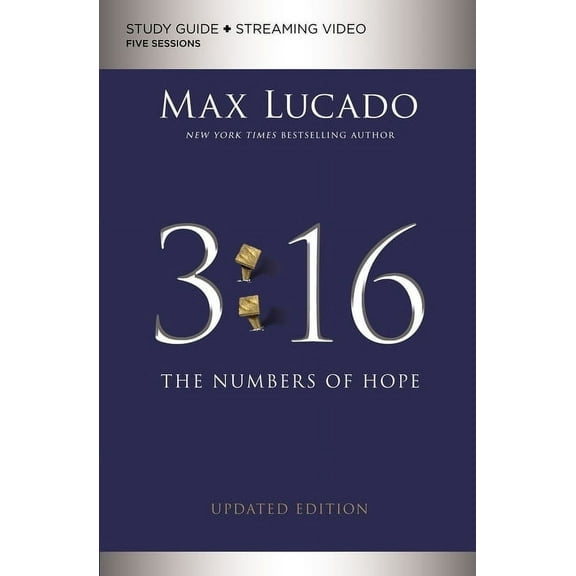
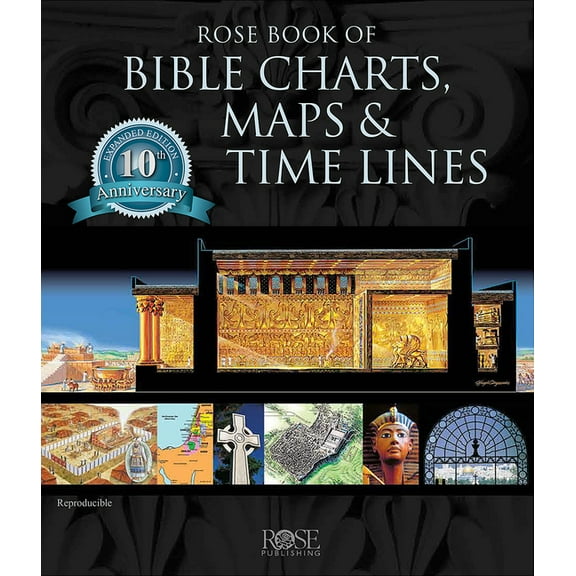





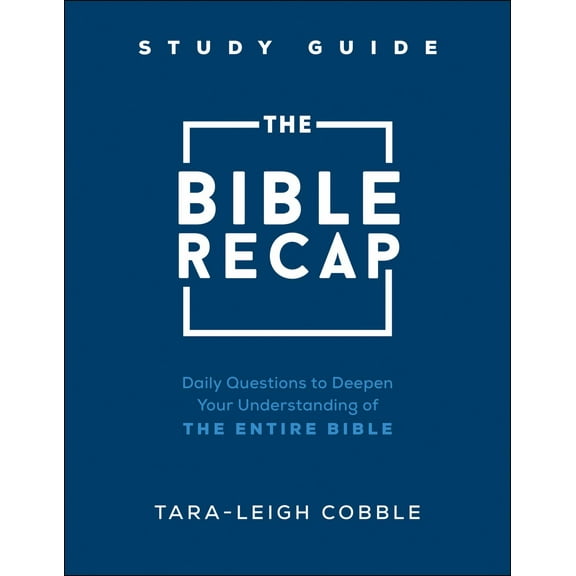
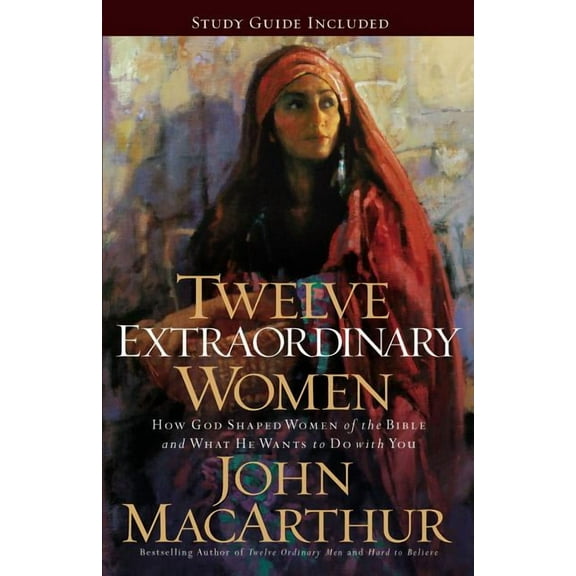
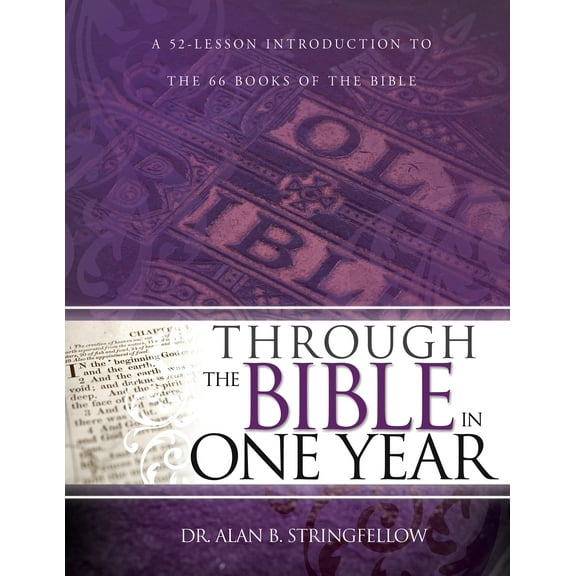
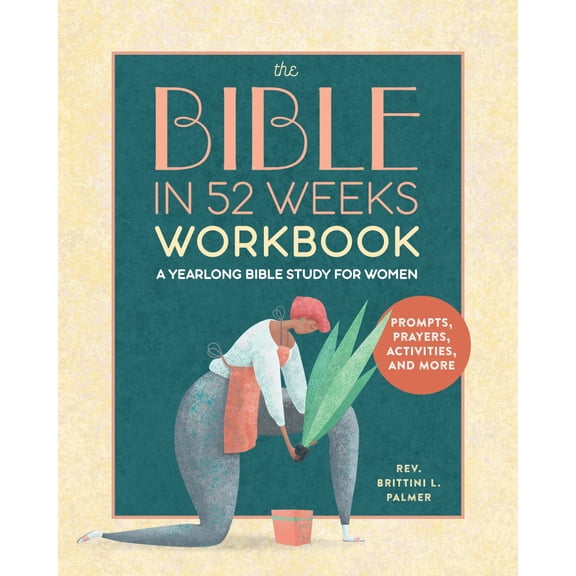


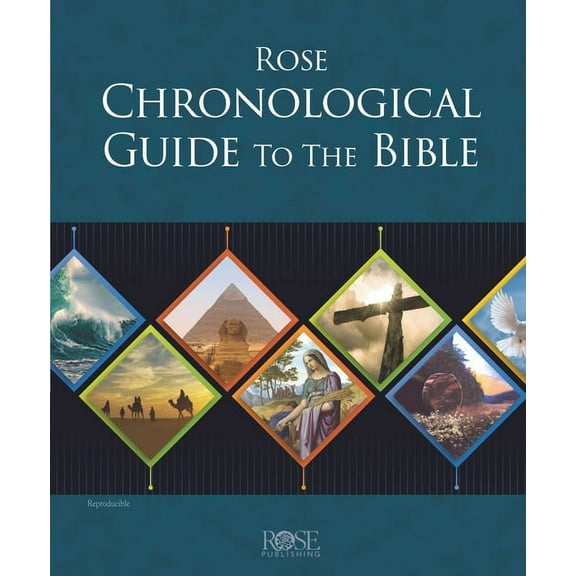
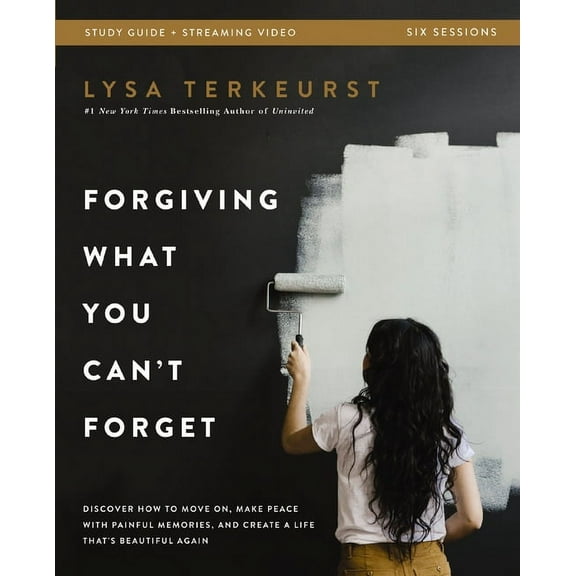



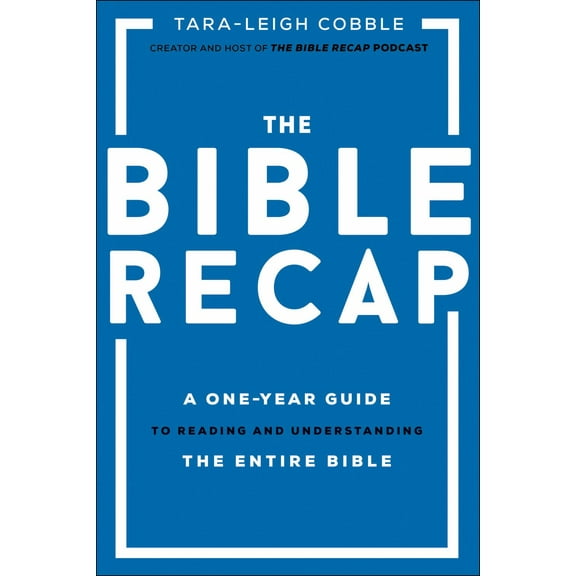

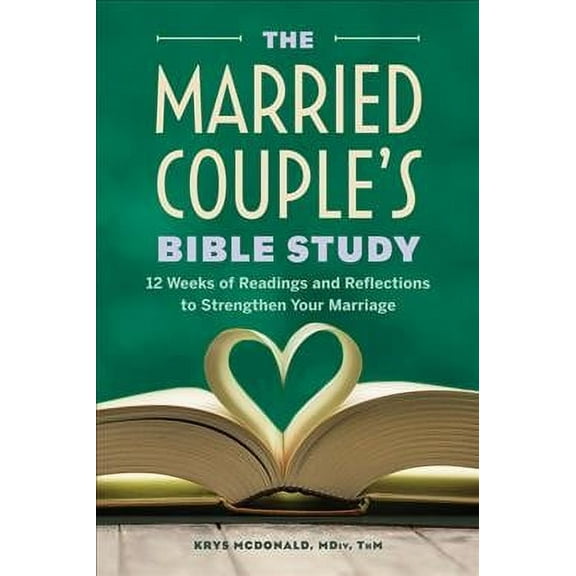

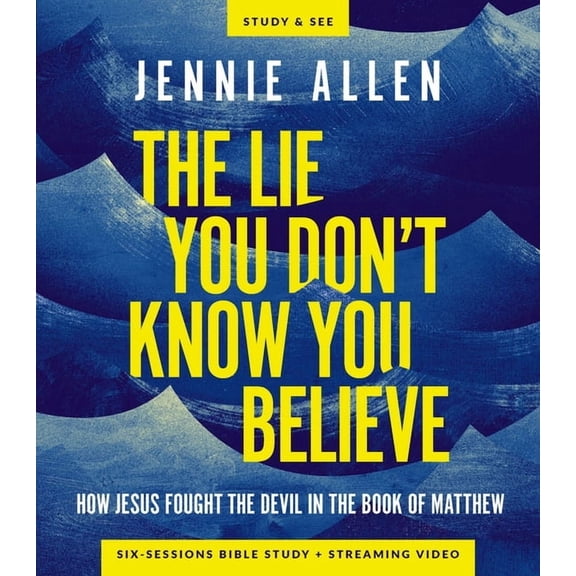
About Bible Study Guides & Workbooks | Walmart - Walmart.com
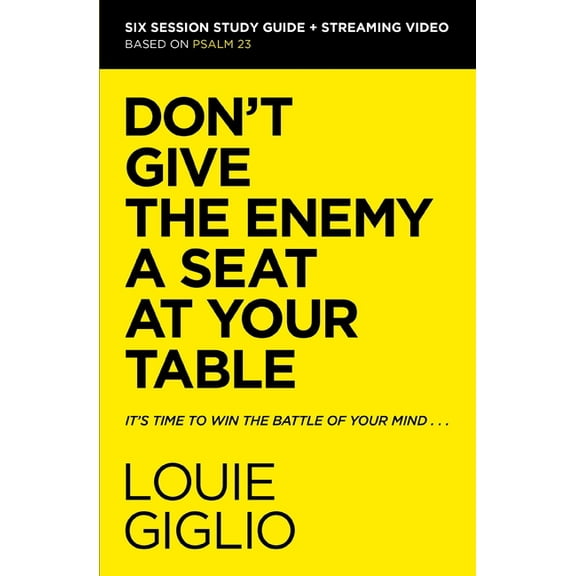
You can use a bible study guides book to bring more structure to reading, note taking, and weekly reflection. You’ll find this category covers workbook formats, guide books, study notes, and theology titles for different study habits.
If you’re comparing options for personal reading, group discussion, or a long-term plan, you can narrow choices by format, audience, duration, and print size. You’ll also see titles that fit beginners, adults, and readers who want a more detailed theology path.
Choosing the right bible study guides book
You can start with format, because it shapes how you interact with the material each day. You may prefer a guide book for reading support, or you may want a bible study workbook with prompts.
When you choose a workbook, you can write answers, track themes, and follow questions in order. When you choose study notes, you can focus on observations, references, and room for your own annotations.
You may also compare theology books if you want a more structured approach to doctrine, context, and interpretation. If you want a flexible study path, you can choose a bible study guide that supports self-paced reading.
- You can use workbook pages for written responses, verse mapping, and lesson-by-lesson progress.
- You can use guide books when you want reading support without as much writing on each page.
- You can use study notes if you want space for references, highlights, and sermon follow-up.
- You can use theology books when you want organized topics such as doctrine, themes, and historical context.
How to compare bible study workbook formats
You should compare how much interaction you want before picking a bible study workbook or bible study guide workbook. You may want fill-in sections, reflection prompts, timelines, or reading plans that break chapters into smaller steps.
If you prefer group sessions, you can look for discussion questions and weekly checkpoints. If you study alone, you may want guided prompts that help you slow down and capture key takeaways.
You can also compare workbooks for bible study by study duration. A daily layout can support short sessions, while a monthly format can give you wider reading blocks.
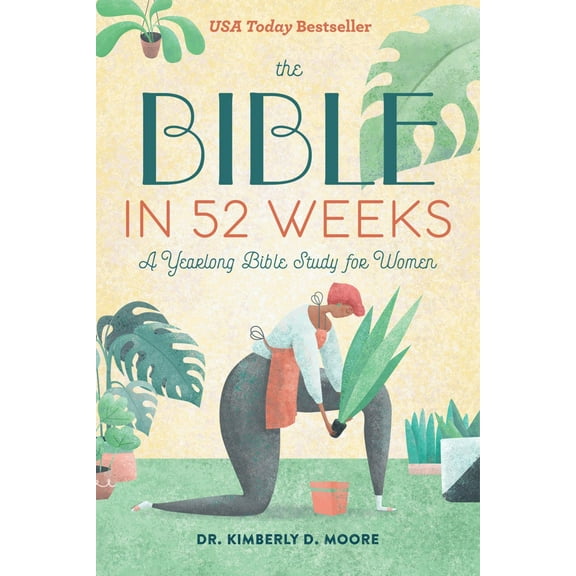
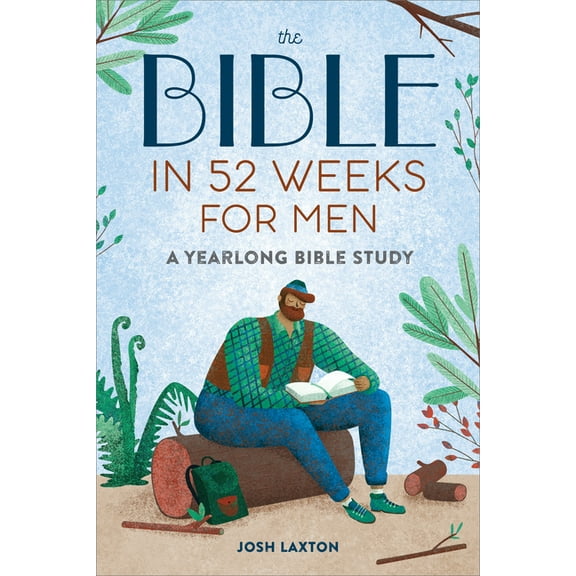
If you want a longer routine, you can look for a 52 week plan that organizes lessons across the year. That format can help you keep a steady pace without building your own schedule.
Matching audience and difficulty to your study goals
You should check whether the content matches your reading level and study purpose. You may want beginner-friendly explanations, or you may want advanced material with deeper theology language.
If you’re shopping for adults, you can compare titles built for independent study, group classes, or devotional routines. If you’re shopping for kids, you can look for simpler layouts and shorter lesson sections.
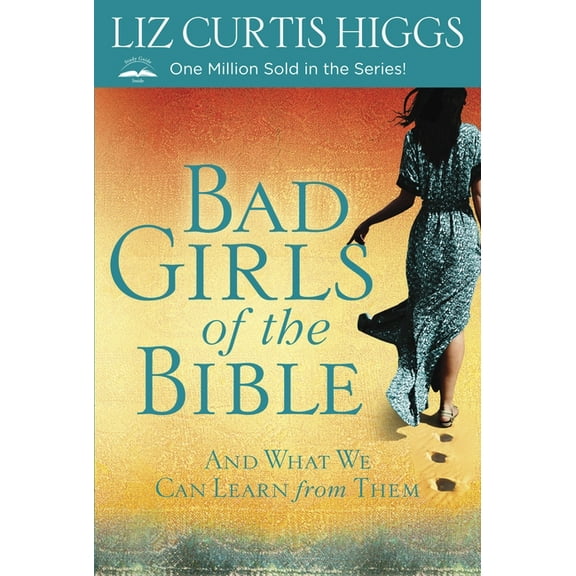
You may also narrow choices by audience focus, including books written for women or men. That can help you find examples, prompts, and discussion themes that feel more relevant to your setting.
When you want a starting point, you can choose a bible study guide with clear summaries and step-by-step questions. When you want layered doctrine topics, you can compare theology books with longer readings and cross references.
Using bible study notes and reading plans well
You can use bible study notes when you want to track themes, passages, and discussion points from each session. You may find this format useful for Sunday school prep, small groups, or sermon follow-up.
If you like to mark observations as you read, you can choose note-based formats with room beside the text prompts. If you prefer guided structure, you can pair notes with a workbook that includes review questions.
You can also match the format to your schedule and setting. A daily plan can fit morning reading, while a monthly guide can support deeper weekend study.
For longer learning goals, you can compare systematic theology workbooks and yearlong studies that build week by week. That approach can help you connect themes across books instead of reading isolated passages.
Checking print size, readability, and special formats
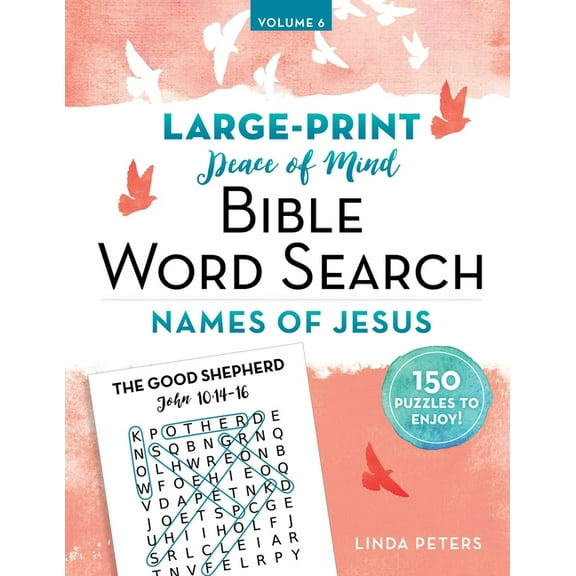
You should measure readability before choosing between large print and standard print editions. You may prefer large print when you want longer reading sessions with easier page scanning.
If you want a reference-style title, you can check whether the layout leaves room for notes, headings, and section breaks. If you want a compact study companion, you can compare standard print books with slimmer page counts.
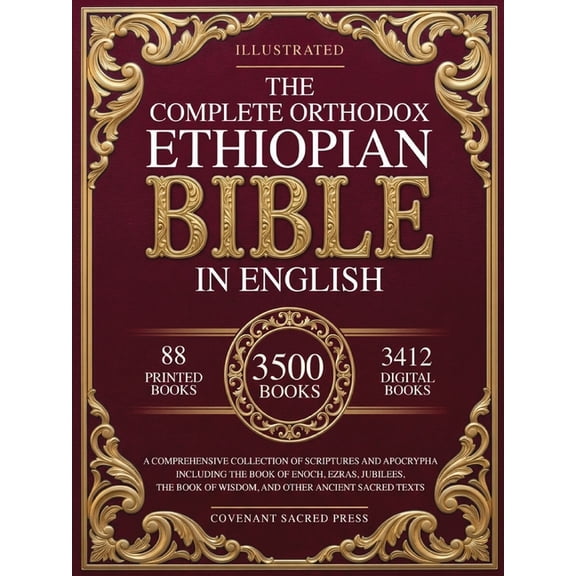
You may also see interest in special formats such as Ethiopian Bible large print editions. In that case, you should confirm print size, language details, and page layout before choosing a title.
When you compare these details carefully, you can pick a study resource that fits your pace, your reading habits, and your preferred level of structure. You’ll end up with a format that supports consistent, focused study time.