

Blue Tarps in Surface Protectors



















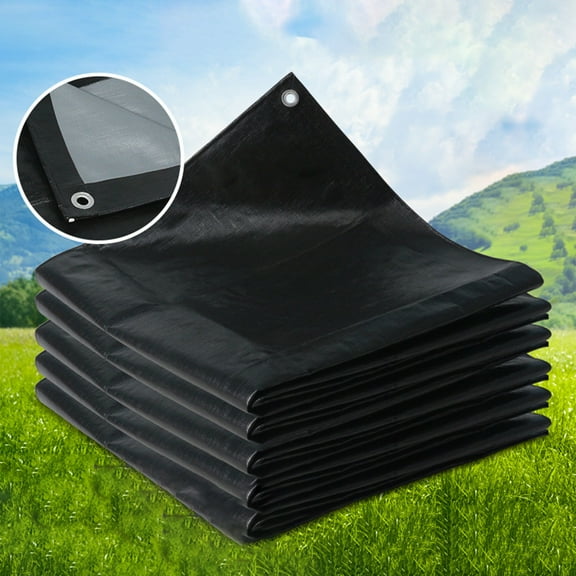


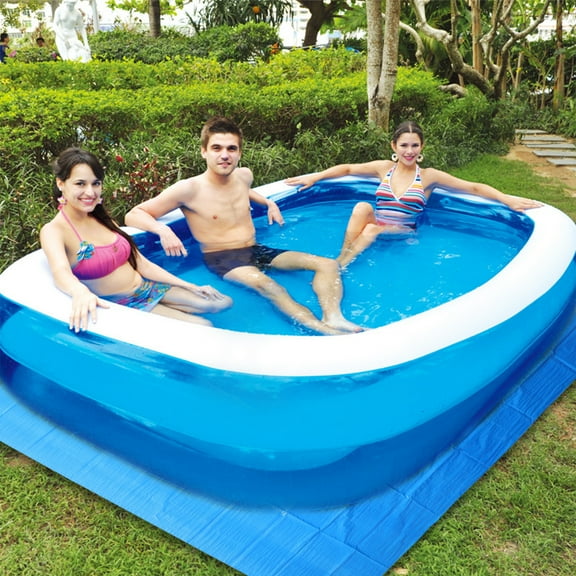
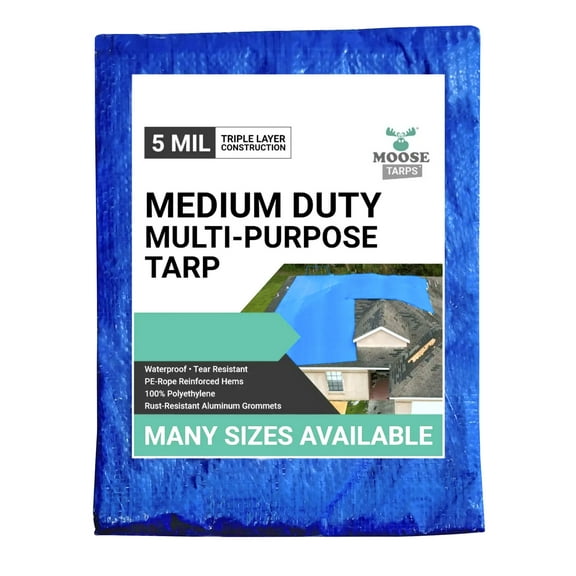
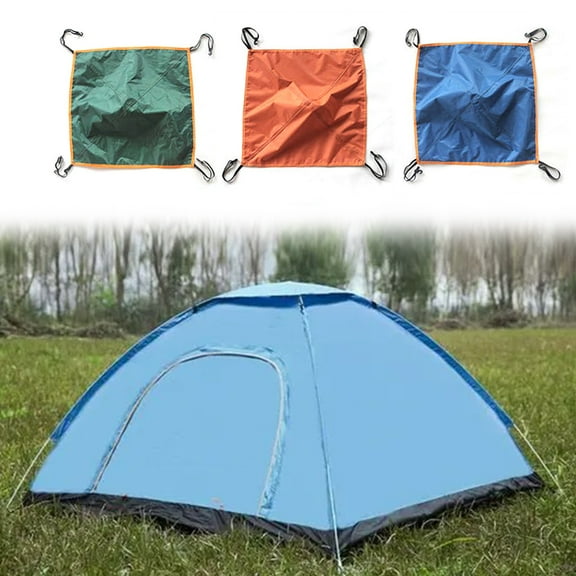






About Blue Tarps in Surface Protectors - Walmart.com
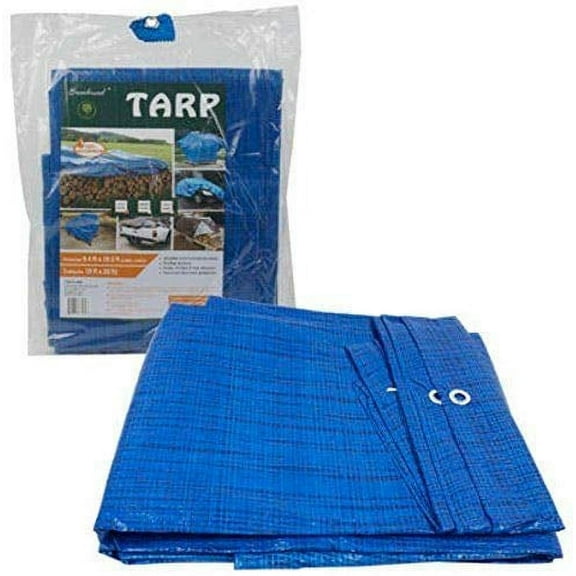
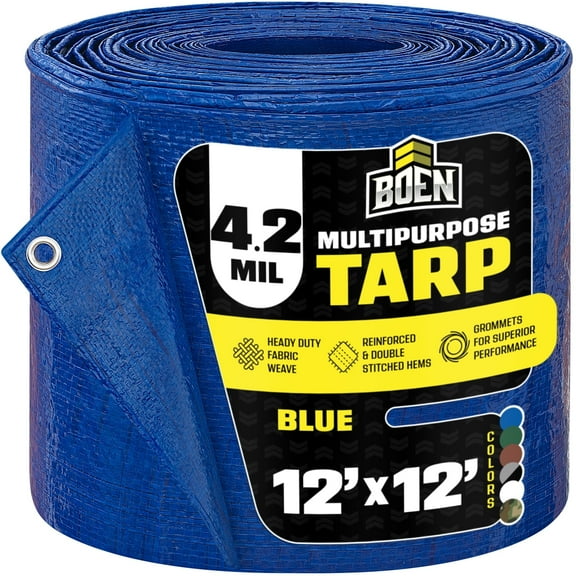
Blue tarps help you cover equipment, shield materials, and secure outdoor projects with flexible protection. You can compare thickness, size, grommet spacing, and waterproof coverage to choose the right tarp for each job.
How to choose heavy duty blue tarps
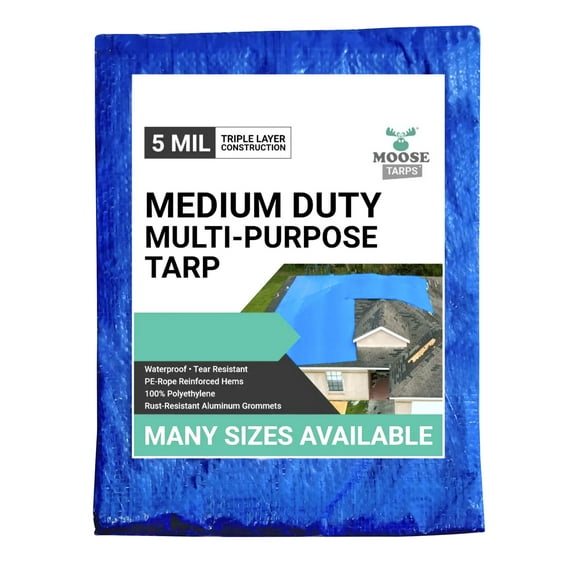
When you compare blue tarps, you should start with material thickness because mil ratings affect durability. You can use standard duty five mil options for light coverage and short-term tasks.
If you need longer outdoor use, you should consider heavy duty 10 mil tarps for added strength. You can step up to super heavy duty 14 plus mil tarps for rougher surfaces and repeated tie-downs.
Denier count also matters when you want stronger woven fabric under stress. You should look for thicker coatings and tighter weave construction when your tarp will face wind, hauling, or jobsite wear.
- You can use lighter tarps for quick yard cleanup and temporary covers.
- You can choose thicker tarps when your load needs firmer hold and longer outdoor exposure.
- You can compare mil thickness with denier details to match strength with your project.
- You can check reinforced edges when your tarp will stay tied down for extended periods.
What to look for in waterproof blue tarps
You should compare waterproof, water-resistant, and weatherproof descriptions before you choose a cover. You can use waterproof blue tarps when you want a barrier that blocks rain from reaching the surface below.
If you expect changing conditions, you should look for coatings that help resist moisture and outdoor exposure. You can also check whether UV-treated layers help the tarp hold up in direct sun.
Heat-sealed seams matter when you want fewer weak points across wide panels. You can look for this detail on blue plastic tarps when your cover needs more dependable water coverage.
Choosing the right size and coverage
You should measure the full area before you buy, then add extra length for overlap and tie-down points. You can use that extra coverage to wrap edges, secure corners, and reduce shifting.
Smaller sizes like eight by 10 feet work when you need to cover stacked supplies or compact equipment. You can move to 10 by 12 feet or 12 by 16 feet for patio furniture, wood piles, or trailers.
If you need large blue tarps, you should check 20 by 30 foot options for broad coverage. You can use larger sizes for roof sections, vehicles, work zones, and oversized outdoor storage areas.
Coverage shape matters as much as square footage when you want a cleaner fit. You should compare your object height and anchor points so your tarp reaches down far enough to fasten securely.
Comparing blue tarps with grommets and reinforced edges
You should examine reinforcement features closely because tie-down strength often decides how well your cover stays in place. You can look for blue tarps with grommets when you need simple attachment points along the edge.
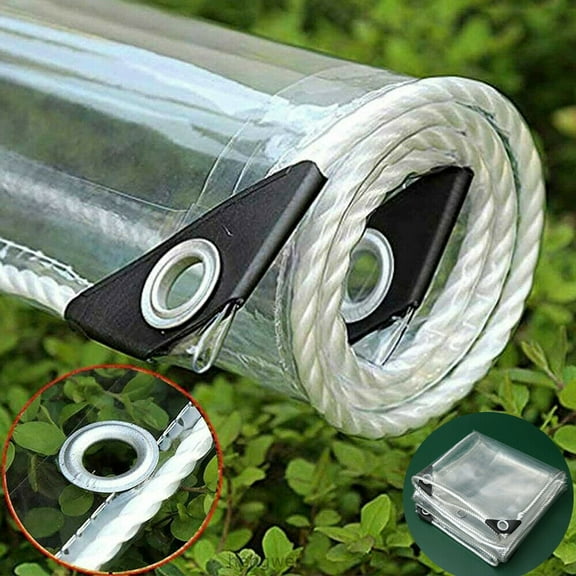
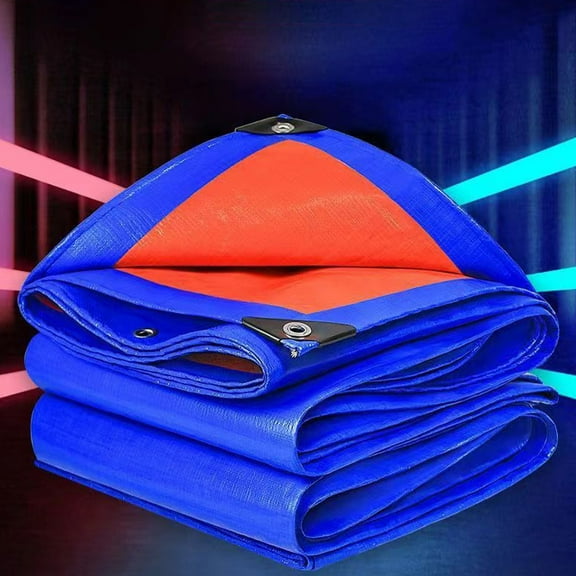
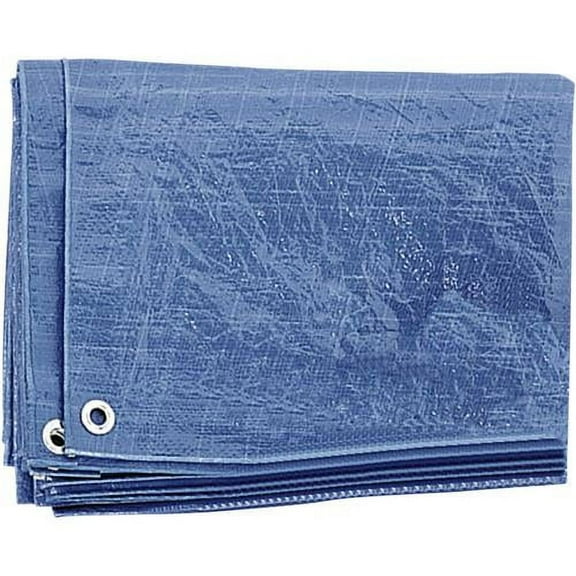
Rust-resistant grommets help you maintain easier fastening in damp outdoor settings. You should compare spacing every 18 to 36 inches because closer spacing gives you more tie-down control.
Reinforced hem rope adds structure around the perimeter where pulling force concentrates. You can pair that feature with bungee cords, rope, or tarp straps when you need a tighter hold.
Heat-sealed seams and reinforced edges work together when your tarp covers a broad area. You can use these details to reduce stretching along corners and improve stability during repeated setup.
How blue tarps fit your projects
You can use blue tarps for camping, landscaping, hauling, storage, and temporary roof coverage. You should match thickness, waterproofing, and size to the job instead of choosing by color alone.
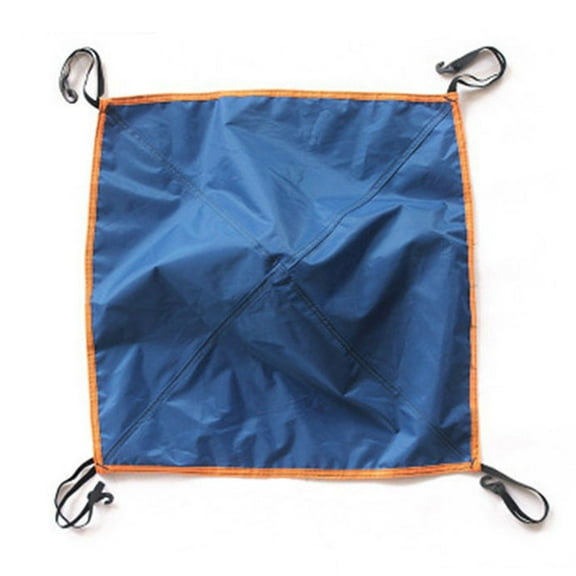
For camping, you may want a lighter cover that packs easily and handles quick setup. You can place it under gear, over firewood, or above a seating area with simple tie-down points.
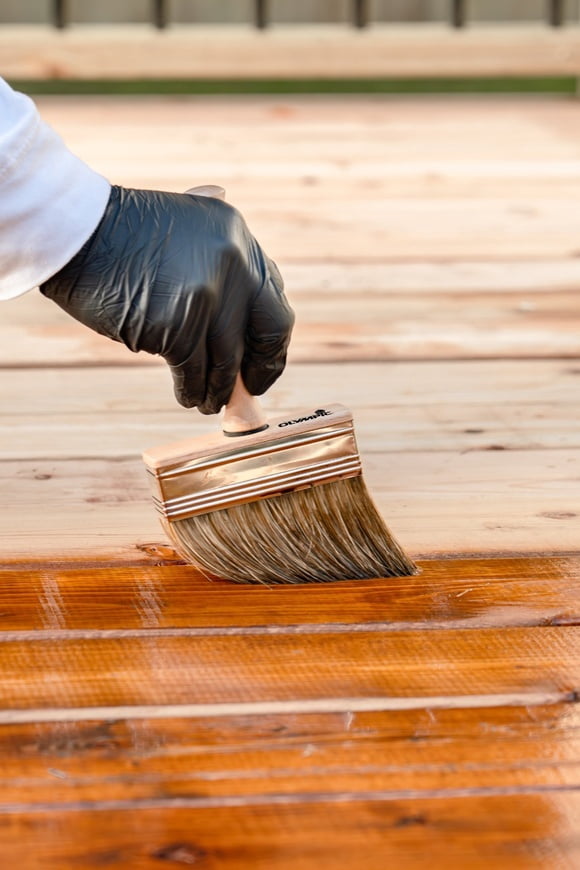
For home projects, you should consider thicker tarps for painting prep, debris piles, and material protection. You can cover lumber, mulch, drywall, or tools when the weather changes during the day.
For hauling, you should look for reinforced hems and reliable grommet spacing before securing loads. You can keep items covered on trailers or truck beds with less shifting during transport.
If you need temporary outdoor coverage, you should compare waterproof ratings and larger dimensions carefully. You can create more complete coverage when you allow enough overlap and use secure anchors around the perimeter.
You can feel more confident choosing blue tarps when you compare mil thickness, size, seams, and fastening details together. Your project gets more dependable coverage when your tarp matches the surface, weather, and tie-down plan.