







Boats & Marine
Shop by category
Get out on the water
FAQ
About Boats & Marine - Walmart.com
Boats and marine accessories help you equip your vessel for navigation, protection, and upkeep. You can compare electronics, hardware, covers, and trolling motors around your exact boating routine.
You’ll also find options for freshwater trips, saltwater conditions, and different boat styles. That helps you match gear to your pontoon, fishing boat, kayak, or yacht.
How to choose boats and marine accessories
You’ll make efficient decisions when you break this category into practical choices. You should start with equipment type, water compatibility, and how you use your boat.
Consider whether you need guidance at the helm, protection at the dock, or replacement boat parts for upkeep. You can also narrow choices by fitment, material durability, and electrical requirements.
When you compare those factors together, you can avoid mismatched gear and frustrating installation issues. You’ll shop with confidence when you know which specs fit your setup.
Choosing the right equipment type
You may want marine electronics when you need navigation, sonar, or system monitoring on the water. You might choose boat accessories like fenders and storage gear for docking and organization.
If you’re replacing worn components, boat parts and marine hardware help you maintain cleats, rails, fasteners, and deck fittings. If you need quiet propulsion, trolling motors support controlled movement in fishing areas.
- You can use marine GPS and fish finder gear for route tracking and location awareness.
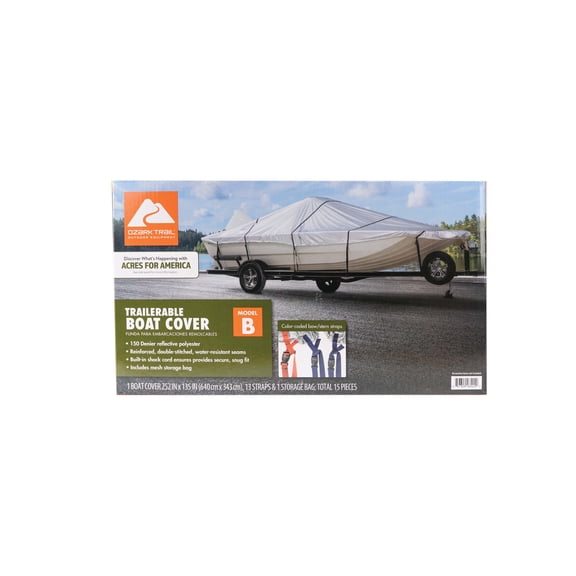
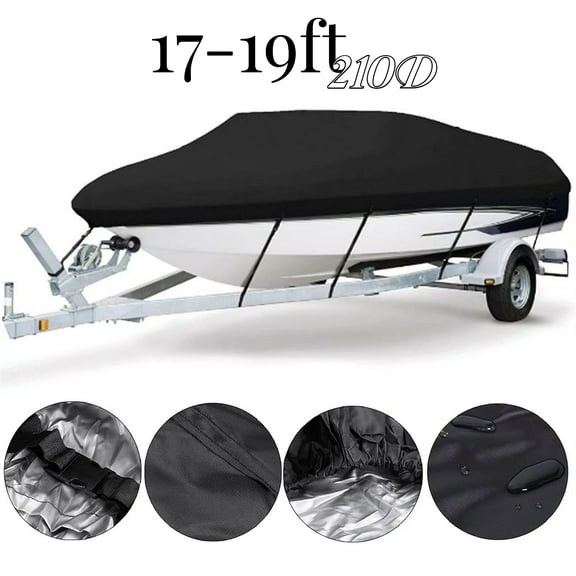
- You can choose boat covers to protect seating, consoles, and decks between outings.
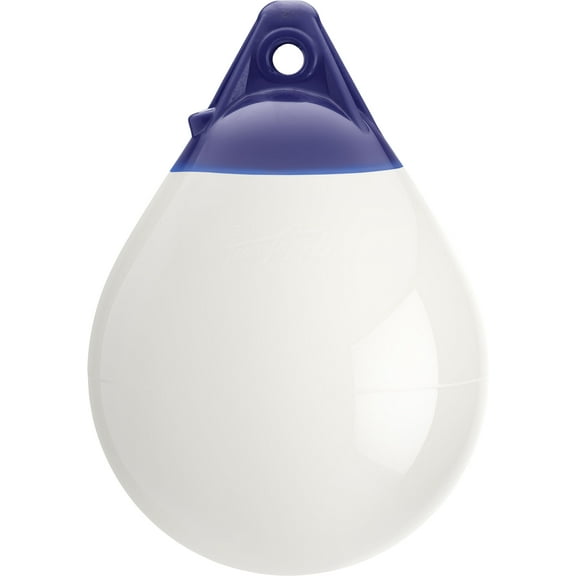
- You can add boat fenders to cushion your hull during docking and tie-ups.
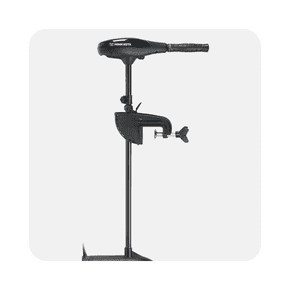
- You can select trolling motors when you want steady low-speed control on the water.
Each equipment type supports a different boating task, so you should compare by purpose first. You’ll narrow options efficiently when you separate navigation, protection, and maintenance needs.
Comparing freshwater and saltwater compatibility
You should check whether manufacturers design your gear for freshwater or saltwater use before you choose. Saltwater setups usually need high corrosion resistance because your hardware faces harsher exposure.
Look for marine-grade construction when you want equipment that handles spray, sun, and wet storage. You may also consider anodized aluminum parts because you’ll get added protection in coastal environments.
If you boat on lakes and rivers, you may still want durable finishes and sealed components. You’ll benefit from waterproof housings and protected connections when splashing is part of your routine.
When you move between inland and coastal waters, you should compare intended use closely. You can prevent durability and fit issues by matching materials to your actual conditions.
What to look for in power, fit, and materials
You should review voltage and amp draw when you compare marine electronics and trolling motors. Many setups use 12V systems, while larger combinations may call for 24V support.
If you match power needs to your boat’s electrical system, you can avoid unnecessary guesswork during installation. You’ll also have a simple process for choosing compatible batteries, chargers, and accessories.
Fit matters just as much as power, especially when you shop for boat covers and hardware. You should measure your boat length, beam width, and mounting points so your gear fits securely.
A pontoon cover won’t fit like a fishing boat cover, and kayak hardware needs a different footprint than yacht hardware. You’ll get a precise fit when you compare dimensions with your boat style.
Materials guide long-term use, so you should look for waterproof fabrics and UV-resistant finishes. You may want reinforced stitching, sealed seams, and marine-grade metals for demanding outdoor storage.
Those details matter because your gear faces sun, moisture, and repeated handling. You can narrow options faster when you treat durability as a key buying filter.
Matching use cases to your boat setup
You might prioritize marine electronics if you run early fishing trips or longer open-water routes. You’ll likely want clear displays, readable controls, and power specs that suit your electrical system.
If you dock often, boat fenders and marine hardware can support tie-ups and everyday marina tasks. You can choose sizes and mounting styles that match your hull shape and dock routine.
For off-season storage or weekend coverage, boat covers become an important part of your setup. You should compare fabric weight, coverage shape, and tie-down design for your boat type.
Trolling motors make sense when you want precise low-speed movement around coves, shorelines, and fishing spots. You can compare thrust, shaft length, and voltage so your motor suits your boat size.
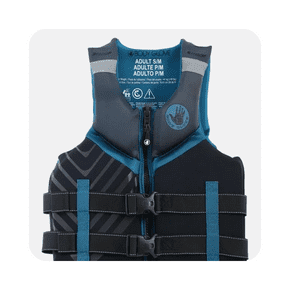
You may also look for USCG-certified items when your checklist includes safety and compliance gear. You’ll want to confirm that label on applicable products for recognized boating standards.
When your choices align with your boat type and water conditions, you can build a practical setup. You can minimize time replacing mismatched gear and maximize time preparing for smooth days afloat.
Why these boat accessory details matter
You’ll choose with confidence when you compare equipment type, water compatibility, power needs, and fitment together. That approach helps you find boats and marine accessories that suit your vessel and routine.
With the right materials and specs, you can outfit your boat for navigation, protection, and maintenance with minimal compromises. You’ll end up with gear that fits your boating plans from launch to storage.