


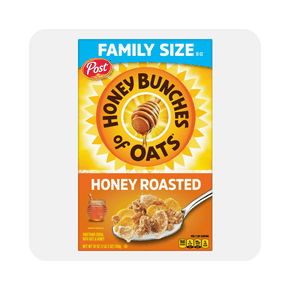


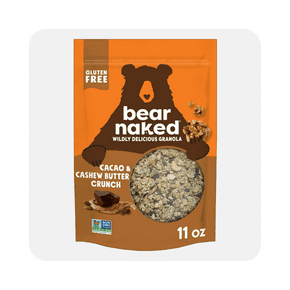

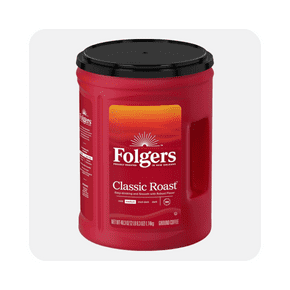
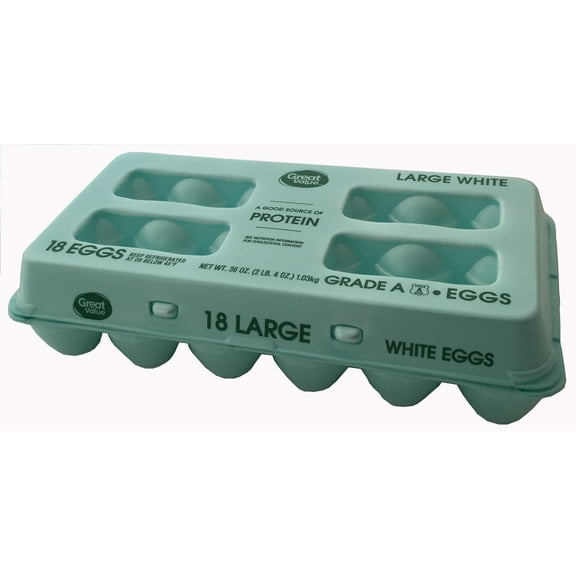














Breakfast & Cereal
Breakfast values, $3 or less
New in cereal
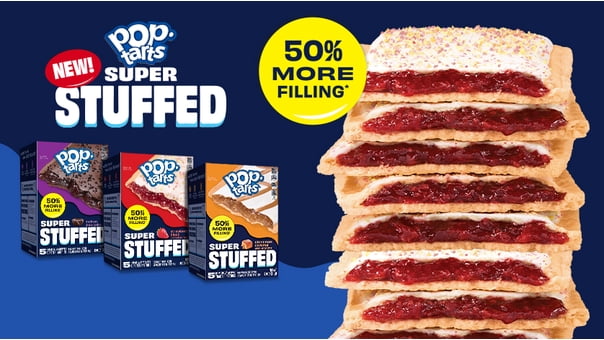
Great Value breakfast
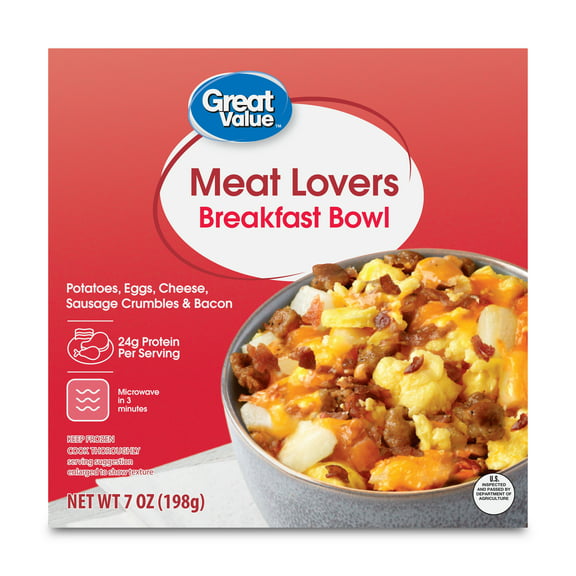
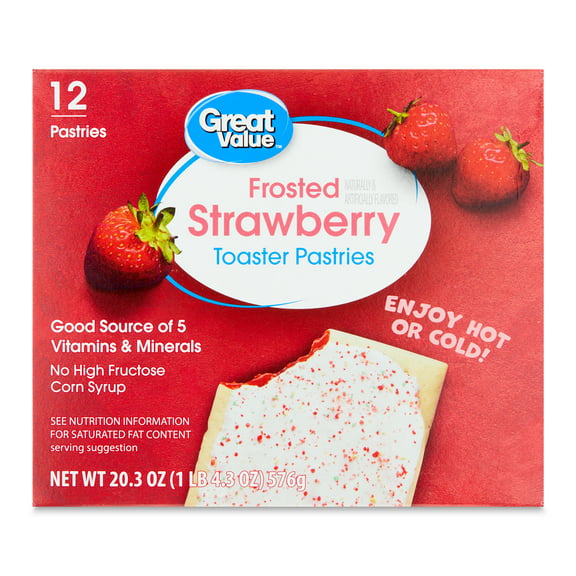
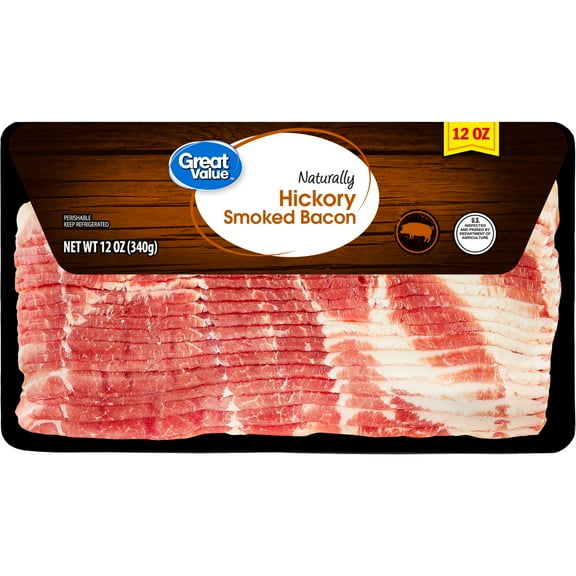


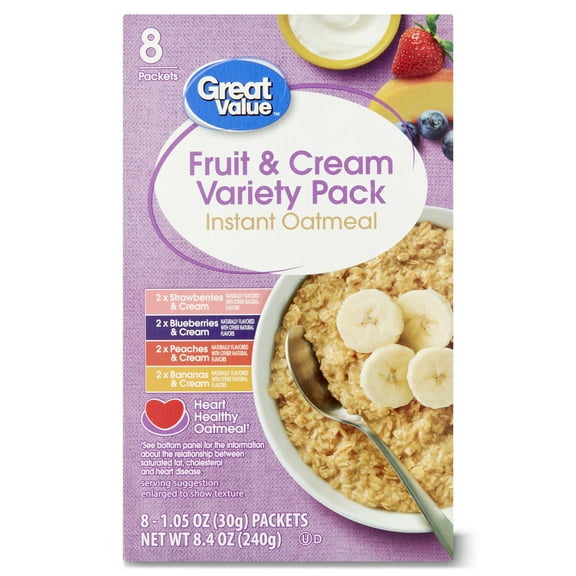
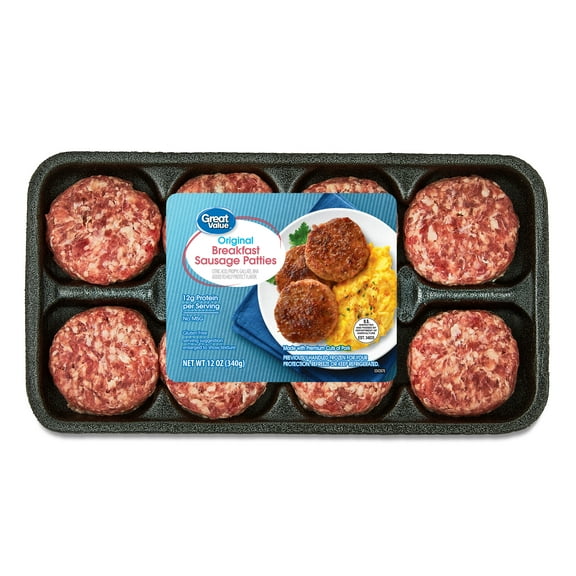
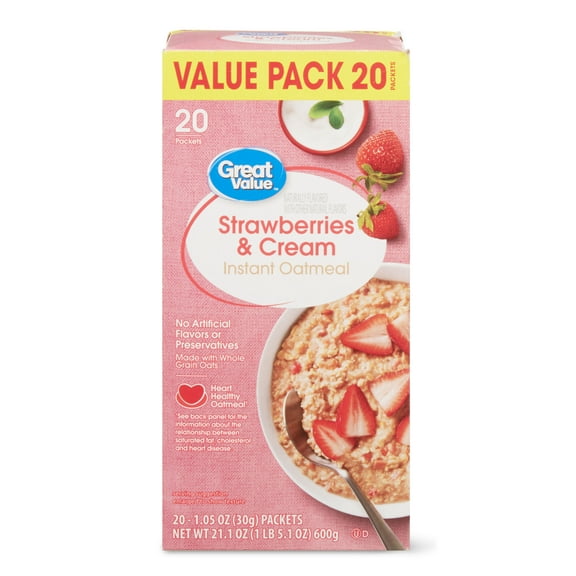
More breakfast essentials



FAQ
About Breakfast & Cereal - Walmart.com
Sewing machines help you turn fabric, trim, and thread into finished projects with control that matches your skill level. You can compare machine types, frame construction, and portability to match quilting, mending, garment work, or decorative stitching.
How to choose sewing machines for your projects
When you compare sewing machines, you should start with the projects you plan to sew most often. You’ll usually need different stitch options for hemming denim, piecing quilts, or adding decorative details.
If you’re learning, you may prefer clear controls and guided settings that shorten setup time. If you sew often, you may look for more stitch choices, steadier feeding, and faster operation.
- You can match stitch count to fabric types, from basic cotton to thicker layers.
- You can compare beginner, intermediate, and advanced controls based on how much setup you want.
- You can choose a frame style that supports either portability or steadier sewing on long sessions.
- You can look for easy-threading features that reduce pauses between color changes or bobbin swaps.
Another key choice is whether you want a machine focused on utility stitching or decorative capability. You may also compare embroidery machines or sergers when your projects need lettering, edging, or seam finishing.
Choosing between computerized sewing machines and mechanical models
Computerized sewing machines give you button-based stitch selection and settings that can feel easier to repeat. You can often switch stitch styles quickly when your projects move from straight seams to decorative accents.
Mechanical models use manual dials and levers that many shoppers consider simple to learn and maintain. You may prefer that hands-on control when you want direct adjustments for everyday repairs or basic garment work.
If you make gifts, home décor, or detailed craft projects, you may appreciate built-in stitch libraries and guided options. If you want a straightforward setup, you may prefer fewer controls and familiar stitch choices.
Embroidery machines fit shoppers who want monograms, motifs, and more decorative personalization on fabric items. Sergers fit shoppers who want trimmed edges, overlock seams, and a cleaner finish on knit or woven projects.
What to look for in heavy duty sewing machines
Heavy duty sewing machines usually focus on frame strength, steady feeding, and support for thicker materials. You may notice that a metal frame feels more stable when you sew denim, canvas, or layered quilting pieces.
Frame construction matters because you’re balancing durability against weight and portability. A lightweight plastic casing may feel easier to move, while a metal frame may feel steadier on a worktable.
You should also compare motor pace, presser foot pressure options, and stitch consistency across long seams. Those details matter when you’re hemming jeans, making curtains, or piecing larger quilt sections.
Automatic needle threaders can also shape your experience during longer projects with frequent thread changes. You’ll spend less time on setup and more time guiding fabric through each pass.
Choosing portability, size, and skill level
Portable sewing machines work well when you need a machine for classes, small spaces, or quick household repairs. You can lift and store compact or tabletop designs more easily between projects.
If your sewing area doubles as a dining room or office, portability may matter as much as stitch selection. You may want a machine that stores neatly without giving up the core stitches you use most.
Skill level also shapes what features you should prioritize before you choose. Beginners often want simple threading paths, clear stitch labels, and a manageable learning curve.
Intermediate shoppers may compare expanded stitch options, speed control, and accessory compatibility for broader project variety. Advanced shoppers may look for precise settings, specialty feet, and stronger performance on layered fabrics.
How your sewing machine choice fits real projects
If you’re hemming pants, repairing seams, or shortening curtains, you may only need dependable utility stitches and simple controls. A mechanical or beginner-focused option can support those frequent household tasks.
When you’re quilting, you may want steadier feeding, more workspace, and consistent stitching over longer lines. A metal frame or heavy duty build can feel more planted during repeated passes.
If you’re making costumes, bags, or home accents, you may want decorative stitches and easier setting changes. Computerized sewing machines can help you switch styles without stopping to reset several controls.
For personalized towels, baby gifts, or monogrammed décor, you may prefer embroidery machines with decorative focus. For knit garments or seam finishing, you may prefer a serger that creates tidy wrapped edges.
You can also build a more complete setup by pairing your machine with sewing accessories, organizers, and cutting tools. That approach helps you keep thread, needles, and fabric tools ready for each project.
When you compare sewing machines by machine type, skill level, frame construction, and portability, you can narrow choices with confidence. You’ll end up with a machine that fits your workspace, fabric habits, and favorite projects.