

Bubble Levels & Spirit Levels
















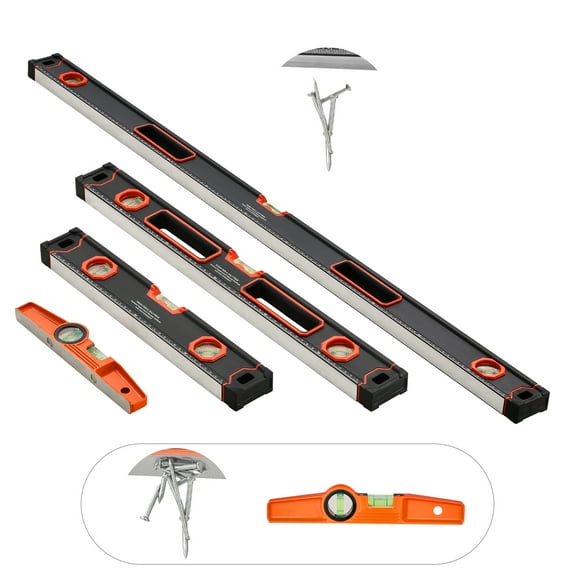

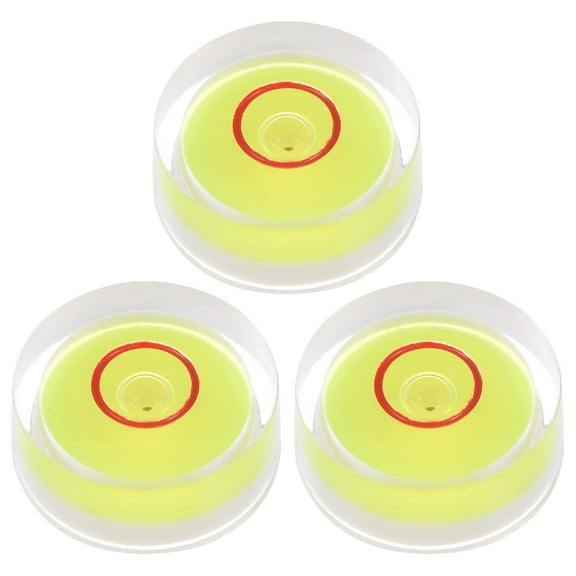






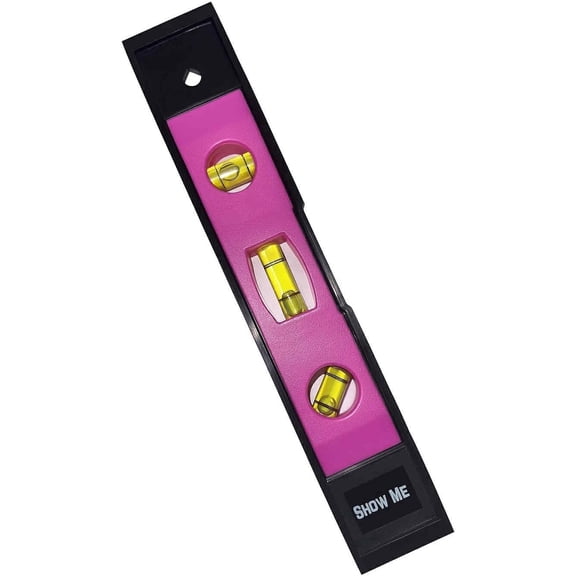




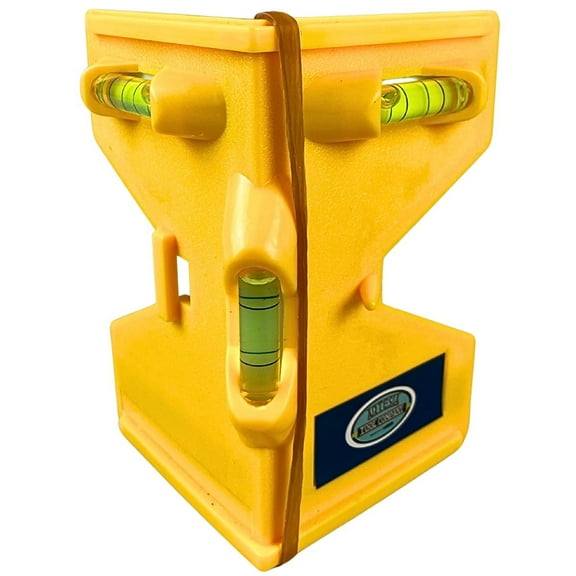


About Bubble Levels & Spirit Levels - Walmart.com
When you need home improvement supplies, you can compare tools, hardware, fasteners, and building materials in one place. You can plan repairs, upgrades, and DIY home improvement projects with options that match your room, task, and experience level.
If you're updating a faucet, mounting shelves, patching drywall, or refreshing trim, you need parts that fit together. You can narrow your choices by product type, project type, material, and power source before you start.
How to choose home improvement supplies
You should start with the product type your project requires. You may need home improvement tools for cutting or driving, hardware supplies for mounting, fasteners for joining, or building materials for finishing surfaces.
Before you pick anything, you should compare project compatibility details. You can check voltage for electrical parts, thread size for fittings, and load capacity for anchors or brackets.
You can make shopping easier by matching each item to the job stage. You may use tools for installation, fasteners for attachment, and materials for repair or surface prep.
Choosing product type and project type
You can use product type as your first filter because each project calls for different essentials. If you're painting, you may need brushes, rollers, tape, patch supplies, and sanding tools.
For carpentry, you can compare saws, drill bits, wood screws, brackets, and wood fillers. If you're handling plumbing, you should check fitting sizes, sealants, valves, and pipe materials together.
Electrical work often requires you to confirm voltage, wire compatibility, and device type. You can also compare manual, corded, and cordless home improvement tools based on mobility and outlet access.
- You can keep projects moving by pairing tools with the right fasteners and materials.
- You can reduce guesswork by checking size, thread, voltage, and load details before installation.
- You can match your experience level by choosing DIY-friendly supplies with simple setup steps.
- You can select stronger grades when your project calls for frequent use or heavier support.
Comparing materials and durability in hardware supplies
You should compare material choices because steel, brass, plastic, and wood perform differently. Steel often suits heavier mounting, brass often fits plumbing parts, plastic often works for light-duty fixes, and wood supports trim or framing tasks.
You can also compare residential and commercial grades when durability matters. Residential options may fit occasional home repairs, while heavier-duty grades may suit workshops, garages, or busy shared spaces.
When you're choosing hardware supplies, you should look at finish, thickness, and intended use. You can avoid mismatched parts by pairing the material strength with the weight or pressure involved.
Fasteners also deserve a close look because size and thread pattern affect fit. You can compare wood screws, machine screws, anchors, nails, and bolts based on what you're joining.
What to look for in home improvement tools
You can choose manual tools when you want direct control and simple storage. You may prefer corded tools when you want steady runtime, or cordless tools when you need easier movement.
If you're comparing drills, saws, or drivers, you should think about the work area first. You can often finish small indoor tasks with compact tools, while larger builds may need longer runtime or stronger output.
You should also think about what extra supplies your tool requires. You may need drill bits, blades, sanding sheets, batteries, chargers, anchors, or filler to complete the full job.
Ease of installation matters when you're handling a first-time project. You can look for clear sizing, common fittings, and straightforward mounting styles that help you work through steps with less confusion.
Matching home improvement materials to real projects
You can match home improvement materials to both the room and the surface. If you're repairing drywall, you may need patch compounds, tape, sanding supplies, and paint-prep tools together.
For shelving or wall storage, you should compare bracket style, fastener type, and load capacity. You can choose anchors and screws that fit drywall, wood studs, masonry, or other wall surfaces.
If you're replacing plumbing hardware, you should check thread size and material compatibility before installation. You can pair brass fittings, plastic connectors, or steel hardware with the right pipe type and valve setup.
During DIY home improvement projects, you can avoid extra trips by planning the full supply list first. You should include measuring tools, installation hardware, repair materials, and finishing items for a smoother project flow.
For painting updates, you can combine surface prep tools, fillers, caulk, tape, and applicators. You can create cleaner edges and more even coverage when your prep supplies match the wall condition.
In carpentry projects, you may combine wood materials, brackets, nails, screws, and cutting tools. You can build or repair frames, trim, shelving, and furniture parts with supplies matched to the wood thickness.
You can shop with more confidence when your supplies match your project, surface, and installation method. You get a smoother path from planning to finishing when your home improvement supplies work together from the start.