











Building Play Sets in Building Sets & Blocks




















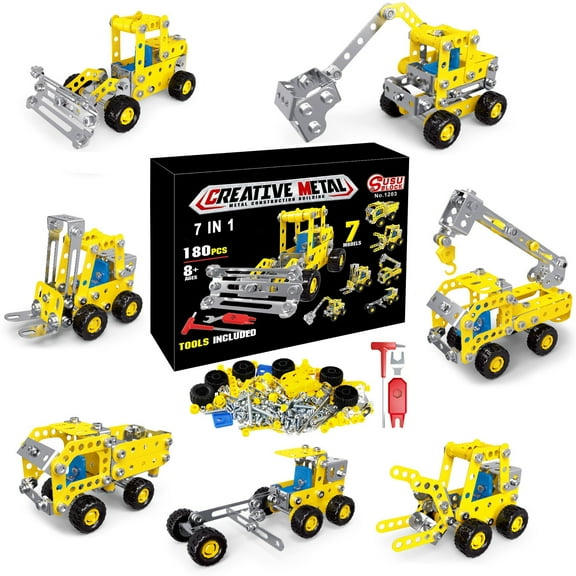
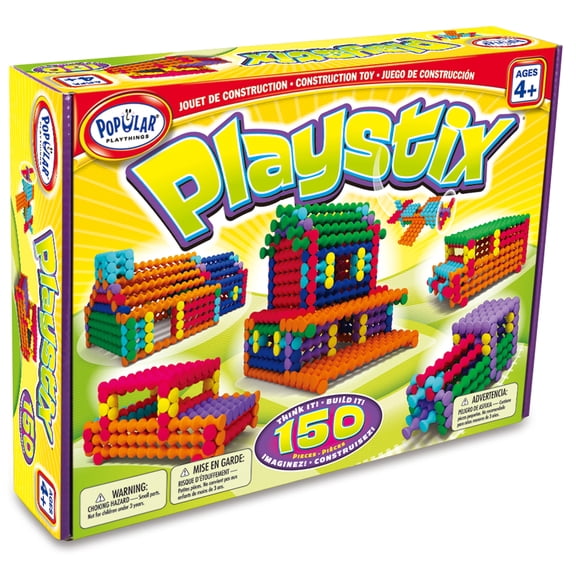
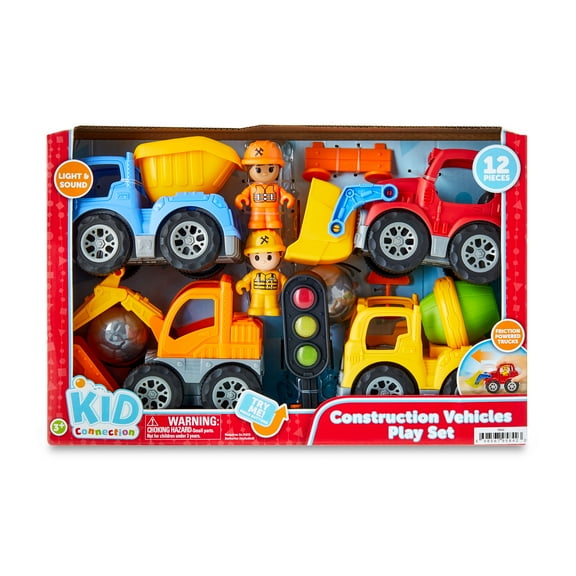

About Building Play Sets in Building Sets & Blocks - Walmart.com
Building play sets help you turn playtime into hands-on building, sorting, and imagining. You can compare age range, material, and set type to choose a set that fits your child’s stage.
How to choose building play sets by age
Age group is your first decision, because piece size and build complexity shape how your child plays. You should check the package age range and choking hazard warnings before you choose smaller parts.
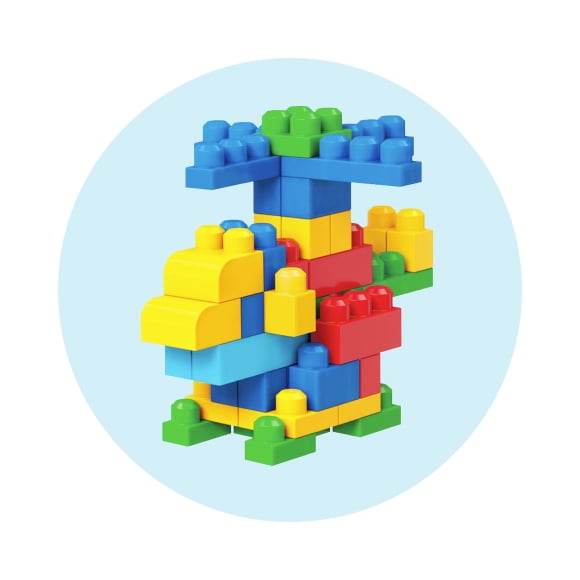
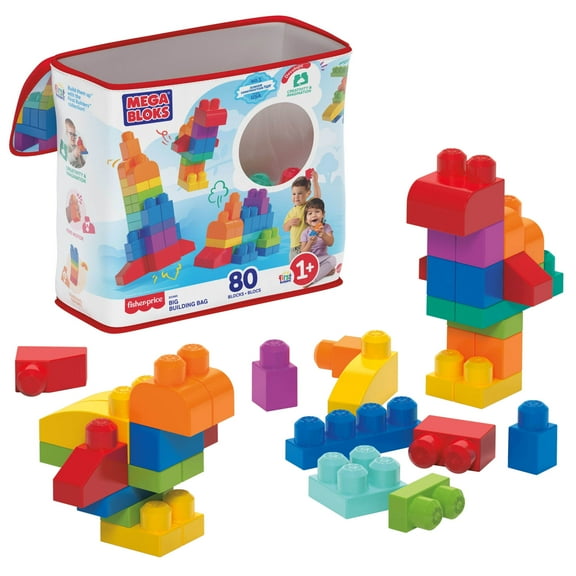
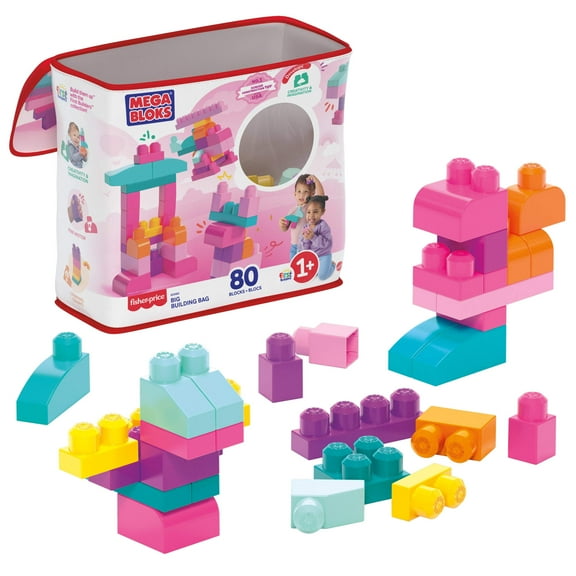
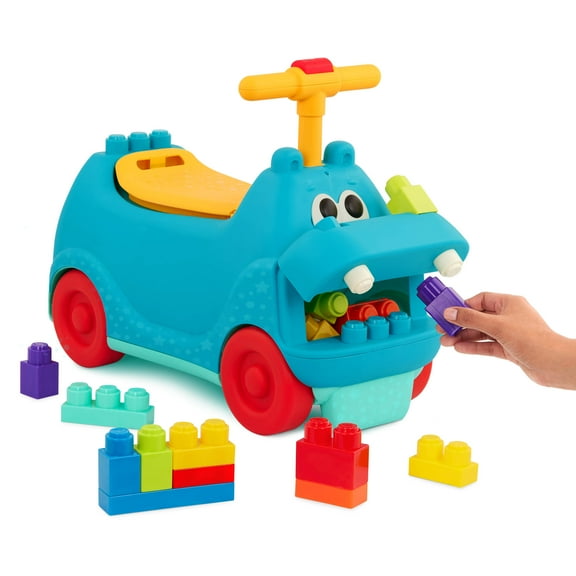
For toddlers ages one to three, you’ll usually want larger pieces that are easy to grasp and stack. You may prefer simple shapes and chunky blocks that support early hand control.
For preschool ages three to five, you can compare interlocking bricks, magnetic tiles, and wooden logs with easier builds. You’ll often notice these sets support sorting, matching, and short building sessions.
Kids ages six to eight may enjoy more pieces, clearer instructions, and moving parts like ramps or marble runs. Older kids ages nine and up often look for detailed builds that hold attention longer.
Key differences in building sets blocks and materials
Material changes how your child builds, carries, and stores each set. You should compare plastic, wood, foam, and magnetic pieces based on grip, weight, and cleanup.
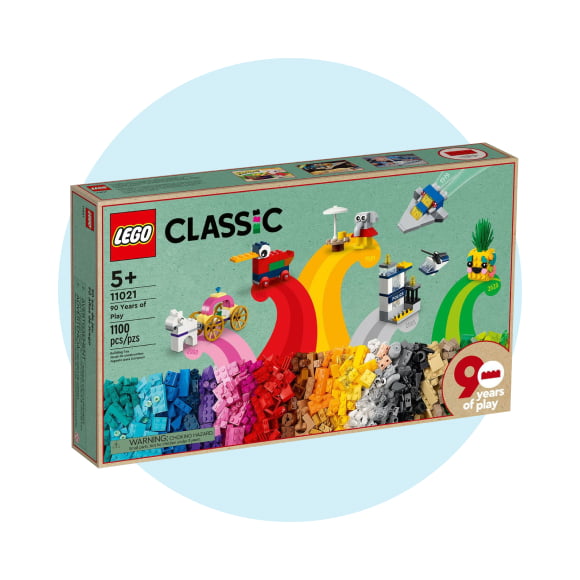
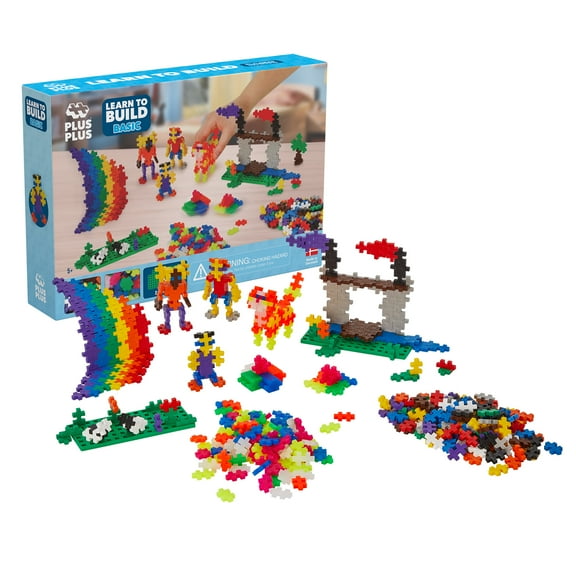
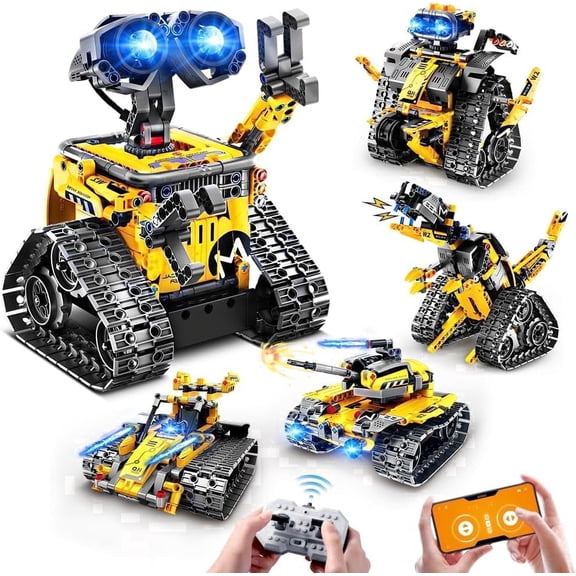
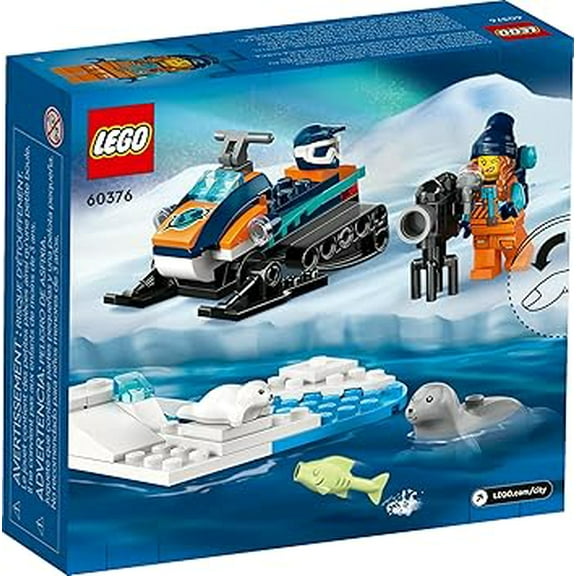
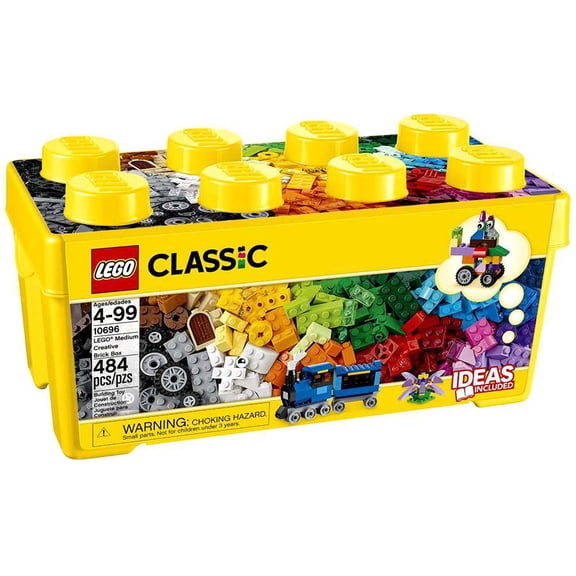
Plastic pieces often give you crisp connections and repeatable builds with interlocking bricks. You may like plastic for towers, vehicles, and themed toy building sets with many parts.
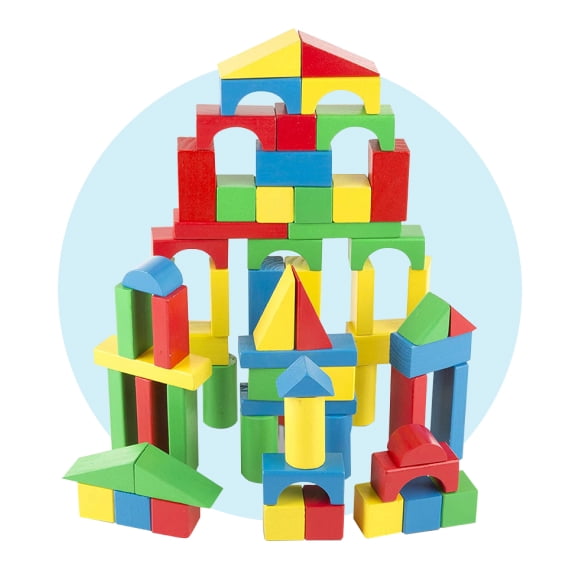
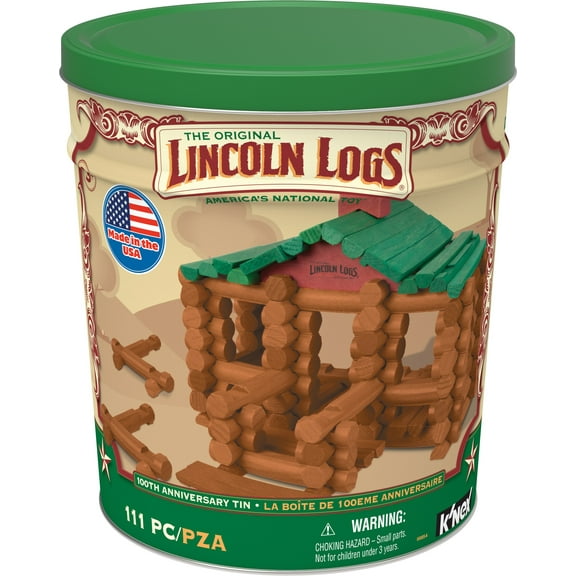
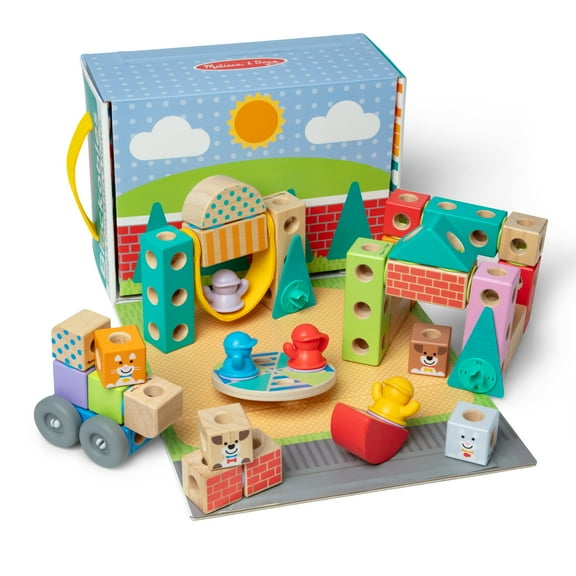
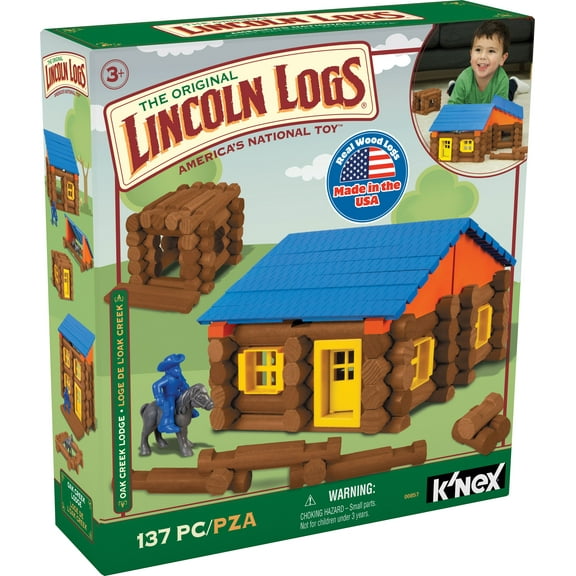
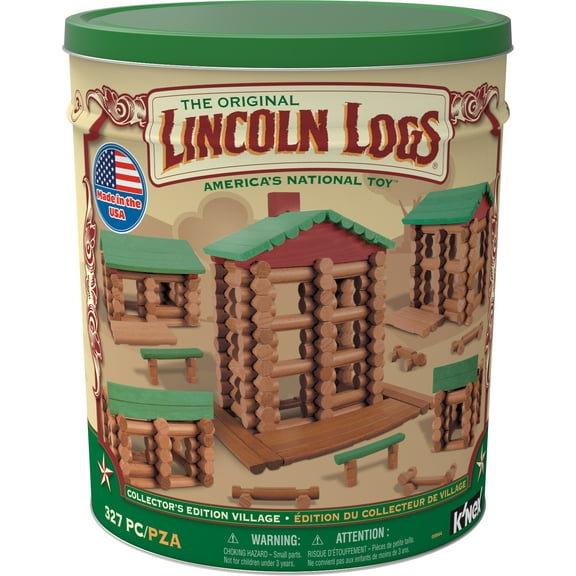
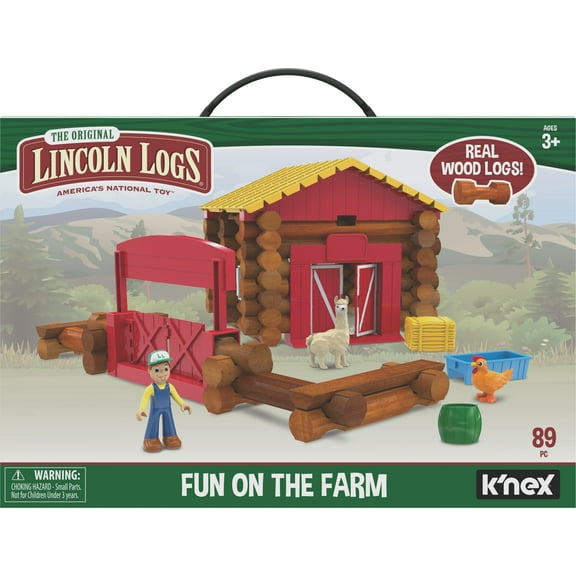
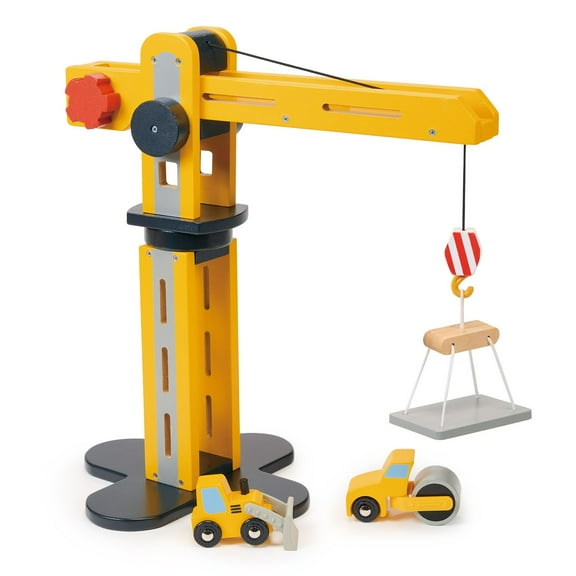
Wood pieces can give you a classic feel and simple stacking play for open-ended building. You’ll often find wooden logs useful when you want quieter, screen-free play.
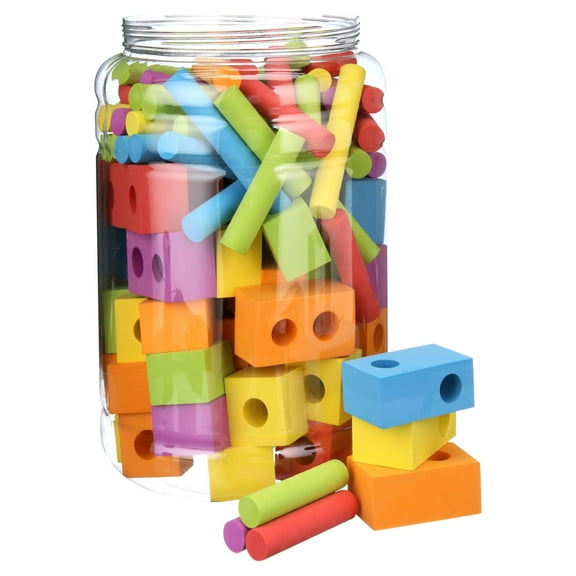
Foam pieces feel lighter in little hands and can work well for early stacking practice. You may choose foam when you want soft, oversized shapes for younger builders.
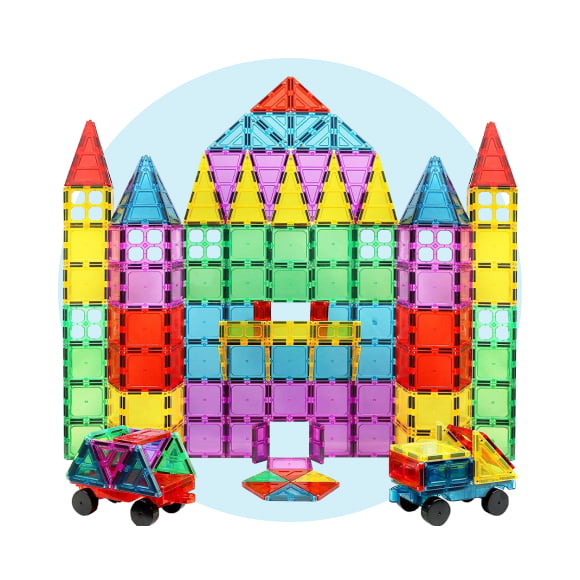
Magnetic pieces let you connect edges and corners quickly, which can make shape play easier to understand. You should compare tile size and magnet placement when you’re choosing magnetic building blocks.
Choosing the right set type and skill focus
Set type shapes what your child does during play, so it’s worth comparing builds before you decide. You can match interlocking bricks, magnetic tiles, wooden logs, or marble runs to different interests.
Interlocking bricks usually suit kids who enjoy following steps and rebuilding favorite designs. You may also check compatibility if your child already owns standard brick systems at home.
Magnetic tiles often help you explore flat patterns, simple 3D shapes, and colorful structures. You’ll want to check whether the set includes squares, triangles, or specialty pieces for variety.
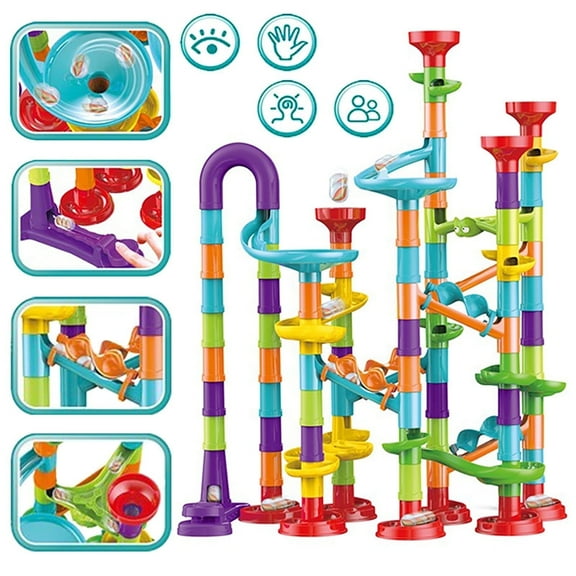
Wooden logs can support balance, symmetry, and freeform building without a fixed instruction path. Marble runs add track planning and cause-and-effect play, so you should compare piece count with your child’s patience.
- You can use interlocking bricks for step-by-step builds and familiar brick play.
- You can choose magnetic tiles when your child likes geometric shapes and quick connections.
- You can pick wooden logs for open-ended stacking and cabin-style designs.
- You can consider marble runs when your child enjoys track layouts and repeated rebuilding.
Skill focus gives you another helpful filter when you’re comparing kids building toys. You may look for STEM learning, fine motor skills, creative play, or spatial reasoning depending on your child’s interests.
Fine motor practice often comes from grasping, pressing, stacking, and separating pieces. Spatial reasoning grows when your child rotates shapes, tests balance, and plans how parts fit together.
What to look for in toy building sets
Piece count tells you a lot about complexity, and it can help you avoid frustration. You should compare smaller sets for quick success and larger sets for longer projects.
A 500-piece set may suit an older child who likes instructions and sustained focus. A younger child often thrives with fewer pieces, larger parts, and simpler building goals.
Compatibility matters if you want new pieces to work with sets already in your playroom. You should read product details closely, because some bricks fit standard systems while others use unique shapes.
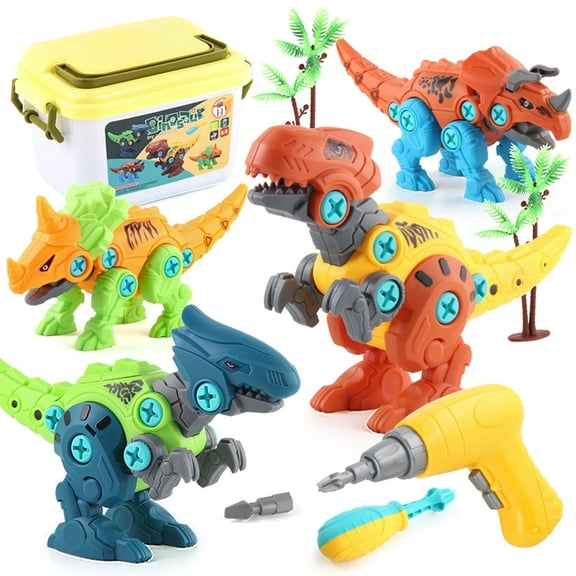
Storage can make a big difference when your child builds often and rebuilds later. You may want sets with bins, boxes, or reusable tubs that keep loose pieces together.
Material certifications can also guide your choice when you’re comparing building blocks for kids. You should check whether the packaging lists BPA-free material certifications when that detail matters to your household.
How you can match building play sets to real playtime needs
If you’re buying for a toddler, you may start with larger foam or plastic blocks and a lower piece count. You’ll usually get easier grasping, faster cleanup, and simpler builds.
If your preschooler likes pretend play, you can try toy building sets with animals, houses, or vehicles. You may find familiar themes help your child stay engaged longer.
For school-age kids, you can compare magnetic tiles, interlocking bricks, and marble runs by attention span. You’ll often want more pieces when your child likes longer projects and repeat builds.
If your child already owns bricks, you should focus on compatibility before you choose another set. You can extend play easily when new pieces connect with the collection you have.
When you need a gift, you can use age group, material, and skill focus as a simple checklist. You’ll feel more confident choosing educational building toys that match the child’s stage and interests.
Building play sets give you flexible options for stacking, connecting, and creating across many ages and play styles. You can choose with more confidence when you compare age range, material, complexity, and storage needs.