


Find auto parts that fit
Let’s search for parts that fit your vehicle.Bumper End Caps in Bumpers & Bumper Accessories

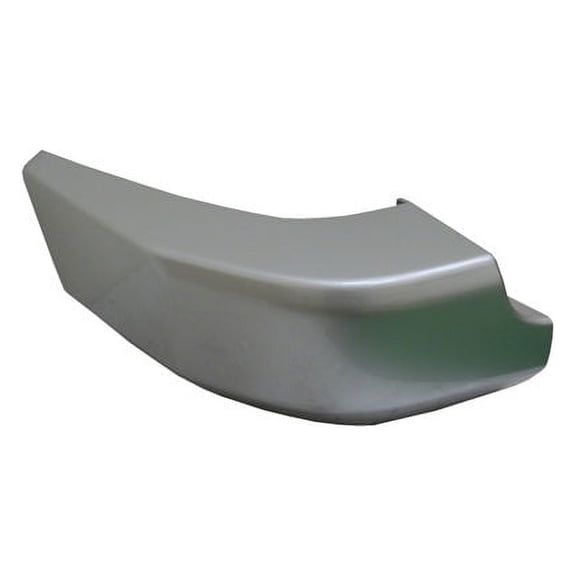
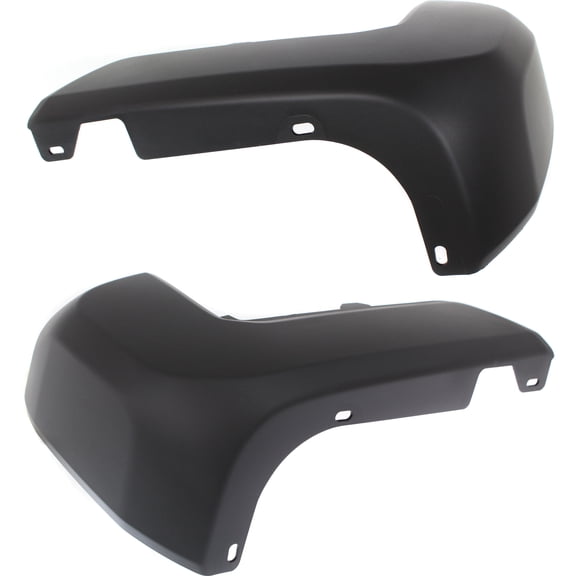
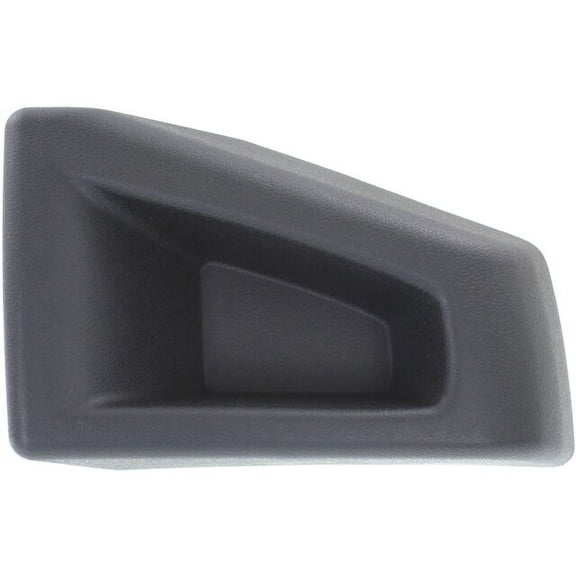
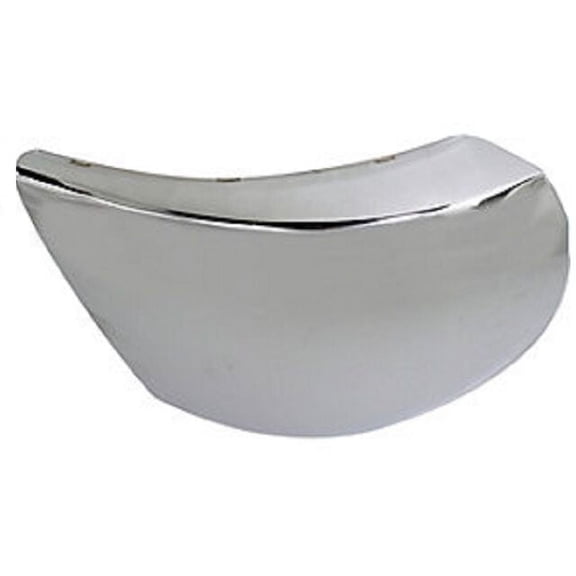




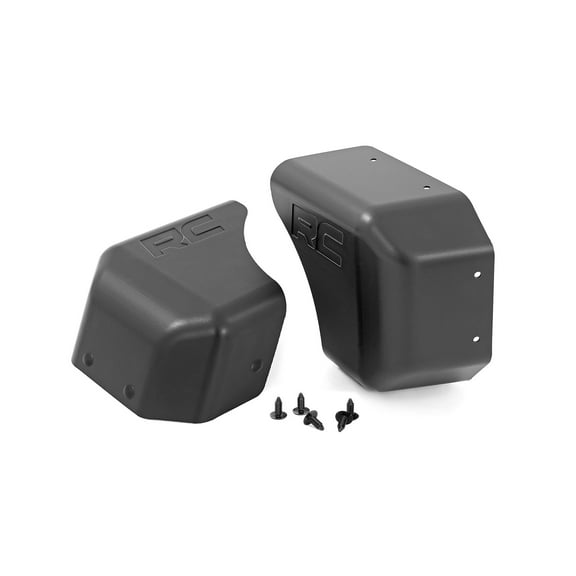
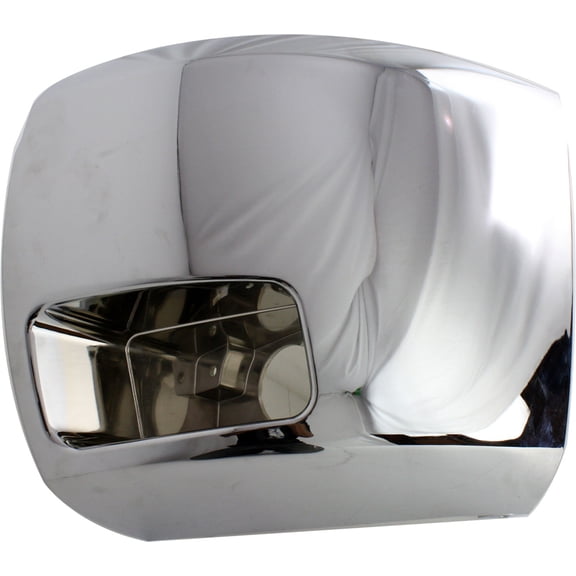


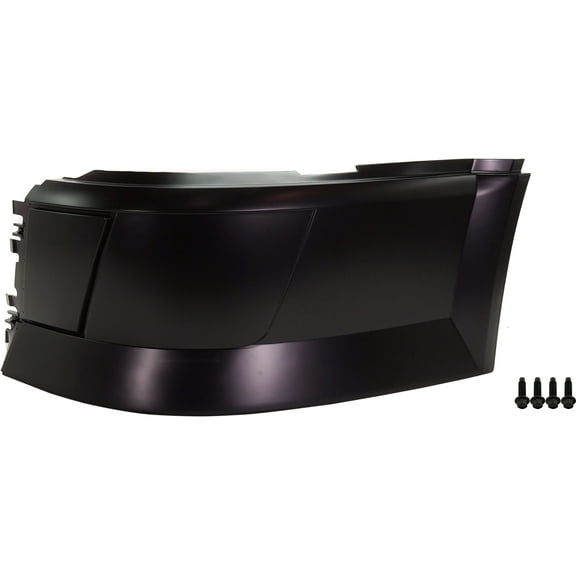
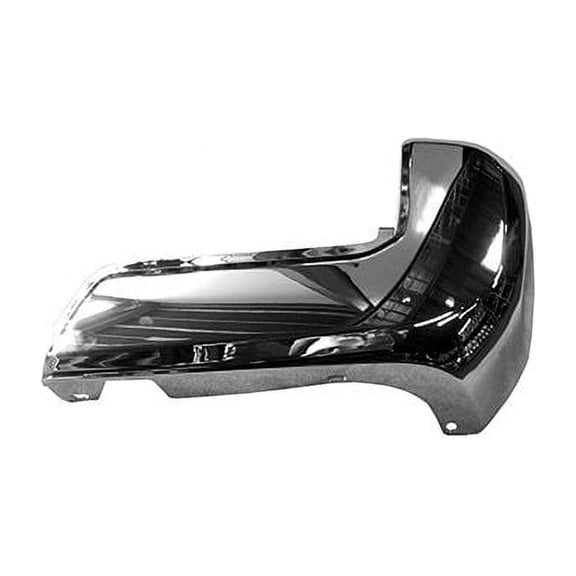
About Bumper End Caps in Bumpers & Bumper Accessories - Walmart.com
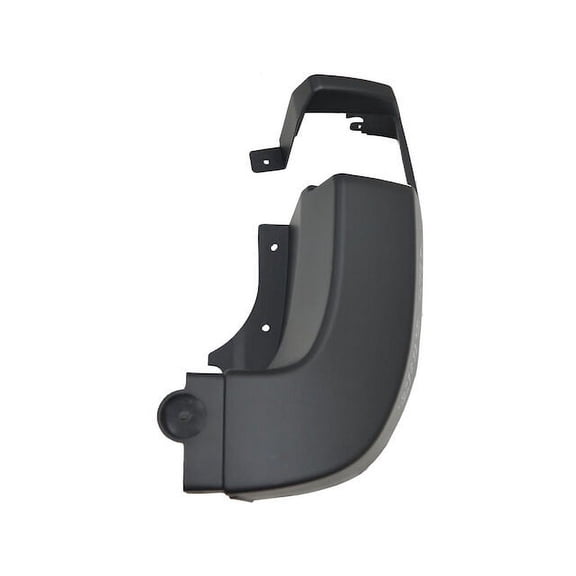
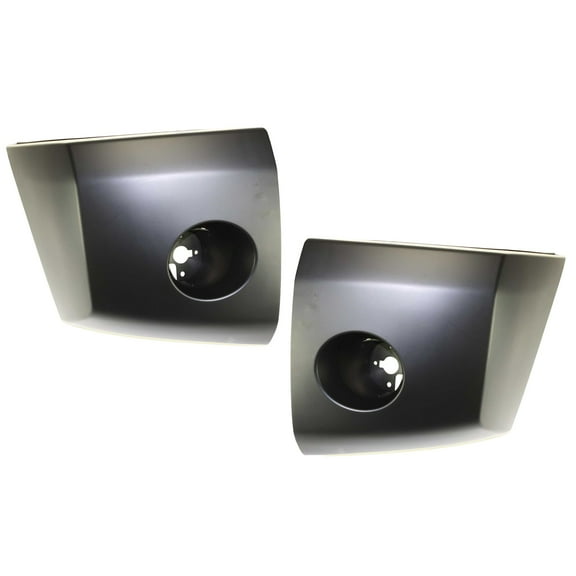
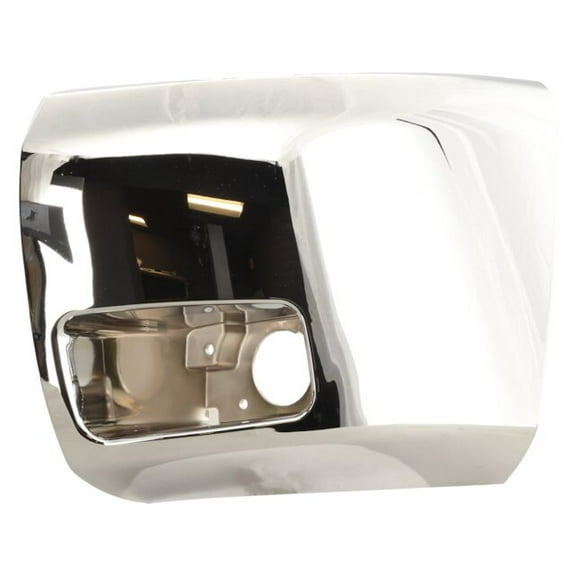
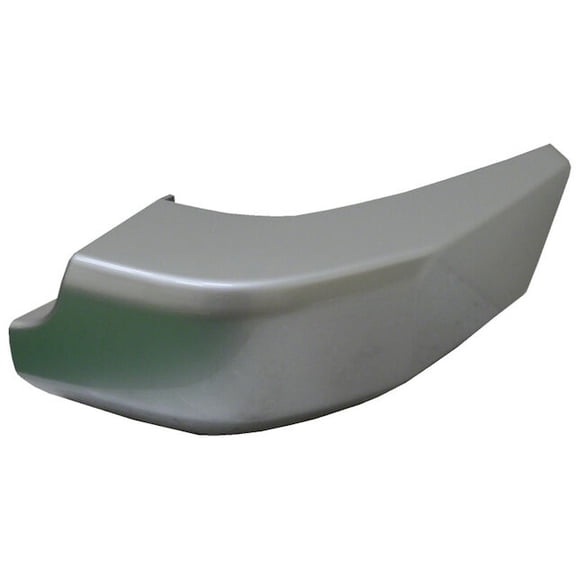
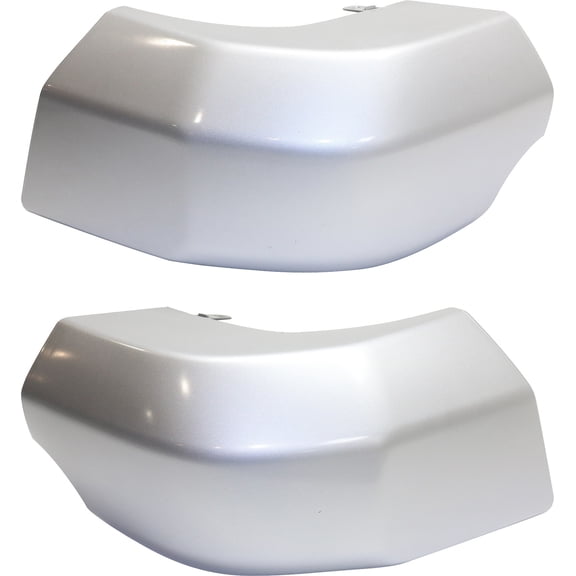
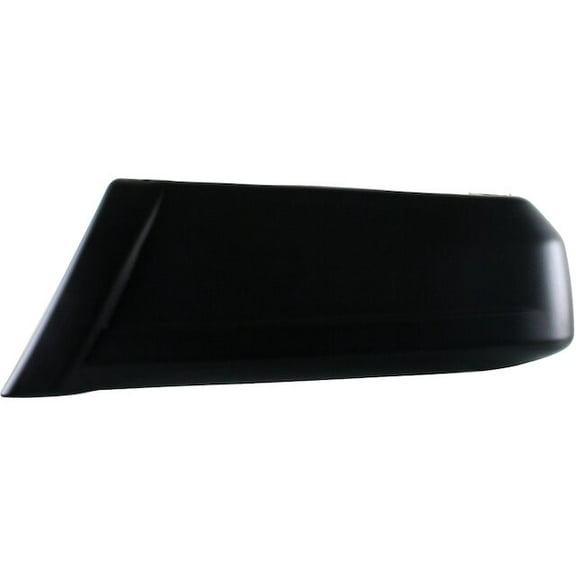
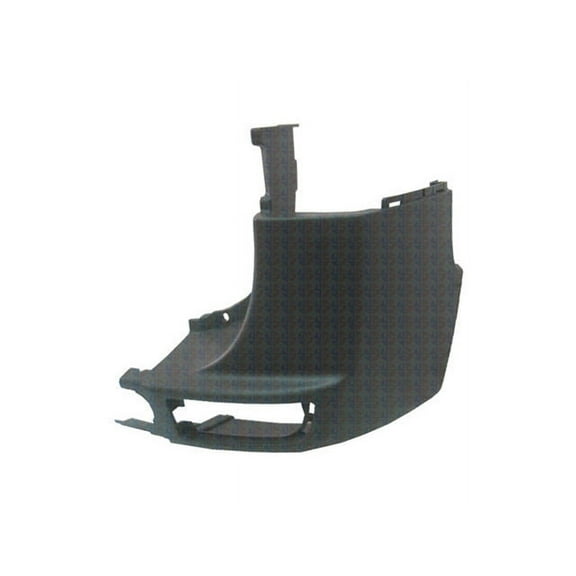
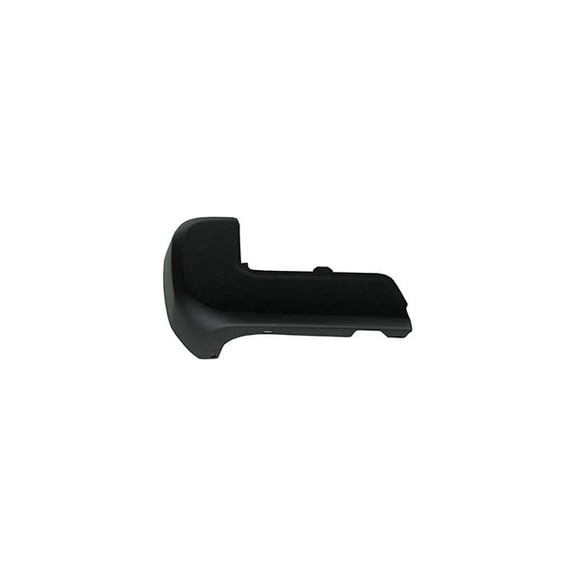
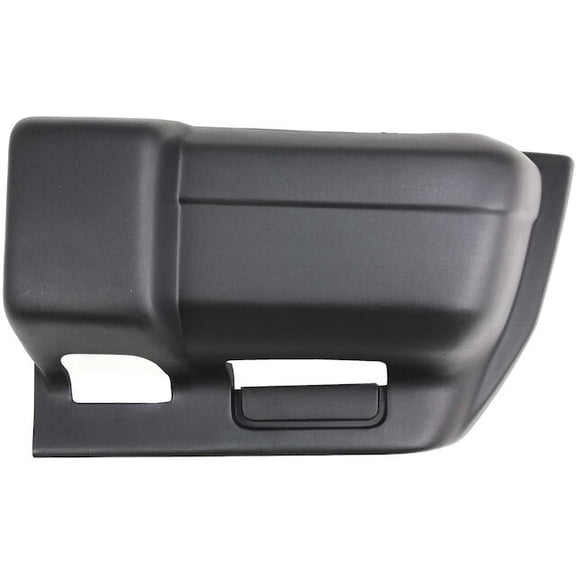
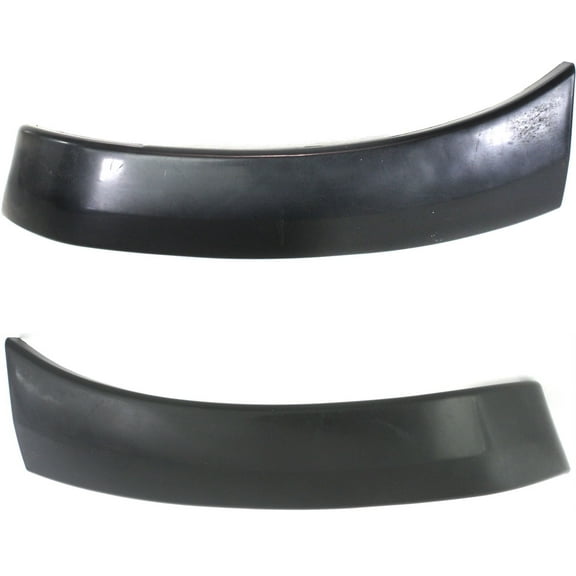
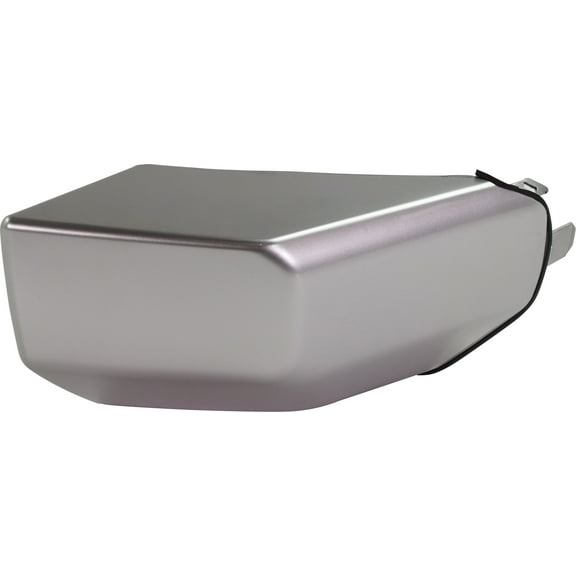
Your bumper end cap choice affects fit, finish, and installation, so you should match your vehicle details before replacing a damaged corner. You can find options for trucks, SUVs, and passenger cars that help your bumper look complete again.
How to choose the right bumper end cap
When you compare a bumper end cap, you should start with your vehicle's year, make, model, and trim level. You can reduce mismatch issues when you check those details before choosing a replacement.
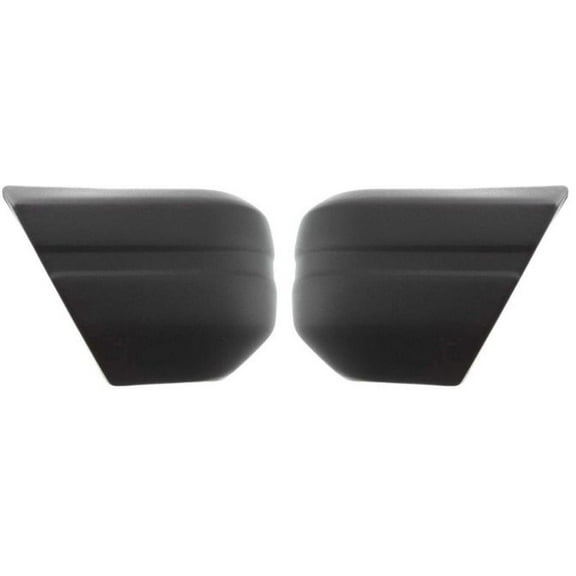
Placement matters just as much as fitment, because you may need a front bumper end cap or a rear corner piece. You should also confirm left driver side or right passenger side before you order.
Some applications use a direct replacement design that lines up with factory mounting points and original body lines. If you need wider compatibility, you may consider universal fit styles for custom setups.
Choosing placement, fit, and finish
You should match the placement on your vehicle first, because manufacturers shape bumper corners for a specific side and location. You should note that a front bumper end cap won't always match the contour of a rear application.
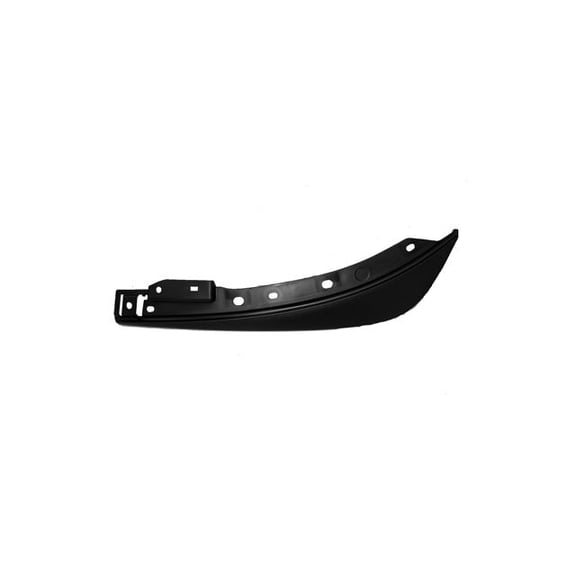
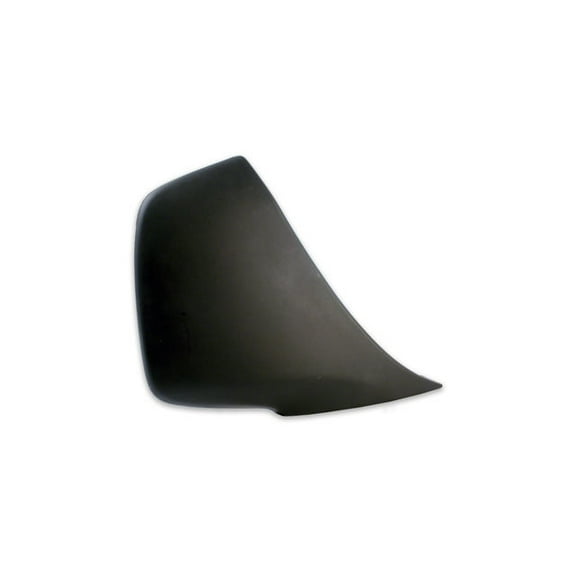
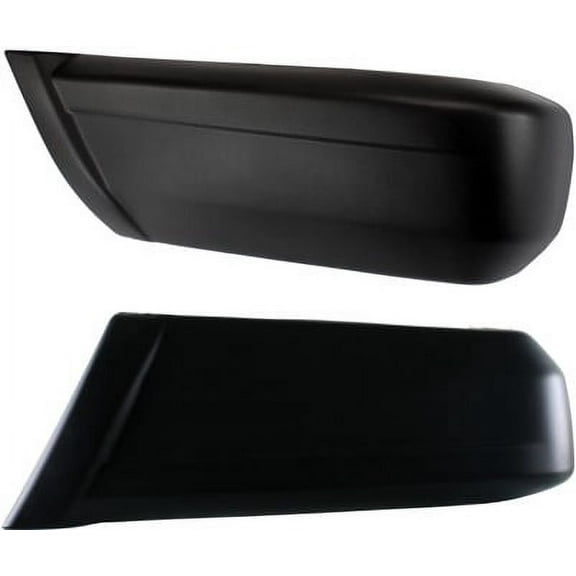
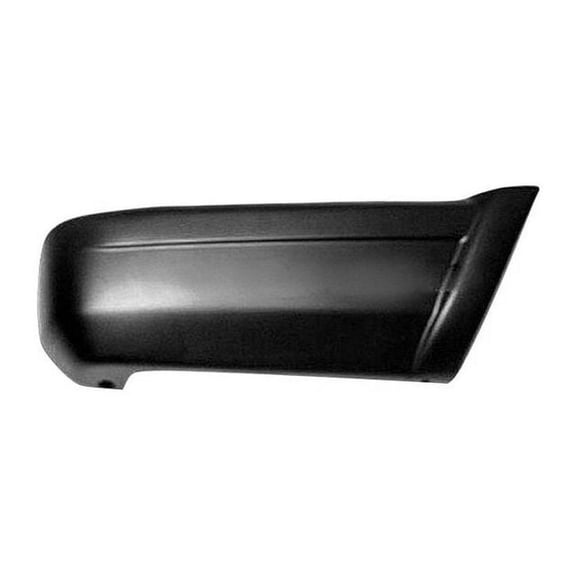
Finish also affects how your repair looks once installed on your truck, SUV, or passenger car. You may prefer textured black for a factory-style surface or primered parts for paint preparation.
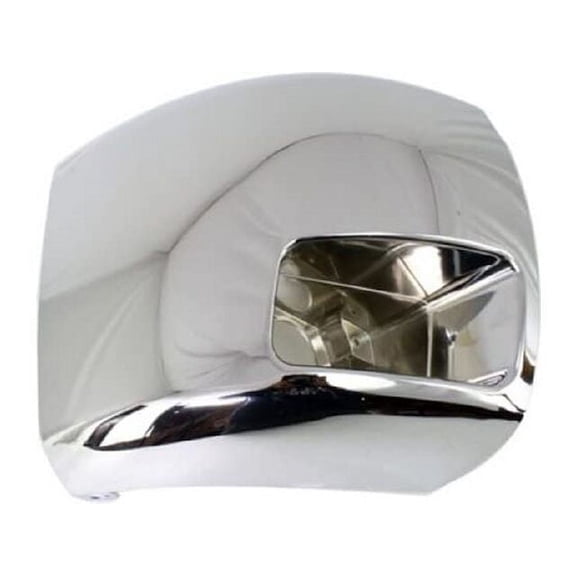
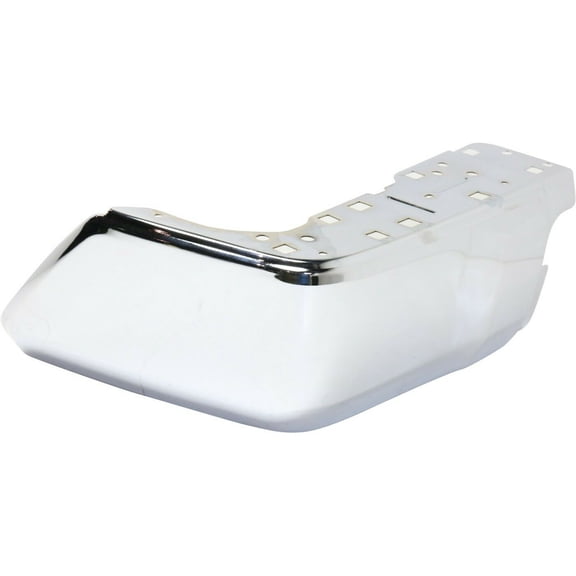
If your vehicle uses painted trim, you should compare color-ready surfaces and body lines before you install anything. If your bumper has bright trim, you may also look for chrome styling that matches surrounding pieces.
- You should verify year, make, model, and trim for a precise fit.
- You should confirm front or rear placement before selecting a part.
- You should choose driver side or passenger side to match the damaged corner.
- You should compare textured black, painted, chrome, or primered finishes.
- You should check whether you need direct replacement or universal fit.
Comparing bumper end cap materials and installation details
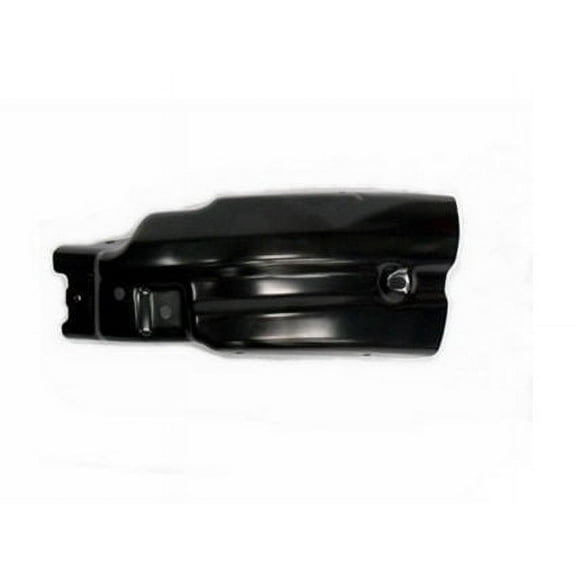
You should compare materials based on how you use your vehicle and how you want the part to look. ABS plastic can give you a lightweight replacement, while steel can suit heavy-duty applications.
If you want a bright exterior accent, you may compare chrome finishes with the trim already on your bumper. If you want an authentic factory appearance, you may choose textured black or paint-ready surfaces.
Installation details can help you narrow options quickly when you're replacing a worn or missing corner section. You should check whether your application uses bolt-on mounting, snap-on tabs, or reused original hardware.
Some direct replacement parts match OEM mounting locations, which can simplify alignment during installation. You should still compare hole placement, tab design, and edge contours with your existing part.
How vehicle type changes your decision
You should shop with your vehicle type in mind because bumper designs vary across trucks, SUVs, and passenger cars. You may need different contours, finishes, and mounting points for a truck than for a compact car.
If you drive an SUV, you may want a finish that blends with cladding, step pads, or nearby trim pieces. If you drive a passenger car, you may focus on paint match and smooth body lines.
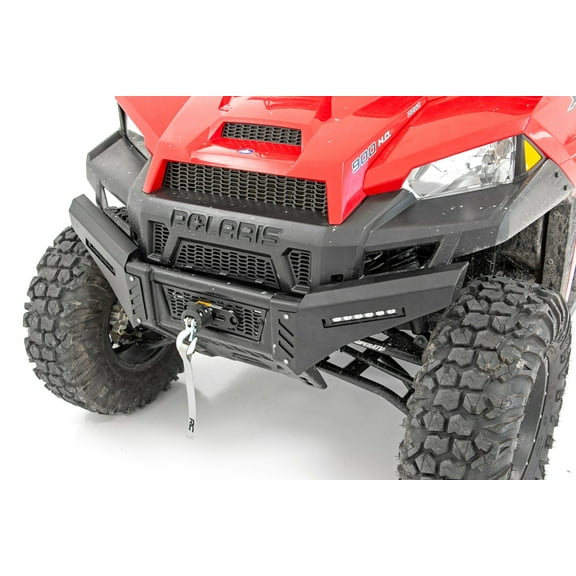
For work trucks and off-road builds, you may compare steel and ABS plastic based on appearance and mounting style. You should also measure how the end cap meets fenders, valances, or step bumper sections.
Using bumper end caps for common replacement needs
You may need a replacement after a scrape, parking lot contact, or a missing corner trim piece. You can restore the bumper's finished edge when you match the correct side and placement.
If your existing corner has faded, you may choose a new finish that matches the rest of your bumper. You should compare textured black, chrome, painted, or primered options based on your exterior trim.
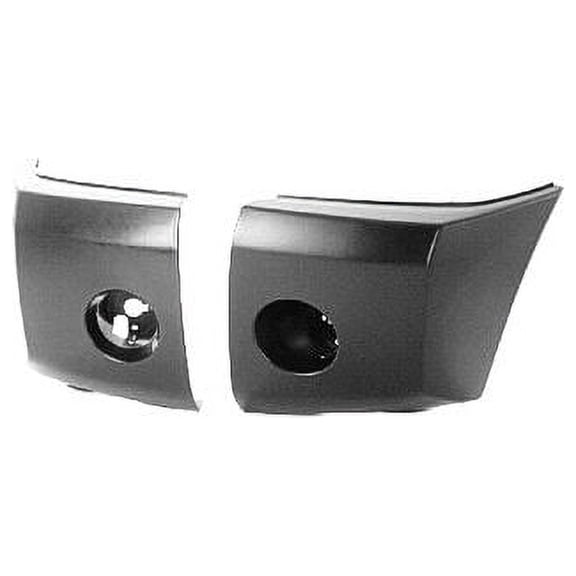
When you're updating a front bumper area, you should confirm whether sensors, trim, or adjacent inserts affect the shape. You can narrow choices quickly when you check trim level and mounting style together.
If you're replacing a rear corner, you should look at how the part meets the step surface or lower trim. You should also compare hardware notes to see whether you reuse factory fasteners.
For older vehicles, you may use fitment details to confirm a direct replacement before starting installation. That extra check can help you match body lines and corner contours with minimal guesswork.
With the right fitment, material, and finish, you can get a replacement that looks aligned with the rest of your bumper and installs with no surprises. You can feel confident when your selected part matches your vehicle's exact corner and trim details.