

Car Locks & Vehicle Security Devices | Walmart















About Car Locks & Vehicle Security Devices | Walmart - Walmart.com
Car locking devices help you add a visible barrier to your vehicle and support your daily security routine. You can compare lock types, fitment details, and access options to choose the setup that matches your driving habits.
How to choose car locking devices
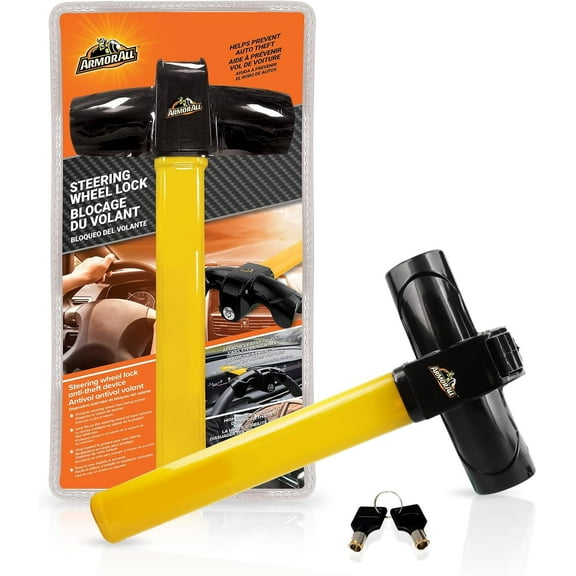
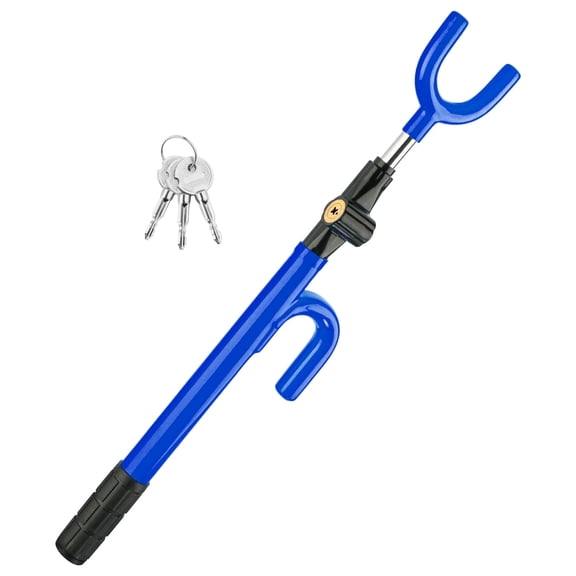
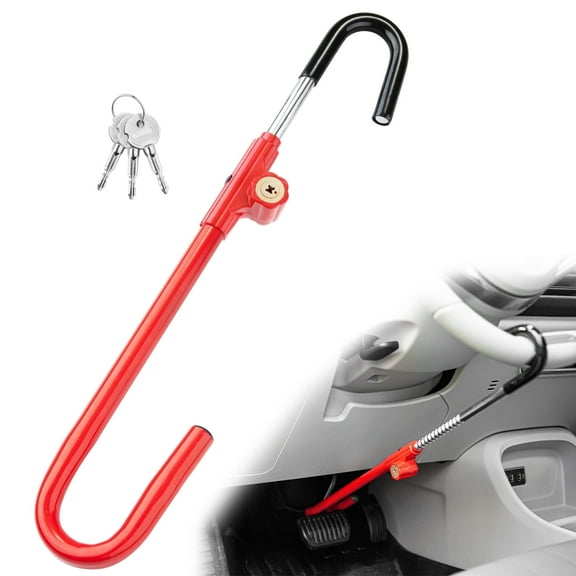
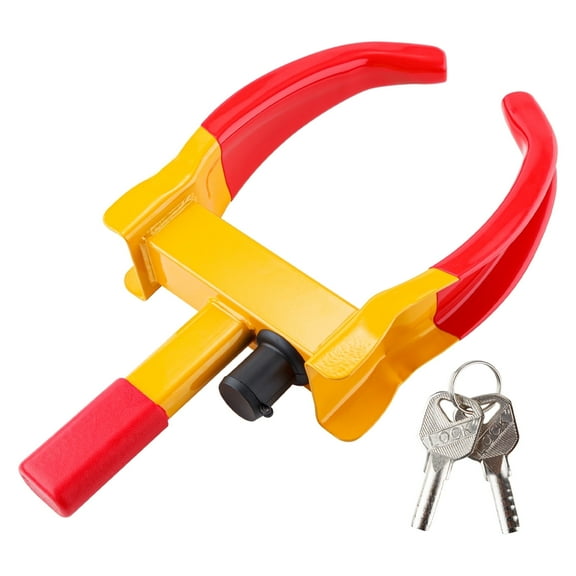
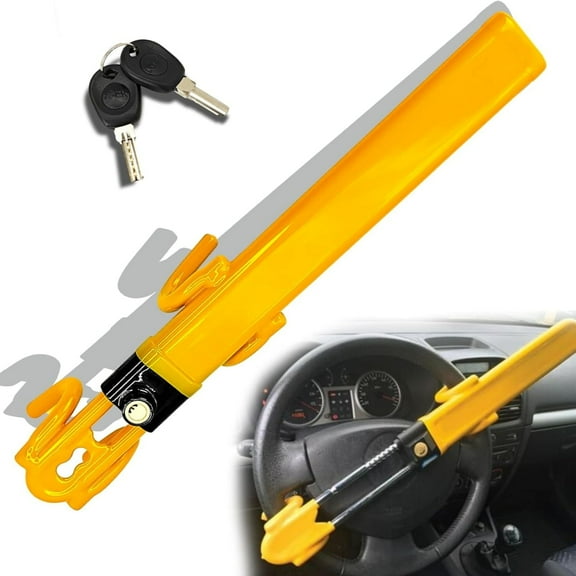
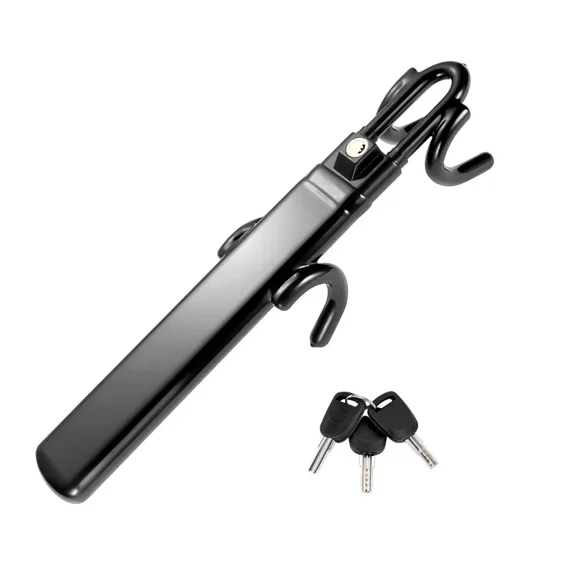
You should start with the part of your vehicle you want to secure first. You may prefer steering wheel locks, wheel clamps, brake pedal lock options, or gear shift lock designs.
You'll notice each style changes how quickly you can lock up before parking. Your choice often depends on where you park, how often you drive, and how much visibility you want.
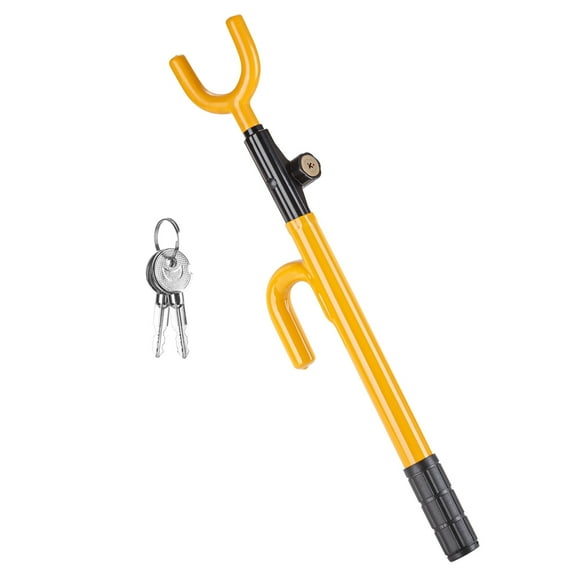
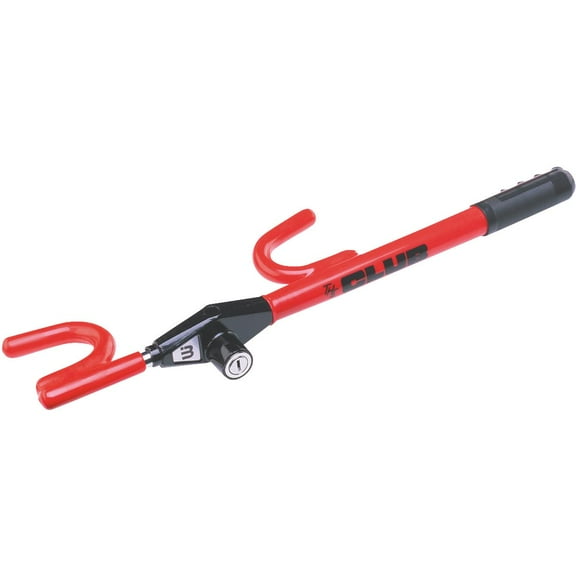
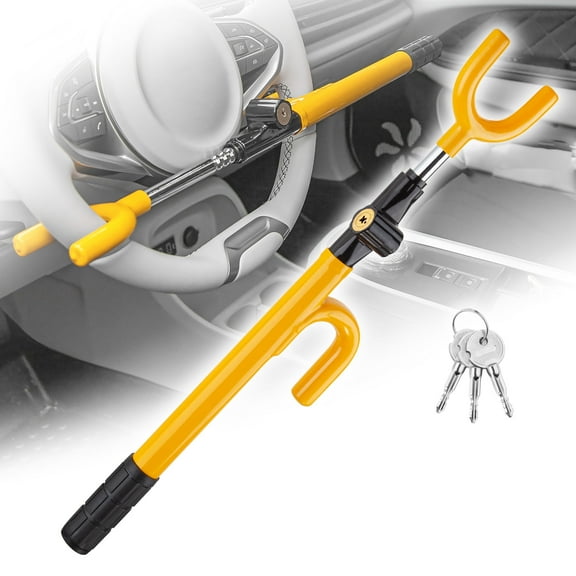
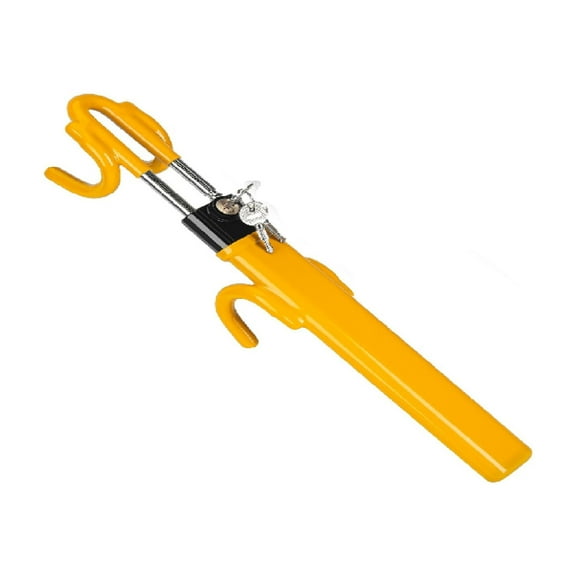
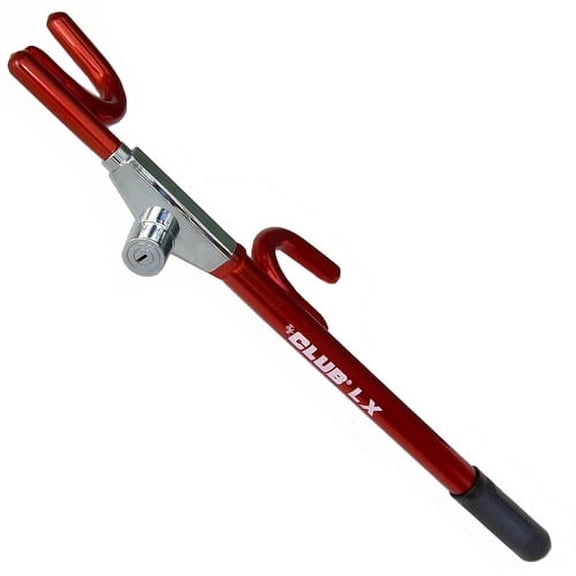
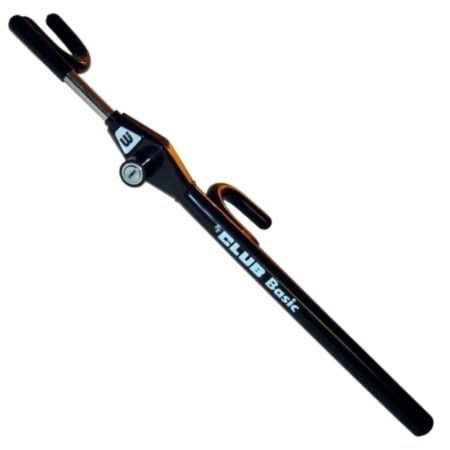
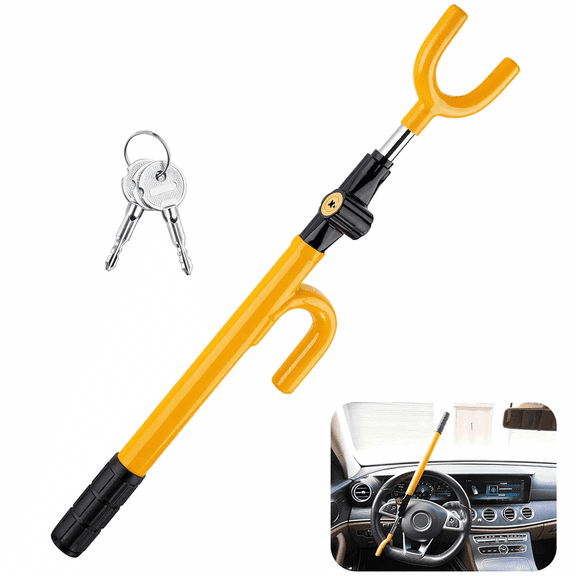
Steering wheel locks sit across the wheel, so you get a bold visual cue through the windshield. You may like that style if your priority is fast daily use.
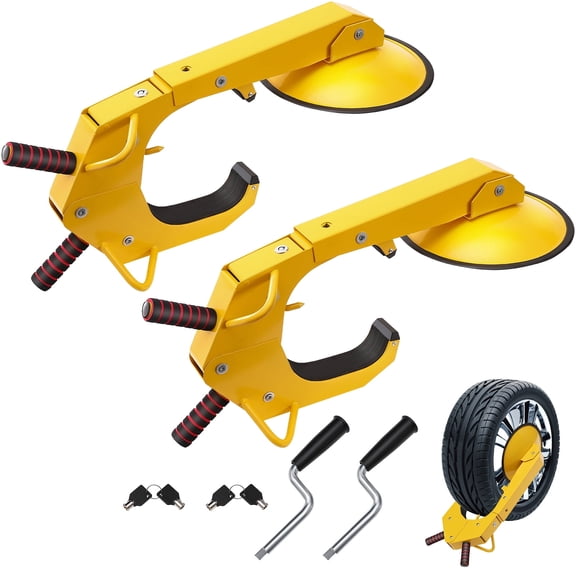
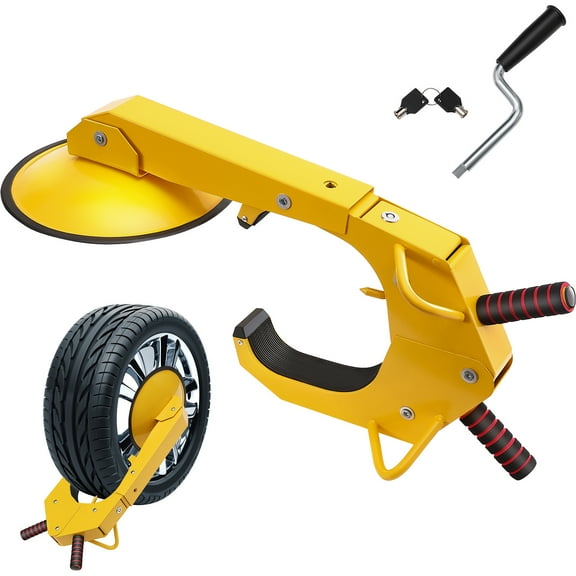
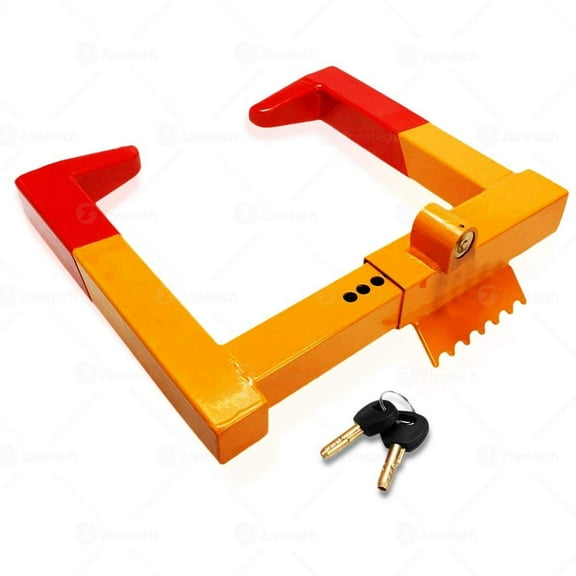
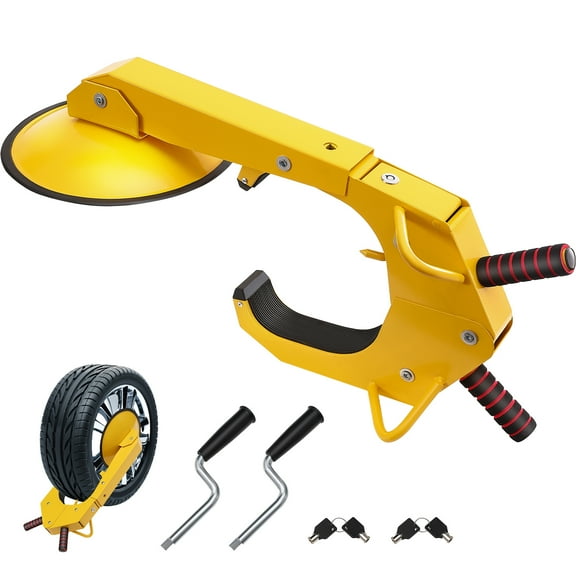
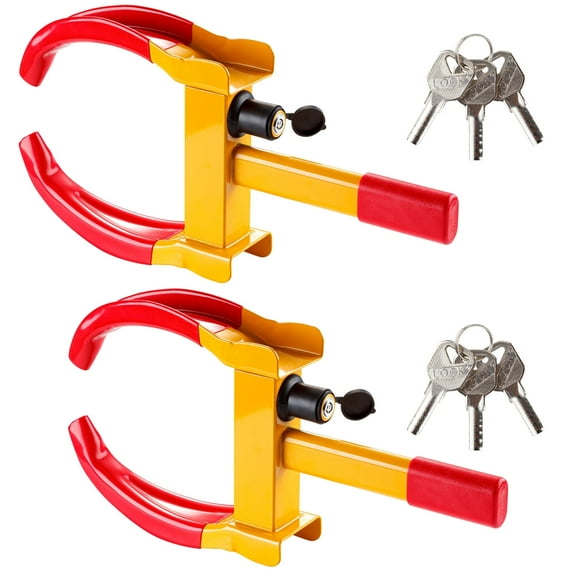
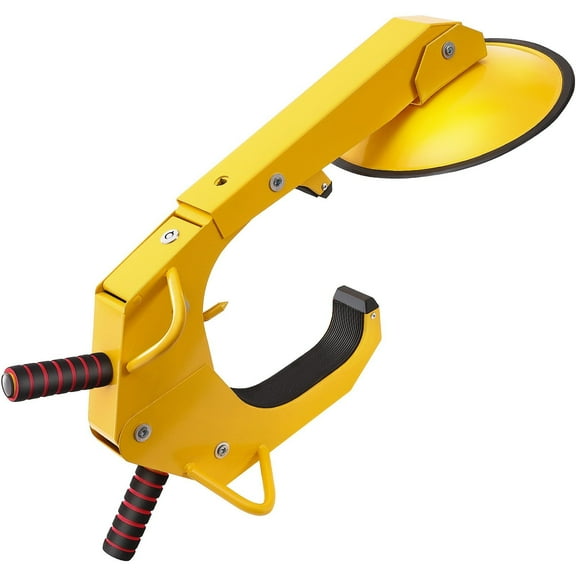
Wheel clamps attach around the tire, so you get a strong physical barrier outside the vehicle. You might consider wheel locks for cars when your vehicle stays parked longer.
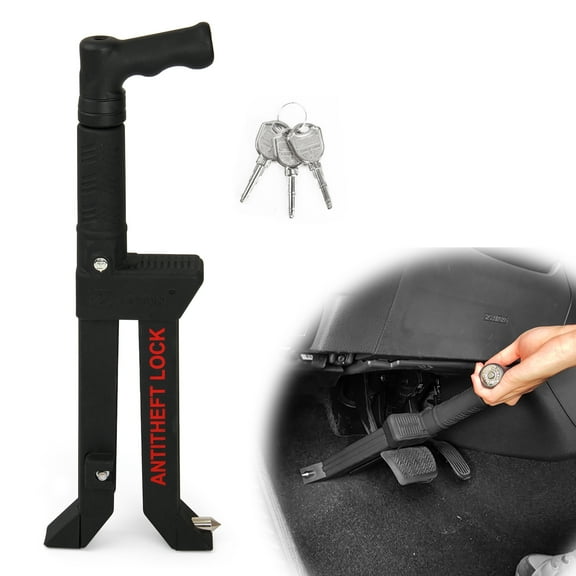
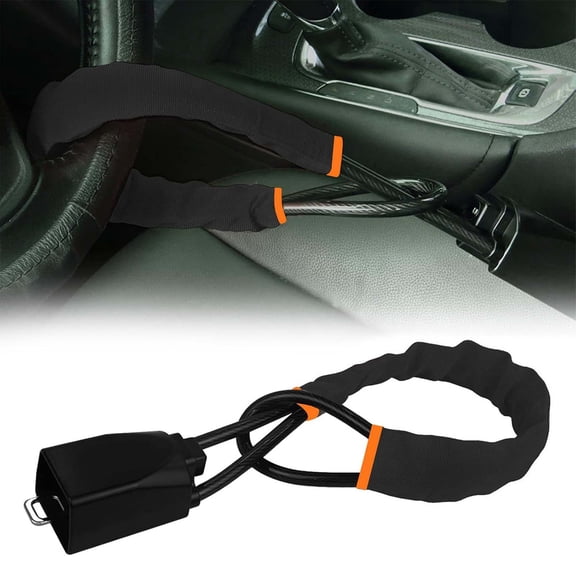
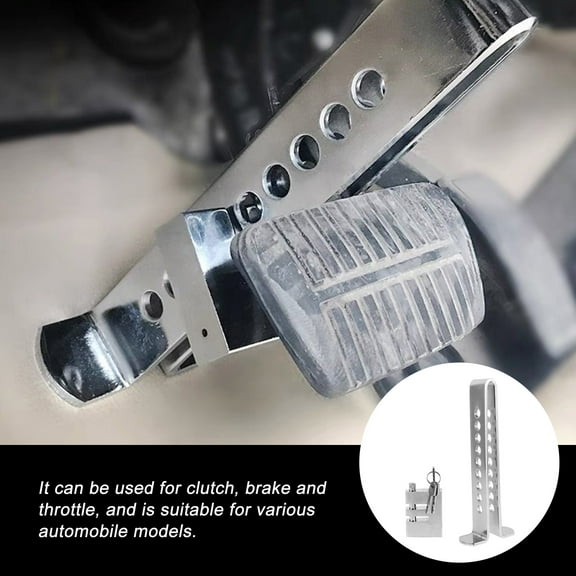
Brake pedal lock styles secure the pedal area, which can work well when you want an interior lock point. You can also compare gear shift lock models if your console layout supports that design.
Comparing lock type and deterrent level
You should compare deterrent level along with basic lock style. Your lock can do more for you when it stands out clearly before anyone gets close.
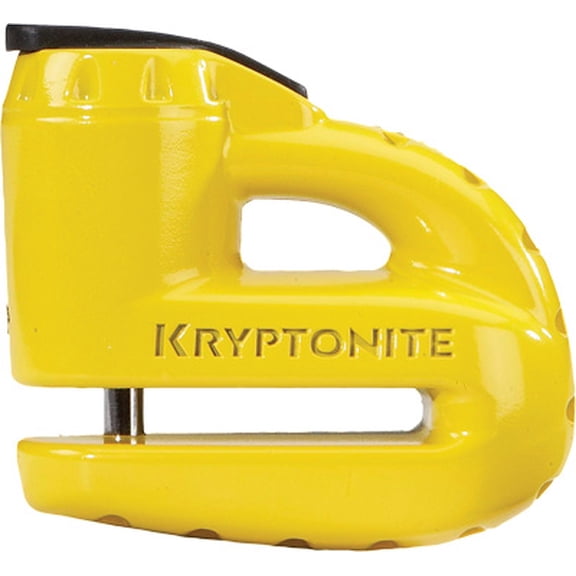
- You can use high-visibility colors like yellow or red to make your lock easier to spot through glass.
- You may prefer a flashing LED detail when you want an added visual signal in low light.
- You can choose a heavy-duty physical barrier when your focus is sturdy metal construction and a more rigid feel.
You'll often see steering wheel locks paired with bright finishes because they show clearly on the dash. You may find that visibility matters as much as the lock body itself.
Wheel clamps and brake pedal lock options give you different kinds of presence. You can decide whether you want outside visibility at the tire or inside visibility near the driver's area.
What to look for in materials and construction
You should look closely at material because it affects weight, feel, and daily handling. Your shortlist may include hardened steel, alloy steel, or heavy-duty aluminum designs.
Hardened steel can appeal to you when you want a dense, solid build. You may prefer alloy steel when you want strong construction with a slightly different balance in hand.
Heavy-duty aluminum may suit you if you want a lighter option for frequent installation and removal. You should still compare the locking mechanism, crossbar shape, and contact points.
You'll also want to check how the lock body covers key areas. Your decision should include whether the hook ends, bar width, or clamp jaws match your vehicle layout.
When you compare car security locks, you should focus on how the structure fits real use. You need a lock that feels manageable enough for daily routines and substantial enough for parked protection.
Choosing the right fitment for your vehicle
You should measure fitment before you commit to a style. Your steering wheel diameter and pedal-to-wheel distance can shape which lock works smoothly.
Universal fit options can give you flexibility across several vehicles. You may prefer vehicle-specific designs when you want dimensions that align more closely with one model.
Adjustable length matters when you want the lock to span different wheel sizes or cabin spaces. You should check whether the extension range matches your vehicle's layout.
For steering wheel locks, you can compare hook reach and bar length against the wheel diameter. For a brake pedal lock, you should review the distance between the pedal and steering wheel.
Wheel locks for cars also require you to check tire and wheel clearance. You can avoid guesswork when you confirm clamp opening size and the amount of space around the wheel.
Checking key access and daily installation
You should compare access type with your daily routine because convenience affects whether you'll use the lock consistently. Your options may include a traditional key, keyless combination, or digital lock.
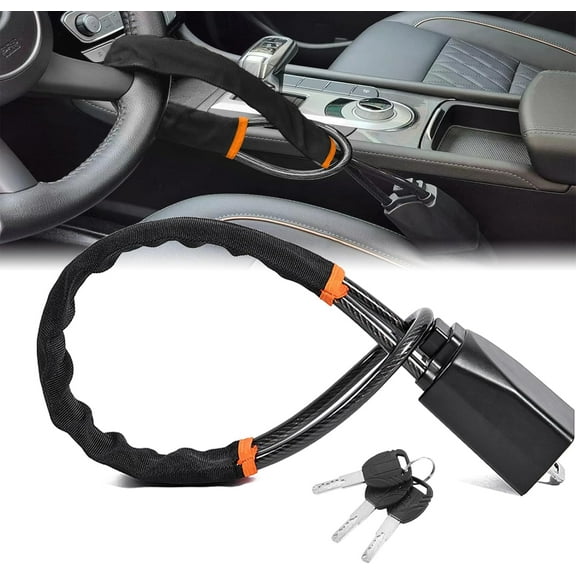
A traditional key can feel familiar when you want a straightforward unlock process. You should also check whether your set includes backup keys for shared drivers.
Keyless combination styles can work well when you don't want another loose key on your ring. You may prefer that option if your household switches drivers often.
Digital lock designs can add another access format for some shoppers. You should compare battery needs, button layout, and the time it takes to unlock before driving.
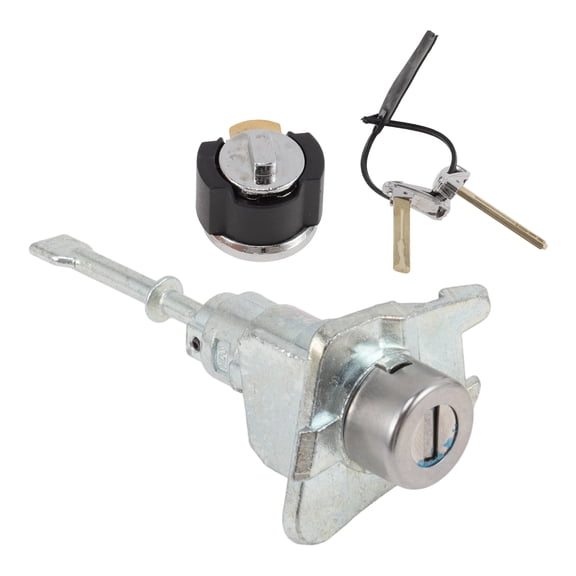
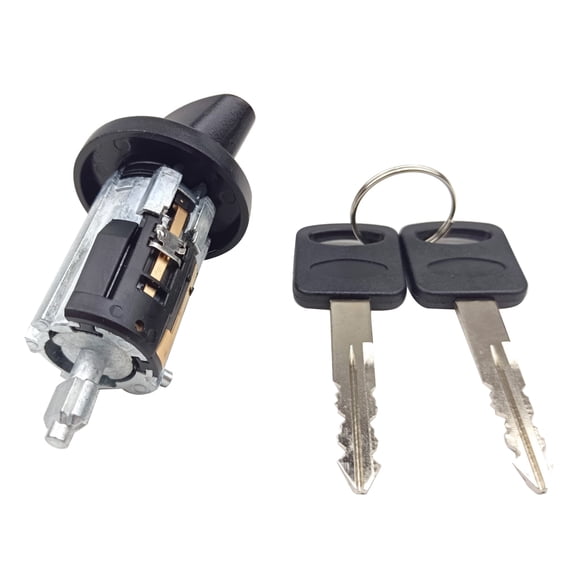
You'll also want to review key details like laser-cut keys and cylinder design. Your comparison should include how easy it is to manage duplicates and backups for everyday use.
Matching car anti theft devices to real parking habits
You should match your lock to the way your vehicle spends time parked. Your routine may involve a driveway, garage, apartment lot, workplace lot, or longer-term storage.
If you drive every day, you may lean toward steering wheel locks with quick placement and clear visibility. You can lock and remove them without adding much time.
If your car sits for longer stretches, you might choose wheel clamps or other car anti theft devices with a stronger parked-car presence. You can create a more obvious exterior barrier around the tire.
For shared vehicles, you may prefer adjustable designs with simple setup steps and backup access options. You should consider whether each driver can install the lock quickly and correctly.
When you choose car locking devices with the right fit, material, and access type, you make daily protection easier to maintain. You end up with a visible, practical barrier that fits your vehicle and routine.