


Find auto parts that fit
Let’s search for parts that fit your vehicle.Car Buffer Kits & Polishers - Variable Speed Buffing Machines


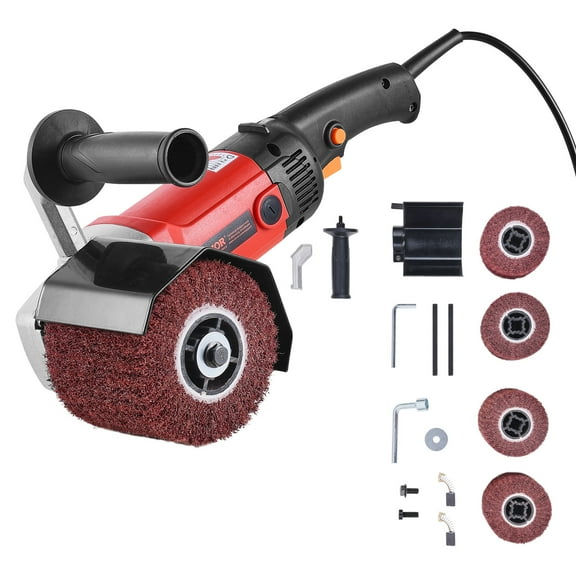

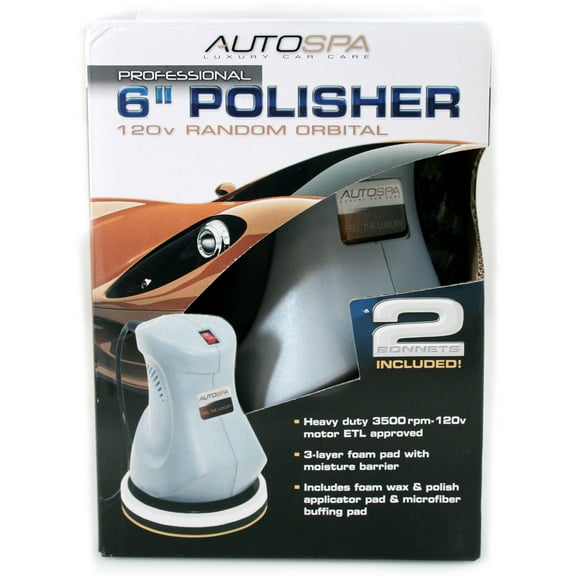

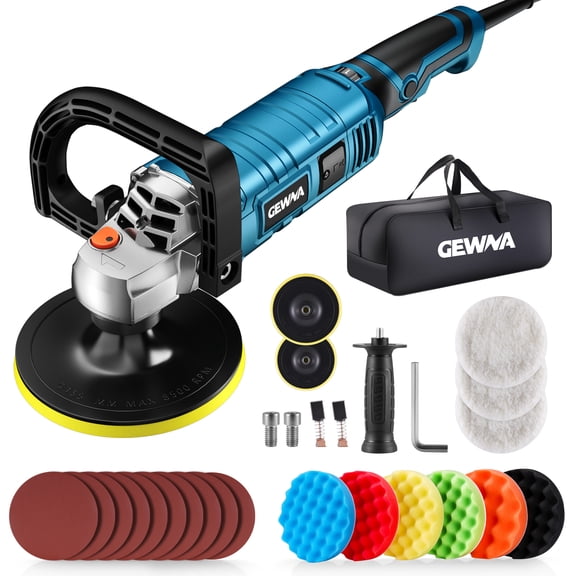


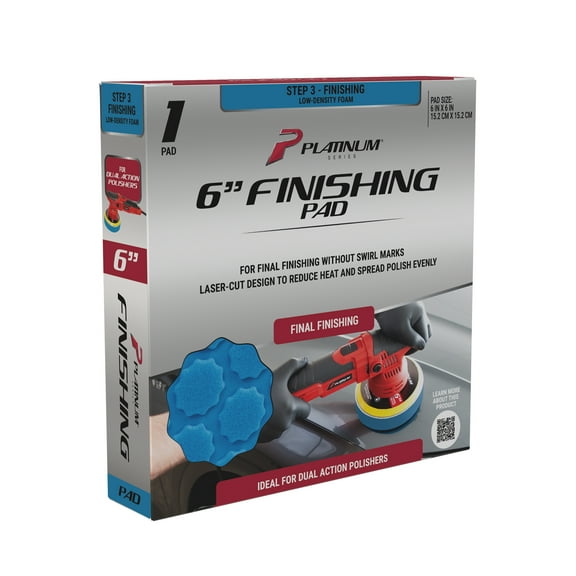













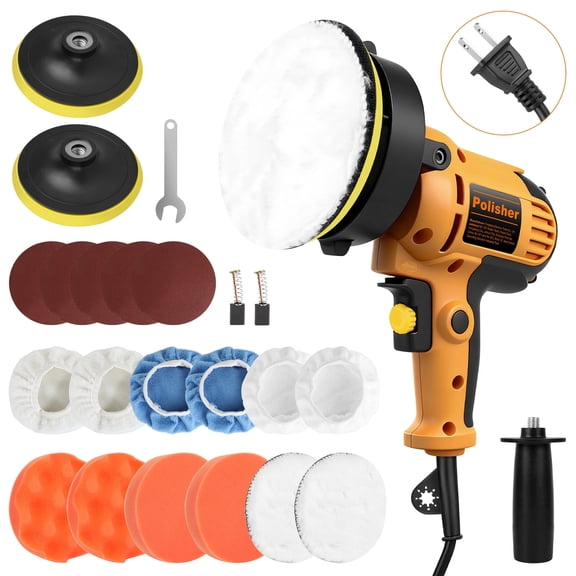
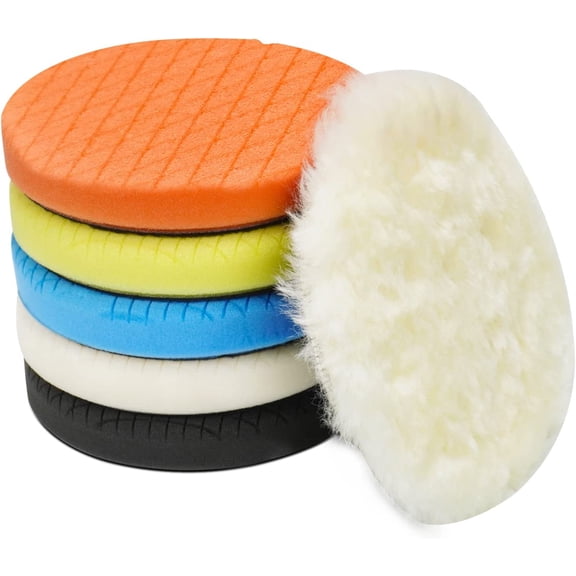

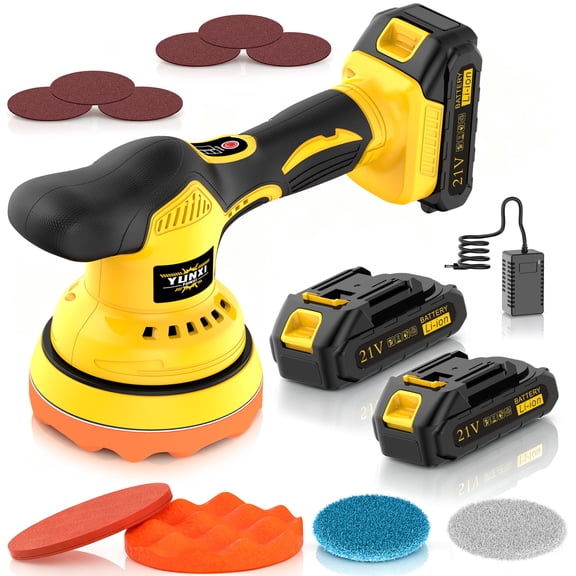

About Car Buffer Kits & Polishers - Variable Speed Buffing Machines - Walmart.com
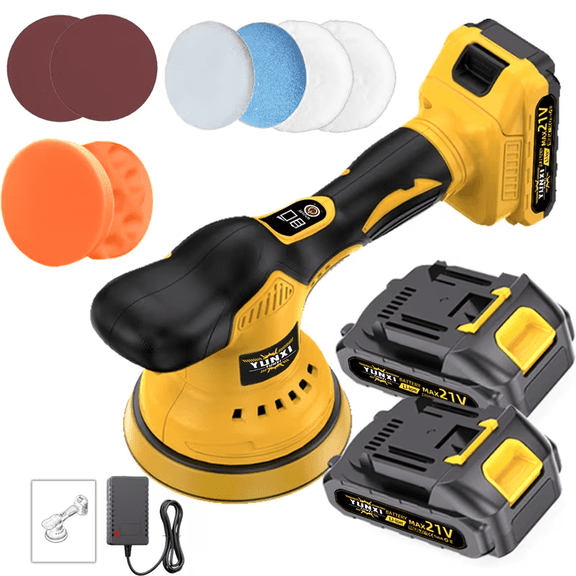
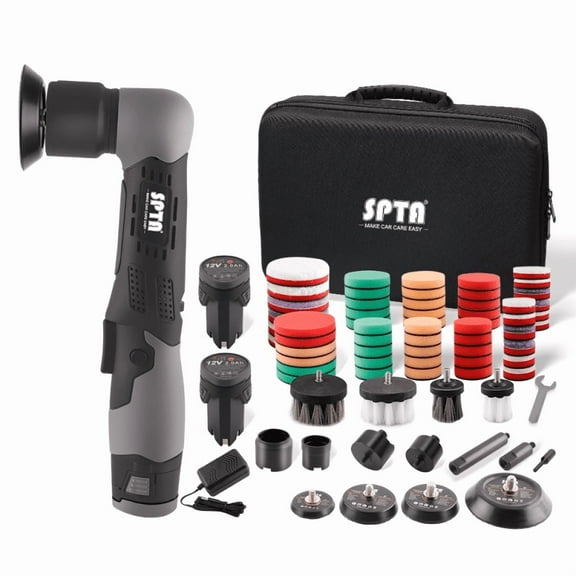
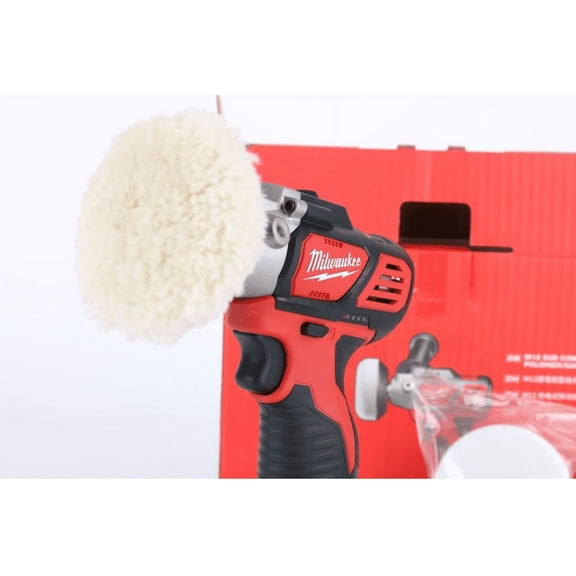
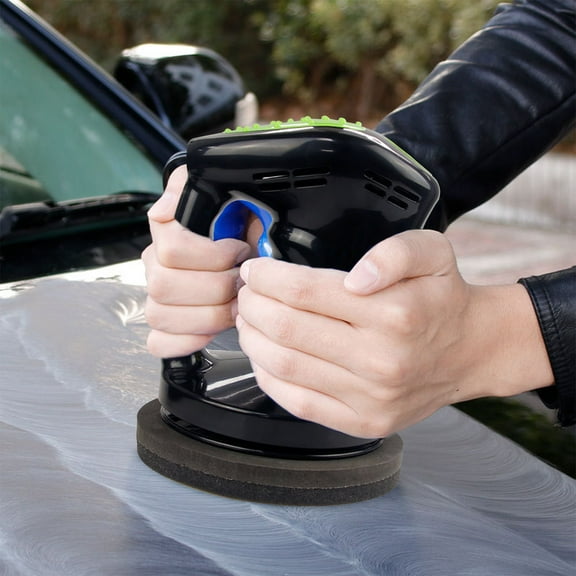
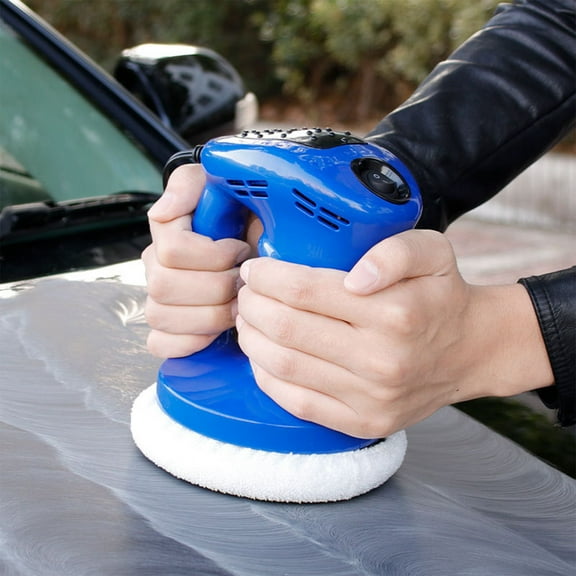
Car polishers help you refine paint, spread wax evenly, and reach a smoother finish with less hand effort. You can compare motion type, power source, speed control, and pad size to match your vehicle and detailing routine.
How to choose car polishers for your detailing style
When you compare car polishers, you should start with how much correction you want and how often you detail. You may want a lighter tool for weekend touch-ups or a stronger setup for larger vehicles.
If you're new to machine polishing, you should look closely at control, balance, and pad compatibility. You can narrow choices quickly when you match the tool to your paint goals and panel shapes.
Choosing the right dual action car polisher motion
You should compare dual action, rotary, and random orbital motion before you choose a machine. A dual action car polisher combines spinning and oscillating movement, so you get smoother coverage with easier control.
If you want focused correction on flat panels, you may compare that with rotary motion. You should know rotary tools spin on one axis, while an orbital car buffer moves in a wider pattern.
You can use that motion difference to match your experience level and your finish goals. If you want a car buffer and polisher for regular paint maintenance, dual action styles often feel easier to guide.
- You can use dual action motion for even polishing across hoods, doors, and trunks.
- You may prefer rotary motion when you want direct spinning action on broad exterior panels.
- You can choose random orbital movement when you want steady coverage on curved surfaces.
- You should compare head movement with your comfort level before choosing a machine.
Comparing cordless and corded power
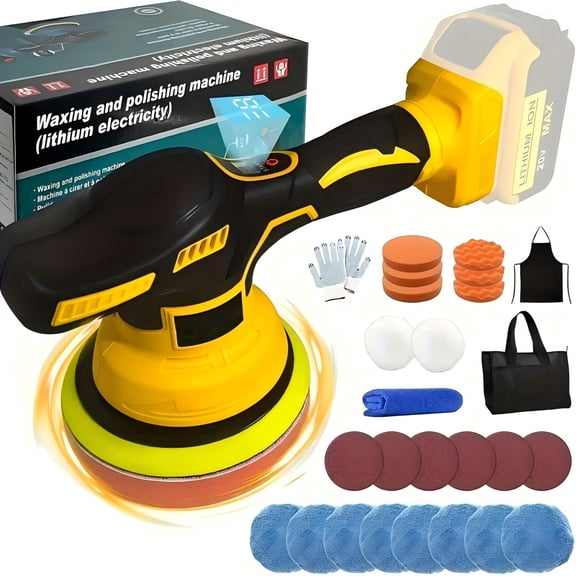
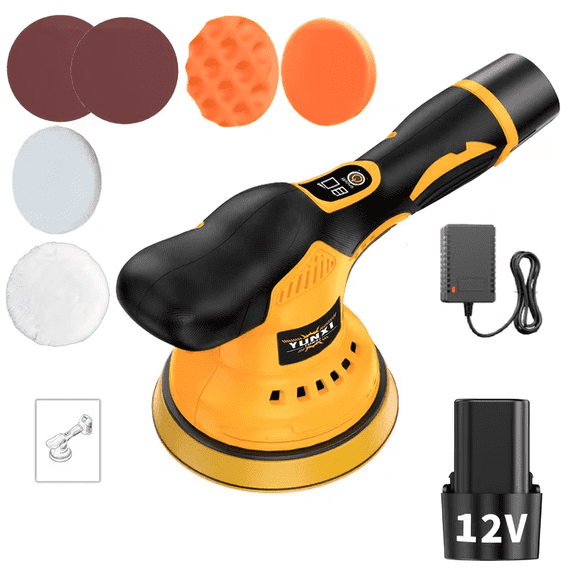
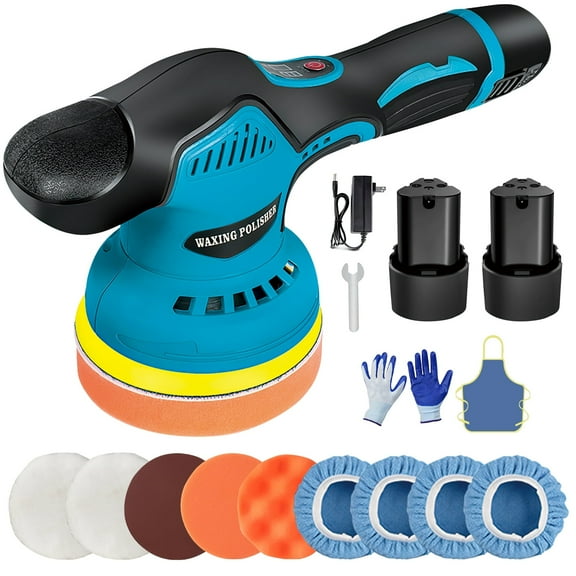
You should decide whether you want all-day runtime or easier movement around the vehicle. A cordless car polisher lets you move freely around bumpers, mirrors, and tight parking spaces.
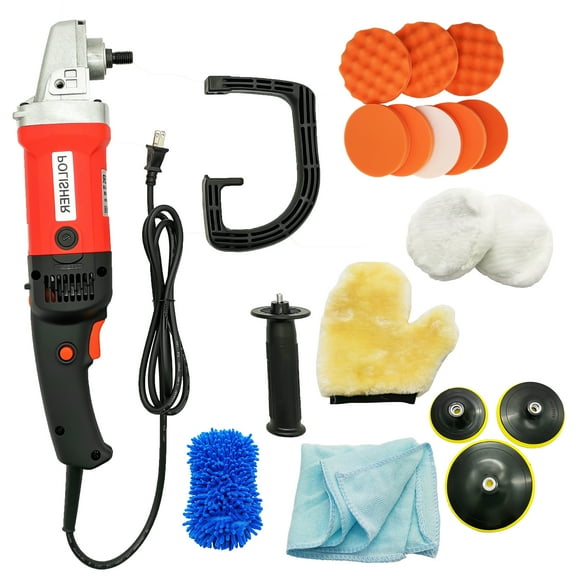
If you detail several vehicles in one session, you may prefer corded electric power for continuous operation. You can avoid battery swaps and keep the same output while working across larger SUVs and trucks.
You should also think about where you polish most often. If you work in a driveway or at events, you may like the portability of battery power and simple storage.
Understanding variable speed car polisher settings
You should check speed control before you compare weight or handle shape. A variable speed car polisher gives you more control when you switch between compounding, polishing, and wax application.
You may see OPM or RPM in product details, and you should read those numbers as control options. Lower settings can feel easier for spreading a car waxing machine product, while higher settings support stronger paint correction.
If you only want basic shine maintenance, you might choose single speed operation for simple use. You should choose variable speed when you want more flexibility across different pads, compounds, and finish stages.
Picking the right pad diameter and polishing pads
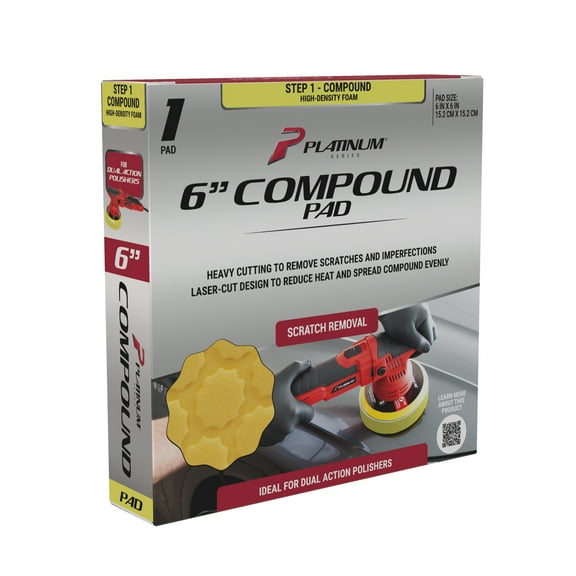
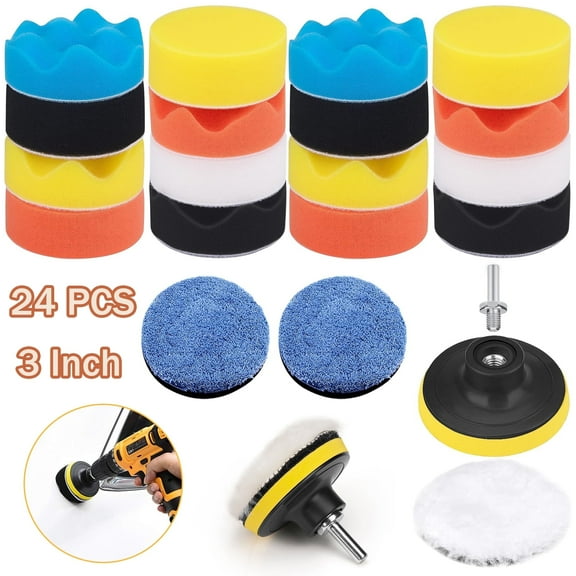
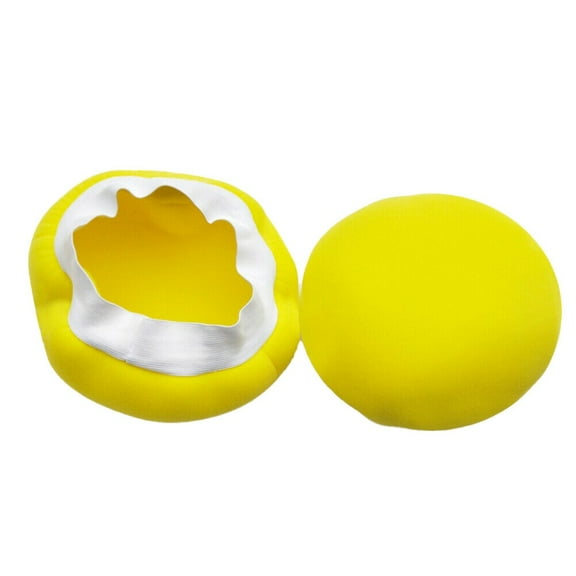
You should match pad diameter to the vehicle areas you polish most often. Smaller three-inch polishing pads help you work around pillars, spoilers, and tighter curves with more control.
If you cover wide doors, roofs, and hoods, you may prefer five-inch or six-inch pads for broader passes. You can also compare seven-inch options when you want more coverage on larger exterior panels.
You should check backing plate fit and thread size before you buy extra pads. That detail helps you pair your machine with polishing pads that attach correctly and support smoother pad changes.
How to match car polishers to real detailing jobs
If you maintain one daily driver, you may want a dual action tool with variable speed and five-inch pads. You can use that setup for routine polishing, wax spreading, and seasonal paint refreshes.
When you detail a truck, van, or large SUV, you may want corded power and larger pads. You can cover more paint in fewer passes and keep steady output through longer sessions.
If you work on motorcycles, pillars, or narrow trim areas, you should consider a smaller pad diameter. You can gain more precise access around edges and curved sections where larger pads feel less precise.
You may also want a car waxing machine setup for applying finishing products across clean paint. In that case, you should look for easy speed adjustment, comfortable grip areas, and compatible polishing pads.
With the right car polishers setup, you can match motion, power, speed, and pad size to your vehicle. This helps you achieve a more controlled detailing process and a cleaner, more even finish.