

Cellos & Cello Instruments for Students & Kids | Walmart






















About Cellos & Cello Instruments for Students & Kids | Walmart - Walmart.com
Cellos help you move from first lessons to ensemble playing with clearer choices on size, setup, and style. You can compare a cello instrument by fit, student readiness, outfit contents, and acoustic or electric design.
If you're choosing for school, home practice, or advancing study, you may want practical guidance before you compare finishes. You can use this page to narrow options with a clear cello size guide and buyer-focused feature overview.
How to choose cellos by size
Your first decision should focus on fit, because the right size supports easier posture and hand placement. You should compare 4/4 full size, 3/4, 1/2, 1/4, and 1/8 options before you compare appearance.
When you use a cello size guide, you can match the instrument to the player instead of guessing. You may find full size works for many adults, while fractional sizes suit growing students.
As you compare sizes, you should look for comfortable reach from neck to fingerboard. You should also check whether the seated player can manage the body depth without awkward stretching.
- You can use 4/4 full size when the player needs standard adult dimensions.
- You can choose 3/4 or 1/2 when a younger player needs easier reach and control.
- You can consider 1/4 or 1/8 when a small beginner needs a manageable cello body.
- You should revisit sizing as the player grows and technique becomes more consistent.
Choosing a student cello or advancing level
If you're shopping for a student cello, you should focus on playability before decorative details. You may want tuning that feels steady, a neck that feels approachable, and a setup that supports regular practice.
As you compare student, intermediate, and professional levels, you should think about lesson frequency and repertoire. You may need a simpler setup for school use or a more responsive feel for advancing technique.
For newer players, you should look for an instrument that helps bowing and left-hand placement feel predictable. You can often tell that stable pegs and a comfortable neck make daily practice easier.
If you're moving into intermediate study, you may look for fuller tone and more nuanced response. You should compare construction details carefully, because wood selection and setup can affect projection and articulation.
What to look for in a cello outfit
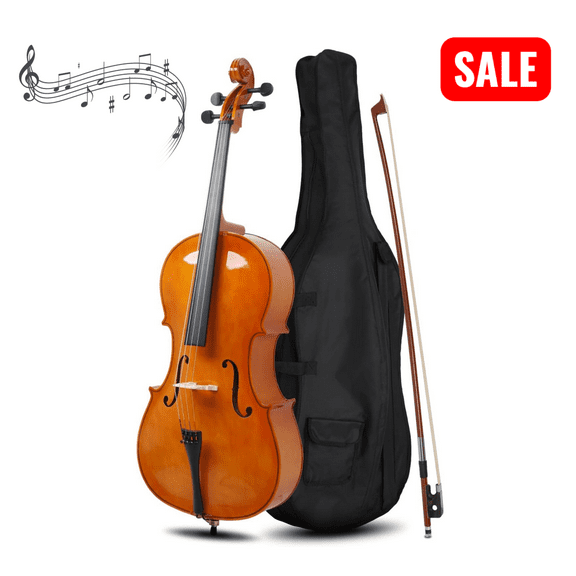
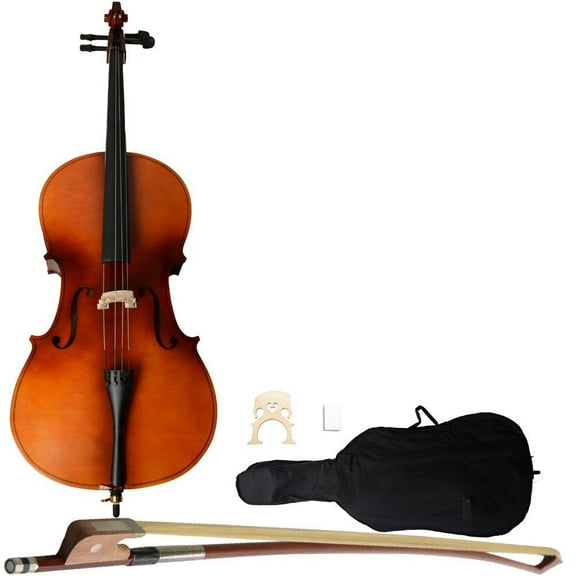
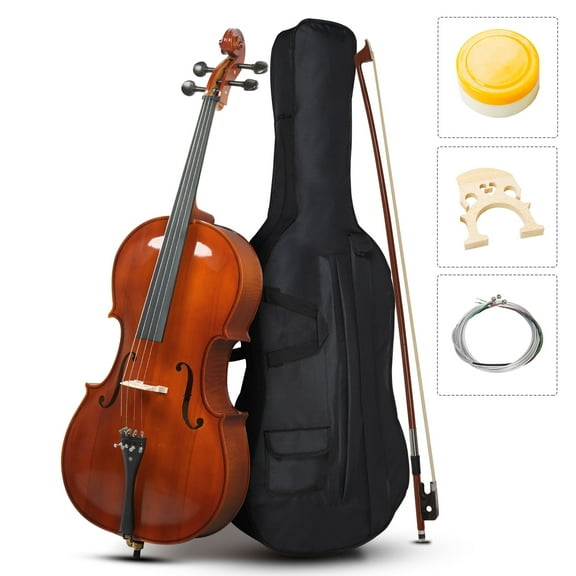
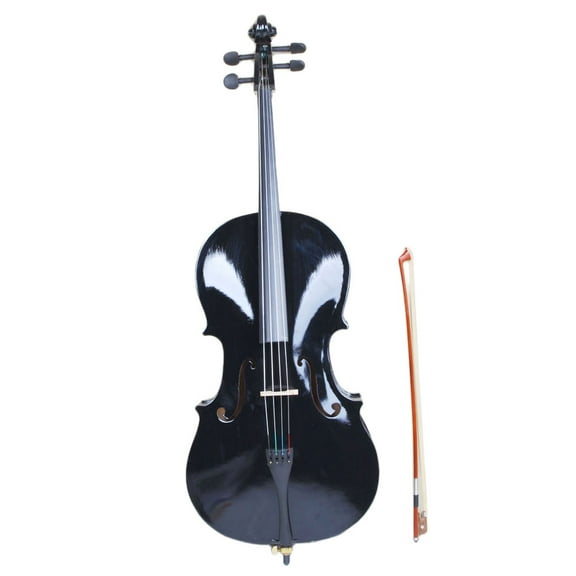
Your next decision should be whether you need instrument only or a cello outfit. You can often simplify your purchase when your outfit includes a bow, case, and rosin.
If you're buying for school, a complete outfit can help you start with the core essentials. You can avoid piecing together basic accessories before the first lesson or rehearsal.
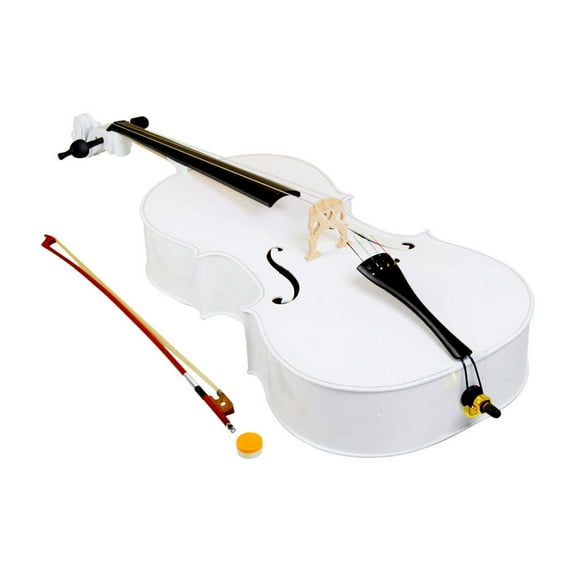
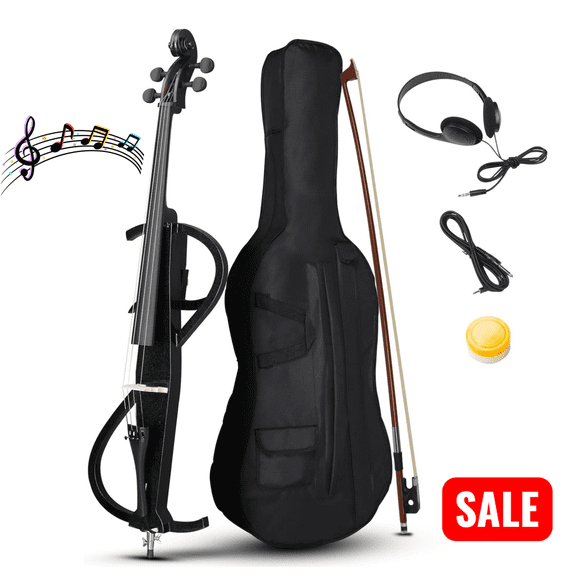
When you compare outfit listings, you should check exactly what comes in the package. You may want a padded case for carrying, a bow for immediate play, and rosin for bow preparation.
If you already own accessories, you might prefer instrument only for a more targeted replacement. You can keep your existing case or bow while updating the cello instrument itself.
Comparing acoustic and electric cello options
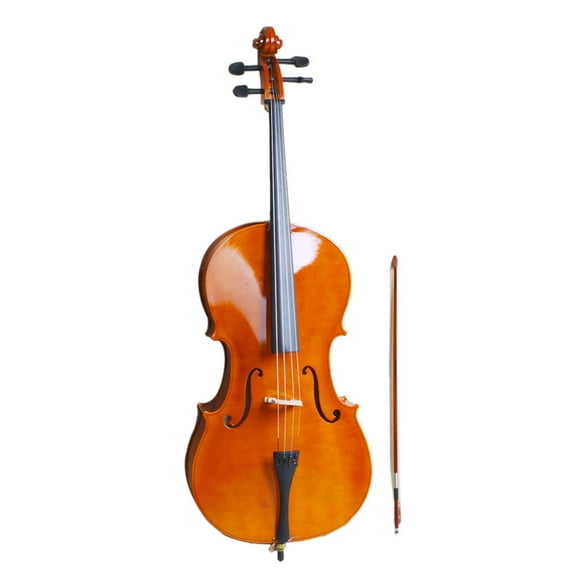
You should also decide whether acoustic or electric models fit your routine. You may prefer acoustic cellos for traditional lessons, orchestra settings, and natural resonance.
If you're exploring an electric cello, you may want a more compact format for practice spaces or amplified use. You should check connection details and body style so your setup matches your playing environment.
For ensemble and recital use, you may lean toward the familiar look and response of acoustic designs. You can often use those options when you want a classic cello feel under the bow.
If you're practicing in mixed settings, you might compare both types side by side. You should weigh portability, setup preferences, and the sound experience you want each day.
Using your cello size guide and feature checklist
Before you choose among cellos, you should combine size, skill level, outfit type, and instrument style. You can narrow the field quickly when you compare these four decisions together.
A full-size student cello outfit may suit a new teen player who needs classroom readiness. A 1/2 acoustic option may fit a younger learner who needs easier reach and simple transport.
An intermediate player may want instrument only when you already have a favorite bow and case. You might consider an electric cello when your practice setup includes amplification or limited floor space.
If you're buying for lessons, you should check the teacher's size and setup guidance first. You can then match your choice to accessories, transport needs, and the player's current stage.
Cellos for focused, confident selection
You can shop cellos with more clarity when you understand sizing, outfit contents, and player level. Your final choice can feel more practical when it fits the player, the routine, and the music ahead.