




Chainsaw Chains: Replacement Chainsaw Blades













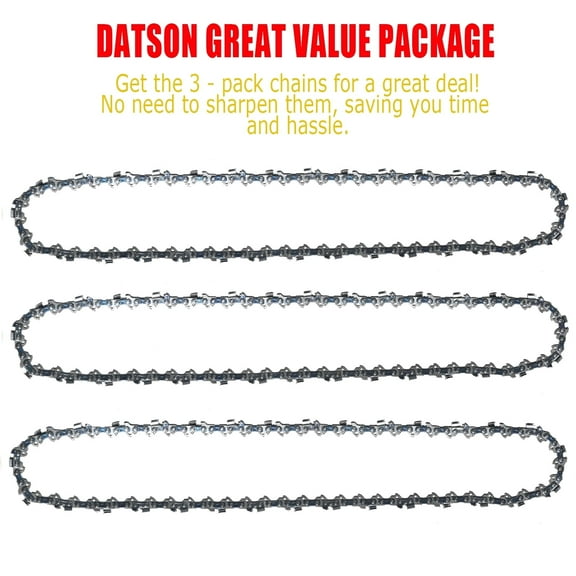
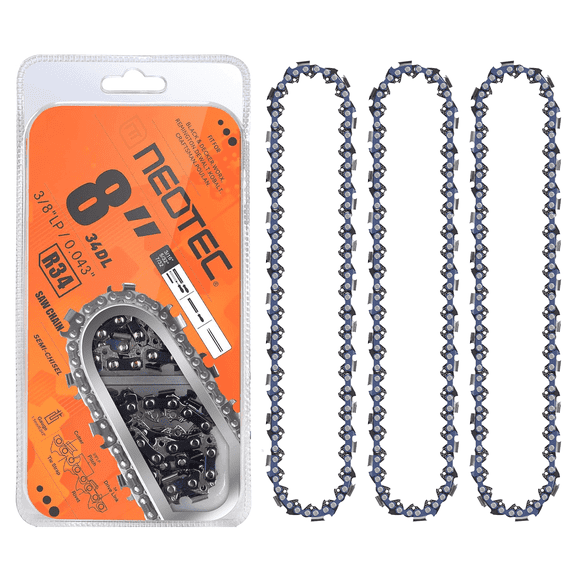

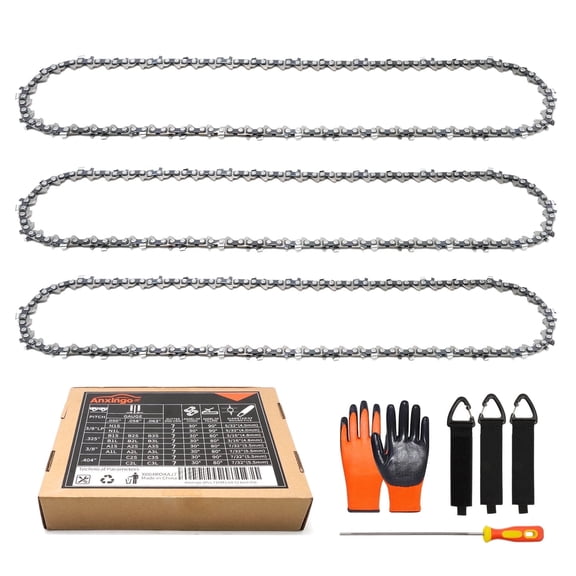


About Chainsaw Chains: Replacement Chainsaw Blades - Walmart.com
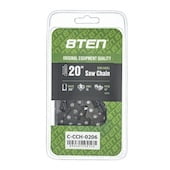
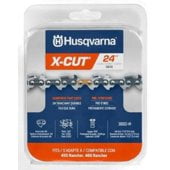
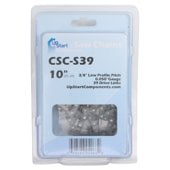
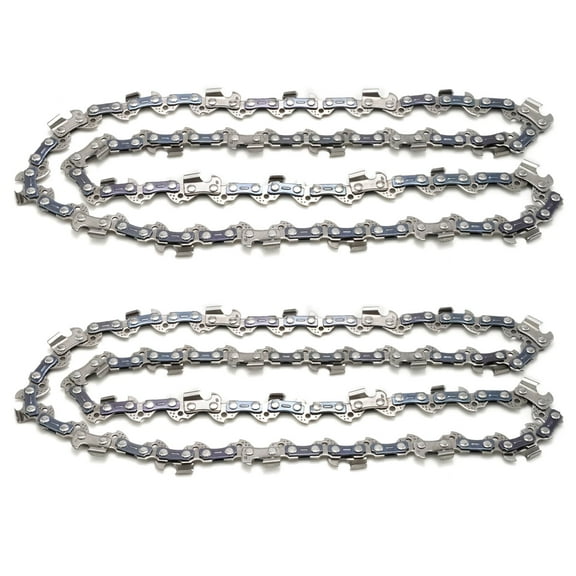
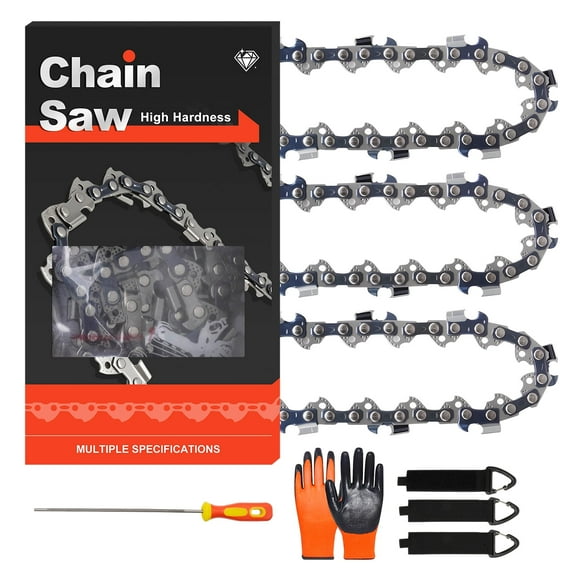
Chainsaw chains help you restore clean cutting when your current loop gets dull or worn. You can compare bar length, pitch, gauge, drive links, and cutter type before replacing it.
If you want a smooth replacement process, you need to match every measurement exactly. You can avoid fit issues when your new chain matches your saw bar and your manual.
How to choose chainsaw chains
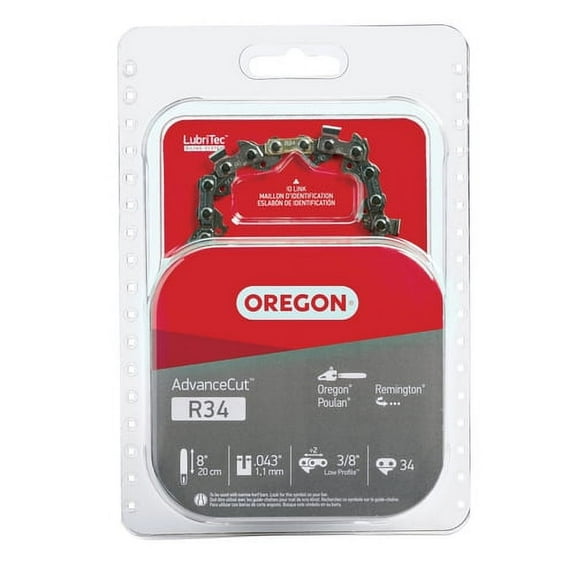
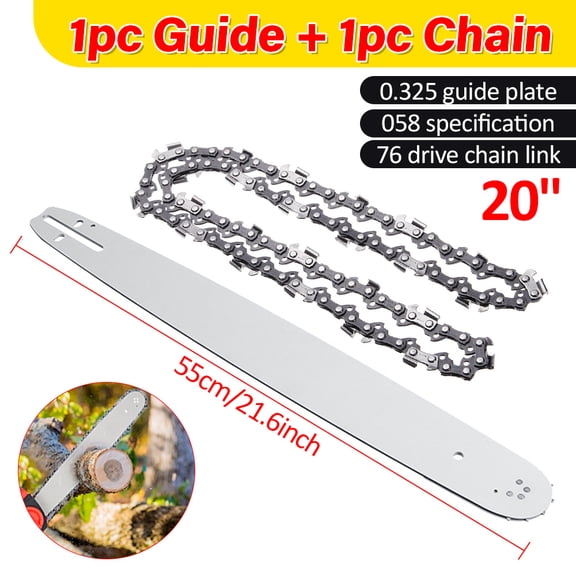
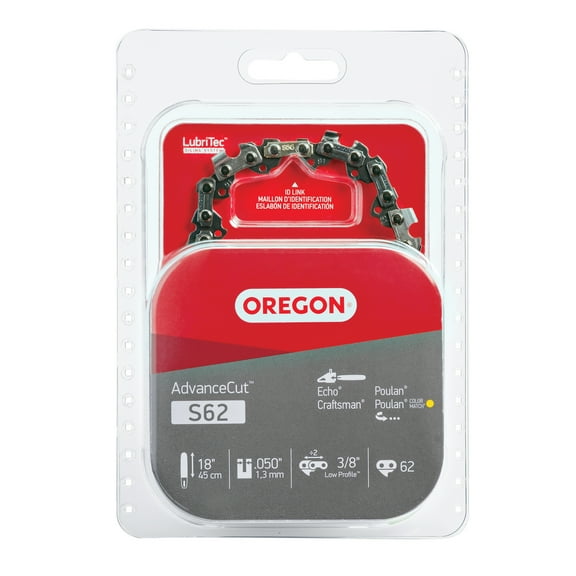
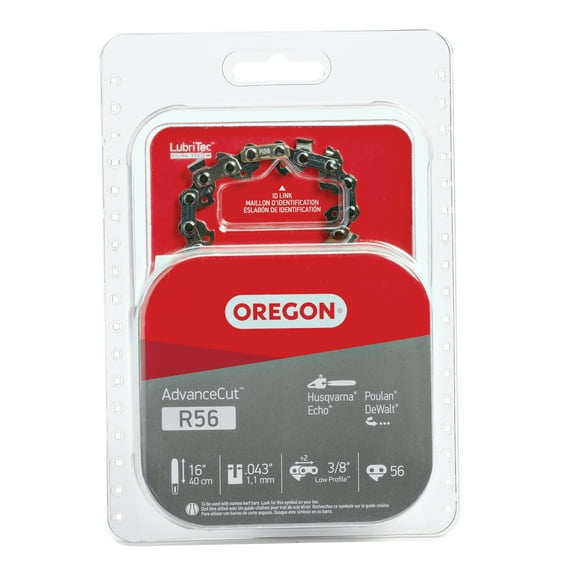
You should start with bar length because it narrows your options quickly. You may see common choices like 14 inch, 16 inch, 18 inch, and 20 inch.
Your next step is checking chainsaw chain pitch because it affects sprocket fit. You should also confirm chainsaw chain gauge because your chain must fit the guide bar groove correctly.
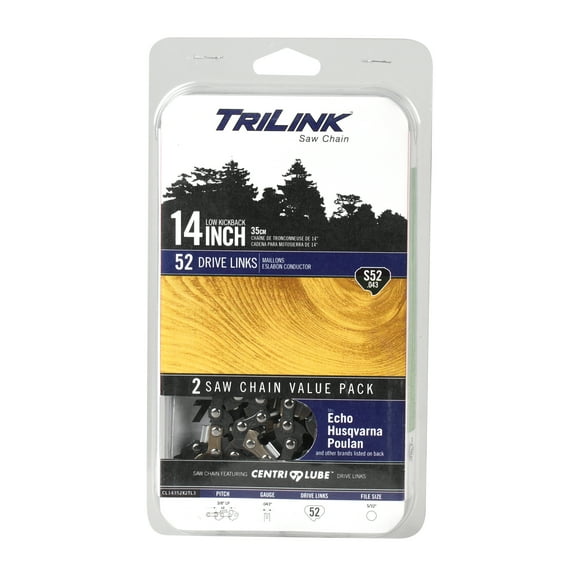
Before you finish, you need to verify your chainsaw drive links. You can get the right loop length only when your drive link count matches exactly.
- You can shop by bar length when your saw uses a 14 inch, 16 inch, 18 inch, or 20 inch setup.
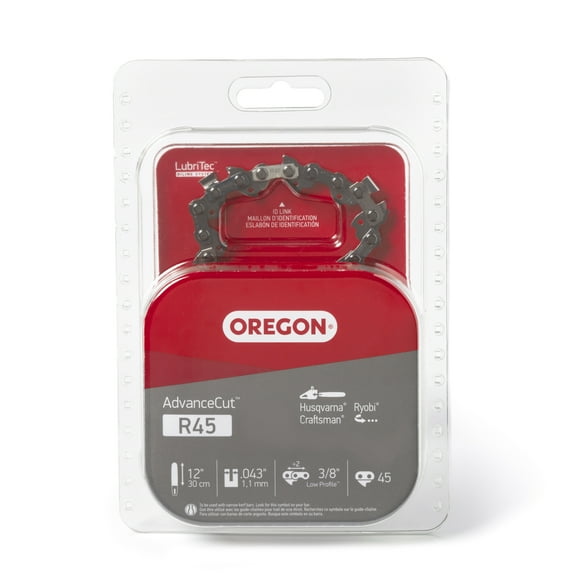
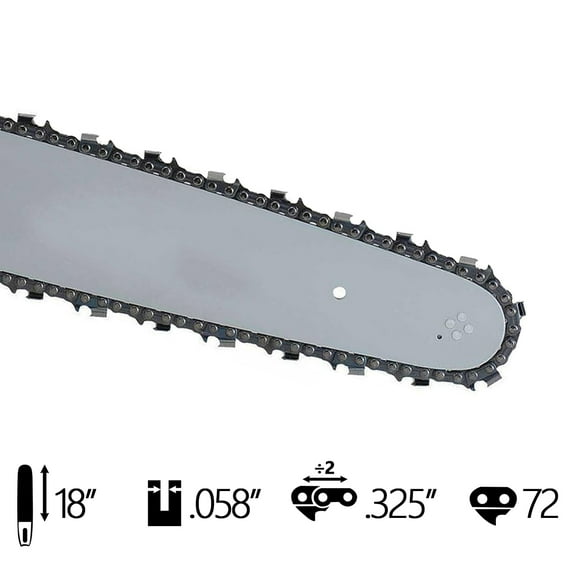
- You should match chain pitch to your sprocket, such as 3/8 inch, .325 inch, 3/8 inch low profile, or .404 inch.
- You need the right gauge, including .043 inch, .050 inch, .058 inch, or .063 inch, for proper bar fit.
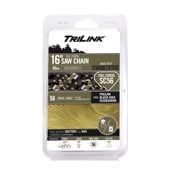
- You should verify drive link counts like 52 links, 56 links, 62 links, or 72 links before ordering.
- You can compare cutter types to match your cutting style, wood conditions, and comfort level.
Choosing replacement chainsaw chains by measurements
You can get more precise fitment when you treat each spec as a separate checkpoint. You shouldn’t rely on bar length alone because several chains can share the same listed size.
When you compare replacement chainsaw chains, you should read your guide bar stamp first. You may also find the correct pitch, gauge, and drive links in your owner’s manual.
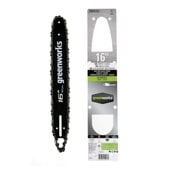
If your saw uses a chainsaw chain 16 inch setup, you still need matching pitch and gauge. If your saw takes a chainsaw chain 18 inch loop, you need that same measurement process.
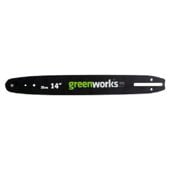
You can also compare chainsaw bar and chain combinations when you replace worn parts together. You may simplify installation when your chain specs align with your existing bar setup.
Understanding chainsaw chain pitch, gauge, and drive links
You should think of pitch as the spacing between chain links. You need the correct pitch so your chain runs properly on your saw’s sprocket.
Your gauge describes the thickness of the drive links that sit inside the bar groove. You may notice smoother tracking when your gauge matches the groove width exactly.
Drive links determine the total loop length around your bar. You should verify this count carefully because even one link difference can change fitment.
When you compare labels, you may see combinations like .050 gauge with 62 drive links. You should match those numbers exactly rather than estimating from appearance.
Choosing chainsaw chain blades and cutter types
You should choose cutter style based on what you cut and how you use your saw. You may notice different cutting behavior from full chisel, semi-chisel, and low-kickback designs.
Full chisel chainsaw chain blades suit fast cutting in cleaner wood. You may prefer them when you want quick results during firewood cutting or storm cleanup.
Semi-chisel cutters hold their edge more consistently in dusty or rough conditions. You might choose them when your wood has more bark, debris, or mixed surface conditions.
Low-kickback chains can feel more manageable for routine property work. You may want that design when you prioritize controlled cutting for residential tasks.
Matching chain size to your cutting tasks
You can use shorter bar lengths for limbing, pruning, and smaller cutting jobs around your property. You may find 14 inch and 16 inch options useful for lighter saw setups.
For larger logs or regular wood processing, you may look at 18 inch and 20 inch sizes. You can get the intended fit only when those sizes match your saw’s exact specifications.
If you cut clean hardwood often, you may compare full chisel options in the correct size. If you cut mixed wood, you might lean toward semi-chisel for steady edge performance.
When you want a more controlled feel, you can check low-kickback styles in your required measurements. You should still confirm bar length, pitch, gauge, and drive links before choosing.
You may also keep an extra loop ready for seasonal cutting periods. You can appreciate a fast swap when your current chain needs sharpening after heavy outdoor work.
What to look for before you replace your chain
You should inspect your current chain markings and your guide bar information together. You can make a more confident choice when both sources confirm the same measurements.
If those markings are hard to read, you can use your manual for exact fitment details. You may also compare the listed specs on your existing chain before replacing it.
With the right chainsaw chains, you can restore the cut quality your saw delivers. You can get a cleaner fit and a smoother replacement when your measurements match from the start.