

Chips












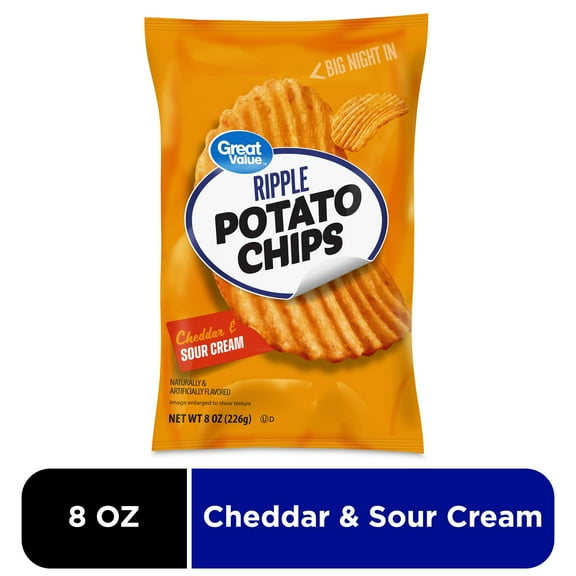
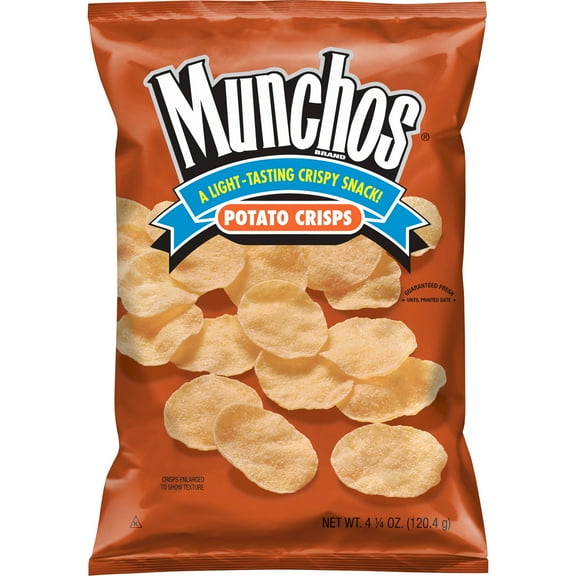


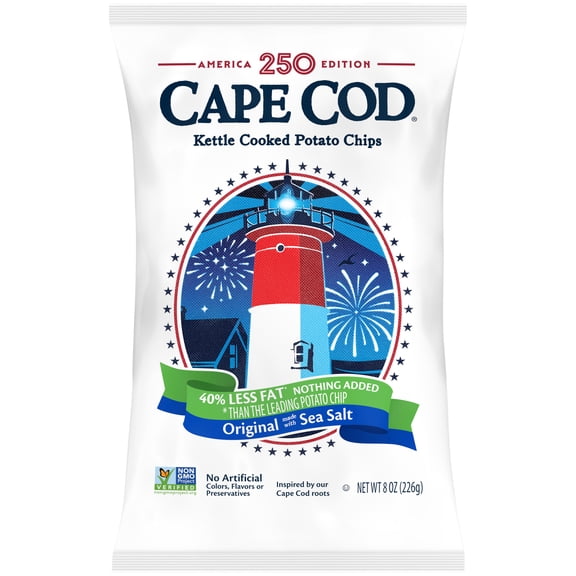

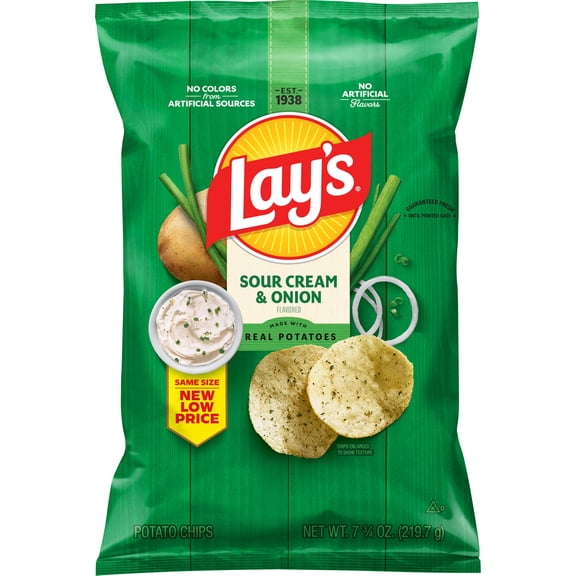










FAQ
About Chips - Walmart.com
Chips help you cover lunches, party tables, and pantry refills when you compare type, flavor, and pack size. This category gives you practical ways to sort crunchy options for different snack routines.
Across one page, you can compare potato chips, tortilla chips, variety pack chips, and other snack chips with less guesswork. That guidance matters when your household wants different textures, flavors, and portion sizes.
How to choose chips by type
A practical first step is chip type because your texture and dip plans shape the right pick. You may want potato chips when your snack spread needs a thin, crispy bite.
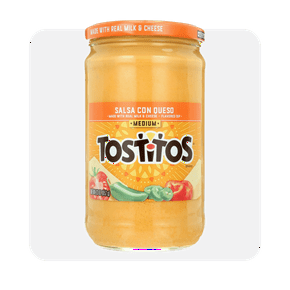
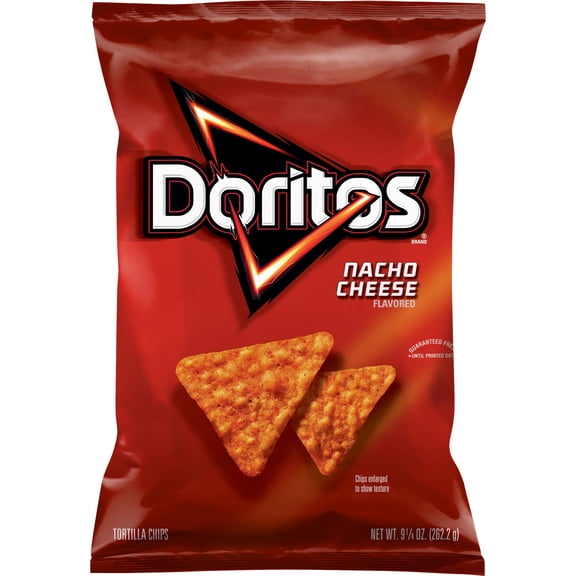
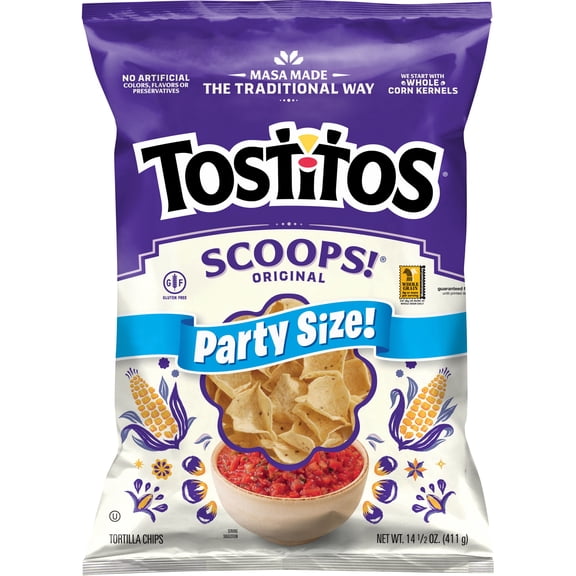
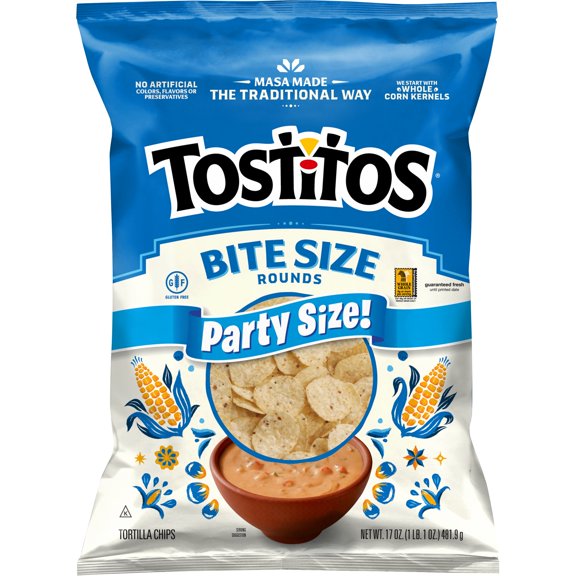
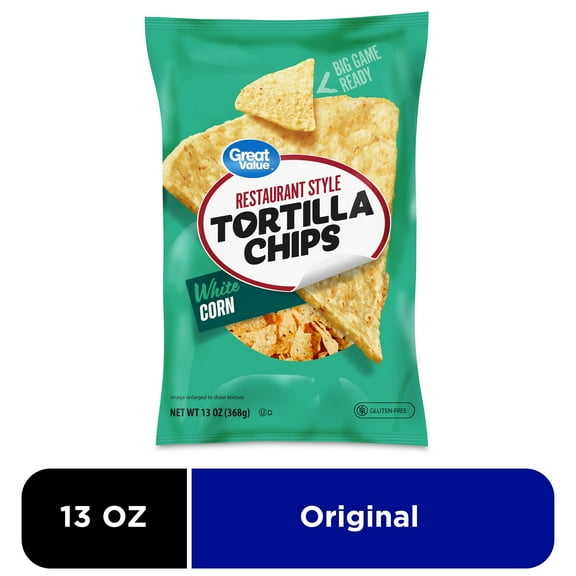
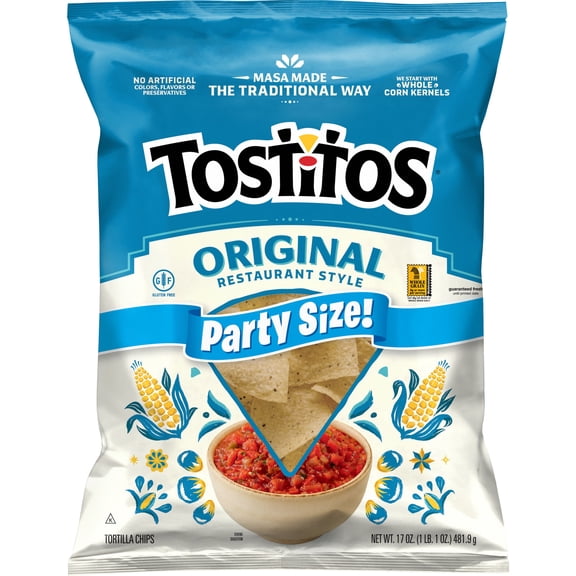
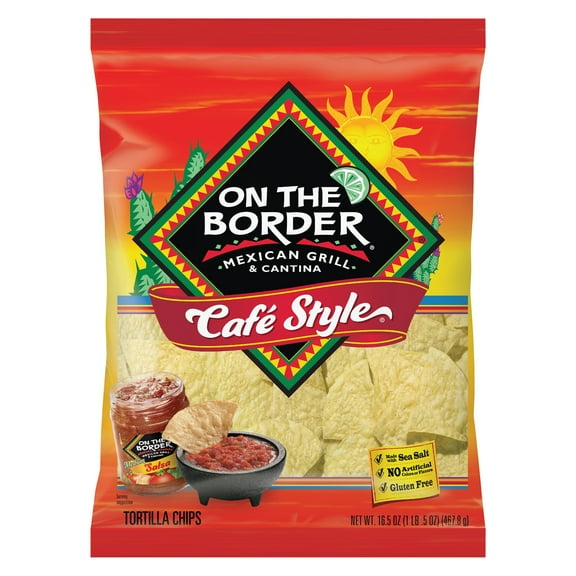
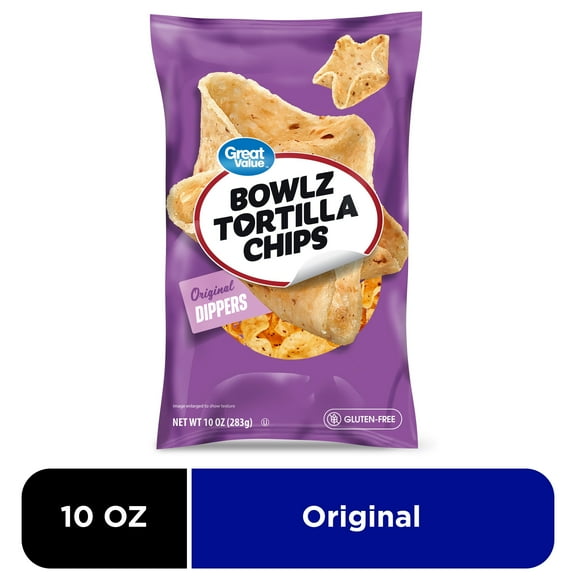
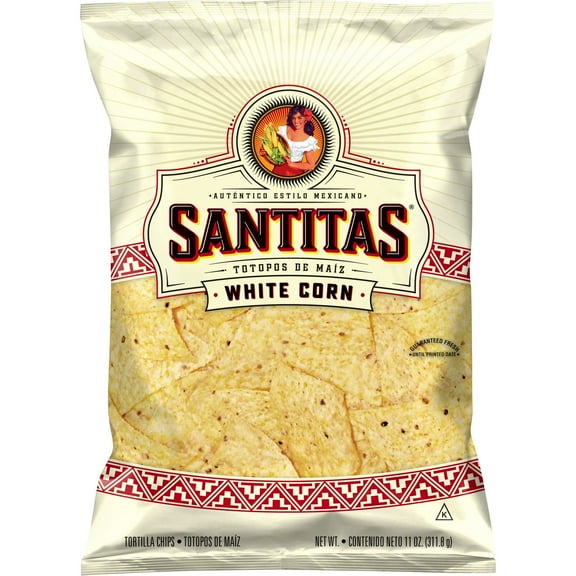
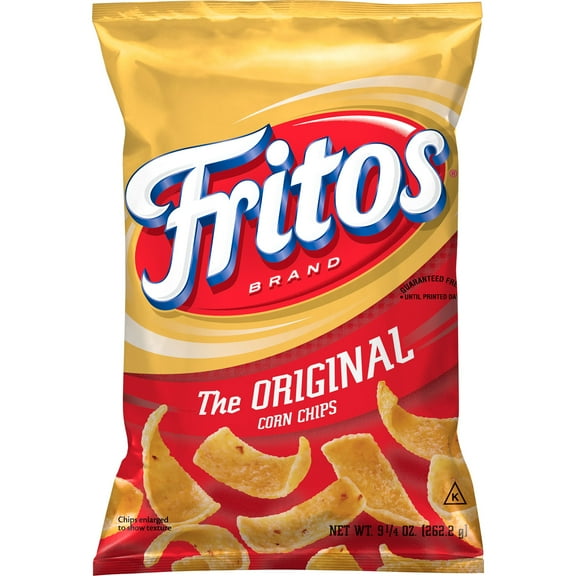
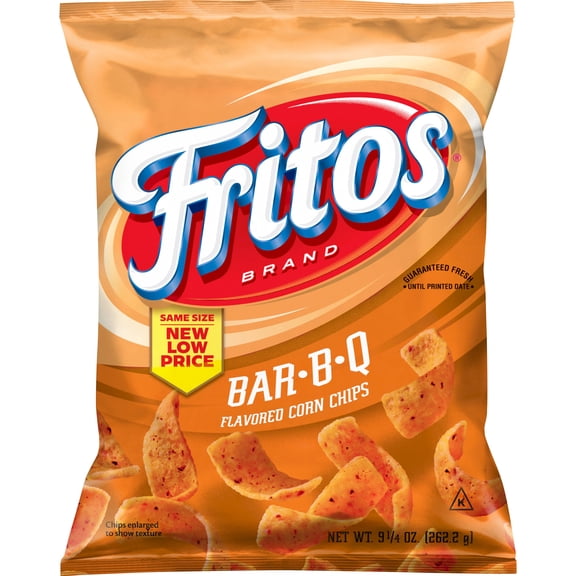
For scooping and nacho nights, you can look at tortilla chips with shapes that hold salsa and queso well. You may prefer corn chips when your dip is thick and your crunch needs extra structure.
Kettle chips can suit your snack routine when you want a firmer bite and a louder crunch. Pita chips can fit your plan when you want a crisp option for hummus and spreads.
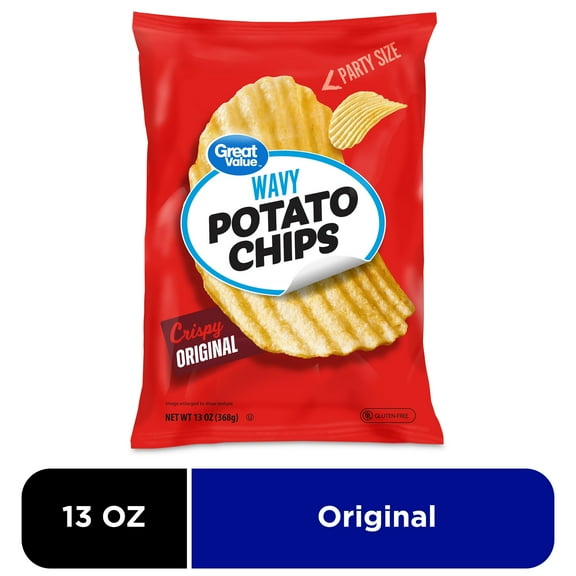
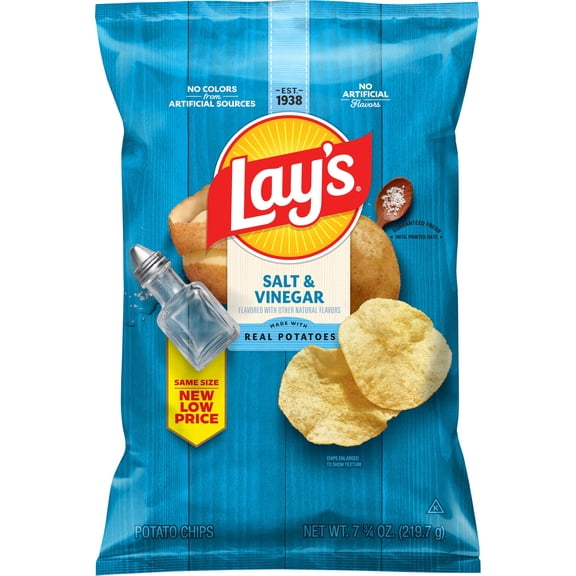
- You can pick potato chips for sandwich sides and everyday snacking.
- You can choose tortilla chips for dip nights, taco bars, and nacho trays.
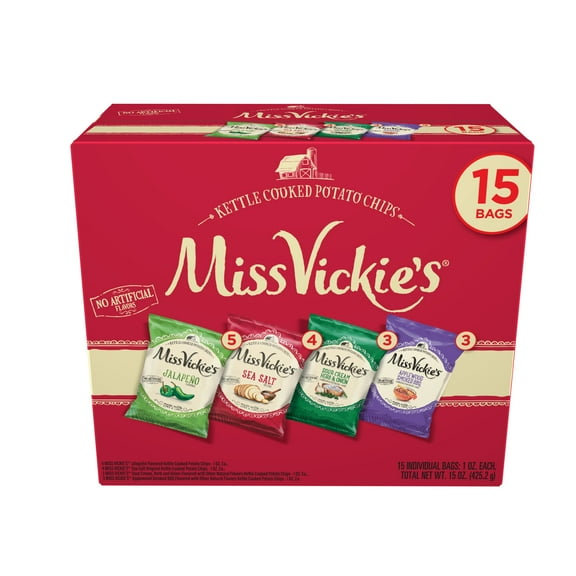
- You can reach for kettle chips when your snack table needs extra crunch.
- You can use corn chips with hearty dips and layered party platters.
- You can try pita chips for hummus, spreads, and savory snack mixes.
Choosing flavor profiles and variety pack chips
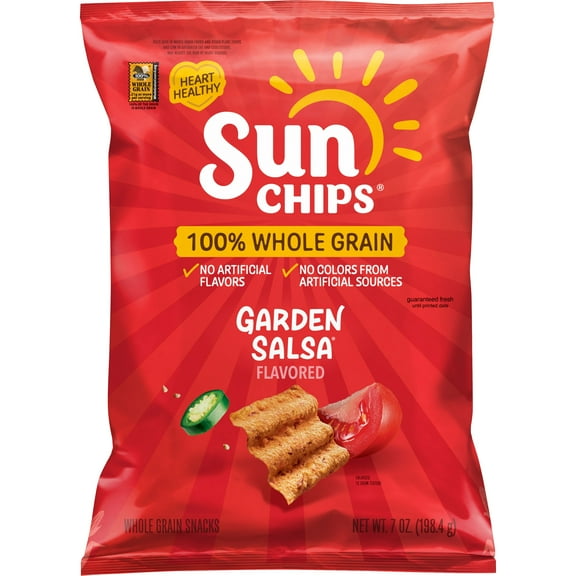
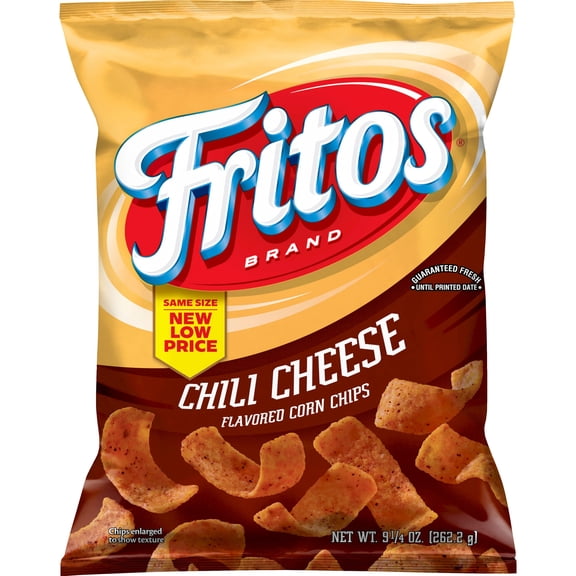
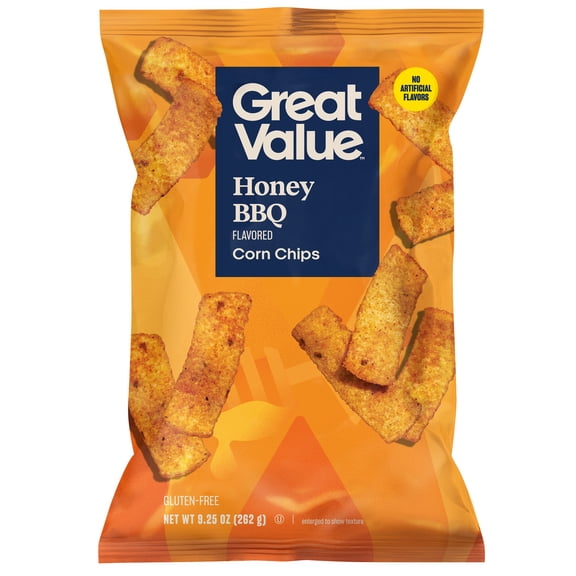
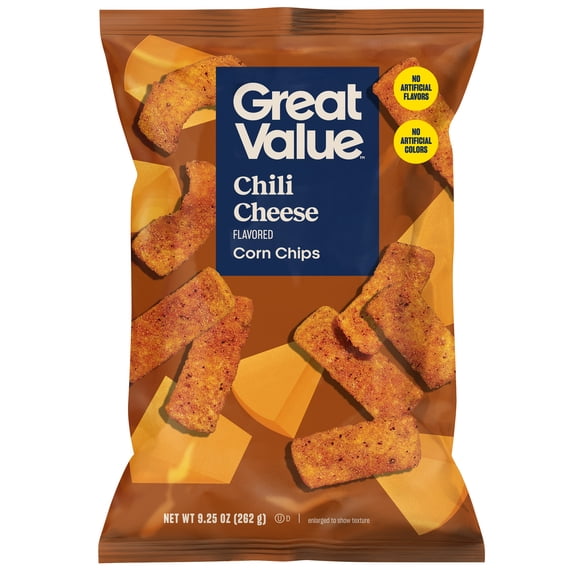
Flavor is often your next decision because seasoning changes how chips fit lunches, parties, and pantry routines. You’ll often see classic salted, barbecue, sour cream and onion, cheddar, and spicy options.
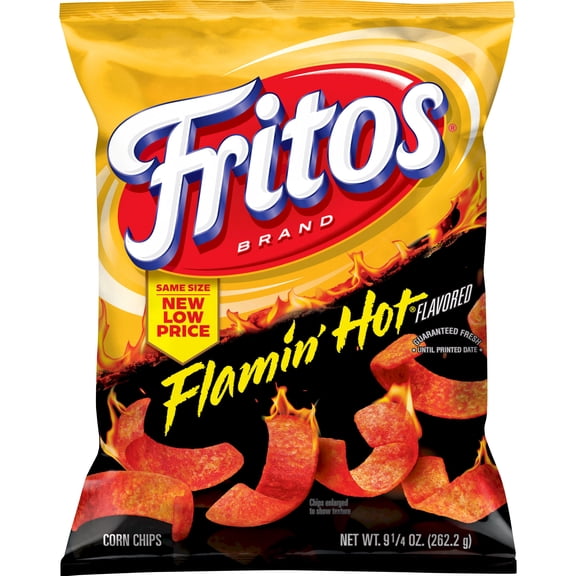
In a shared pantry, you can mix familiar flavors and bolder seasonings to cover different preferences. Your group may want classic salted for broad appeal and spicy choices for extra kick.
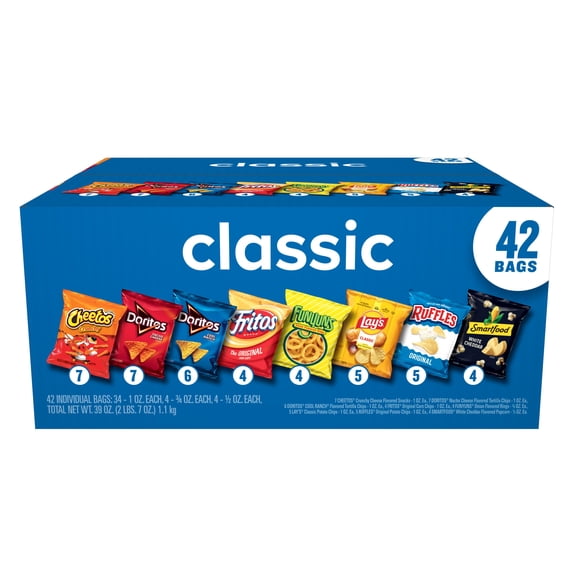
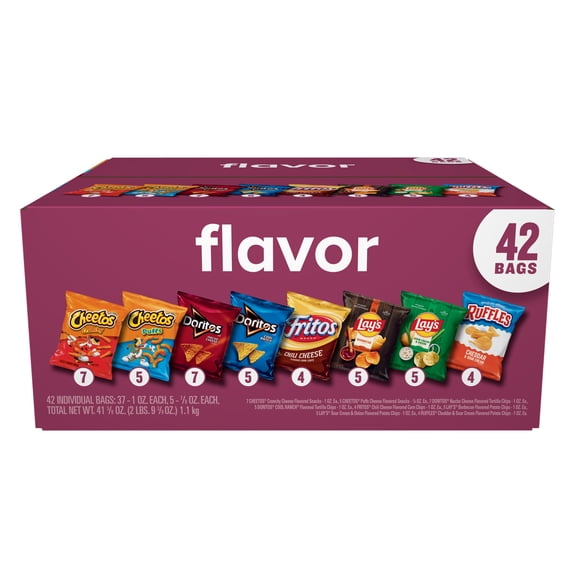
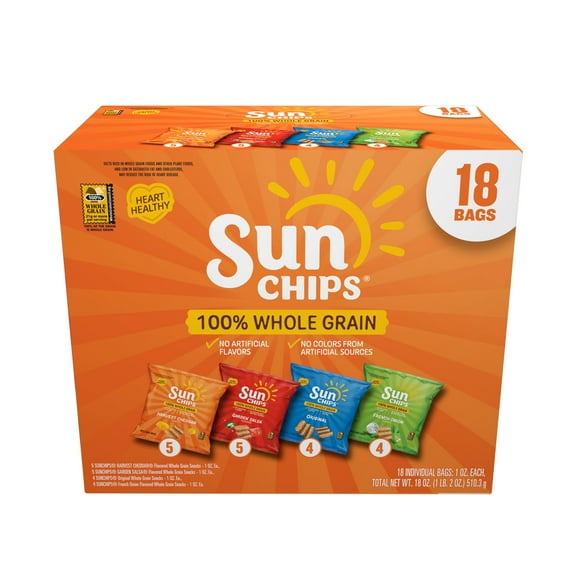
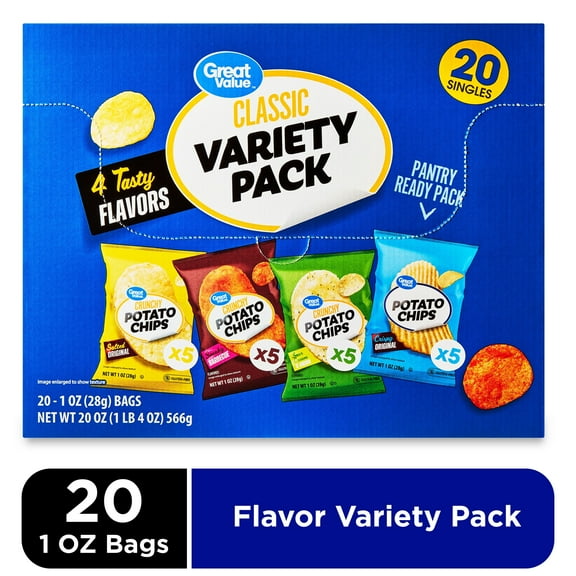
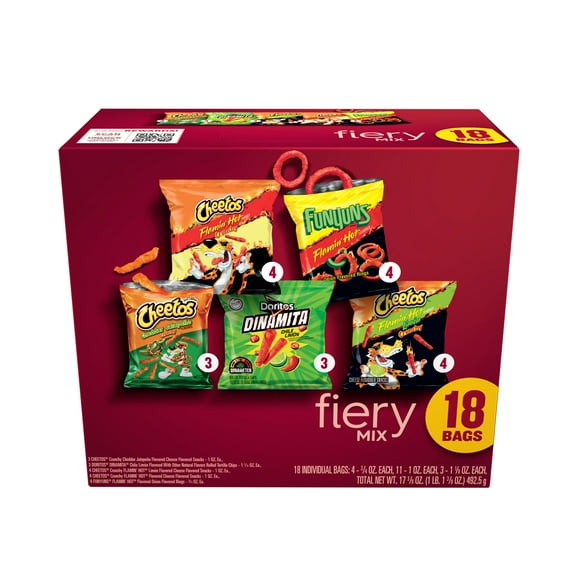
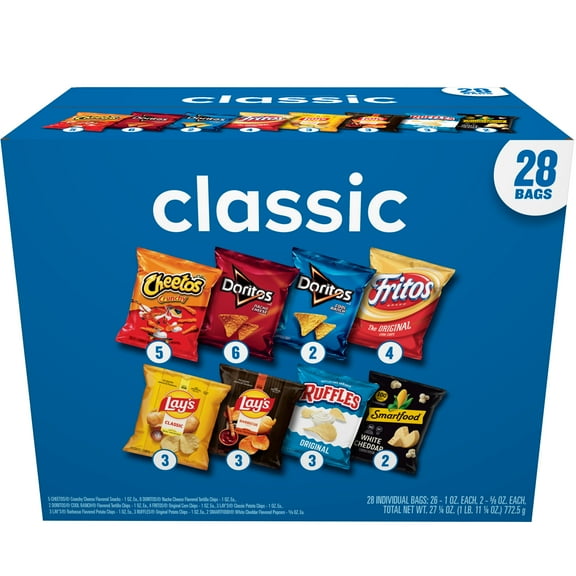
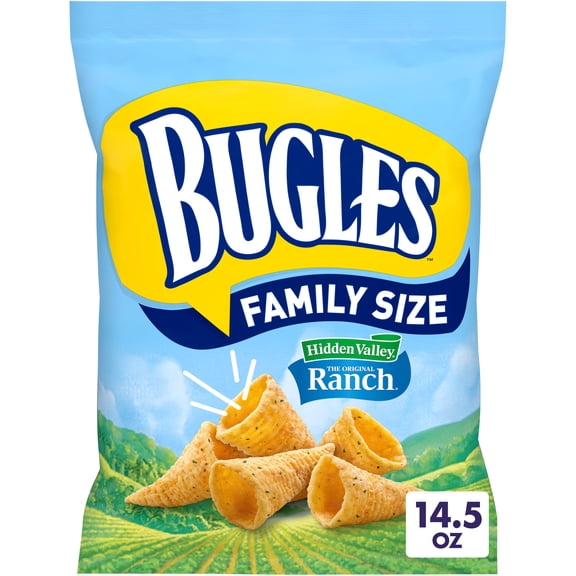
Variety pack chips can make sense when you want built-in rotation across several flavors and bag sizes. This helps you keep grab-and-go snacks ready for busy days without repeating the same option.
Choosing pack size for lunches, parties, and pantry restocks
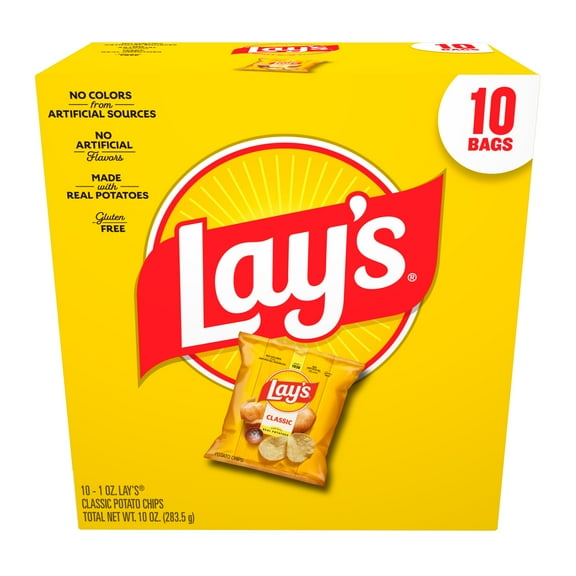
Pack size should match your occasion before you narrow by seasoning or texture. You can keep single-serve bags on hand when your lunches need quick portions and simple packing.
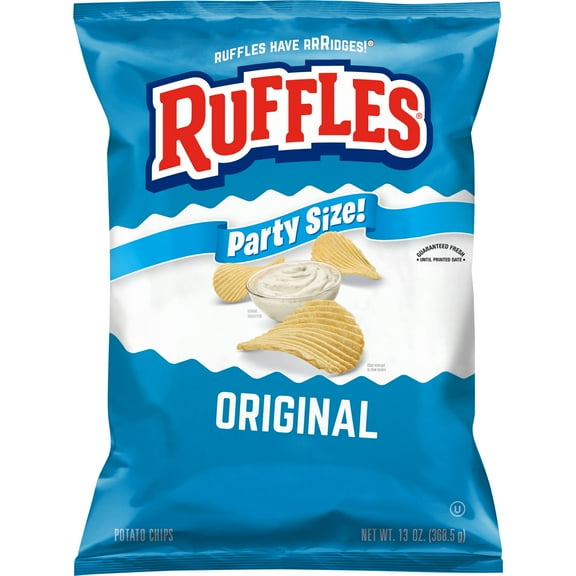
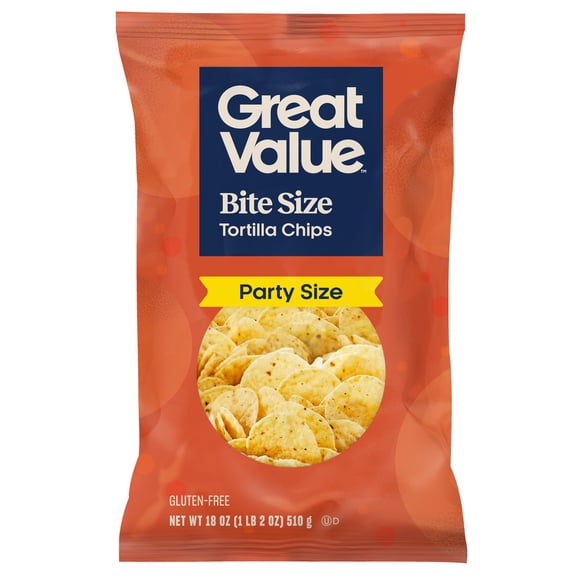
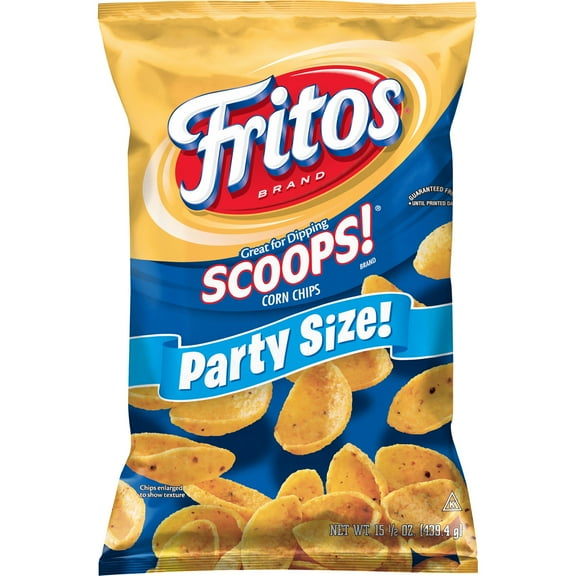
For gatherings, you can choose party size chips for bowls, dip stations, and buffet setups. Your table can feel easier to manage when one larger bag covers a shared serving moment.
Bulk packs and variety packs can help you plan for weeknight snacks, lunch prep, and pantry refills. You may prefer individual chip bags when your routine calls for portioned options with less prep.
Storage also matters when your shelves are limited or your snack cabinet is already full. This can make it easier for you to choose counts and bag sizes that fit your space.
How to compare potato chips, tortilla chips, and kettle chips by texture
Texture works as a practical decision tool because crunch changes how chips pair with meals and dips. You’ll often find standard potato chips lighter and thinner than kettle chips.
If your snack style leans crunchy, you can compare kettle chips with ridged or thicker-cut options. Your meals may pair well with standard potato chips when you want a lighter side for sandwiches.
On nacho trays, you can use tortilla chips when toppings need a broad base and steady shape. You may want corn chips when your dip spread includes denser textures and hearty scoops.
Choosing snack chips for dietary preferences
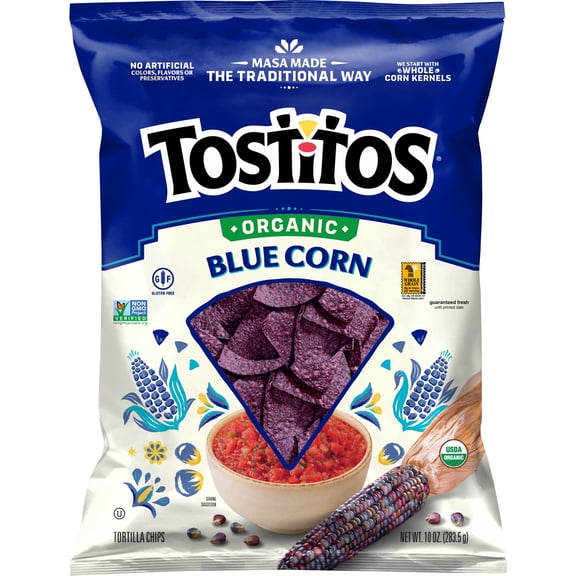
Label details can guide your decision when your household follows specific dietary preferences. You can find gluten-free, low sodium, baked, and organic options that support a narrower search.
Baked styles can appeal to you when your pantry plan calls for a lighter-style crunch and familiar flavors. You may look for low sodium choices when your everyday selections need specific label details.
Package callouts deserve a close look when ingredients and certifications matter in your home. You can make a confident choice when your snack chips align with your household preferences and routines.
Using chips for real-life occasions
School lunches, office drawers, and road trip bins often call for portable portions and easy variety. This offers easy portioning when you pack bags for travel, work, or after-school snacks.
At casual gatherings, you can combine party size chips with salsa, queso, and sandwich trays. Your spread may feel more complete when potato chips and tortilla chips cover snacking and dipping.
Movie nights can also work well with kettle chips, corn chips, and mixed flavor assortments. You can give guests different crunch levels and seasoning options without overcomplicating the table.
Busy weekdays often go smoother when your pantry includes single-serve bags for wraps, soups, and deli lunches. This helps you find ready portions that fit lunch prep and quick snack breaks.
You can choose chips with confidence when you compare type, flavor, pack size, and dietary details together. This helps you find snack options that match your pantry plans and the crunch you want.