

Chromotography in Lab Equipment













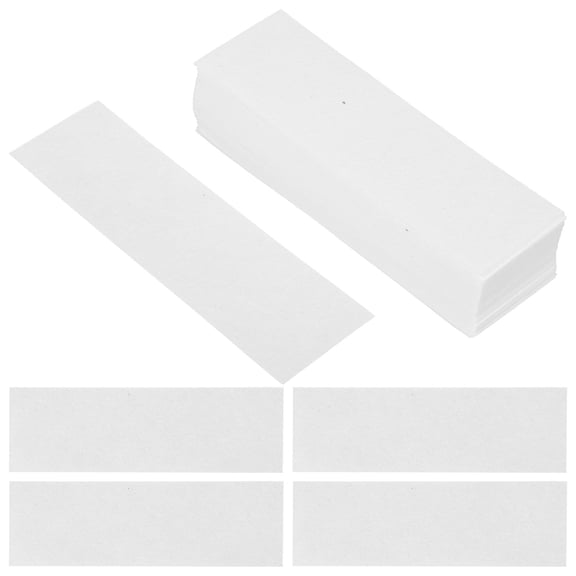

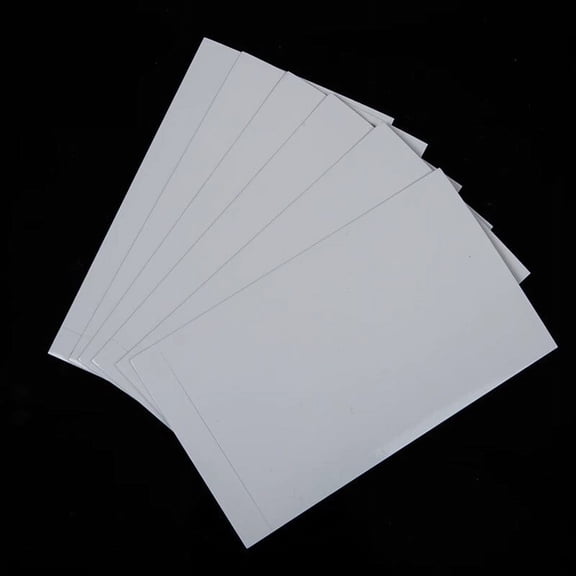



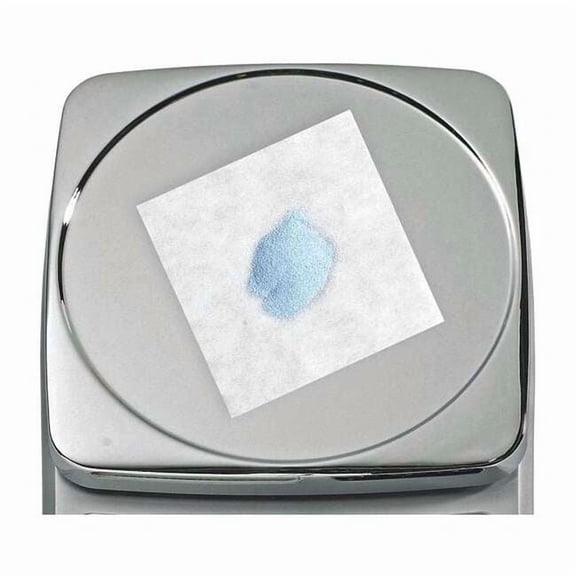
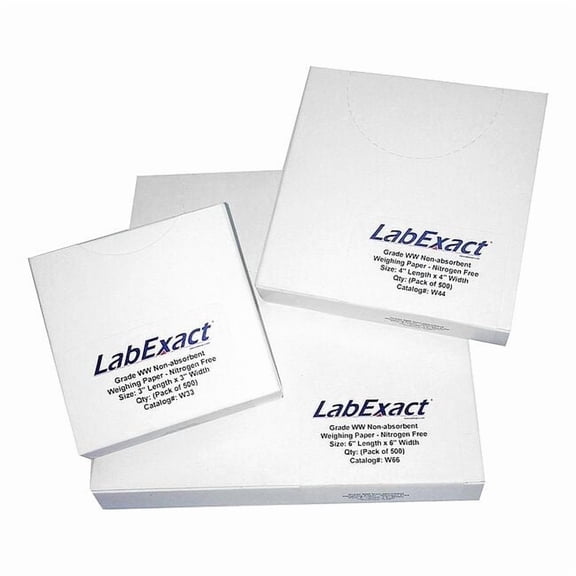




About Chromotography in Lab Equipment - Walmart.com
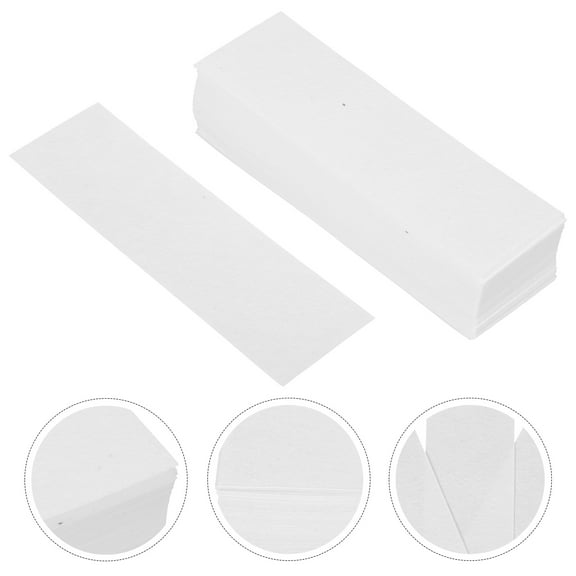
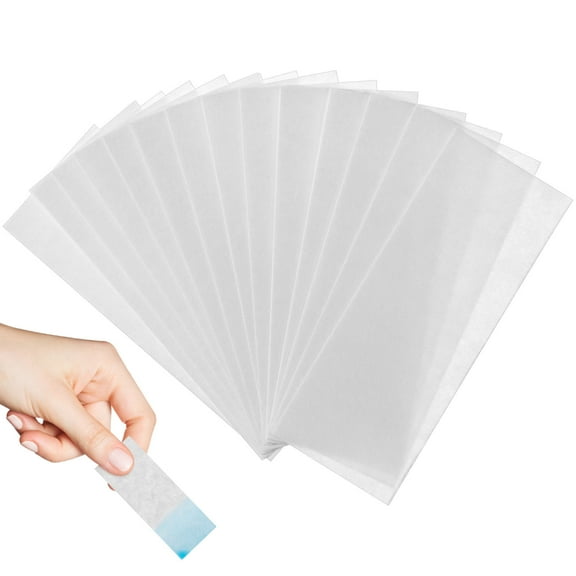
Lab chromatography paper helps you separate samples with clear results, and you can compare paper, cartridges, columns, and sheets in one place. You can use this guide to choose lab media for chemistry classrooms, analytical benches, and industrial workflows.
How to choose lab chromatography paper
When you compare media types, you should start with your method and your sample volume. You may prefer paper chromatography for simple spot tests, while you may need cartridges or columns for extraction steps.
If you run solvent-heavy work, you should check solvent resistance before you choose your media. If you handle varied compounds, you should also check pH stability so your paper or cartridge matches your workflow.
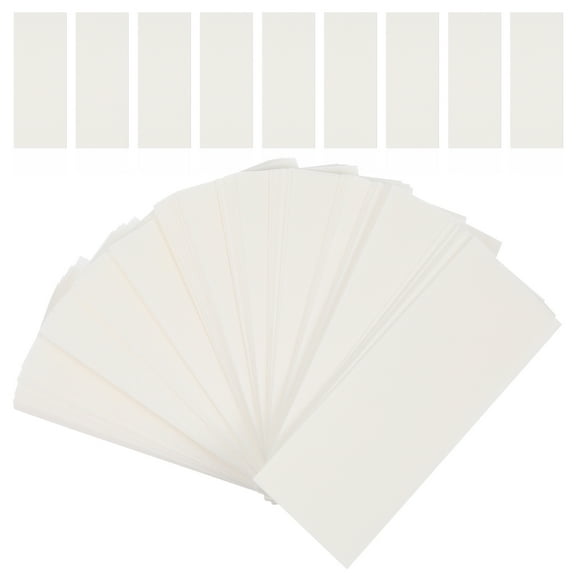
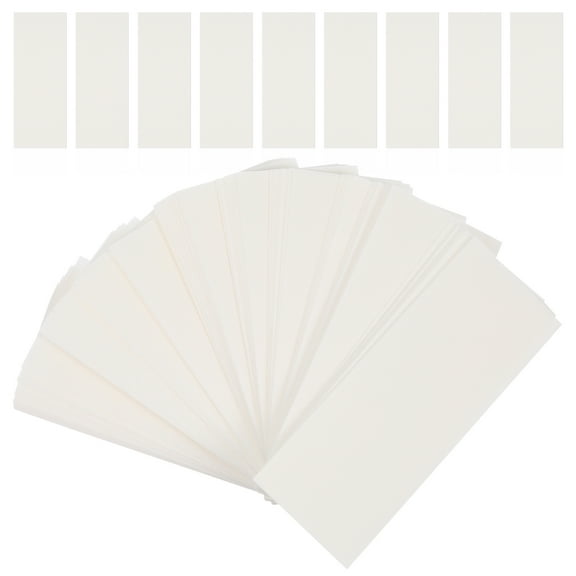
You can narrow paper choices by grade, thickness, and sheet format. You may use sheets for custom cuts, or you may choose precut paper when you want consistent setup.
Choosing media type and extraction method
Paper, cartridge, column, and sheet formats each support a different lab task. You can use paper for visible separations, while you can use a solid phase extraction cartridge for sample cleanup.
When you compare solid phase extraction cartridges, you should look at cartridge volume and bed weight. You can match mg sorbent mass and mL volume to your sample size and your prep routine.
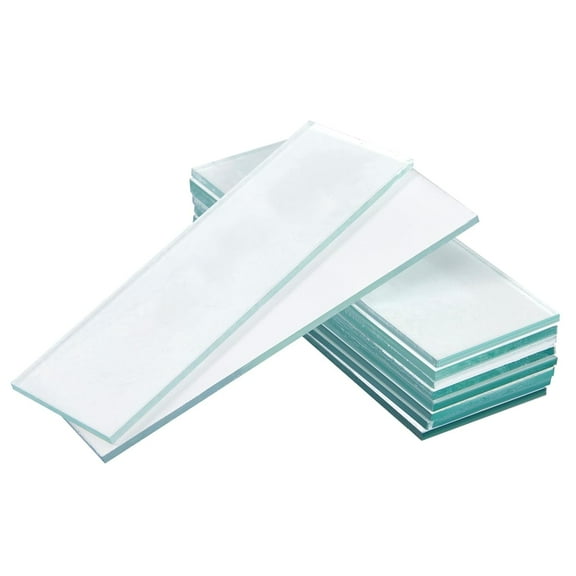
Thin layer chromatography needs flat, even media that supports controlled spotting and development. Paper chromatography usually fits teaching labs, while cartridge-based methods often fit analytical and industrial sample preparation.
You can use this decision guide to compare common category paths:
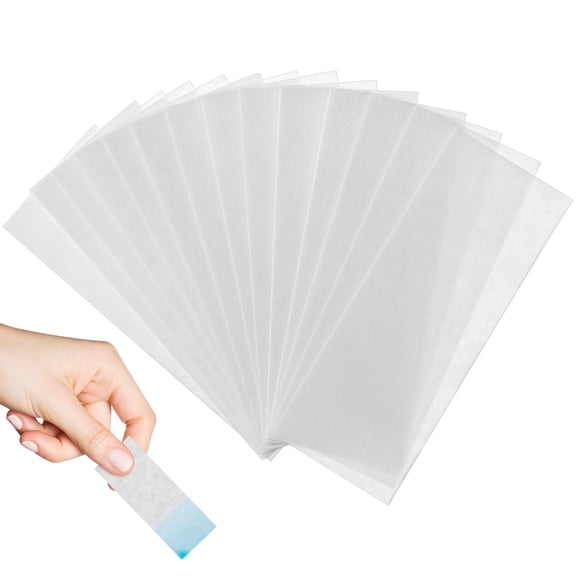
- You may choose lab chromatography paper when you need capillary movement, visible band separation, and easy cutting for classroom or bench work.
- You may choose solid phase extraction cartridges when you need cleaner extracts, controlled sorbent mass, and repeatable sample prep steps.
- You may choose columns when your process calls for packed media and directed flow through a defined bed.
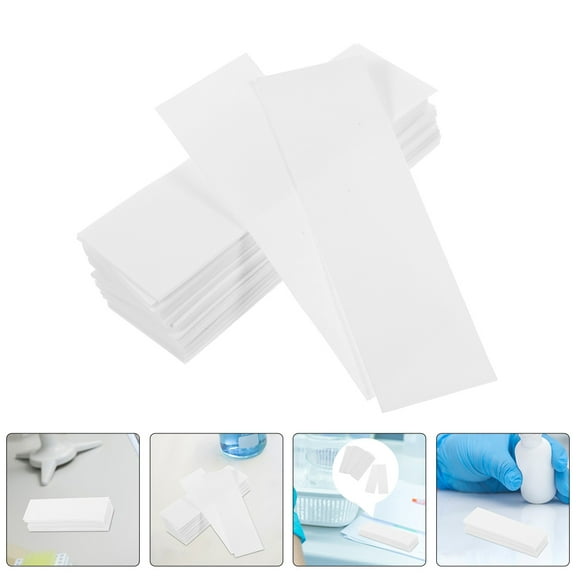
- You may choose weighing paper chemistry supplies when you need clean sample transfer, portioning, or staging before a run.
What to look for in grades, flow rate, and chemistry use
You should compare Grade 1 and Grade 4 paper by retention and flow behavior. You may choose Grade 1 for routine separations, while you may choose Grade 4 for faster flow.
If you need slower movement and tighter observation time, you should check slow-flow options. If you need quicker development, you can compare medium-flow and fast-flow papers for your lab pace.
You should also review thickness and pore structure because they affect liquid travel and spot shape. You can get more predictable classroom demonstrations when your paper grade matches your solvent and sample load.
For weighing paper chemistry tasks, you should look for sheet size, foldability, and handling ease. You can portion powders and transfer small amounts with less mess during setup.
Comparing classroom, analytical, and industrial needs
You should choose classroom grade supplies when you need simple handling and clear visual results for instruction. You can support student demonstrations with paper formats that are easy to label, cut, and compare.
If your work is analytical, you should pay closer attention to consistency across sheets and cartridges. You may want tighter control over flow rate, sorbent mass, and cartridge volume for repeatable preparation.
For industrial use, you should check whether your media supports larger sample loads and routine batch work. You can keep processes organized when your sheets, cartridges, and accessories follow the same lab method.
You may also compare accessory types before you place a replenishment order. You can pair filter paper, extraction cartridges, weighing paper, and spray tank tools with your established procedure.
How you can use chromatography supplies in real lab settings
You can use lab chromatography paper for classroom separations that show pigment travel and solvent fronts clearly. You can also use it for method practice before you move to more complex extraction workflows.
When you prepare liquid samples, you may need a solid phase extraction cartridge to clean up a mixture. You can compare mL cartridge size and mg bed weight to fit your target sample volume.
If you manage bench restocking, you may search chromatography paper where to buy during a project cycle. You can simplify sourcing when you keep paper, weighing paper chemistry supplies, and extraction accessories together.
You may also want dependable access that supports pickup or delivery options for recurring lab needs. If you think about chromatography supplies near me, you can focus on availability, pack formats, and dependable reorder planning.
When you compare chromatography price factors, you should look beyond a single sheet or cartridge count. You can judge fit by media type, grade, flow rate, and how closely each option matches your method.
If you need to buy chromatography supplies for mixed environments, you should separate teaching needs from analytical needs first. You can then choose paper for demonstrations and cartridges for structured sample preparation.
With the right lab chromatography paper and matching accessories, you can build a workflow that fits your method, sample size, and teaching or testing goals. You can choose with more confidence when you compare media type, grade, flow rate, and cartridge dimensions together.
Popular in Chromotography in Lab Equipment - Walmart.com
- Best Sellers In Industrial Scientific Lab Chromatography Supplies
- Lab Scientific Products Labtek Industrial
- Best Sellers In Industrial Scientific Lab Thin Layer Chromatography TLC Developing Tanks
- Industrial Scientific Lab Line
- Best Sellers In Lab Dissection Instruments
- Best Sellers In Industrial Scientific Mechanical Control Cables Accessories
- Best Sellers In Lab Electroscopes Van De Graffs
- Electromagnetics Kids
- Lab Safety Supply Professional Tools
- Circuits Simulator
- Best Sellers In Lab Thin Layer Chromatography TLC Plates