












Clothing & Apparel for the Family | Walmart

Shop by category

Featured trends


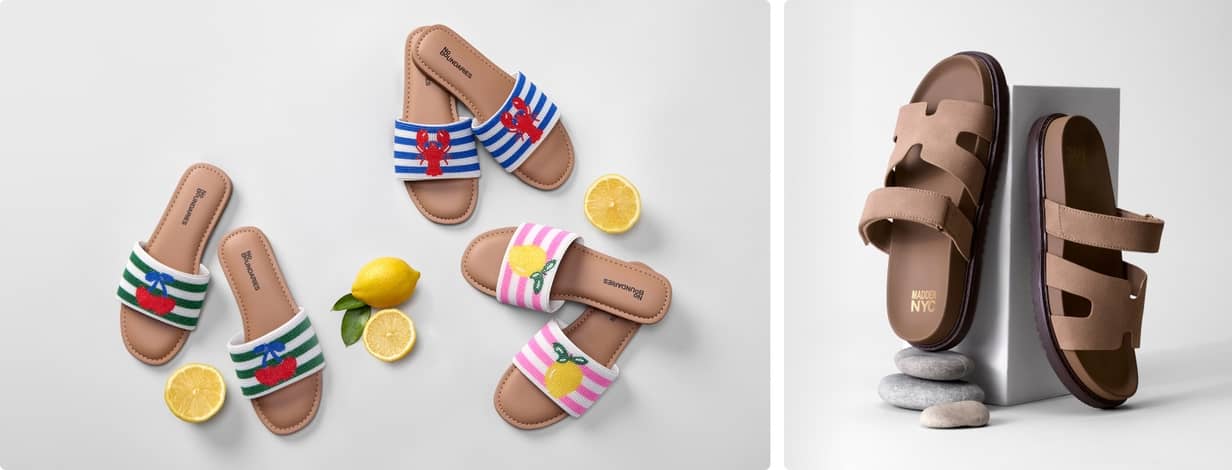
The shoe edit


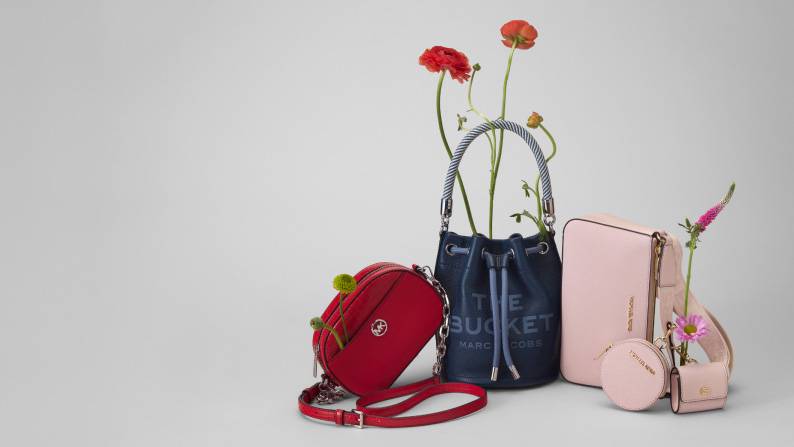
Accessories edit
Shop now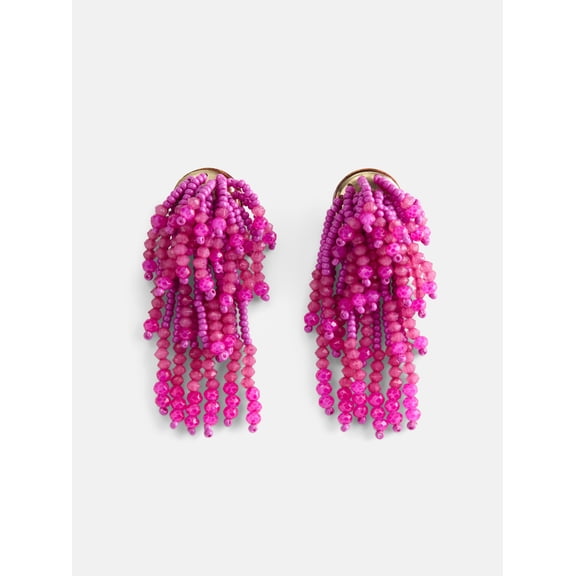

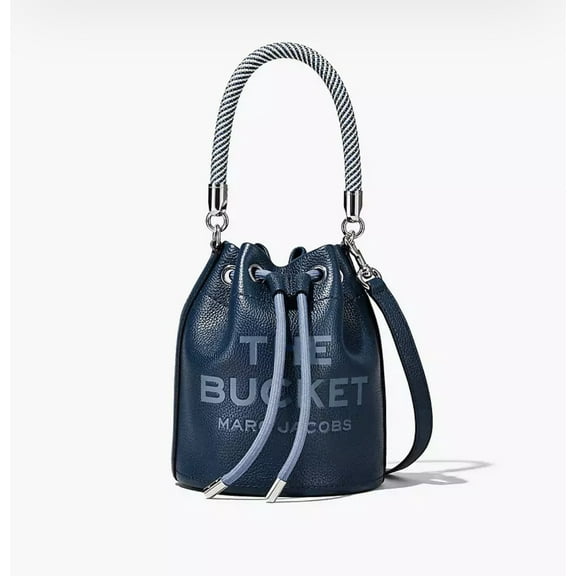


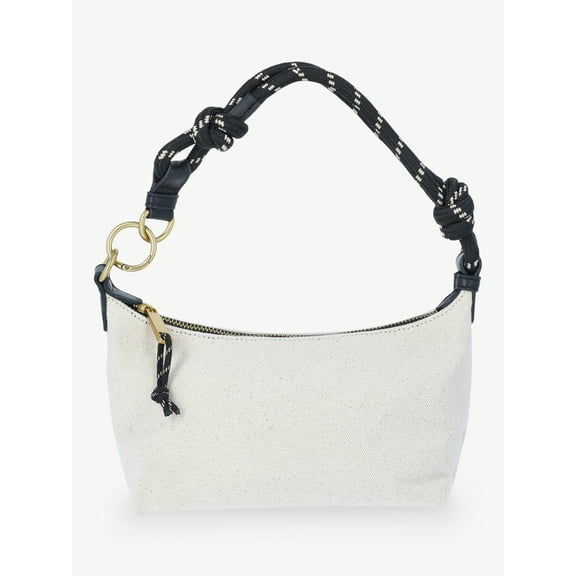
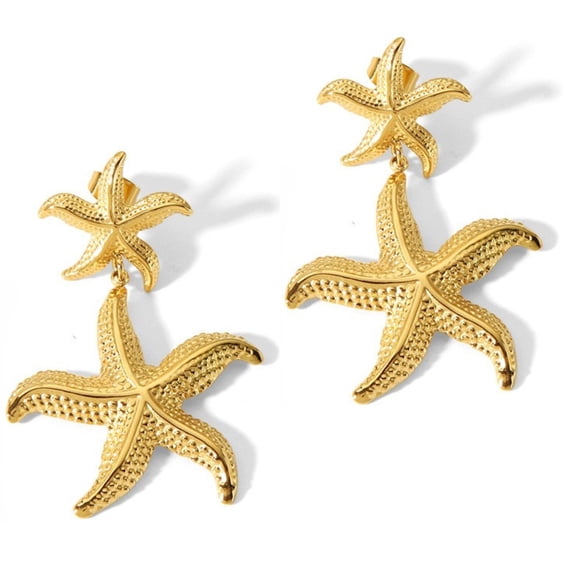
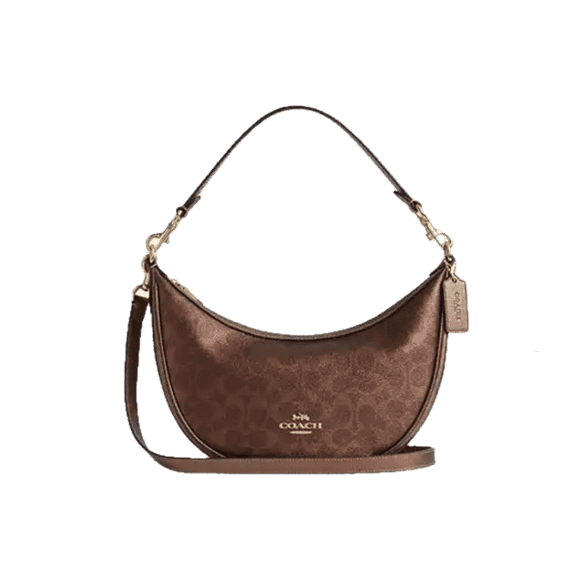

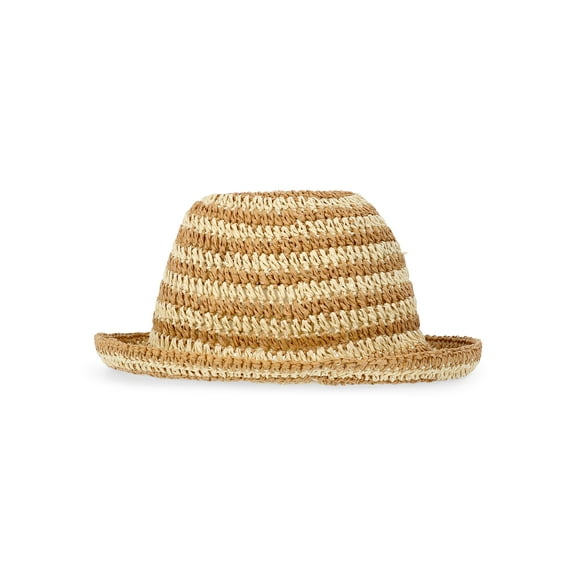


Now trending


Curated collections



Brands we love
















@walmartstyle is on Instagram
FAQ
About Clothing & Apparel for the Family | Walmart - Walmart.com
Clothing brings your whole wardrobe together in one place, so you can compare everyday essentials, seasonal layers, and occasion-ready looks with less guesswork. You can shop by department, size, fabric, and activity, which helps you narrow choices faster when your closet needs a refresh.
When you shop clothing online, you can move from women’s tops to men’s jeans, kids’ uniforms, and baby basics without losing your place. You can also spot matching needs across your household, which makes planning outfits and replacements feel more organized.
How to choose clothing by department
You’ll usually start with department, because your fit, styling, and fabric needs change across men’s, women’s, kids’, and baby apparel. You can compare everyday pieces for work, school, play, and downtime without mixing up sizing systems.
For women’s clothing, you may look for dresses, leggings, denim, and layering tops that work across weekdays and weekends. For men’s clothing, you may focus on jeans, tees, polos, and workwear that fit your routine.
Kids’ clothes often call for easy movement, simple care, and dependable sizing as your child grows through school and play. Baby clothing usually centers on soft fabrics, easy-on designs, and sets that simplify daily changes.
- You can build outfits for men, women, kids, and baby from one category hub.
- You can compare casual, athletic, workwear, and sleepwear styles for your schedule.
- You can check fabrics and care needs before you choose daily staples.
- You can review size charts and measurements to improve fit confidence.
Choosing clothing sizes and fit details
You’ll want to check size range next, especially if you’re shopping regular, plus size, petite, or big and tall options. You can use size charts, garment measurements, and stretch factor notes to make closer fit decisions.
If you prefer a neater shape, you may compare shoulder width, inseam, rise, and sleeve length before you choose. If you want easier movement, you can look for spandex blends or relaxed cuts that flex with your day.
Petite sizing helps you choose proportions that suit shorter inseams and adjusted lengths, so your clothes need fewer tweaks. Plus size and big and tall ranges help you compare room through the waist, seat, chest, and sleeves.
You can also use fit details to match the look you want, from slim jeans to roomy hoodies. When you review measurements first, you reduce uncertainty and make clothing online feel easier to manage.
Comparing clothes by occasion and daily use
You’ll get more from your wardrobe when you choose clothes by occasion instead of shopping one item at a time. Casual pieces support day-to-day wear, while athletic styles help you dress for movement, practice, or errands.
Workwear usually calls for cleaner lines, dependable fabrics, and layers that transition from commute to desk to dinner. Sleepwear focuses on comfort, softer hand feel, and easy care that fits your nightly routine.
If your week includes several settings, you can look for styles that cross over without feeling out of place. A knit top, dark denim, or jogger can help you move between home, pickup, and casual plans.
You may also shop ropa for family events, school photos, travel days, or weather changes across the year. When you sort by occasion first, you can build outfits that serve a real purpose in your closet.
What to look for in clothing fabrics and care
You’ll notice fabric changes how your clothing feels, washes, and wears through repeated use. Cotton can feel breathable and familiar, while polyester often helps you keep shape and color through regular laundry.
Denim gives you structure for jeans, jackets, and skirts, so you can build outfits with a classic base. Spandex adds stretch, which helps when you want easier movement in leggings, activewear, and fitted basics.
You should also check care instructions before you choose fabrics for everyday rotation. Machine-washable pieces can simplify your routine, and shrink-resistant construction can help your fit stay more consistent.
If you’re stocking up on daily essentials, you may compare softness, stretch, thickness, and drying time. Those details help you decide whether clothes fit your pace, your laundry habits, and your season.
How clothing online can simplify family shopping
You can use filters and category paths to sort clothing by department, size range, color, occasion, and material. That structure helps you compare family needs quickly, especially when you’re replacing basics across several closets.
If you’re preparing for school, you can line up kids’ uniforms, layering pieces, socks, and outerwear in one session. If you’re planning a trip, you can gather sleepwear, casual outfits, and active pieces without starting over.
You may also use this clothing hub to find wardrobe staples that work all year, not just for one event. When you compare fit notes, fabric types, and care details together, you make choices with more confidence.
At Walmart, you can bring family wardrobe planning into one streamlined search and keep your focus on fit, fabric, and everyday wear. That approach helps you choose clothes that match real routines and stay useful longer.
Related Links
- Shop all women's clothing
- Women's activewear
- Women's bras, panties & lingerie
- Women's coats & jackets
- Women's dresses
- Women's jeans
- Women's jumpsuits & rompers
- Women's loungewear
- Maternity
- Women's outfit sets
- Women's pajamas
- Women's pants & capris
- Women's plus size
- Women's robes
- Women's scrubs
- Women's socks, hosiery, & tights
- Women's sweaters & cardigans
- Women's sweatshirts & hoodies
- Women's skirts
- Women's shorts
- Women's tops & t-shirts
- Women's swimsuits
- Shop all men's clothing
- Men's big and tall clothing
- Men's business casual
- Men's coats & jackets
- Men's golf clothing
- Men's graphic tees
- Men's hoodies & sweatshirts
- Men's jeans
- Men's pajamas & robes
- Men's pants
- Men's scrubs
- Men's shirts
- Men's shorts
- Men's socks
- Men's suits
- Men's sweaters
- Men's swimwear
- Men's t-shirts
- Men's undershirts
- Men's underwear
- Men's workout clothing
- Men's workwear
- Shop all kids' clothing
- Shop all boys' clothing
- Boys activewear
- Boys coats & jackets
- Boys hoodies & sweatshirts
- Boys jeans
- Boys outfit sets
- Boys pajamas
- Boys pants
- Boys shirts
- Boys shorts
- Boys sweatpants
- Boys swimsuits
- Boys t-shirts
- Boys underwear & socks
- Boys uniforms
- Shop all girls' clothes
- Girls activewear
- Girls bras & bralettes
- Girls coats & jackets
- Girls dresses
- Girls graphic tees
- Girls jeans
- Girls outfit sets
- Girls pajamas & robes
- Girls pants & leggings
- Girls shirts & tops
- Girls shorts
- Girls skirts
- Girls socks & tights
- Girls sweatshirts & hoodies
- Girls swimsuits
- Girls underwear
- Girls uniforms
- Shop all toddler clothing
- Shop all toddler boy clothes
- Toddler boys activewear
- Toddler boy coats & jackets
- Toddler boys hoodies & sweatshirts
- Toddler boys outfit sets
- Toddler boys pajamas
- Toddler boys pants
- Toddler boys shorts
- Toddler boys socks
- Toddler boys suits & sport coats
- Toddler boys sweaters
- Toddler boys swimsuits
- Toddler boys tops & t-shirts
- Toddler boys underwear
- Shop all toddler girl clothing
- Toddler girls activewear
- Toddller Girl Coats & Jackets
- Toddler girls dresses
- Toddler girls hoodies & sweatshirts
- Toddler girls jumpsuits & rompers
- Toddler girls legging & pants
- Toddler girls pajamas
- Toddler girls shorts
- Toddler girls skirts
- Toddler girls socks
- Toddler girls sweaters
- Toddler girls tops & t-shirts
- Toddler girls underwear
- Shop all baby clothing
- Shop all baby boys clothing
- Baby boys bodysuits
- Baby boys coats & jackets
- Baby boys hoodies & sweaters
- Baby boys jeans
- Baby boys outfit sets
- Baby boys pajamas
- Baby boys pants
- Baby boys rompers
- Baby boys shorts
- Baby boys socks
- Baby boys sweaters
- Baby boys swimsuits
- Baby boys tops
- Baby boys underwear
- Shop all baby girls clothing
- Baby girls bodysuits
- Baby girls coats & jackets
- Baby girls dresses
- Baby girls leggings & pants
- Baby girls outfit sets
- Baby girls pajamas
- Baby girls rompers
- Baby girls shorts
- Baby girls skirts
- Baby girls socks & tights
- Baby girls swimsuits
- Baby girls tops
- Baby girls underwear
- Baby girls sweaters
- Baby girls sweatshirts and hoodies
- Gender neutral baby clothes
- Shop all jewelry & watches
- Body Jewelry
- Bracelets
- Casio
- Diamond jewelry
- Designer watches
- Earrings
- Engagement rings
- Fashion jewelry
- Fine jewelry
- His and hers wedding ring sets
- Jewelry cleaners & repair
- Jewelry organization
- Kids jewelry
- Kids watches
- Lab grown diamond jewelry
- Men's jewelry
- Men's watches
- Necklaces
- Pre-loved jewelry
- Pre-loved watches
- Rings
- Smart watches
- Watch bands
- Watches
- Wedding bands
- Wedding ring shop
- Women's jewelry
- Women's watches
- Shop all bags & accessories
- Accessories
- Backpacks
- Beach accessories
- Belts
- Coach bags
- Hair accessories
- Handbags
- Hats
- Jansport
- Kate Spade bags
- Kids' bags & accessories
- Marc Jacobs bags
- Men's bags & accessories
- Michael Kors bags
- Scarves
- Steve Madden bags
- Sunglasses
- Tory Burch bags
- Umbrellas
- Wallets
- Women's bags & accessories
- Shop all dresses
- Baby dresses
- Black dresses
- Bodycon dresses
- Bridesmaid dresses
- Casual dresses
- Cocktail dresses
- Denim dresses
- Girls dresses
- Maternity dresses
- Maxi dresses
- Midi dresses
- Mini dresses
- Mother of the bride dresses
- Plus size dresses
- Shirt dress
- Slip dresses
- Sweater dresses
- Toddler dresses
- Wear to work dresses
- Wedding dresses
- Wedding guest dresses
- White dresses
- Women's dresses