

Digital Colorimeters & Color Measurement Devices
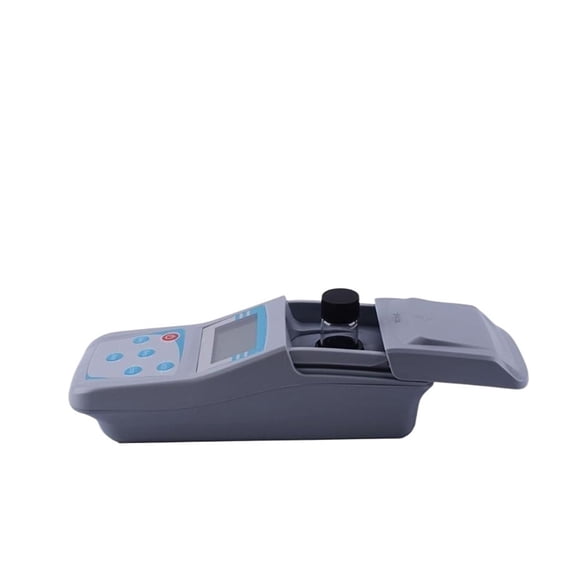


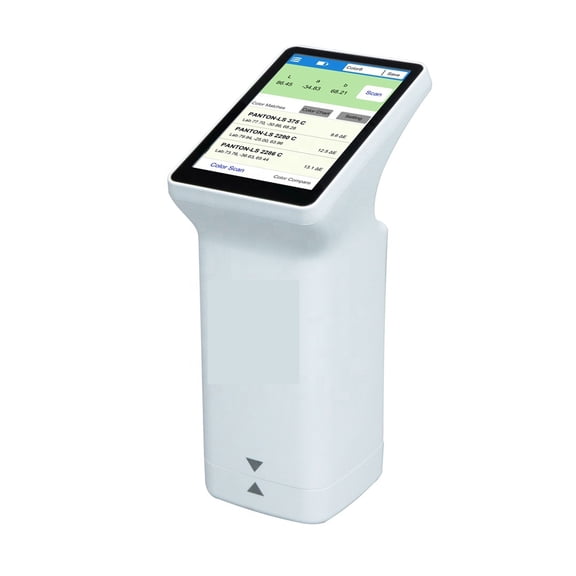


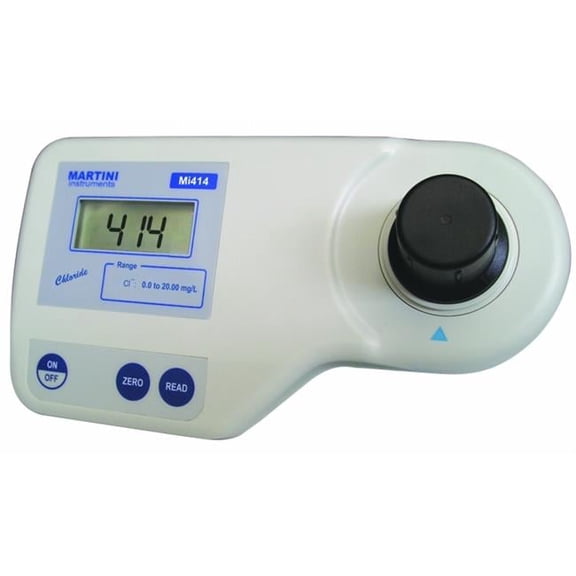

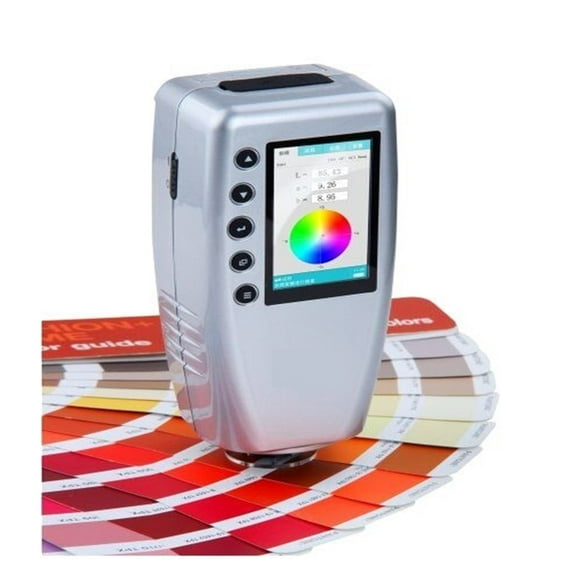


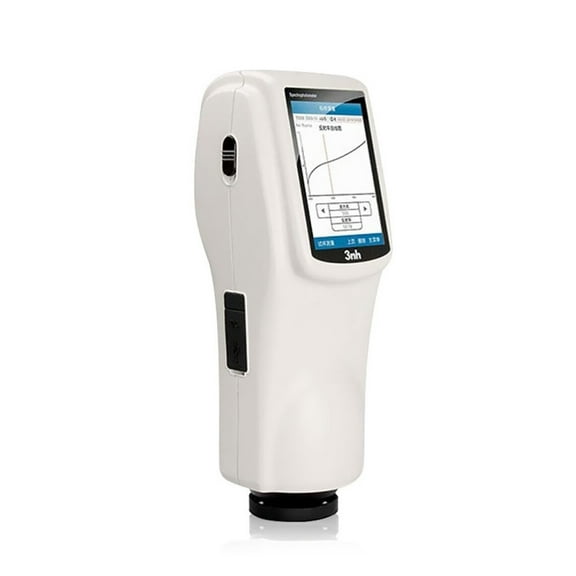


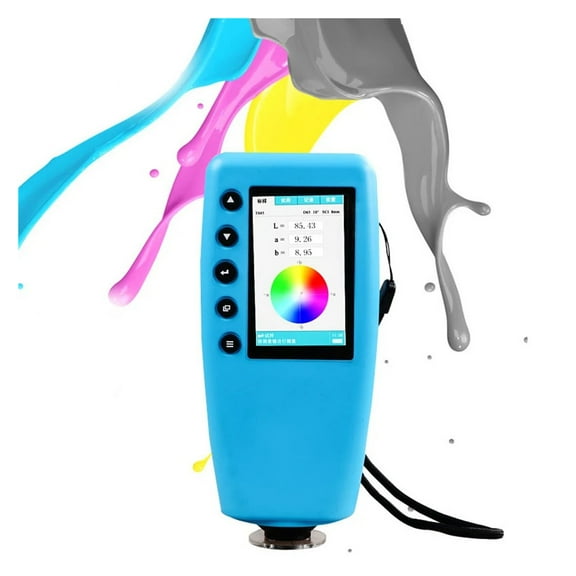

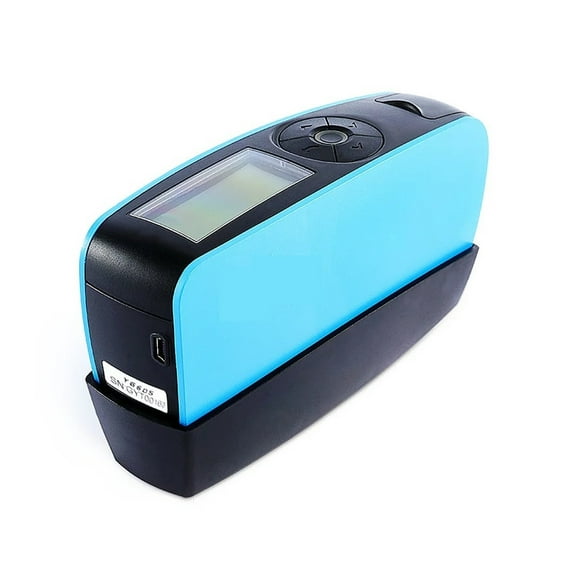
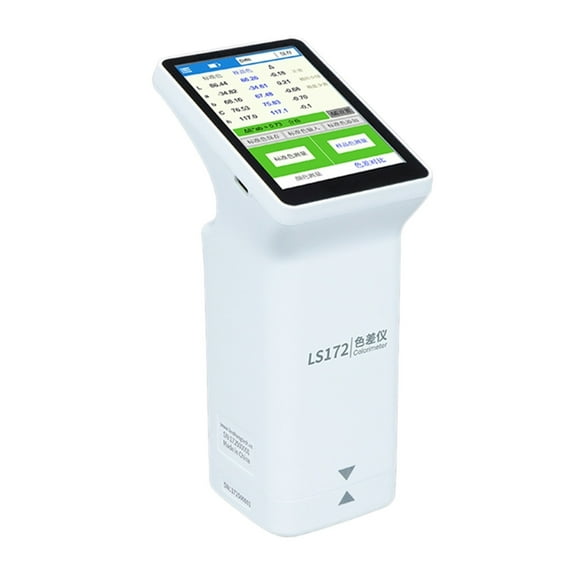






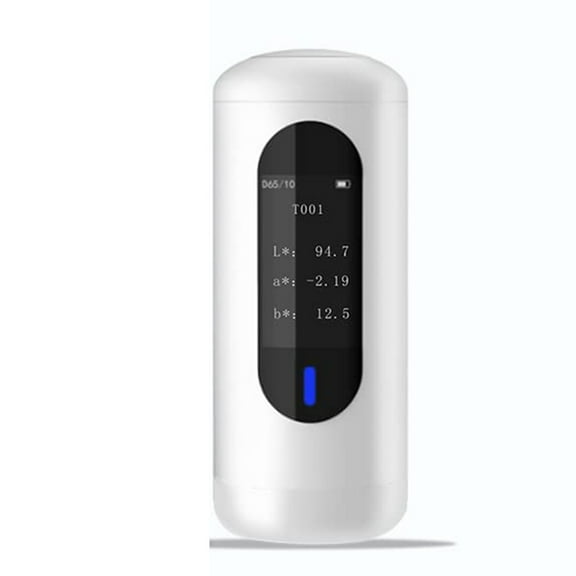


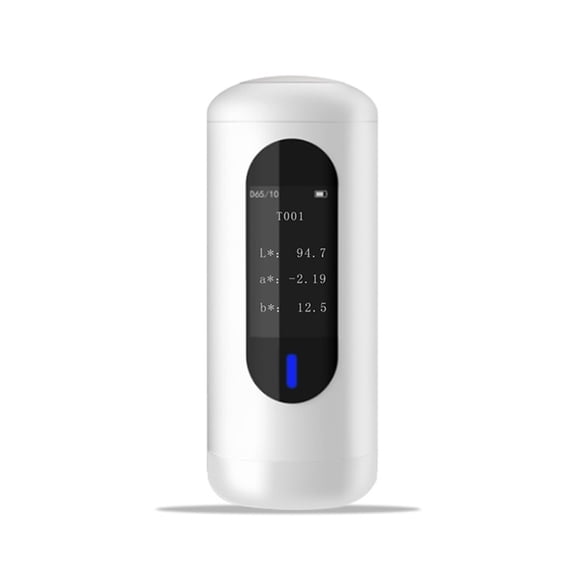


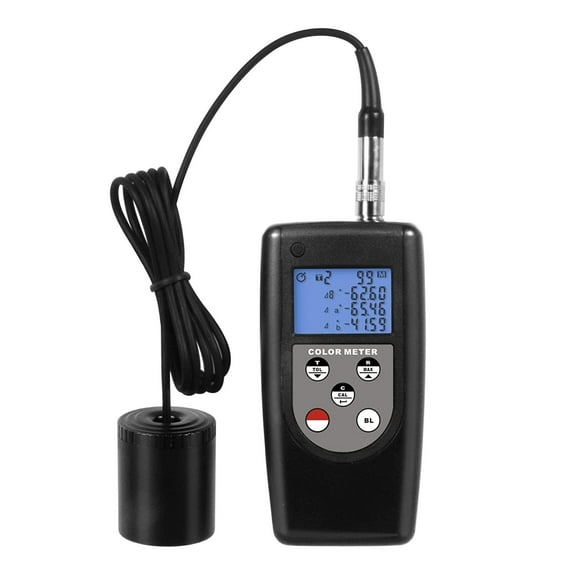
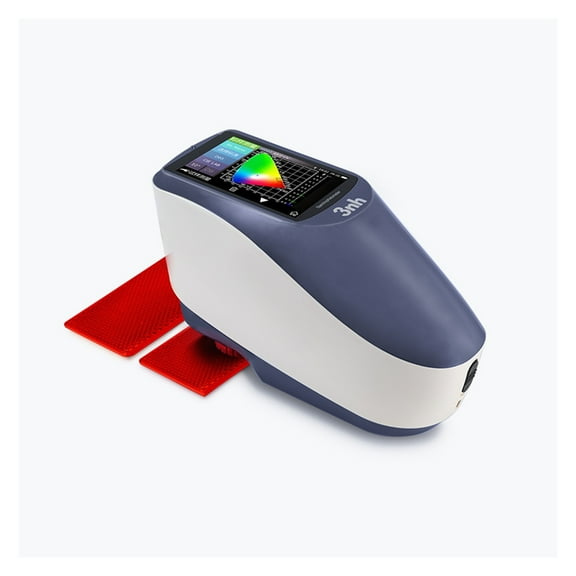



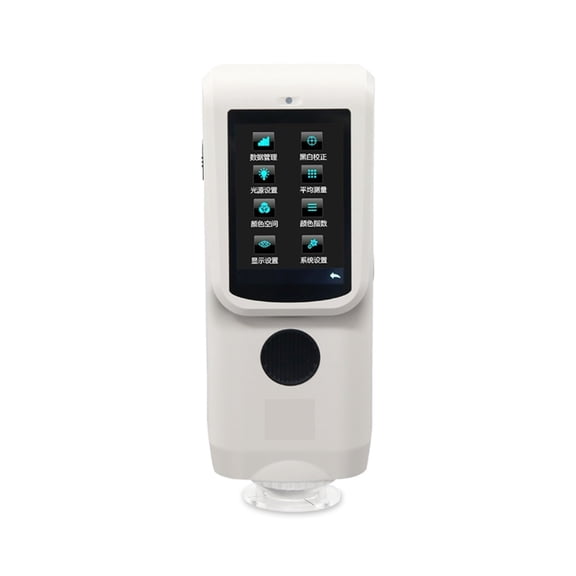
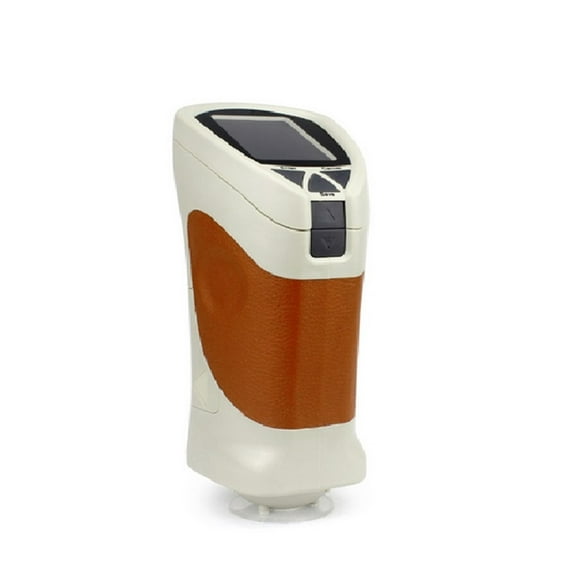
About Digital Colorimeters & Color Measurement Devices - Walmart.com
You can choose a colorimeter with less guesswork when you compare technology, application, and measurement needs together. Your workflow may require fast field checks, repeatable lab readings, or clear data export for routine reporting.
You’ll also notice this category serves technical buyers who compare wavelength range, calibration steps, and sample methods before choosing. Your decision often depends on whether you’re testing water samples, analyzing chemicals, or checking consistent color matching.
Choosing the right colorimeter
You should start with technology type because it shapes how you capture readings and how much setup your process requires. You’ll often compare digital, photoelectric, and spectrophotometric models based on the methods your team already uses.
You may prefer a digital colorimeter when you want guided menus, direct readouts, and straightforward training for routine testing. You can use photoelectric options when your workflow depends on focused optical measurement and repeatable sample checks.
You might consider spectrophotometric designs when your process needs broad wavelength control and detailed analysis. You’ll want to check whether your method calls for single-parameter testing or a wide range of sample evaluation.
Key benefits of digital colorimeters and color measurement devices
You can speed up routine testing when digital colorimeters reduce manual interpretation and present clear numerical results. You’ll also gain consistency when your team follows the same prompts, calibration steps, and stored methods.
Your field work becomes efficient when handheld or portable units travel between sampling points without complicated setup. You can move from one location to another and keep readings organized for later review.
You’ll notice reliable process control when color measurement devices help you compare absorbance, transmittance, or concentration across repeated tests. Your records become simple to track when readings stay standardized across batches or sample runs.
- You can choose fast readouts for routine water quality testing.
- You can compare concentration, absorbance, and transmittance based on your method.
- You can select portable or benchtop formats for your workspace.
- You can look for calibration support and data export options that fit your reporting process.
You may also benefit from preloaded programs when your team handles recurring procedures with limited time between samples. You’ll spend minimal effort repeating setup steps and additional time reviewing usable results.
What to look for in a colorimeter instrument
You should check measurement metrics first because your workflow may require absorbance, transmittance, concentration, or a combination of those outputs. You’ll want results that match your reporting format and your existing lab or field protocols.
You also need to compare wavelength range and light source because those details affect method compatibility. You can think of wavelength range as the set of testing windows your instrument can support.
Your calibration needs matter just as much as raw measurement capability. You should look for information about standards, pre-calibrated methods, and NIST traceability when your documentation process requires verified reference points.
You can simplify audits and repeat testing when calibration routines are clear and simple to repeat. You’ll want to check whether your instrument guides you through calibration or requires separate reference preparation.
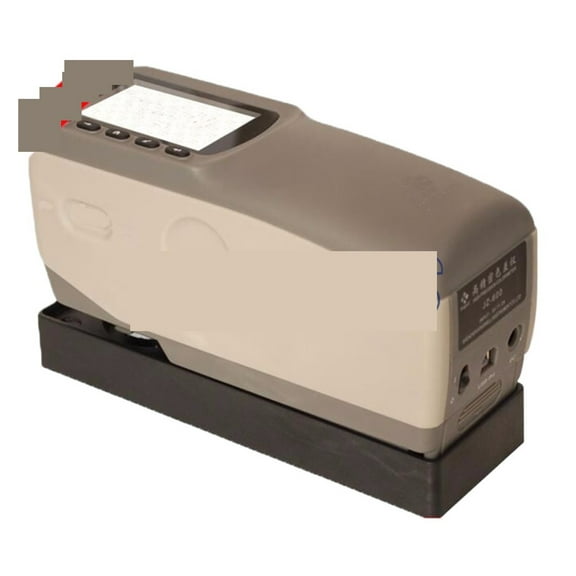
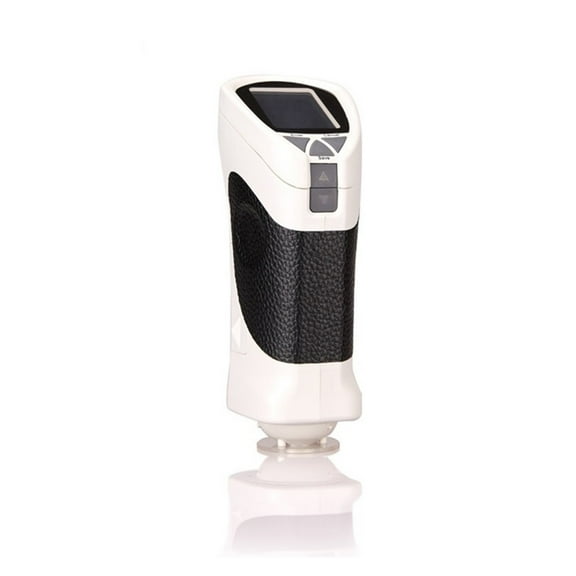
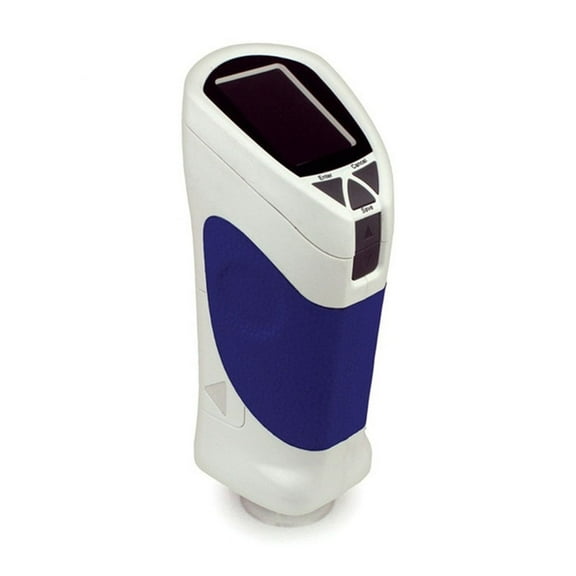
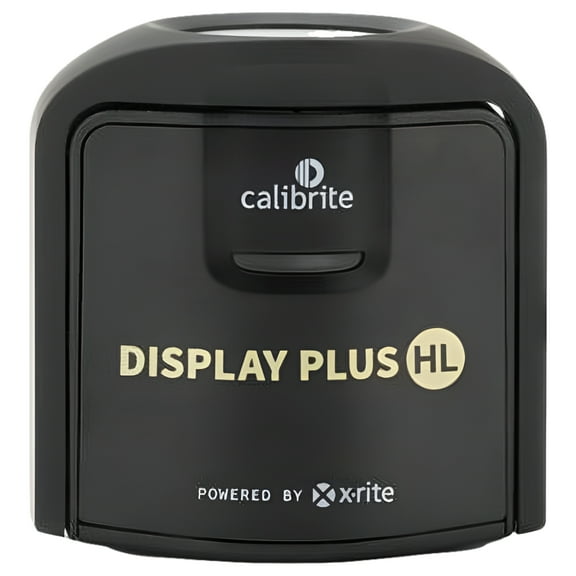
Your form factor should match where you work each day. You may choose handheld or portable models for field sampling, while benchtop units can suit fixed laboratory stations and high testing volumes.
You should also compare battery operation, display readability, and housing design when you work across multiple sites. You’ll appreciate straightforward controls when gloves, sample timing, or outdoor conditions affect your pace.
Your reporting process may depend on USB connectivity or software compatibility for analysis and recordkeeping. You can reduce manual entry when your instrument exports readings directly into your preferred workflow.
Matching applications to your testing workflow
You may need water quality testing tools that support routine checks for chlorine, ammonia, phosphate, or related parameters. You’ll want a digital colorimeter that aligns with the reagent system and methods used in your facility.
You can benefit from portable formats when you collect samples across treatment points, tanks, or remote locations. Your process becomes seamless when your device stores readings and supports later upload to a central record.
You might run chemical analysis in a lab where repeatability and controlled setup matter rather than mobility. You’ll likely compare benchtop models, wavelength options, and calibration documentation before choosing a system.
Your color matching work may call for consistent optical readings across materials, coatings, or process batches. You can use color measurement devices to support inspection steps where visual checks alone lack precision.
You should match technology type to task complexity rather than assuming one format fits every job. You may choose digital colorimeters for quick routine methods, while broad optical control can help with detailed evaluation.
Your team may also compare data export features when results move into spreadsheets, reports, or quality systems. You’ll save time during documentation when your readings transfer cleanly and stay easy to review.
You can make an informed purchase when you compare technology type, application, form factor, and measurement metrics together. Your next colorimeter should fit your method, your reporting needs, and your daily testing environment with minimal compromises.