

Combination Wrenches in Wrenches










About Combination Wrenches in Wrenches - Walmart.com
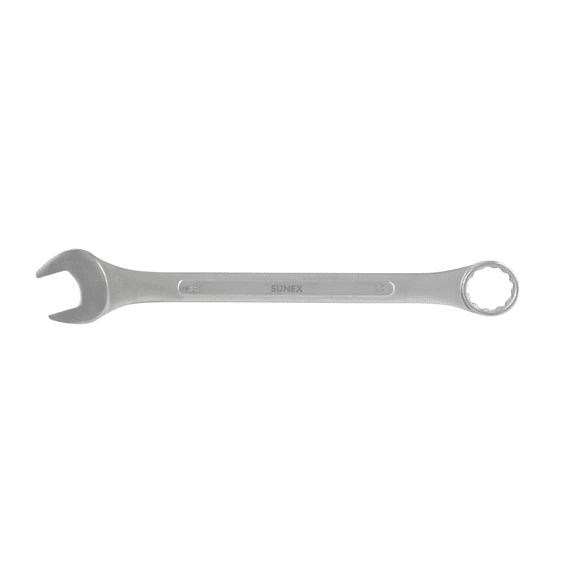
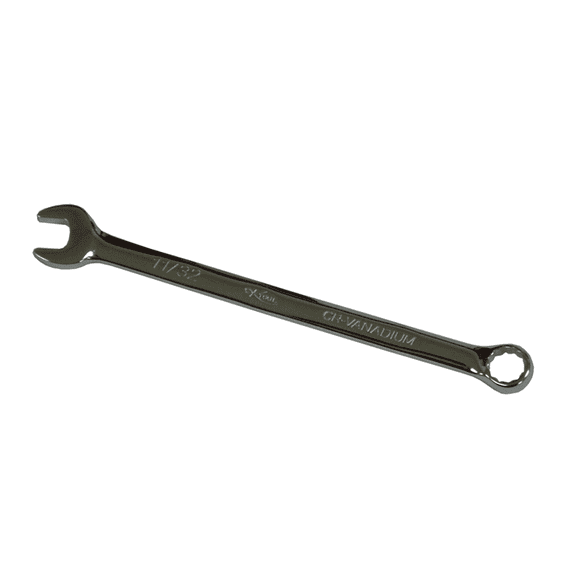
Combination wrenches help you handle fasteners with two useful ends in one tool. You can compare sizing systems, mechanisms, set formats, and finishes to match your garage, shop, or home projects.
You’ll often reach for one side to grip flats and the other side to turn enclosed fasteners with more contact. You get practical versatility that wouldn’t make sense on socket-only or plier-only pages.
How to choose combination wrenches
You should start by matching the wrench size system to the hardware you already use. You’ll usually see metric sizes in millimeters and SAE sizes in fractional inches.
If your equipment uses imported fasteners, you may want metric combination wrenches for closer fit. If your older vehicles, mowers, or household gear use inch hardware, you may prefer SAE combination wrenches.
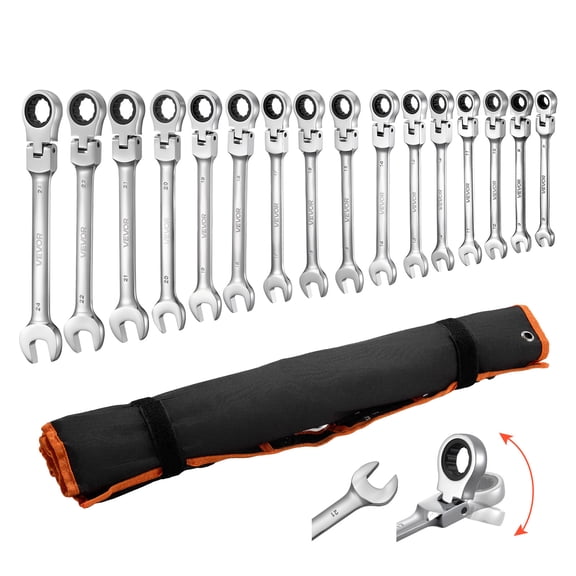
You can also decide whether you need one replacement piece or a full combination wrench set. You’ll usually want a set when your tasks move across several bolt sizes in one session.
- You can match metric sizes to millimeter fasteners for a more exact fit.
- You can keep SAE sizes ready for inch-based nuts and bolts.
- You can choose a set for wider coverage across repair and assembly jobs.
- You can pick individual pieces when you need to replace one missing size.
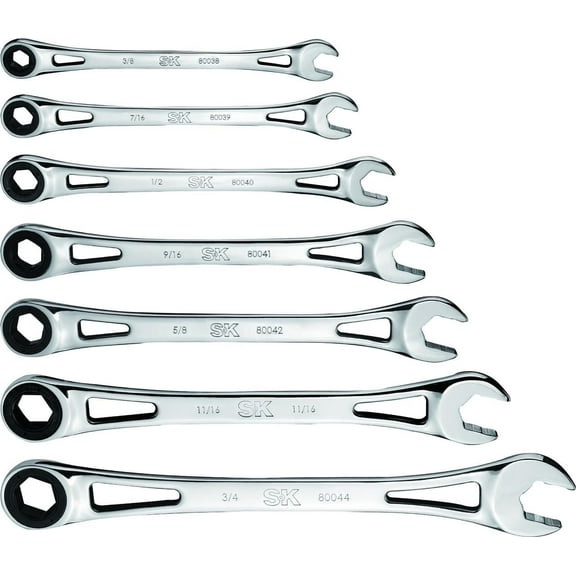
- You can compare ratcheting and standard styles based on speed and turning feel.
Choosing between metric and SAE combination wrenches
You should check your fastener sizes before you choose any wrench format. You’ll avoid guesswork when you keep metric and SAE tools separated in your toolbox.
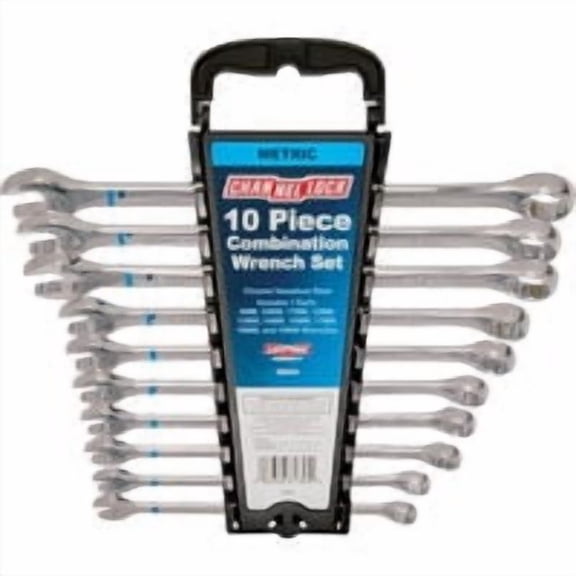
Metric combination wrenches usually cover millimeter sizes used on many newer cars, bikes, and machines. You can keep tighter organization when your set follows clear size steps.
SAE combination wrenches fit fractional inch hardware found on many older tools and equipment. You’ll make repairs smoother when your wrench matches the fastener instead of sitting loosely.
If you work on mixed equipment, you may want both systems in your storage plan. You can reduce delays when you keep each size family easy to spot and easy to return.
Comparing ratcheting and standard mechanisms
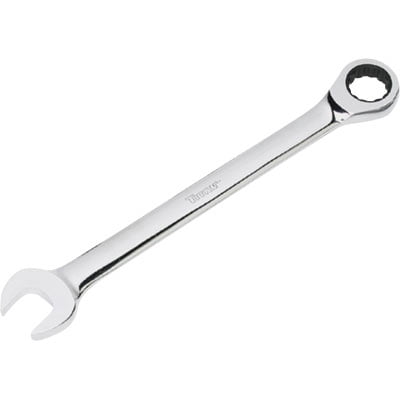
You should compare ratcheting combination wrenches with standard styles based on your working space. You’ll notice ratcheting heads help you keep turning without lifting the wrench after each movement.
If you’re working inside an engine bay or around brackets, you may appreciate faster turning action. You can move through repeated fasteners with fewer resets in tight clearance.
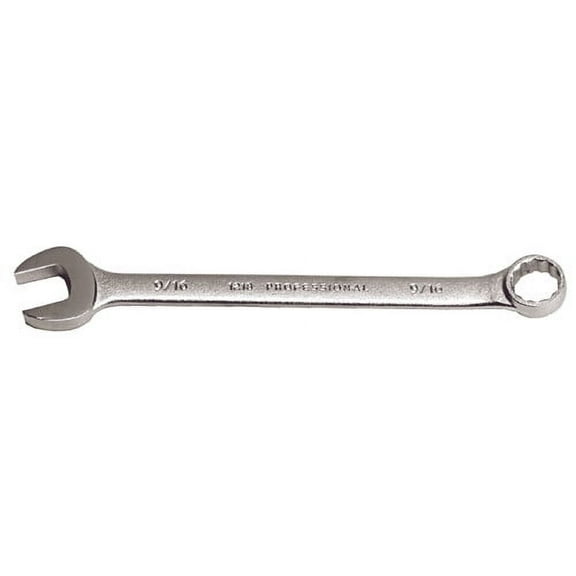
Standard designs matter when you want a simple feel and direct engagement on stubborn hardware. You’ll often prefer that straightforward design when you need steady leverage and a familiar hand feel.
You can keep both types on hand if your projects vary from quick assembly to heavier maintenance. You’ll get flexibility that a single mechanism can’t always provide across every task.
What to look for in a combination wrench set
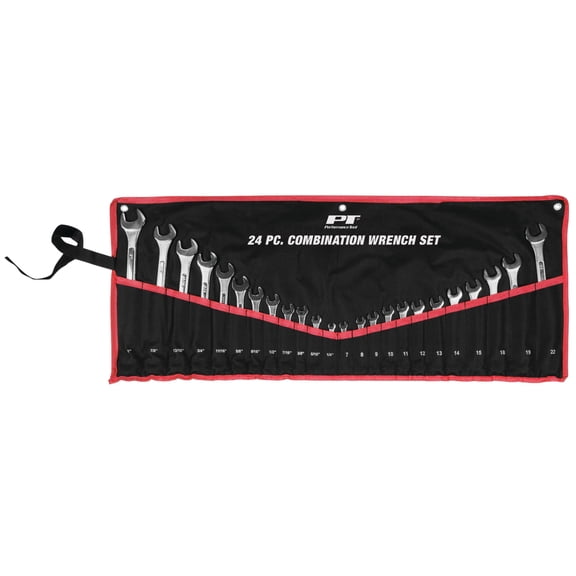
You should compare piece count, size range, and storage style before choosing a combination wrench set. You’ll want enough coverage for common fasteners without carrying sizes you rarely use.
If you handle general repairs, you may prefer sets that step through popular sizes with no major gaps. You can work more smoothly when each next size is ready during furniture assembly, bike tuning, or garage maintenance.
Individual wrenches make sense when you already own a set and need one replacement size. You’ll avoid overbuying when one missing wrench is the only gap in your lineup.
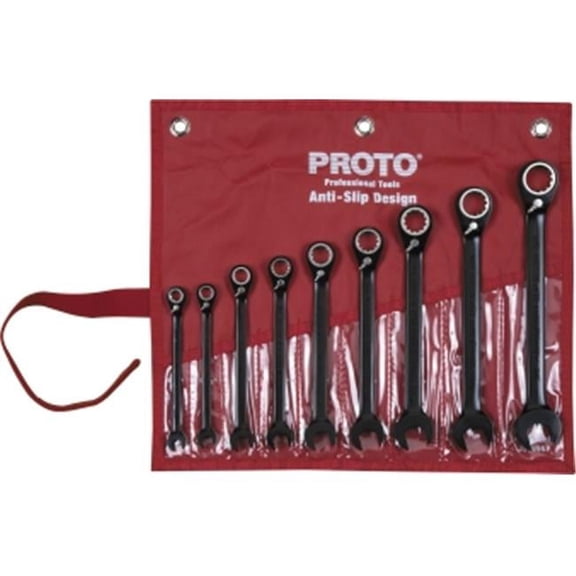
You can also compare organizer racks, roll pouches, or trays for faster access. You’ll spend less time searching when your sizes stay grouped and clearly visible.
Checking material and finish details
You should look at steel grade and finish because they affect feel, upkeep, and long-term use. You’ll often see chrome vanadium wrenches when you want durable steel used across many hand tool collections.
Polished chrome finishes can make cleanup easier after messy shop work. You can wipe surfaces more quickly when grease and grime are easier to spot.
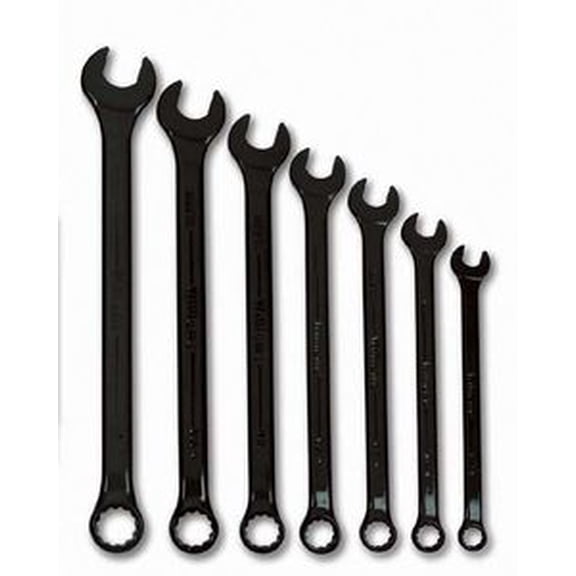
Black oxide finishes may appeal to you if you prefer a darker look with less glare. You can compare finish preferences based on visibility, storage habits, and the tools already in your box.
You may also check product details for warranty information before you choose. You’ll feel more prepared when you understand coverage terms alongside size, mechanism, and material details.
Where combination wrenches fit in your projects
You can use combination wrenches for bicycle adjustments, appliance setup, vehicle maintenance, and workshop assembly. You’ll appreciate the open end for quick placement and the box end for more secure turning contact.
If you’re building shelving or tightening hardware on outdoor equipment, you may want a standard set nearby. You can switch sizes quickly when bolts and nuts change from one step to the next.
If your work area is cramped, ratcheting styles can help you maintain momentum around hoses, guards, and brackets. You’ll keep progress steady when full wrench swings aren’t practical.
You can also pair these tools with socket sets and adjustable wrenches for broader coverage. You’ll build a more complete setup when each tool handles the fasteners and spaces it suits well.
You’ll shop combination wrenches with more confidence when you compare measurement system, mechanism, set size, and finish first. You can choose tools that fit your fasteners, your workspace, and your routine from the start.