


Find auto parts that fit
Let’s search for parts that fit your vehicle.Component Speakers & Car Component Speaker Systems





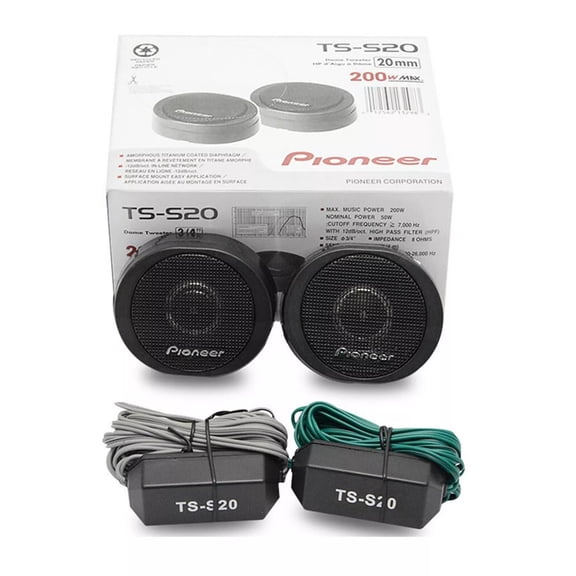

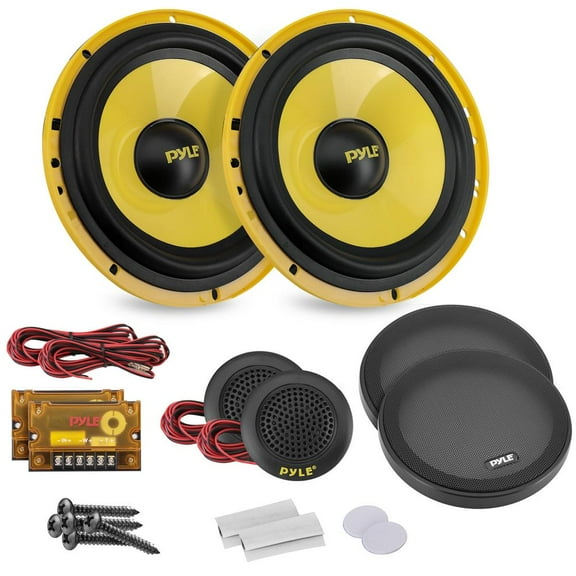

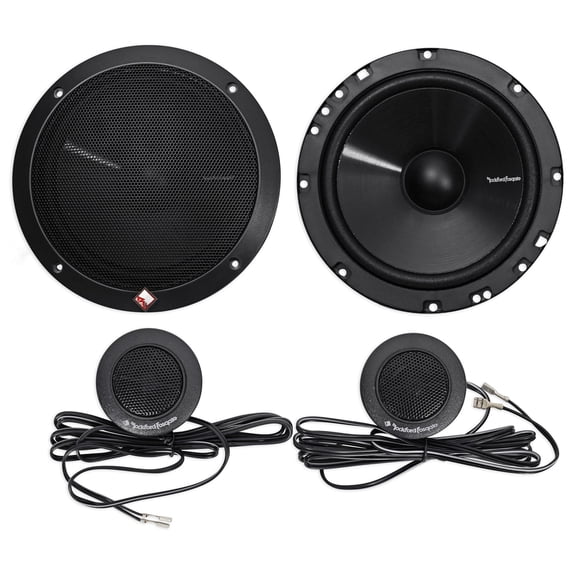
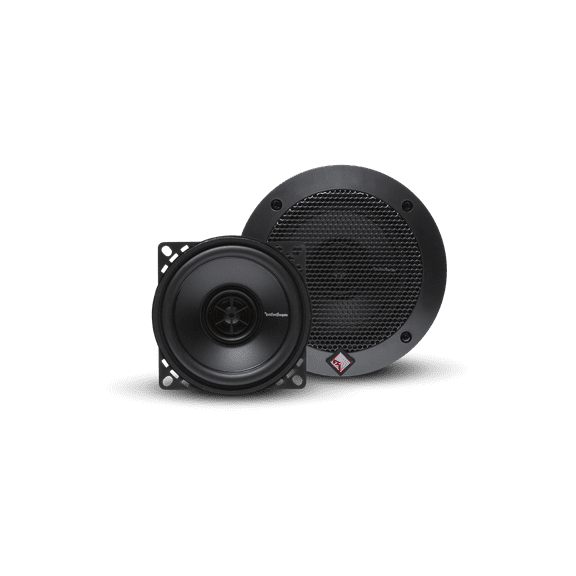





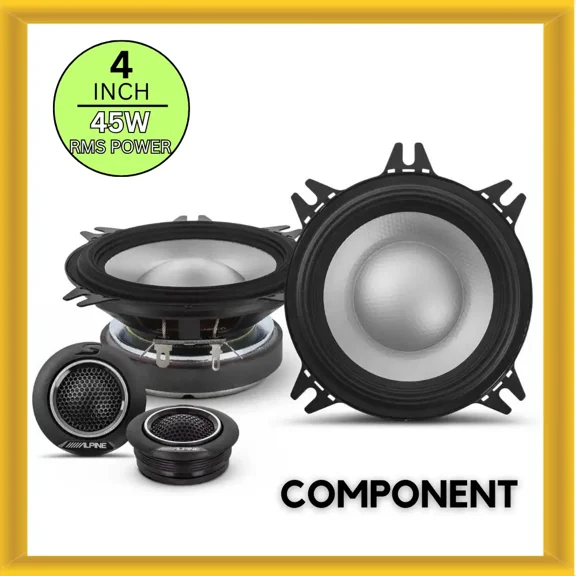
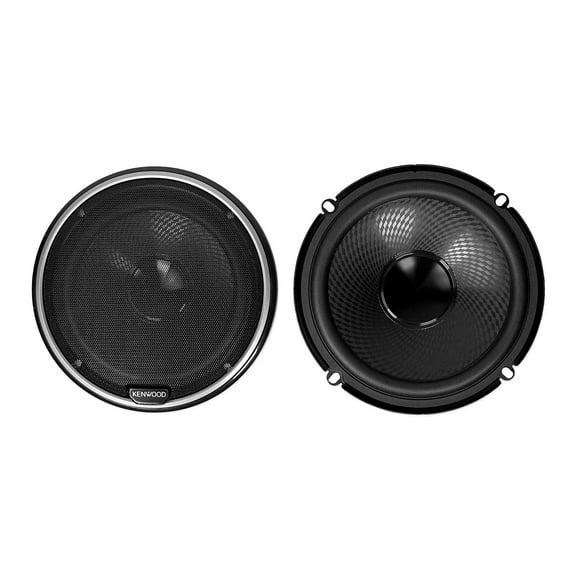
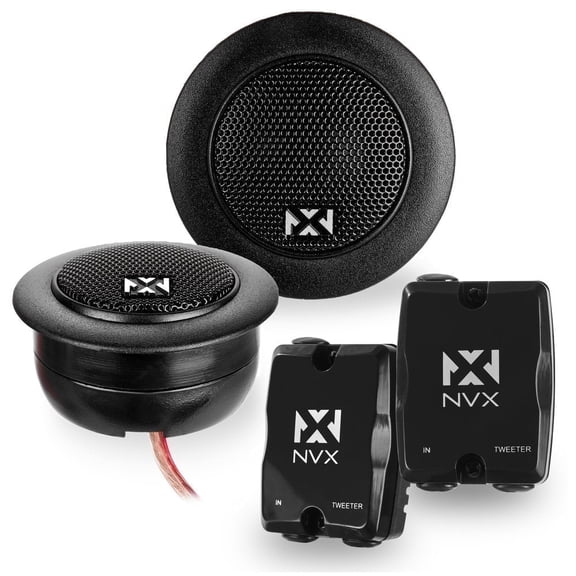
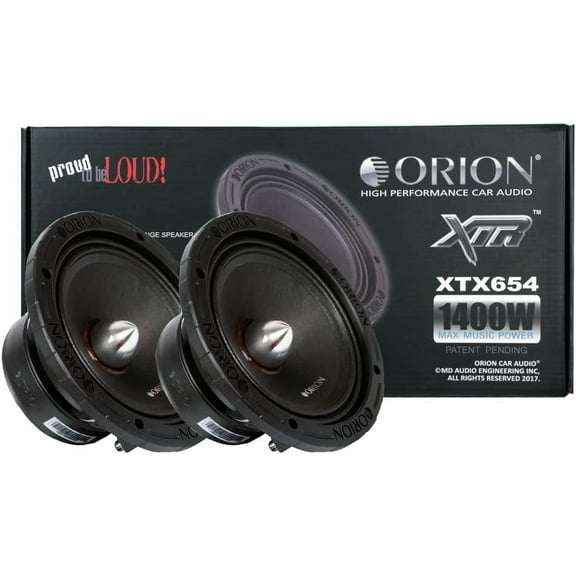
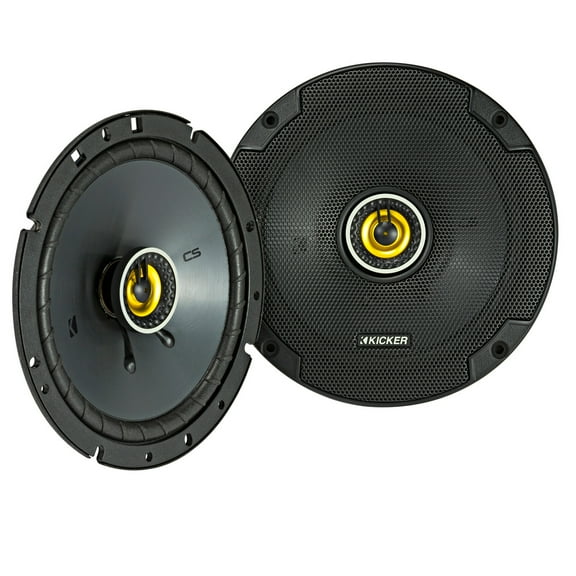
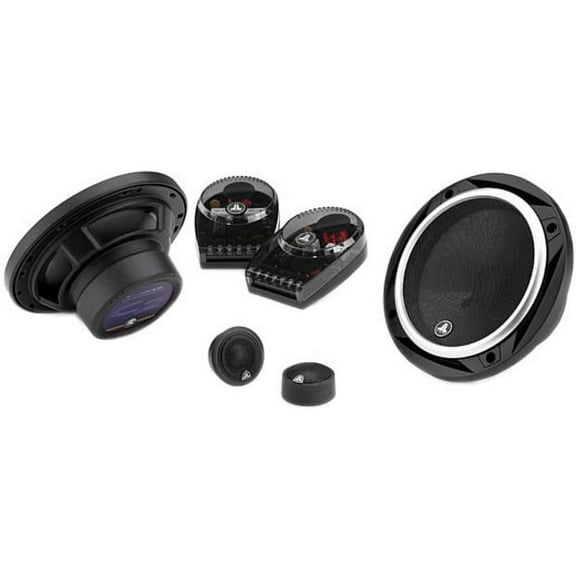

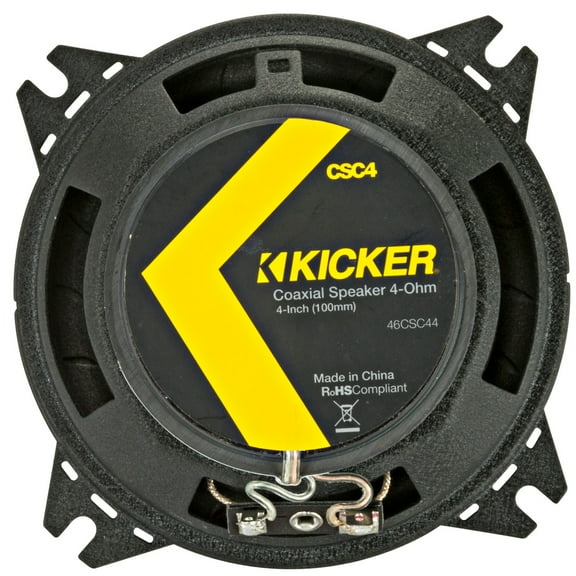

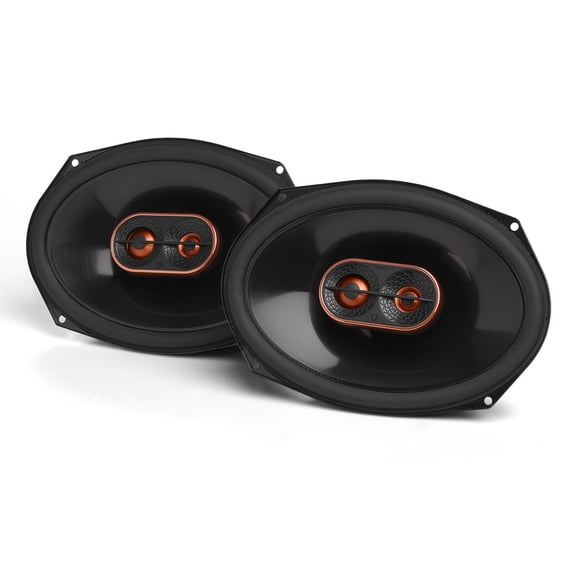



About Component Speakers & Car Component Speaker Systems - Walmart.com
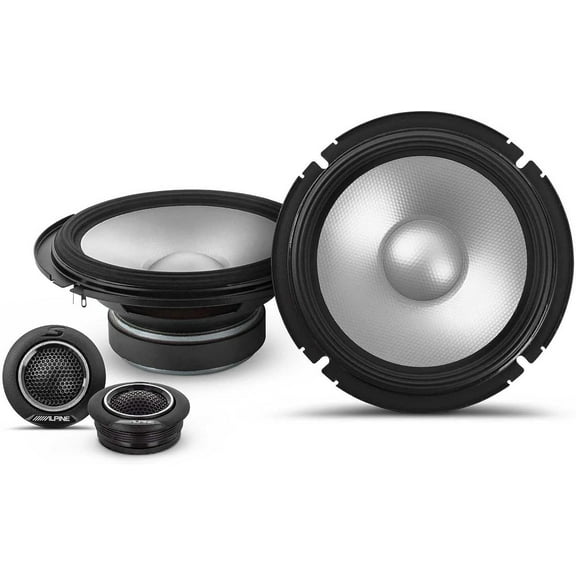
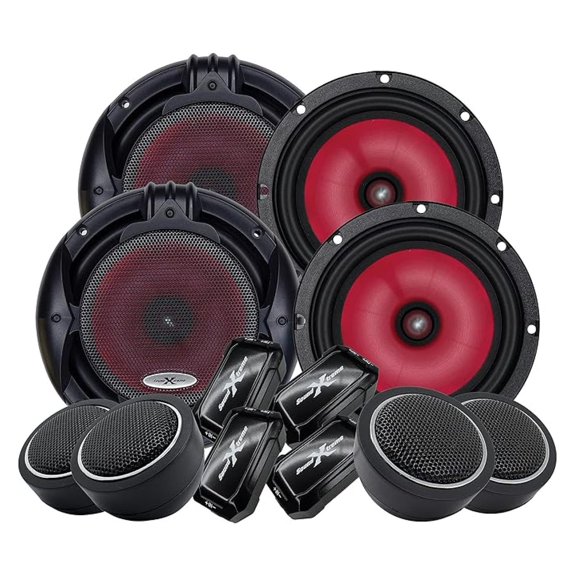
Component speakers help you build clearer car audio with separate tweeters, woofers, and crossovers. You can compare fit, power, and sound character more easily in this category.
You can use component car speakers to separate high and low frequencies across dedicated drivers. Your music can sound more focused, with clearer vocals and sharper left-to-right imaging.
How to choose component speakers for your vehicle
You should start with speaker size because your doors, dash, or rear panels allow only certain dimensions. You’ll want to check basket diameter, mounting depth, and cutout size before choosing a set.
Many shoppers compare 6.5 component speakers first because that size fits many front door locations. You can also find 5.25 inch, 6x9 inch, and 4 inch options for different factory openings.
If you’re replacing factory units, you should measure depth carefully behind the panel. You may need extra clearance for windows, brackets, or adapter rings in tighter installations.
Key benefits of car component speakers
You can place separate tweeters higher in the cabin, which helps voices and cymbals sound more direct. Your dashboard or sail panels often create a more focused listening position than a door-mounted full-range speaker.
Because you get an external crossover, you can send highs and lows to the proper drivers. You can hear less overlap, and your system can present instruments with more definition.
You can also tune your setup around your listening style and vehicle layout. Your front stage can feel more balanced when you match the speaker size, tweeter placement, and power level.
- You get separate tweeters and woofers for more precise sound placement.
- You can compare 2 way component speakers and multi-driver sets for different listening goals.
- You can match RMS power and impedance with your amplifier or factory head unit.
- You can choose sizes like 6.5 inch component speakers for common door locations.
You may also appreciate how component speakers support cleaner staging across the front seats. Your playlists can sound more organized when each driver handles a narrower frequency range.
Choosing size, configuration, and fit for component speakers
You should compare speaker size with your vehicle’s factory opening before anything else. Your fitment check should include diameter, mounting depth, and any included hardware or brackets.
If you’re looking at 6.5 inch component speakers, you’ll often find broad compatibility across many cars and trucks. You may prefer 5.25 inch sets for compact spaces or 6x9 inch sets for larger openings.
You can compare 2-way, 3-way, and multi-driver layouts based on how much separation you want. Your 2-way set usually includes a woofer and tweeter, while added drivers can broaden frequency coverage.
You should also look at tweeter materials because they affect how the speakers present your music. Your silk dome tweeter often sounds smoother, while metal designs can sound brighter and more forward.
Crossovers matter because they divide frequencies before sound reaches each speaker. You’ll want wiring that supports a clean install, especially when you’re routing leads through doors and kick panels.
Power handling and impedance decisions
You should focus on RMS power instead of peak numbers when matching speakers to your amplifier. Your RMS rating shows the continuous power range the set handles.
If your source unit has modest output, you may choose speakers under 50W RMS. You can step into 50W to 100W ranges for many amp-ready systems and over 100W for stronger builds.
You also need to compare impedance so your amplifier and speakers work together correctly. Your 4-ohm component speakers are common, while 2-ohm options can draw power differently in some systems.
When you pair speakers with an amplifier, you should match RMS output per channel closely. Your system can sound more controlled when power delivery aligns with the speaker’s intended range.
Use cases for 6.5 component speakers and more
You might choose car component speakers for a daily driver when you want clearer vocals during commuting. Your front doors and dash can create a stronger stereo image than a basic factory setup.
If you’re building around an amplifier, you can compare higher RMS sets and crossover flexibility. Your setup may benefit from 4-ohm designs, separate tweeter mounting, and careful wire routing.
You may prefer 6.5 component speakers for common front door replacements in sedans and coupes. Your installer can often pair that size with adapter rings when the factory opening needs adjustment.
For compact cars, you might compare 5.25 inch or 4 inch options where depth is limited. Your install can stay cleaner when speaker depth fits behind the panel without extra trimming.
If you listen to rock, jazz, or acoustic tracks, you may notice the advantage of separate tweeters quickly. Your snare hits, guitar lines, and vocals can come through with clearer placement.
You can also use component speakers in broader car audio upgrades with amplifiers, speaker wire, and subwoofers. Your system planning gets easier when you choose size, impedance, and RMS targets first.
You can get strong results from component speakers when your fitment, crossover layout, and power match work together. Your car audio upgrade can feel more precise, more organized, and more enjoyable on every drive.