

Cooling Sheets for Better Sleep Comfort | Walmart













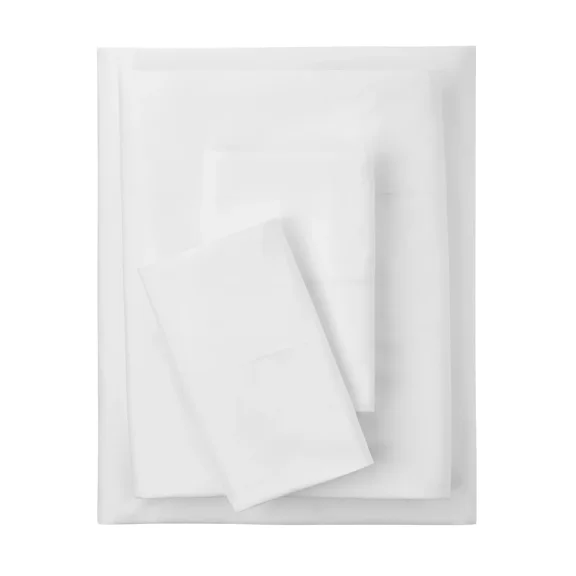


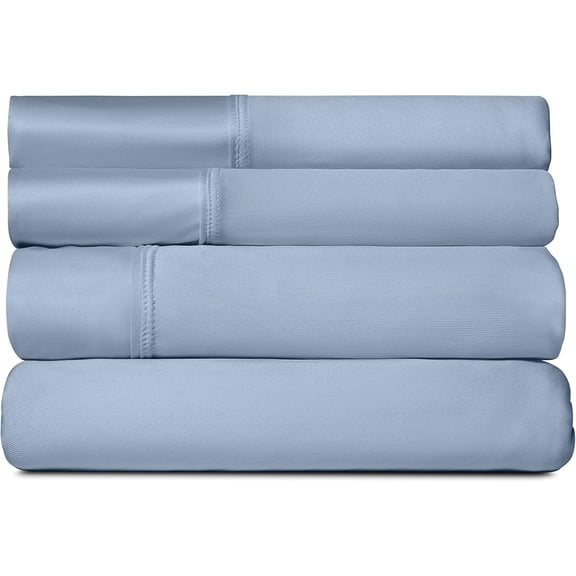


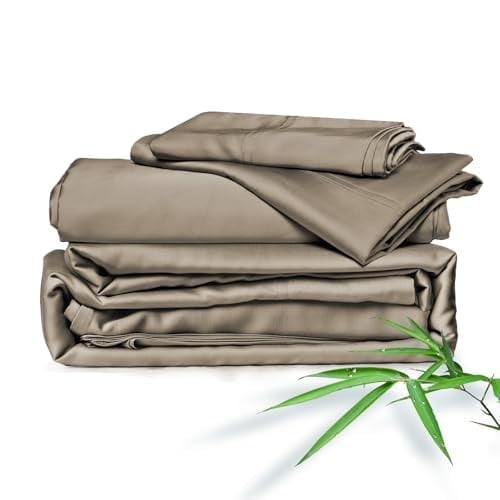


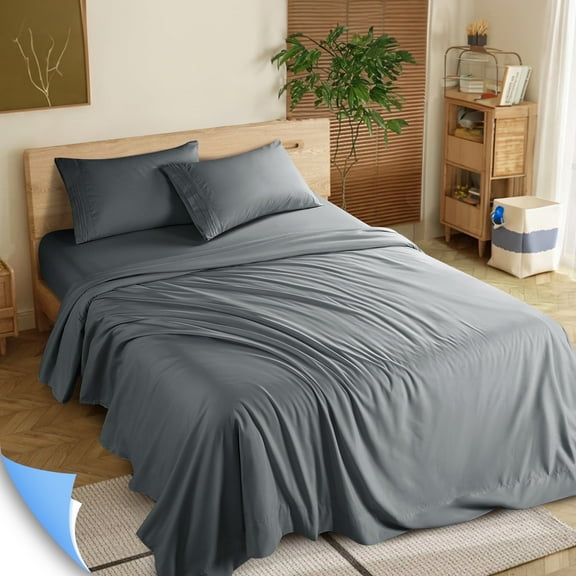


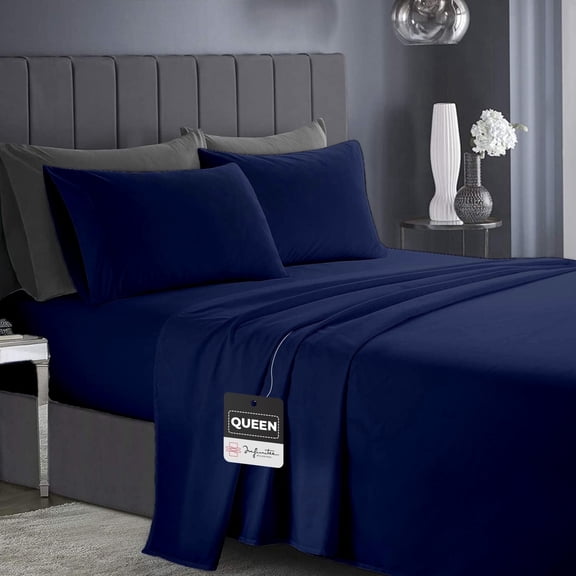


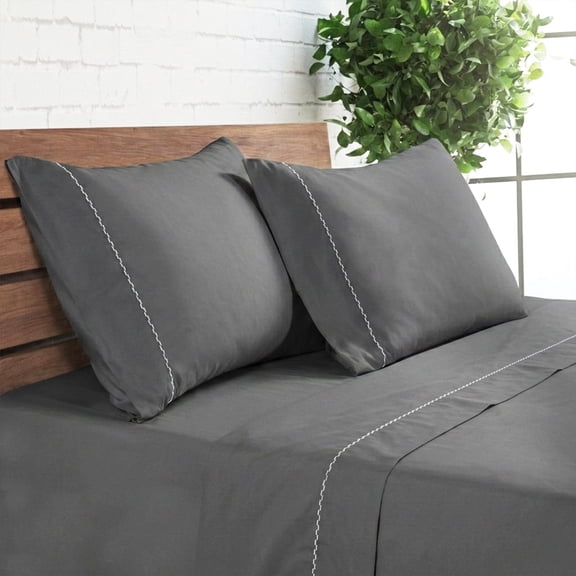
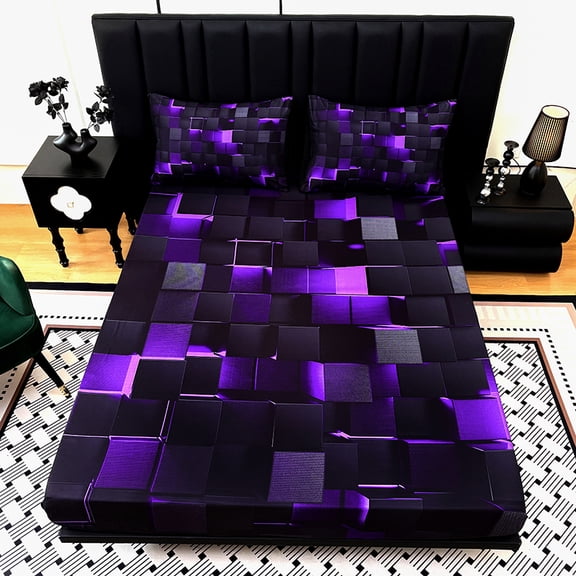










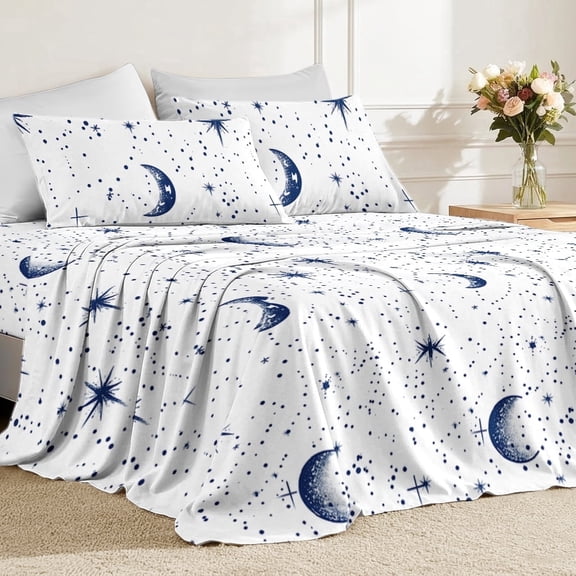


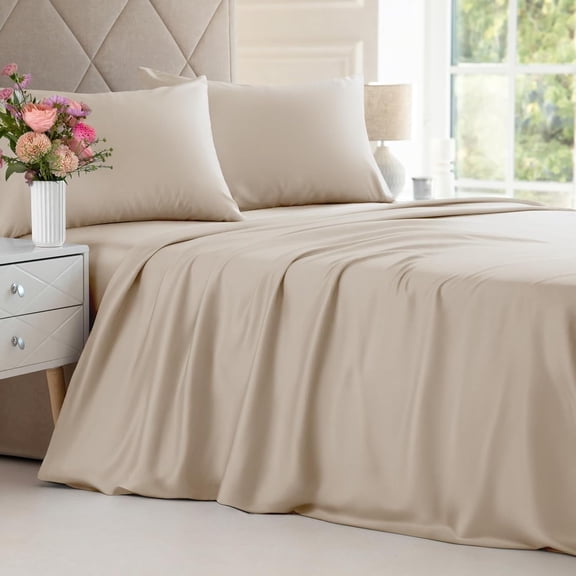


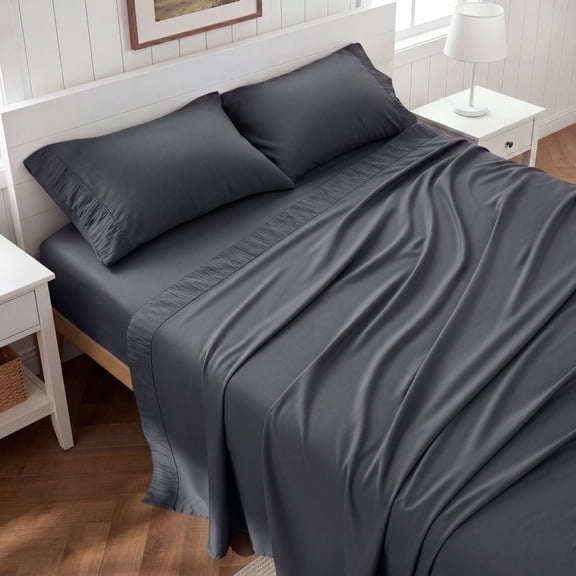


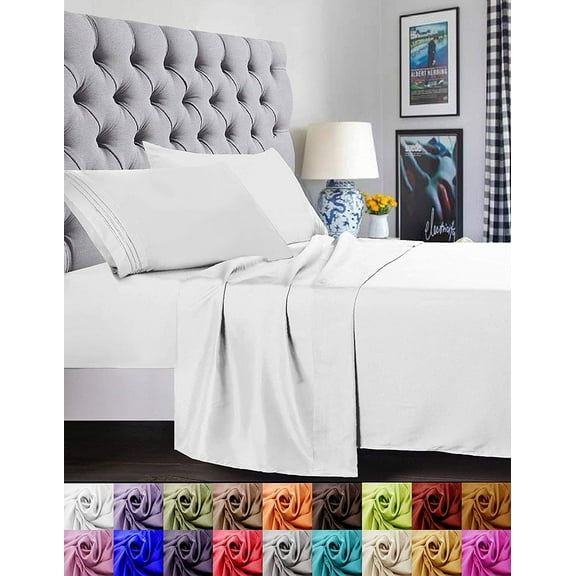


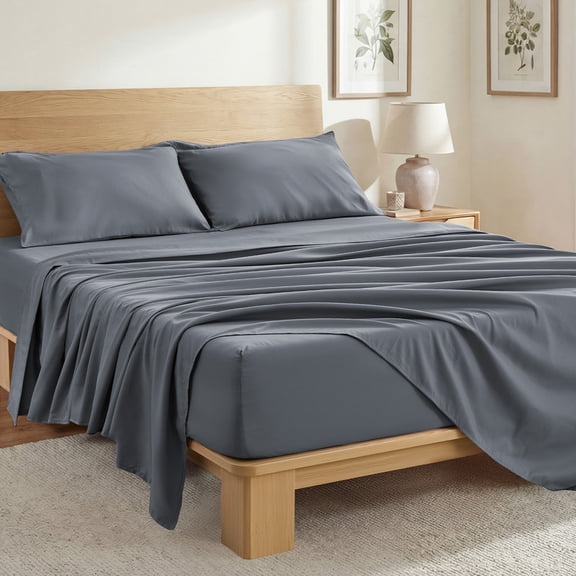


About Cooling Sheets for Better Sleep Comfort | Walmart - Walmart.com
Cooling sheets help you create a lighter bed with breathable fabric, airy weaves, and moisture-managing materials. You can compare material, weave, size, and pocket depth to choose a set that suits warm rooms and hot sleepers.
How to choose cooling sheets
You should start with the basics of how cooling bed sheets work before you compare colors or patterns. Your fabric affects moisture movement, while your weave affects airflow and surface feel.
When you shop breathable sheets, you may notice terms like active cooling and moisture wicking sheets. You can use those terms as clues about airflow, texture, and how dry your bed can feel overnight.
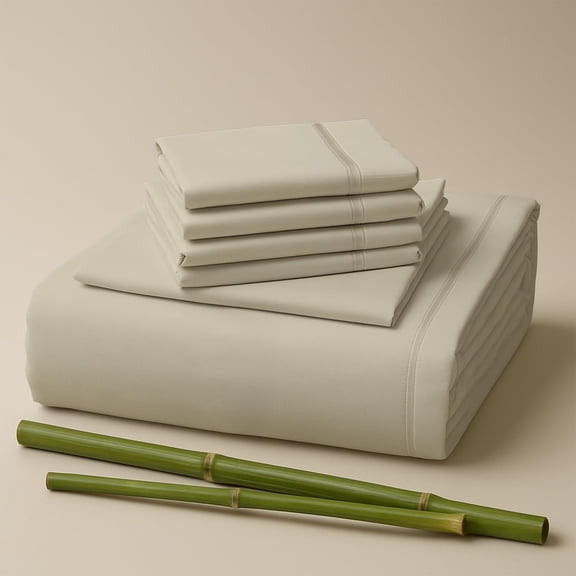
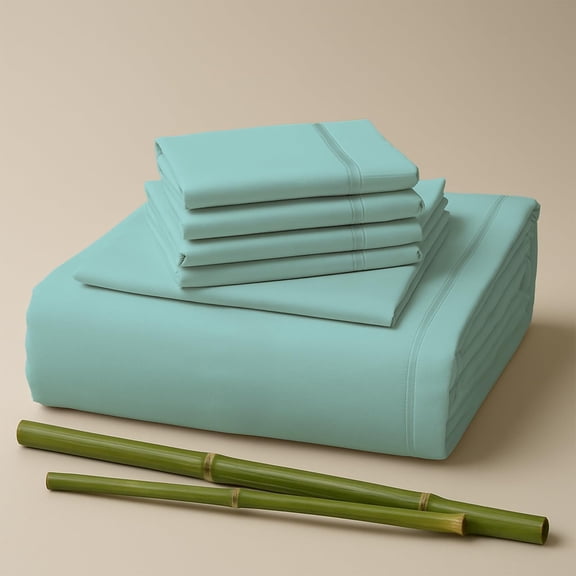
- You can choose rayon from bamboo cooling sheets when your priority is a soft feel and stronger moisture movement.
- You can consider percale cotton when you want a crisp, airy sheet with noticeable airflow.
- You can look at eucalyptus when you want a smooth hand feel and a light drape.
- You can pick microfiber when you want simple care and a lighter construction.
Your cooling bed set can support a more balanced sleep space when you pair sheets with lightweight comforters or cooling pillows. You’ll notice that the right sheet choice often starts with your room temperature and your mattress height.
Choosing material for breathable sheets
You should compare material first because it shapes softness, airflow, and overnight moisture handling. Your choice between rayon from bamboo, eucalyptus, percale cotton, and microfiber can change your bed’s feel right away.
If you tend to sleep warm, you may prefer rayon from bamboo cooling sheets for a soft hand and moisture-wicking performance. You’ll often find rayon from bamboo options useful when you want smooth fabric without heavy weight.
If you like a crisp hotel-sheet feel, you should look at percale cotton options. You’ll usually notice percale lets air move more freely, which can make summer cooling sheets feel lighter.
You can consider eucalyptus when you want a sleek surface and a fluid drape across your bed. Your sheets may feel cool to the touch at first, depending on the blend and finish.
Microfiber can work well when you want simple care and a polished look with less fuss. You should compare fabric weight closely because lighter microfiber sheets usually feel more breathable than denser sets.
Comparing weave type in cooling sheets
You should compare weave type after material because weave changes how much air passes through your sheet. Your decision often comes down to percale versus sateen when you want cooling sheets for everyday use.
Percale uses a crisp weave that usually feels light and matte against your skin. You may prefer percale cooling sheets when you want breathable sheets with a fresh, less clingy feel.
Sateen has a smoother surface and a softer drape across your mattress. You should choose it when your priority is a silkier touch, while still checking fabric weight for warmth.
You can think of weave as the fabric’s layout, while material is the fiber itself. Your cooler sleep setup often comes from balancing both instead of relying on one detail alone.
When you compare labels, you should look for lightweight sheets with clear fabric details and performance notes. You’ll make a more confident choice when your weave and material match your sleep style.
Checking size and pocket depth
You should match your sheet size to your mattress first, with twin, full, queen, and king as common starting points. Your fit matters because loose corners can bunch, shift, and interrupt the smooth feel you want.
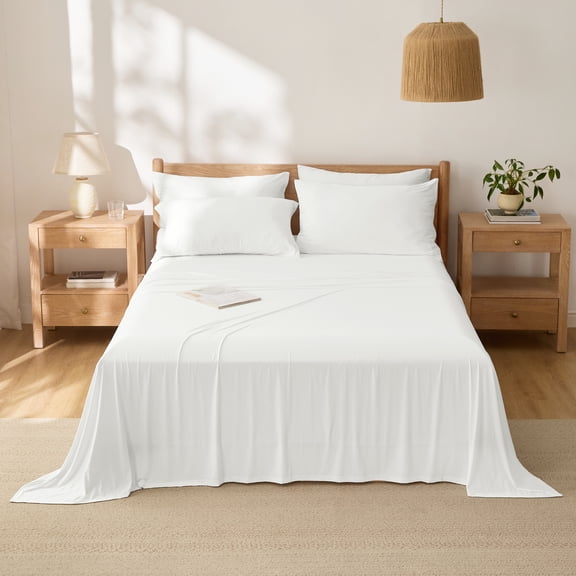
If you’re shopping queen cooling sheets or king sets, you should also check listed pocket depth in inches. Your mattress height, topper, and pad all affect whether your fitted sheet stays in place.
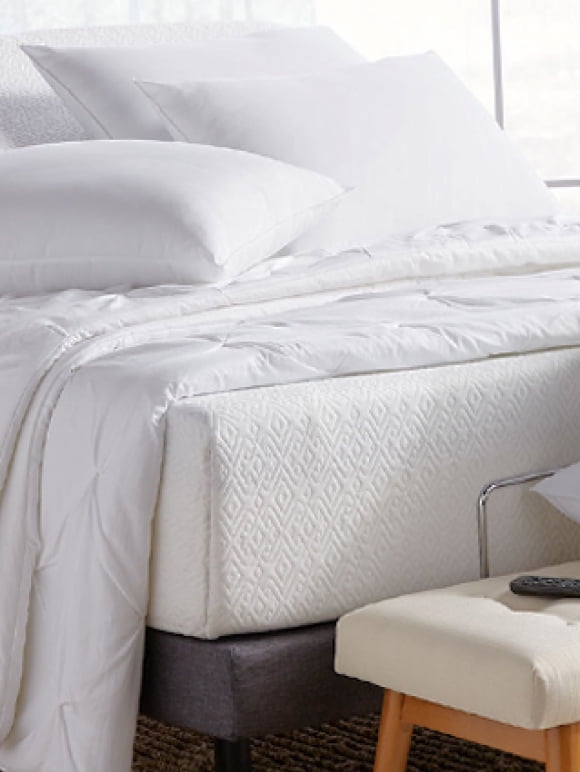
Standard mattresses may work with shallower pockets, but thicker beds often need extra depth for a secure fit. You can measure your mattress from base to top surface, then compare that number with product details.
You should leave room for any topper you already use, especially when your bed has added loft. Your fitted sheet can feel easier to put on when your pocket depth matches the full height.
Matching features to your sleep habits
You can use performance labels as decision tools when you narrow options for warm or humid nights. Your main terms to compare are moisture-wicking, active cooling, and breathable construction.
Moisture wicking sheets are useful when you want fabric that moves dampness away from the surface. You may prefer that feature if your bed feels stuffy and your sleep runs warm through the year.
Active cooling usually points to fabric engineering or finishes that create a cooler surface feel. You should read those details closely because the effect can come from texture, blend, or structure.
Breathable sheets focus on airflow, which helps your bed feel less trapped and heavy. You’ll often see that benefit in lighter fabrics, open weaves, and percale constructions.
For summer cooling sheets, you should prioritize light fabric weight, airy weave, and the right pocket depth. Your setup can feel more comfortable when each feature supports airflow instead of adding bulk.
Using cooling bed sheets in real bedrooms
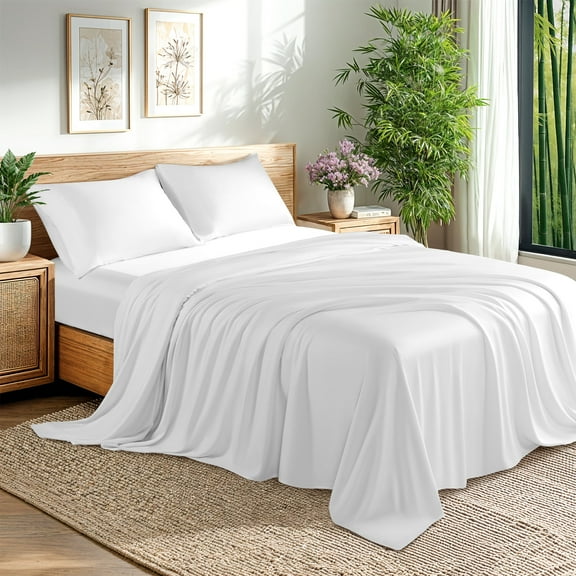
You can choose rayon from bamboo or eucalyptus styles when your room stays warm and you want a smoother sheet surface. Your bed may feel less dense when you pair those fabrics with a lightweight comforter.
If you like crisp bedding, you should consider percale cotton for guest rooms, main bedrooms, or warm-weather swaps. You’ll get a cleaner, airier feel that suits layered beds without extra heaviness.
You can use a cooling bed set in dorm rooms, apartments, or homes where room temperature changes through the year. Your bedding can stay flexible when you focus on breathable layers instead of dense fabrics.
For deeper mattresses, you should combine the right size with measured pocket depth before you choose color or pattern. Your sheets can look neater and feel smoother when your fitted sheet actually matches your bed.
You’ll make a smarter bedding choice when you compare material, weave, size, and pocket depth together. Your cooling sheets can feel more comfortable, fit more securely, and support a lighter sleep setup night after night.