


Find tires that fit
Let’s search for tires that fit your vehicle.Cooper AT Tires & All-Terrain Tires | Walmart.com


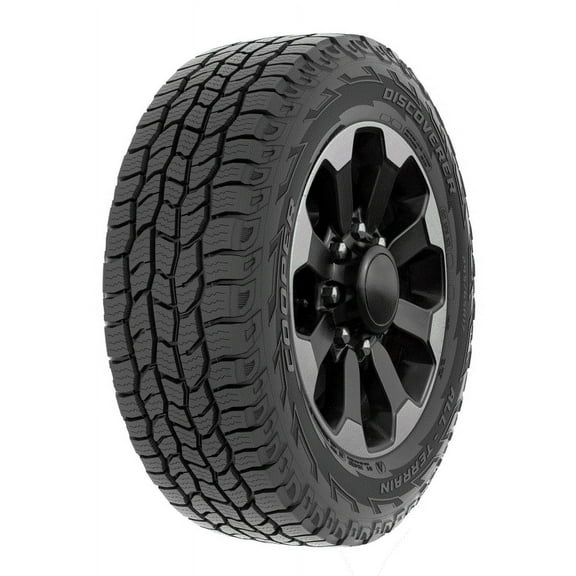
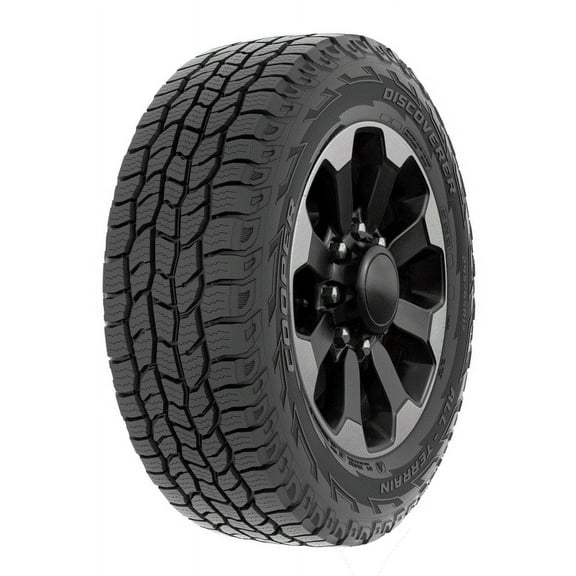
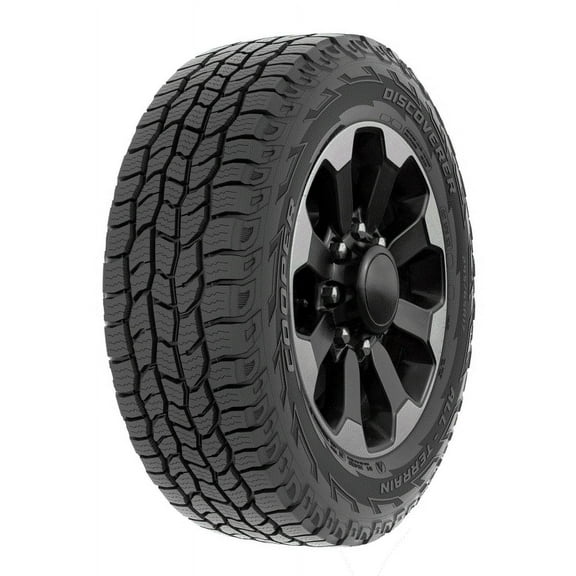

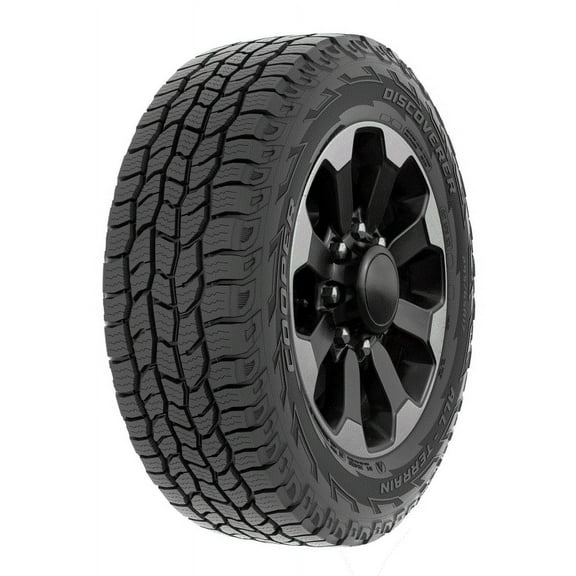
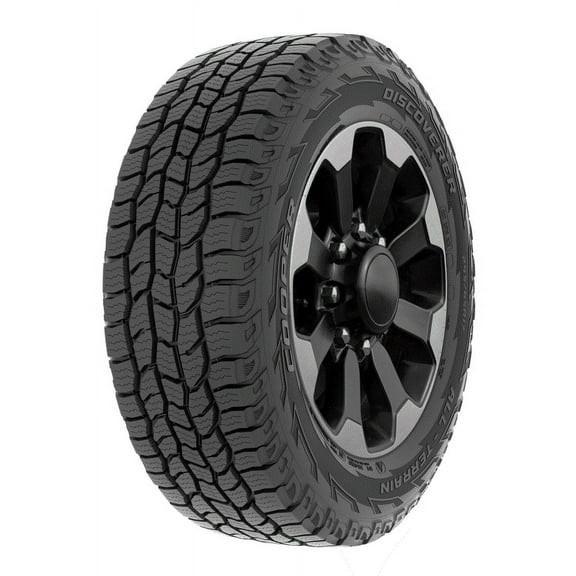
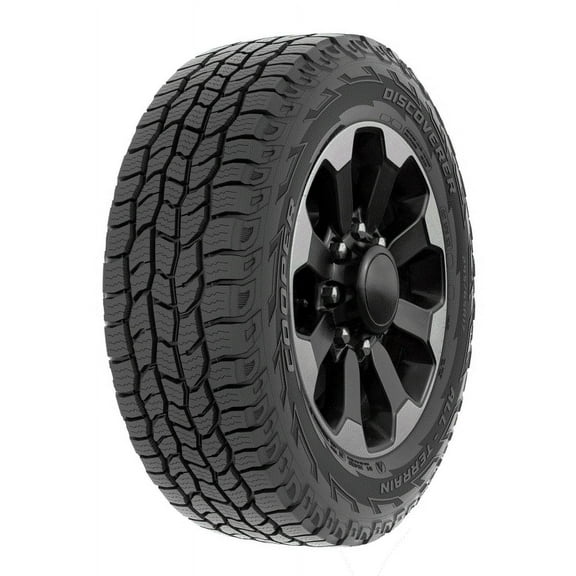
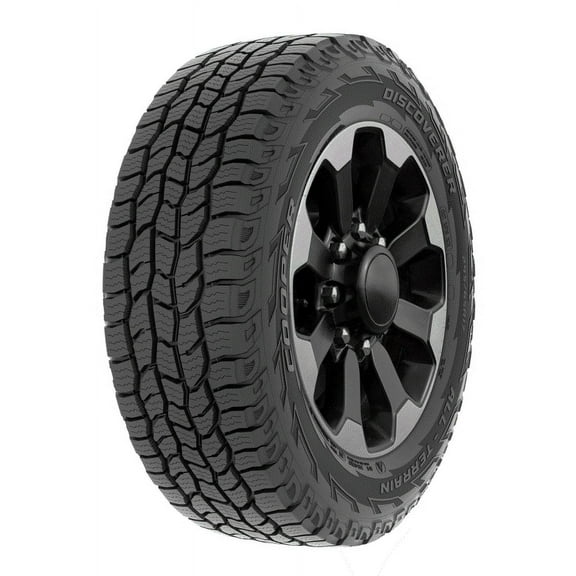
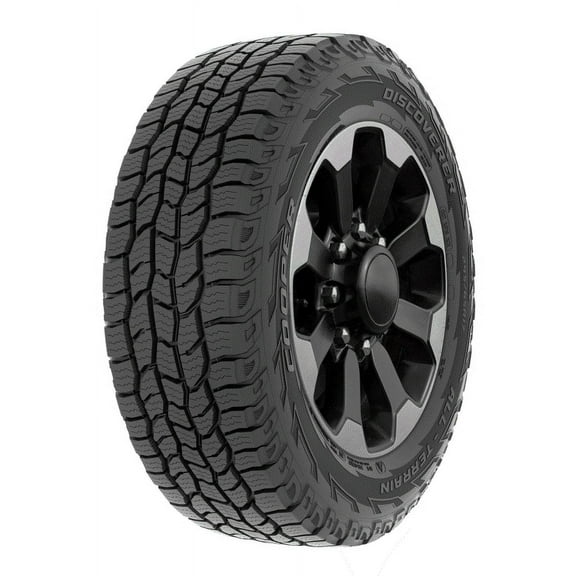

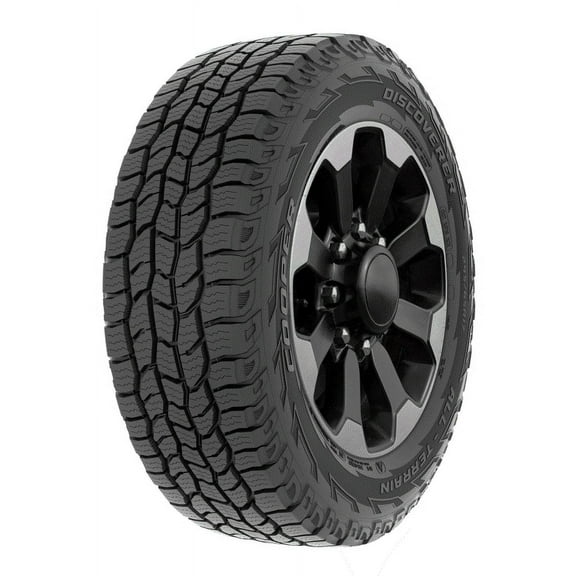

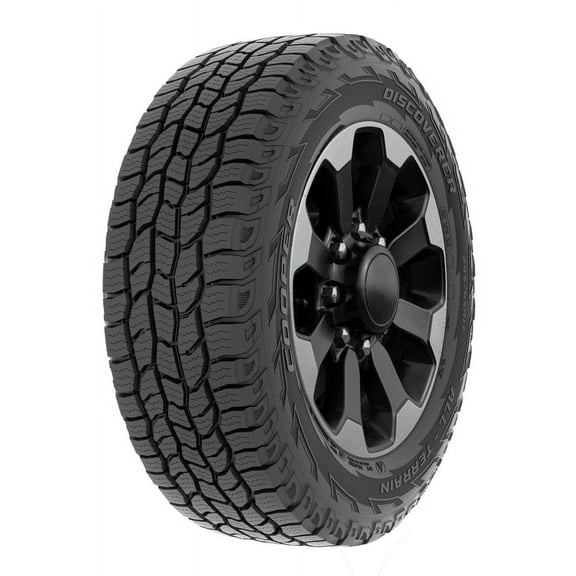


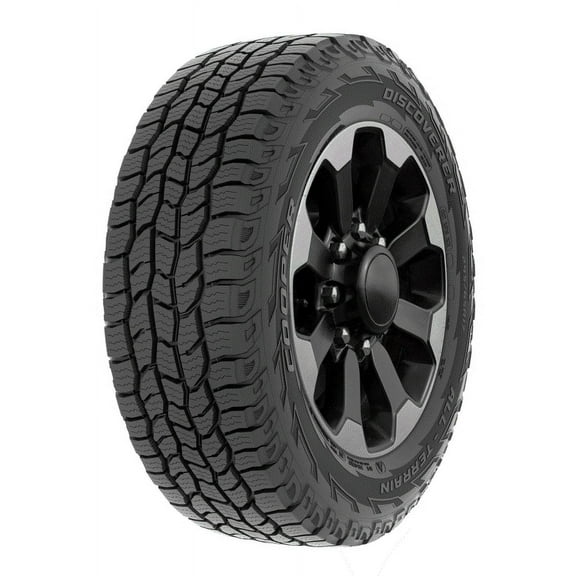
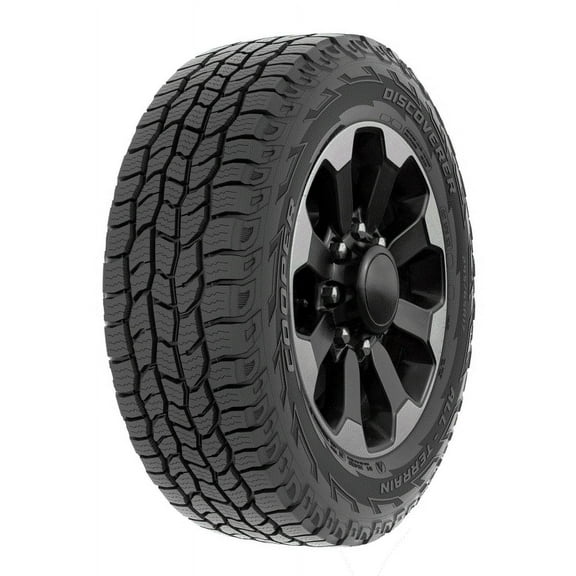




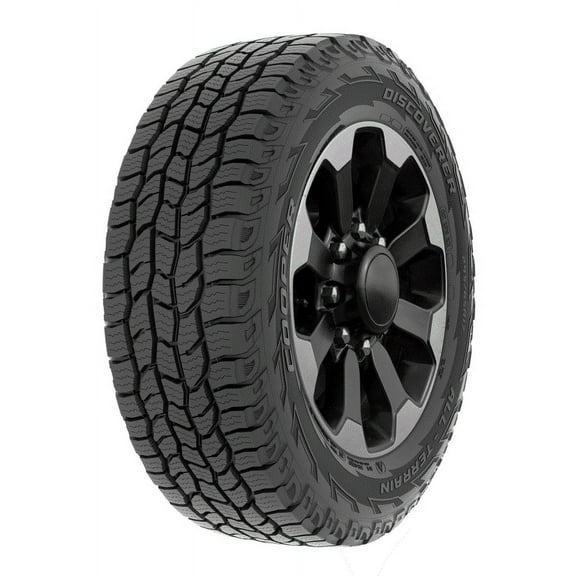


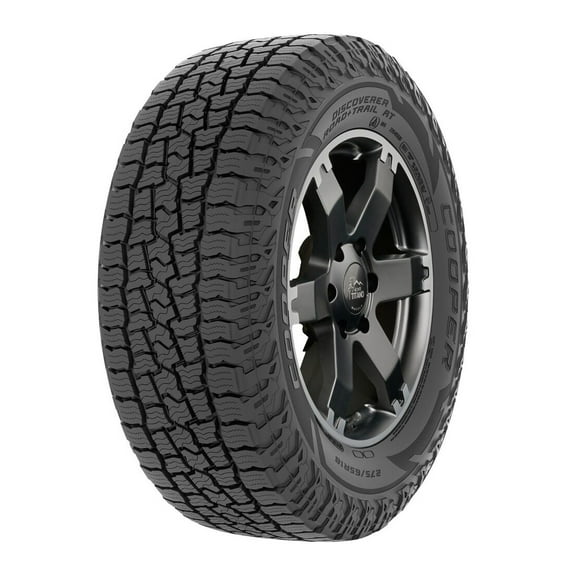
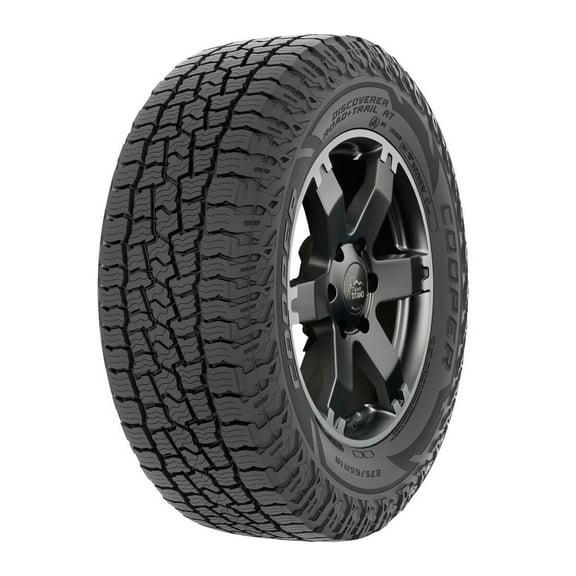
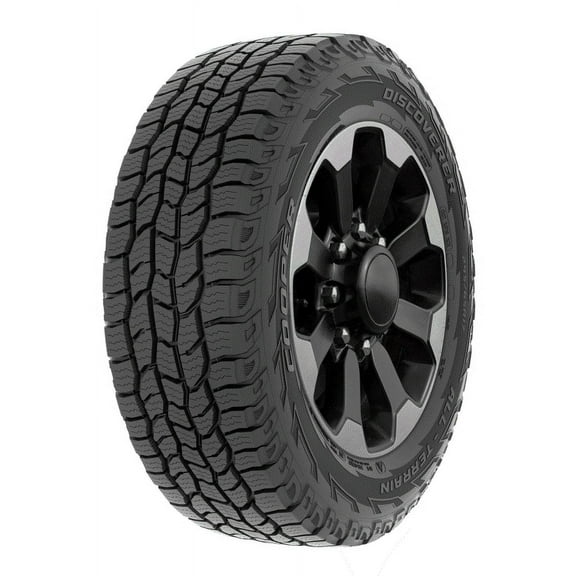
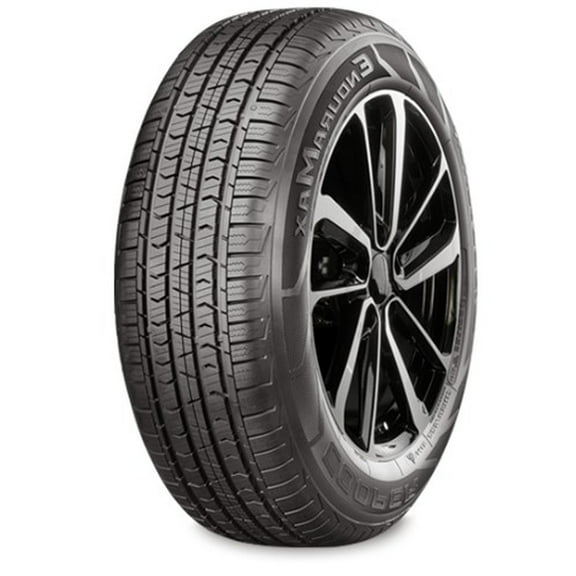


About Cooper AT Tires & All-Terrain Tires | Walmart.com
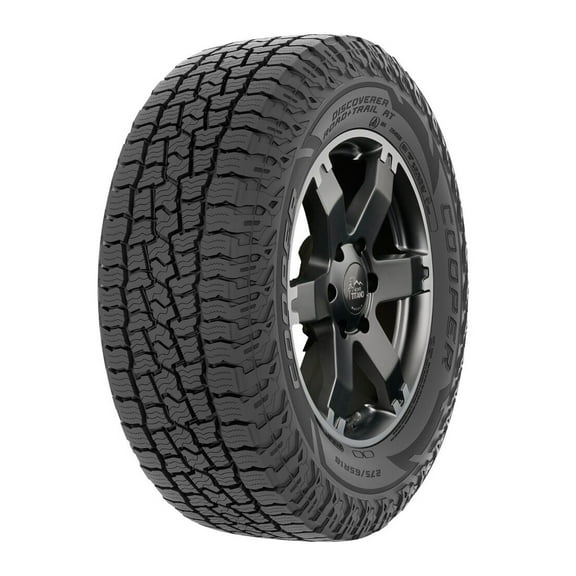
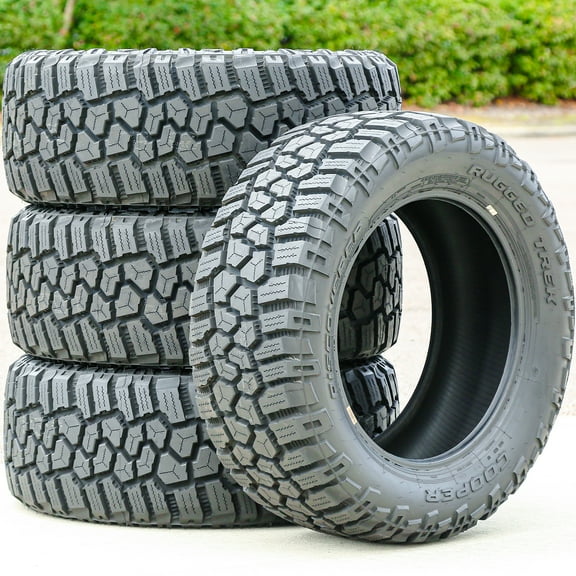
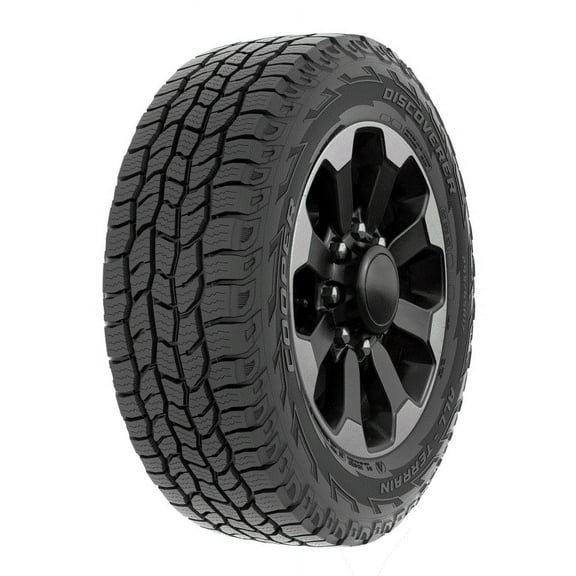
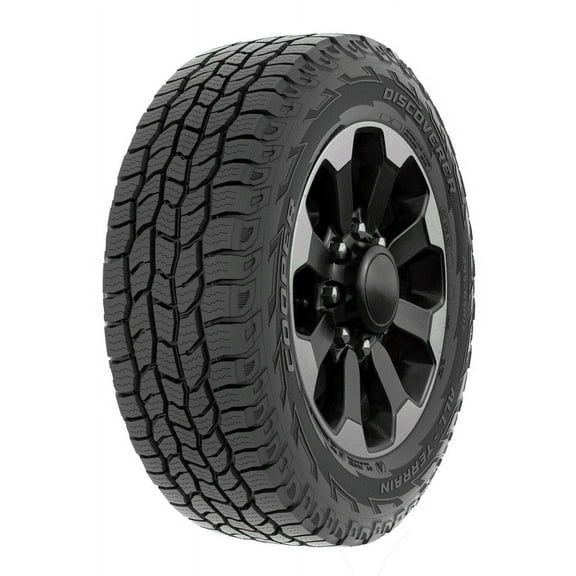
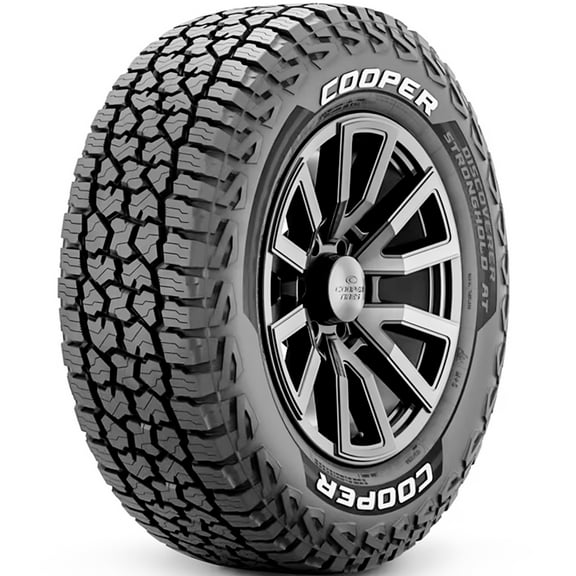
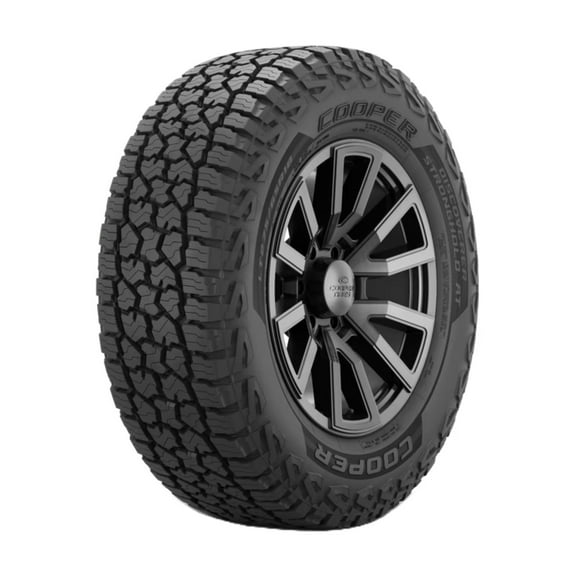
Cooper AT tires help you balance trail traction with daily-road comfort for trucks, SUVs, and crossovers. You can compare fitment, terrain capability, and treadwear warranty terms without guessing what matters most.
How to choose Cooper AT tires for your driving mix
If you split time between pavement and dirt, you should compare tread aggressiveness first. You’ll usually notice deeper voids add off-road bite, while tighter patterns help keep highway driving calmer.
When you drive through gravel, ruts, or light mud, you may prefer all-terrain or off-road focused options. If you stay on pavement longer, you may want a highway-friendly all-terrain design instead.
You can use terrain labels as a quick filter when you narrow your options. Mud-terrain patterns push farther off pavement, while all-terrain patterns balance trail use with daily commuting.
- You can compare all-terrain tread for mixed pavement and trail driving.
- You can look for off-road focus when you need stronger grip on loose surfaces.
- You can check highway manners if you want less cabin noise on longer drives.
- You can review treadwear warranty terms when you expect higher yearly mileage.
Choosing terrain capability and model family
When you compare Cooper all terrain tires, you should start with how and where you drive. You’ll find that Discoverer, Adventurer, Evolution, and AT4 lines point you toward different needs.
If you want a familiar all-purpose route, you may begin with Discoverer or Adventurer choices. You can then compare tread blocks, shoulder shape, and seasonal markings for your roads.
For more trail use, you should look closely at wider grooves and stronger sidewall styling. You’ll often see those cues on cooper off road tires built for trucks and SUVs.
If you drive mostly on pavement, you may prefer a pattern that softens road feel and limits hum. You can still keep the all-terrain look without choosing an aggressive tread.
What to look for in fitment and sizing
You should confirm your tire size before you compare any model family. You can check width, aspect ratio, and wheel diameter on your current sidewall or vehicle placard.
When you review fitment, you also need the right load index and speed rating. You’ll want those numbers to match your vehicle’s requirements for carrying capacity and intended driving pace.
If you shop for a light truck, SUV, or crossover, you should check the fitment label carefully. You may see different construction and sizing choices even within the same Cooper A/T family.
You can also compare sidewall markings for the Three-Peak Mountain Snowflake symbol. If you drive through winter conditions, you may want that marking for added seasonal confidence.
When you compare common sizes like 265/70R17 or 275/55R20, you should keep your original equipment specs in mind. You’ll avoid guesswork when you match diameter and clearance needs first.
Understanding treadwear warranty and daily comfort
You should read treadwear warranty terms as a planning tool, not just a headline number. You can compare 50,000-mile, 60,000-mile, and 65,000-mile coverage across different Cooper AT options.
If you drive many highway miles each week, you may lean toward a longer mileage warranty. You’ll want to balance that number with the traction style you need on dirt, sand, or gravel.
When you compare tread design, you’re really balancing grip with ride character. More open tread can help you on loose surfaces, while a tighter pattern can feel smoother on daily routes.
You may also want to compare shoulder design and siping density. Those details can affect wet-road feel, light-snow traction, and the sound you hear at cruising speed.
Matching Cooper AT tires to real driving scenarios
If you commute during the week and head to campsites on weekends, you may want a balanced all-terrain option. You’ll get a versatile mix of highway manners and trail-ready traction.
When your SUV handles family trips, rain-soaked roads, and occasional dirt access roads, you should compare Adventurer and Discoverer options. You can focus on tread pattern, fitment, and weather markings.
If your light truck sees tools, towing gear, or heavier loads, you should verify load index first. You’ll then narrow cooper tires at options that support your vehicle’s working demands.
When your crossover stays mostly on pavement, you may still want the look and flexibility of cooper a/t tires. You can choose a less aggressive pattern that keeps everyday driving more settled.
If you travel through changing seasons, you should check for the Three-Peak Mountain Snowflake symbol. You’ll also want an all-terrain tread that fits your usual mix of highway and backroad driving.
For drivers comparing cooper adventurer at or cooper at4 tires, you should start with your route mix. You can then weigh mileage coverage, road noise, and surface needs with more confidence.
Why this category makes comparison easier
You can use these decision points to narrow Cooper A/T choices without sorting through every spec alone. You’ll move faster when you compare terrain use, fitment, model family, and warranty together.
With the right cooper at tires, you can keep your vehicle aligned with your roads, seasons, and daily routine. You’ll feel more confident choosing a tire that fits your truck or SUV clearly.