

Craft Paper in Paper Crafting




























About Craft Paper in Paper Crafting - Walmart.com
Craft paper helps you turn ideas into clean, colorful projects with the right weight, finish, and size for each creative plan. You can compare cardstock, construction paper, and scrapbook paper in one place, so your next project feels easier to start.
How to choose craft paper for your project
You'll get better results when your craft paper matches the job, because paper weight changes how each sheet folds, cuts, and layers. You can use lighter text weight sheets for simple classroom crafts, while thicker options help your cards and layered designs hold shape.
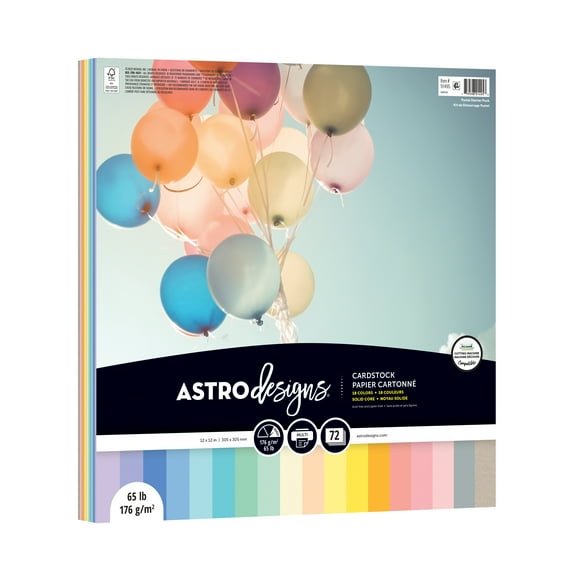
When you compare 65 lb, 80 lb, and 110 lb paper, you'll notice each weight supports a different kind of project. You may prefer 65 lb for easy scoring, 80 lb for balanced sturdiness, and 110 lb for firm covers or detailed die cuts.
If you check GSM ratings, you'll get a clear way to compare thickness across paper crafting sheets. You can think of higher GSM as a sturdier feel that works well when your project needs cleaner edges and less bending.
Choosing colored craft paper and cardstock finishes
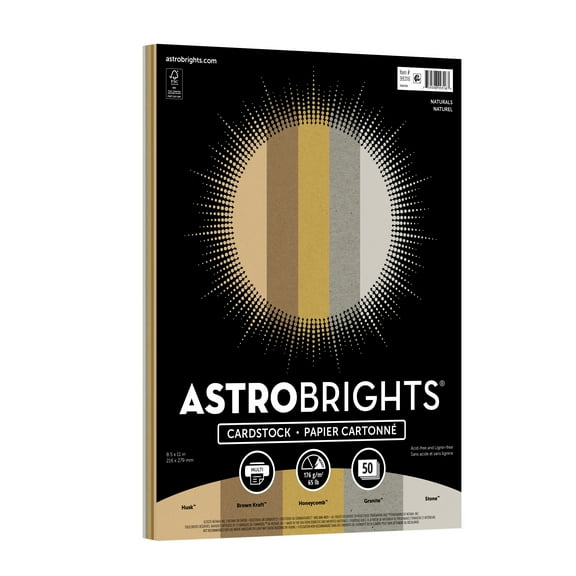
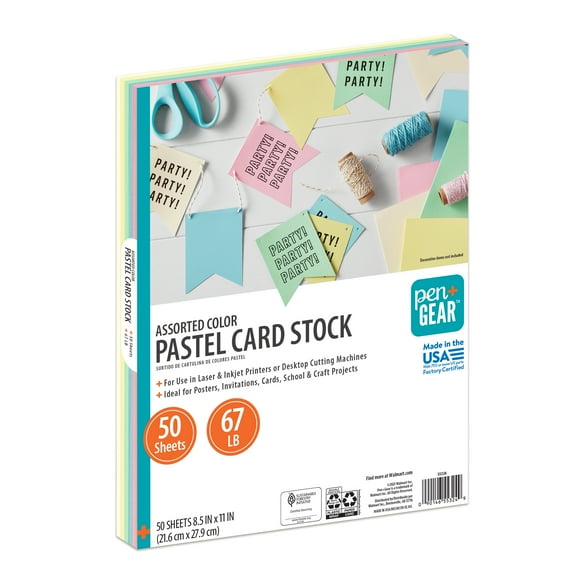
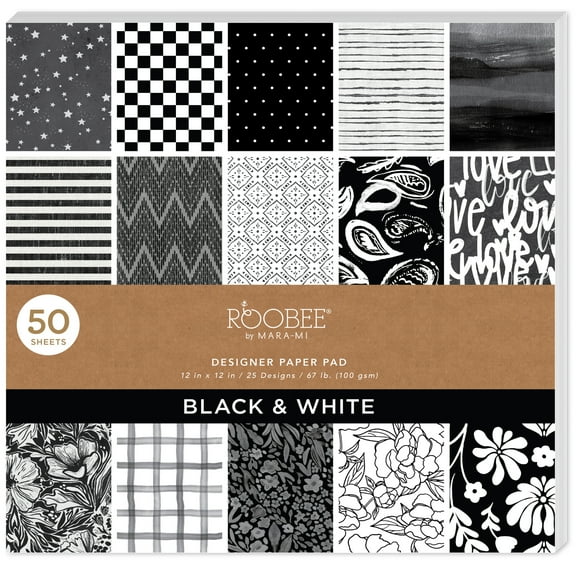
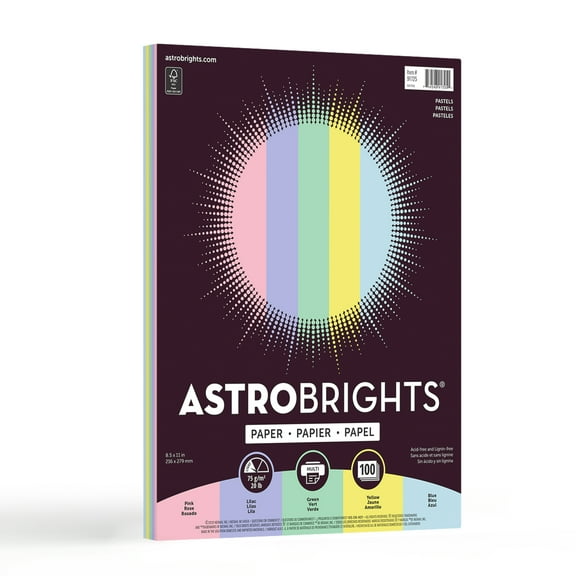
You can shape the look of your project by choosing assorted colors, monochrome packs, soft pastels, bright neons, or metallic tones. You'll find colored craft paper useful when your classroom signs, party decorations, or holiday craft paper projects need strong visual contrast.
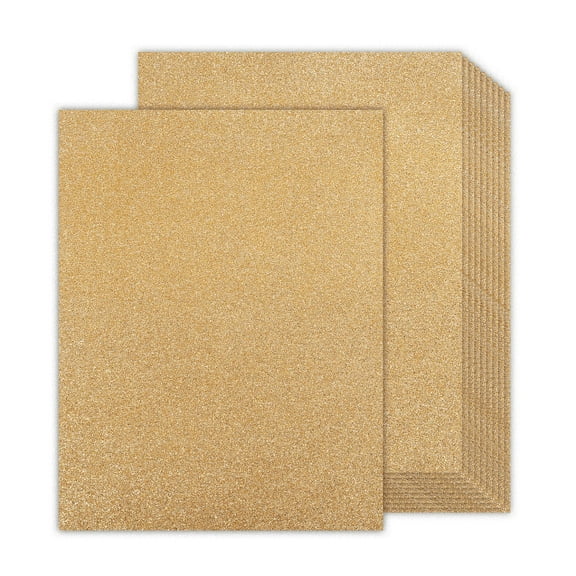
Finish also matters when your project calls for a specific surface, because matte, glossy, glitter, textured, and smooth sheets handle differently. You may want smooth paper for crisp writing, textured sheets for dimension, and glitter finishes for accents that stand out.
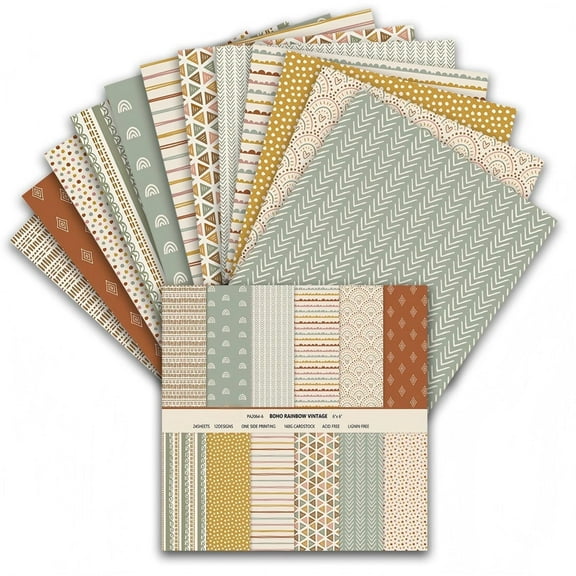
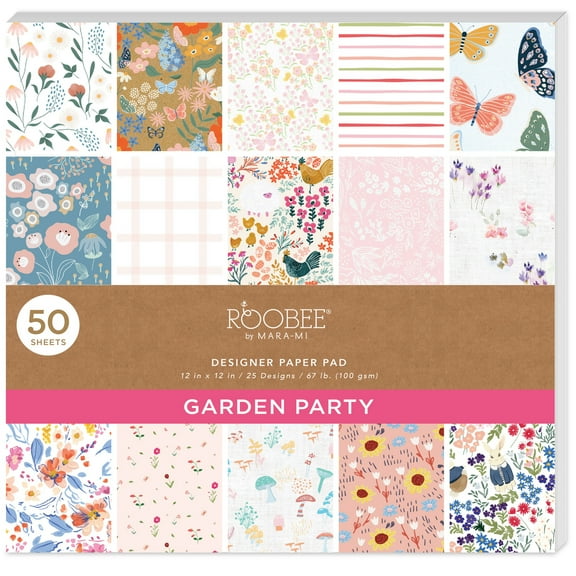
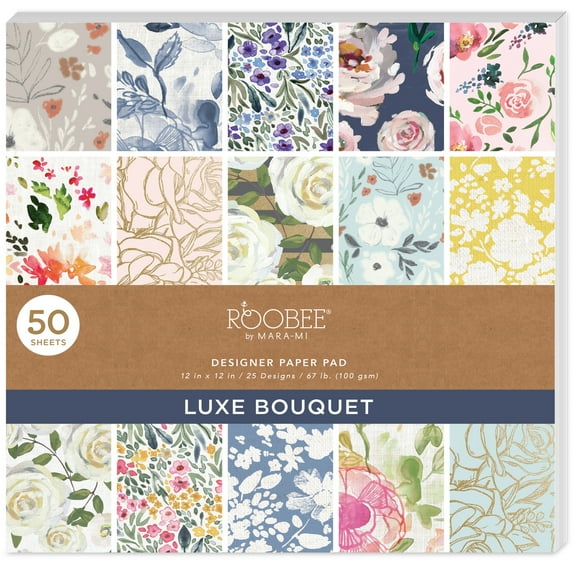
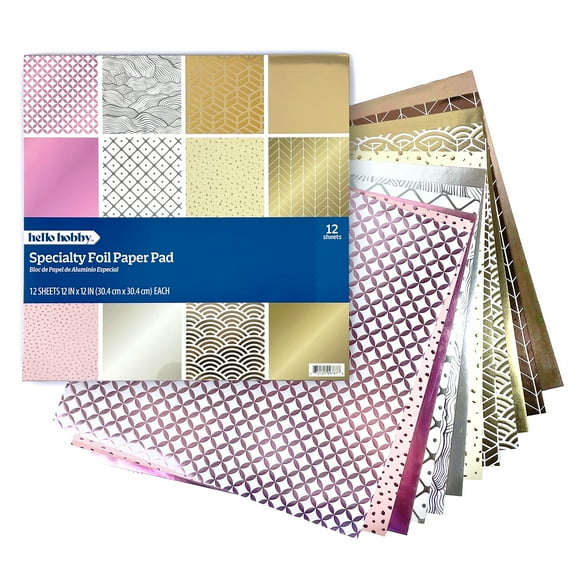
If you're comparing patterned cardstock and decorative paper, you should look at both print style and surface feel. You can use subtle patterns for layered scrapbook pages, while bold prints help your cards, tags, and banners look more finished.
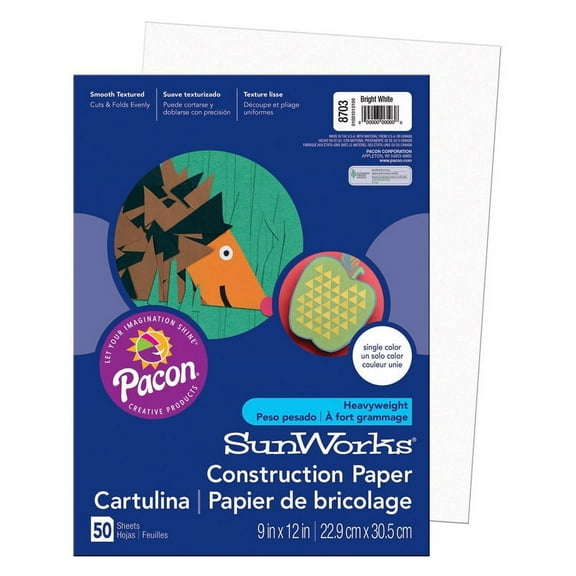
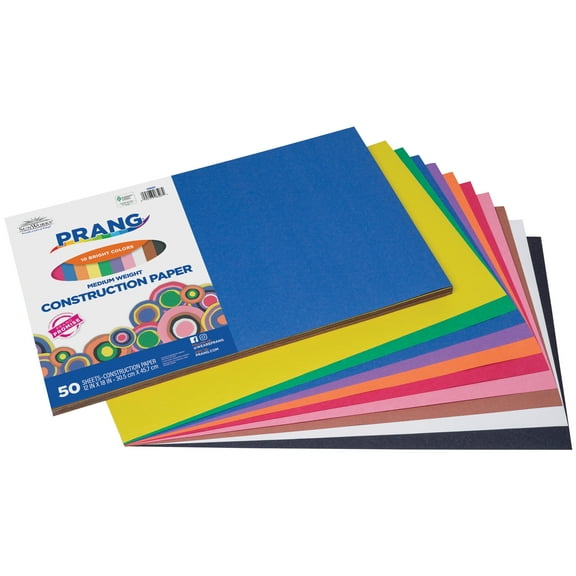
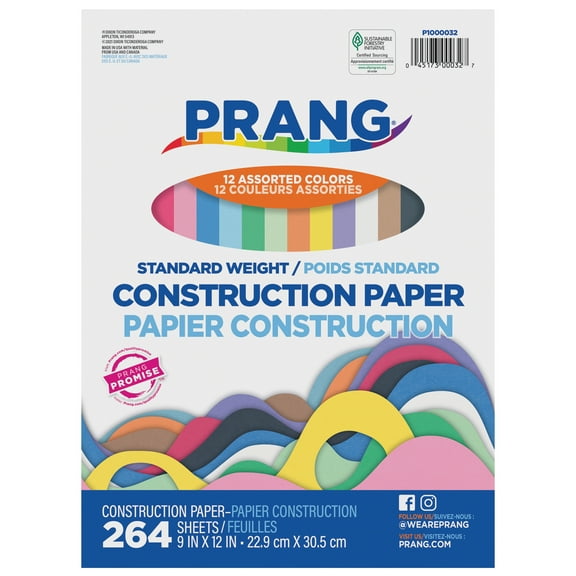
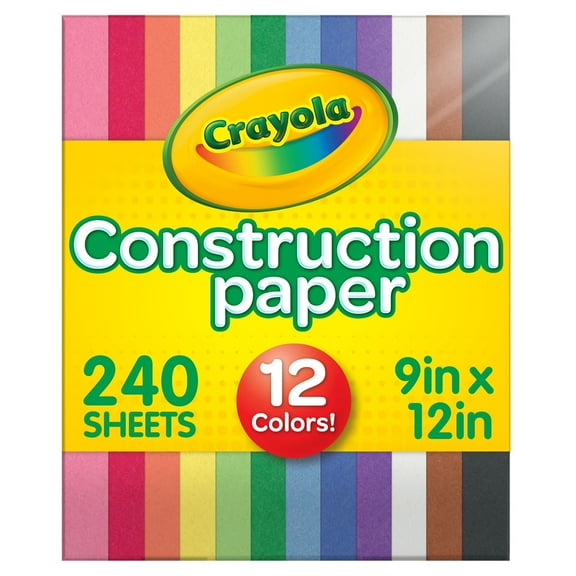
- You can use construction paper for school projects, posters, and simple cutting activities.
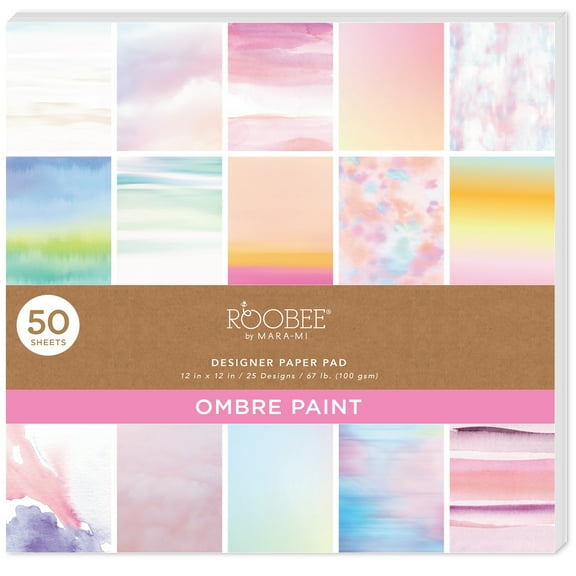
- You can choose scrapbook paper when your layouts need themed prints, coordinated colors, or 12x12 inch sheets.
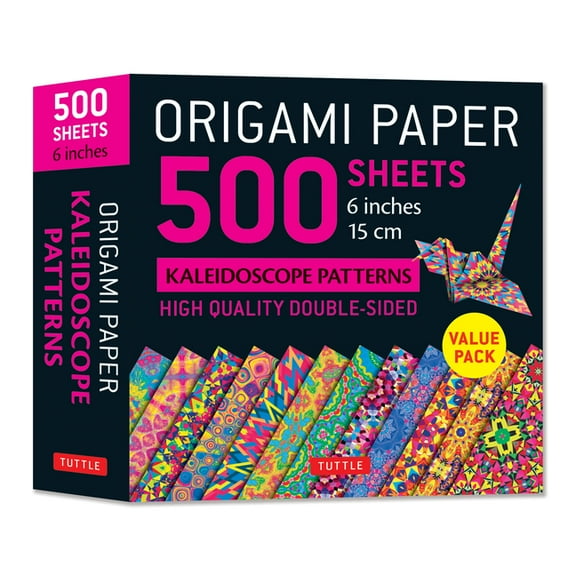
- You can pick origami paper when your folds need lighter sheets that crease neatly.
- You can select heavyweight craft paper when your project needs sturdier bases, covers, or layered shapes.
What to look for in paper weight, size, and compatibility
You should match sheet size to your design before you start cutting, because the wrong size can create extra seams or wasted material. You may choose 12x12 inches for scrapbook paper, 8.5x11 inches for printing, 6x6 inches for card fronts, and rolls for larger displays.
If you use a cutting machine, you should compare paper weight and finish before loading your mats. You'll often get smoother cuts when your blade setting matches the thickness, especially with cardstock, glitter sheets, or textured surfaces.
You should also check whether your paper works with your printer, because inkjet and laser setups can handle finishes differently. You'll usually want smoother sheets for cleaner printed text, while heavily textured or glitter surfaces fit hand-finished projects more naturally.
For scrapbooking, you may look for acid-free paper because it supports long-term page storage and keeps your layouts looking consistent over time. You can also check color fastness when your albums, memory pages, or display pieces need colors that stay vivid during regular handling.
Matching craft paper to scrapbooking, card making, and school projects
You can build scrapbook pages more easily when you pair 12x12 inch sheets with coordinated colors and patterned cardstock. You'll appreciate acid-free options for memory books, and you can add textured layers when your layouts need more depth.
For card making, you may prefer 80 lb or 110 lb sheets because they score cleanly and feel sturdy in folded designs. You can mix smooth card bases with decorative paper panels, metallic accents, and smaller 6x6 inch prints for polished details.
If your project involves origami, you should look for lighter paper crafting sheets that fold sharply without bulky corners. You'll get neater shapes when your paper stays flexible, and you can choose monochrome or pastel colors for a clean finished look.
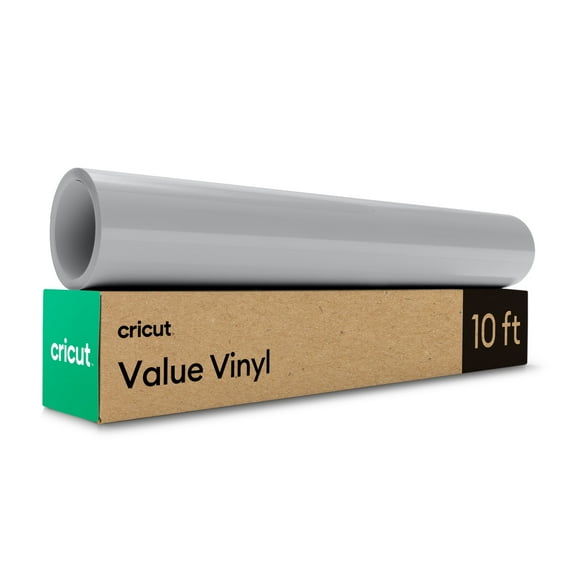
School projects often work well with construction paper, assorted colors, and larger packs that support cutting, gluing, and poster work. You can also keep rolls on hand when your classroom or event display needs long banners, backdrops, or wide craft surfaces.
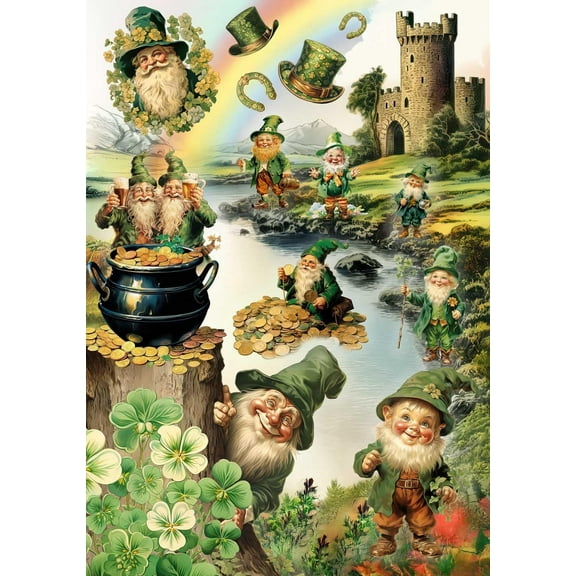
Seasonal projects become easier when you choose holiday craft paper or fall scrapbook paper with colors and prints that match the occasion. You can coordinate invitations, table decor, gift tags, and memory pages without mixing unrelated patterns.
Choosing the right craft paper with confidence
You can narrow your options faster when you compare weight, finish, size, and intended use before you begin. Your finished project will look cleaner and feel more intentional when your craft paper matches the way you cut, fold, print, and layer.