

Craft Tables in Craft Tables & Craft Furniture






















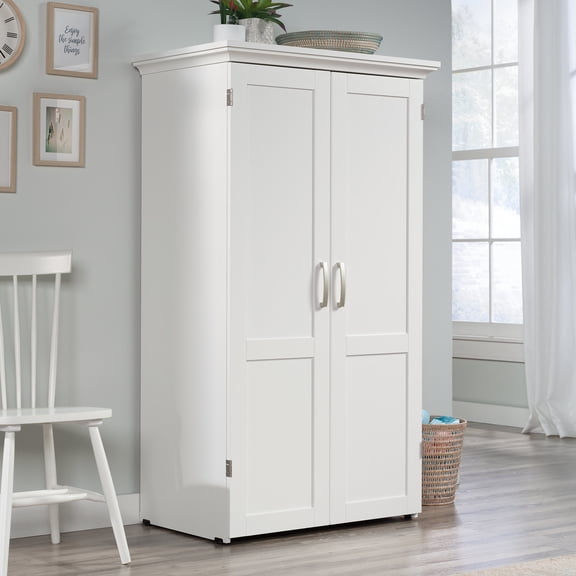


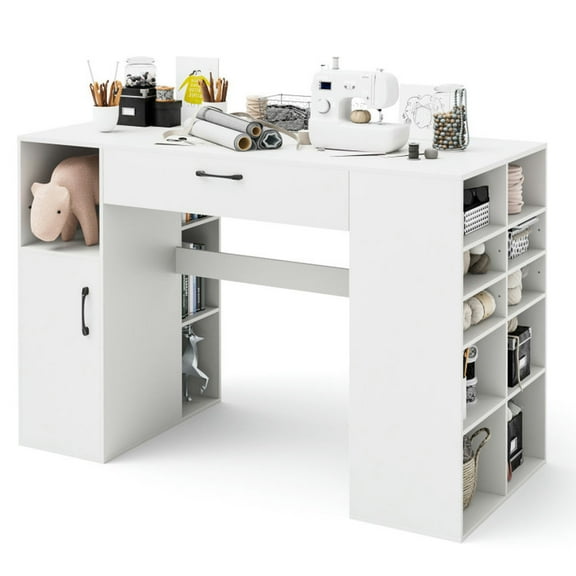
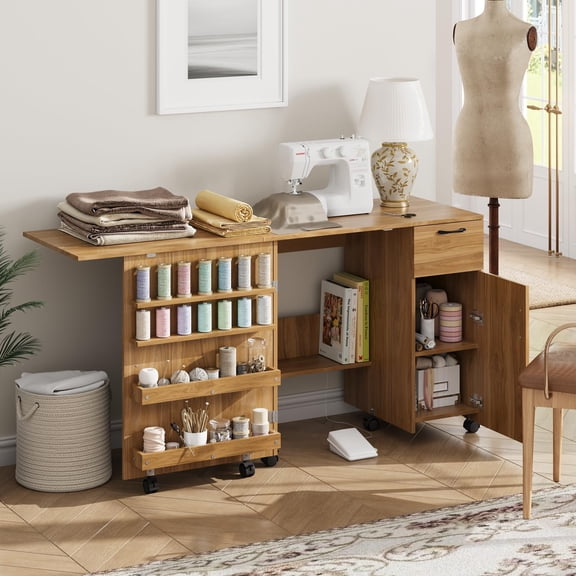
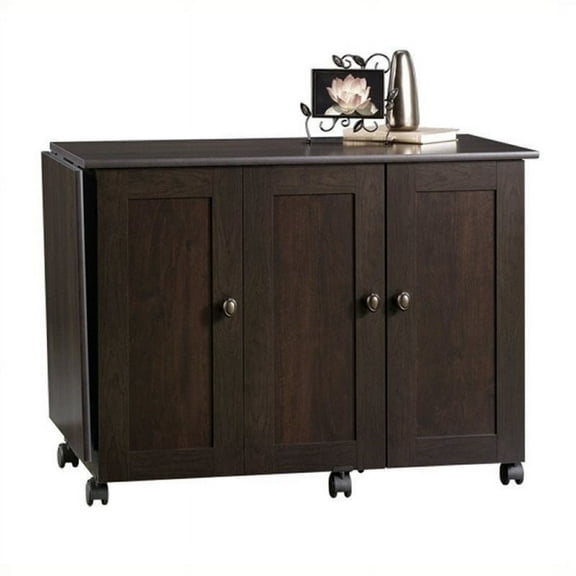














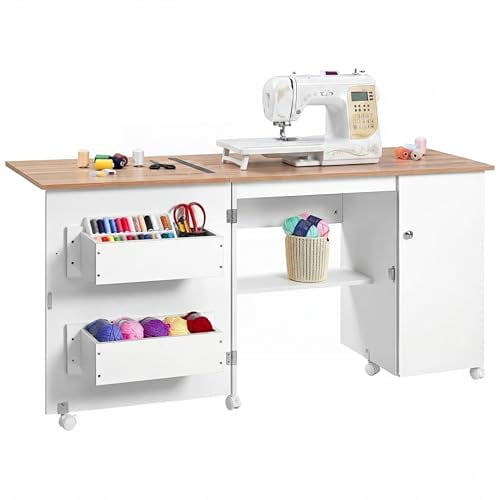
About Craft Tables in Craft Tables & Craft Furniture - Walmart.com
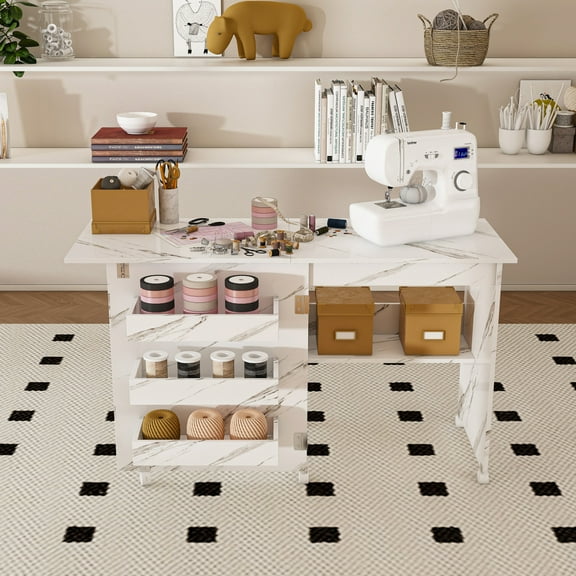
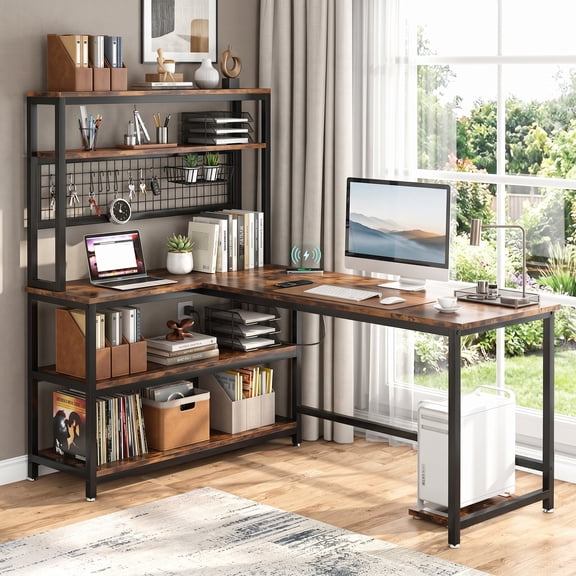
A craft wood table gives you a steady workspace for sewing, painting, scrapbooking, and cutting, with room for tools, mats, and project pieces. The right surface helps fabric lie flat, keeps paper aligned, and supports repeated use in busy hobby rooms. Wood styles also bring a warm look that fits dedicated studios, shared family spaces, and multipurpose corners. Whether youu're setting up a crafting table for weekend projects or a craft table for daily making, the right design makes every session feel more organized.
Why a craft wood table works for serious projects
A sturdy work surface matters when youu're tracing patterns, measuring fabric, or trimming cardstock with clean edges. A solid top feels dependable during detailed tasks that need control. Many shoppers choose wood because it pairs practical function with a furniture-like look. That makes it easy to place in sewing rooms, home offices, or open living areas.
- Gives you a flat surface for rotary cutting, painting, and piecing projects.
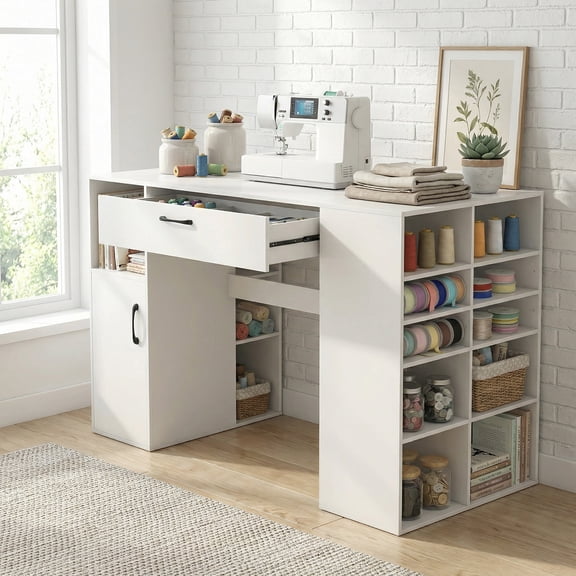
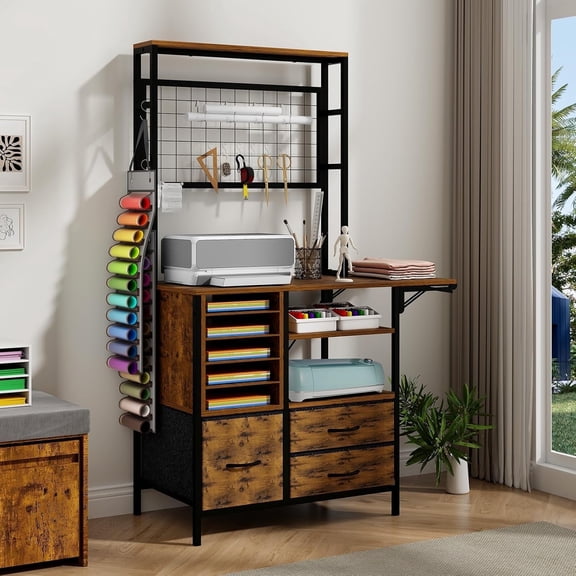
- Helps organize supplies with drawers, shelves, cubbies, or side storage.
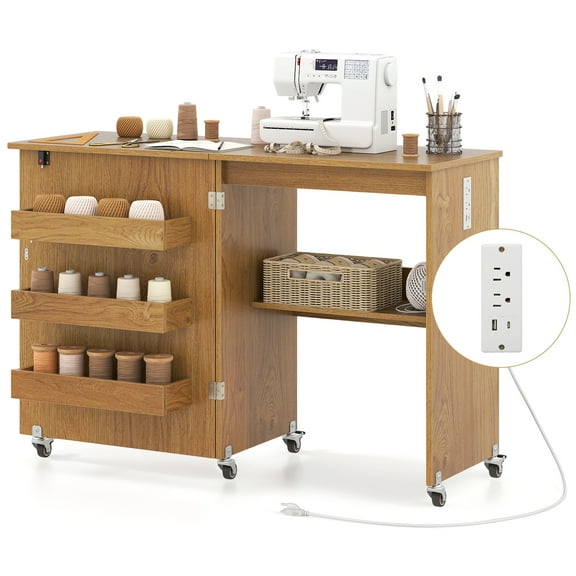
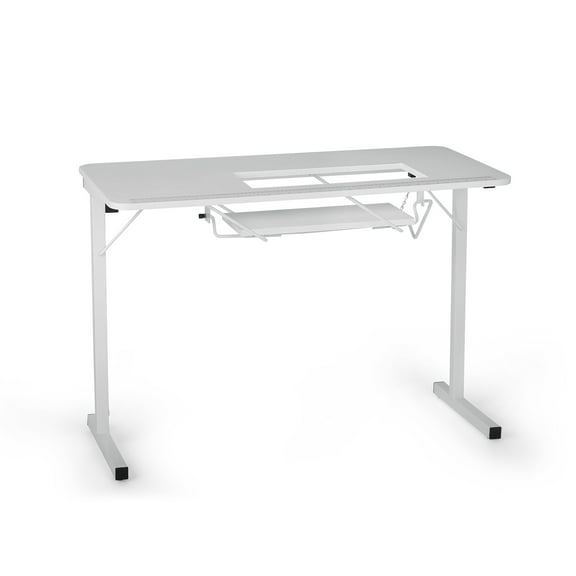
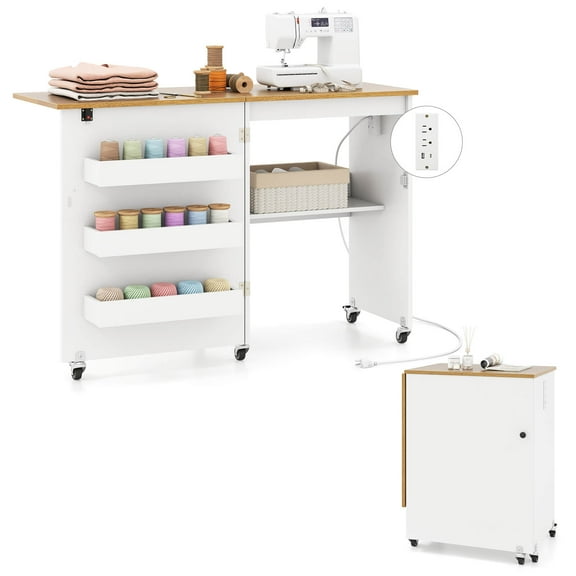
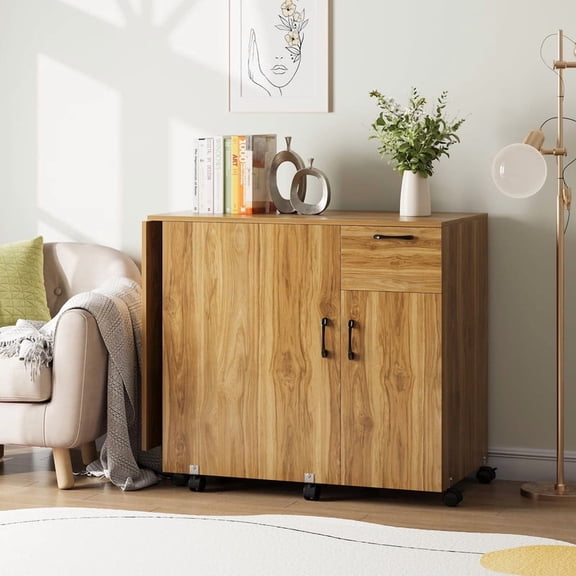
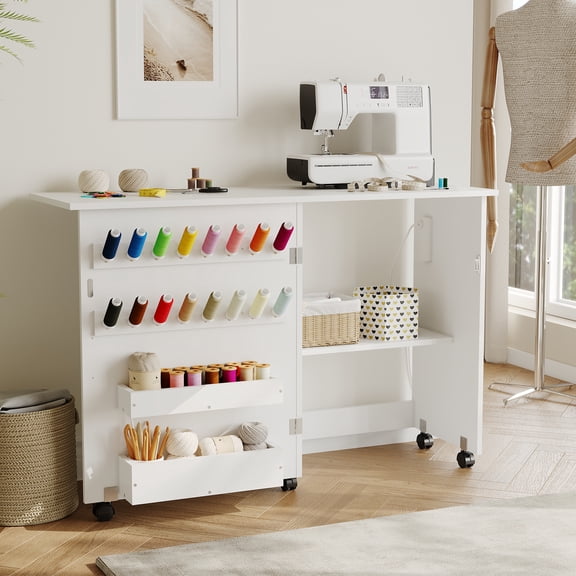
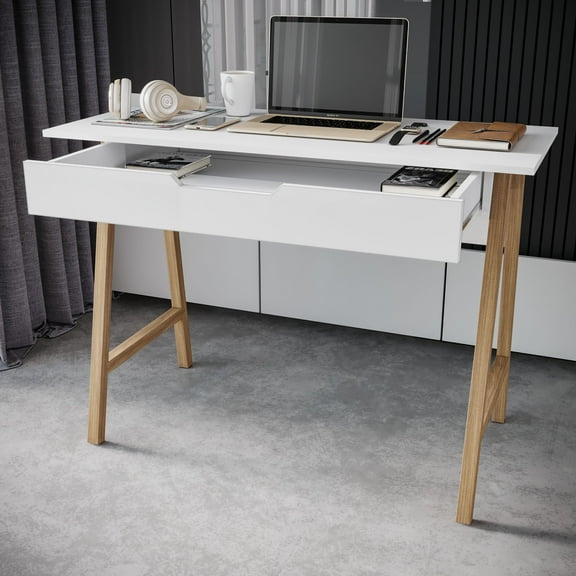
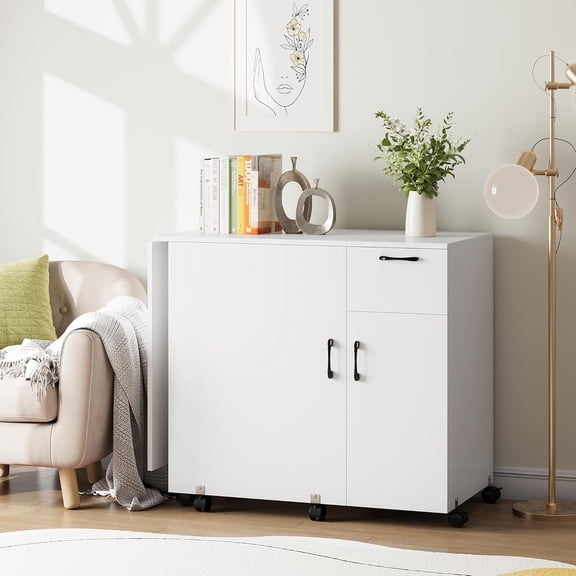
- Fits different rooms with stationary, movable, foldable, and small craft table designs.
- Supports crafting sessions for adults who need space for tools and materials.
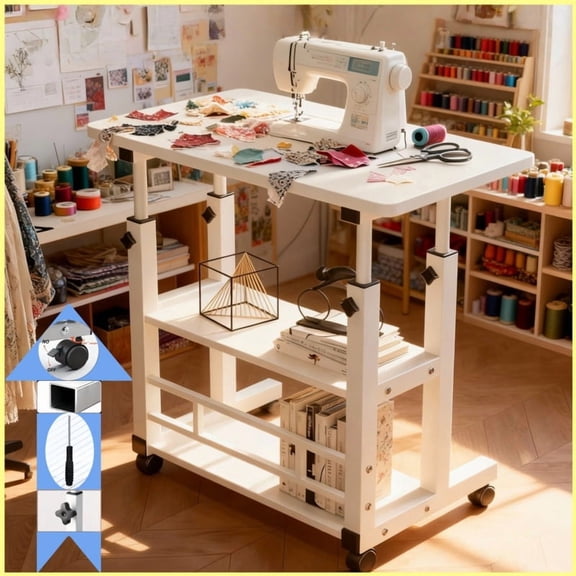
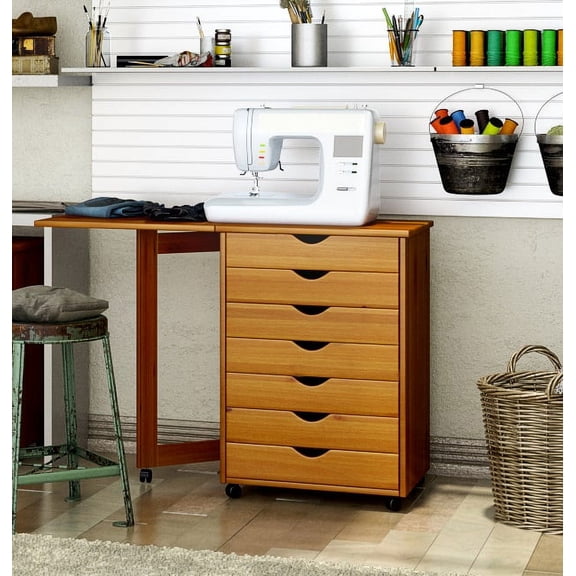
If you sew, extra surface area helps support fabric before and after the needle. That makes a craft table especially useful beside a sewing machine. If you paint or work with vinyl, a smooth tabletop gives you room for brushes, mats, rulers, and drying pieces. For scrapbookers, wider tops make it easier to sort paper stacks, stickers, and albums without crowding the workspace.
Craft table features that help you choose
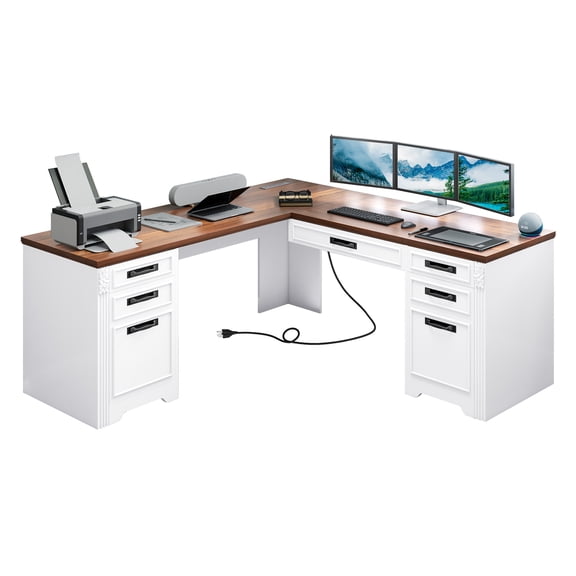
Material and layout shape how your workspace performs every day. A wood top can feel substantial, while mixed-material frames can add mobility and a lighter footprint. Look at table depth, width, and height before choosing a model for your room. Those dimensions affect cutting space, seated comfort, and how easily bins or stools fit underneath.
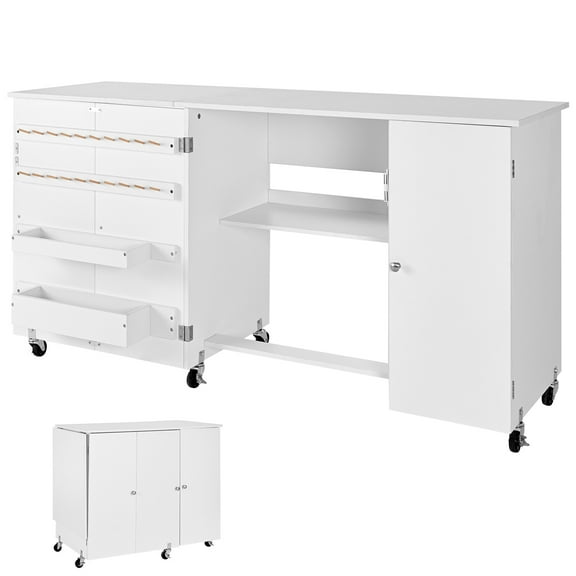
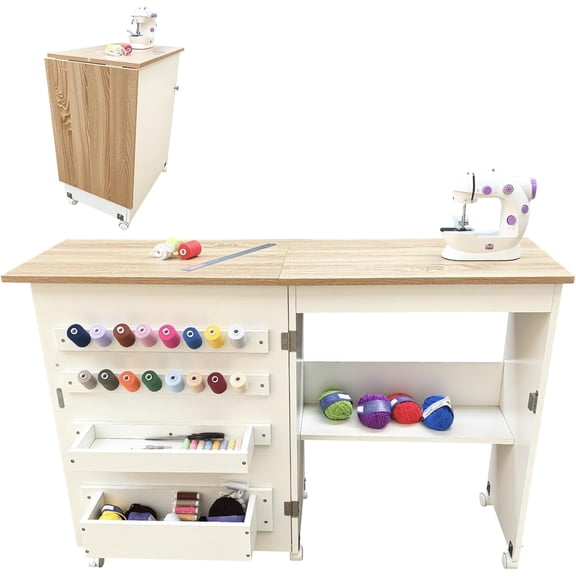
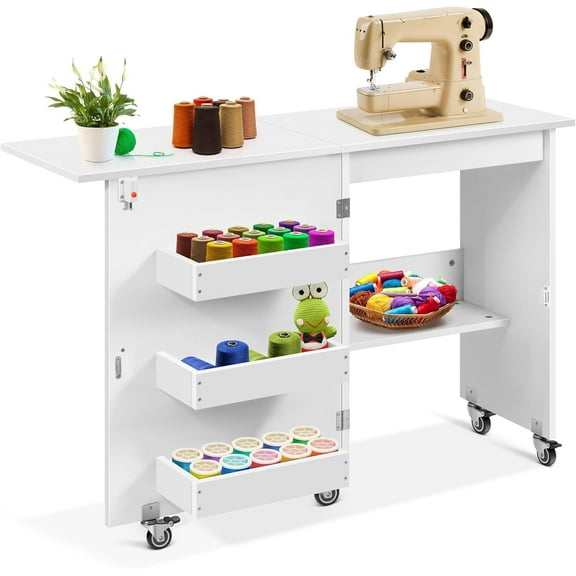
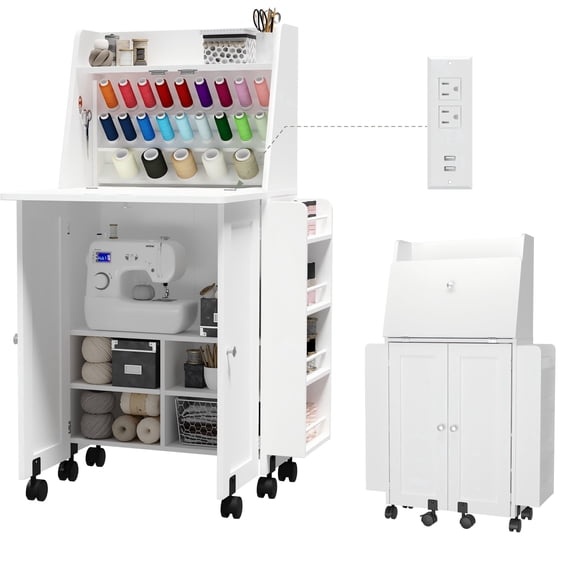
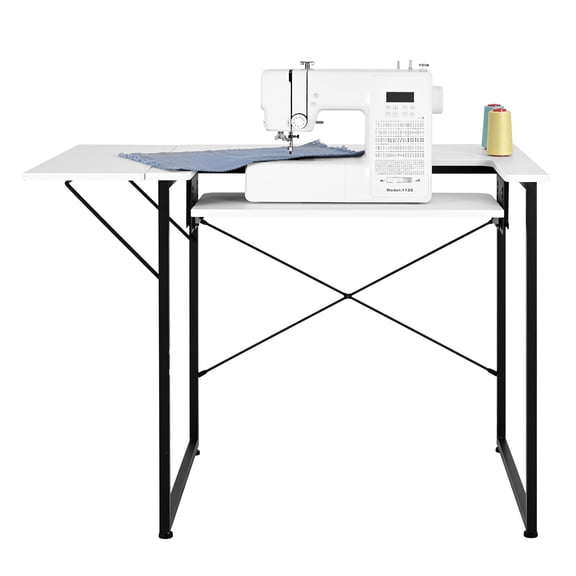
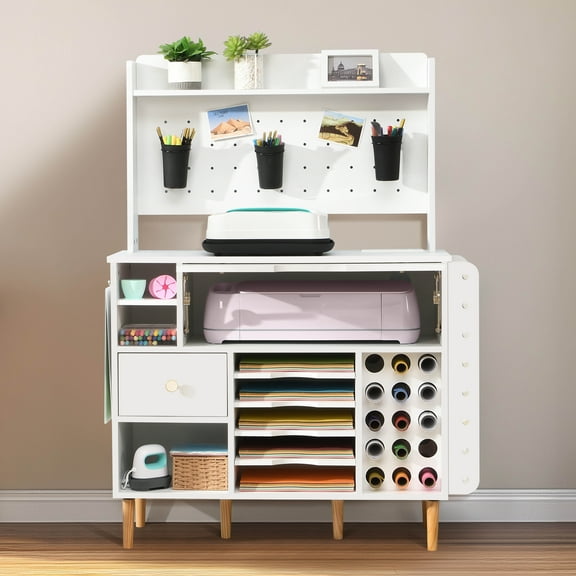
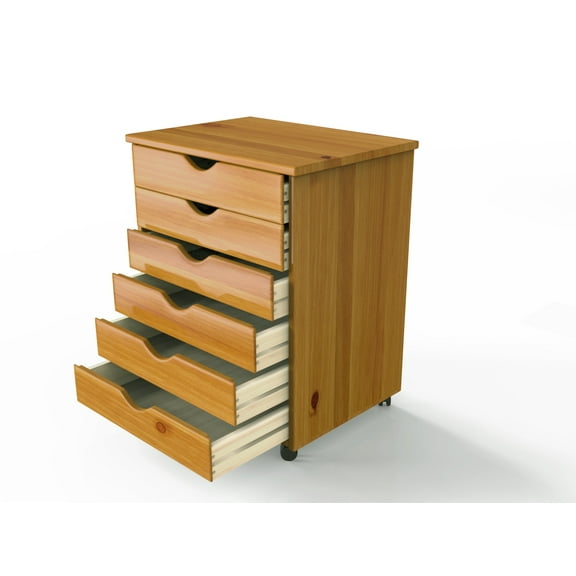
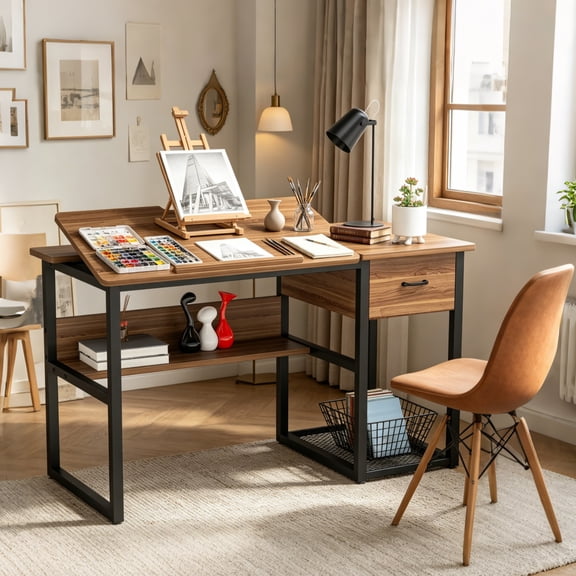
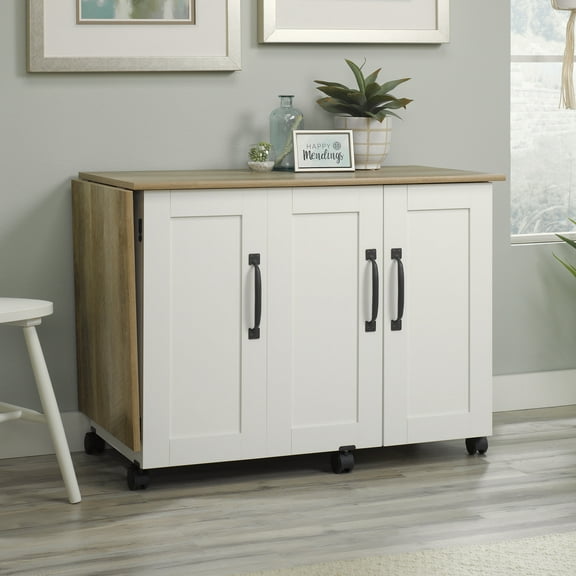
Storage details can change how often you actually use your setup. Built-in drawers keep scissors, thread, pens, and adhesives close at hand. Open shelving works well for baskets, paper pads, and machine accessories. Some crafting table designs include drop leaves or expandable sections. Those features add room when youu're working, then reduce the footprint afterward.
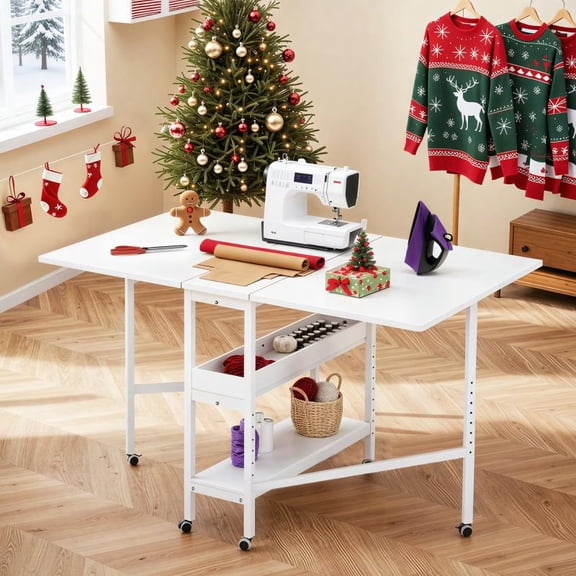
Mobility matters in flexible spaces. A movable craft table with casters can shift between rooms or roll against a wall after use. Foldable craft table options work well when the same room serves several purposes. If your space is compact, a craft desk for small spaces can provide a focused workstation without taking over the room. Smaller profiles still support common tasks like hand sewing, card making, and sketching layouts.
Foldable craft table and small craft table options
Not every home has a dedicated studio, so space-saving designs matter. A foldable craft table can open for project time and close when the room needs to function differently. Thatu's useful in apartments, dorm rooms, guest rooms, and shared family areas. Some styles also include shelves or side panels, so you keep useful storage even in a compact footprint.
A small craft table helps when you want a defined workspace without committing to a large furniture piece. These tables fit corners, bedroom nooks, and office walls with less visual bulk. They also work well for focused hobbies that use smaller tools, like jewelry making, sketching, and paper crafts. For many shoppers, that balance of usable surface and modest size makes daily crafting easier to maintain.
Craft tables for adults often balance workspace, comfort, and storage in one design. You may want a wider top for cutting fabric, or a taller profile for standing tasks. Some setups pair well with stools, while others match standard desk chairs. Matching the table shape to your routine can make long project sessions feel smoother and more efficient.
How to match a crafting table to your projects
Your main hobby should guide the size and features you prioritize. Sewing projects often need space on both sides of the machine, plus room for pattern pieces. Painting setups usually benefit from open tops that leave brushes, palettes, and reference materials within reach. Scrapbooking often calls for surface area and accessible storage, since you handle many small supplies at once.
If you make seasonal decor or classroom projects, a larger craft table can help you sort pieces by step. That keeps materials visible and helps maintain a steady workflow. If you switch between hobbies, choose a flexible design with open workspace and simple storage. A balanced layout supports sewing one day and paper crafting the next.
Think about where the table will live and how often it moves. A permanent studio setup may favor a larger craft wood table with shelves or drawers. A shared room may benefit from a movable craft table or folding design. When the table fits your routine, setup feels easier and cleanup takes less effort. That leaves more attention for the project itself and a workspace that stays ready for the next idea.
The right craft table supports the way you create, from careful stitching to wide cutting layouts. Choosing a design that matches your room, tools, and projects gives you a workspace that feels ready whenever inspiration starts.