

Industrial Cranes & Lifting Equipment | Walmart

















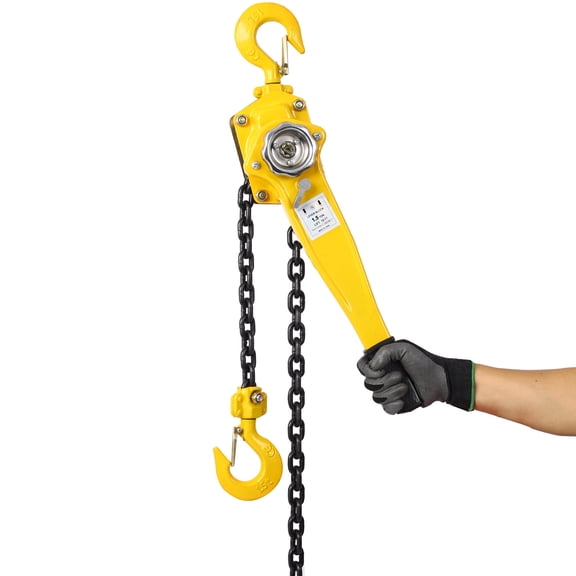


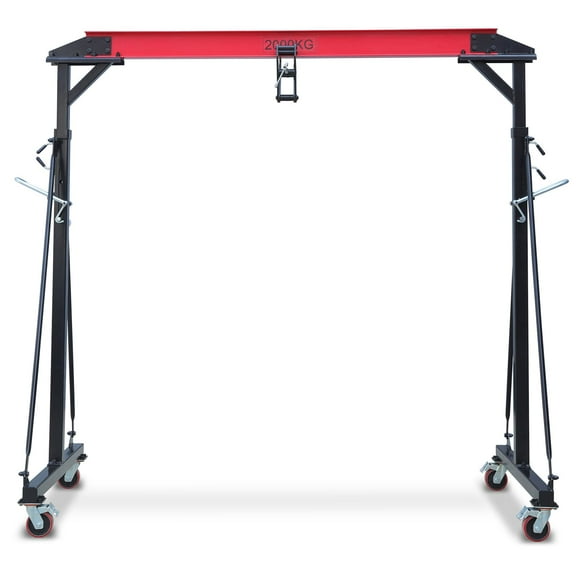
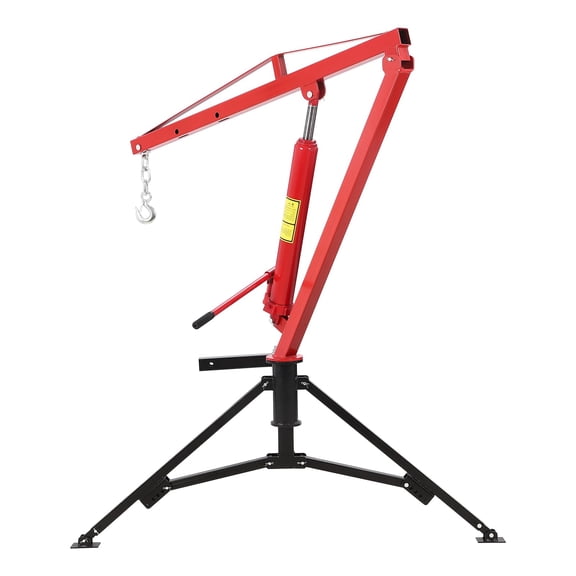


About Industrial Cranes & Lifting Equipment | Walmart - Walmart.com
You can compare cranes efficiently when you focus on load capacity, crane type, mobility, and power source. You also get clear buying guidance for warehouses, garages, maintenance areas, and furniture-moving tasks.
When you shop this category, you may need equipment that lifts engines, positions materials, or supports repeat handling. You should look for practical specs that match your floor space, reach, and daily workload.
How to choose cranes by load capacity
You should start with load capacity because it shapes every other decision. You need a crane that matches your heaviest routine lift without forcing guesswork.
If you compare 500 lbs, 1 ton, 2 ton, and 5 ton options, you can sort lighter shop tasks from heavier industrial handling. You should also check your safety factor and lifting method before you commit.
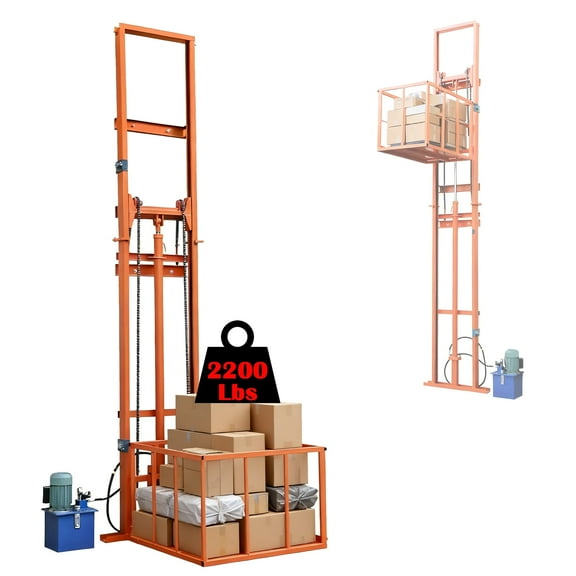
You may find lower capacities fit parts handling, compact equipment, or lighter maintenance work. You may need higher capacities when you lift engines, steel components, pallets, or dense machinery.
- You can reduce selection errors when you match the rated capacity to your actual load.
- You can improve workflow when your crane supports the reach and clearance your space requires.
- You can handle repeat lifts smoothly when your equipment fits your task frequency and floor layout.
- You can compare manual, electric, and hydraulic operation based on speed and operator effort.
Choosing the right crane type
You should compare crane type based on how and where you lift. You can narrow choices quickly when you understand what each design does.
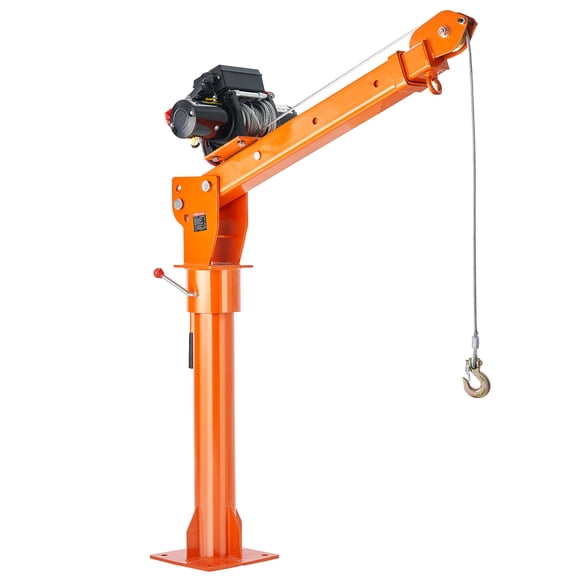
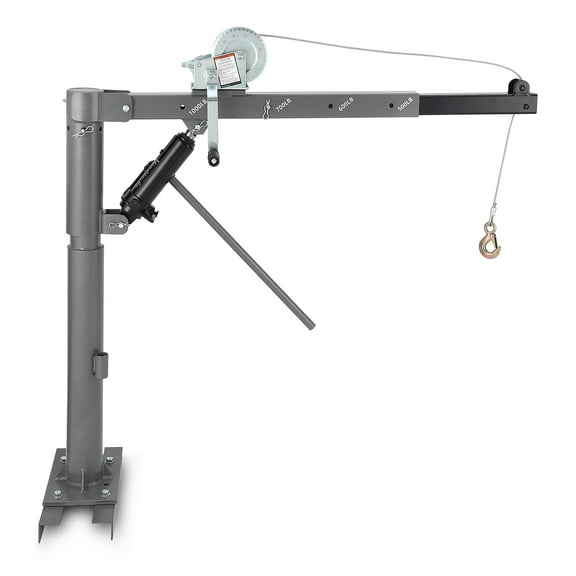
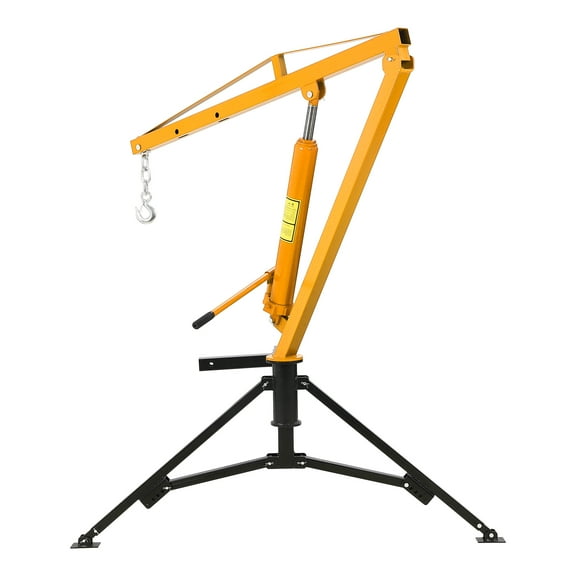
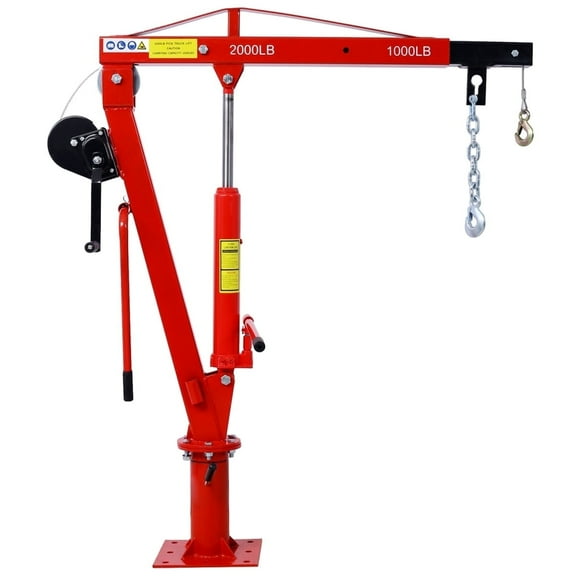
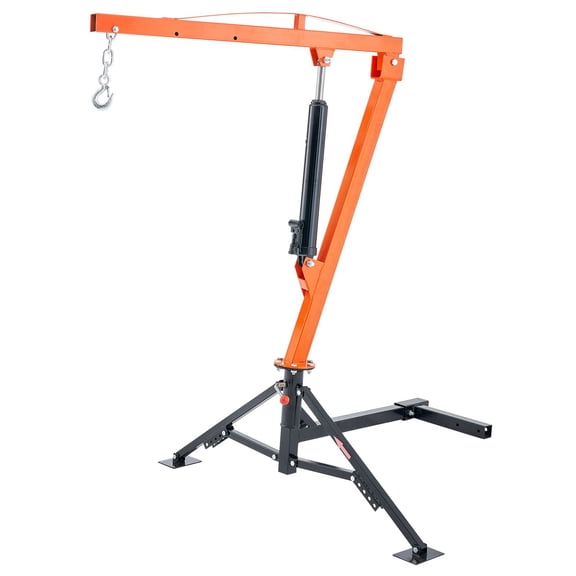
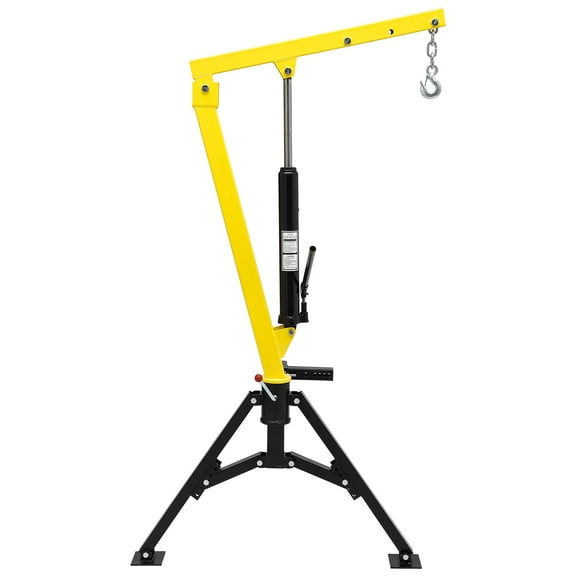
You may use a gantry crane when you need overhead movement across a work area. You can benefit from a jib crane when you need repeated lifting at a fixed workstation.
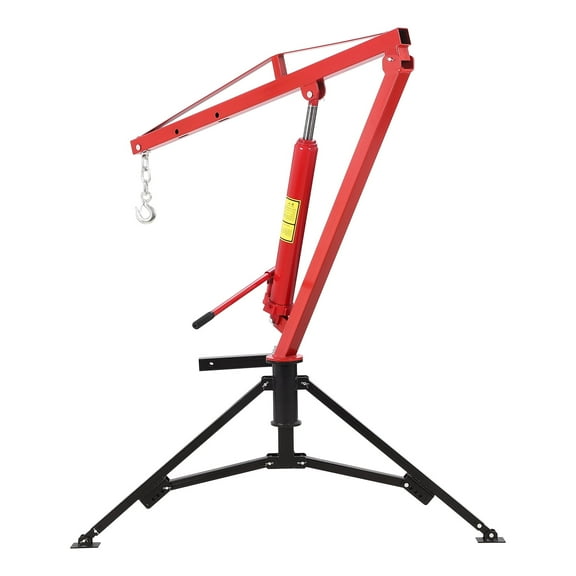
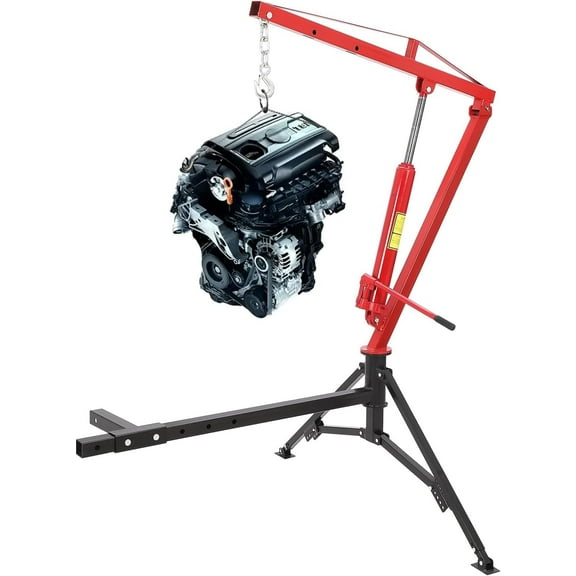
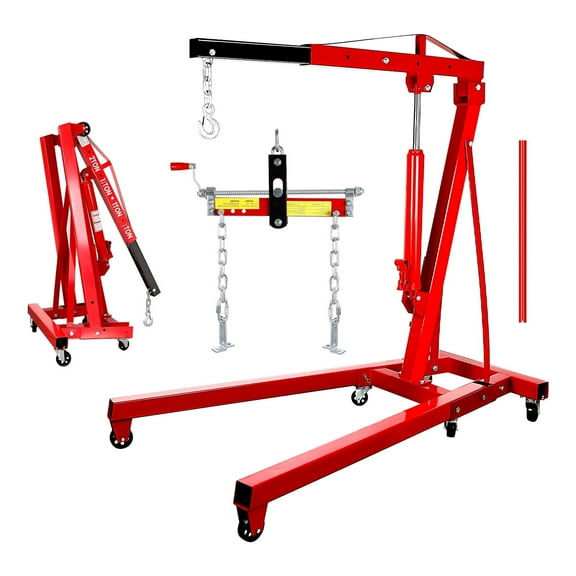
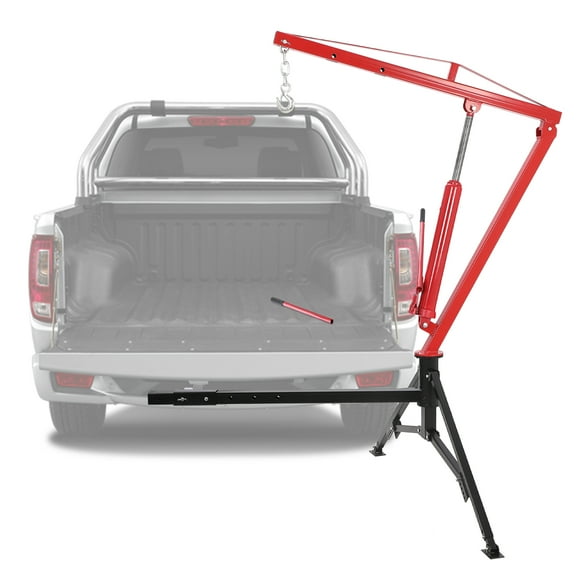
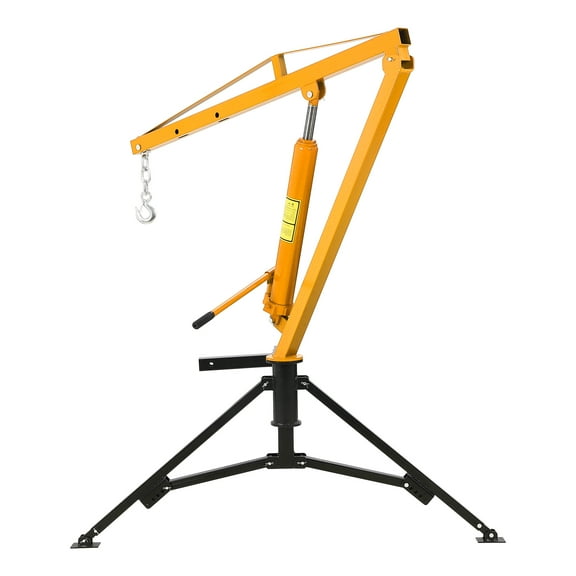
If you service vehicles or machinery, you may prefer an engine hoist for compact lifting access. If you lift from docks, service vehicles, or edge locations, you may choose a davit crane.
You should also measure lift height, span, and reach before you choose a frame style. You can avoid fit issues when you compare hook height with ceiling clearance and obstacle placement.
Comparing mobility, reach, and workspace fit
You should decide whether portable, stationary, or wheeled designs fit your workflow. You can move tasks between bays with portable units, while stationary setups suit fixed lifting points.
If you handle changing layouts, you may want wheeled support for flexible positioning. You can also consider a crane for moving furniture when you need controlled lifting during delivery, setup, or renovation work.
You should measure aisle width, doorway clearance, and turning space before you select mobility features. You can prevent workflow bottlenecks when your crane moves cleanly through your actual workspace.
Reach matters just as much as mobility when you place loads onto benches, trucks, or storage areas. You should check boom length, span, and clearance so your lift path stays practical.
What to look for in power source and operation
You should compare manual, electric, and hydraulic options based on pace and operator input. You can keep simple jobs straightforward with manual lifting in lower-frequency environments.
If you manage frequent lifts, you may prefer electric power for consistent movement. You can also consider hydraulic operation when you want controlled lifting force in compact service settings.
You should match the power source to your duty cycle, available power access, and handling routine. You can make day-to-day operation simple when controls align with your crew's process.
You may also want to review hoist compatibility, hook access, and frame adjustability. You can use those details to narrow choices for assembly areas, repair shops, and material staging zones.
Using cranes for furniture, equipment, and industrial lifting
You can use cranes across maintenance, fabrication, shipping, and facility support tasks. You may need one setup for engines, another for equipment positioning, and another for bulky furniture handling.
If you move furniture or fixtures, you should look for mobility, controlled lift speed, and workable reach. You can make placement simple when your crane fits tight interiors, loading areas, or uneven task locations.
You may rely on gantry styles for open-floor lifting and transfer between stations. You can use jib designs for repeat picks at assembly points where rotation and fixed placement matter.
When you handle repair work, you may choose engine hoists for compact access around vehicles and machines. You can select davit styles when your job calls for edge lifting or service-truck support.
You should also review standards and build details that support informed comparison. You can look for OSHA and ASME alignment information, along with frame construction and caster design, when provided.
You can choose cranes with confidence when your specs reflect real loads, real space, and real workflow. You end up with lifting equipment that fits your operation and supports steady handling.