

Crypto in Collectibles





















About Crypto in Collectibles - Walmart.com
Cryptocurrency wallets help you store private keys with more control, and you can compare cold storage options, backup methods, and coin support in one place. If you want offline protection for long-term holdings, you can focus on hardware designs and physical crypto accessories built for secure handling.
How to choose cryptocurrency wallets by wallet type
You can start with wallet type because it shapes how you access your holdings each day. If you want stronger offline separation, you may prefer crypto hardware wallets or cold storage wallets over app-based storage.
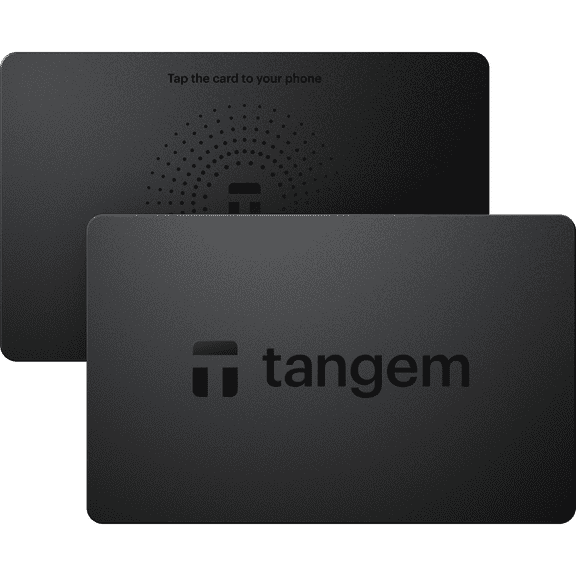
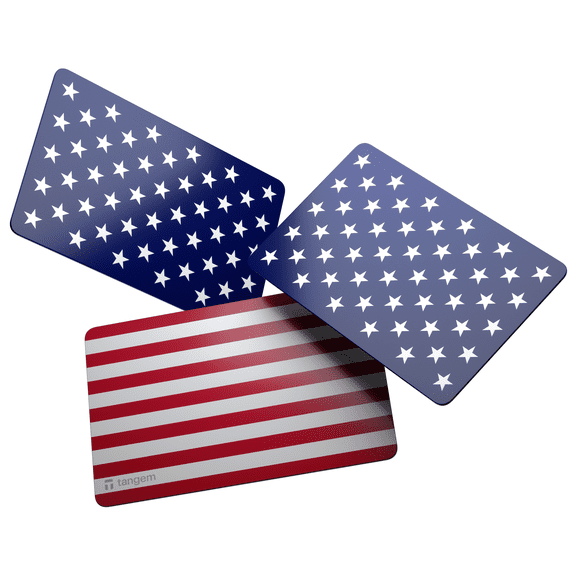
A hardware wallet keeps your private keys on a dedicated device, so you can confirm actions on its screen or buttons. A paper wallet gives you a printed backup format, and you should store it carefully for long-term reference.
Cold storage wallets fit shoppers who want reduced online exposure during storage. If you mainly hold bitcoin wallets or other long-term assets, you may like an option that stays disconnected between uses.
What to look for in crypto hardware wallets
You should compare security certification, device controls, and backup steps before you choose. If you see Secure Element details like CC EAL5+ or CC EAL6+, you can use those ratings as one decision point.
Those ratings help you compare secure chip designs in a practical way. You should also check whether your wallet uses PIN protection, on-device confirmation, and clear recovery setup instructions.
- You can use offline storage for private keys during long holding periods.
- You can confirm transactions on a dedicated device instead of a general computer screen.
- You can choose backup methods that match your comfort with written recovery details.
- You can compare supported coin apps before you commit to one wallet format.
You may also want a device with a simple screen and clear navigation. If you’re setting up your first wallet, you’ll appreciate prompts that guide your recovery phrase process step by step.
Choosing supported coins and recovery options
You should confirm coin compatibility early because it affects daily use and future flexibility. If you hold Bitcoin, Ethereum, or multi-chain assets, you’ll want a wallet that clearly lists supported networks.
BIP39 support matters because it helps you use a common recovery phrase standard. If you ever restore access on a compatible device, you’ll want that setup process to feel familiar.
You should also check whether a wallet relies on separate coin apps for different assets. If you plan to manage several chains, you may prefer a layout that keeps each app organized.
Recovery setup deserves close attention because your written phrase is part of your access plan. You should look for straightforward instructions, clear confirmation steps, and storage accessories that help you organize backup details.
Comparing connection types for cold storage wallets
You can narrow your options by connection type because it changes how you interact with your wallet. If you prefer a direct wired setup, you may choose USB-C for familiar cable use.
Bluetooth can give you more movement when you pair a wallet with a mobile device. If you manage assets on the go, you may like fewer cables during setup and review.
NFC may appeal to you if you want quick tap-based communication with compatible devices. You should still compare how each wallet handles confirmation screens, coin management, and backup steps.
Connection type should support your routine, not complicate it. If you mostly transact at a desk, you may lean toward a wired device, while mobile-first use may point you elsewhere.
Matching cryptocurrency wallets to how you store and display crypto
You can match wallet features to your habits instead of choosing by looks alone. If you’re building a long-term storage plan, you may focus on cold storage wallets with strong recovery guidance.
If you manage several assets across networks, you should prioritize multi-chain support and simple app switching. When you want a compact setup for travel or small workspaces, you may compare USB-C, Bluetooth, and NFC designs.
You might also explore crypto physical coins and related accessories for display, gifting, or collection-focused setups. If you want a conversation piece for a desk or shelf, you can pair physical items with secure storage tools.
Bitcoin wallets often attract shoppers who want dedicated support for a widely held asset. If you also hold Ethereum or other tokens, you should compare whether one wallet keeps your mix organized.
You’ll feel more confident when your wallet type, supported coins, connection method, and recovery process all line up. That kind of clear fit helps you handle cryptocurrency with steadier control and simpler daily use.