


Find auto parts that fit
Let’s search for parts that fit your vehicle.Dash Hardware & Trim in Car Dashboards & Dashboard Parts
























About Dash Hardware & Trim in Car Dashboards & Dashboard Parts - Walmart.com
You can use dash hardware trim to restore a secure, finished dashboard without replacing larger interior parts. You’ll find options for loose bezels, missing clips, and worn fasteners that affect fit and appearance.
When you replace the right small parts, you can reduce rattles and help panels sit flush again. You can also match your repair to your vehicle’s year, make, and model more accurately.
How to choose dash hardware trim by fitment
You should start with vehicle fitment because dash pieces often vary by year, trim level, and dashboard layout. You’ll want to compare your year, make, and model before choosing any clip, bezel, or retainer.
If you have an OEM part number, you can check whether it matches the replacement part listing. You can also compare mounting points, tab shapes, and panel location for a closer fit.
Universal parts can help when you need common clips or retainers for straightforward repairs. Make-specific and model-specific parts can help you match dashboard hardware replacement needs with less guesswork.
Choosing between car dash trim clips, retainers, and bezels
You’ll want to identify the component type before you order, because each piece supports a different section of your dash. Clips usually hold trim edges, while retainers secure panels and bezels frame gauges, screens, or vents.
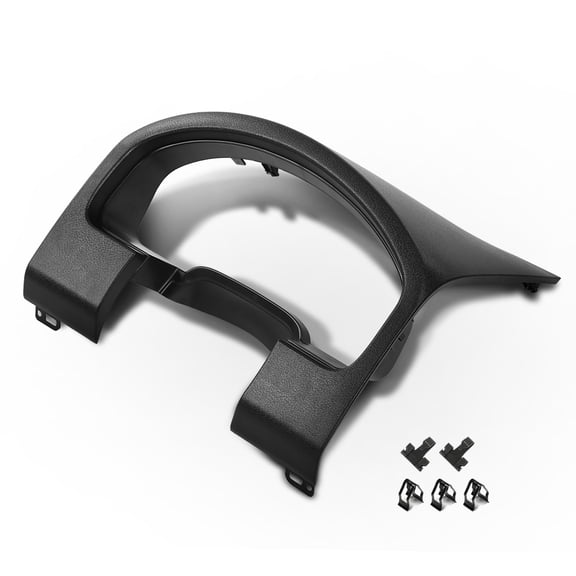
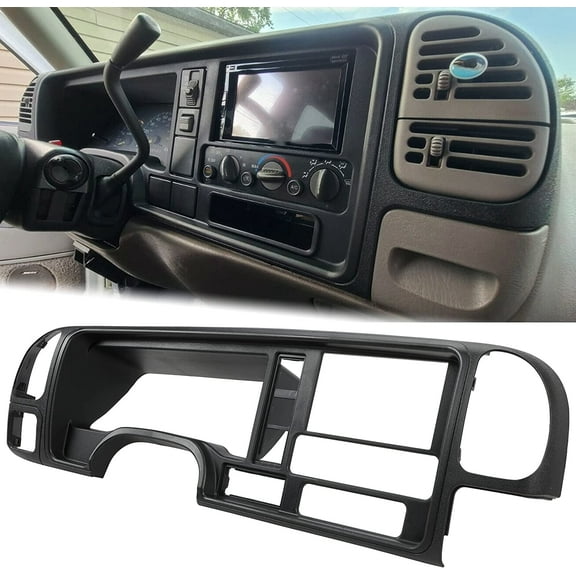
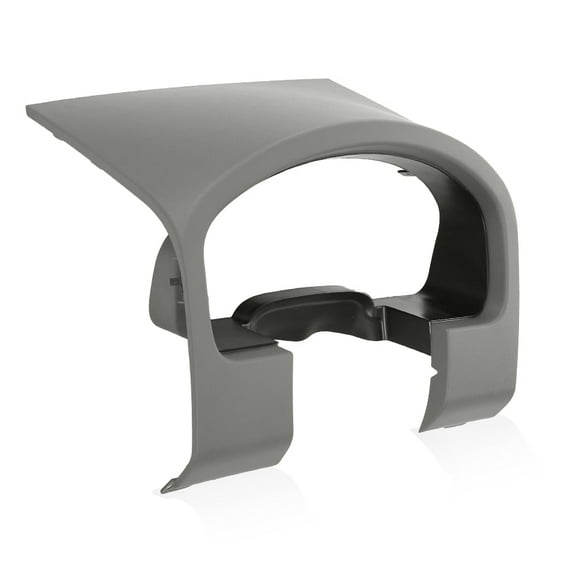
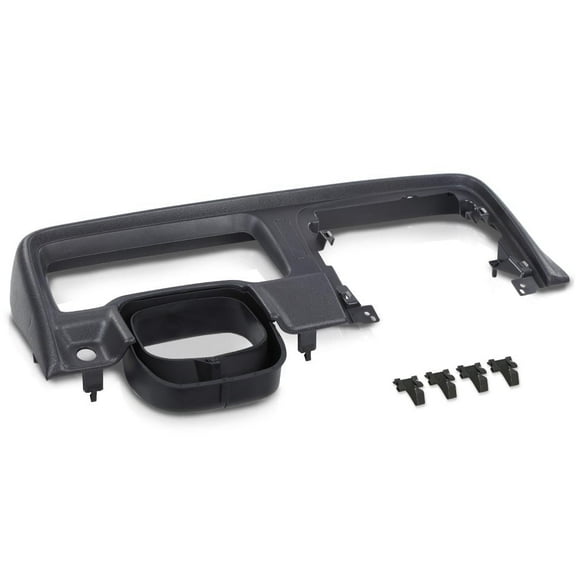
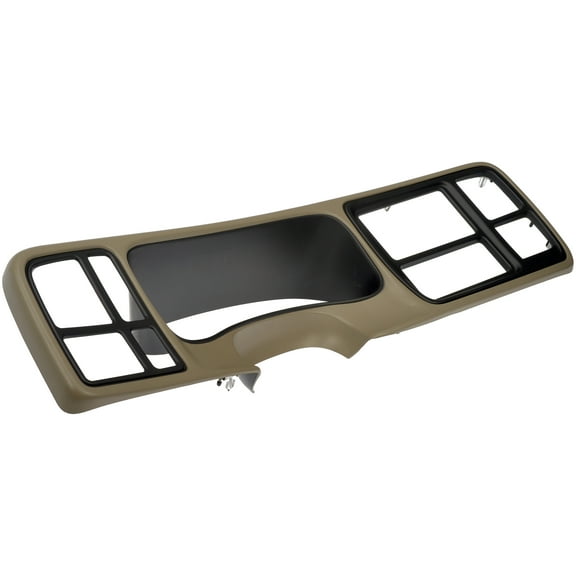
If your trim feels loose at the edges, you may need car dash trim clips instead of a full panel. If your gauge surround looks cracked or incomplete, you may need an instrument panel trim bezel.
- You can use clips when your dash trim needs small snap-in attachment points.
- You can use retainers when your panel needs firmer holding power behind the surface.
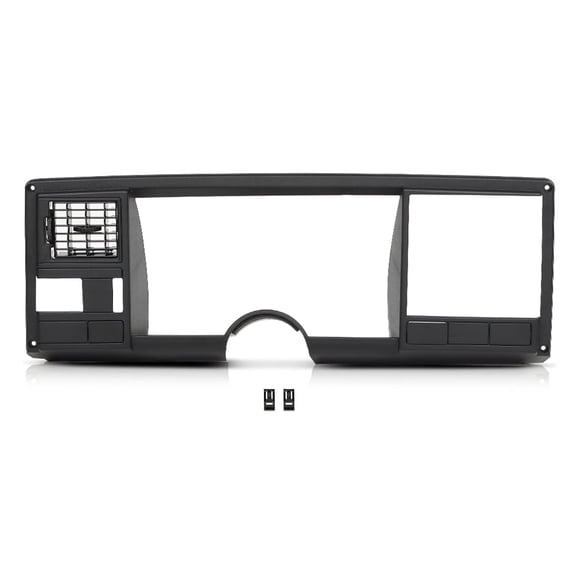
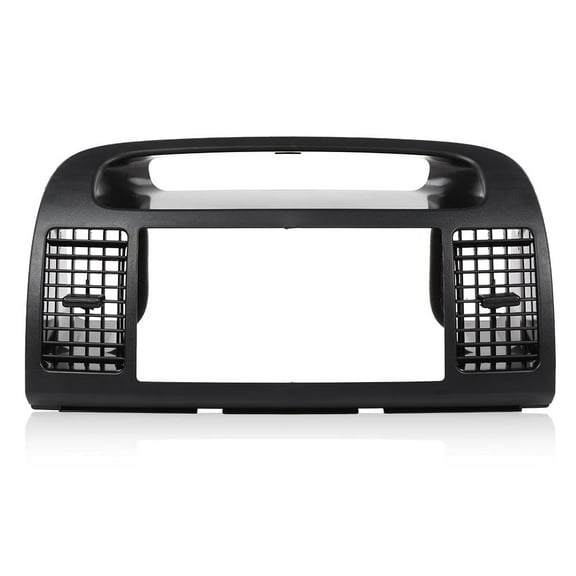
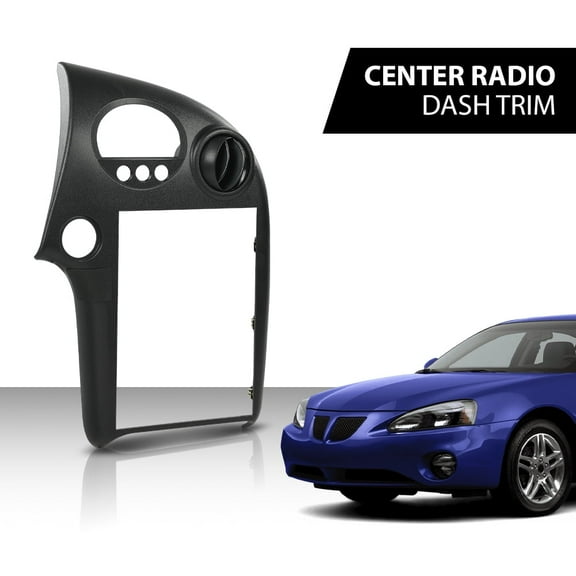
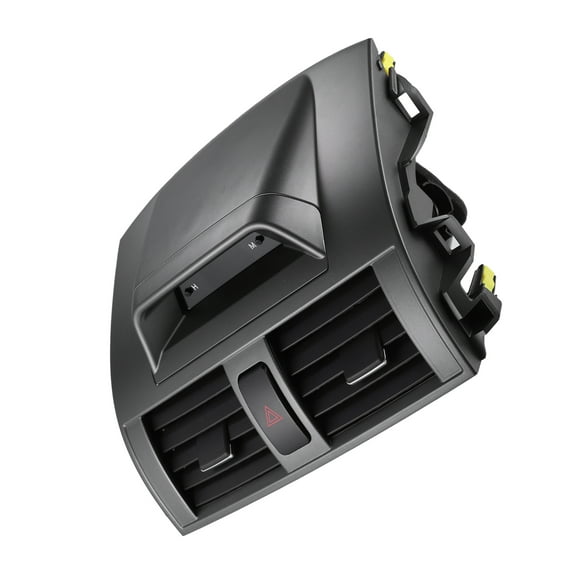
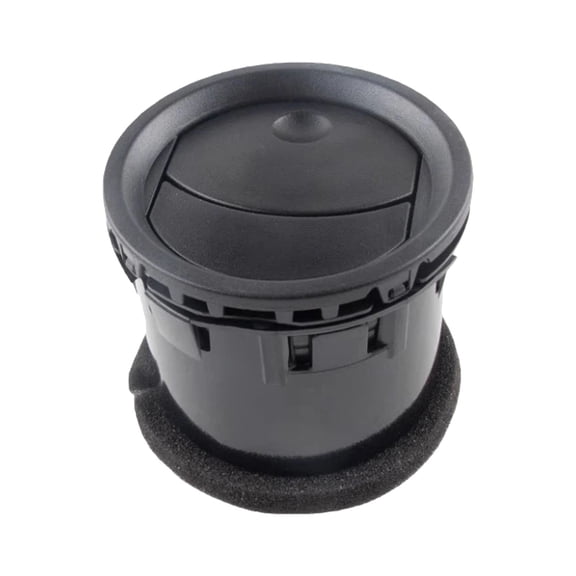
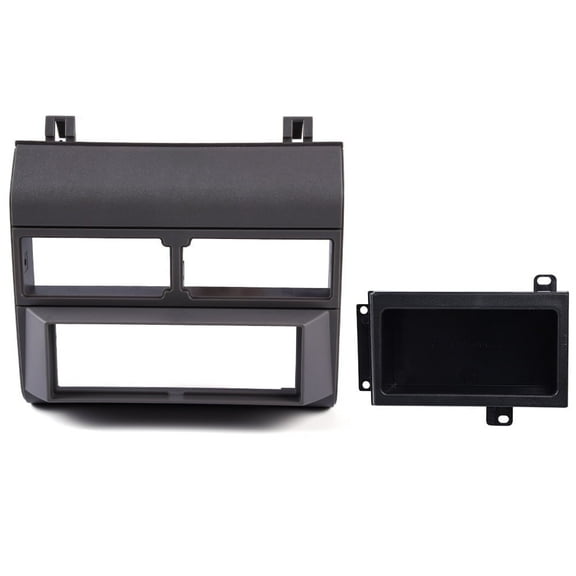
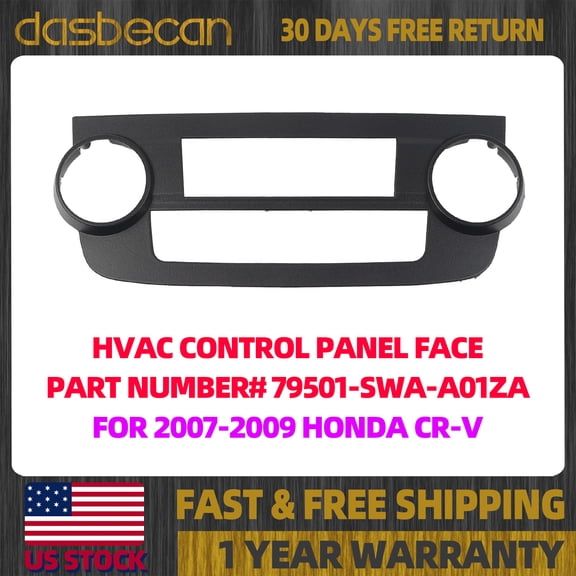
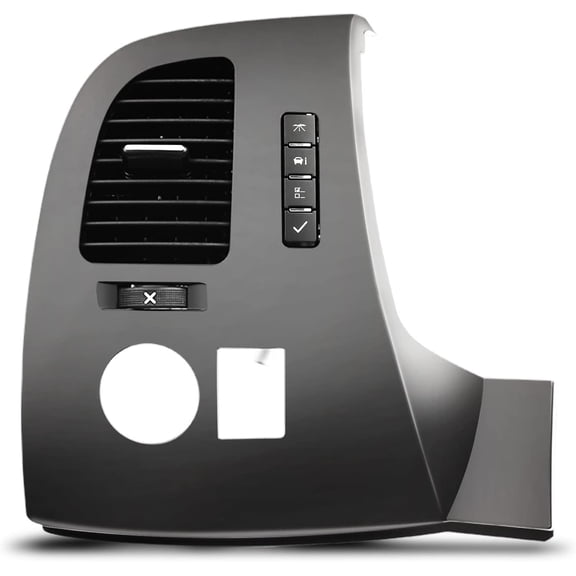
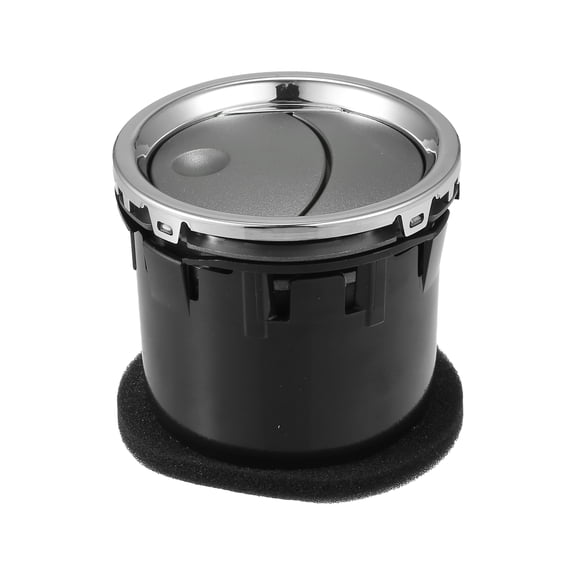
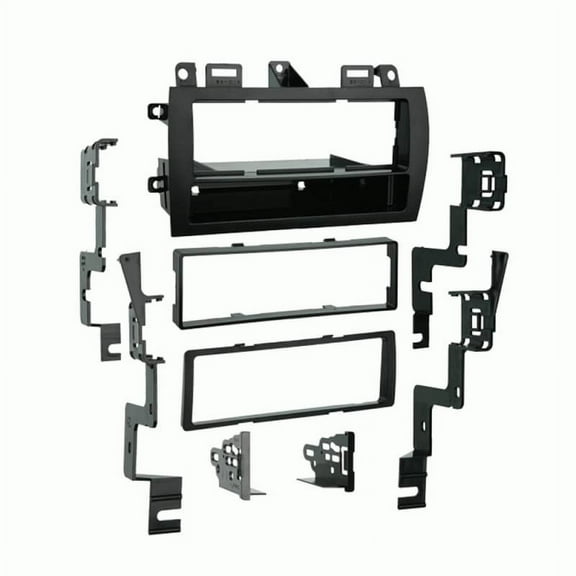
- You can use bezels when your radio, vents, or gauges need a finished outer frame.
- You can use screws when your assembly mounts through fixed holes instead of snap tabs.
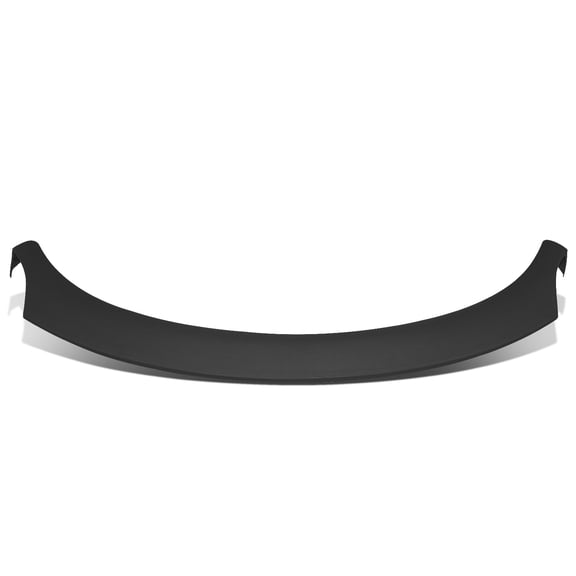
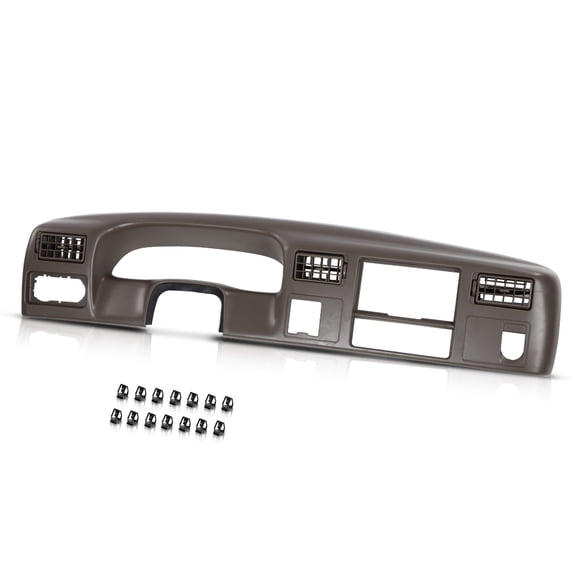
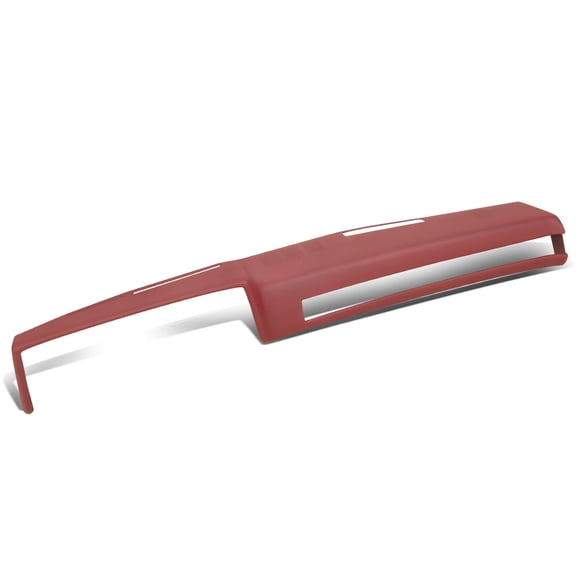
- You can use trim panels when a visible section needs broader coverage across the dashboard.
You can avoid ordering the wrong part by checking where the piece sits and how it attaches. You should also compare the old part’s shape, tab count, and opening size.
What to look for in interior trim fasteners and materials
You should compare material choices because dashboard heat and sunlight can affect how parts hold their shape. You’ll often see interior trim fasteners in nylon, ABS plastic, or metal for different uses.
Nylon can work well when you need flexible clips that snap in without cracking easily. ABS plastic can suit visible trim pieces when you want a clean surface and molded detail.
Metal hardware can help when your mounting point needs extra rigidity or threaded fastening. Carbon fiber style trim pieces can suit appearance updates when you want a sport-inspired dashboard look.
You should also look for material notes that mention heat and UV exposure in everyday driving conditions. Those details can help you choose parts that keep their fit and finish longer.
Comparing installation methods for dashboard hardware replacement
You’ll want to check the installation method before you begin, because some parts press in while others need tools. Dashboard hardware replacement parts may use snap-in tabs, screw-on mounting, or adhesive tape backing.
Snap-in parts can make quick repairs easier when your original clip locations remain intact. Screw-on parts can help when your panel uses fixed mounting points around radios, gauges, or lower dash sections.
Adhesive tape trim can work for accent pieces and surface overlays on select dashboard areas. You should clean the mounting area and align edges carefully before pressing the piece into place.
You may also need trim removal tools if you’re replacing hidden clips behind panels or bezels. Those tools can help you lift edges cleanly and reach fasteners without forcing tight interior pieces.
Matching dash hardware trim to common repair situations
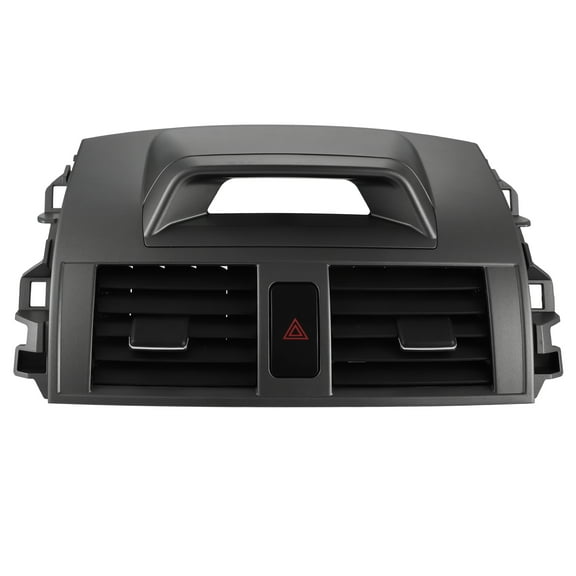
You can use dash hardware trim for daily driver repairs, restoration work, or interior upgrades after stereo installation. You’ll often need replacement parts when a panel loosens, a vent surround cracks, or a clip goes missing.
If you’re fixing a work truck interior, you may prefer nylon clips or metal screws for repeated use. If you’re refreshing a commuter car cabin, you may focus on bezels and trim panels that restore a neat finish.
You can choose universal clips for glove box trim, console edges, or simple dashboard attachment points. You should choose model-specific parts when your screen bezel, instrument panel trim, or vent frame needs exact alignment.
When you’re replacing a single broken piece, you can match color, texture, and mounting style for a cleaner result. When you’re updating several sections, you can coordinate panels, bezels, and fasteners across the dash.
You’ll get a more complete repair when you compare fitment, material, component type, and installation method together. That approach helps your dashboard look properly assembled and stay securely in place.