

Temperature Data Loggers in Stock





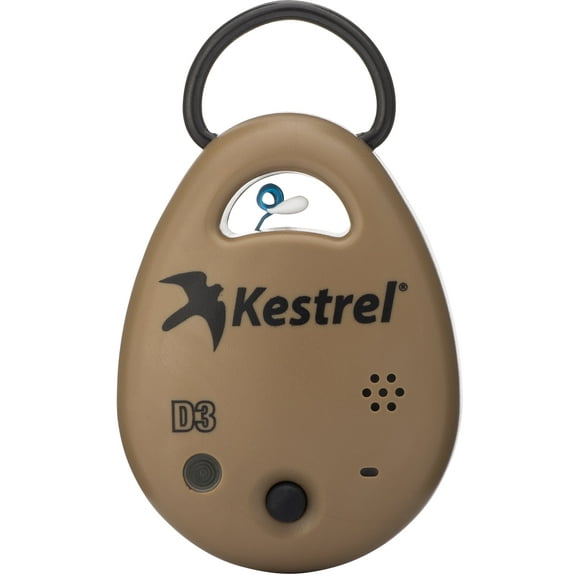
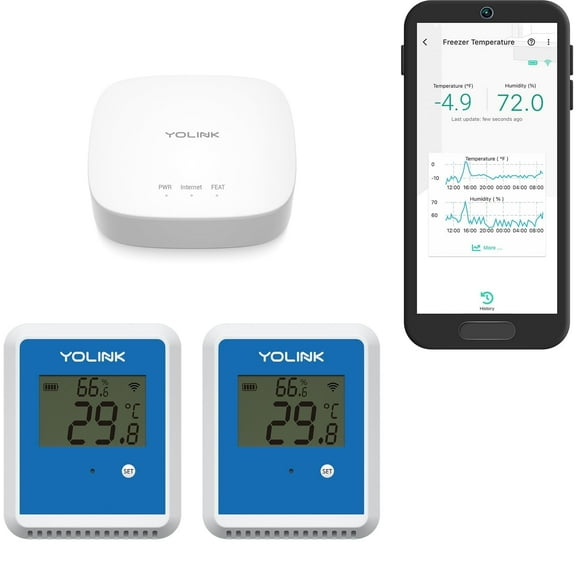
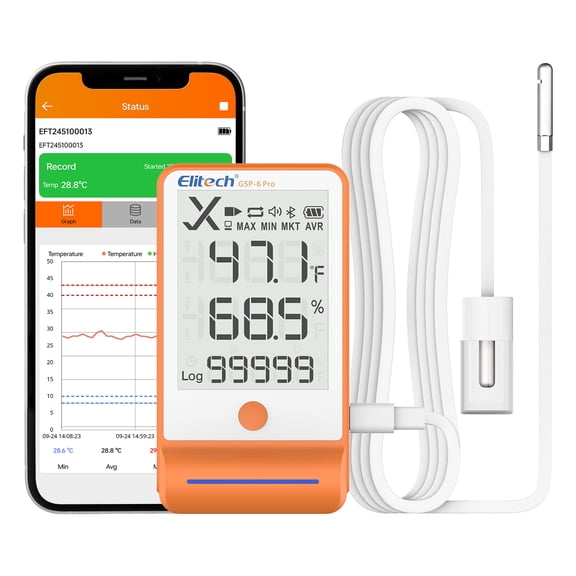
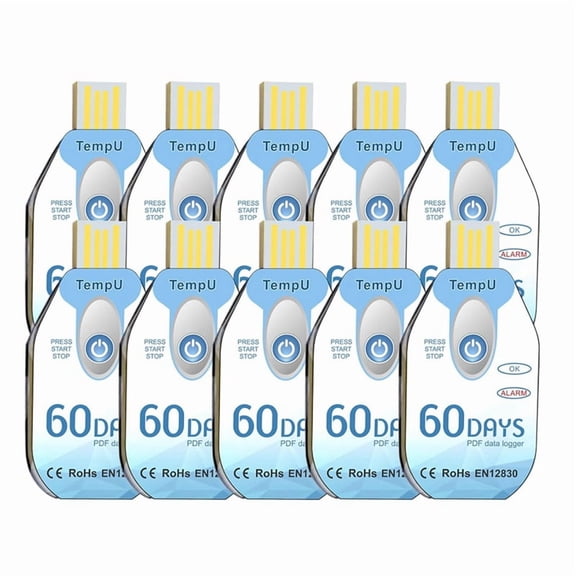










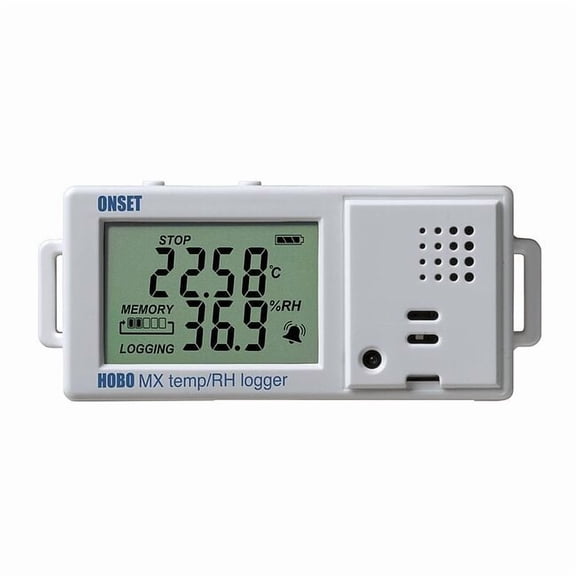
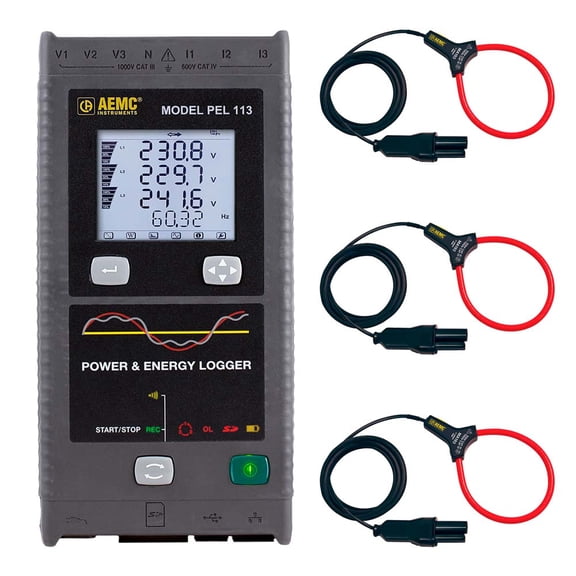

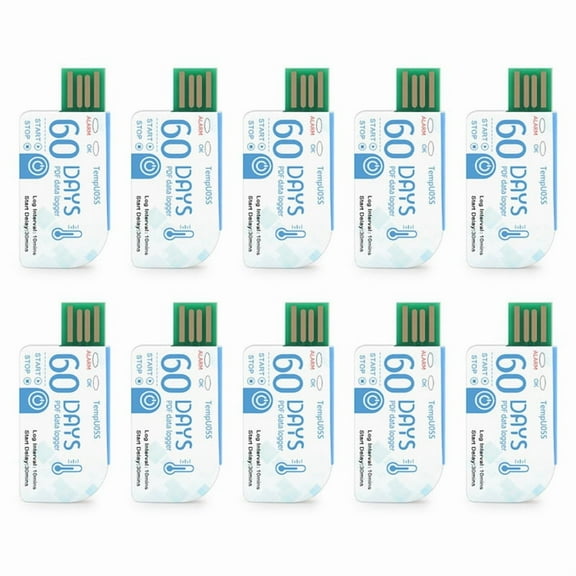


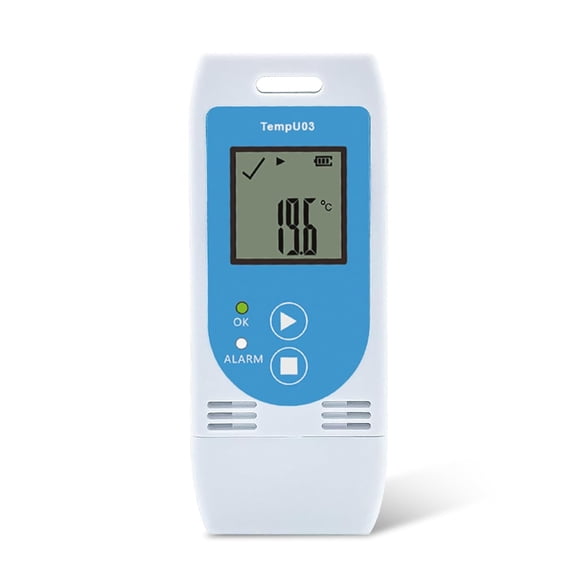
About Temperature Data Loggers in Stock - Walmart.com
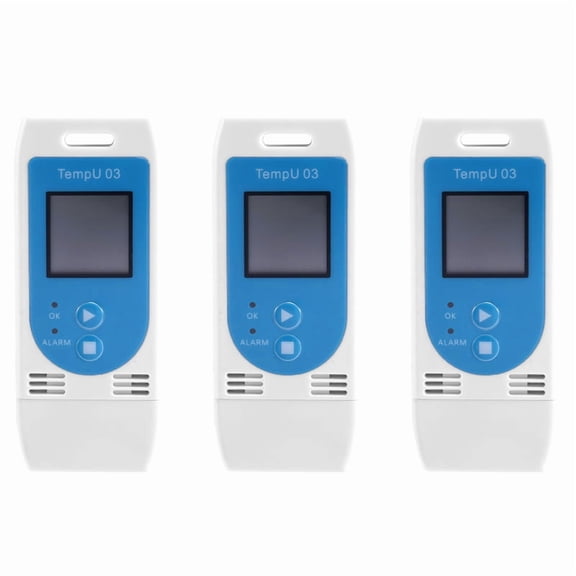
Your temperature data logger choices can support shipping visibility, storage checks, and documented temp recording across industrial and scientific workflows. You can compare disposable and reusable formats, sensor styles, and data access methods that fit transit lanes, labs, and food handling routines.
How to choose a temperature data logger
When you compare data loggers, you should start with how often you'll use each unit and how you'll retrieve records. You can narrow options faster when your workflow requires a single trip, repeated use, or a specific export format.
If you manage outbound freight, you may want a logger that travels inside cartons and documents each shipment clearly. If you monitor stored inventory, you may prefer a unit you can redeploy across freezers, coolers, incubators, or controlled rooms.
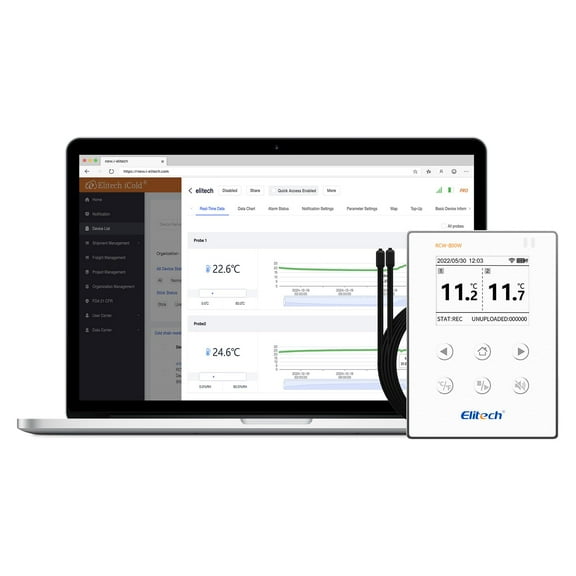
You should also check whether your team needs a simple PDF report, a wireless app view, or a cellular dashboard. You can avoid extra handling when your retrieval method matches your receiving process and documentation steps.
Choosing disposable vs. reusable data loggers
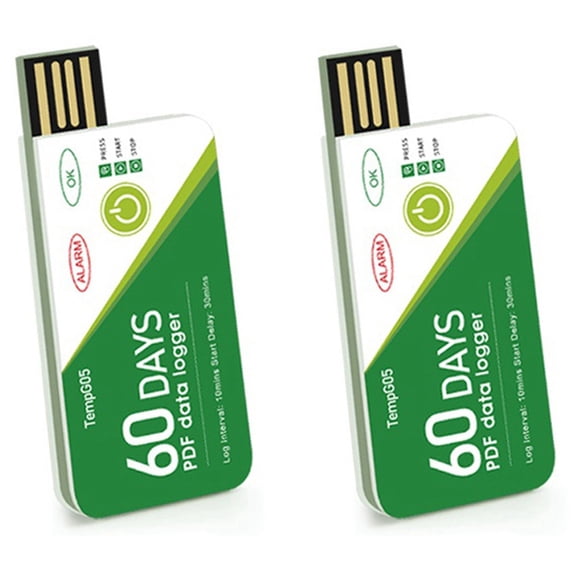
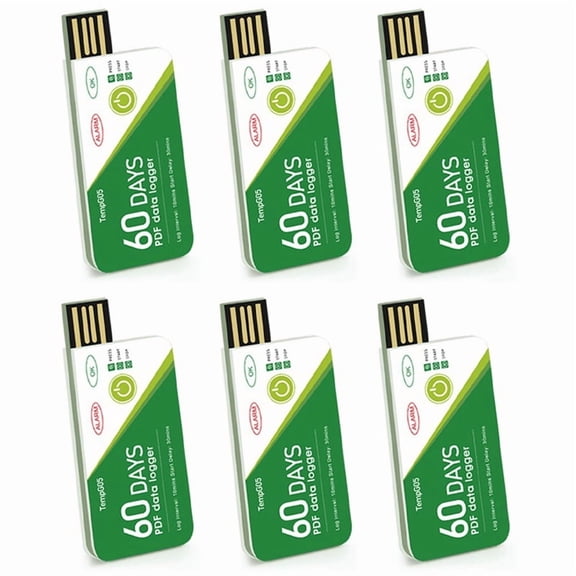
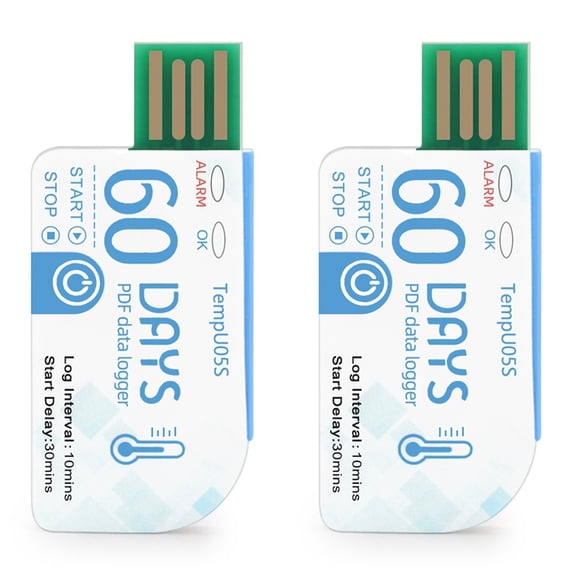
You can often separate options by device reusability before you compare any other specification. You may choose a disposable data logger for one-way shipments, returns avoidance, and straightforward receiving documentation.
A single-use unit can work well when you send products through long transit routes or third-party carriers. You can hand off the shipment without planning unit recovery, charging cycles, or redeployment logistics.
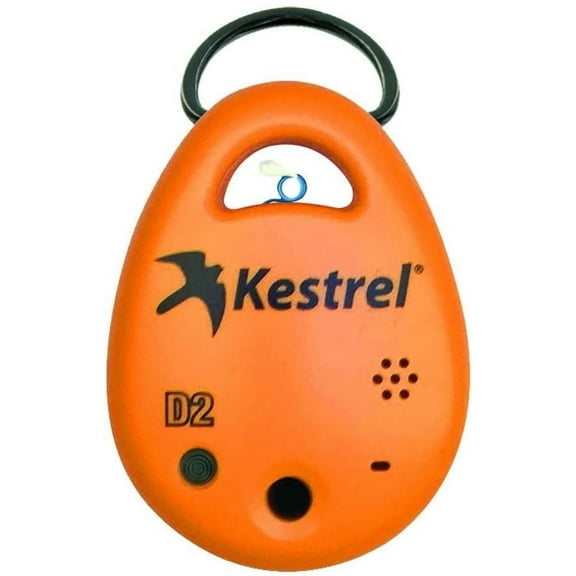
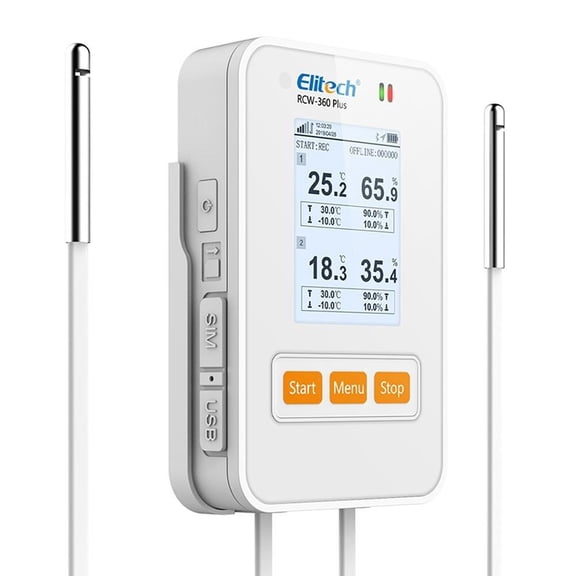
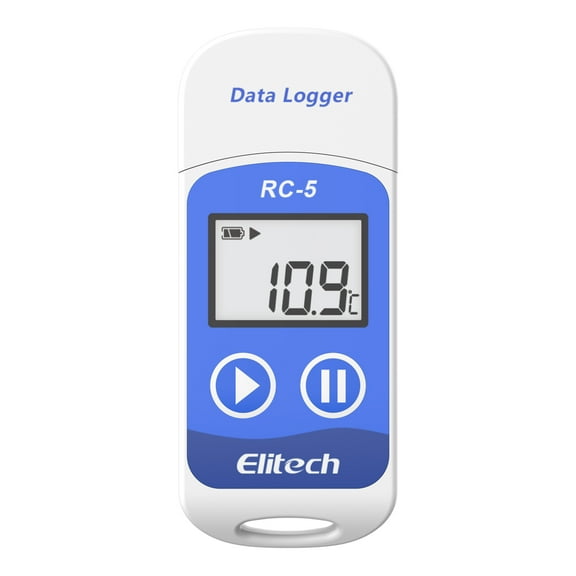
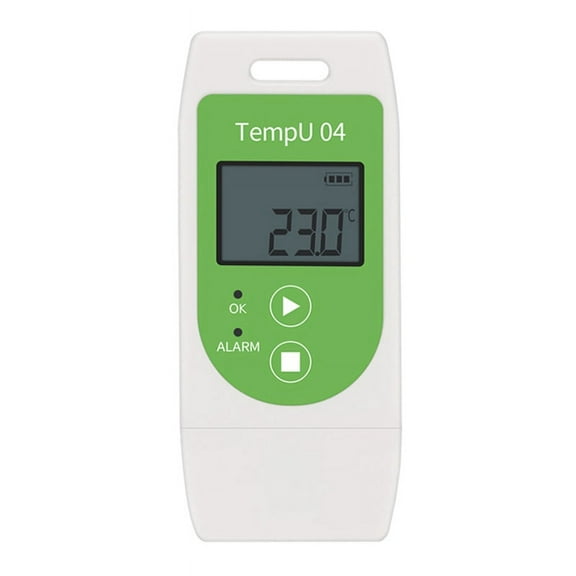
You may prefer a reusable temperature data logger when you run repeat lanes, routine audits, or facility checks. You can spread one device across many trips when your team retrieves the unit and downloads each trip report.
- You can simplify one-way shipping with disposable temperature recorders for shipping.
- You can support recurring routes with reusable devices and repeat data collection.
- You can match unit recovery needs to your receiving and returns process.
- You can choose formats that align with short trips or long monitoring windows.
You should also compare battery life and report generation when you review single-use and multi-use models. You can reduce manual steps when a unit creates a PDF report automatically after the trip ends.
Comparing temperature recorders for shipping and storage
You can choose temperature recorders for shipping based on route length, packaging setup, and the records your receiver expects. You should look for formats that fit cartons, insulated containers, pallets, or parcel shipments without slowing packing lines.
For cold chain logistics, you may need a compact unit that travels with pharmaceuticals, perishables, or specialty ingredients. You can document transit conditions from departure through delivery with a clear timestamped history.
In laboratory storage, you may need ongoing monitoring for refrigerators, freezers, and controlled chambers. You can compare logging intervals, memory capacity, and alarm visibility based on how often your team reviews records.
For food safety workflows, you may want clear temp recording during receiving, staging, storage, and transport. You can track conditions across handoffs and keep organized records for internal quality programs.
What to look for in sensor type and accuracy
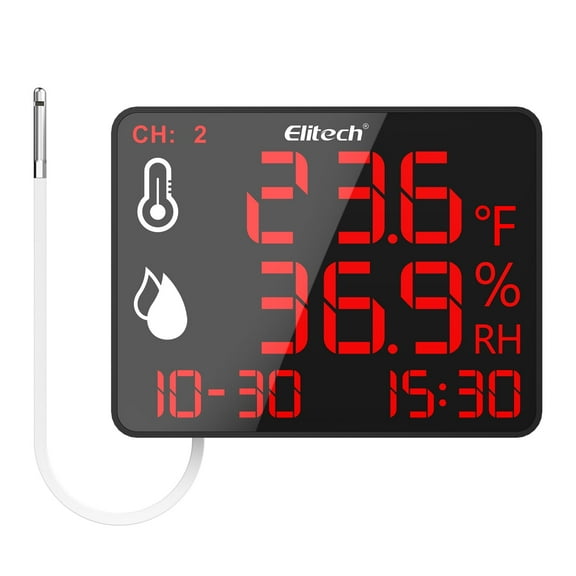
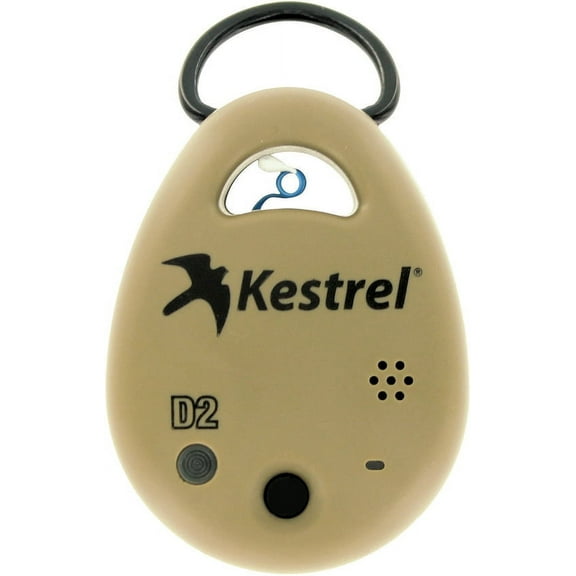
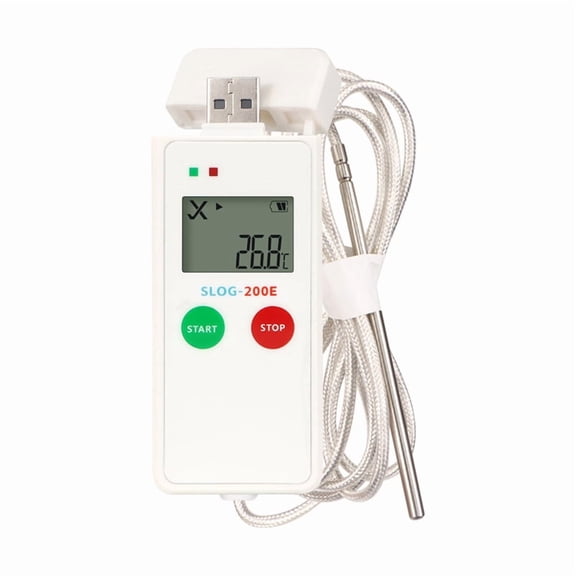
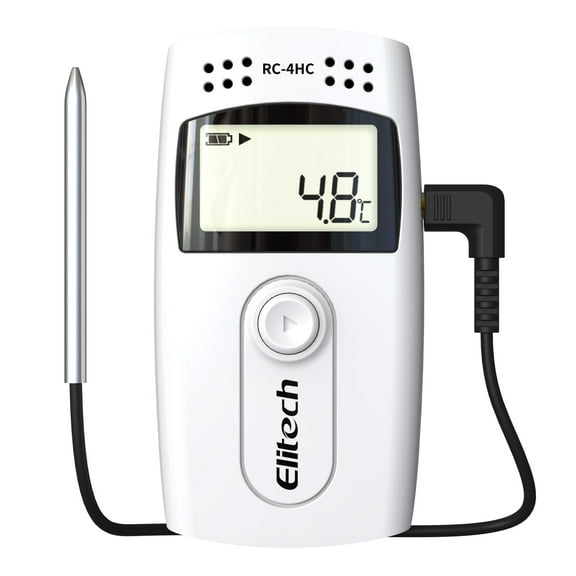
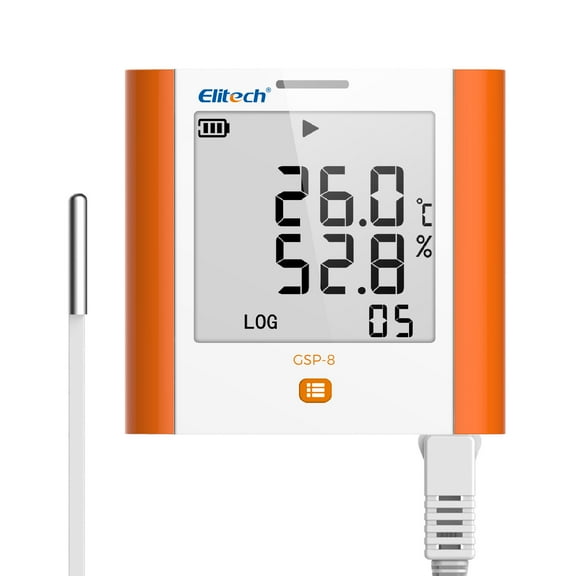
You should compare internal sensor, external probe, and thermocouple designs based on where you need the reading captured. You can use an internal sensor for compact in-box monitoring and general ambient tracking.
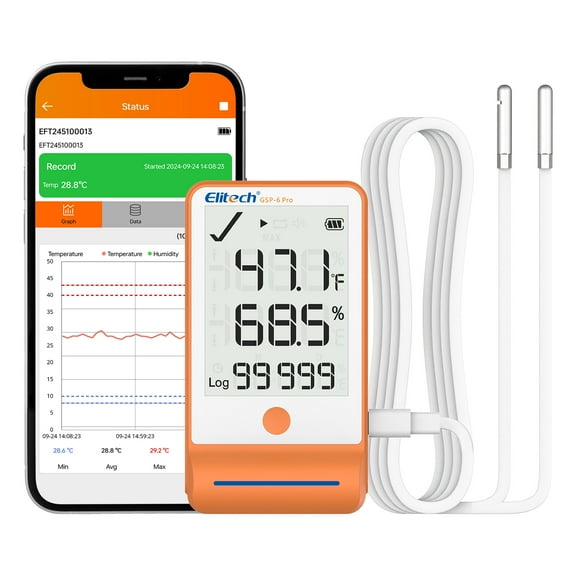
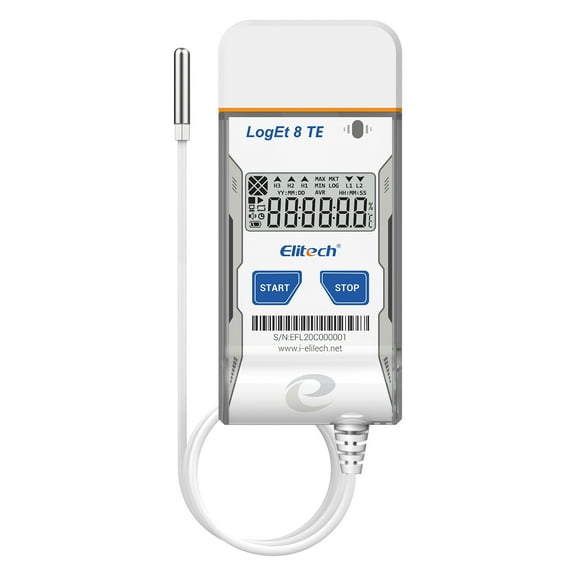
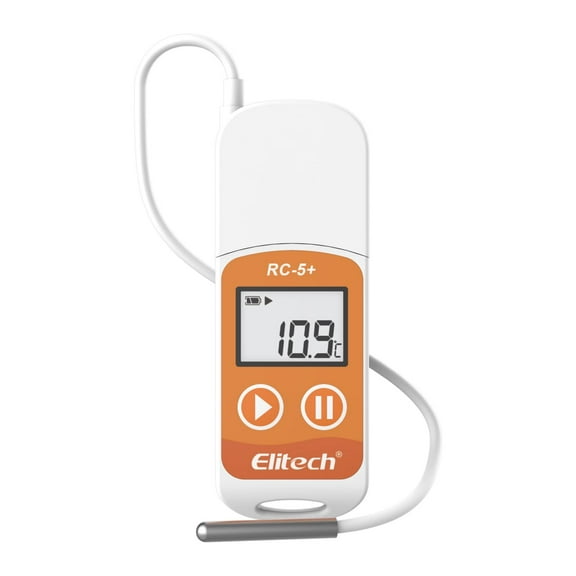
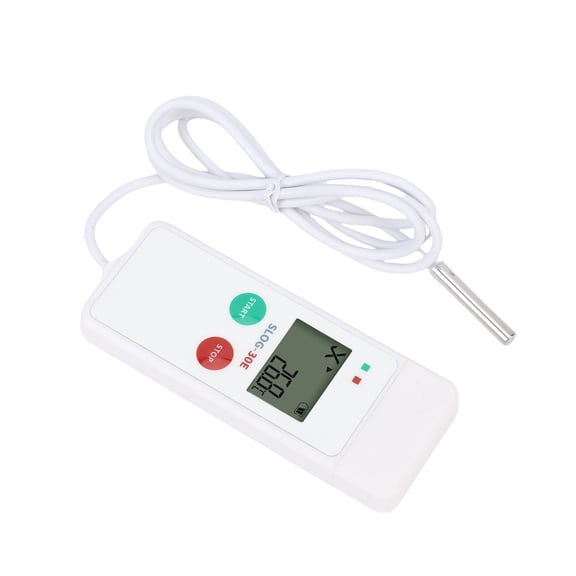
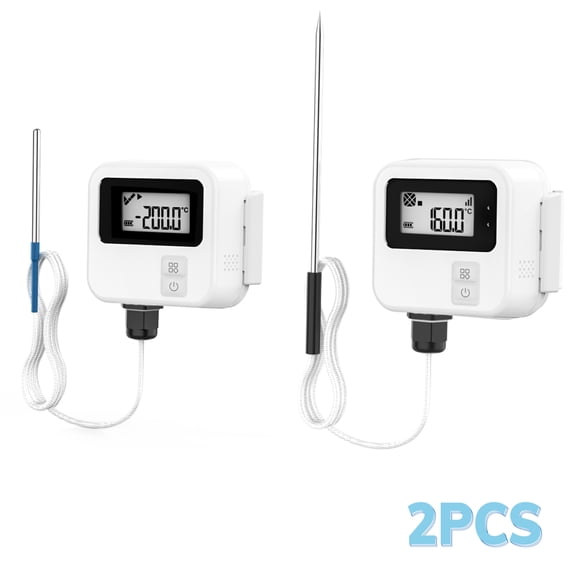
An external probe can help you place the sensing point inside a cooler, vial area, or insulated container opening. You can separate the display or logger body from the measured location when space is tight.
A thermocouple setup may suit wider ranges or specialized industrial checks where application conditions vary. You should confirm the accepted range, response style, and connector format before standardizing across teams.
You can also review sensor accuracy in plain terms, because small differences matter during transit documentation. You may look for stated accuracy such as plus or minus 0.5 degrees Celsius when your process requires tighter records.
If your procedures call for calibration documents, you should check whether NIST calibration information is available. You can align purchasing with internal documentation standards and customer record requests.
Checking data access and compliance details
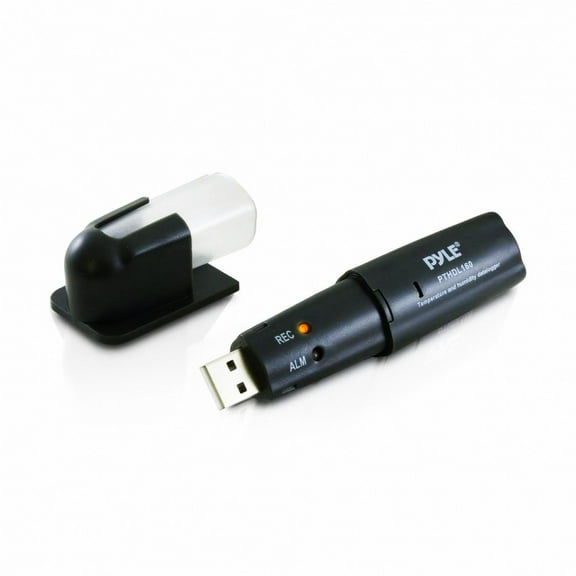
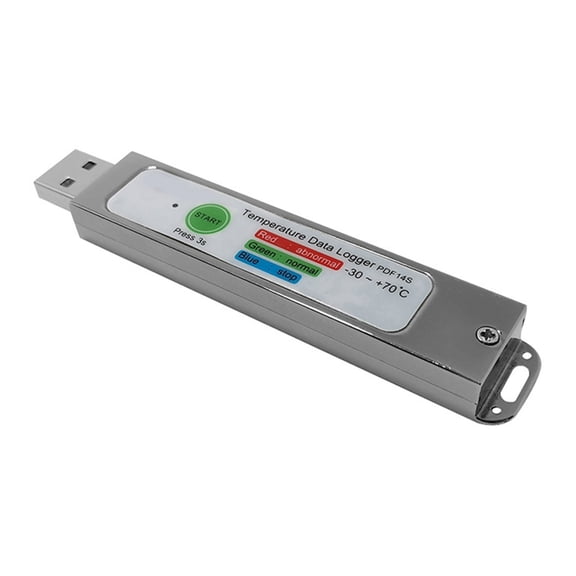
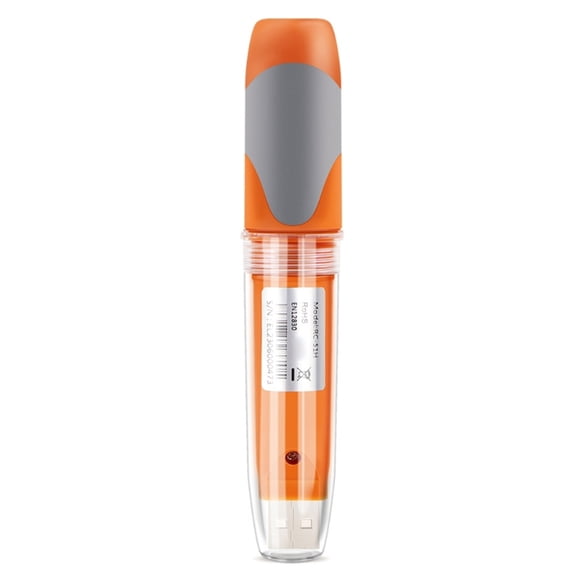
You can save time at receiving when your data access method matches your team's tools and reporting habits. You may choose plug-and-play USB access when you want quick downloads without extra docks or apps.
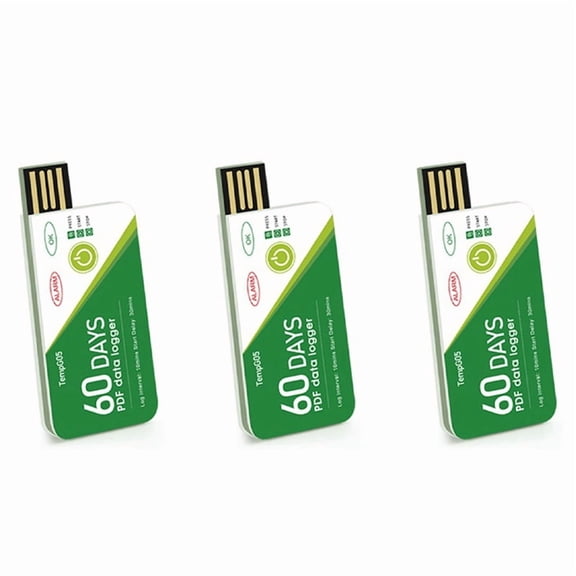
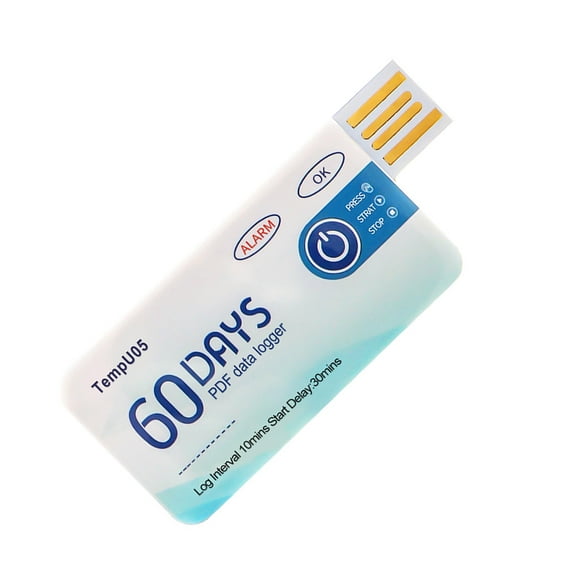
A USB PDF report can help you share a trip summary quickly with operations, quality, or customers. You can connect the unit, open the file, and attach the record to shipment documentation.
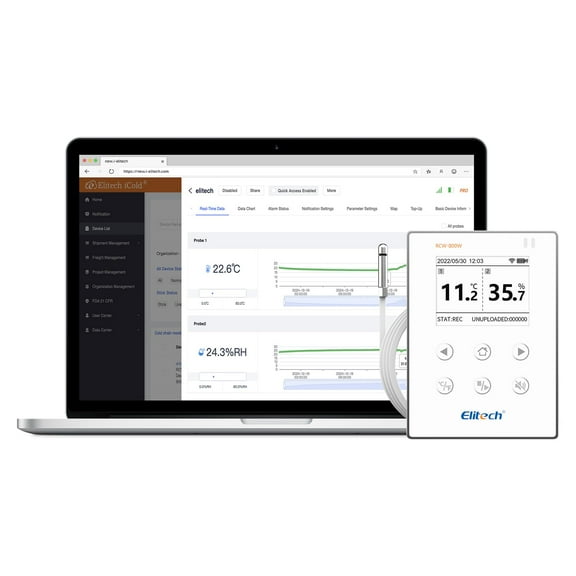
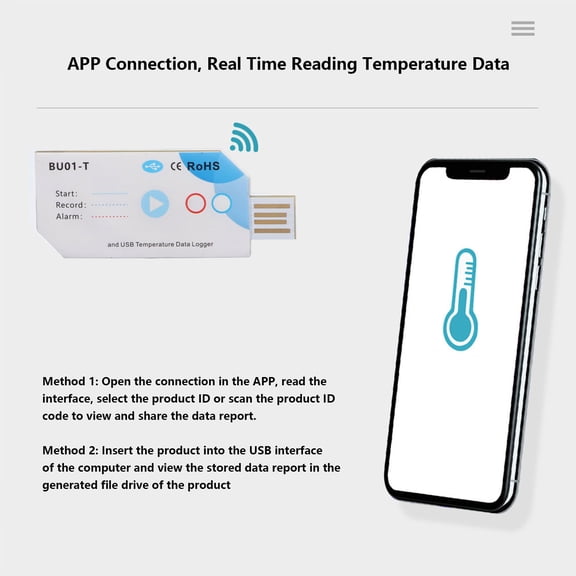
If your team monitors loads during transit, you may prefer Bluetooth wireless or cellular real-time access. You can review readings on the move and compare trends before freight reaches the destination.
You should also check whether compliance details fit your regulated environment and recordkeeping approach. You may look for references to FDA 21 CFR Part 11 or EN12830 when your workflow requires those standards.
Your decision can become simpler when you compare reusability, application, sensor type, and data access in one pass. You can choose a temperature data logger that fits shipping, storage, and reporting needs with clearer records and fewer handoff gaps.