

Deck Repair in DIY Projects & Ideas


















About Deck Repair in DIY Projects & Ideas - Walmart.com
Deck repair products help you restore worn boards, refill cracks, and reseal exposed surfaces before your outdoor space looks patchy. You can compare fillers, sealants, brackets, and screws by material match, application method, and dry time.
How to choose deck repair products
When you plan deck repair, you should start with the exact issue on your surface. You may need a deck wood filler for gouges, a deck sealant for exposed grain, or repair brackets for loose framing connections.
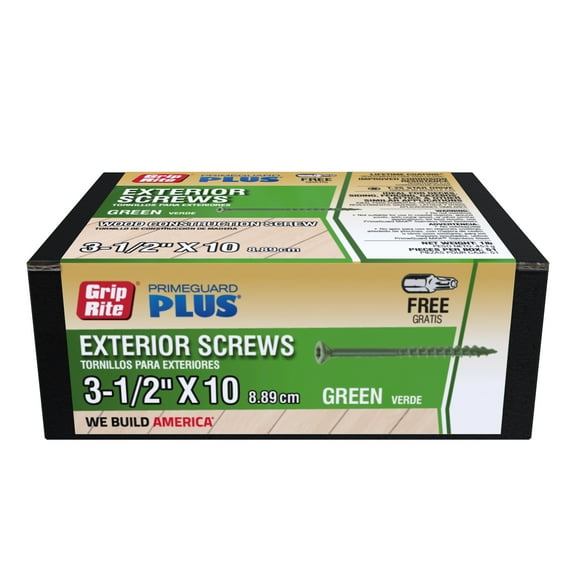
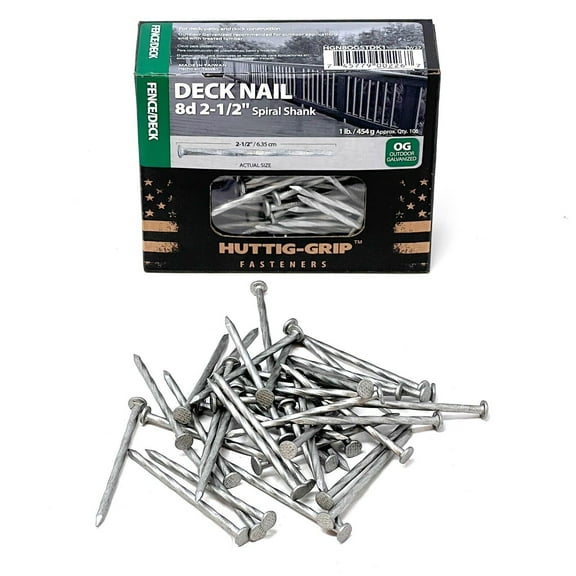
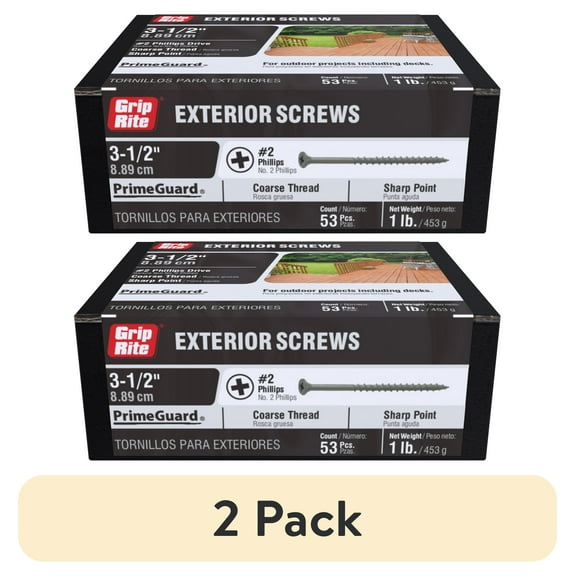
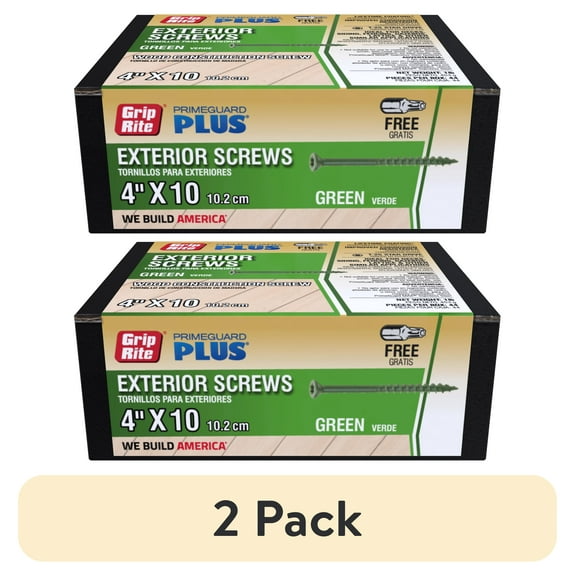
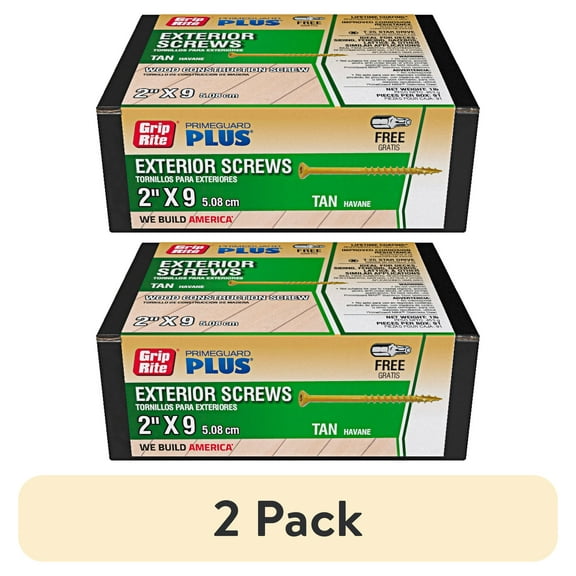
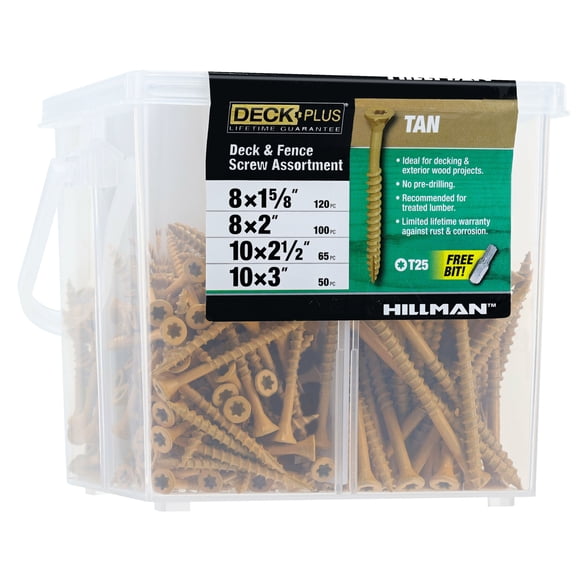
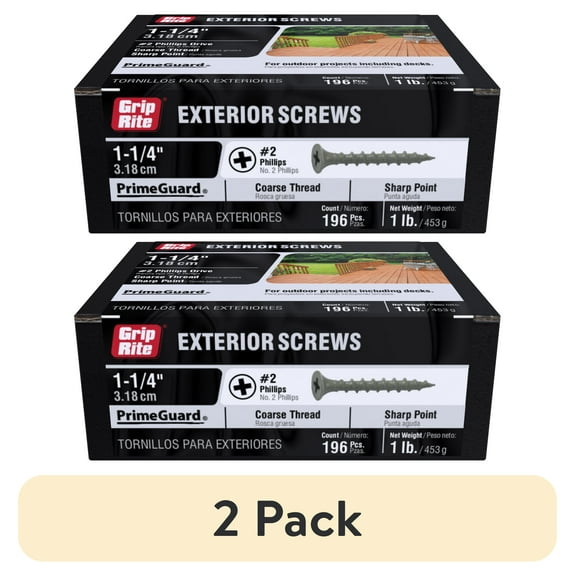
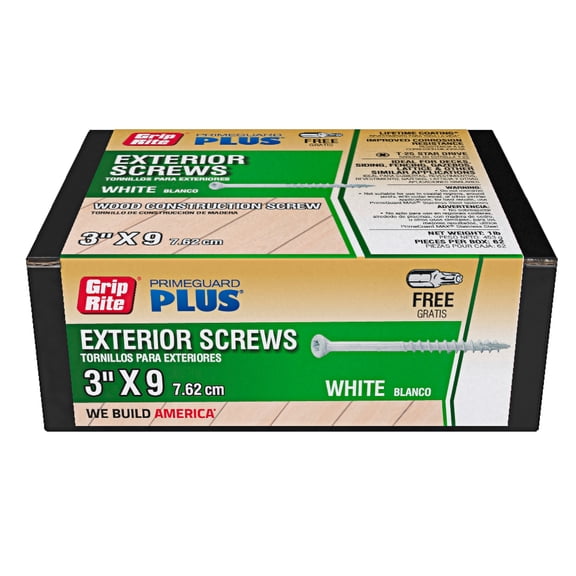
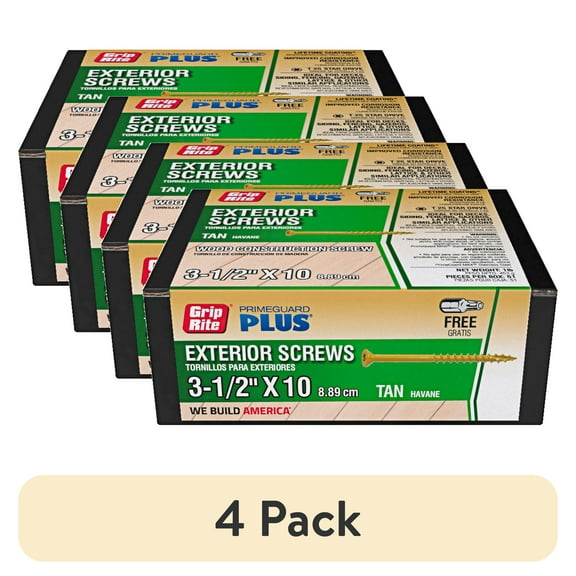
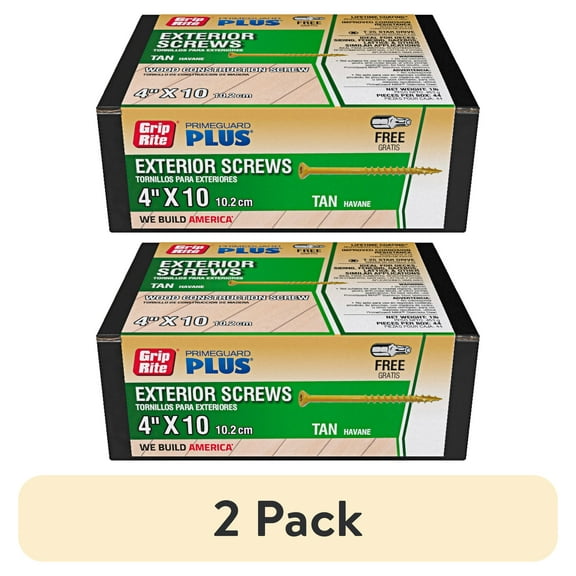
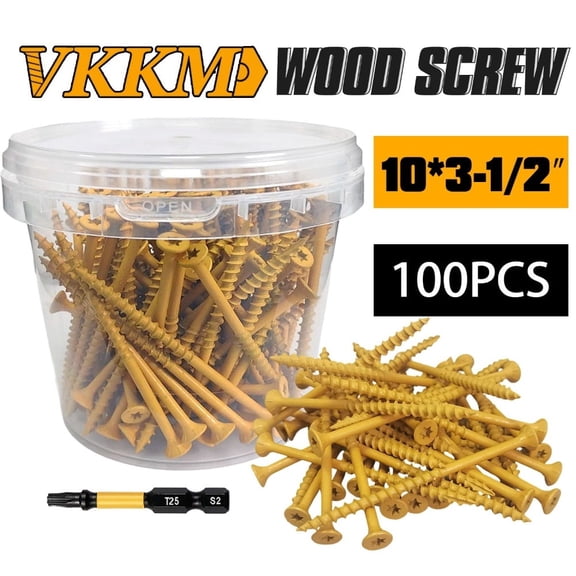
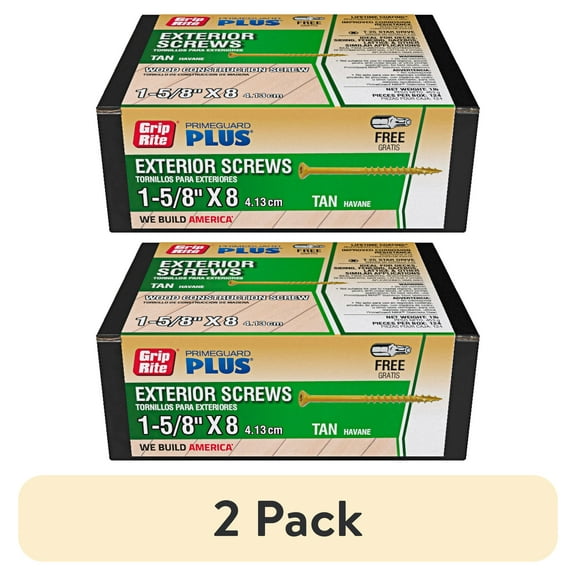
If your boards feel solid but show splits, you can focus on patching and sealing. If your fasteners have loosened, you should compare exterior screws and structural brackets made for outdoor use.
You can narrow your options faster by checking these common repair goals first. Your choice should match the board material, the repair depth, and the finish you want afterward.
- You can use wood filler to smooth cracks, holes, and chipped corners before staining or painting.
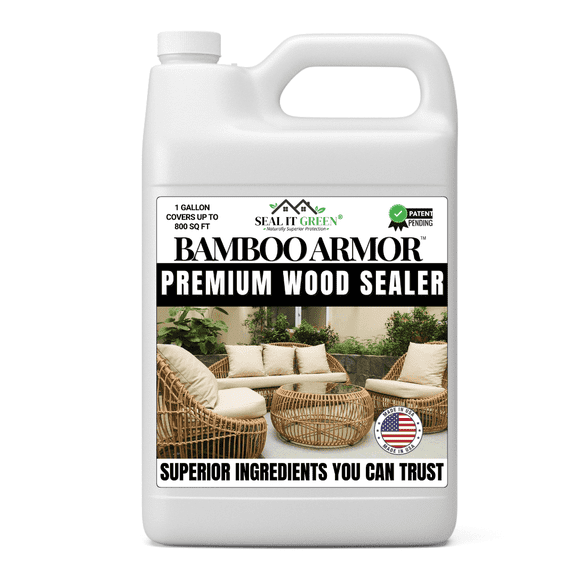
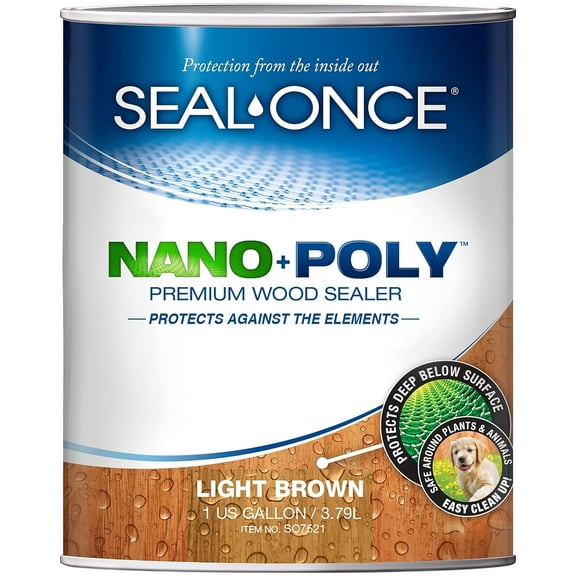
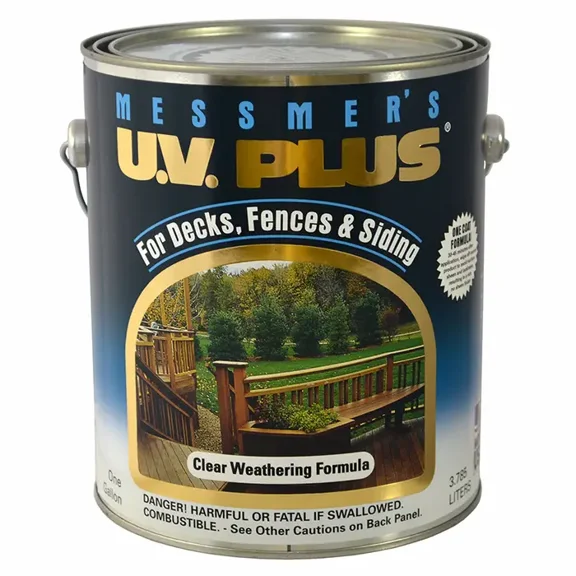
- You can use deck sealant to coat repaired spots and help moisture stay out of exposed wood fibers.
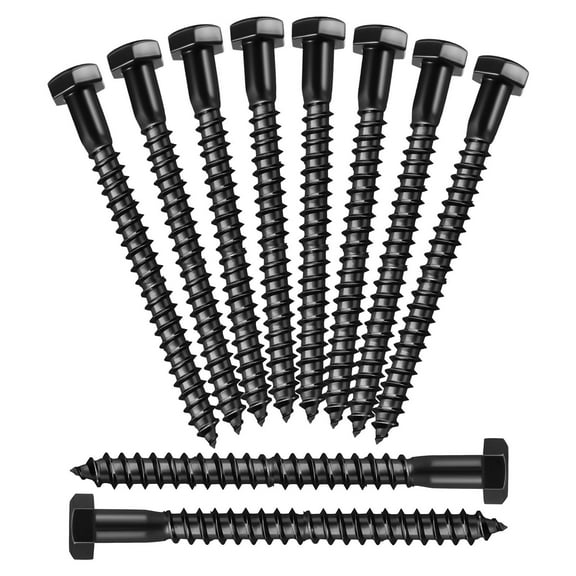
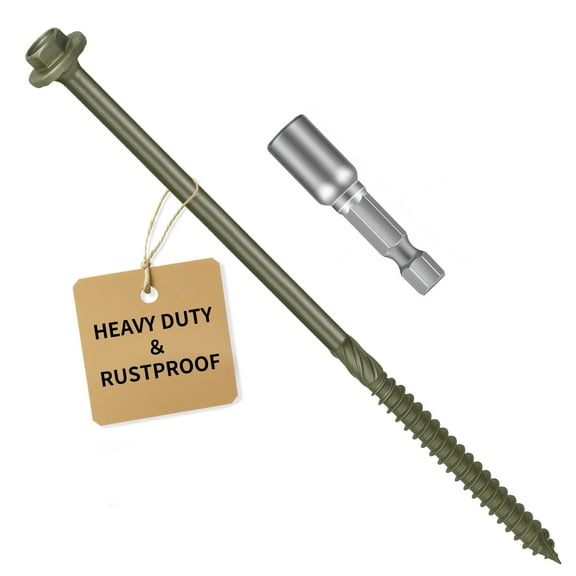
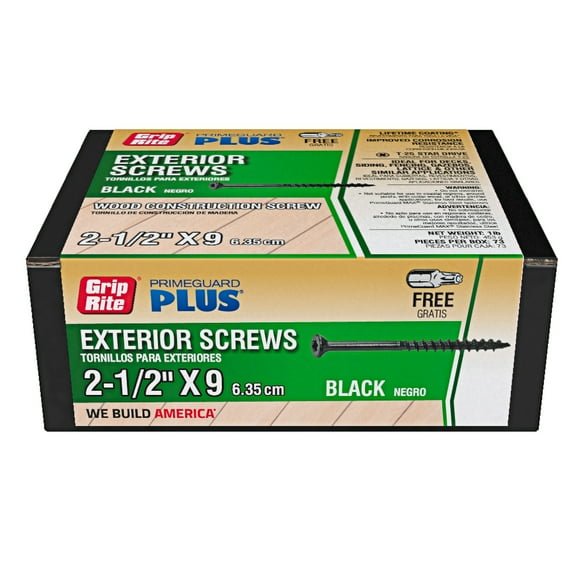
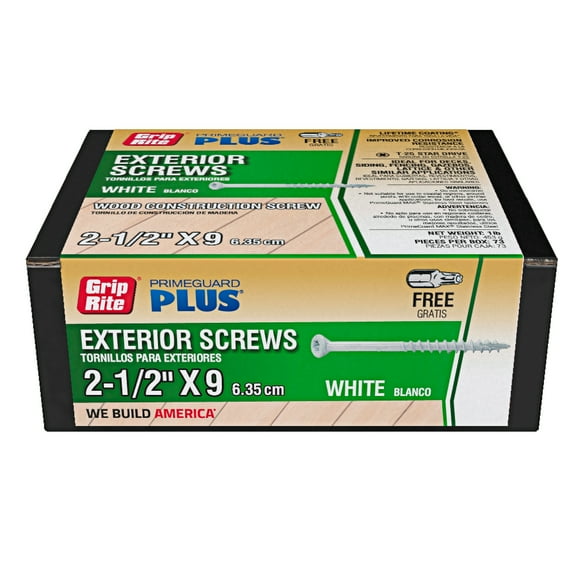
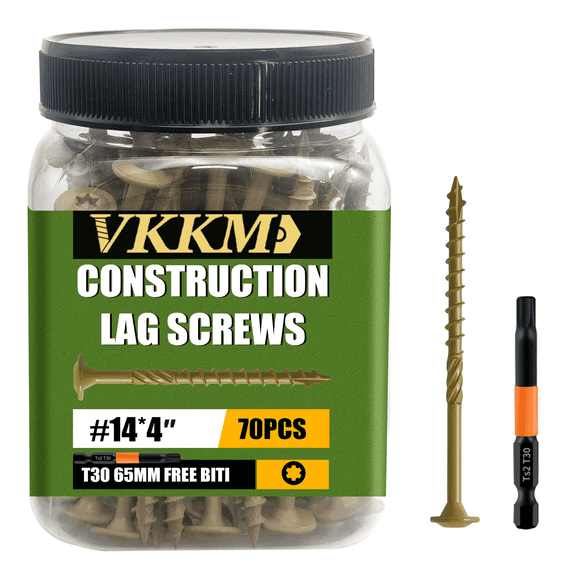
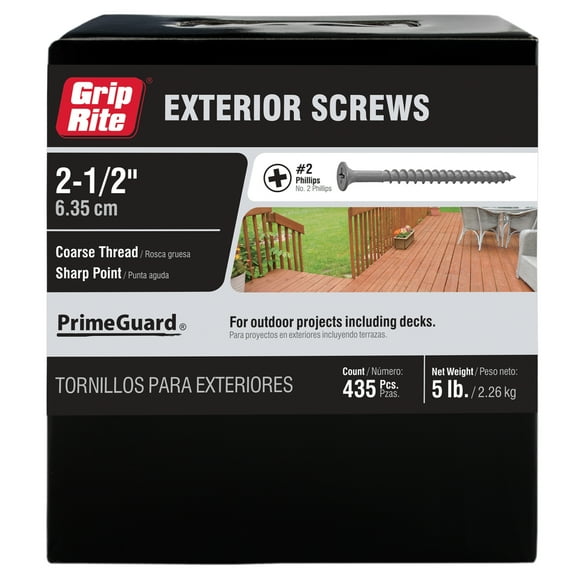
- You can use repair brackets and screws when your deck needs stronger support at joints or rails.
- You can use a deck repair kit when you want patching tools and repair compounds in one package.
Choosing the right deck wood filler and deck sealant
You should compare product type first because each one solves a different deck surface problem. You may use a wood deck patch for dents and gaps, while you use sealant for seams and fresh repairs.
If you want a smoother finished look, you should check whether the filler is paintable or stainable. You can then blend repaired areas with surrounding boards instead of leaving a mismatched spot.
You should also compare the application method before you start. You may prefer a squeeze tube for small cracks, a caulk gun for long seams, or a brush-on formula for larger coated sections.
For quick touch-ups, you can choose fast-drying formulas that dry in under two hours. For larger repairs, you may prefer standard dry times or an overnight cure for a more complete finish.
Checking material compatibility for deck repair
You should always match your repair material to your deck surface before you begin. If your deck uses pressure-treated wood, cedar, or redwood, you can look for products labeled for those wood types.
If your deck uses composite boards, you should check the label closely for composite compatibility. You can't assume every filler or sealant bonds the same way across natural wood and composite surfaces.
Cedar and redwood often have a distinctive color and grain pattern, so you may care more about stainability. Pressure-treated boards often need practical patching and sealing support where fasteners, checks, or cut ends show wear.
You should also check whether your selected product is outdoor-rated or heavy-duty waterproof. That detail matters when your deck faces rain, splash zones, and direct sun through the season.
What to look for in application tools and dry times
You can make deck repair easier by matching the product to tools you already use. A putty knife helps you press filler into chips, while a brush helps you spread coating across repaired grain.
If you choose a caulk-gun formula, you can control long beads along seams or board edges. If you choose a spray option, you can cover wider spots quickly when the label supports that use.
You should compare dry time with your project schedule before opening the package. Fast-drying products can fit same-day touch-ups, while standard formulas often give you four to six hours before the next step.
When you plan to stain or paint repaired boards, you should check cure time as well as dry time. You may find that a surface feels dry first, but still needs longer before finishing.
Matching deck repair products to real projects
If you need to fix small nail holes, surface cracks, or chipped edges, you can start with a deck wood filler. You can sand the repaired area after curing, then stain or paint to match nearby boards.
When your deck shows open seams or exposed end cuts, you may need deck sealant instead. You can brush or gun it into place where water tends to sit around posts, stairs, and rail connections.
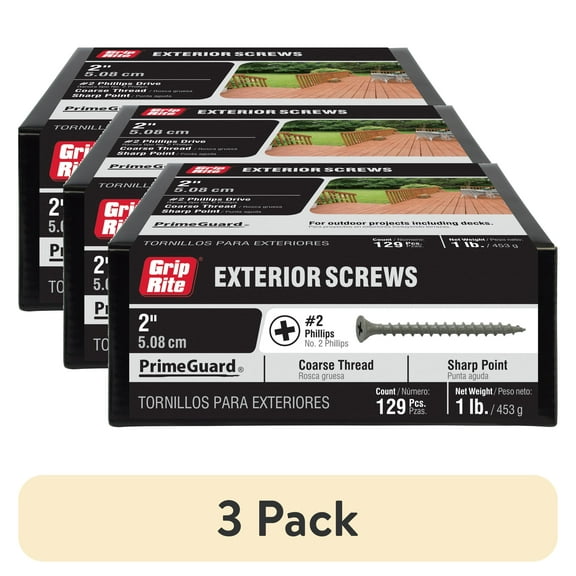
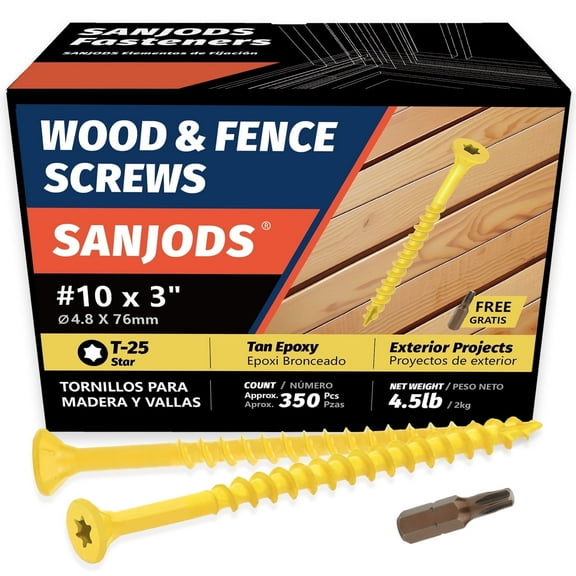
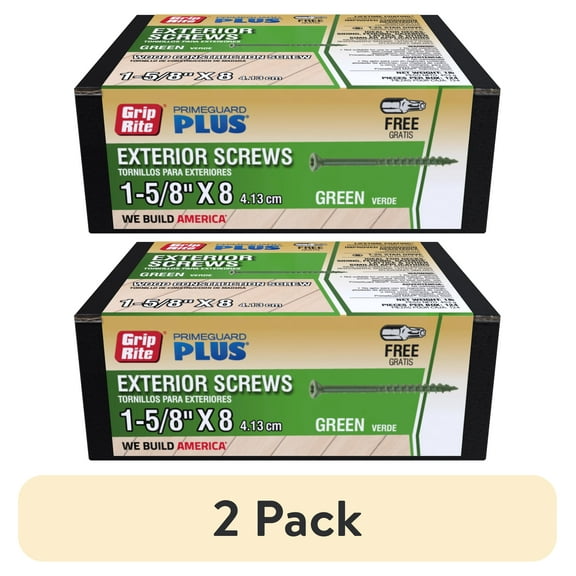
If a step tread or rail connection feels loose, you should look beyond surface patching. You can use exterior screws or repair brackets where your project needs a firmer mechanical hold.
For mixed repairs across one weekend project, you may prefer a deck repair kit. You can keep patch material, applicators, and sealing support together instead of piecing each step separately.
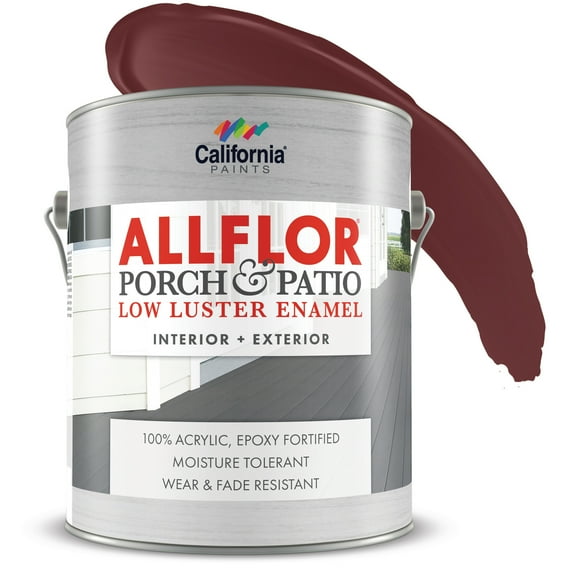
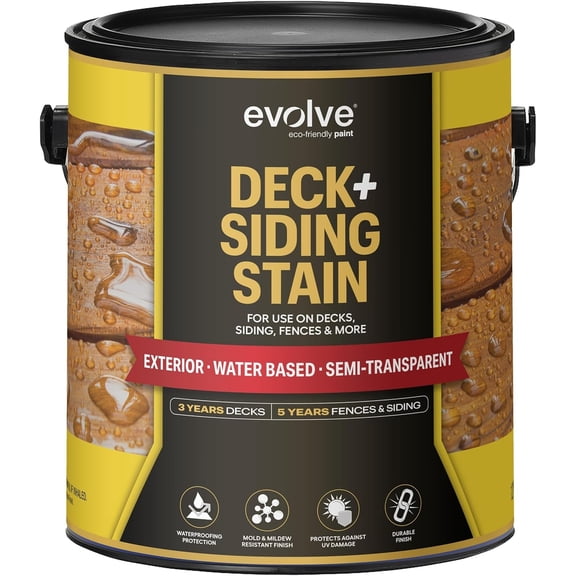
You may also compare deck stain when your repair blends into a larger refinishing job. You can patch worn boards first, then refresh color across the section for a more consistent finish.
If your project includes pressure-treated lumber, cedar, redwood, or composite, you should verify each product's compatibility before applying it. That simple check helps you choose materials that fit your deck surface and finishing plan.
With the right deck repair products, you can patch visible damage, secure weak spots, and prep boards for a cleaner finished look. You can complete repairs with materials that match your deck type, your tools, and your project timeline.