
















Home Decor & House Decorations | Everyday Value
Decor must-haves
More decor
All in the details

Let summer drift in
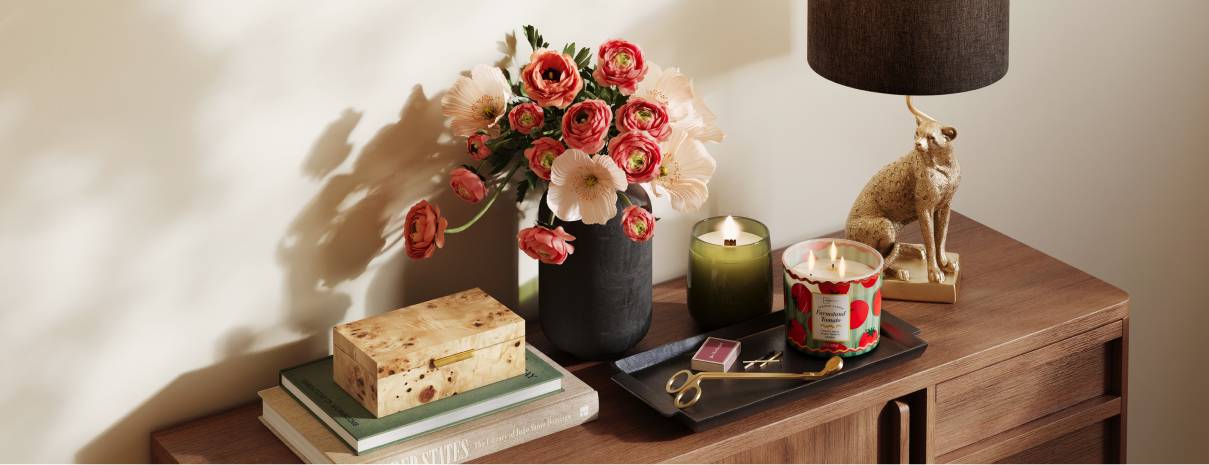
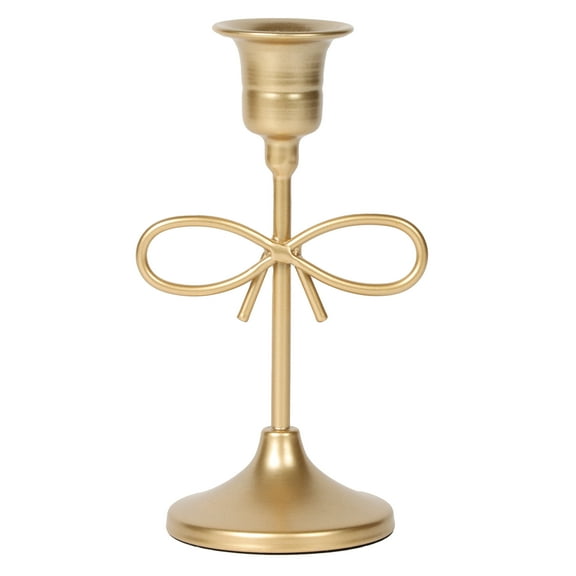
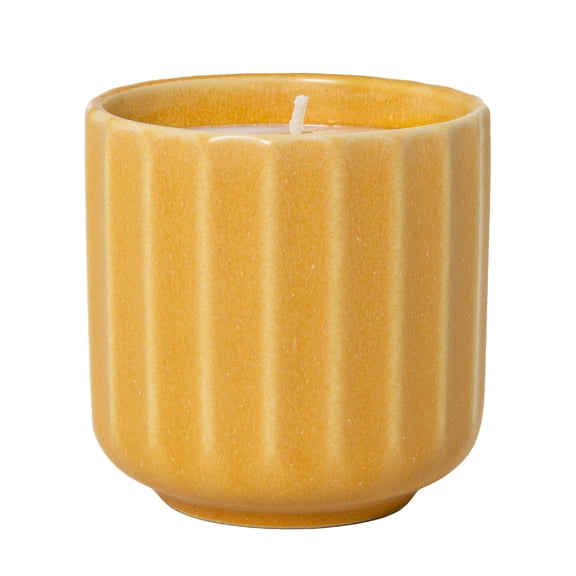
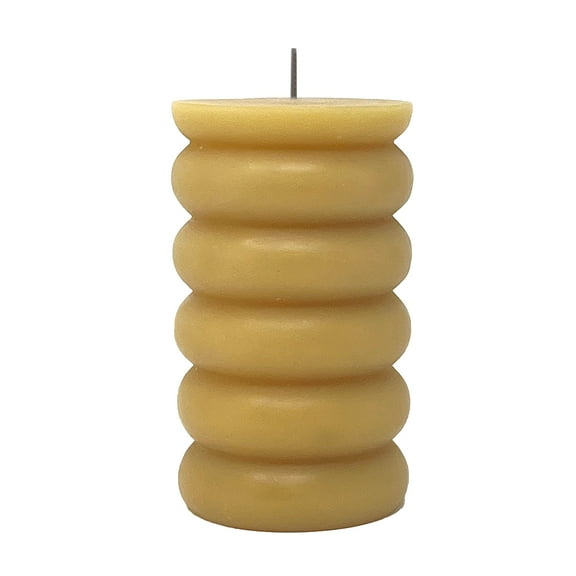
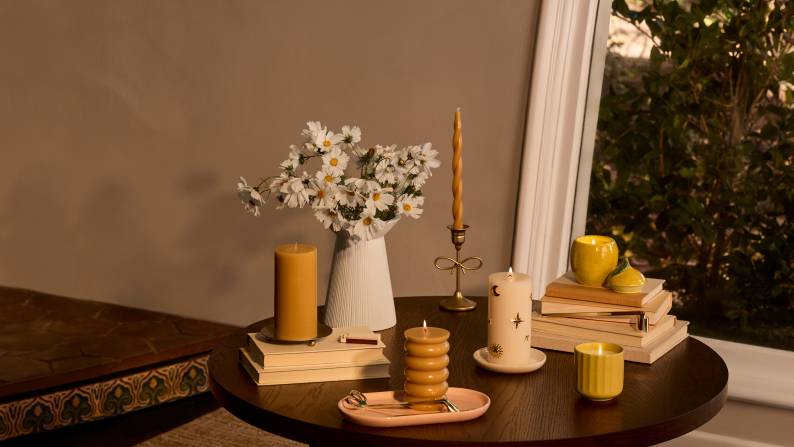
Breezy candles & home fragrances.

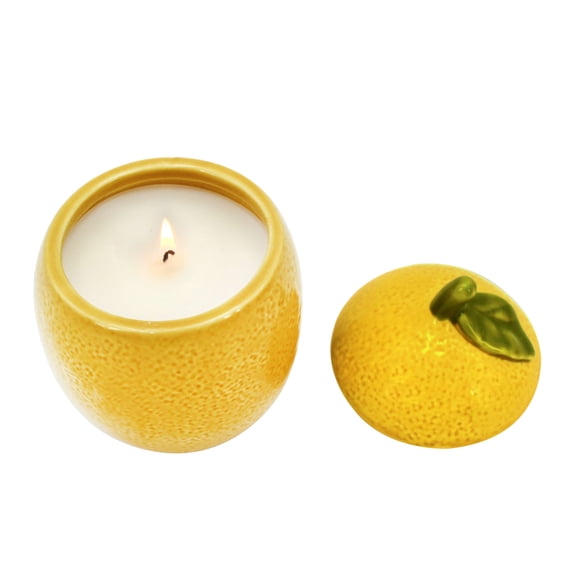


Sun-kissed scents
Shop candlesFrom
$
6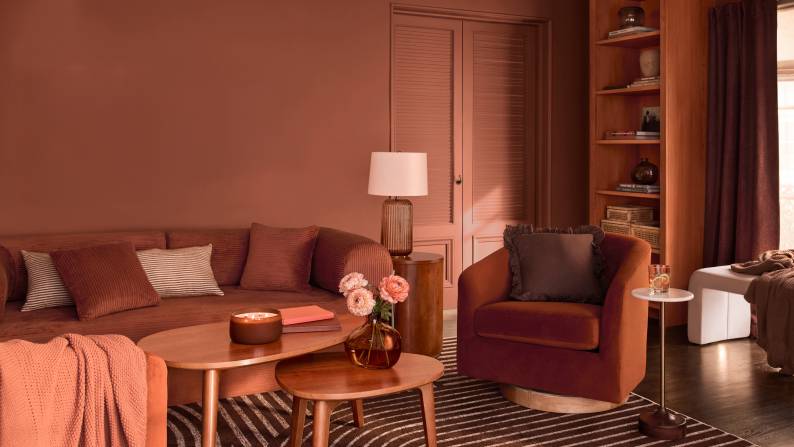
Drenched in color
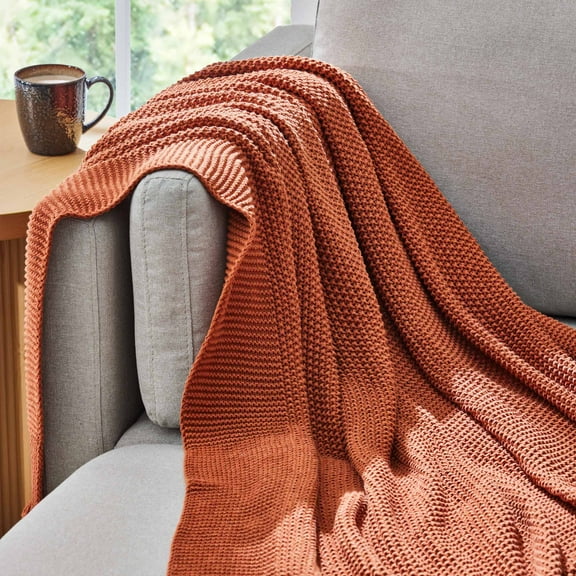
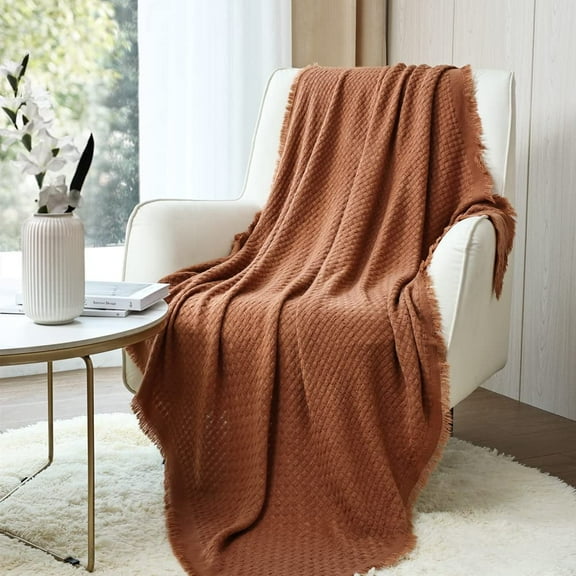
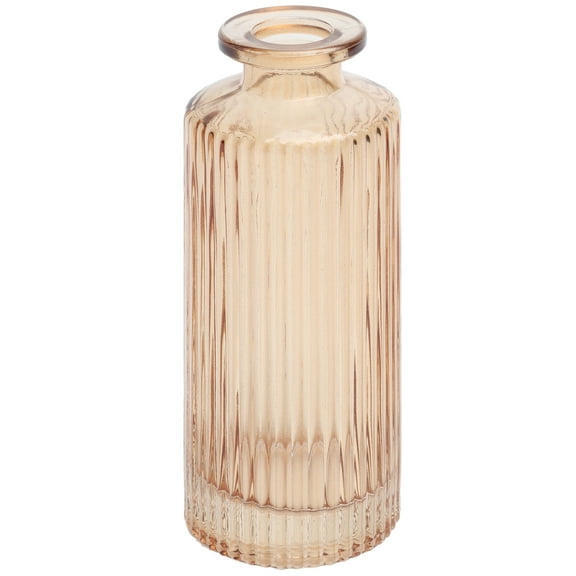
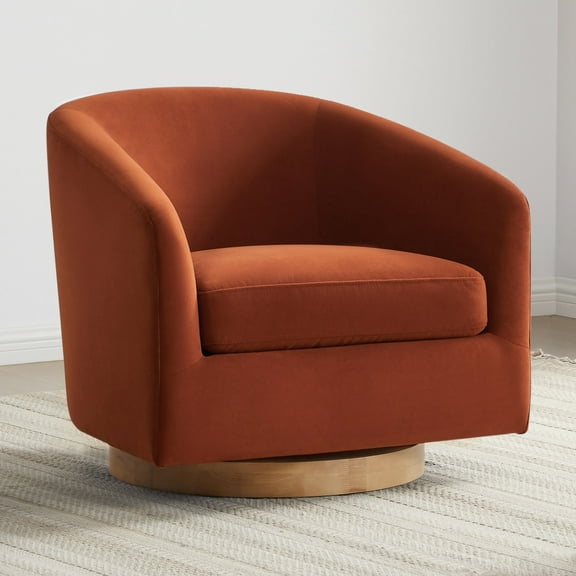
Shop the trendLayer tone on tone
The secret to a striking space.
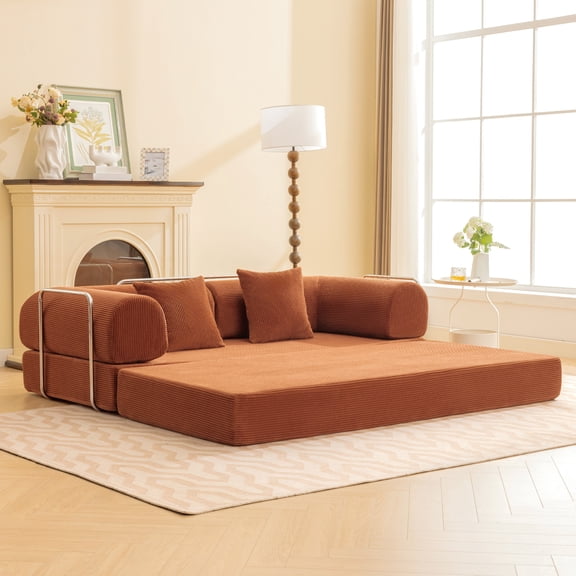
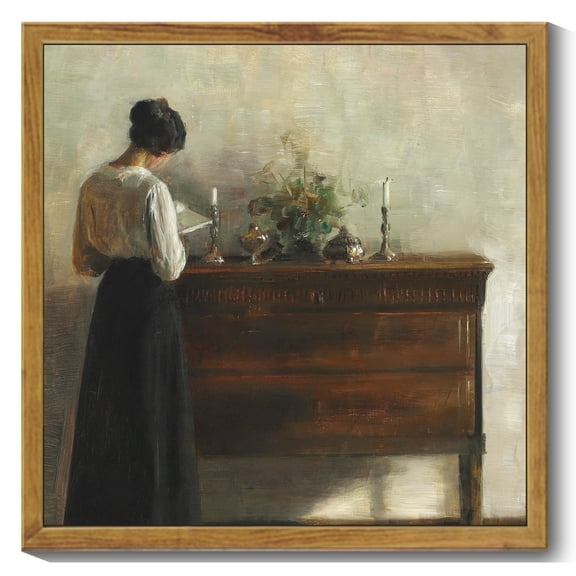

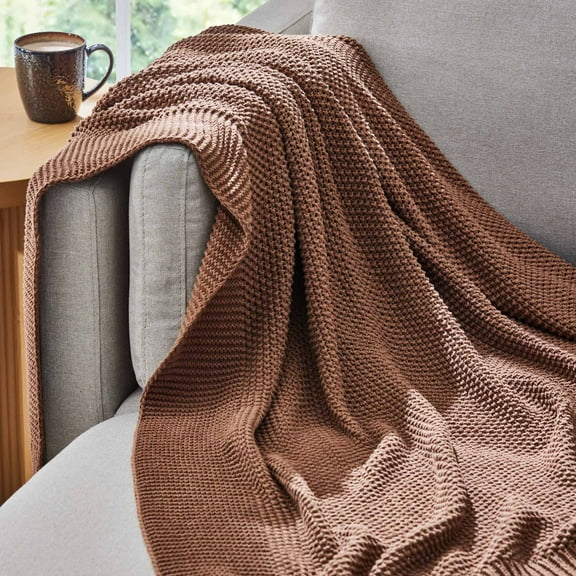
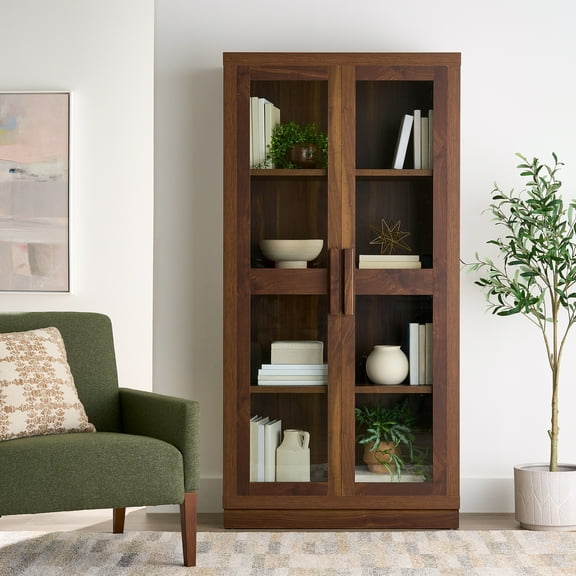



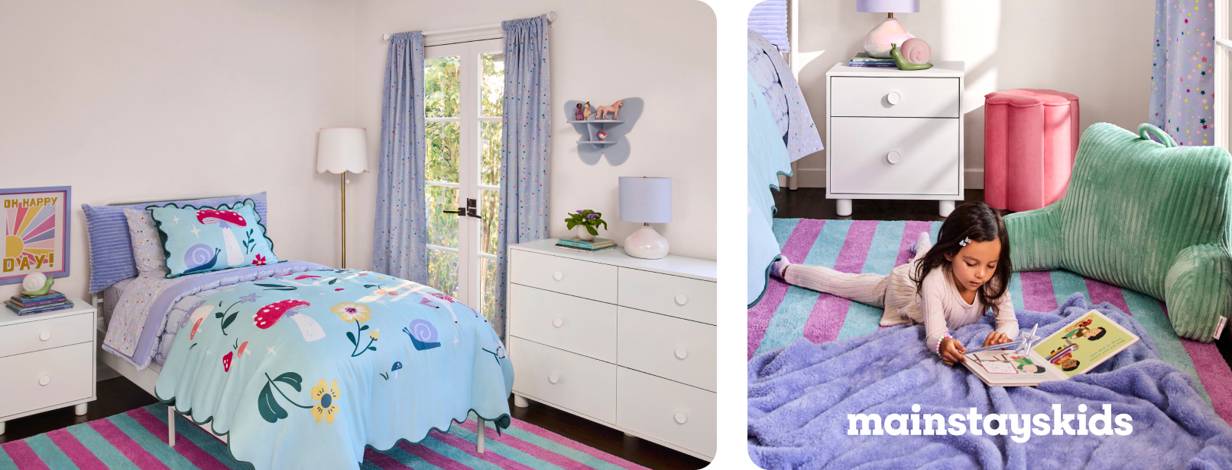
Only at Walmart
Mainstays Kids
A new collection of wonderfully priced kids' styles.Trending with Mainstays
Budget-friendly finds that bring bold energy to every corner.
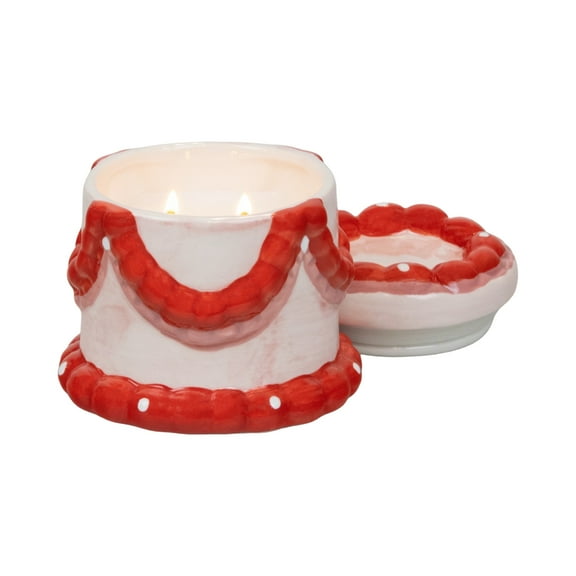

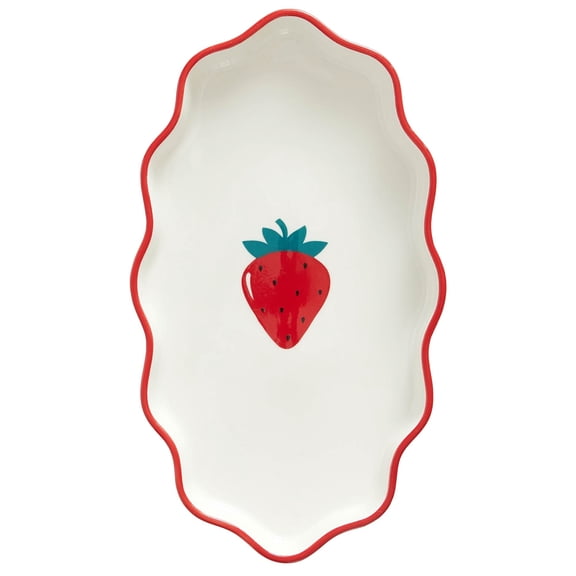
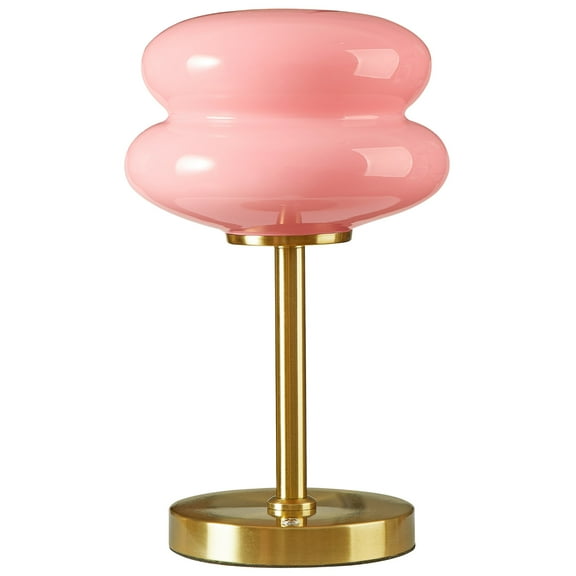



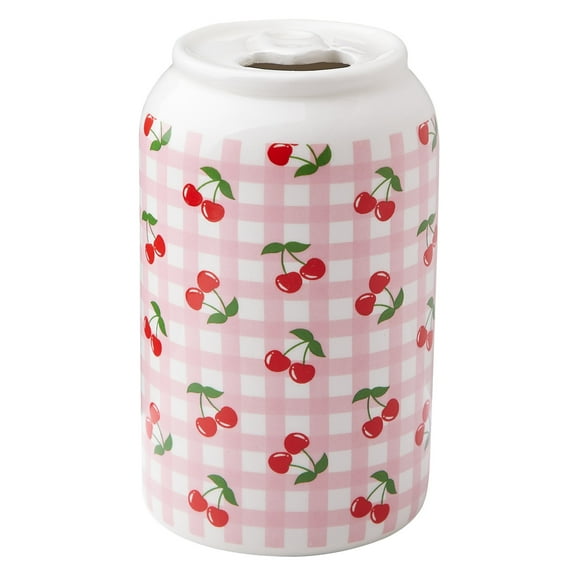


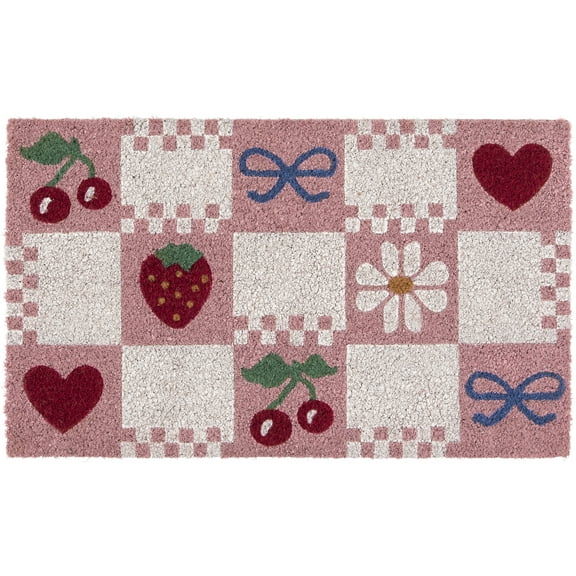
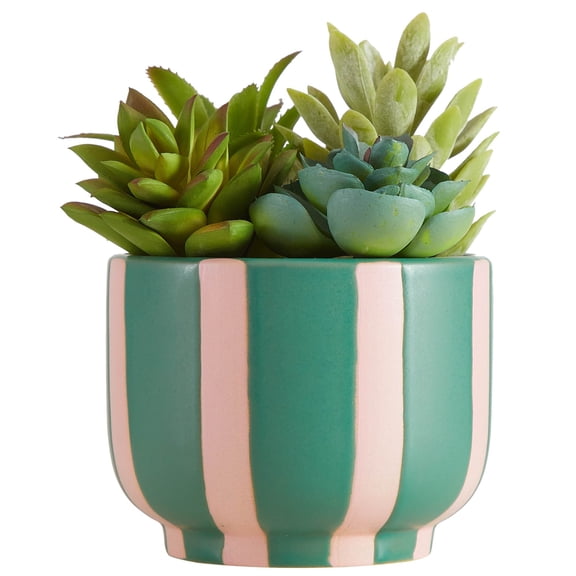
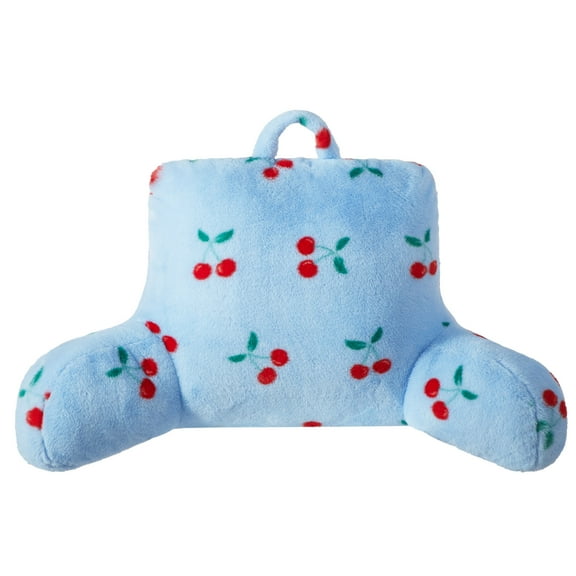

Explore more



FAQ
About Home Decor & House Decorations | Everyday Value - Walmart.com
You can refresh every room with home decor that fits your style, space, and setup needs. You’ll find coordinated looks for walls, shelves, sofas, and tables in one easy destination.
When you’re comparing home decor websites, you may want clear category choices and style ideas that work together. You’ll also want options for living rooms, bedrooms, entryways, kitchens, and bathrooms without guesswork.
How to choose home decor by style
You can start with decor style because it shapes how your room feels at a glance. Your furniture lines, finishes, and colors can guide which accents look connected instead of crowded.
If your space feels sleek, you may prefer modern or minimalist house decor with simple shapes and clean surfaces. If your room feels layered, you may lean toward bohemian textures, rustic wood tones, or farmhouse touches.
You can also narrow your choices by color palette before you pick specific pieces. Your neutral palette can keep a room calm, while vibrant accents can add contrast and energy.
- You can use monochrome decor when your room already has bold furniture shapes.
- You can choose earth tones when your wood finishes need a softer, grounded look.
- You can add pastel accents when your bedroom or nursery needs a lighter visual touch.
- You can mix vibrant pieces with neutral basics when your room needs color without looking busy.
You may notice style works well when you repeat one finish, one shape family, or one accent color. Your room can feel more pulled together when mirrors, vases, and pillows share a visual thread.
What to look for in household decor items
You can compare household decor items by product category to match how you actually use each room. Your wall art, mirrors, candles, decorative pillows, and vases each solve a different styling need.
Wall art helps you fill vertical space, define a focal point, and echo your room colors. Mirrors help you reflect light and open up narrow entryways, smaller bedrooms, or spaces above consoles.
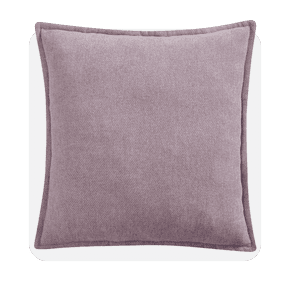
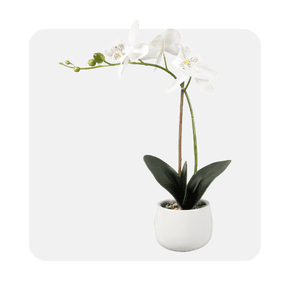
Decorative pillows help you change the look of a sofa or bed without replacing larger pieces. Vases and candles help you finish shelves, coffee tables, mantels, and dining surfaces with small but visible details.
You should also compare materials because they affect upkeep, texture, and placement. Your ceramic pieces can add weight and a handcrafted look, while glass accents can feel lighter and brighter.
Wood decor can warm up farmhouse, rustic, or earth-tone spaces with natural character. Metal decor can sharpen modern rooms and pair well with black, brass-tone, or mixed-finish furniture.
Textile accents, including pillows and soft decorative pieces, can soften hard surfaces and add pattern. You may want easy-care fabrics when your seating gets daily use or frequent rearranging.
Choosing home decor dimensions, materials, and setup
You should measure your space before you choose decorations for house layouts with tight walkways or narrow walls. Your exact measurements help you compare width, height, and depth without crowding nearby furniture.
For wall decor, you’ll want to check frame size, hanging orientation, and available wall clearance. Your mirror or art piece should fit above a console, bed, or sofa with balanced spacing.
You can use scale as a quick rule when you’re styling a larger wall. Your single oversized piece may anchor the area, while your grouped smaller pieces can create a gallery effect.
For tabletops and shelves, you should check opening height, shelf depth, and visual weight. Your vase may look too small on a long console, while your candle cluster may suit a compact tray.
You may also want to check whether the manufacturer includes hardware or if installation is ready to hang. Your setup time can stay simple when you choose pieces that match your wall type and placement plan.
Material care matters when your decor sits in busy rooms or moisture-prone spaces. You can wipe many metal, glass, and ceramic surfaces clean, while your textiles may need spot cleaning or removable covers.
If your household includes frequent room updates, you may prefer lighter accents that move easily. Your heavier wood or ceramic pieces can work well when you want a grounded look that stays put.
Using home decor in each room
You can approach home decorations by room so each area feels finished without using the same formula everywhere. Your living room may need layered pillows and wall art, while your bathroom may need compact accents.
In a living room, you can pair decorative pillows with a mirror or wall art to build a focal area. Your coffee table can hold candles or a vase that echoes nearby upholstery or rug colors.
In a bedroom, you may want softer palettes, textile textures, and scaled wall pieces above the bed. Your nightstand or dresser can use a small vase, candle, or mirror for a polished finish.
An entryway often benefits from a mirror, narrow wall art, or a vase that fits a slim console. Your placement should leave clear walking space while still giving the area a finished look.
In a kitchen, you can use compact decor that complements open shelving, counters, or breakfast nooks. Your choices may lean toward ceramic, glass, or metal accents that are easy to reposition.
In a bathroom, you may want smaller home finds that suit limited surfaces and simple color stories. Your mirror style, tray accents, or decorative containers can connect the room to the rest of your house decor.
You can also combine attributes to match a clear room goal. Your modern monochrome mirror suits a clean entryway, while your rustic wood vase fits an earth-tone living room.
If your bedroom leans bohemian, you might choose textile pillows, soft pastels, and layered wall accents. Your farmhouse kitchen may look more cohesive with ceramic pieces and warm neutral tones.
You can shop with more confidence when your style, measurements, material preferences, and setup needs are clear. Your finished space feels more cohesive when each decor choice supports the room’s scale and mood.