

Decorative Lanterns in Outdoor Lanterns































About Decorative Lanterns in Outdoor Lanterns - Walmart.com
Decorative lanterns help you shape a finished look for patios, porches, entryways, and tabletops. You can compare outdoor decorative lanterns by material, power source, placement style, and scale.
When you choose this category, you’re choosing more than accent lighting for dusk. You’re choosing how your decor layers together and how your lantern fits daily use.
How to choose decorative lanterns for your space
You should start with where your lantern will sit or hang. Your entry table, deck railing, covered porch, and garden hook each call for a different shape.
If you’re styling a compact table, you may prefer small or medium tabletop lanterns. You can keep plates, planters, and serving pieces from feeling crowded.
For a doorway or wide patio zone, you may want large outdoor lanterns. You can use that extra height to anchor the space visually.
You can also compare hanging lanterns, floor styles, tabletop lanterns, and wall-mounted options by sightline. Your choice affects daytime decor and evening glow in different ways.
Why decorative lanterns work across outdoor setups
You can use decorative lanterns to add structure, texture, and light without changing your whole layout. Your patio can feel more finished when lanterns connect seating, tables, and planters.
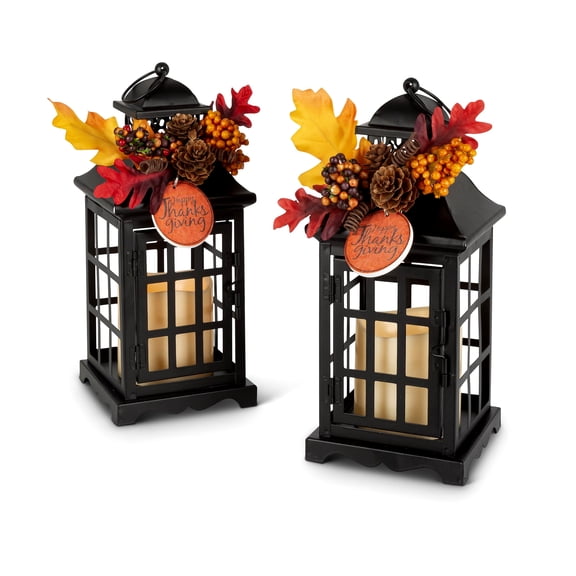
Because you can move many styles easily, you can refresh your setup through different seasons. Your porch can shift from summer outdoor lanterns to fall styling with simple swaps.
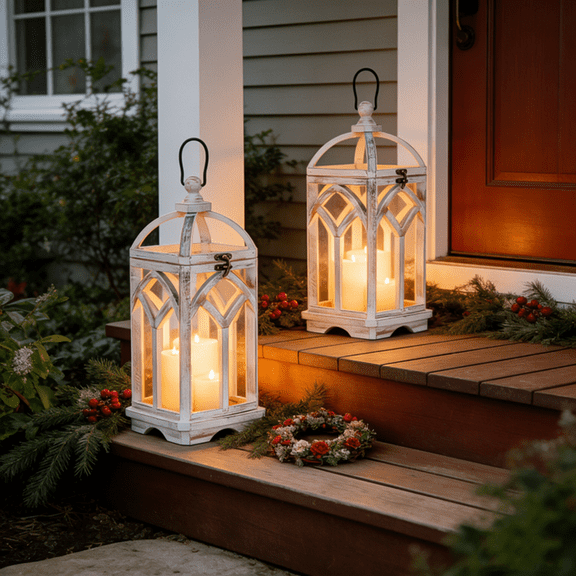
- You can frame a front door with matching lantern heights.
- You can style patio lanterns on dining tables, steps, or side tables.
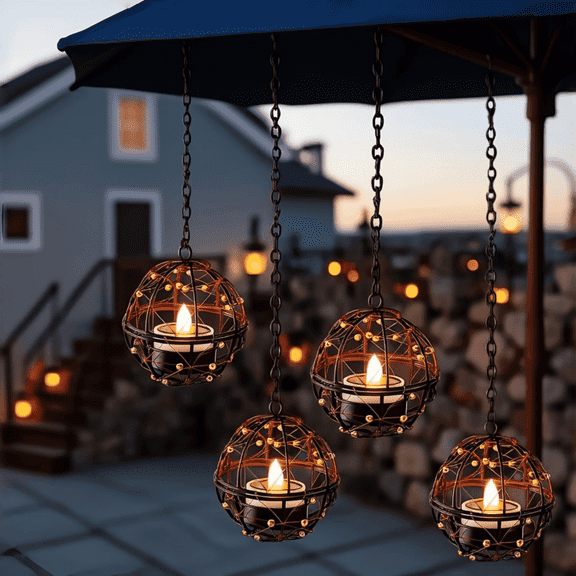
- You can add vertical interest with hanging decorative lanterns on hooks or pergolas.
- You can layer candle lanterns with planters and cushions for a textured look.
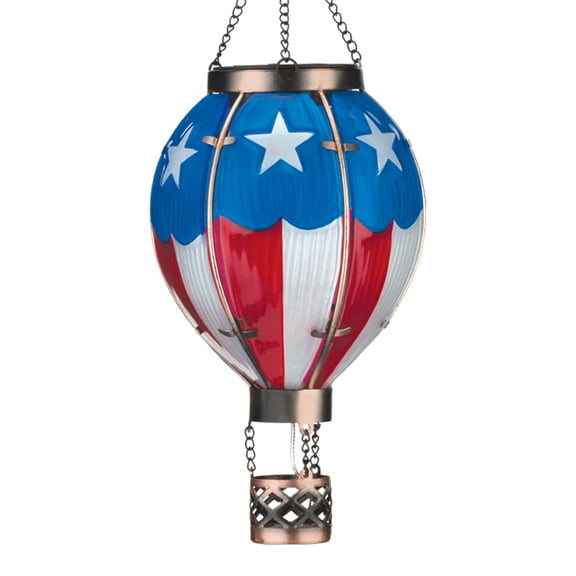
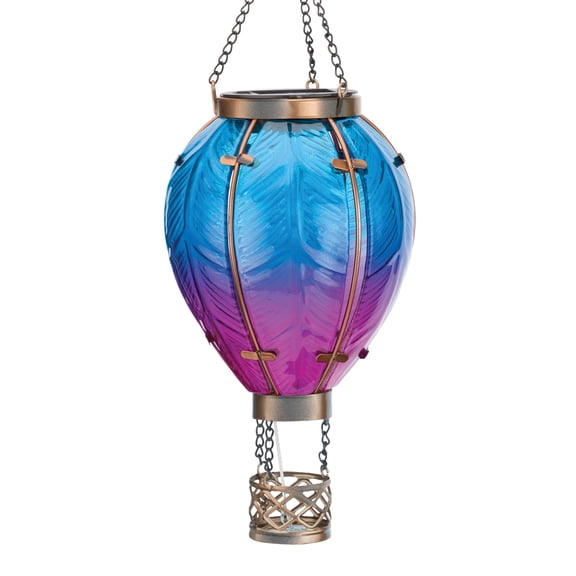
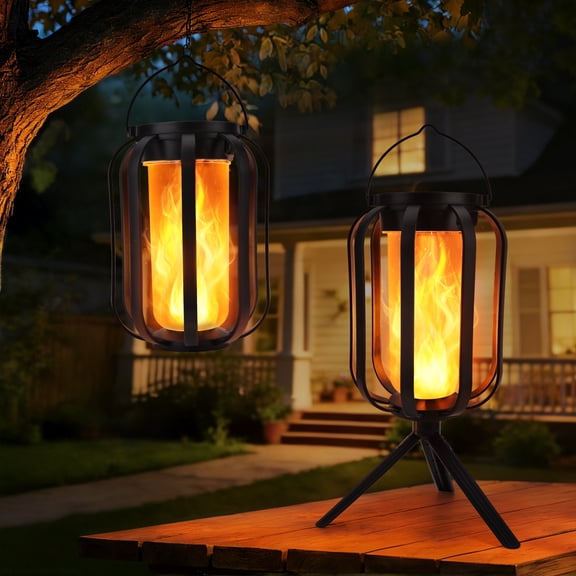
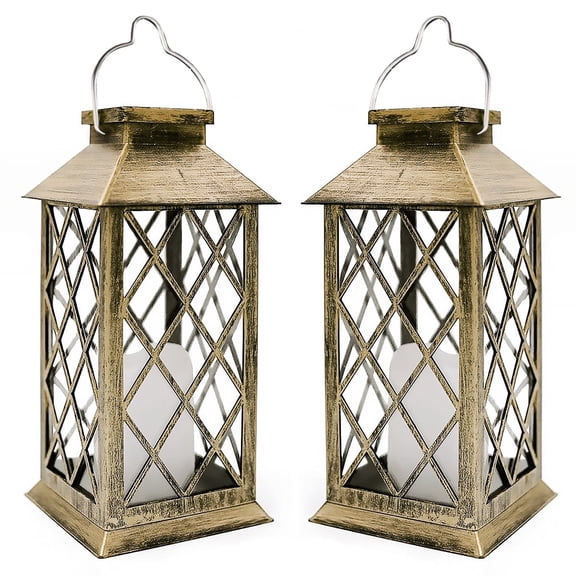
- You can use solar lanterns when you want light without visible cords.
Another advantage is how easily you can match finishes to existing decor. Your black metal chairs, wood benches, or glass-top tables can guide the lantern style you choose.
Choosing materials for outdoor decorative lanterns
You should compare material first if your lantern will stay outside often. Your weather exposure, decor style, and cleaning routine all influence which finish makes sense.
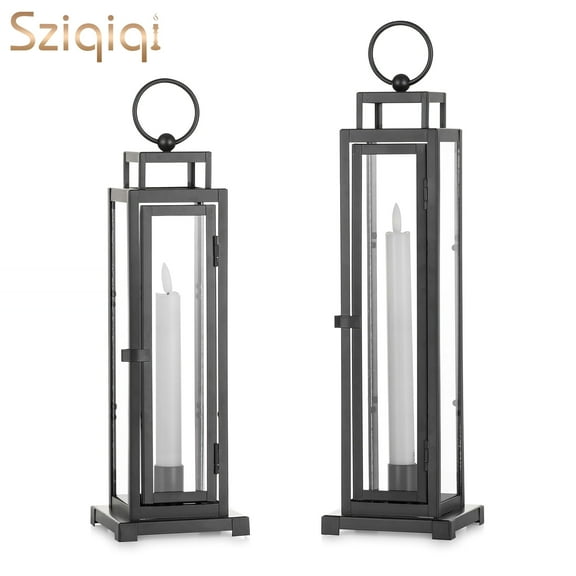
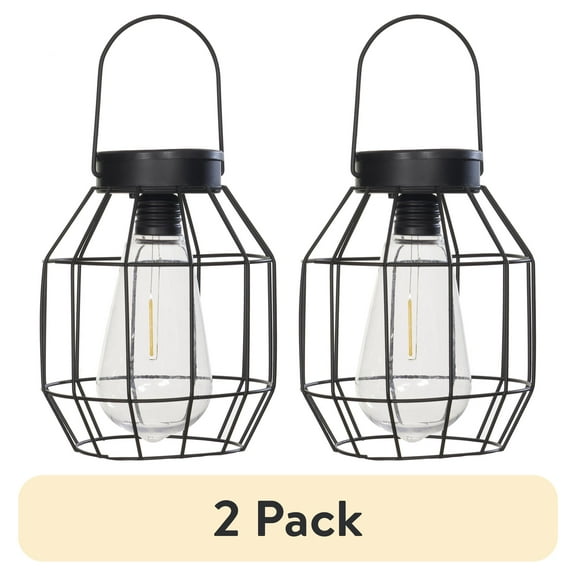
Metal lanterns give you a structured look that fits farmhouse, industrial, and modern spaces. You may also like rust-resistant finishes, because they help your lantern keep its appearance longer.
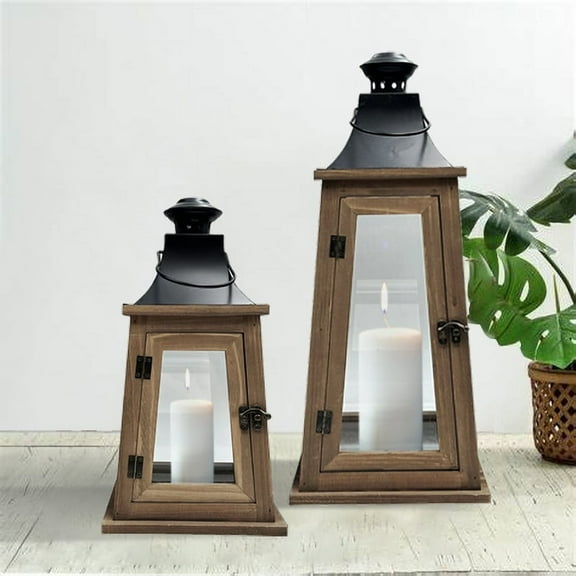
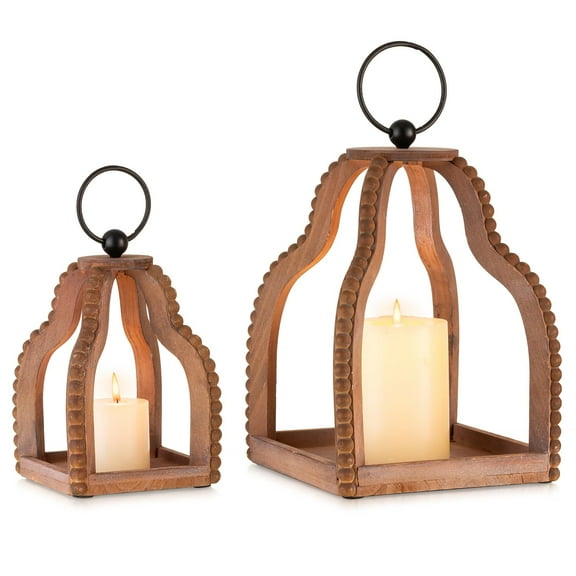
Wood styles add texture and a softer, rustic decorative lantern look. You should check whether the lantern works for covered outdoor use, especially on a porch.
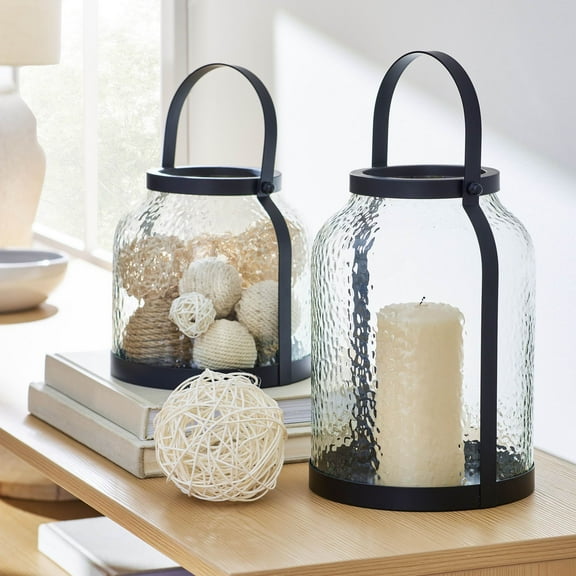
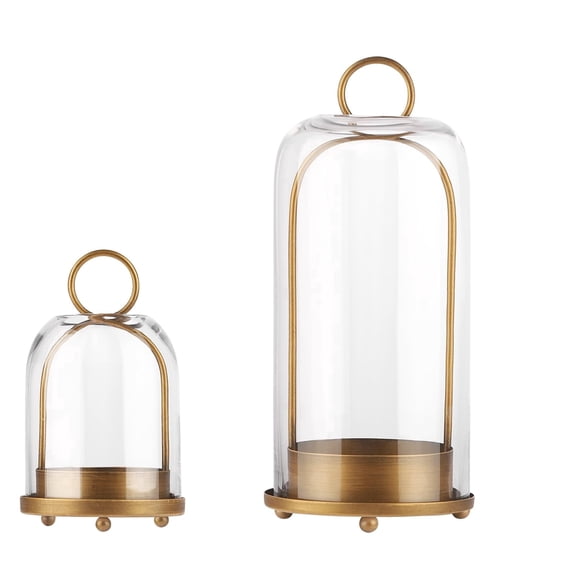
Glass panels let you show candles, string lights, or decorative fillers clearly. You’ll want to consider how often you’ll wipe dust, fingerprints, or water spots from clear surfaces.
Ceramic lanterns can bring color and pattern to a patio or sunroom. Plastic options often suit setups where you want lighter pieces and easy repositioning.
Comparing solar lanterns, candle lanterns, and electric styles
You should match the power source to your routine before you focus on looks alone. Your maintenance preference often decides whether solar lanterns, battery-operated styles, candle lanterns, or electric options fit.
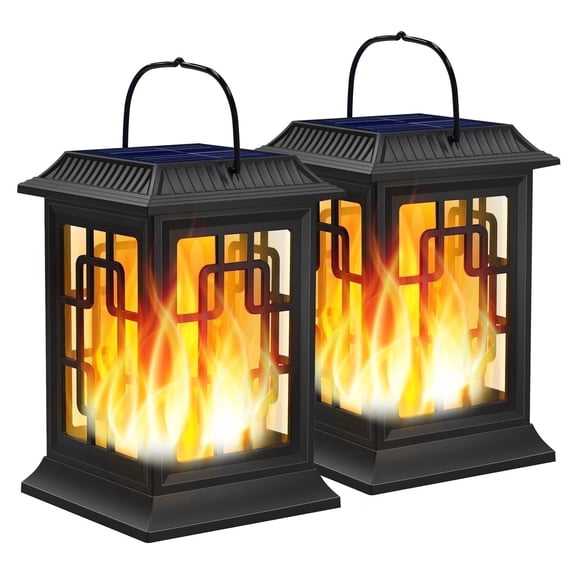
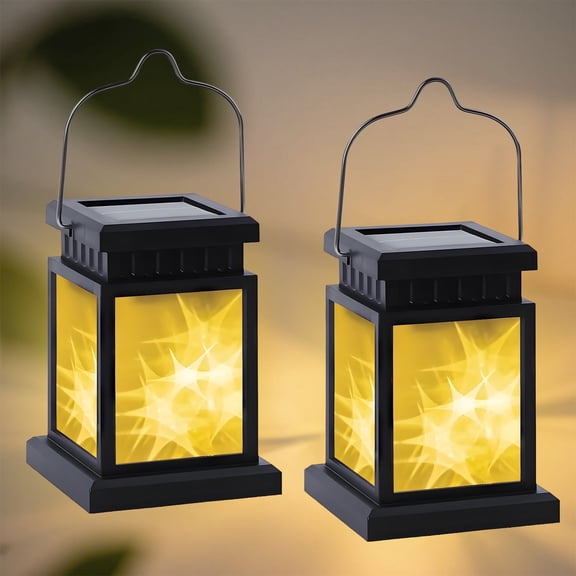
Solar outdoor lanterns work well when your space gets direct light during the day. You’ll appreciate them on open decks, patio edges, and paths where cords interrupt the layout.
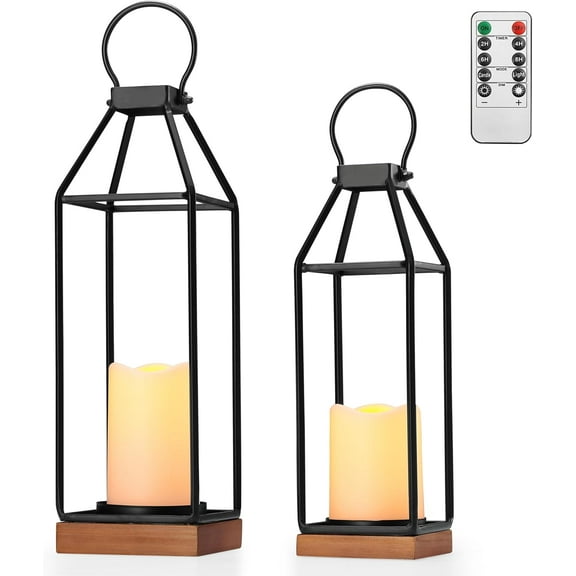
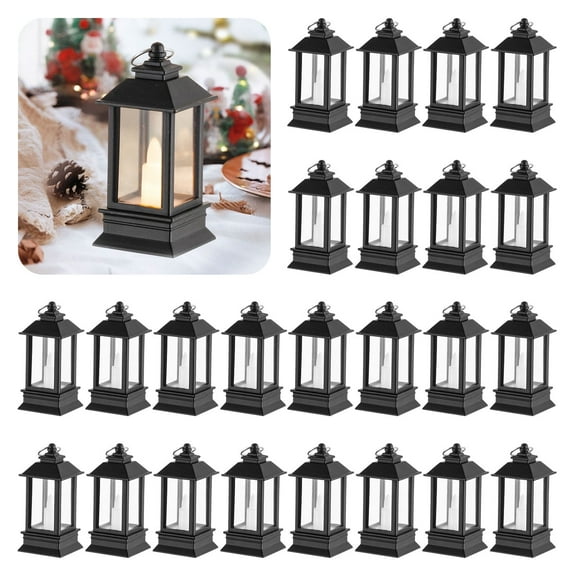
Battery-operated lanterns give you flexible placement in covered nooks and shaded corners. You can move them from a tabletop to a shelf without planning around an outlet.
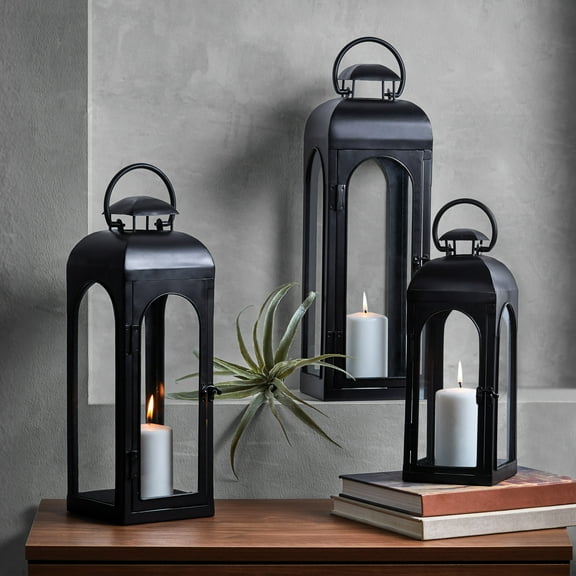
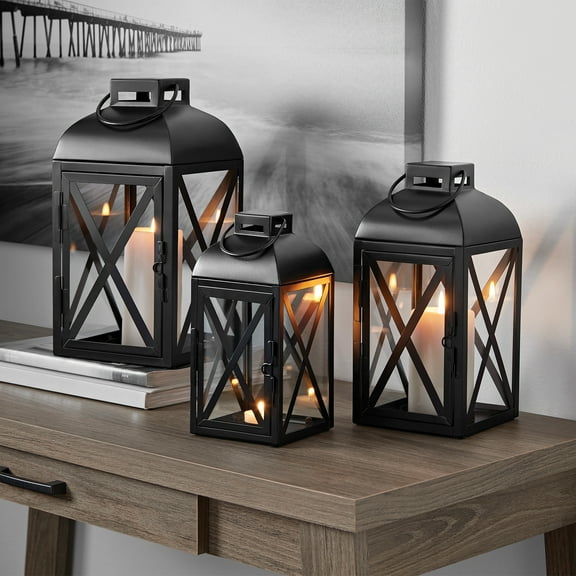
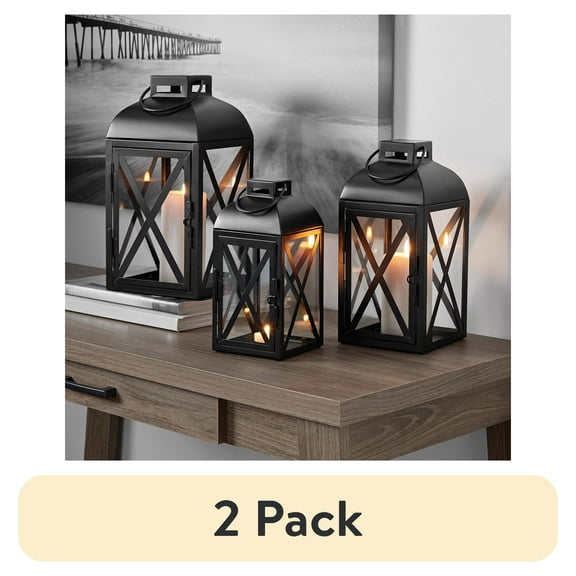
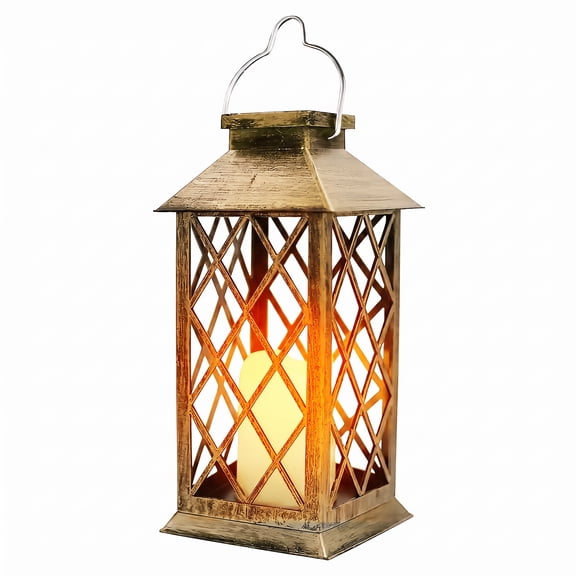
Candle lanterns create a classic flicker that suits vintage and rustic settings. You should compare candle size, door access, and vented tops for easier setup.
Electric lanterns make sense when you want steady illumination for longer evenings. You can compare cord length, plug access, and bulb style to match your arrangement.
If your lantern will stay outside, you should look for an IP weather rating when listed. You can also compare enclosed designs and rust-resistant finishes for outdoor placement.
Choosing size and placement style for your layout
You can achieve a more balanced look when your lantern size matches nearby furniture and decor. Your coffee table, front steps, and dining table each call for different heights and widths.
Small lanterns fit side tables, layered centerpieces, and shelf styling without taking over the scene. Medium sizes often work well when you want one focal piece or a matched pair.
Large lanterns help you define corners, front doors, and wide patio zones. You can place them beside planters or near seating to shape the area.
Hanging decorative lanterns draw the eye upward on pergolas, hooks, and covered porches. Wall-mounted options help you keep surfaces clear while still adding decorative light.
You should measure your intended spot before choosing a style. Your lantern should feel proportional to the table depth, hook height, or doorway width around it.
Matching design style to your decor
You can narrow your choices by matching your lantern to existing furniture and finishes. Your cushions, planters, door color, and hardware already suggest a style direction.
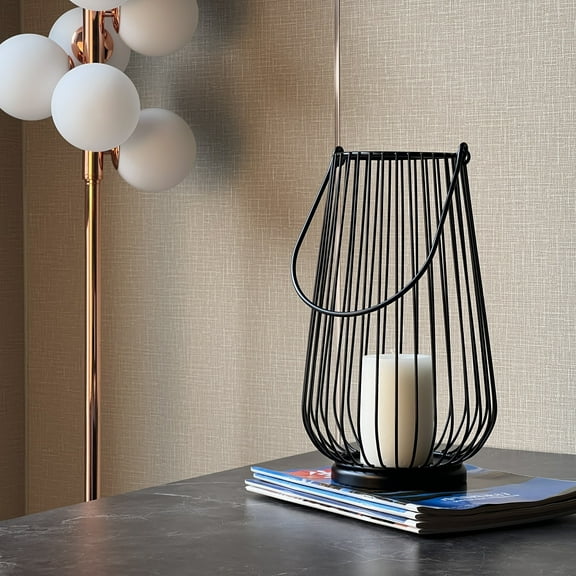
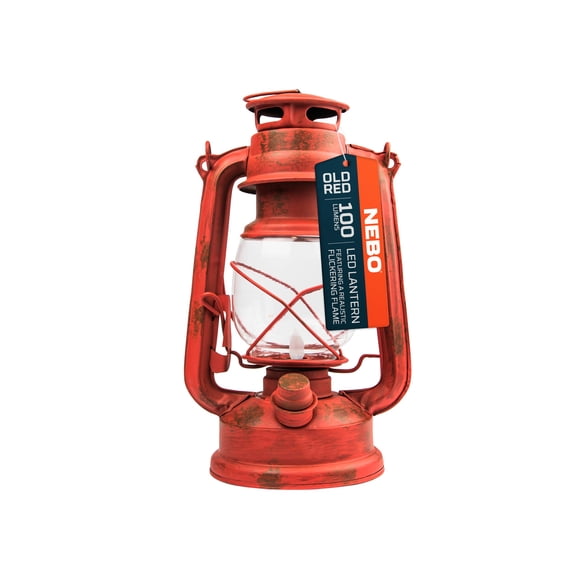
Vintage styles often include distressed finishes, curved tops, and windowpane details. Modern looks usually feature clean lines, simple frames, and restrained color palettes.
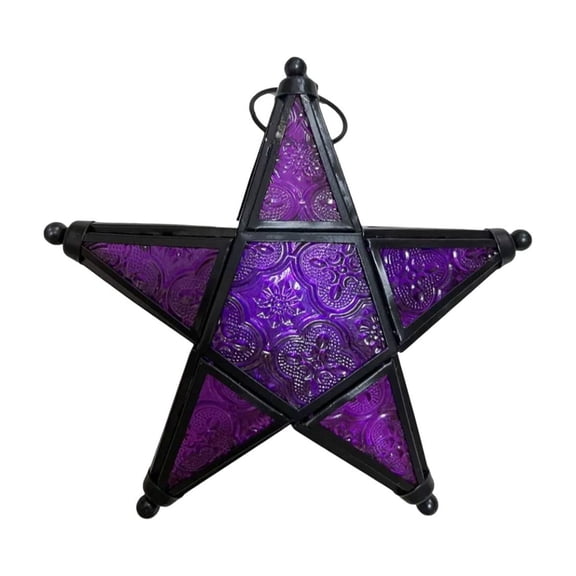
Rustic decorative lanterns pair well with wood accents, woven textures, and relaxed patio seating. Moroccan styles bring cutout patterns and shadows that stand out after sunset.
Coastal styles can fit breezy porches with lighter finishes and casual textures. You may also mix metal lanterns and glass lanterns when you want layered contrast.
When you compare decorative lanterns by style, material, and power source together, you make a clearer choice. This helps you find lighting that fits your space and completes your outdoor decor.