

Dehumidifiers in Air Quality















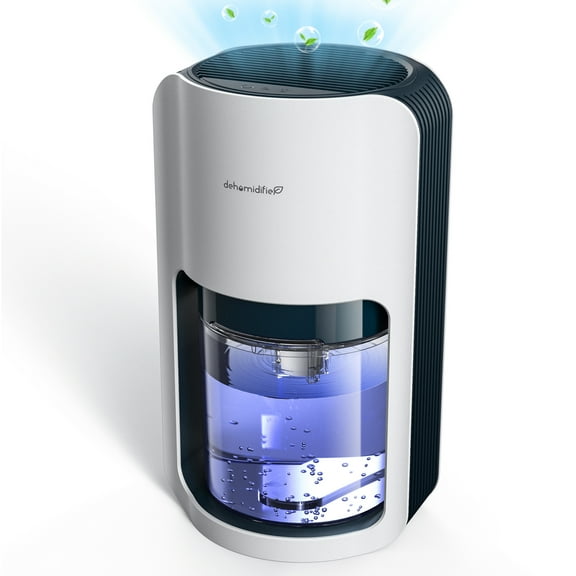


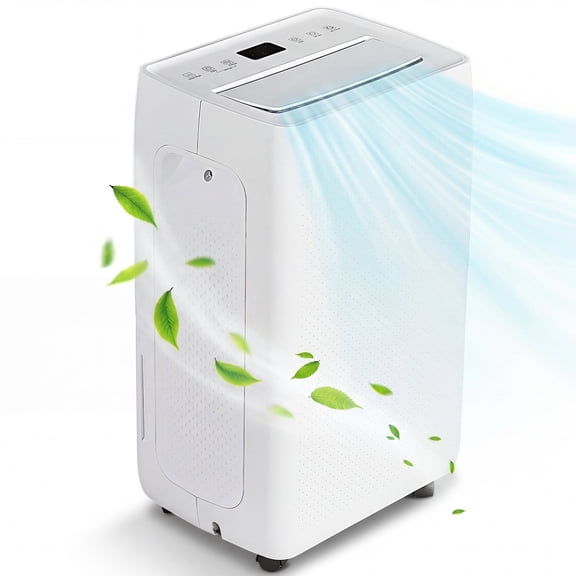
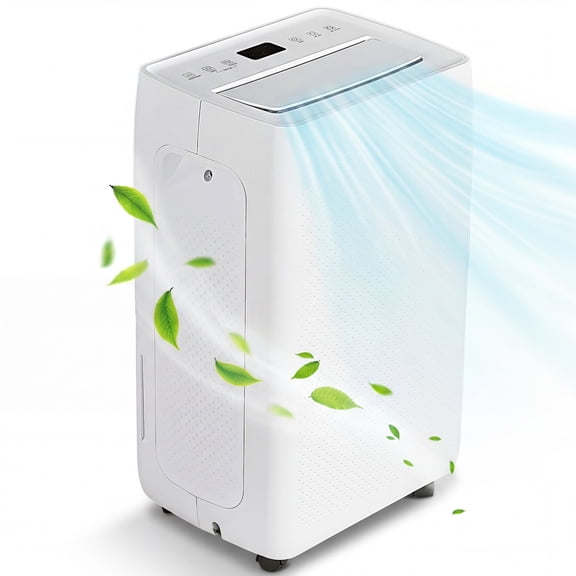
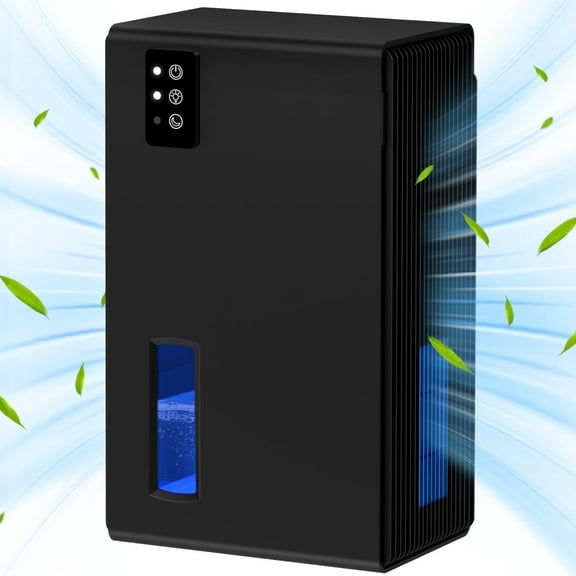







About Dehumidifiers in Air Quality - Walmart.com
Dehumidifiers help you manage damp air in basements, bathrooms, and living spaces with sizing, drainage, and portability choices that fit your home. You can compare pint capacity, coverage area, and quieter operation more easily when you know what each option means.
How to choose dehumidifiers for your house
When you choose a dehumidifier for house use, you should start with room size and daily moisture load. You’ll usually see capacity measured in pints per 24 hours, which helps you match output to your space.
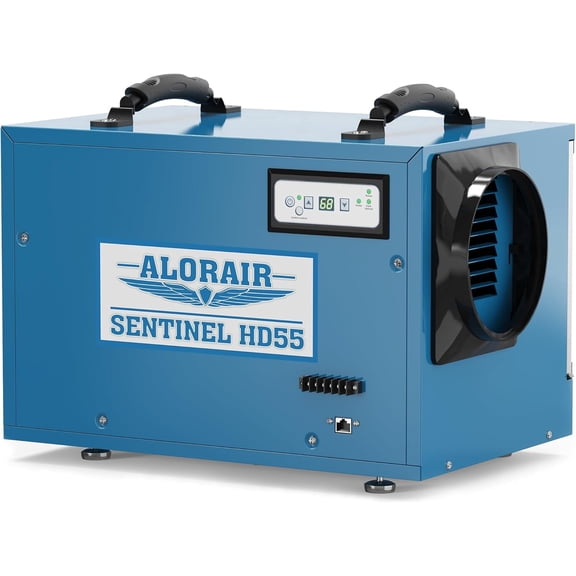
For a single room or bathroom, you may prefer a small space unit or compact model. For a basement or larger area, you’ll often need 50 pint or 70 pint capacity.
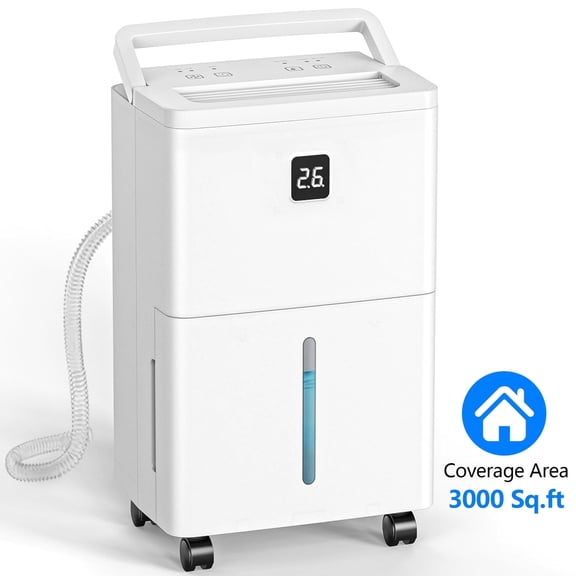
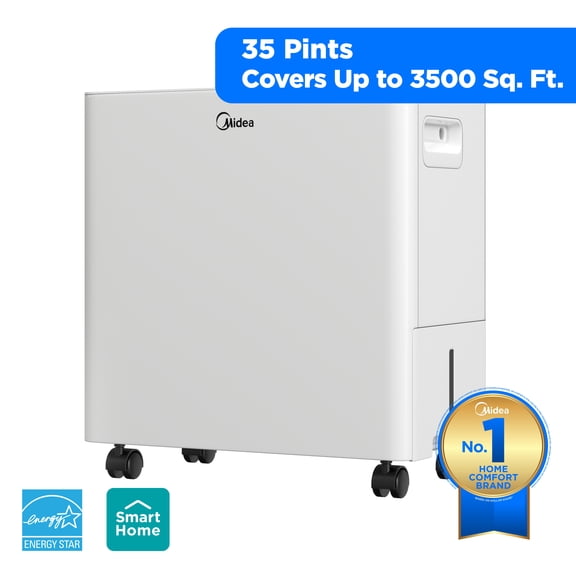
If you want broader coverage, you should check square footage guidance before you choose. You’ll get a more practical fit when capacity and room size work together.
Key benefits you should compare first
You can make your home feel more comfortable when damp rooms feel less muggy and easier to use. You’ll also notice less condensation on cool surfaces in spaces like basements and laundry areas.
Portable dehumidifiers give you flexibility when you want moisture control in changing rooms or seasonal spaces. Quiet dehumidifiers also help you place a unit closer to bedrooms, offices, or shared living areas.
- You can match pint capacity to a bathroom, bedroom, basement, or larger house area.
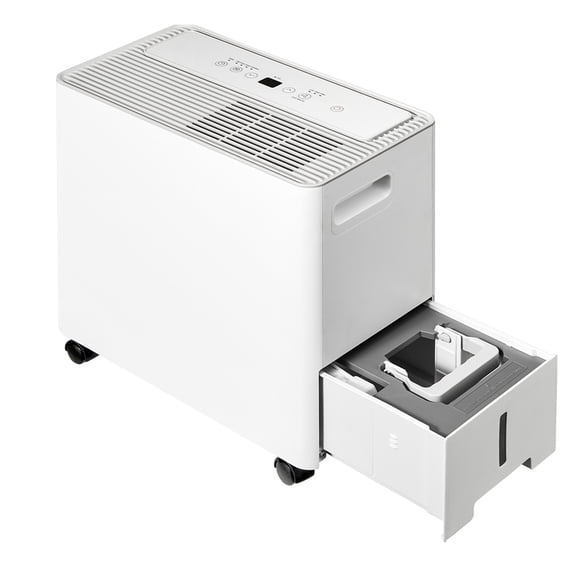
- You can choose portable, wheeled, compact, or mini designs for easier room-to-room movement.
- You can compare drainage options that reduce how often you empty collected water.
- You can look for timers, humidistats, and auto shut-off for easier day-to-day control.
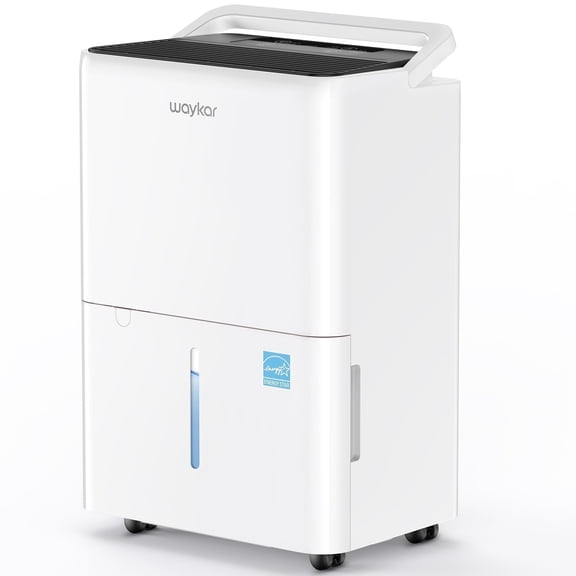
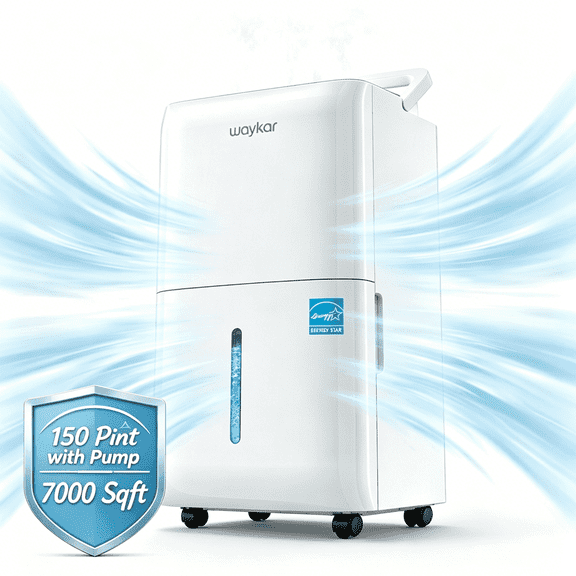
- You can consider Energy Star options when you want lower ongoing power use.
When you compare these benefits together, you can narrow your choices faster and with more confidence. You’ll avoid guessing when you focus on room size, drainage, and noise first.
Choosing the right capacity and coverage area
You should treat capacity as a buying guide, not just a number on a box. A 30 pint model often suits smaller rooms, while 50 pint and 70 pint units support heavier moisture loads.
For bathroom use, you may want a compact unit that fits tighter floor plans and occasional use. For basement use, you should consider larger coverage and stronger moisture removal over longer periods.
If you’re shopping for whole house support, you should compare higher capacities and wider square footage ranges. You’ll want that extra output when open layouts or below-grade rooms hold more moisture.
Portable dehumidifiers can still cover meaningful space when you choose the right pint level. You should compare both tank size and coverage notes, especially for frequent use areas.
What to look for in drainage, noise, and controls
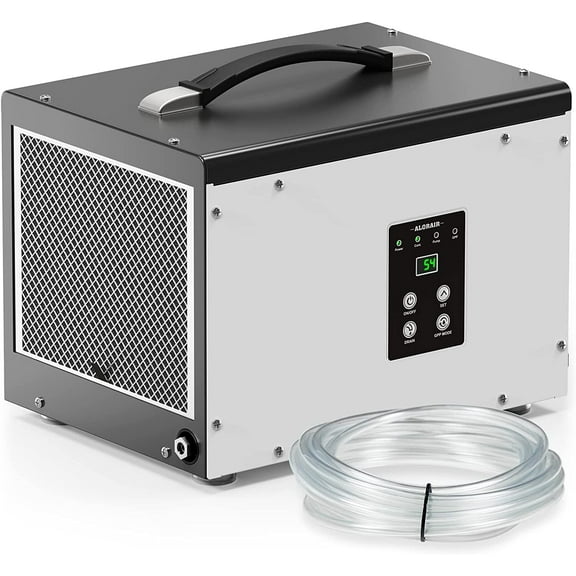
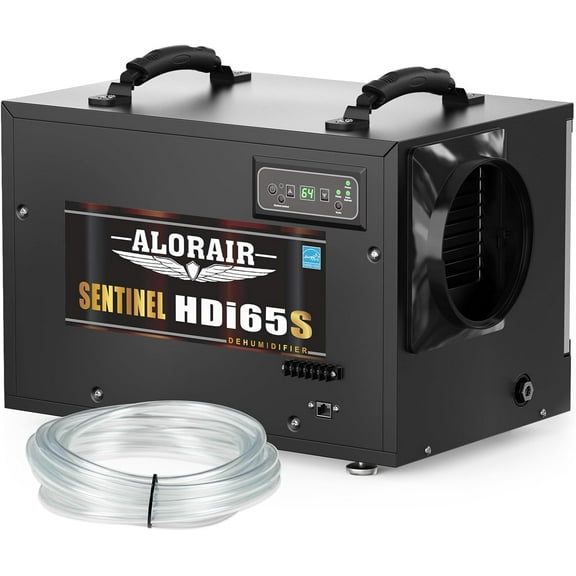
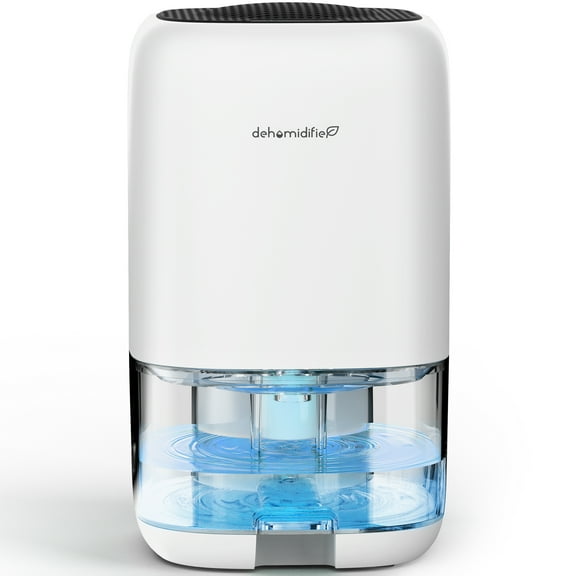
You should decide how you want to handle collected water before you choose a model. Manual empty options work for light use, while gravity drain setups help you avoid frequent bucket trips.
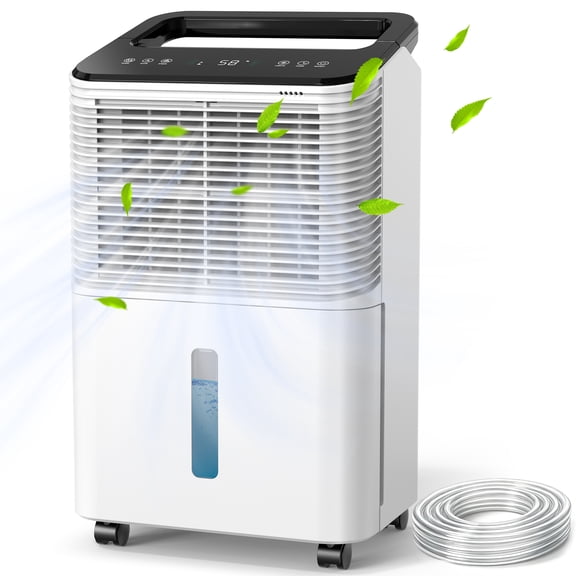
If your drain sits above the unit or farther away, you may prefer a built-in pump. You’ll get more placement flexibility when water can move upward to a sink or drain point.
For living spaces, you should pay attention to sound descriptions and decibel details when listed. Quiet dehumidifiers are often easier for bedrooms, offices, and media rooms where steady background noise matters.
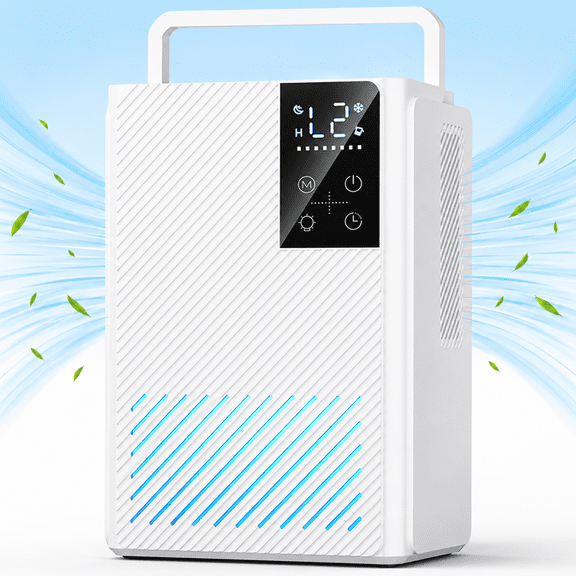
You can also compare controls that make daily use simpler and more consistent. A humidistat helps you target a set moisture level, while timers and auto shut-off support hands-off operation.
If you like connected convenience, you may want app-controlled features for remote checks and adjustments. You’ll also appreciate indicator lights or easy displays when you want quick status updates.
How portability and room type affect your choice
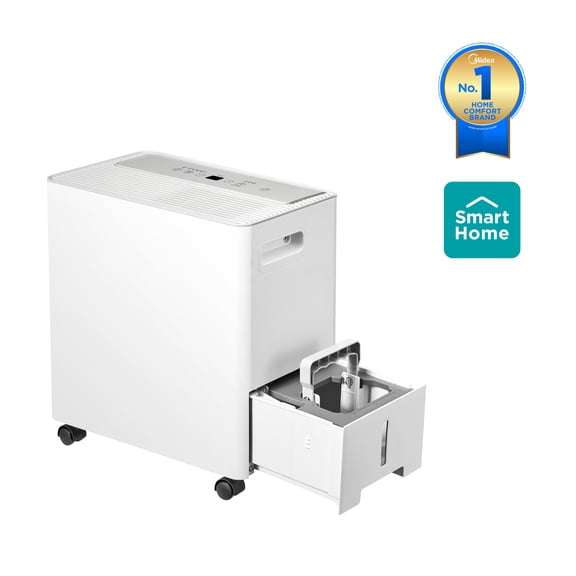
You should think about where the unit will live most of the time before you choose a size. Wheeled designs help you move between a basement, bathroom, and bedroom with less effort.
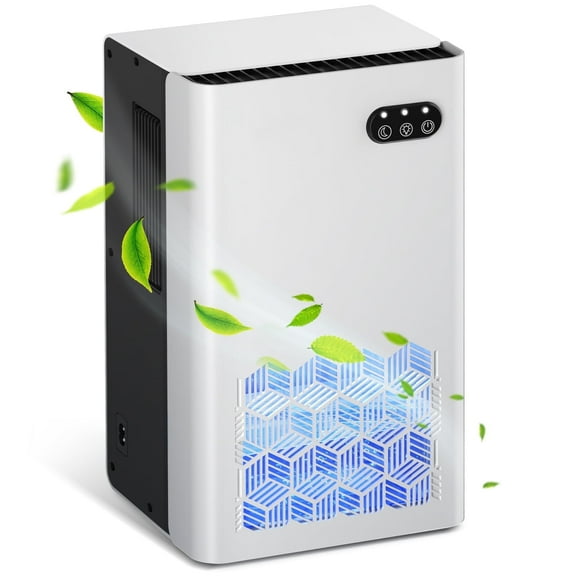
Compact and mini options work well when floor space is limited or storage matters between uses. You may prefer these designs for apartments, laundry nooks, or guest baths.
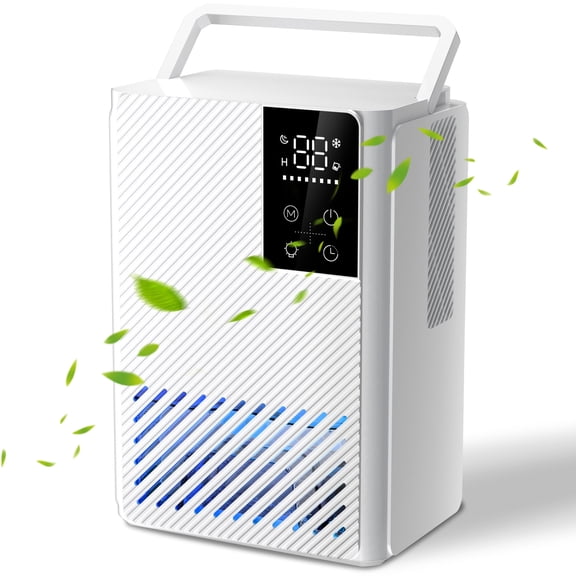
For a dehumidifier pick up need, you may want a model with a practical handle and simpler setup. You’ll get faster placement when the unit is easy to move and easy to position.
If your basement stays damp all season, you should consider larger capacity and continuous drainage support. If your bathroom only needs occasional use, you may choose small space coverage and manual emptying.
When your family uses shared living areas all day, you may prioritize quiet dehumidifiers and timer settings. When your focus is storage rooms or crawl-adjacent areas, you may prioritize drainage and output instead.
How to compare energy use and everyday operation
You should look for Energy Star information when running costs matter in your decision. You’ll often prefer that guidance for longer daily use in basements or larger home spaces.
Easy-access filters, readable water tanks, and simple controls can also shape your experience over time. You’ll spend less effort on routine upkeep when maintenance points are straightforward.
If you compare dehumidifiers with these decision points in mind, you can choose a setup that fits your rooms and routine. You’ll end up with moisture control that feels easier to manage every day.