







Diapers








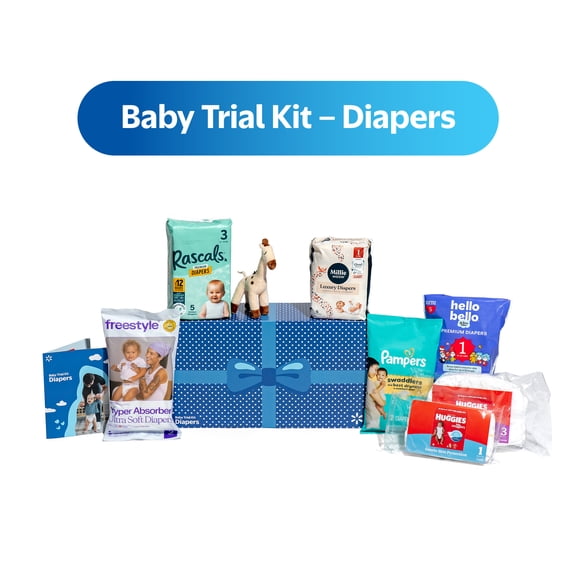
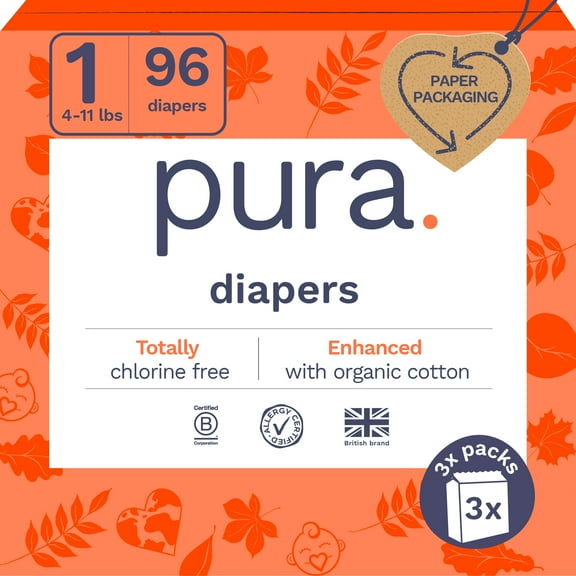
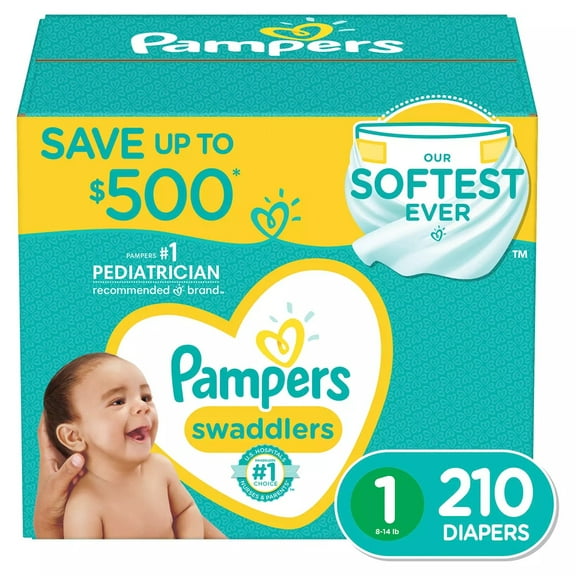
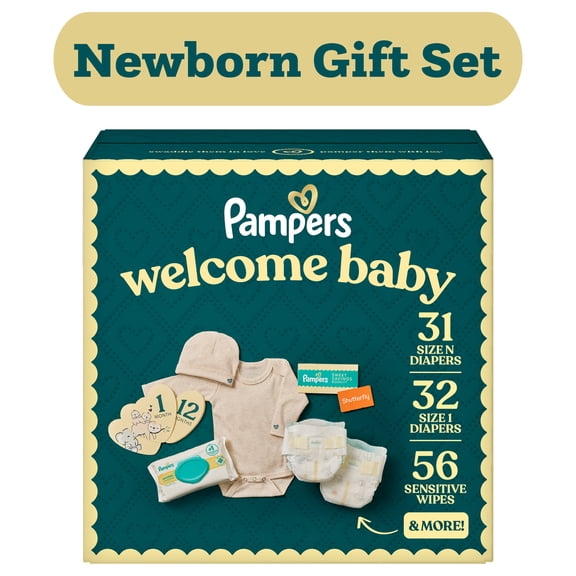



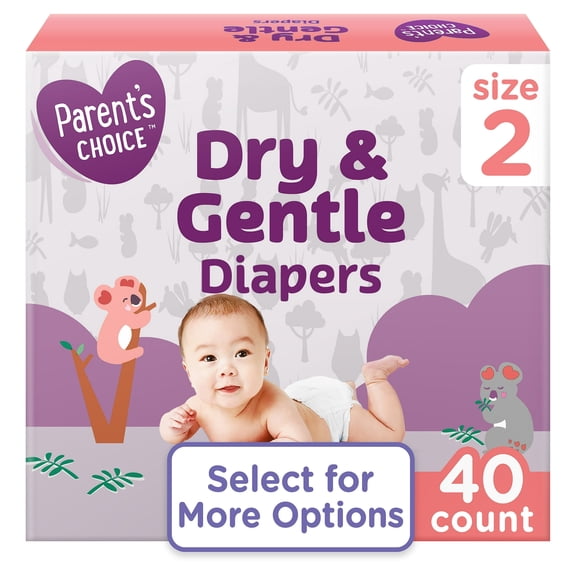
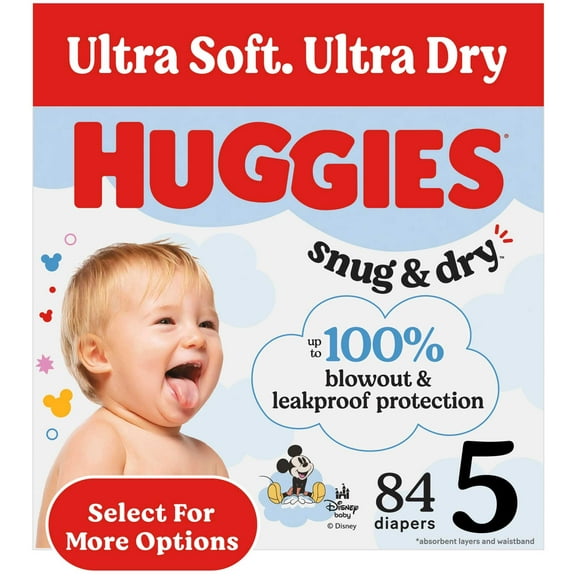
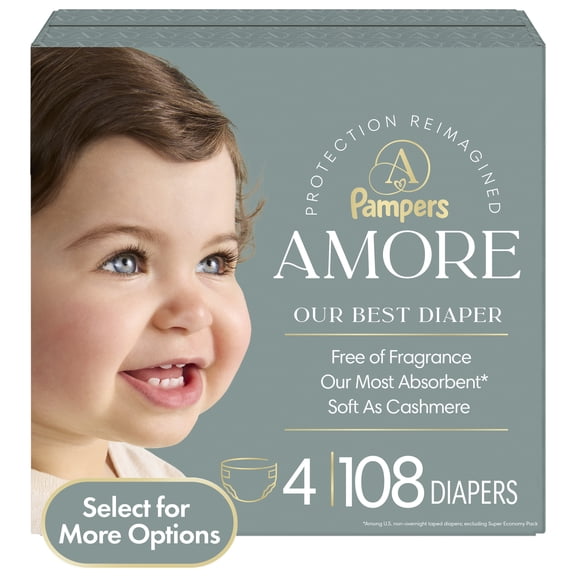

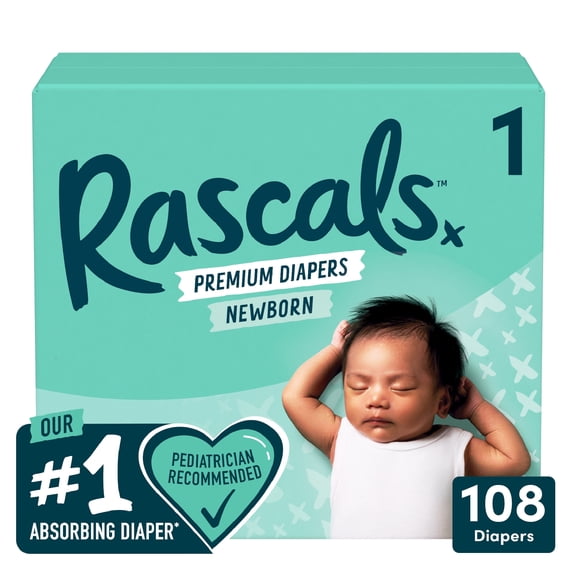

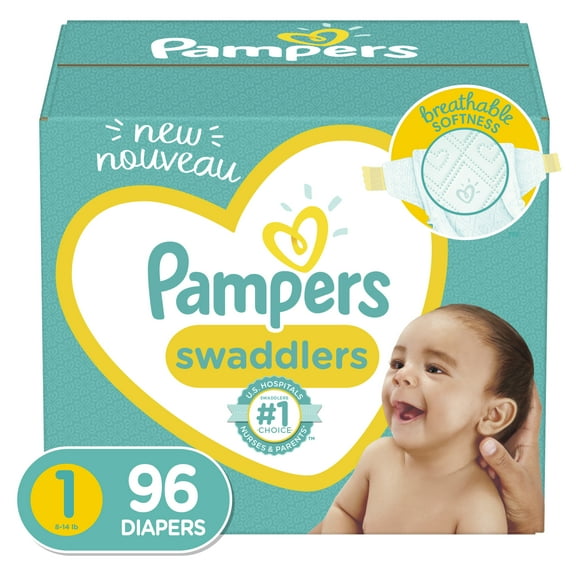
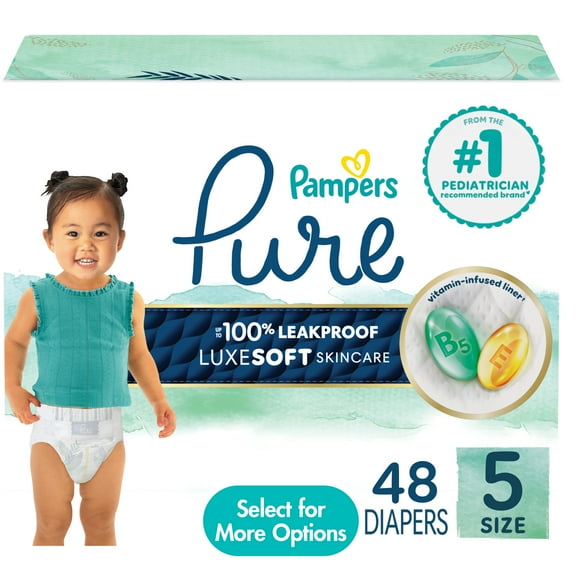

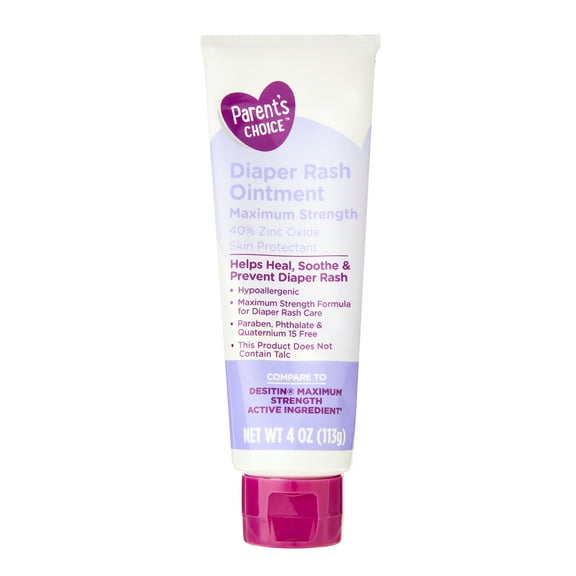

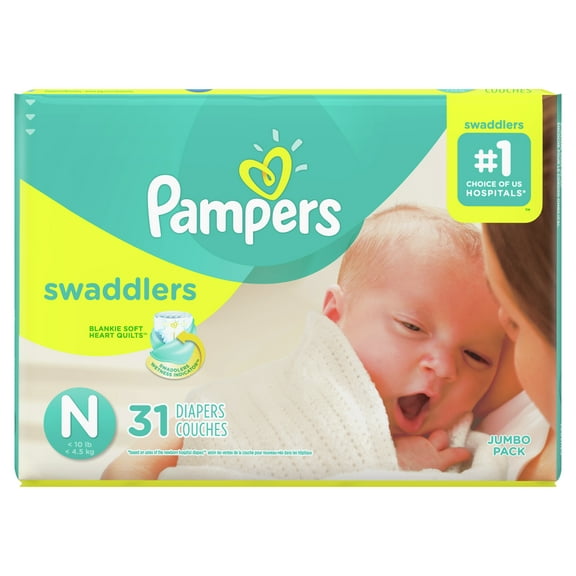
About Diapers - Walmart.com
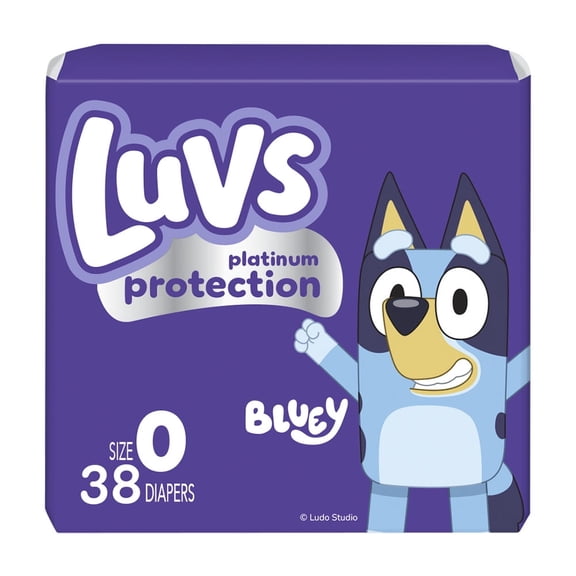
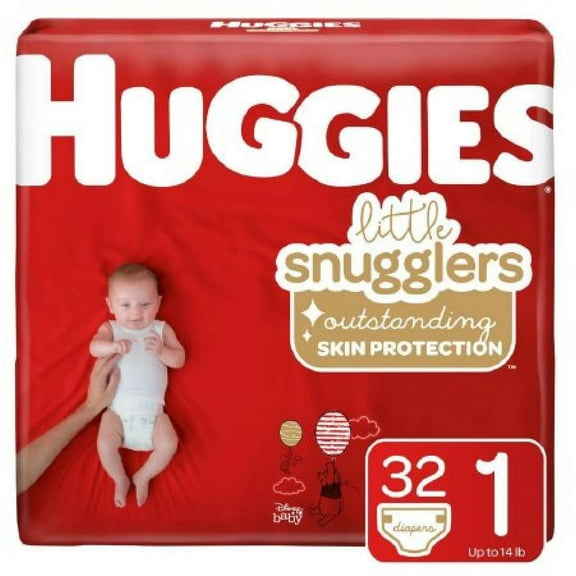
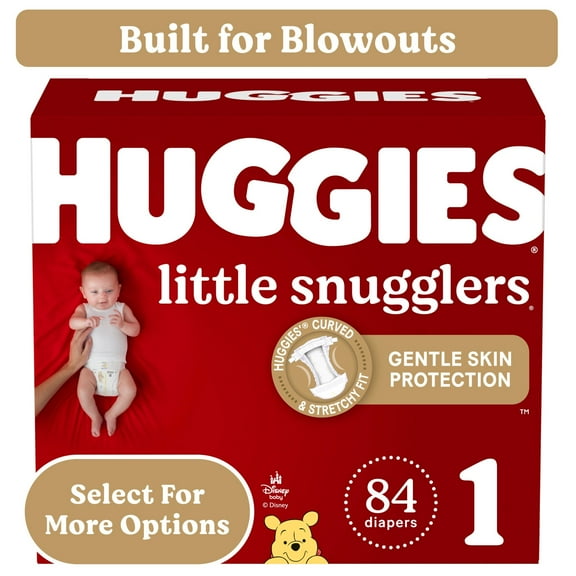
Diapers help you manage daily changes with less guesswork and a clearer routine. You can compare sizes, absorbency, skin-focused materials, and pack counts in one place.
When you shop this category, you’re often balancing fit, dryness, and how often you restock. You’ll also find options for daytime use, overnight wear, swim sessions, and potty training transitions.
Choosing diapers by size and weight
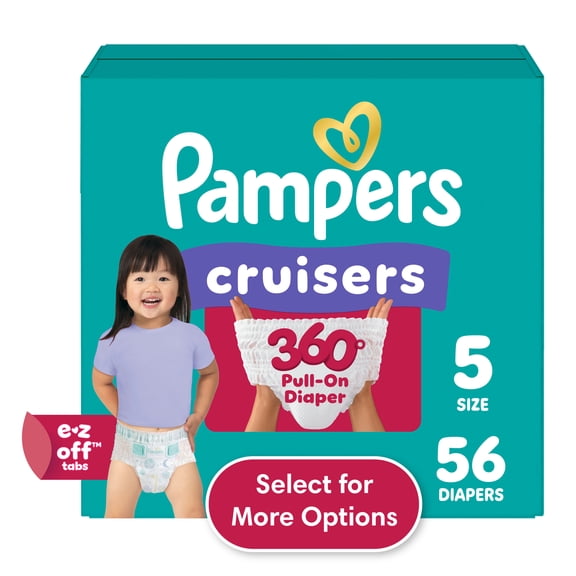
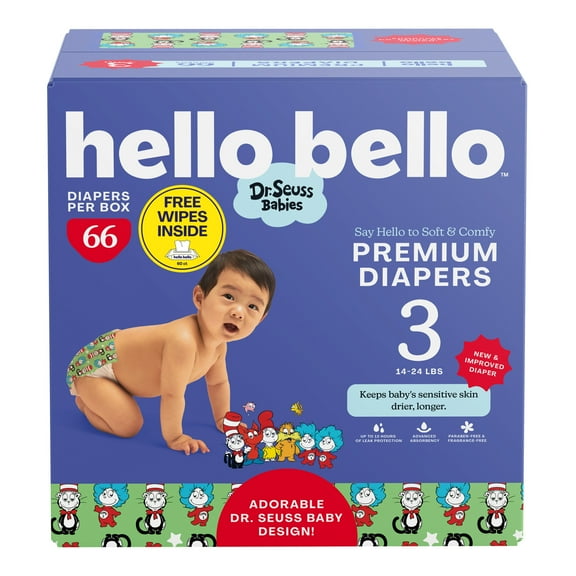
You should start with size, because a close fit supports easier movement and smoother changes. You’ll usually compare newborn diapers through size 7 by using weight range charts.
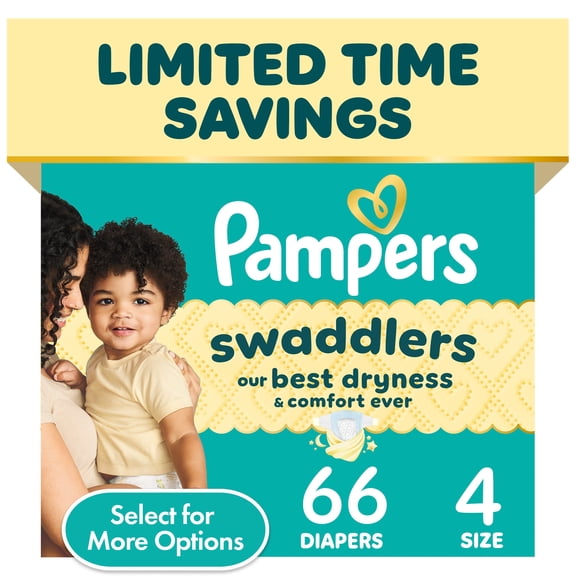
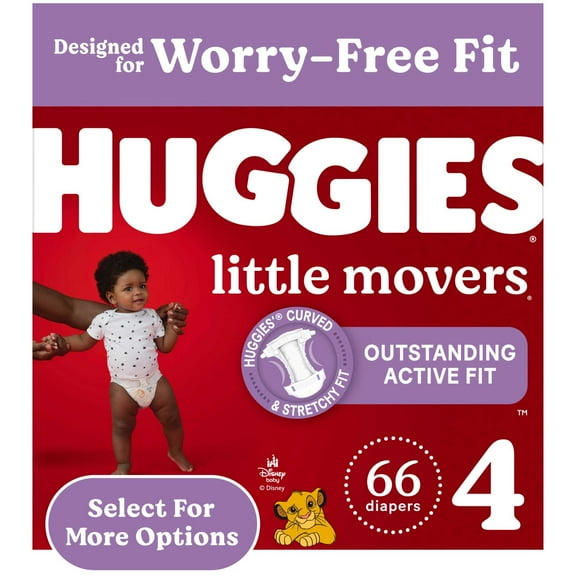
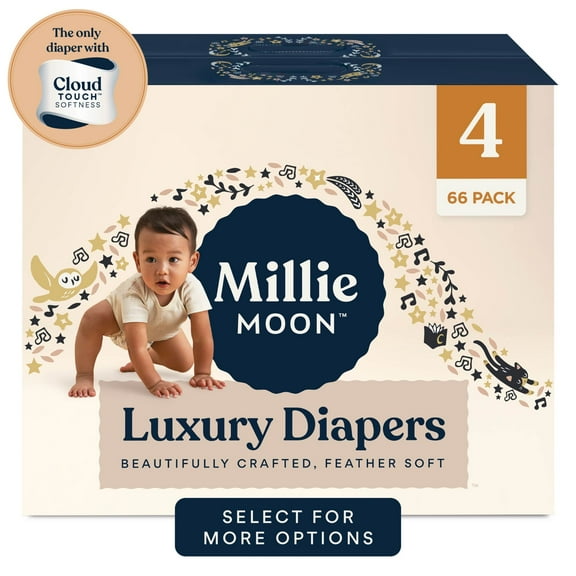
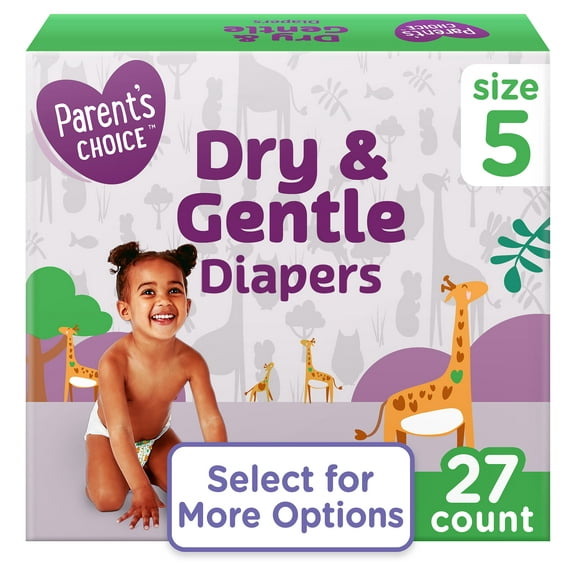
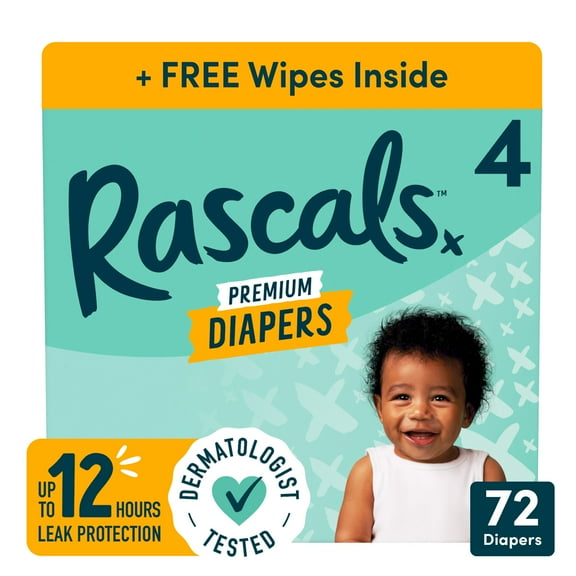
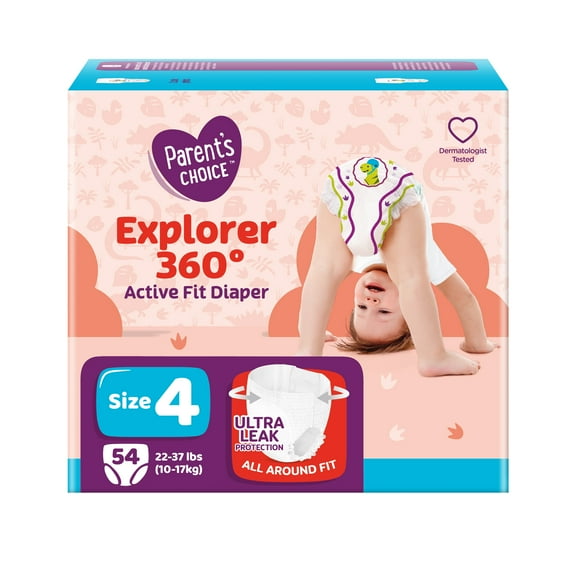
As you review sizes, you should check the listed weight range before comparing other details. You may notice size 4 diapers appear often, because many active babies wear them for long stretches.
If your baby is between sizes, you should compare leg opening fit and waistband stretch. You’ll want room for movement without extra gaps around the legs or back.
- You can use weight charts to narrow sizes faster.
- You should check waistband stretch for active daytime movement.
- You may prefer a roomier fit for overnight use.
- You can compare size changes from newborn through toddler stages.
When you choose the right size early, you can reduce outfit changes and frequent adjustments. You’ll also get a clearer idea of how many diapers you use each week.
Choosing between baby diapers and specialty types
You can compare baby diapers by intended use, because each type fits a different routine. You’ll commonly see disposable, cloth, overnight diapers, swim styles, and training pants.
Disposable options can simplify everyday changes when you want quick cleanup and easy packing. Cloth styles may fit your routine if you prefer reusable systems and planned wash cycles.
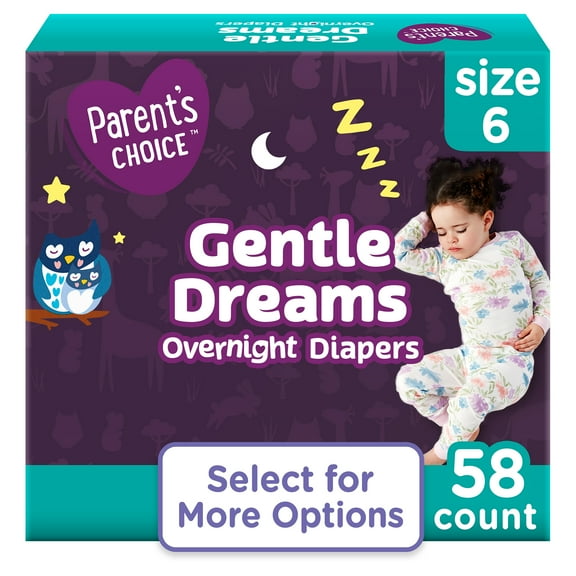
Overnight diapers feature designs for longer wear windows, so you can focus on sleep routines and fewer middle-of-the-night changes. You should look for absorbency details explained as hours of dry protection.
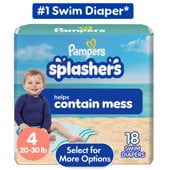
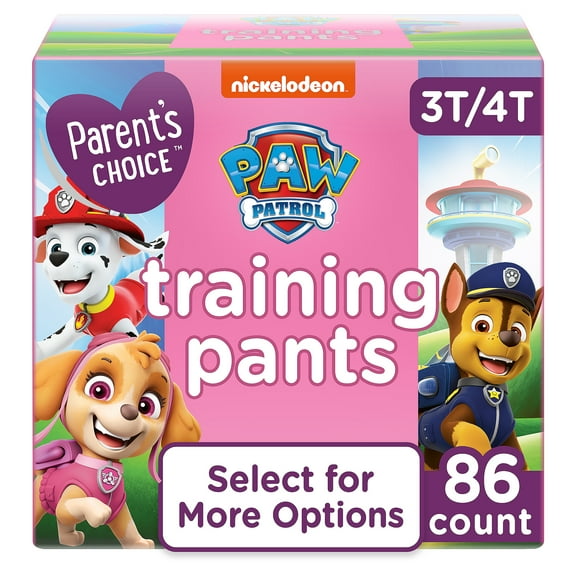
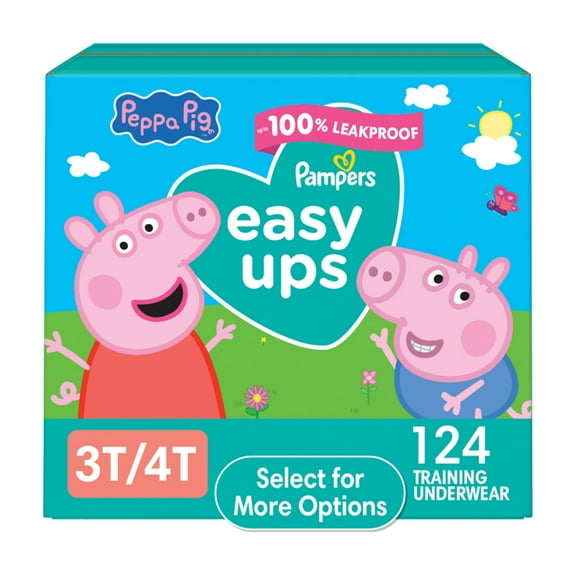
Swim diapers work differently from standard daily options, because you’ll use them for water play instead of all-day absorbency. Training pants can help when your child starts practicing pull-up independence.
If you’re building a diapering routine for several situations, you may keep more than one type on hand. You can use daytime pairs for regular changes and reserve overnight styles for bedtime.
What to look for in sensitive skin diapers
You may focus on materials first if your baby’s skin reacts to added scents or rough finishes. You can compare sensitive skin diapers by ingredient cues and fabric-touch details.
As you review labels, you should look for terms like hypoallergenic, fragrance-free, chlorine-free, or organic cotton. You’ll want those details explained clearly, so you can compare options with confidence.
Soft inner liners, breathable designs, and flexible waist panels can shape your daily routine. You may notice these details matter during longer wear times and frequent changes.
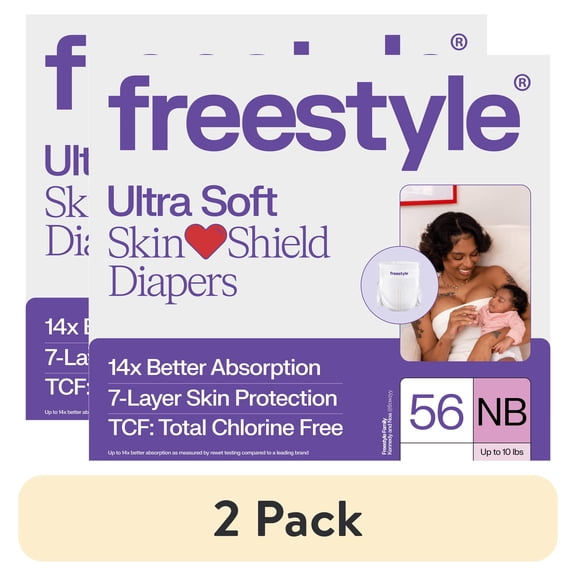
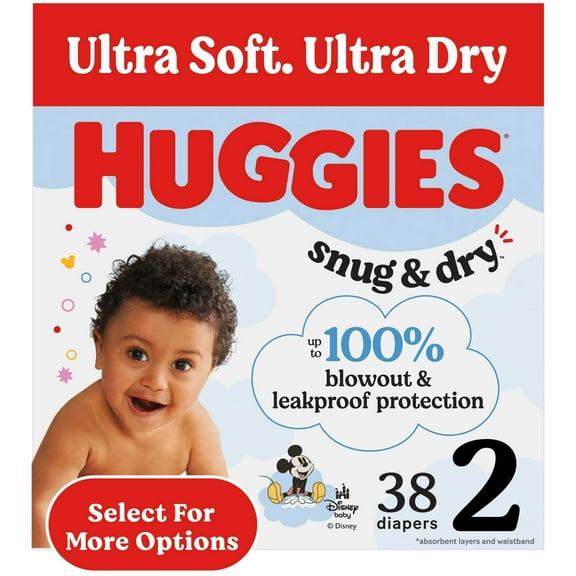
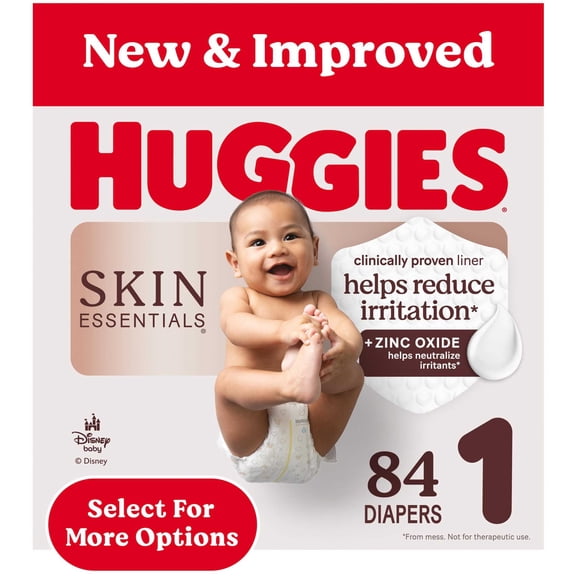
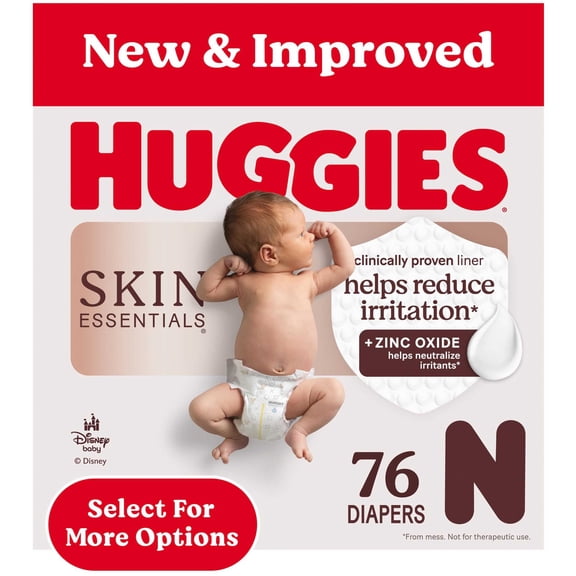
If you’re choosing for younger babies, newborn diapers with gentle materials can support early diapering routines. You can also compare wetness indicator features when you want easier change timing.
- You can check for fragrance-free and chlorine-free options.
- You should compare soft-touch liners for daily comfort.
- You may prefer hypoallergenic materials for simpler decisions.
- You can look for organic cotton touches in select styles.
When you compare skin-focused features carefully, you can narrow choices without relying on guesswork. You’ll end up with options that match your change frequency, fit needs, and material preferences.
How pack size affects bulk diapers planning
You should compare pack size by looking at change frequency and available storage space. You’ll usually see single pack, super pack, giant pack, and economy box options.
Single packs can work well when you’re testing fit, absorbency, or a new material choice. Larger counts can make sense when you already know your preferred size and type.
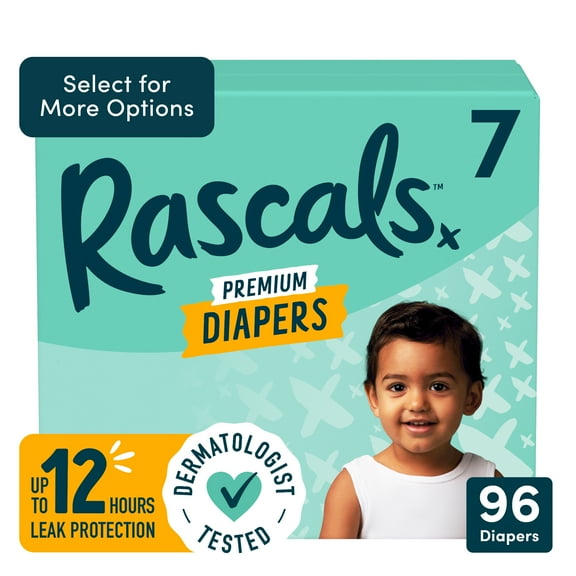
Bulk diapers can help you plan ahead for busy weeks, daycare drop-offs, or fewer restocking trips. You should also compare price-per-diaper value when pack counts vary across sizes.
If your baby is close to a size jump, you may skip the largest box until fit feels consistent. You can then move to bigger counts once your routine feels stable.
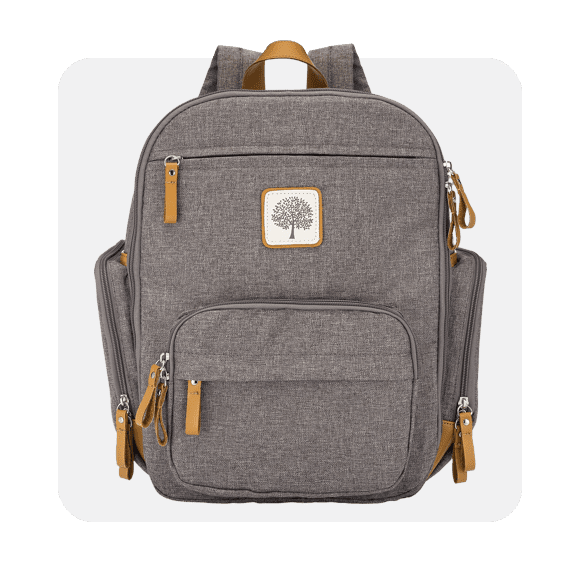
Pack size also affects where and how you use your diapers each day. You might keep a smaller pack in your diaper bag and a larger box at home.
Matching diapers to real routines
You can match your choices to daytime, bedtime, outings, and water activities. You’ll make faster decisions when each feature connects to a real routine.
For newborn stages, you may want smaller sizes, soft materials, and easy change indicators for frequent swaps. You can then shift toward stronger absorbency as naps and overnight stretches get longer.
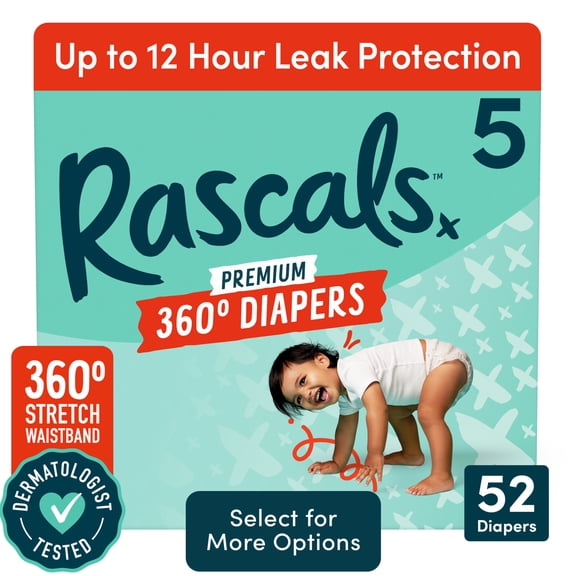
If your child moves constantly, you should compare flexible sides and secure waist fit for crawling and early walking. You may also find size 4 diapers useful during especially active phases.
For bedtime, you can look at overnight diapers that describe longer dry protection in plain language. You’ll want enough absorbency to support sleep routines with fewer overnight changes.
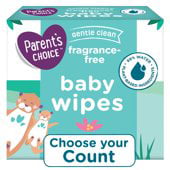
If pool days are on your calendar, you should keep swim options separate from everyday baby diapers. You can also pair your diaper choices with wipes, diaper bags, and training pants for smoother routines.
When you compare diapers by size, type, skin sensitivity, and pack count, you can build a routine that feels easier to manage. You’ll get a clearer path to comfortable fit, dependable dryness, and fewer surprises.