


Find auto parts that fit
Let’s search for parts that fit your vehicle.Differential Covers in Differentials & Components


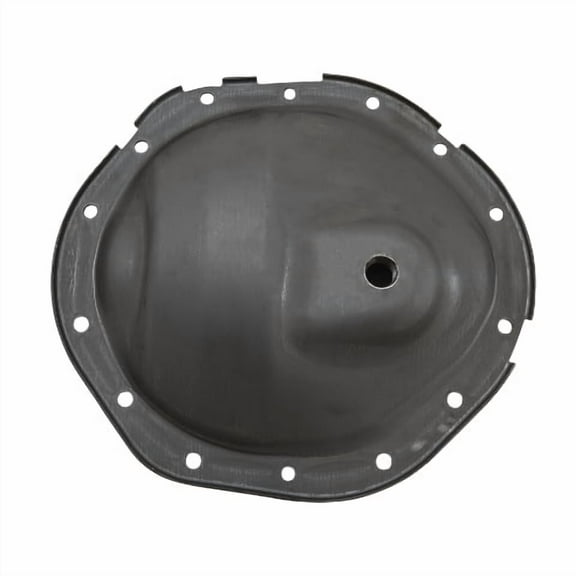
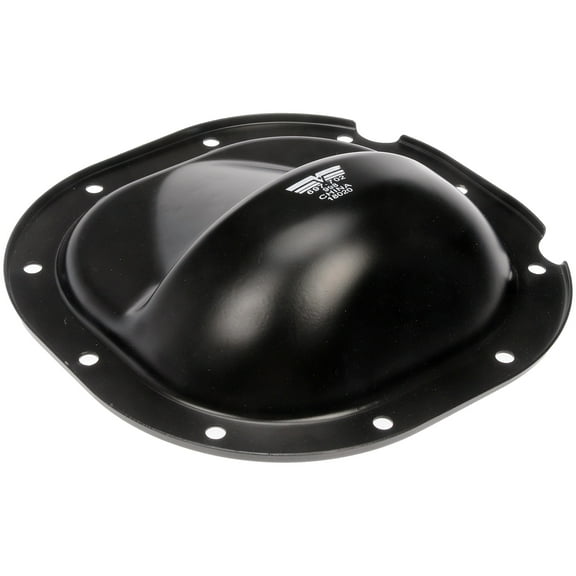


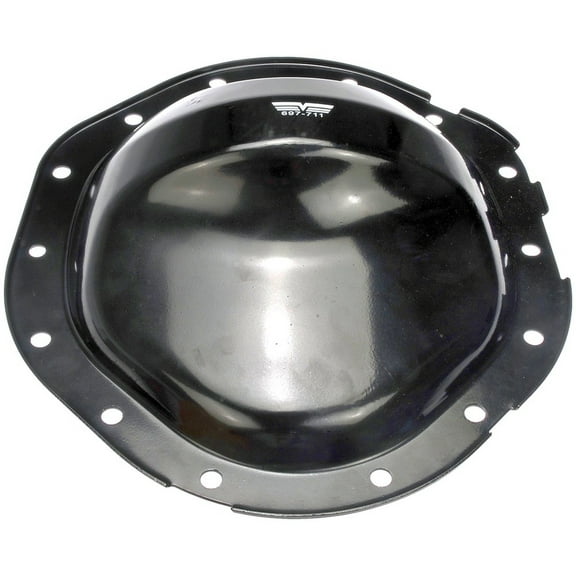


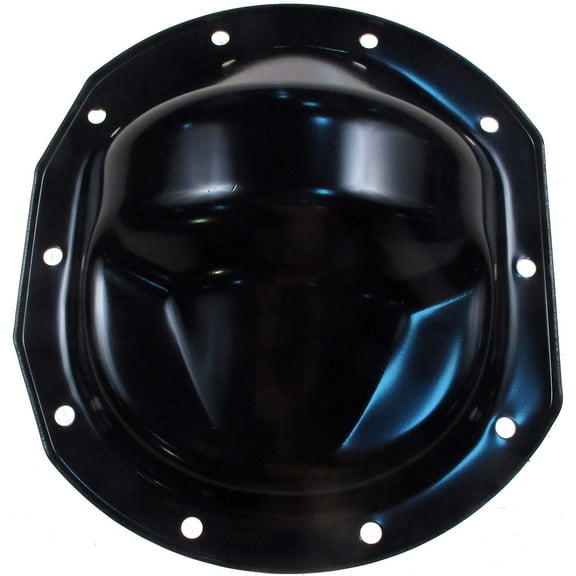



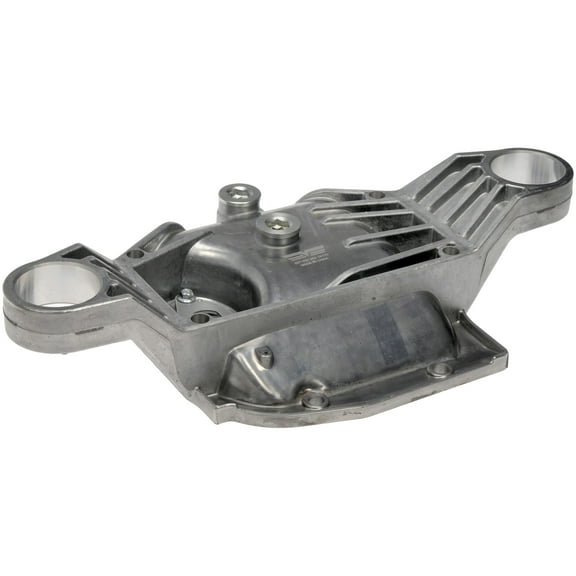


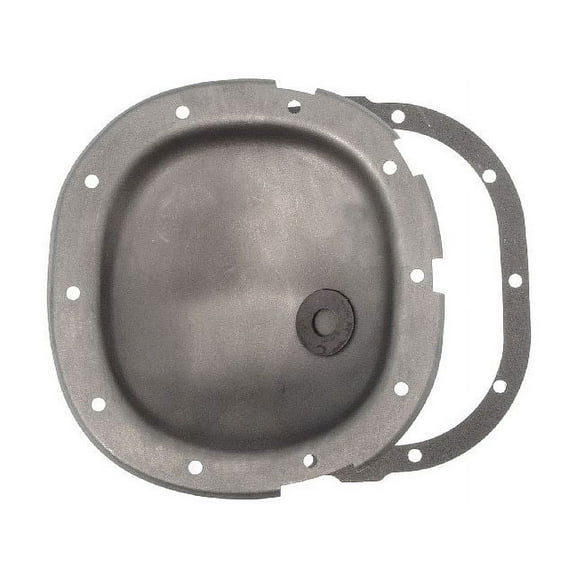

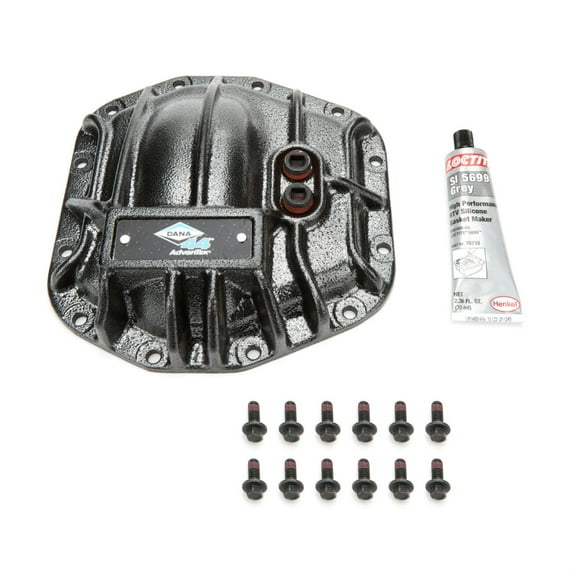

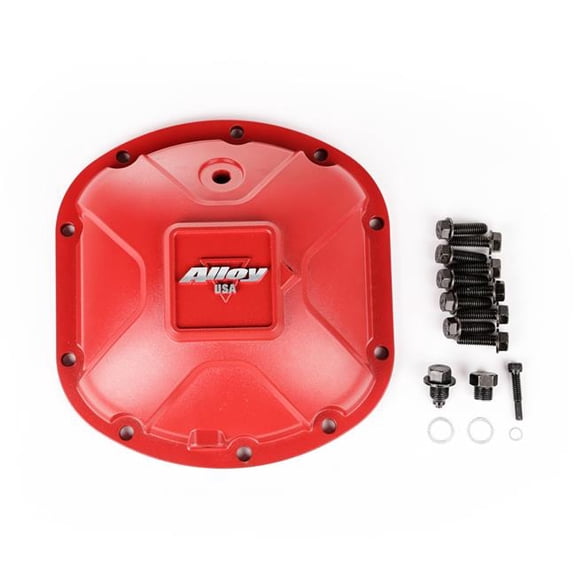






About Differential Covers in Differentials & Components - Walmart.com
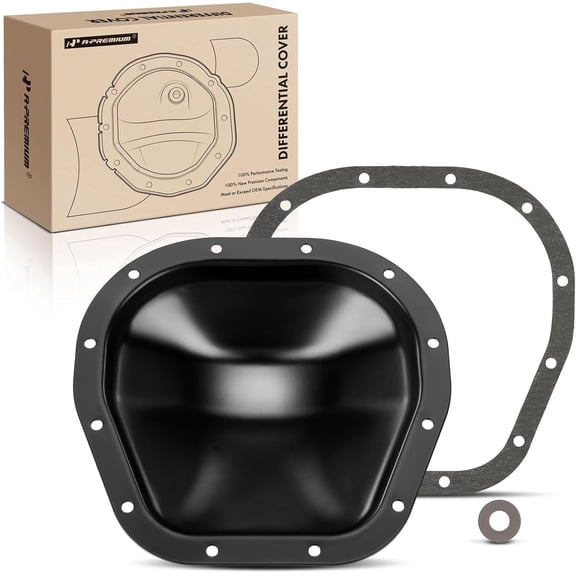
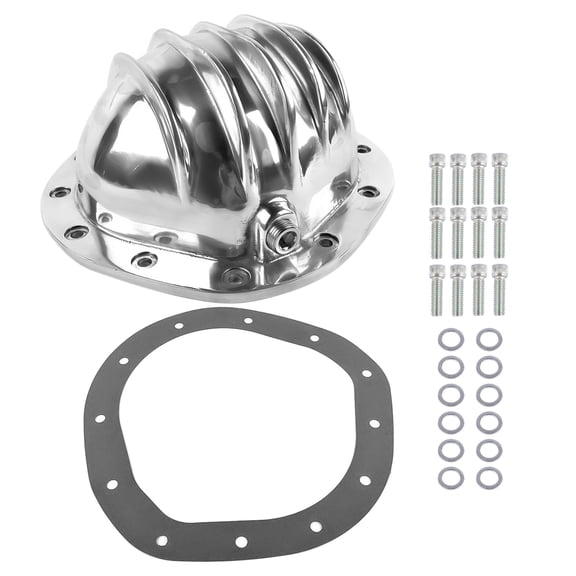
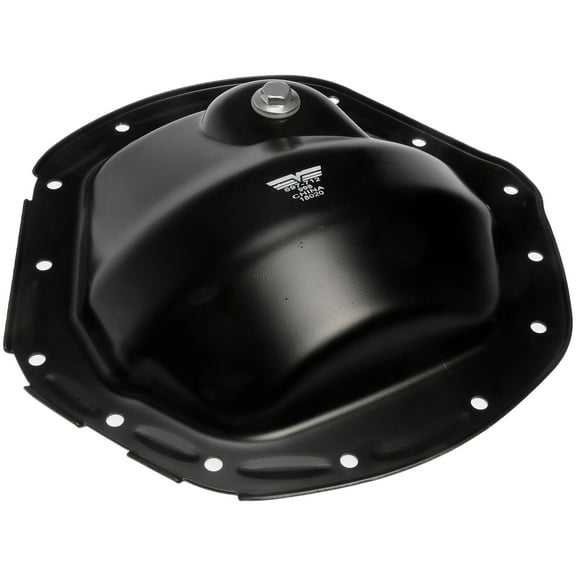
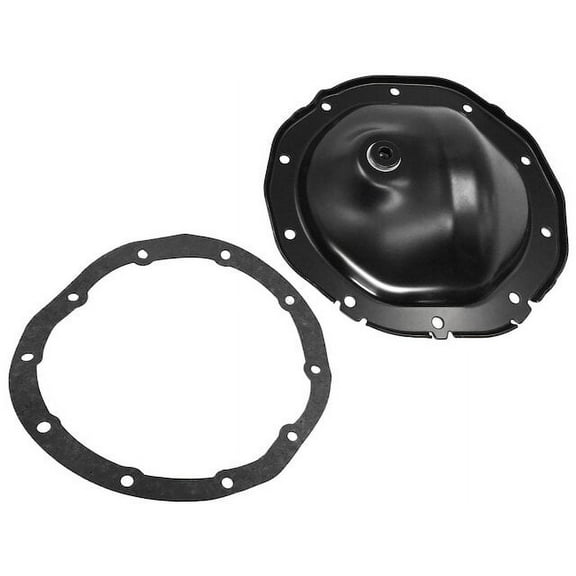
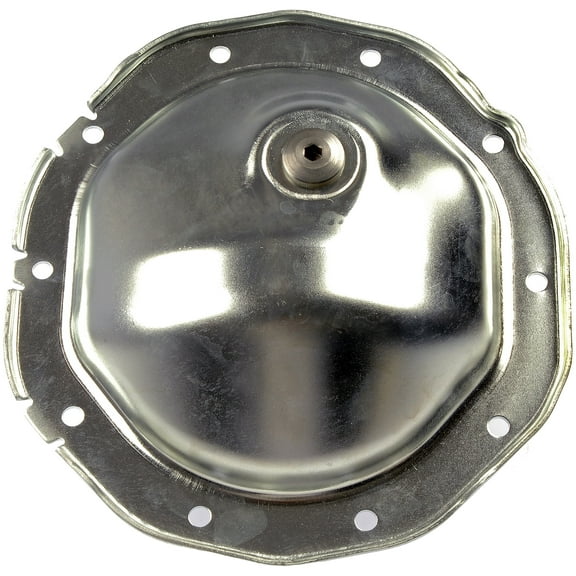
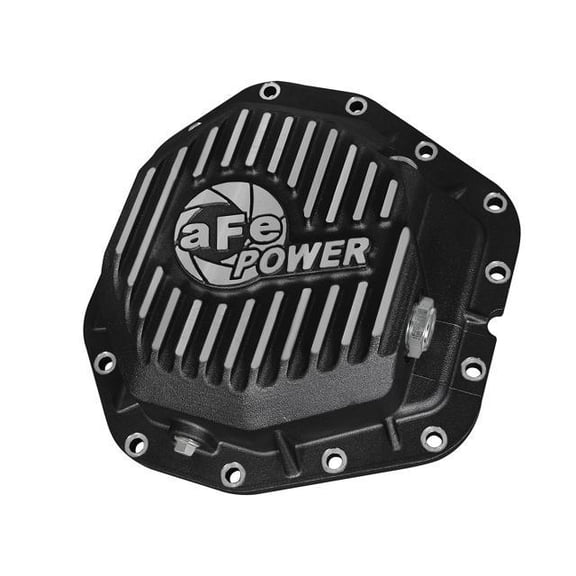
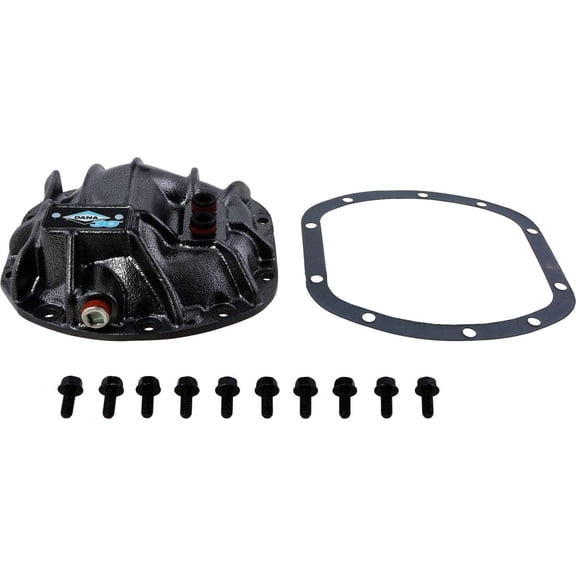
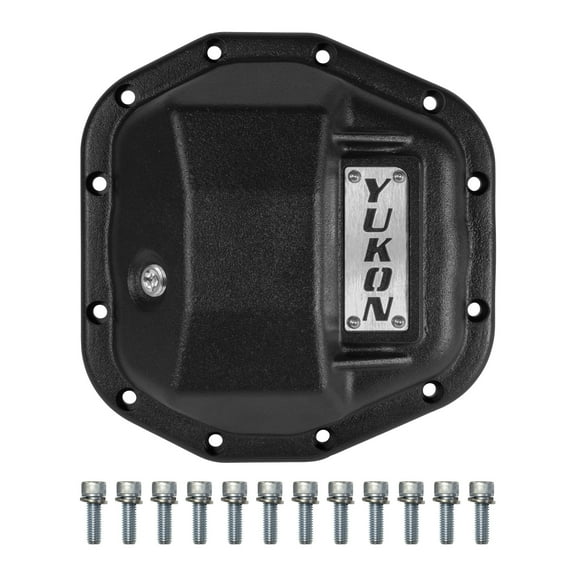
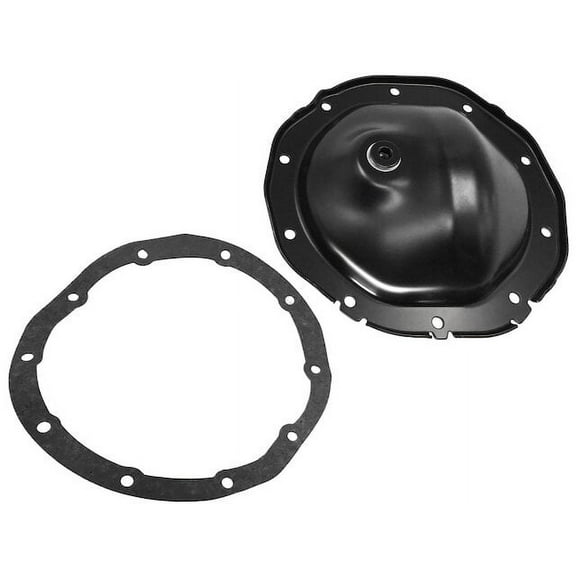
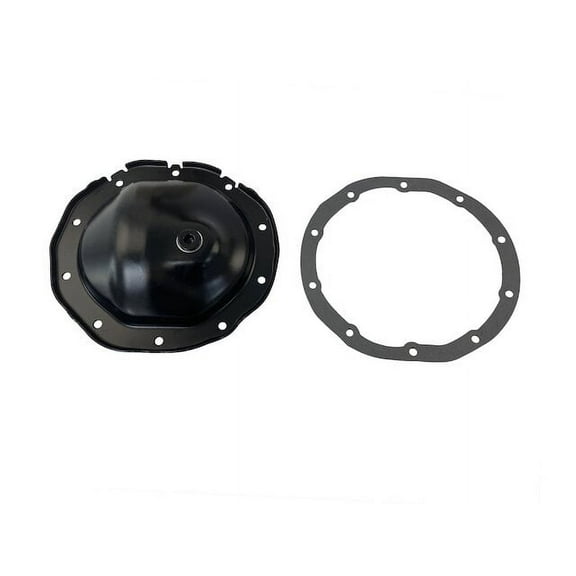
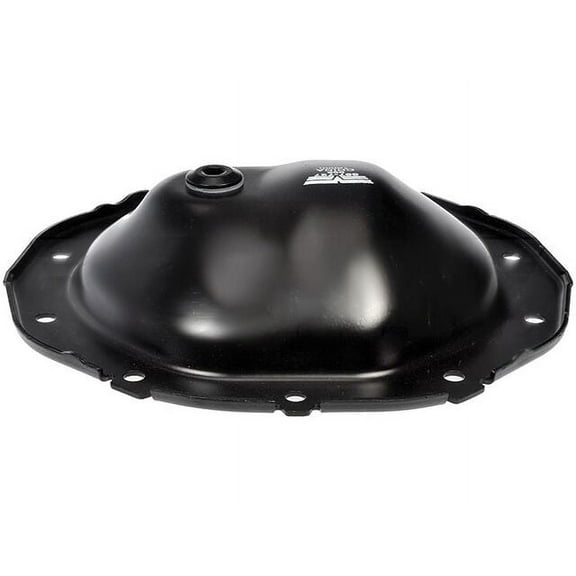
Your 8.8 ford rear end cover choice shapes fit, service access, and axle clearance. You should focus on Ford 8.8 details first, because other axle patterns won't line up correctly.
If you're replacing a worn cover or comparing upgrade styles, you should start with fitment basics. You can then compare materials, finishes, and maintenance features without losing axle accuracy.
Choosing the right 8.8 ford rear end cover
When you shop this category, you should confirm axle compatibility before anything else. You need a Ford 8.8 housing, because a Chevy 12-bolt or Dana 44 cover uses a different pattern.
You can narrow options faster by checking bolt count, ring gear references, and axle model details together. You should also compare housing shape, because similar truck axles can still use different cover outlines.
- You can improve fitment accuracy when you confirm a Ford 8.8 axle before comparing finishes or materials.
- This can make maintenance easier when you choose designs with accessible fill or drain plugs.
- You can match durability to driving style by comparing cast aluminum, nodular iron, and stamped steel.
- This helps you avoid clearance surprises when you measure around suspension parts and track bar movement.
Because this page includes several axle families, you should treat compatibility as your first decision. You can compare finish, vehicle type, and service details with more confidence after that step.
How to compare axle compatibility and key specs
If you're focused on an 8.8 diff cover, you should look for Ford 8.8 listing details first. You may see a 10-bolt pattern and 3-inch axle tubes during your fitment check.
You should compare ring gear size and axle naming together, because one spec alone isn't enough. This helps you get a clearer match when you confirm the housing pattern against your current cover.
For maintenance planning, you may prefer covers with fill plugs or drain plugs built into the casting. You can spend less time on fluid changes when access points sit in practical positions.
Some covers add extra fluid capacity, which supports easier service planning and cleaner fill access. You should still confirm that extra depth fits your setup without crowding nearby components.
Material choice also changes what you get from the cover in daily use. You may choose cast aluminum for heat dissipation, nodular iron for rock contact, or stamped steel for straightforward replacement.
When you compare finishes, you should think about appearance and surface coverage together. You may prefer powder coated black, polished chrome, or raw metal based on your build style.
Choosing material, finish, and vehicle fit
If you drive a truck or SUV, you may want a cover that balances strength with simple service access. You may notice cast aluminum works well when you want a rigid shape and easier heat transfer.
If your vehicle sees trail use, you may lean toward nodular iron for tougher contact with rough terrain. You should compare that strength with the added weight before you choose your final setup.
If you're refreshing a daily driver, stamped steel may suit your replacement plan well. You can keep a stock-style look while staying focused on fitment and routine maintenance.
Vehicle type should guide your decision just as much as axle type. You may need different cover depth, shape, or finish depending on whether you drive a truck, SUV, or performance car.
For performance car setups, you should pay close attention to suspension clearance around the housing. You want enough room for movement without contact near the track bar or surrounding hardware.
Using an 8.8 diff cover in real setups
If you're replacing a stock Ford 8.8 cover on a weekend truck, you should prioritize exact bolt pattern fit. You may also prefer fill access that simplifies routine fluid changes in your garage.
When you're upgrading a street and strip build, you may focus on a rigid cover with service-friendly details. You should check whether the design clears your suspension layout through full movement.
If you're outfitting an SUV for mixed pavement and trail use, you should compare material strength carefully. You may weigh cast aluminum heat transfer against nodular iron strength for rough terrain use.
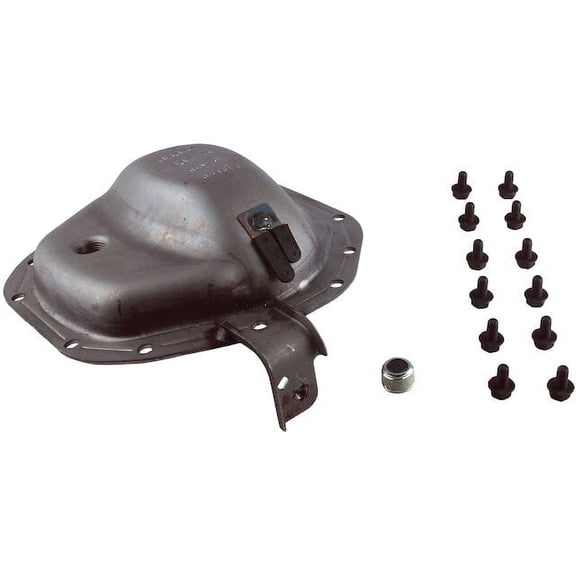
When you're comparing Ford 8.8, Chevy 12-bolt, Dana 44, and GM 8.5 options, you should avoid visual guesswork. This helps you get a cleaner install when you match the cover to your exact axle family.
You can also plan related maintenance while you choose a cover. You may want differential gaskets, gear oil, and differential cover bolts ready before your install starts.
With the right fitment details, your cover swap becomes more predictable from the start. This helps you end up with a cleaner seal, easier fluid service, and clearance that suits your axle setup.
What to look for before you install
Before you pick a final option, you should compare axle model, bolt pattern, and housing shape together. This can help you make a smarter choice when your 8.8 ford rear end cover matches your setup from the start.
That focused process helps you sort through finishes, materials, and service features without losing fitment accuracy. This helps you get a differential cover that supports cleaner installation and easier upkeep.
Popular in Differential Covers in Differentials & Components - Walmart.com
- Differential Assembly Kits
- Differential Kits
- Buick Century Axle Shaft Seal
- Front Differential Pinion Seal Replacement Silverado
- Mazda 626 Steering Knuckle Kit
- Ratio Rocker Arms Sbc
- Mazda 5 Steering Knuckle Kit
- Best Sellers In Automotive Performance Differential Covers
- Saab 44629 Steering Knuckle
- Mercury Cougar Suspension Ball Joint
- Re Suspension